Archive for June, 2026

22nd May 2026

Christopher Nosnibor

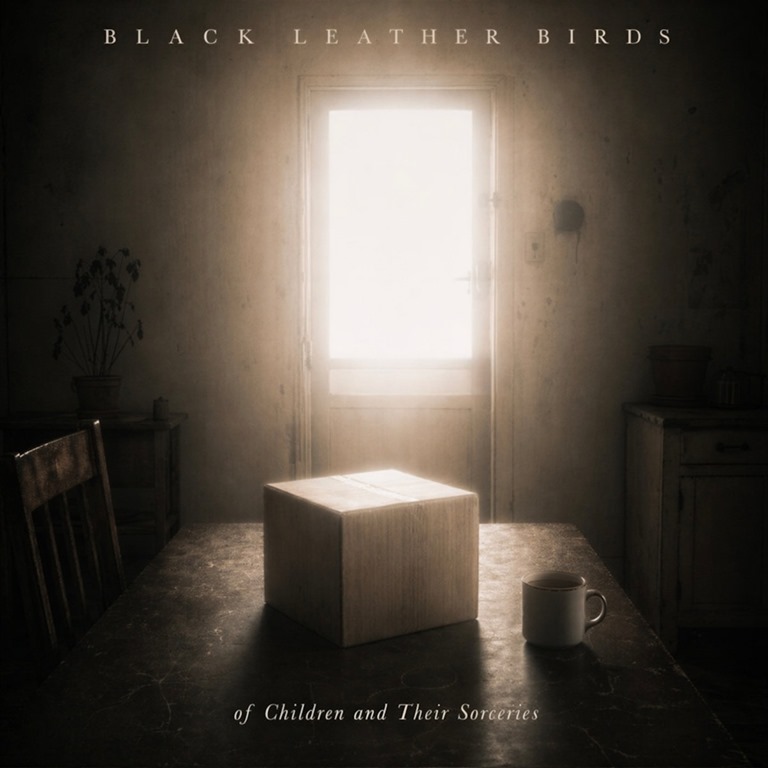
Black Leather Birds – the musical vehicle of A.G. Syjuco, based in Chicago, IL., like so many projects, began during the pandemic. Unlike so many projects, Syjuco has not only kept things going, but remained incredibly prolific.

He describes this new five-tracker, of Children and Their Sorceries, as ‘a deliberate piece of work — heavy on atmosphere and slow-building tension. Themes of anxiety and existential dread run throughout, handled with a literary sensibility that places spoken word, prose poetry, and ritual chant alongside more conventional song structures’.

Straight from the off, it’s heavy and intense. A thick, grinding bass greets us – that is to say, it churns our guts out – and a back-and-forth spoken word dialogue paints a bleak scene. The mellow breakdowns between verses include vinyl crackles and a low ache of nostalgia, before that heavy grind returns twice as heavy, twice as dense, and twice as ugly. In combining elements of Beat-influenced spoken word, trip-hop, and industrial, ‘Nothing Ever Grows Here’ makes for a dizzying and hard-hitting first four minutes.

At just over a minute, ‘Monster’ is but an interlude, but it’s a dark one, which culminates with crashing, crushing beats reminiscent of Dälek, and it segues into the narrative-centred ‘The Box’, a piece where noise rock meets spoken word. It’s actually been a while since I heard anything so narrative-orientated. More than anything, I’m reminded of Enablers – the words are first and foremost, and the atmosphere is tense, and there is noise, and there’s a certain sense of a duel for dominance between the words and the accompaniment. There are elements of jazz and noise rock and post-punk bubbling and jostling away behind Syjuco’s nonchalant narrative, which at times spins some pretty grim imagery – grimagery, even, if you’re so inclined (and I am). I’m also reminded of the smart-witted spoken word of King Missile, only with less of the sassy wordplay.

This is some pretty dark, bleak shit. ‘Almost’ is the most conventionally song-structured piece of the set, and ventures into industrial territory, with mechanical whirrs and dark electronic sounds, not to mention thudding mechanised beats, before the slow, melancholic ‘Goodnight My Darling’ lowers the curtain on this visionary work with a sadness that’s difficult to define. But sad it is.

of Children and Their Sorceries is inspired and inspiring: it’s wide-ranging, and straddles numerous genres. I have no idea where to locate it – but it’s good. And that’s what you need to know.

AA
a2909328540_10

Karlrecords – 22nd May 2026

Christopher Nosnibor

Flocks is the duo consisting of drone specialist Werner Durand and percussionist Uli Hohmann, and their second album, Lagoon, we’re informed that ‘the duo further explores the aesthetics it has crafted on its selftitled debut (2023, on the now defunct ZEHRA imprint): DURAND and HOHMANN shape drone-y soundscapes based on their self-built wind- & stringed instruments, Persian percussion and subtle electronics, drawing additional inspiration from Krautrock (listen to the irresistible, hypnotique, ever-changing rhythmic pattern of the title track) as well as JON HASSELL’s “fourth world” aesthetics, placing the duo nicely between tradition and experiment!’

For those unfamiliar with the fourth world concept, it can be traced to the 1980 collaborative album Fourth World, Vol. 1: Possible Musics by Hassell and Brian Eno, with the former defining the fourth world as “a unified primitive/futuristic sound combining features of world ethnic styles with advanced electronic techniques.” And it does very much describe the sounds on Lagoon, where electronic drones and quavering digital textures are melded with percussive forms of ancient origin. Indeed, Hohmann’s credits on the album include kanjira, riq, ghatam, Tibetan bells, Venetian shells, and bamboo tube zither. And the result is nothing short of hypnotic.

The three longform tracks share aquatic-themed titles, matched with gloopy tones and fluid forms. Side one contains two ten-minute pieces in the form of ‘Whirls’ and ‘Tidal’, while the twenty-minute title track fills the entirety of side two.

The length of the pieces means they each have time – and space – in which to fully explore the tones and textures of the instruments involved, and to create fully immersive soundscapes. There are breathy stutters amidst the wavering undulations, and sounds which evoke the sound of waves lapping the sides of a small boat. There are gentle ripples, ebbs and flows in these extensive sonic expanses, and it’s not difficult to let go and simply succumb to the drift.

The arrival of some quite smooth sax in the middle of ‘Tidal’ is something of a surprise and feels kind of incongruous at first, but in time it manages to nestle in nicely. ‘Lagoon’ features stronger, busier, percussion and denser, more claustrophobic drones, and is also the most overtly ‘jazz’ of the three compositions due to the more prominent sax work. Over its extended duration, it builds a solid groove, and seems to quicken in pace, although it may only be an increasing density and the tension of eternal repetition. Eleven minutes in, and you really begin to feel it: the relentless rhythm and eternally monotonous drone which underpin all of the additional layers have a cumulative effect. As horns and clients and an array of extraneous sounds from twittering to laser-like bleeps come and go, it becomes increasingly disorientating, and while the experience is by no means unpleasant, it does fully envelop the mind and body.

The combination of sci-fi sounds and weird electronica with urgent polyrhythmic percussion does, indeed, feel other-worldly – of this planet, and not, of the distant past and the equally-distant futures of imagination. And among it all, the listener finds themselves lost, adrift between the two, in time and space unknown.

AA

AA

KR120 front

The pioneering electronic dance act Lords of Acid have released their third single of 2026. Blending infectious electronic beats, Latin-inspired hooks and the tongue-in-cheek attitude that has made the group a cult favourite all over the globe, ‘El Mundo Está Loco’ (The World Is Crazy) is a dance floor anthem for a world that seems to be getting crazier by the day.

Driven by an irresistible chorus and a playful exchange between Lords of Acid and the New York City-based duo Tony & The Kiki, the song captures the chaos, absurdity and excitement of modern life while inviting listeners to do the only sensible thing left….dance. Because, when the world goes crazy, turn up the music.

Tony & The Kiki blend gritty NYC glamour, disco decadence, punk, soul and high-voltage anthems into an unapologetically queer rock-and-roll spectacle. Channelling the spirit of Blondie, Queen and Scissor Sisters through a modern, theatrical, arena-ready lens, they have built a significant cult following and been praised by icons that include Lady Gaga, Celine Dion, Cyndi Lauper, Grace Slick and even Fred Durst.

It quickly became clear that Tony & The Kiki belonged in the Lords of Acid universe, so the idea of having them guest on ‘El Mundo Está Loco’ felt like the perfect collaboration – loud, chaotic, sexy, theatrical and completely unhinged in all the right ways. The duo also performed as one of the guest acts on the recently completed ‘Cheeky Freaky Tour’ of the USA with Lords of Acid.

AA

9f9ee5c1ea7bb9d5d818a7bf8ecf81dea5dd73b0

26th May 2026

Christopher Nosnibor

It’s an interesting choice of name for a band, is Fishwife. Of course, the literal meaning is the wife of a fisherman, and in the dim and distant past (before my time), when industry was cottage rather than factory-based, and before the advent of supermarkets, the wives would sell the fish caught by their husbands. But we also have the phrase ‘to swear like a fishwife’, because said women were notoriously loud and sweary. Although this is also true of women from Glasgow and parts of the north of England in the present. As a final observation, it’s perhaps worth noting that, according to an article in the Review of English Studies, ‘managing alone while their menfolk were away fishing for extended periods made them strong and self-sufficient’. And while biographical details of this female London duo are scant, it seems likely relevant. That and the fact that Lenny Moynihan and Jos Cubie met in an oyster shack in a storm. As happens.

‘All Good Wives’ is their debut single – released completely non-coincidentally on World Dracula Day (May 26, 1897 being the date Bram Stoker’s seminal novel was published). They describe it quite simply as ‘a gothic indie rock song about falling in love with a vampire’, adding ‘We recorded the vocals in an empty ghost train ride and the organ in a gothic church.’

It’s all there, then, in just a few lines – a chance meeting, literary allusions by way of context. You can imagine them trotting this tale out to all the music sites in interviews, even telling to Tim Lovejoy on Sunday Brunch (since he asks every band, even siblings how they met, week in, week out). A song that combines romance and vampires… this is surely a recipe for success. Are we really convinced by this tale? Or is it there something fishy beneath the surface? Are we looking at the latest instalment of The Last Dinner Party, Wet Leg, Geese? There’s certainly quite a roll-call on the credits for the video. Let’s just say that I couldn’t afford this level of production if I wanted to put out a promo vid, even if I called in all the favours from all the people I know. In the age of AI and industry plants and nepo-buy ins and all the rest, it’s hard to know what’s real, what you can trust. I write this as someone who’s been writing reviews since 1994. I grew up reading the NME and Melody Maker, when the critique was as times beyond brutal. Now, music journalism seems to have become part of the PR machine, and writers are terrified of proffering any kind of criticism for fear of a virtual pile-on or their supply of freebies being cut off. Whatever happened to journalistic integrity?

It so happens that ‘All Good Wives’ is a solid tune. It isn’t an instant grab, but one of those songs that slowly worms its way into your psyche. Note that it’s described as ‘gothic’ rather than ‘goth’, and it’s all about the atmosphere – the spacious instrumentation, the breathy vocals, the tension and the dynamics. As a debut single, it’s magnificently understated – no huge anthemic chorus, no slogan, no instant hook, it’s built around a sparse, trudging riff, motorik percussion and layered vocals. It’s not only a great song, which blooms in a widescreen cinematic finale, but an introduction that has allure and is a lure, one which makes you lean in awaiting the next instalment.

Let’s see what happens next…

AA

AA

FISHWIFE_1

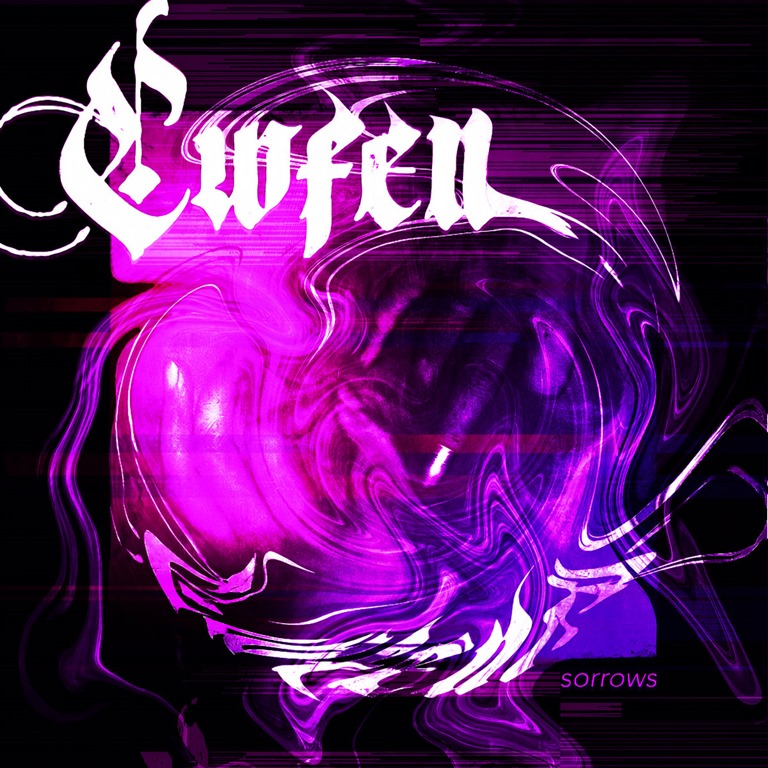
What happens when the release of a band’s debut exceeds their wildest dreams of what’s possible? 12 months ago, Cwfen (pronounced ‘Coven’) released their first album, Sorrows, which emerged from attempts to demo some material at a friend’s studio in a remote Scottish farmhouse. The results received instant and widespread acclaim, enjoying glowing reviews in the heavy music press (Metal Hammer, Kerrang!) and featuring in album of the year lists at the close of 2025.

Fast forward 12 months and the band have toured extensively with Paradise Lost and Faetooth, and played countless festival stages, crushing audiences and gaining new fans with consistently powerful performances of the Sorrows material.

To mark the first anniversary of the release of their debut, and the whirlwind 12 months that have passed since, the band are making two special releases of the album available for the first time. The first is a digital deluxe edition of Sorrows, which presents the original tracklist alongside more than 40 minutes of previously unheard music, including blistering live tracks from their early shows and recent touring, early demos of key songs, and eerie sonic experiments composed during the making of the album. The second new release is a special 3rd edition vinyl repress of Sorrows on neon violet vinyl, limited to 300 copies.

Fresh from a performance this week at Download Festival, the band are excited to share these releases, as they look ahead to a summer of festival performances across Europe, and then to beginning the process of preparing album number two.

AA

Cwfenna2514403753_10

15th May 2026

Christopher Nosnibor

Shaded Houses is an ambient project based in Sicily, ‘built,’, as they say, ‘entirely on instrumental, minimal, drum-less soundscapes’. Family Trees is their debut album, and it’s been released by the UK label Wormhole World. There’s something somehow warming about underground and emerging acts having their work released by labels overseas or otherwise non-domestic. It’s a reminder that while so much of the Internet, especially social media, is simply a toxic, bot-ridden hellhole of hate and antagonism, the world wide web can still be a medium for positive and constructive ends, and also that in a time of extreme polarity and division when it comes to politics and perspectives, music remains a remarkably unifying power. Of course, some music is overtly political (and that can also prove to possess bonding qualities), but there is much which is entirely removed from all that stuff, and offers a space apart, a safe space, of sorts, where there is simply a connection with the human condition, or even simply the language of sound.

Family Trees is exemplary. It’s an exploratory auditory cruise which leads the listener on a journey, one which traverses far from all the shit and into another realm entirely.

The songs are numbered sequentially, with their titles in parenthesis. The significance of this is unclear, but as a formal construct, it works quite nicely.

‘One (Minimally Conscious)’ is almost fourteen minutes in duration, and manifests as a groaning, multi-tonal drone, almost akin to an organ, but not quite – a semi-synthetic trilling wheeze which hovers and hums, the polyphony occasionally creating a humming, trilling, rubbing together of notes. At times it’s the sonic equivalent of the slow puffing of a giant bellows, but when additional layers creep in, by stealth, into the mix.

Family Trees succeeds in slipping under the mental radar – which is a key in defining ambient, I would say, in that by definition, ‘ambience’ is in the air, it’s background. But as I’m happily soaking in the drift, I find I’m suddenly alert, spine stiffened, eyes roving, on the arrival of ‘Four (Shaded House)’, which brings scraping, sonorous drones and a thick, woozy, nauseous atmosphere with the trebly trilling which interweave in an uncomfortable ebb and flow, which sometimes feels like it’s surging backwards, and probably is. It’s a testing seven minutes, uncomfortable, tense, as you wonder just how this all sits together. Thick, resonant tones vibrate in your chest as you wonder… you wonder… you wonder, how safe actually are you?

‘Five (Ascension)’ does, in all truth, feel transcendental, as slow, delicate piano combines with long, quivering drones which float and ultimately fade. It carries a rare richness in sonic terms.

The subsequent silence is strange. All I hear is the thrum of the bathroom extractor fan. But this is the way that Family Trees lands.

A A

a1843856716_10

SOLACE offer a doom-laden glimpse of vintage heavy metal with the final advance track, ‘Malengine (The Scaffold)’, taken from their highly anticipated fifth full-length Fading Failing Ruin that is set for release on July 3, 2026.

SOLACE comment: “When I came up with the opening riff to ‘Malengine’, I really liked it”, guitarist Tommy Southard declares and explains: “The song felt moody and doomy with a certain sorrowful tone, but when I brought it to the band they had a hard time wrapping their heads around it. I guess it was in an odd time signature. Our other guitarist Justin presented it to some friends with deep formal knowledge of music, and they analysed that the first half of the riff is in 9/8 and the second half is 11/8! Once everyone had figured out the groove of the riff, the song really started taking shape. I really love all the twists and turns. It’s got doom. It’s got some metal flourishes and a killer kinda psych section. It went from maybe a song that wasn’t going to work to the final composition turning out as one of my faves songs on Fading Falling Ruin. This track comes with almost every element that makes Solace who we are. I sincerely hope people find it as interesting as we do.”

AA

SOLACE deliver their fifth studio album Fading Failing Ruin just in time to celebrate the anniversary of their 30th year as a band. And all the heaviness, experience, and obvious maturity of their songwriting across three decades is perfectly reflected in the seeming ease with which these master craftsmen hammer out one captivating and crushing track after the other.
Revolving around apocalyptic, infernal, and end time themes that easily fit this day and age, Fading Failing Ruin nails the current global mood by taking a strong dose of inspiration from the earliest days of metal and blending it with contemporary heaviness.

A direct link goes back to 1996, when SOLACE rose from the ashes of GODSPEED, who made their name on Headbanger’s Ball and Beavis & Butthead, appeared on the Nativity in Black tribute backing Bruce Dickinson, and toured with CATHEDRAL and BLACK SABBATH. Emerging at the dawn of the internet and the burgeoning stoner rock scene, SOLACE were driven by hardcore-infused metal, captivating vocals, and a dark doom underbelly.

The New Jersey band hit the scene with their ferocious debut Further in 2000. Its tracks remain as contemporary and relevant as in those early days, and an extended and re-mastered 25th anniversary edition became an unplanned but much deserved tribute to brilliant yet tortured original SOLACE vocalist Jason L., who had sadly passed away in January 2025. 
SOLACE continued to build on a solid foundation of classic metal, early doom, and punk ethic into which the four-piece infused a healthy dose of hardcore fury and groovy, grinding sludge.

Three years after the worldwide success of Further, SOLACE returned with the sophomore album 13 (2003), which highlighted the epic side of their songwriting. In the wake of this album, the band was invited twice to perform at the prestigious Roadburn Festival in 2006 and 2009.

The shoremen returned with their highly praised third album A.D. in 2010. Despite the band’s growing acclaim, SOLACE took an informal hiatus to revamp their lineup, returning even stronger with full-length number four, The Brink, in 2019.

SOLACE have called their amalgamation of doom and heavy metal with hardcore elements dirt metal, while elsewhere it has been somewhat tongue-in-cheekily dubbed shorecore. Others file the New Jersey five-piece under stoner metal – and in truth, all these descriptions have and still fit the band to an extent.

With Fading Failing Ruin, SOLACE erect a new milestone of US heavy metal that respects traditions from both sides of the Atlantic while churning toward a chaotic future. Time to bang those heads!

AA

c7a8e2f0-88f2-5107-8987-44a1248913df

Trash City Records – 26th June 2026

Christopher Nosnibnor

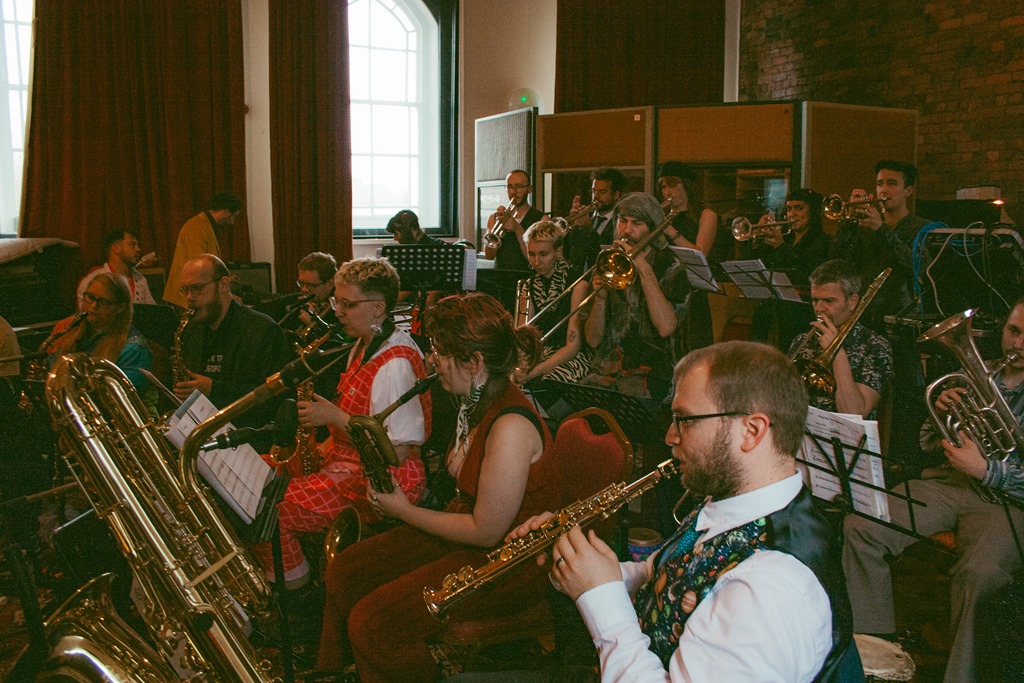
With over thirty members, there’s nothing imaginary about the bigness of the band led by Fergus Quill, and this, their third album, we’re told, ‘celebrates the full gamut of big band music from the big screen showbiz razzmatazz of yore to Charles Mingus, to John Zorn, to the Afrofuturism of Sun Ra’.

But first, a brief potted musical history of the big band, and the origin of this one, which was established as ‘a celebration of the neglected possibilities of the big band’. ‘Following World War II, big bands, with their large ensembles were considered commercially unviable for most, hence the transition to the smaller groups of the bebop era. They are still more scarce in our own times for the same, economic reasons. As such, an undertaking like this, led by primary composer Fergus Quill, is a true labour of love, of spiritual adventure and big fun, a joyful blast of collective noise’.

The New Atomic was recorded over three days, its forty-minute duration culled from some five hours of recordings – more of a box set than an album – and the result is quite remarkable.

‘J Surfing on the Sun’ kicks things off with a nine-minute journey that one might reasonably call quintessential film score stuff – think movie soundtracks from the 60s and 70s with big action. You could almost play this over the video of ‘Sabotage’ by The Beastie Boys – only it’s got swing, it’s got groove, and it’s got… not necessarily narrative, but changes in tempo and instrumentation which could readily correspond with different scenes and the telling of a story, culminating in a frenetic finale. It packs crazy horns and cadent keys and thrills and spills galore. Sure, it’s jazz, but it’s no ponderous chin-stroking shit – this is lively stuff to get down to.

If ‘Theme from “The New Atomic”’ goes avant-garde and disjointed in places, and space-age ambient in others, their cover of Bob Dylan’s ‘Love Sick’ is tight, focused, and marks a complete contrast to the rest of the album – it’s overtly structured, and sedate in pace, but boasts some Pearl and Dean kind of blasts (that’s a reference that’ll only make sense to a certain demographic, but hey), and side two goes all out on the groove with ‘Do the Right Thing’, which again brings sturdy beats and a solid groove. And from hereon in, things only get more rambunctious and bold and expansive and wide-ranging, until we arrive at the final song, ‘ I Shall Not Be Moved’ an arrangement of the traditional song, which I’d always believed was ‘We’ rather than ‘I’. Essentially an acapella ensemble performance to begin, the coming together of voices articulating peaceful protest is intensely moving, and never more pertinent. It’s powerful in its simplicity and directness, and serves as a reminder that resistance is by no means futile: we need more of this, and a lot less lobbing of projectiles and burning of vehicles.

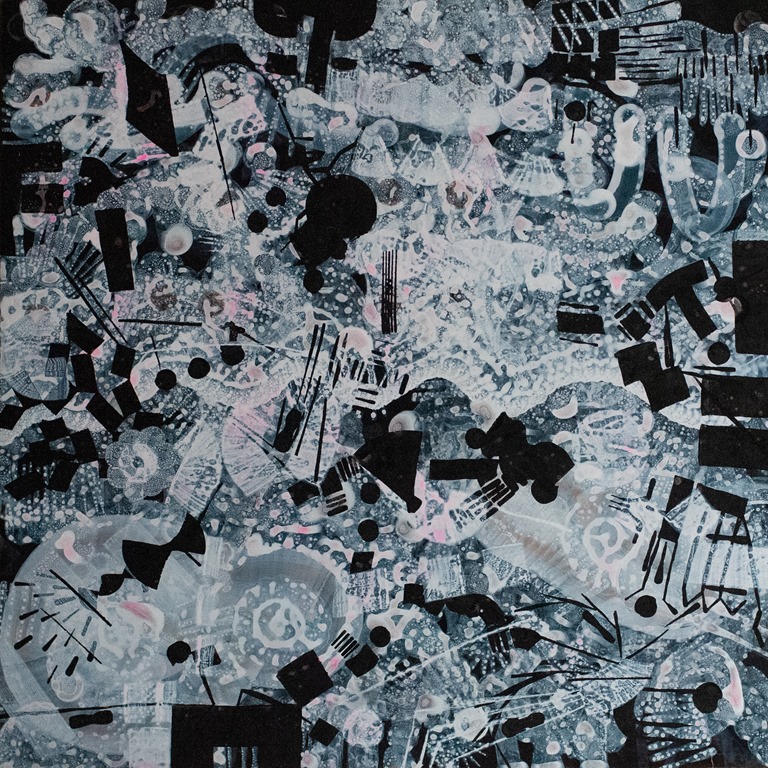
The New Atomic is every bit as explosive as the cover art suggests.

AA

AA

_MG_0066

AA

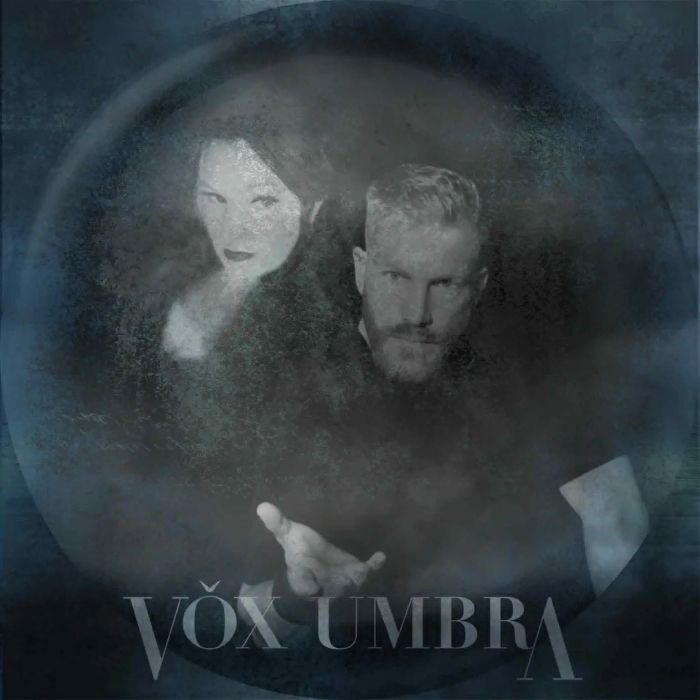
VOX UMBRA returns with their two song maxi-single, ‘Afterglow’ / ‘The Train’, which pairs the duo’s cinematic atmosphere and emotionally focused songwriting. Across these companion tracks, the release explores movement, uncertainty, devotion, distance, and the fragile clarity that can emerge when old certainties fall away. Darkly elegant and deeply human, ‘Afterglow’ / ‘The Train’ balances widescreen tension with intimate emotional stakes.

‘Afterglow’ / ‘The Train’ is a cohesive two-song statement about how people carry each other through uncertainty, whether side by side or from afar. One song moves through pressure and fracture. One song lingers in grace and release. Together, they create a resonant emotional arc. For fans of thoughtful, atmospheric songwriting and listeners drawn to shadowed textures, lyrical depth and songs that stay with them after the final note, ‘Afterglow’ / ‘The Train’ offers two compelling new entries in the VOX UMBRA catalog.

Watch the video for ‘Afterglow’ here:

AA

‘Afterglow’: A sweeping and urgent meditation on disillusionment, loyalty and perseverance in a world where direction grows uncertain. ‘Afterglow’ transforms failing signals, collapsing promises and gathering pressure into a powerful personal narrative about choosing to keep moving. With lines such as “I loved you before the damage, I’ll love you through the break,” the song finds tenderness inside turbulence.

‘The Train’: Reflective, restrained and quietly devastating, ‘The Train’ explores pride, grief, growth and the ache of letting someone move beyond your reach while still loving them fully. Centered by the lyric “Maybe this time I have done enough”, the track offers emotional generosity without sentimentality.

AA

9115672c-cacb-3382-e835-7c2bc0363c26

Saccharine Underground – 9th June 2026

Christopher Nosnibor

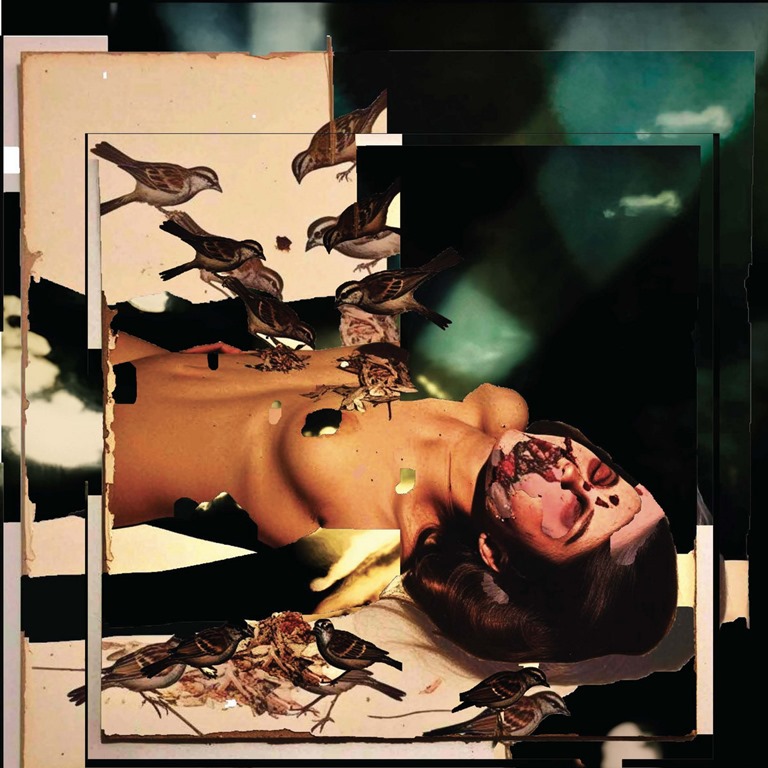
I like my shit weird and experimental, and so it is that AD Ozium’s In the Style of Dead Sparrows is both weird and experimental, and needless to say I like it – but with the caveat that listening to it is an experience akin to being dragged through an near-endless nightmare, and every time you think you’ve woken up, you discover that you’re simply in another level of this multi-faceted anxiety dream.

The pitch is that ‘In the Style of Dead Sparrows is the latest transmission from the outer edge of instrumental music – a fractured, hallucinatory convergence of freak folk textures and no wave dissonance that dissolves the boundary between sound and psyche. Created by Washington D.C.-based solo musician Jeremy Moore (Zabus, Zero Swann, Bell Barrow) under the name AD Ozium, the album operates at the intersection of freak folk, no wave, avant-garde drone and experimental instrumental music.’

But this barely scratches the lumpy, irregular, alien, fog-covered surface of this album. The first composition, ‘Lifespring’ is exemplary in its exploratory nature. It begins subtly, some desert rock twang in a drift of breeze and warping ambience. With tweets and yawns, it feels as if the tape is stretched in places, and there’s a crackle and hiss reminiscent of that old four-track tape noise and plunging synth rumbles. Discord builds as the sound swells, unsettlingly. It continues in this way for the first six minutes or so, until the nerve-jangling tension and suspense breaks into a brief but thunderous rupture.

The ten-minute ‘Tender Loving Seed’ is swampy, straggly, churny, a mangled mess of broken-sounding country guitar and fractured electronics, not so much a whistle of feedback as the sound of circuitry melting amidst a swell of distortion. It sounds like fucked-up flamenco, it sounds like dialling through radio stations and managing to tune into none of them, it sounds like a cerebral spasm. It’s a slow unwinding of discordant chaos.

I’ll take a stab that ‘Whore of Sound’ is perhaps a reference to ‘Whorle of Sound’ by Throbbing Gristle, which appeared on their First Annual Report, and was subsequently reprised in a radically altered but altogether more brutal form as Walls of Sound on DOA: The Third and Final Report of Throbbing Gristle. Certainly, the sonic parallels are apparent: this is seven minutes of gnarly noise which swells to head-shredding intensity with hints of Lou Reed’s Metal Machine Music.

‘Faith is a Hole’ brings new layers of discomfort, the overloading low frequencies creating mic distortion and the most hellish vibrations, making for a long seven and a quarter minutes, before ‘Portents of the Terminal Mind’ ripples and reverberates a whirlpool of the wrongest confusion.

Confusion, contusion… ‘The Nazarene Distortion’ is gentle at first, but again, discord and chaos and blasting lasers reign… and all the while, there is a background rumble, a tape his that never stops. The background noise at times reminds me of Rudimentary Peni’s Pope Adrian 37th Psychristiatric – not because its similar in musical terms, but that endless, nagging background sound gnaws away at your ears and your brain. It’s not the most abrasive or attacking nine minutes of noise, but it’s a heavy slog of the most difficult atonality. It’s stomach-lurchingly messy. At times, you just want it all to stop.

This is challenging. It’s woozy, head-spinning. It simply sounds wrong. It’s not some Beefheart-style cacophony. It’s darker, the lo-fi leanings and atonality only amplifying the tension. Drones and buzzes, hums and fleeting phases are interspersed with annihilative blasts of noise, and the guitar notes simply echo out into the void.

In the Style of Dead Sparrows isn’t simply weird or experimental – it’s harsh and abrasive, and it will assail your intestines and hollow you out.

AA

a0516470554_10