Posts Tagged ‘live music’

Christopher Nosnibor

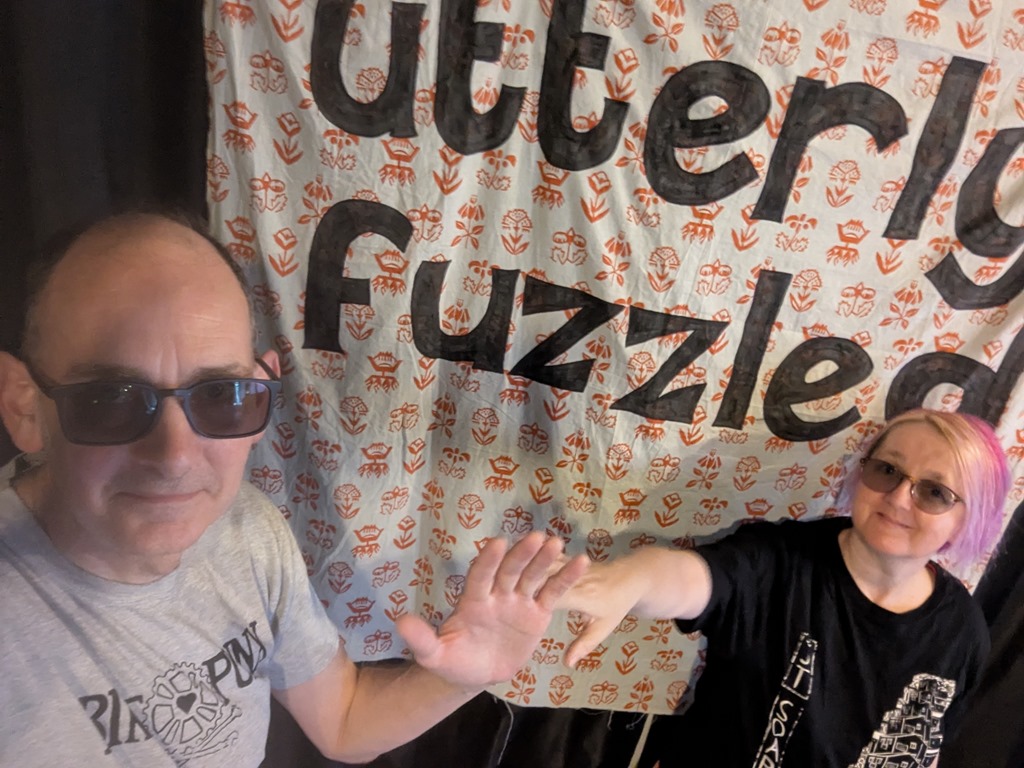
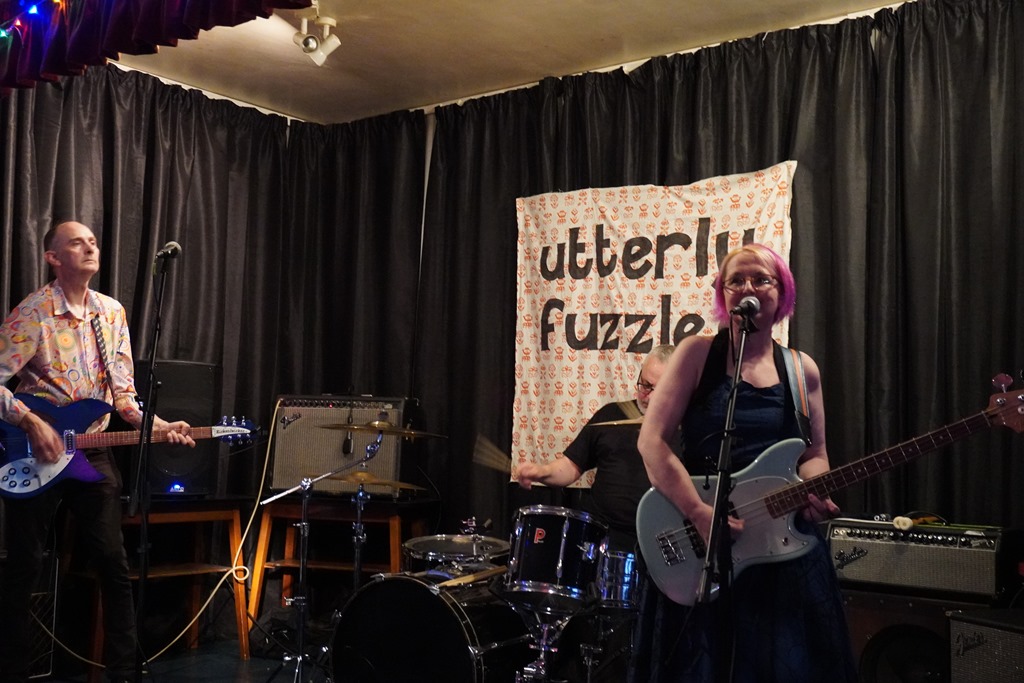
I’ve been frothing about the Utterly Fuzzled events for a while now, as being an absolute cornerstone of the remarkably vibrant York scene of the moment, and similarly, I’ve commented variously on the sense of community and the way the promoters support one another rather than compete. It’s perhaps a byproduct of these challenging times – noted from the stage by Objections during their set – whereby putting on gigs at this level is bloody hard work and largely a thankless task – and not without financial risk, either, which means that those who do it do so because first and foremost they’re passionate about music.

Times have certainly changed: back in the 80s and 90s, often regarded as a golden age for independent venues and new music, smaller places such as York were under the monopoly of greedy promoters who would operate pay to play and other unscrupulous policies which largely ensured that the bands – who had no money to begin with – took the risk while they got paid regardless. At least now there’s a certain sense of equality in that no-one gets paid.

This is their tenth event, which expanded into a two-nighter (A Fuzzlefest, if you will), of which this is the second, and the lineup is stacked – a veritable ‘Best of Utterly Fuzzled’, with four of tonight’s acts making a return (if we include Objections who played a pre-Fuzzled event before the name was formalised).

The fact that former headliners Dragged Up are late additions and opening proceedings, hitting the stage at 5:30 before hauling up to Newcastle (after playing Middlesborough the night before), is quite the coup, and testament to the strength of the connections organisers Jo and Pete have with the bands they put on.

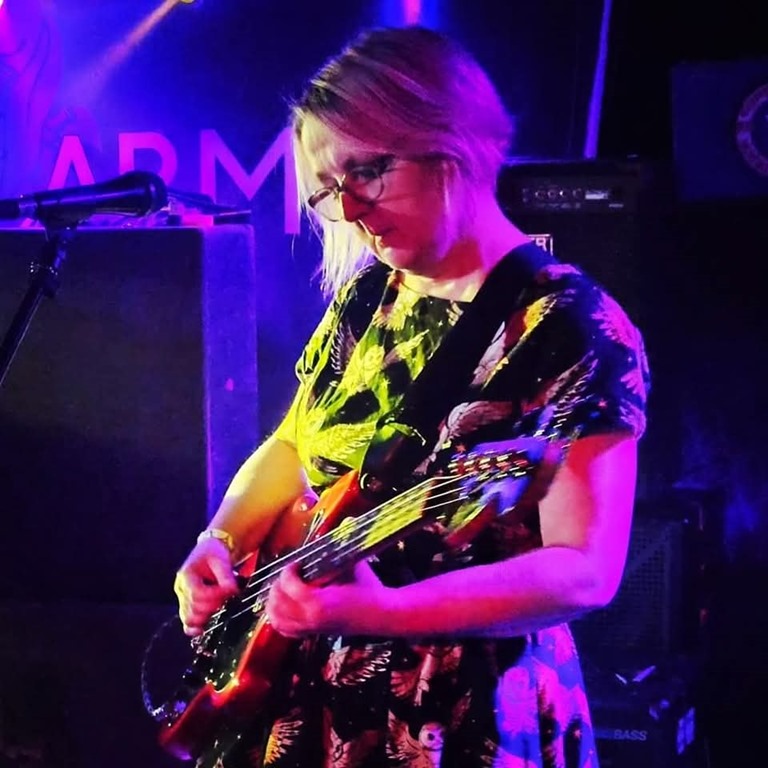
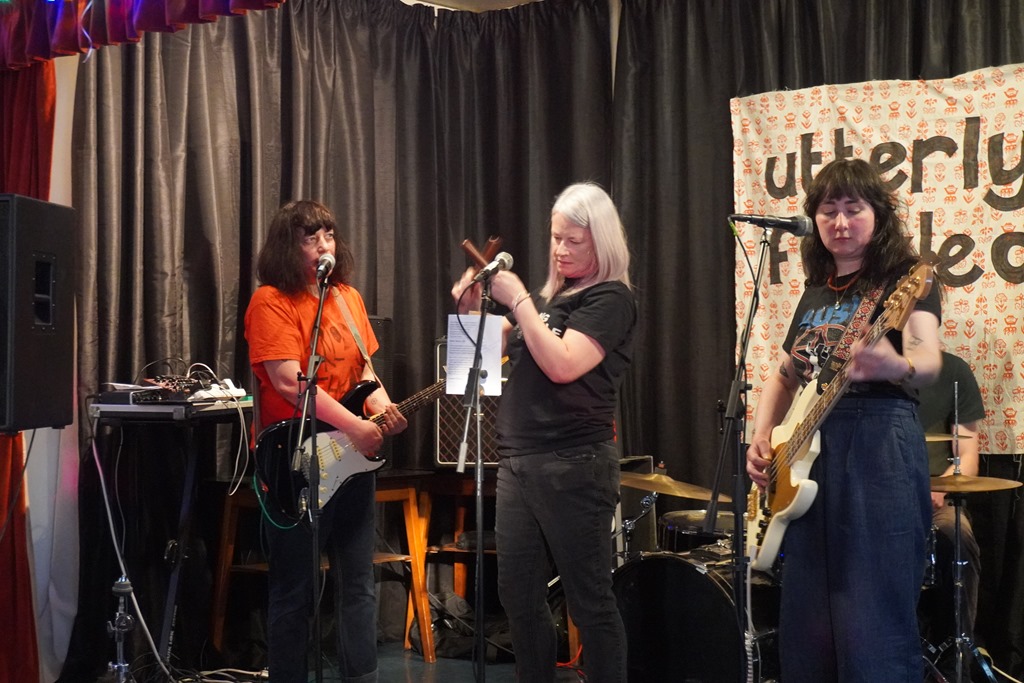
Future single ‘Rapunzel’ lands mid set with guests vocals from Mel Whittle of fellow Glasgow act Count Florida – who are on later – and slides onto the chord sequence of Bauhaus’ ‘Dark Entries’ in the mid section. They close with a sprawling eight-minute monster about leopard print, which lands with far more impact in the room than it ever could on paper.

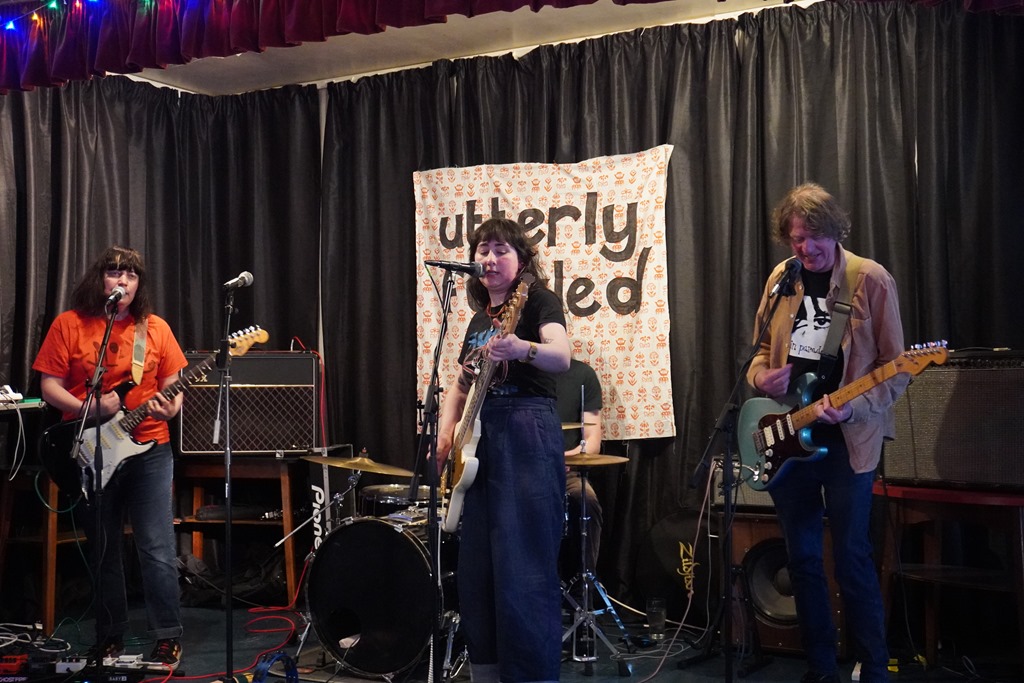
DSC01157DSC01174

Dragged Up

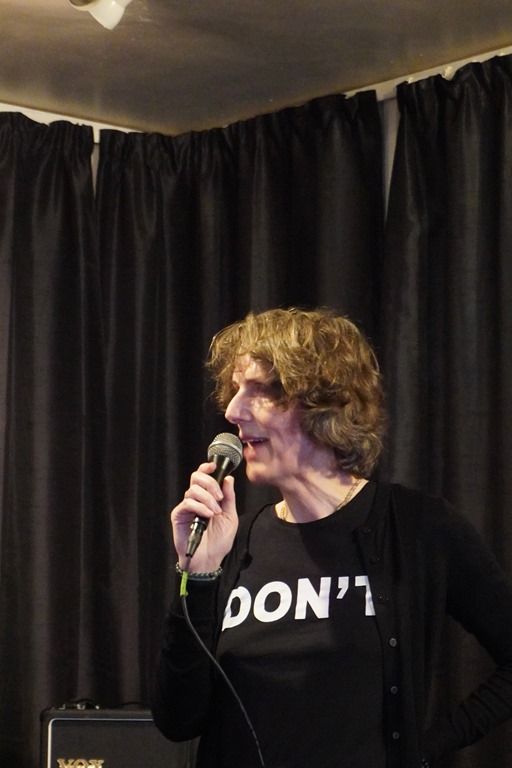
Pope Joan’s performance exemplifies everything that’s brilliant about the Fuzzled events – the spread of genres and the willing ness to showcase the oddball and experimental electronica amidst the guitar-based indie and post-punk and beyond. Pope Joan – formerly of Leeds act Casino Volante – brings a host of elements together with some quirky humour and a dash of strange. Initially, we get Stereolab meets Kraftwerk, evolving into some experimental synthy hip-hop with some mutant disco going on. Then at times it gets a but noisy, a bit DAF, a bit Cabaret Voltaire. The bants are awkward, and this seems to be part of the act, too. There’s a Yeah Yeah Yeahs cover that sounds more like Suicide – the band, that is.

DSC01192

Pope Joan

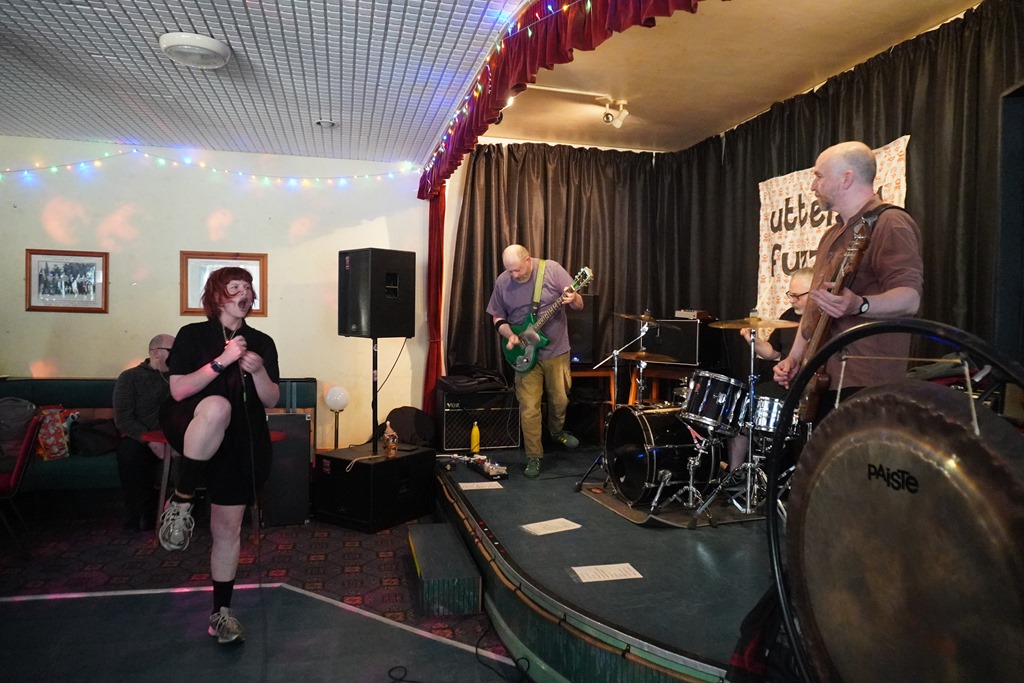
Two weeks on from the last time I saw them, The Bricks are relaxed and on fine form. It’s a very different setting, and the fact they’re every bit as good playing through their backline as through a PA – and seem as comfortable – is an indication of just how well meshed they are as a unit. Gemma installs herself in front of the stage, and, with all the room, she makes the most of the space, charging about, radiating electric energy. And once again, she hollers her fucking lungs out, to the extent that she’s visibly and audibly spent every grain of her guts by the end of the set. It wouldn’t work if the band behind her weren’t the pinnacle of precision, though, and while they have lengthy debates about what song’s next and how it goes, once the first bar happens, they’re in the zone.

DSC01208DSC01218

The Bricks

Second Glasgow band of the night, Count Florida espouse vintage jangly indie, hinting at the sound of C86, but perhaps more pertinently that of the Postcard Label – something which is uniquely Scottish (despite their releasing a single by The Go-Betweens, who were Australian). They’re perhaps a little under rehearsed for a few of the songs, and while not necessarily performed to peak level, I couldn’t help but feel the effect of some of their deeply personal songs about death and about loss and needed to breathe for a couple of minutes after their set.

DSC01252

Count Florida

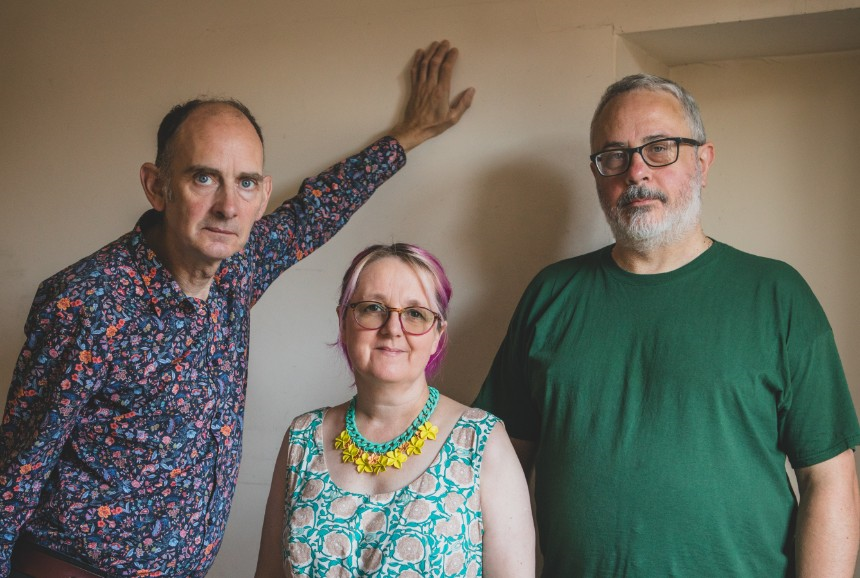
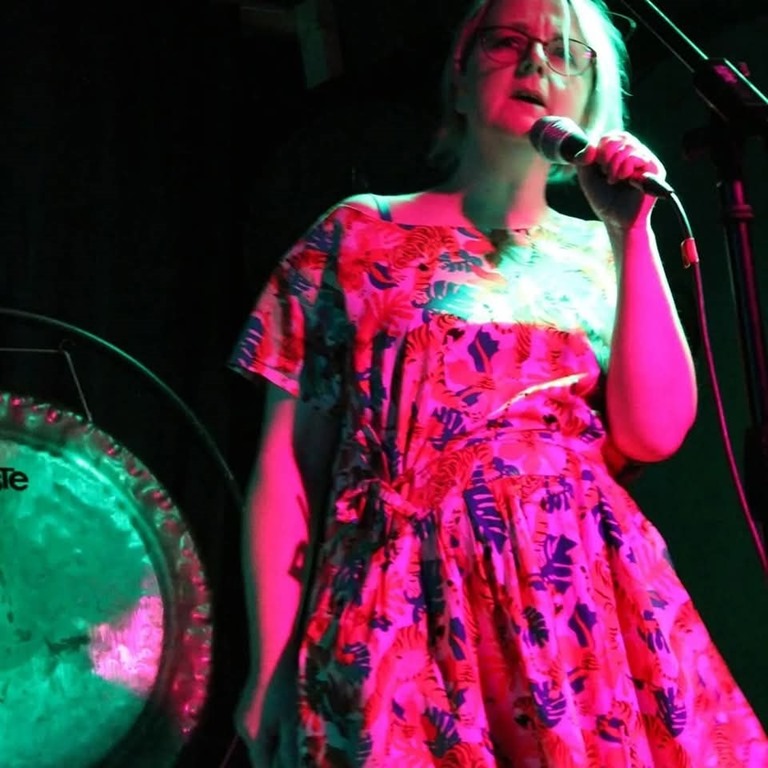
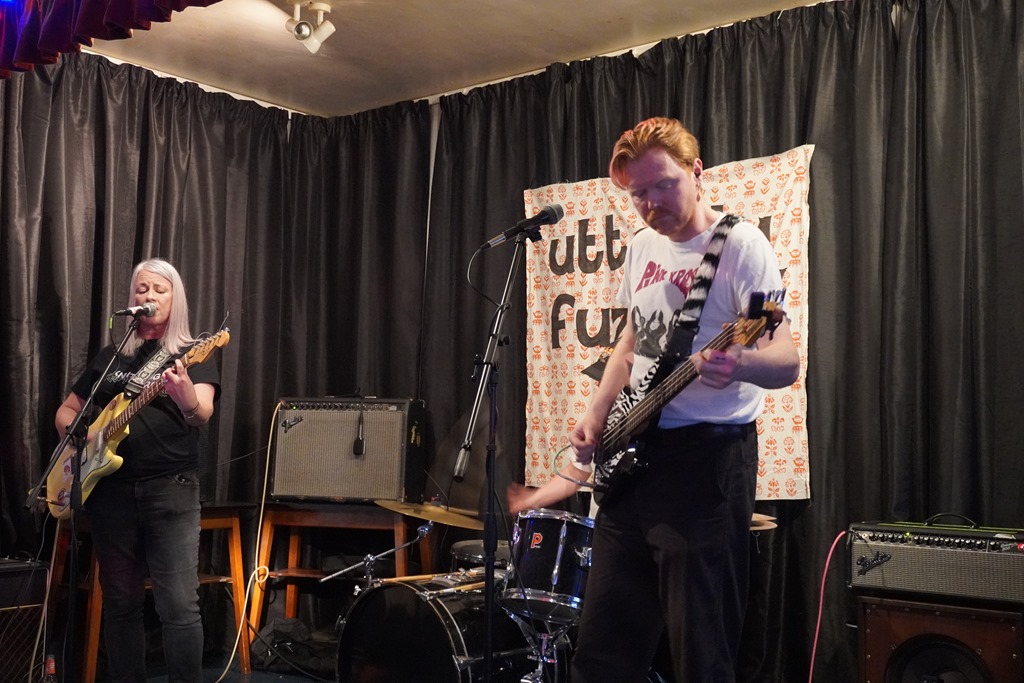
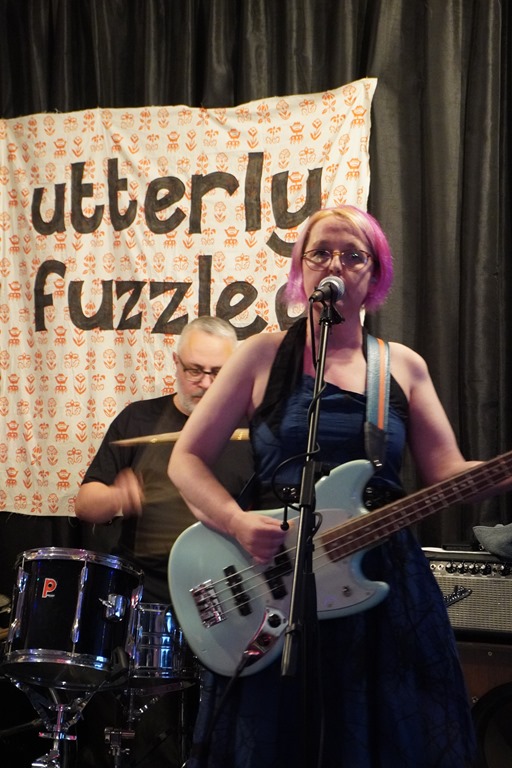
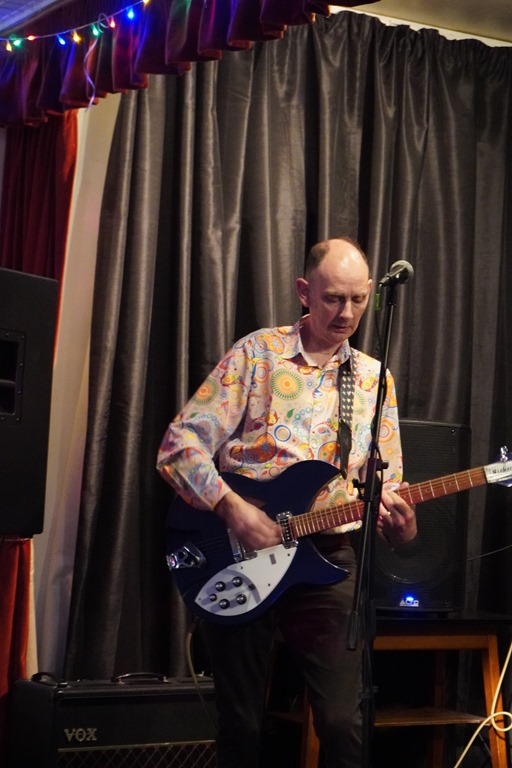
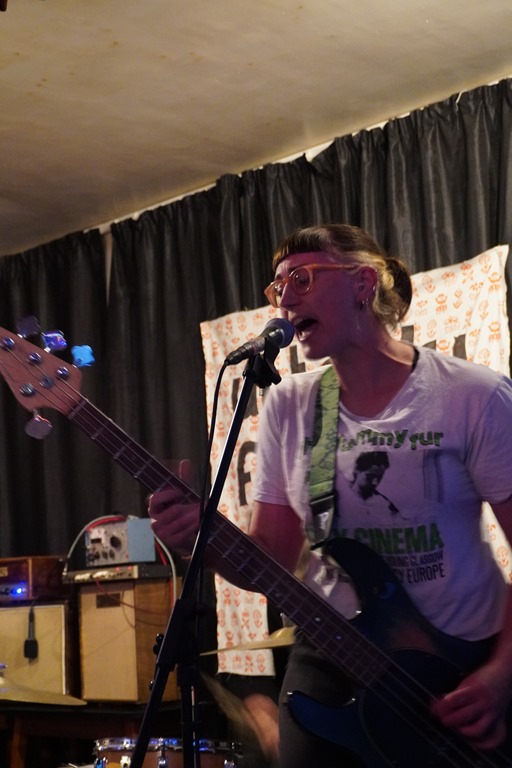
Knitting Circle just get better, tighter, more confident, more comfortable with every performance. They might not think so, but they do. Even when looking tense and debating the set list, the way they react to audience call-outs and situations more generally shows an assurance that’s a measure of a band becoming truly established. They throw in the risky new material in early, and the second half of the set is, as ever, a showcase in choppy, issues-based post punk. On the subject of issues, Jo (vocals, bass) recently posted on Facebook how a recent review had made a deal of her choice of dress in contrast to the rest of the band, highlighting how deep sexism runs in all aspects of our culture – it’s particularly glaring in context of Pete’s remarkable shirt collection. When asking of the audience how the mix was, there was a call for him to turn his guitar up – fair enough, but equally, he might have turned his shirt down. Anyway, needless to say, they sound great.

DSC01270DSC01271DSC01297

Knitting Circle

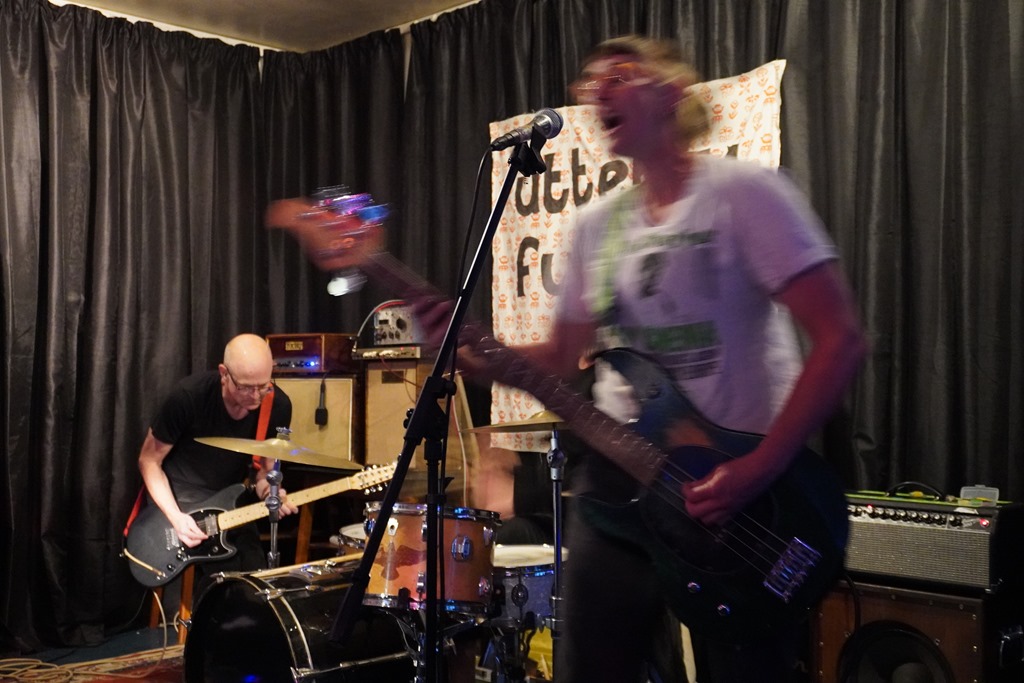
Objections are also well-liked around these parts, and further afield. I made precisely no notes during their set: I was simply hypnotised by the fretwork. They’re by no means a wanky band, but they are incredibly technical, and totally kinetic in their performance. They’re not exactly in the domains of Captain Beefheart’s Trout Mask Replica, but there is very much a sense of the three bandmembers each playing different tunes – but it all comes together, miraculously. Claire Adams’ bass switches between stop/start and booming groove, and it melds perfectly with the precision, jazz-style drumming of Neil Turpin, while Joseph O’Sullivan goes nuts in his own world making noise never before wrung from an electric twelve string. They’re completely unprepared when hassled for an encore, but after some debate, we get one. This is real, spontaneous. And it’s ace.

DSC01305DSC01312

Objections

This is live music at its best. Six bands for the price of a takeaway. Four have travelled: all six are worth the entrance fee. But it’s more than just about seeing some decent bands. It’s about the vibe, and the people, too. This is the very core of the live music scene.

Christopher Nosnibor

Pub gigs provided me with my first experiences of live music, back in the early 90s. Often, pubs with upstairs rooms would pop bands on, and other still would simply pack bands somewhere in the bar. At some point, there seemed to be a shift away from this, with pubs seeming to be only really interested in solo performers and acoustic duos. Gigs in pubs stopped being such a thing. But now, pubs are dying. And grassroots venues are dying. Let me be more blunt they’re not so much dying, as being killed off in the interest of capitalist greed.

As I wrote recently on the repurposing of working men’s clubs – also suffering from a severe decline – as gig venues, so the return of the pub gig seems to solve two problems at once, namely how to bring punters into pubs, and providing bands with a place to play. This certainly seems to be happening in York.

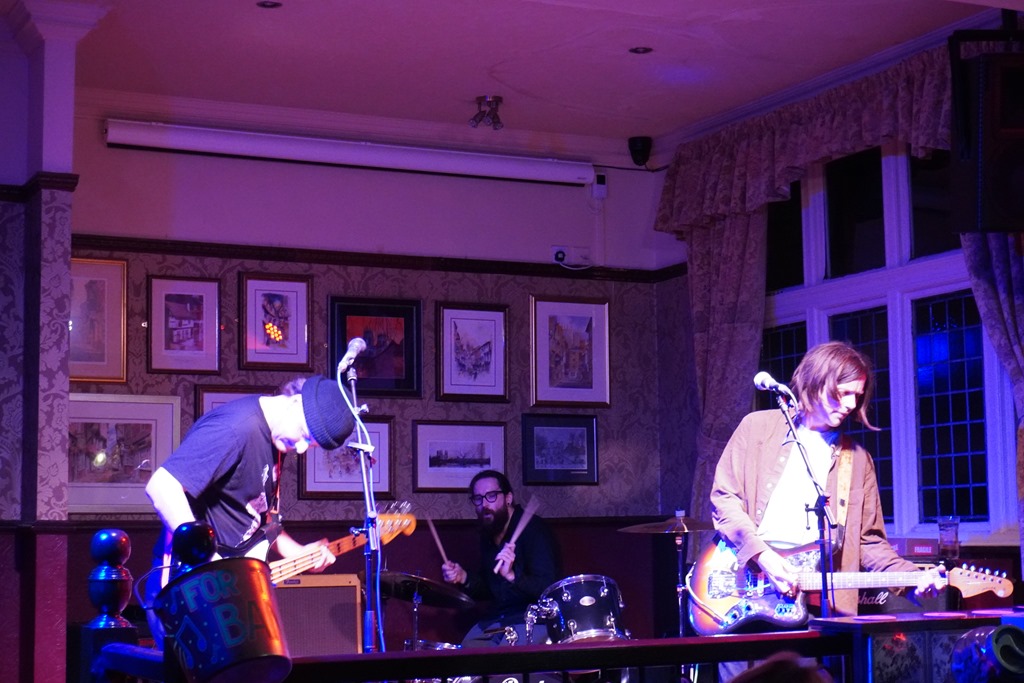
The Black Horse used to be a Tap and Spile, and has always been a solid Yorkshire boozer – real ale and bar snacks, and a weekly quiz. But clearing the top part of the room – more a raised area than a mezzanine per se – creates a fairly generous stage space, and not being a massive space, means a basic setup whereby the bands play straight through their amps with only the vocals going through the house PA, simplifying soundchecks and making switchovers straightforward.

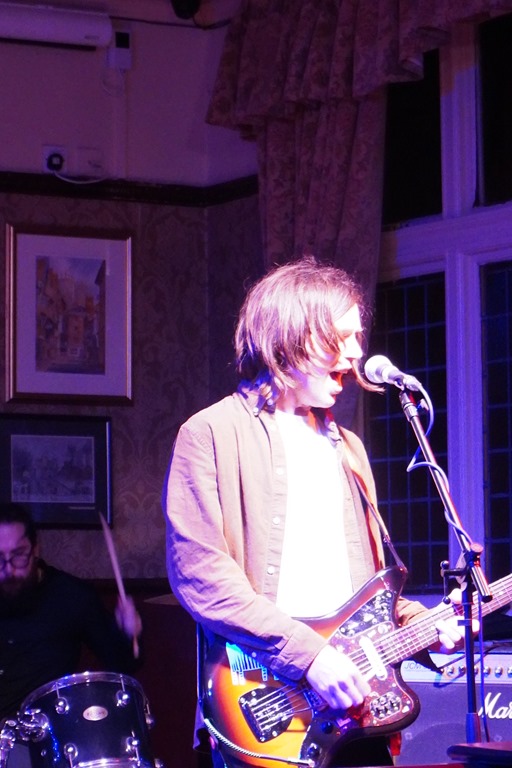
When this show was first announced, Strange Pink were an unknown quantity, but the release of their debut EP changed that, and the Hull-based power-trio-cum-supergroup consisting of Sam Forrest (Nine Black Alps, Sewage Farm), Eddie Alan Logie, and Dom Smith (whose resume is a feature in itself) make for a cracking opening act. They manage to be loose but tight at the same time, and it suits their 90s slacker rock stylings. As the EP attests, their approach is varied, and so, accordingly, is their set. They seem to grow in confidence as the set progresses, the sound coming clearer and brighter, too, and by the end of the set, they’re on fire. They close with ‘Boys Club’, the lead single from EP. It’s a clear standout and possibly their best song, with a strong hook, making for the perfect way to leave the crowd with something to remember.

DSC03153DSC03159

Strange Pink

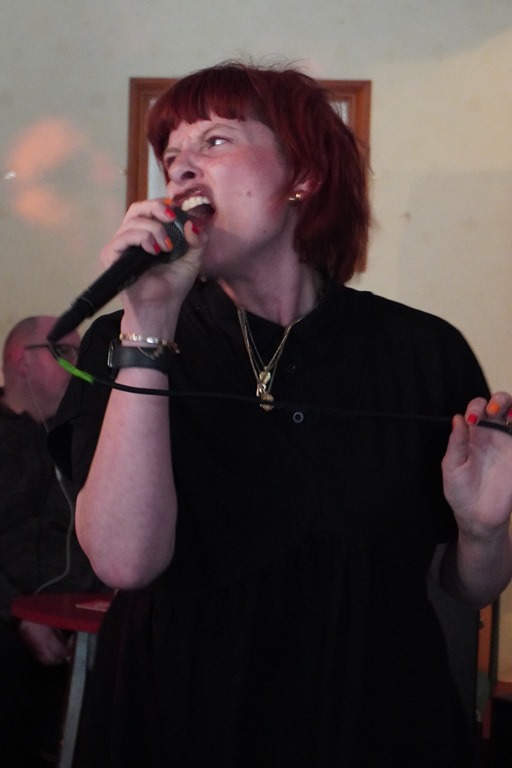
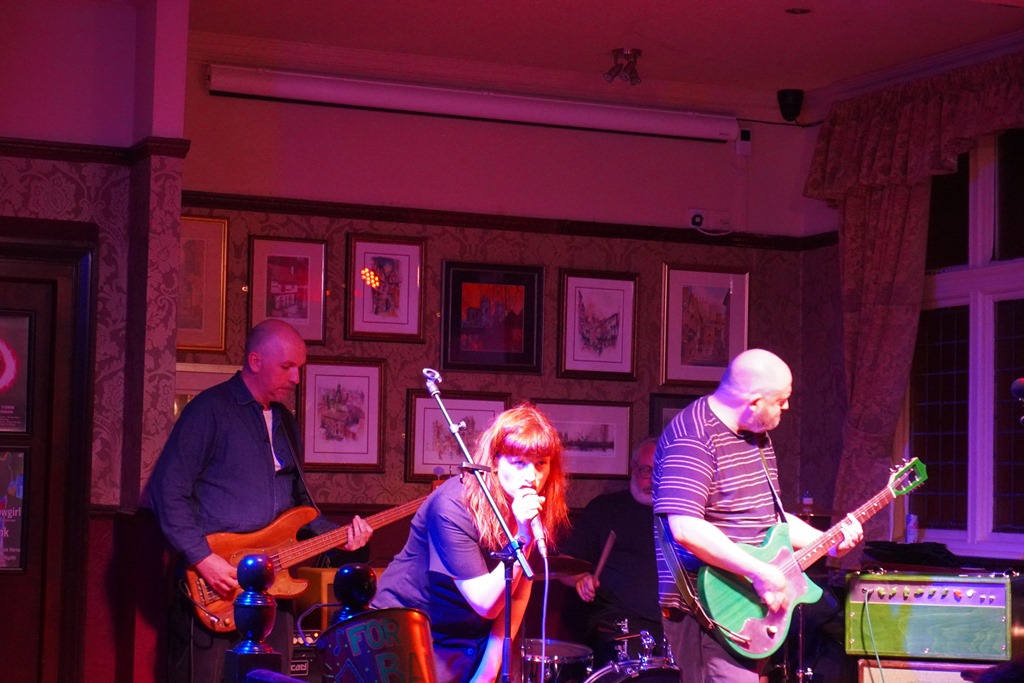
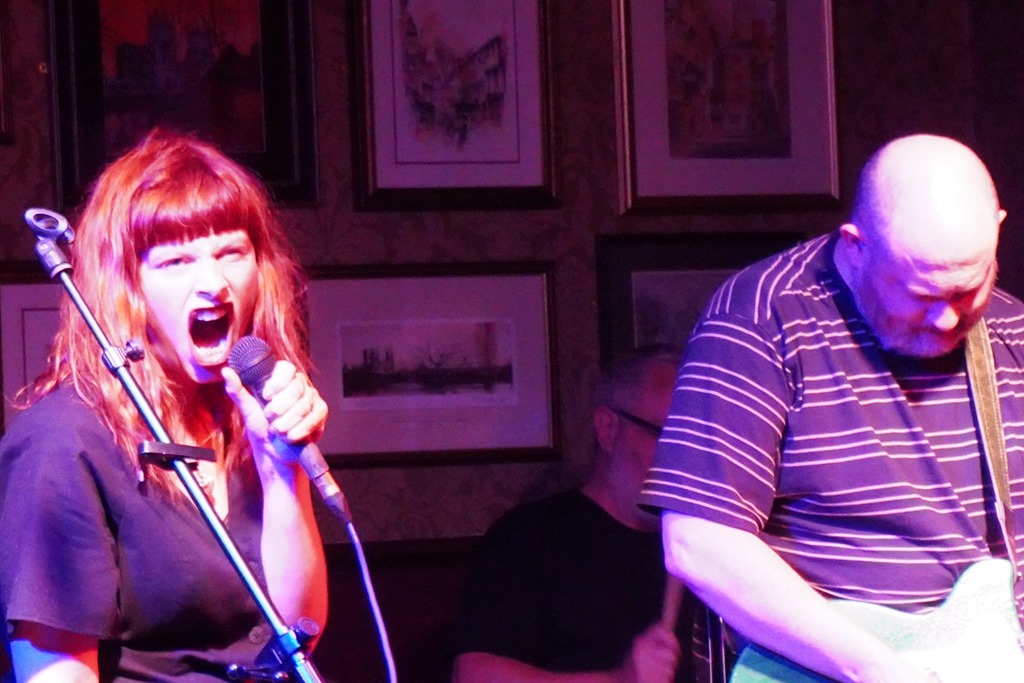
The Bricks have become Aural Aggravation staples, and are a band I will always go and see whenever possible, for two simple reason: they have great tunes, and they’re a great live band – always. During their brief soundcheck, I began to wonder if their run of infallibility might come to and end tonight, but I needn’t have worried, because they were firing on all cylinders from beginning to end. In fact, they seem incredibly at home in tiny venues such as this, and flame-haired Gemma cranks up the wild, eyes-wide, lung-busting intensity, as if relishing the proximity. By the end of a fierce set, her fringe is swept away and plastered to her forehead. The band play relentlessly hard, too, and I try to analyse what it is about them that’s so compelling, why they work so well. The songs are fairly simple, both structurally and in terms of musical complexity – simple lead parts, four-chord riffs, classic (post-)punk, built around solid rhythms, with most songs two or three minutes long and strong hooks. Simple proves effective, especially when played with precision and passion.

DSC03160DSC03168

The Bricks

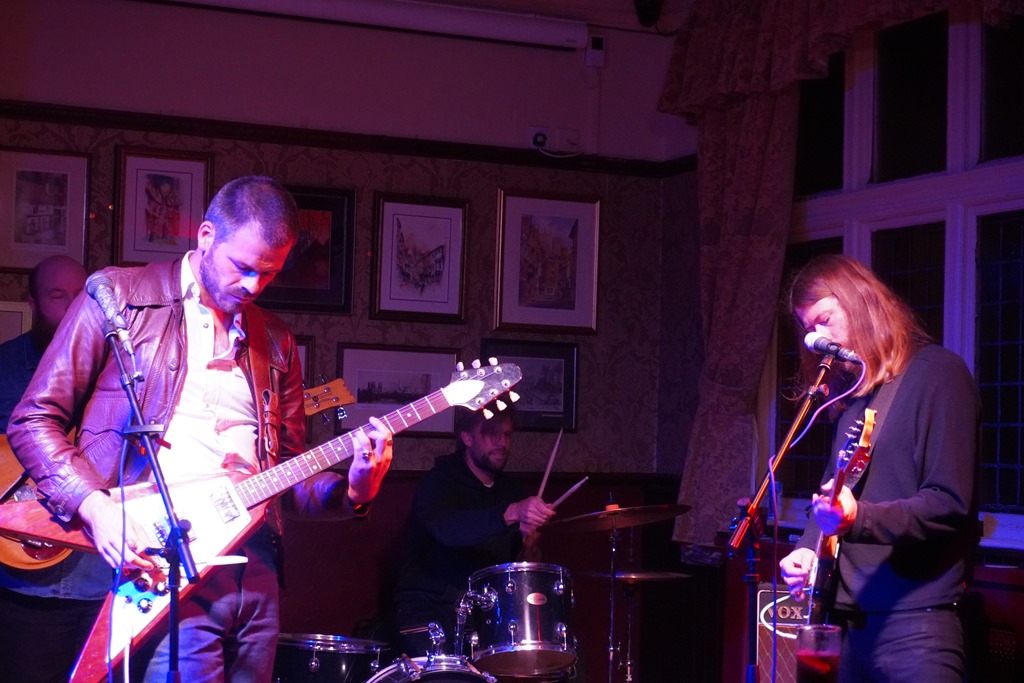
This does mean that Cowgirl have a tough act to follow. But they’re super-seasoned professionals. Danny Barton (guitar and vocals) plays bass in Sewage Farm, previously played bass with White Firs with former Federals drummer James Holdstock (who’s also drummed with Cowgirl), and has, in short, played in more bands in and around York than I’ve had hot dinners, and the same is true of Sam Coates (also guitar and vocals), who’s been pretty much ubiquitous on the scene for years now.

Looking around the room – it’s standing room only, and there’s plenty of beer being drunk, and I bet they’ve not sold this much on a Thursday night in a long time – half the people here are in other bands, or are otherwise recognisable as gig-going regulars, highlighting what a close-knit scene the city has, but also that this lineup has brought people out on a night that’s not exactly a popular one for gigs or pubs. The free entry and donations bucket may be a factor (although a facility to take card donations would likely have seen more contributions), but still, it’s proof that a quality lineup is a definite draw, and the fact a small venue can be filled more easily creates a sense of buzz, which is definitely the case here.

DSC03173DSC03177

Cowgirl

Early on in their set, a friend remarked that they sound like Oasis. He’s completely wrong, but the comment got me thinking. Some of the elements are there… some of the jangle, a bit of the swagger, but with a keen American indie influence. Perhaps his opinion was influenced by the fact that their sound is decidedly more ‘rock’ on this occasion than previous times I’ve seen, them, likely on account of the backline / PA setup, resulting in a sound dominated by blistering guitars. But they have actual melodies and a psychedelic hue, and once again, it’s a set that builds in every way – confidence, cohesion, and volume. The final brace of songs is segued together to form a ten-minute melting wall of sound, an epic psych-wig out that’s nothing short of a brain-cleansing blast that leaves you dazed as the final strains of feedback taper away.

Everything about tonight feels like a win. I may have had one more than was wise – easily done when it’s hot because it’s packed and all hand-pulled beers are a fiver and there’s half a dozen to choose from – and I may be a touch emotional at having attended my last live music of my forties – but stepping into the night, I feel like I’ve experienced something life-affirming and positive in the bleakest of times.

Christopher Nosnibor

I haven’t done and won’t be doing any best-of or top-whatever lists this year: I tend not to anyway, for a number of reasons, a leading one being that social media is absolutely saturated with end of year lists. I mean, by the first week in December I was absolutely fucking sick of them – and there was still a fair chunk of year left. I have enough submissions in my inbox to review 2023 releases to the middle of 2025. Why would I want to add to this relentless noise? Another factor is that having reviewed maybe three-hundred albums this year, I honestly can’t remember what was this year or what was last, and when it comes to what I’ve been listening to by way of entertainment, when it was released isn’t something I consider: I’m still catching up with or otherwise processing albums from three or four years ago, meaning that they still feel new to me – and I don’t use Spotify or any other streaming service to tell me. I don’t feel the need to revisit the Spotify / streaming debate here. The simple fact of the matter is that I don’t do it. Ultimately, then, I don’t see the point in adding to the infinite lists, and if anyone really is that desperate to know what I recommend from the last twelve months, take a scan back over the reviews from the last year: I rarely cover anything I don’t consider to have any merit, and even where I’m not necessarily recommending a release, if I write about it, it means I feel it’s worthy of discussion and probably hearing at least once.

Alongside all of the countless ‘top albums of 2024’ lists, there are various ‘top gigs’ things in circulation, but due to personal circumstances, I’ve attended a very low number of live events for the second consecutive year. As such, I don’t feel entirely qualified to present such a list. Moreover, the handful of gigs I’ve attended, with perhaps a couple of exceptions, haven’t featured ‘name’ bands, meaning that any list I might compile might meet with the same kind of blank expressions and shrugs I get when my work colleagues and relatives ask who I’m going to see on the comparatively rare occasions I do go out.

As a brief aside, music is perhaps the thing I’m least comfortable discussing in my dayjob, to the extent that I rarely disclose that outside my dayjob I review music, because invariably, they’ll ask what I’m into and even if I try to focus on artists wo are better known within my own sphere of reference, they’ll mist over in an instant. I love The Cure, but the fact that the majority think they’re alternative reminds me of where I sit, and where the music I cover sits, in relation to the rest of the world beyond my microcosmic focus.

But I do feel that a theme, a message, has emerged across the live reviews I have written this year, and it’s one that’s probably worth making the focus of my reflection on the last twelve months.

I used to spend a lot of time in Leeds, attending shows at The Brudenell, Boom, Key Club, as well as the O2, but now travel is not currently an option, at least more than a couple of times a year, I’ve been tied to local gigs – by which I mean the three (and now currently two – more of which shortly) venues in York which are around fifteen minutes from my house. This means I’ve simultaneously been more selective, but at the same time taken punts based on proximity and cost. This limitation has meant that I’ve been dependent on grassroots venues for my live music kicks. I’ve not really seen any ‘big’ bands this year, but I have seen no shortage of amazing bands this year. Most have been free or under a tenner, and the venues have been selling quality regional beers at decent prices. Had I not been able to do this, I can’t conceive the state I’d be in by now. I realise I’m fortunate to have three 100-300 capacity venues within walking distance, but it’s never been more apparent that supporting local music and grassroots venues is vital on so many levels. I don’t want to preach, but I’m going to, simply because. Every additional ticket sold, every pint that puts money over the bar helps. It helps venues, it helps bands, it helps communities, and it helps individuals by providing the spaces that boost mental health.

I learned at relatively short notice that one of the three York venues – The Vaults – would close in December, the freeholder having decided to sell it to a developer for (obviously) considerably more than they paid for it, with a view to it being converted to three homes – presumably shitty flats, like nearly every other properly sold in York, which becomes either luxury flats, student accommodation, or a hotel. I also learned that CAMRA had initiated an application for it to be granted the status of an Asset of Community Value. I submitted a document in support of this – admittedly with no expectations – point out (as others also did), that while the freeholder and purchaser claimed there were around 40 live music venues in the city, that there is a significant distinction between a pub that has live music in the form of acoustic solo artists or duos or covers bands, and a dedicated venue which hosts original bands, local, regional, and even international, and that at a time when such venues are disappearing at an alarming rate, a venue that is not unviable, but being sold due to capitalist greed should be preserved at all costs. Amazingly, the council agreed. Of course, this is only the first step: there’s a lot of shit to unravel, since the venue has closed, the sale had already reached completion, and the purchaser is now saddled with a building they can’t convert, but we have secured the building for its current purpose.

My point here is that while most end-of-year gig lists are solid with academy and arena bands, there is a world beyond these cavernous, impersonal spaces. Most of the bands who play the little venues won’t progress to the major leagues, but so what? There is a unique thrill to being so close to the band you can see the chords they’re playing, the sweat breaking, the spittle flying. Small things also matter, like going to the bar and still being no further than thirty feet from the stage, going for a pee and barely missing a verse and being able to hear every second while you’re out of the room. Being able to find your mates without spending ages looking for them, calling and texting. Being able to get a decent drink – often in a proper glass – for a fiver or even less, and with no queues. Being recognised by other gig-goers, and the bar staff.

There is so much more to gig-going than the bands alone, but even if we just focus on the bands: a band you’ll pay, say, £50 to see in a big venue won’t by default be ten times better than a band you’ll see for a fiver a grass-roots venue, and nor is it likely the experience will be ten times better.

It’s been interesting to note that hits for reviews of relative unknowns are significantly greater, on average, than for established acts. I can only conclude that it’s because, having received little to no press, this early exposure is being circulated and generating the buzz they need. A couple of positive press quotes are often vital for press releases, future gigs, and even radio play. Where do those quotes come from if the press only show up at academy and arena gigs? I’m not competing with The Quietus or The Guardian or whoever. I’m not competing with anyone. I may sometimes wish I received the promos they did, and I may wish I received more physical advance copies than I do, but I get that the further down the ladder your publication is, and the more obscure the bands covered, the less money there is for promotional largesse. I still refuse to touch anything that’s only on Spotify, though.

I’ve seen arguments that people pay to hear bands – and songs – they know, hence the appeal of tribute acts. But there’s a flaw to this logic, in that song has to be heard for the first time. Even the suckers who forked out megabucks for Oasis in 2025 weren’t born knowing every Oasis song (although being so derivative, it maybe feels as if they did). But then, these are likely the same crets who are convinced there’s been no decent new music in the last twenty years. So what are their kids going to do for music? Listen to Oasis as well, because that was the end of the line? Do they really think music somehow stopped when they hit 30?

I’ve been going to ‘little’ gigs since I was about 14, over thirty years ago, and have discovered so many bands, as well as seeing longstanding favourites, in rooms with a capacity of a hundred or so, from Future of the Left to These Animal Men, Rosa Mota, S*M*A*S*H to The March Violets, and Wayne Hussey of The Mission; hell, I’ve seen The Young Gods in a 250-capacity space that was only half-full, The Fall, The Psychedelic Furs… these are just a few which spring to my tired mind.

This is more of a ramble than a review, but for this I make no apology. I suppose, ultimately, what I’ve learned from what has been, on many levels, a crap year, there’s a real need to appreciate, and utilise, these places on your doorstep, and to spend time listening to acts with which you’re unfamiliar. They may not have immediate appeal, but may offer something different, but also have the potential to offer something lifechanging, or, at the very least, life-enhancing. I have certainly never been more grateful for the new, off-the-beaten track acts I’ve encountered, and the grassroots venues near me. And my reflection on 2024 is that we need more of this in 2025.

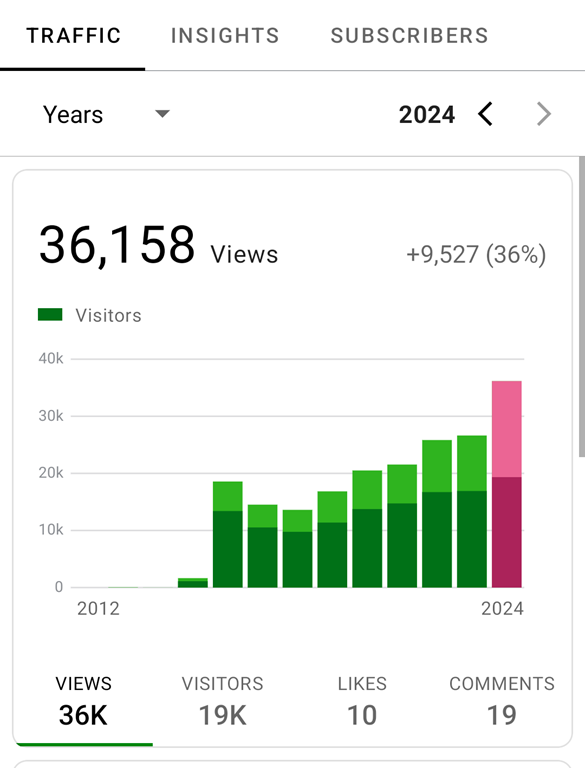
As a final point, having spent more time at home and studiously working on reviews, Aural Aggravation’s readership has grown significantly in the last 12 months.

AA

Screenshot_20241230-223254~2

AA

Sites are often cagey about their readership, and while I appreciate that Aural Aggravation is nowhere near world domination status, it has developed a readership. 2024 has seen that readership reach new peaks, and for this, I would like to say ‘thank you’ to everyone who has read even a single article on here in the last year. As unconcerned as I am about readership, and all the rest, this does feel like an achievement. And again, you can expect more of the same in 2025.