Posts Tagged ‘Leeds’

Christopher Nosnibor

Generally speaking, the role of the journalist is to tell the story while staying out of the picture, although Hunter S. Thompson redefined the role of the journalist when he invented gonzo. In the main, I try to remain in the shadows (quite literally), particularly when it comes to live reviews, but sometimes, there’s a narrative switch that simply could not have been anticipated that drags you into the story as a participant, rather than an observer.

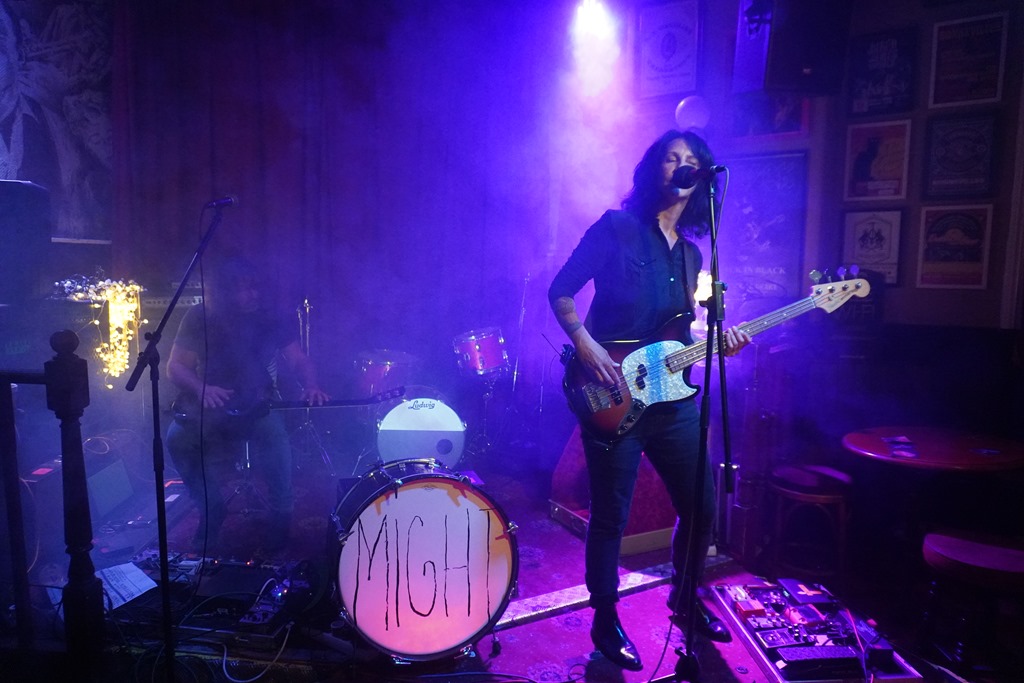
“Last time we were here, we got called ‘shouty shit indie’”, says the main singer from Mince, four songs or so songs into their set. It’s true, that did happen, and I stand by that description, too. Given that the last time they were here was April last year, supporting Gans, it would seem it’s niggled them a bit. But, if you’re going to get up in front of people, don’t expect everyone to love it. At least it was no Dream Nails scenario.

Before we move forward, let’s first go back, back, back. The reason I’m here is because The 113, from Leeds, have just released their second EP, The Hedonist, and it’s nothing short of explosive. The real test of a band is whether they can cut it live, though. So now they’re out on the road, grafting – not grifting – and York on a Wednesday night is always going to be a test for an up-and-coming band working to build their fanbase.
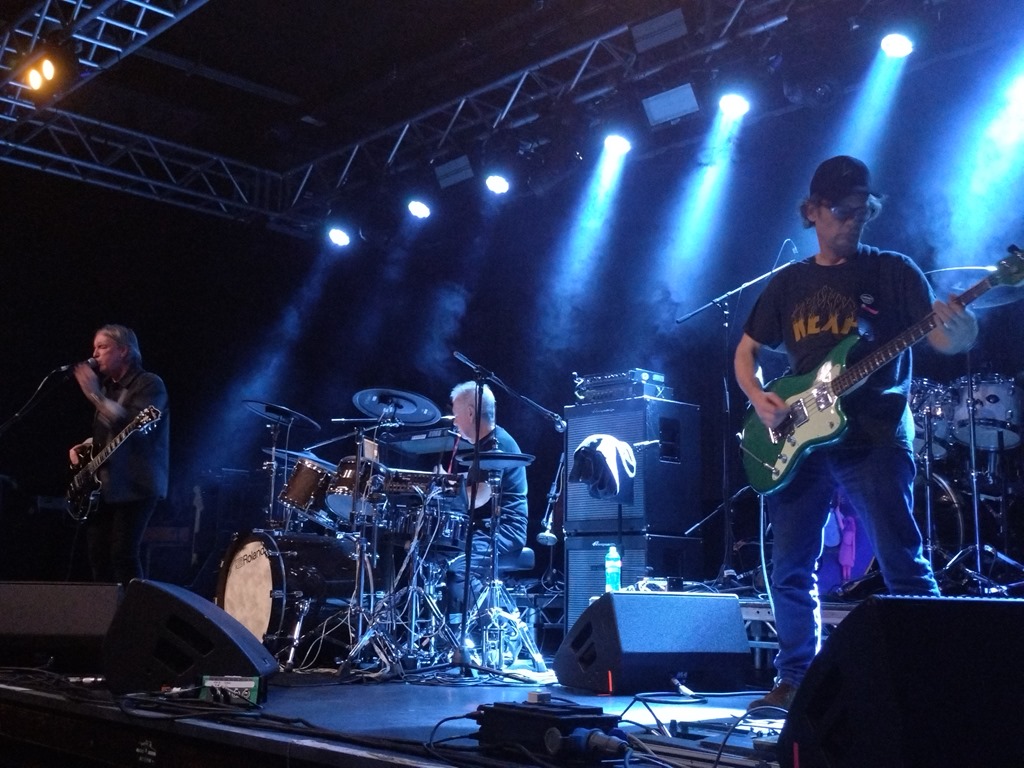
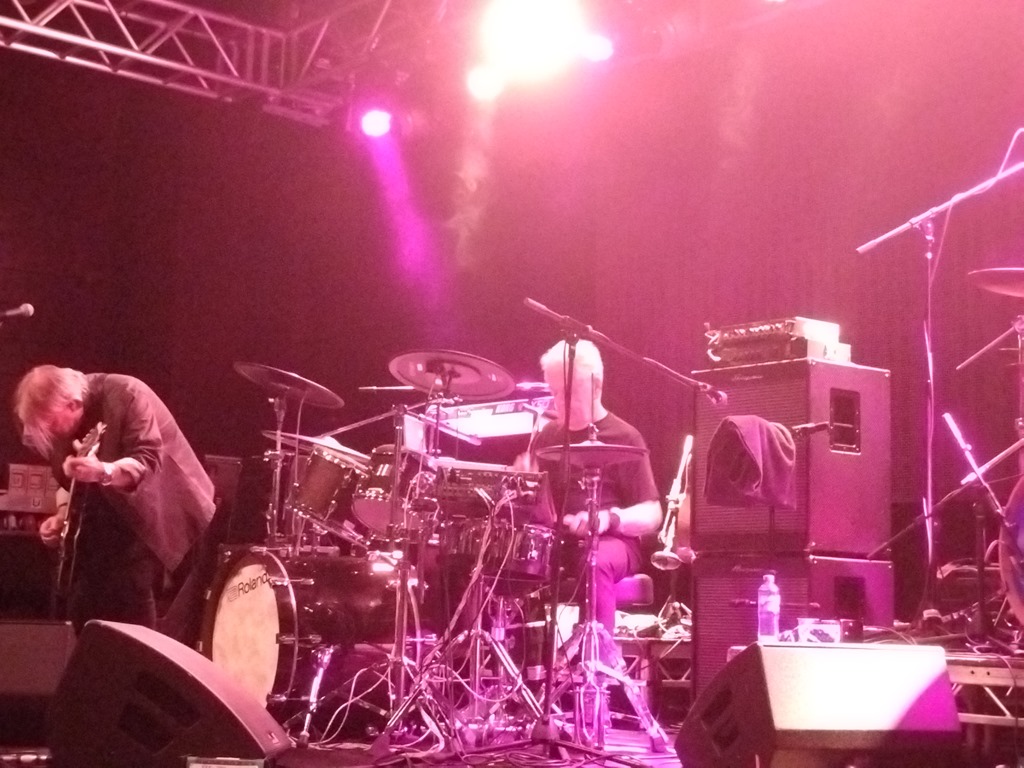
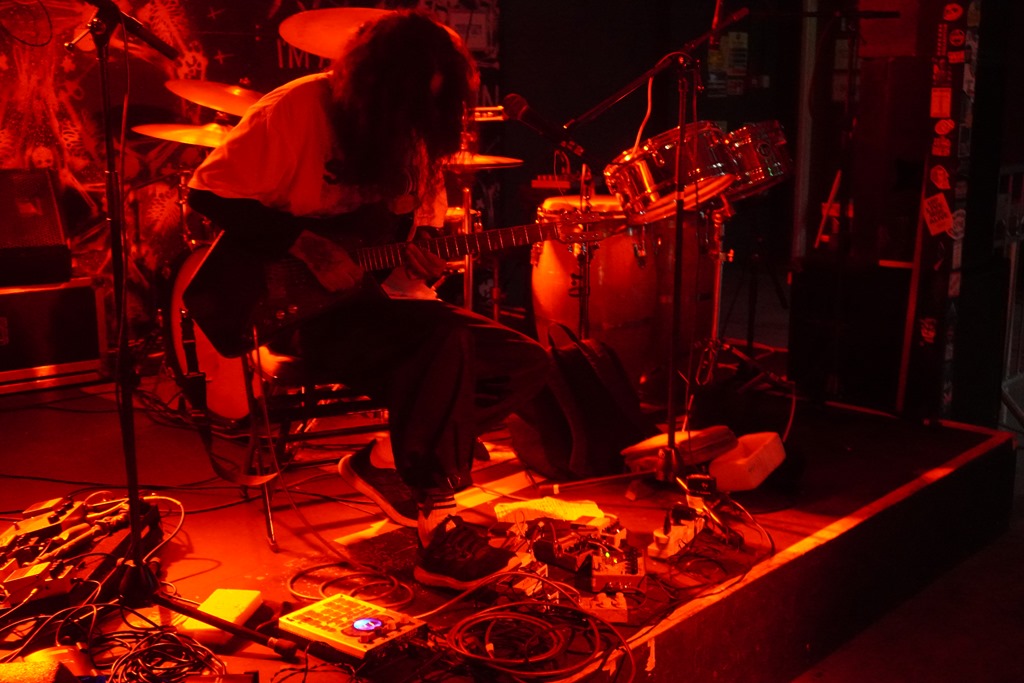
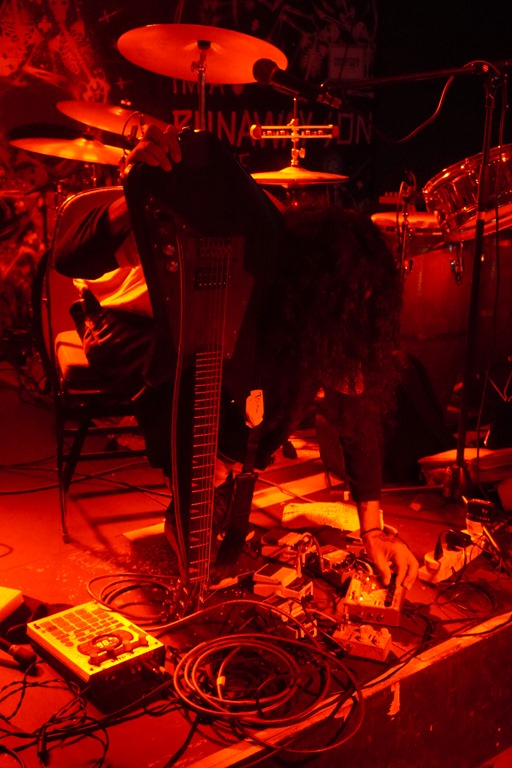
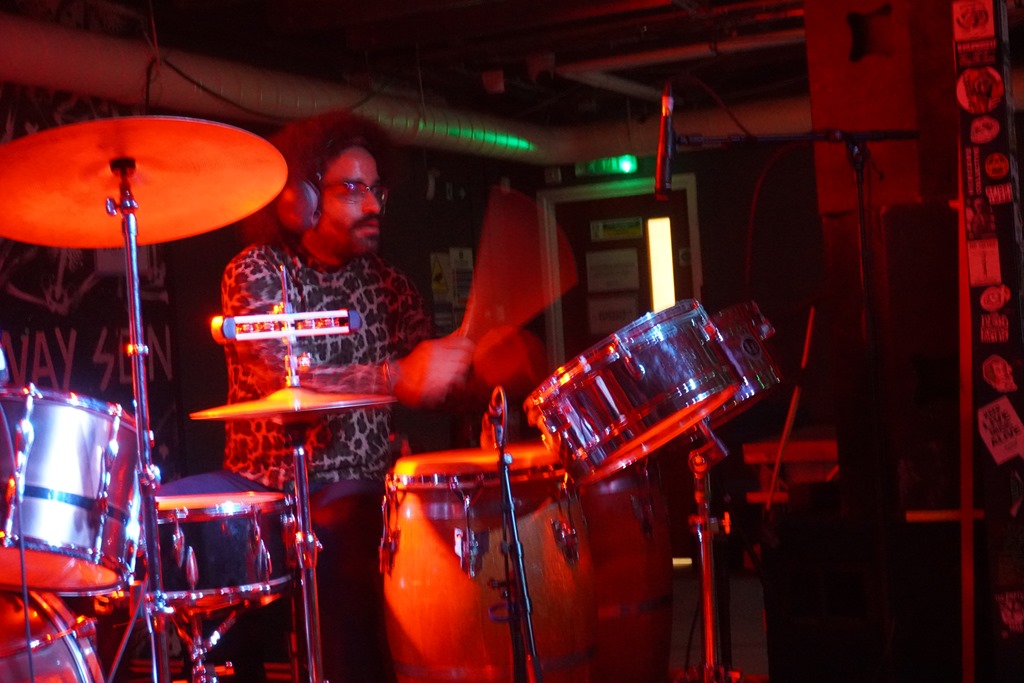
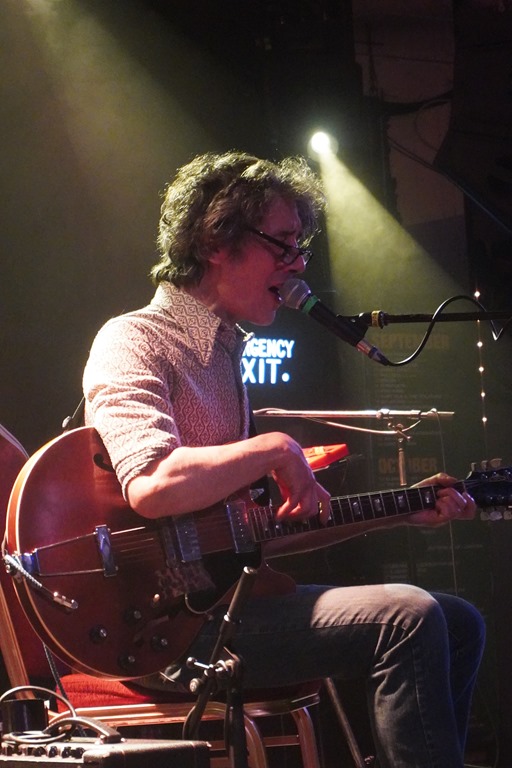
It’s not heaving, but there’s a respectable turnout, and first on are Disappear, who trade in jangly country-flavoured indie with a hint of shoegaze. They don’t use plectrums, and the singer / guitarist demonstrates some interesting playing technique. It doesn’t always hit the mark, and the same is true of the off-key approximation of singing. The drummer keeps having to get out from behind his kit to adjust the guy’s guitar pedals, too, which is just weird. They can play, but the songs are uninspired and uninspiring. Toward the end of the set there’s a song that sounds like The Wedding Present circa Bizarro, but again, it’s let down by the vocals. As a band, they aren’t terrible, but I can’t in all conscience say they were any good. The drummer – who is impressive – needs to be in a better band.

DSC09864DSC09883

Disappear

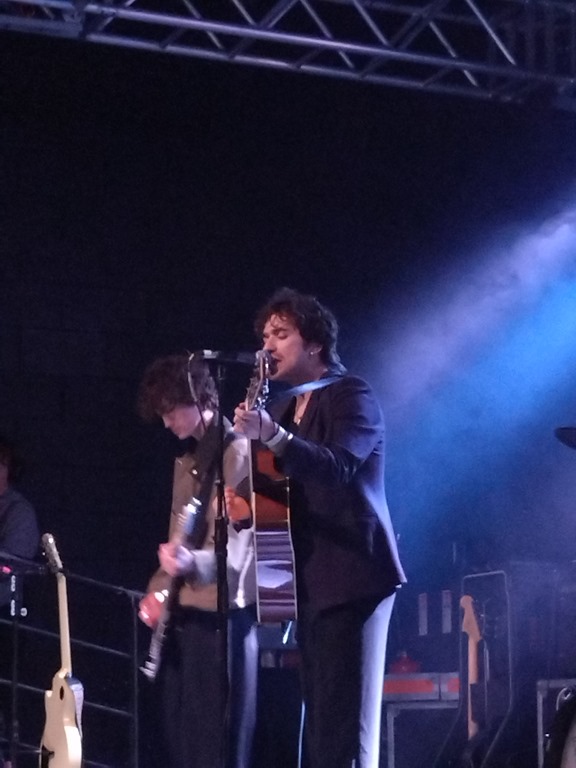
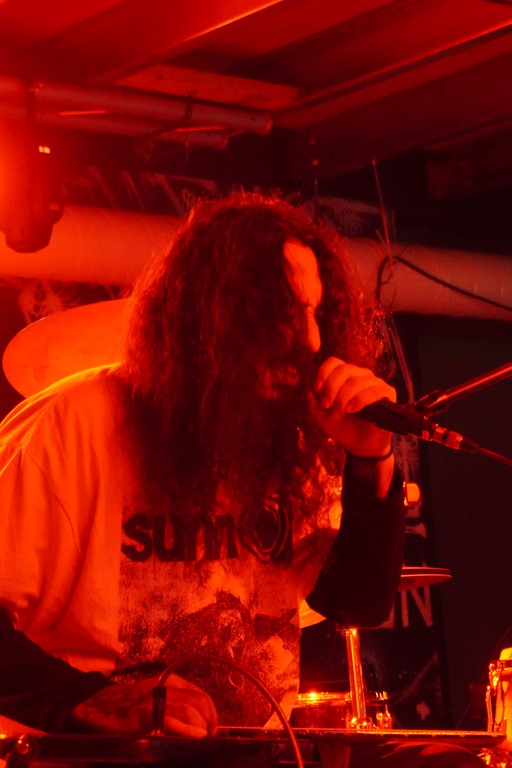
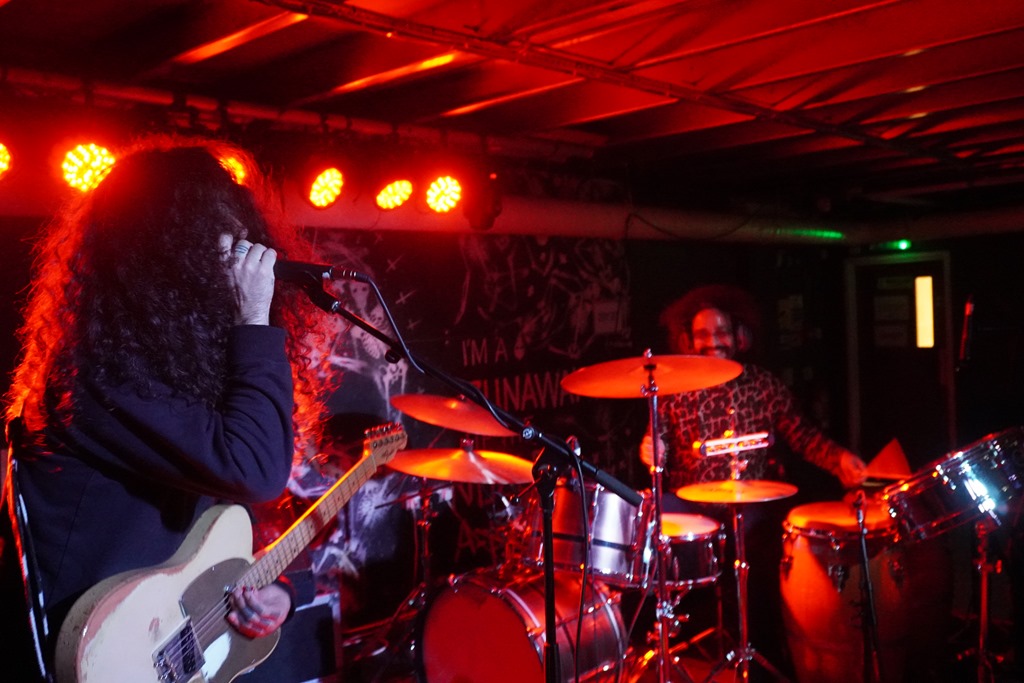
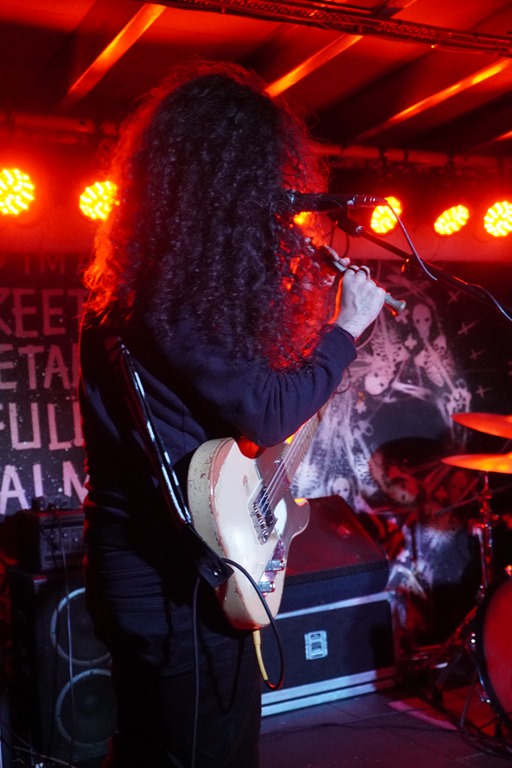
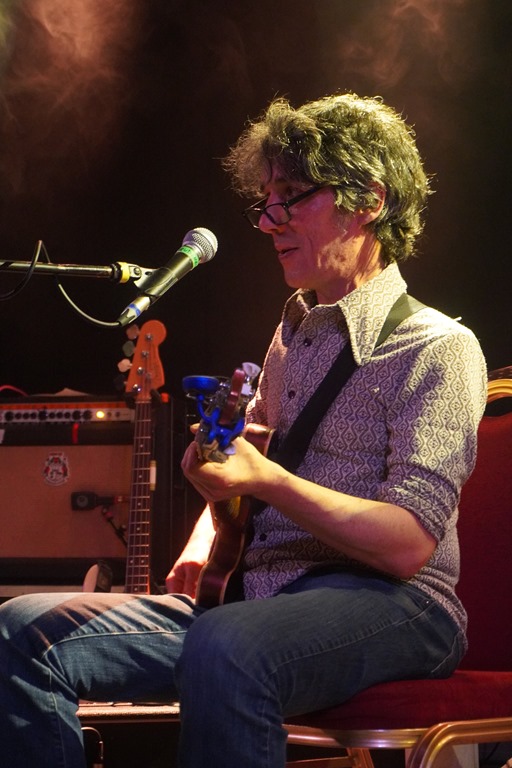
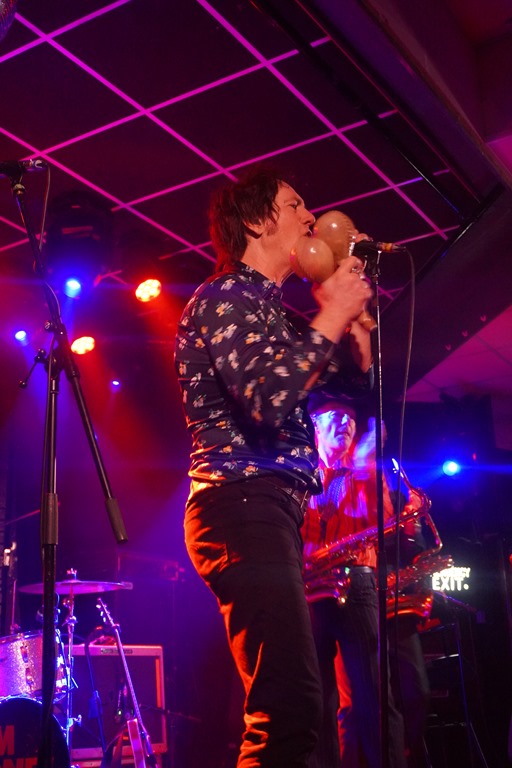
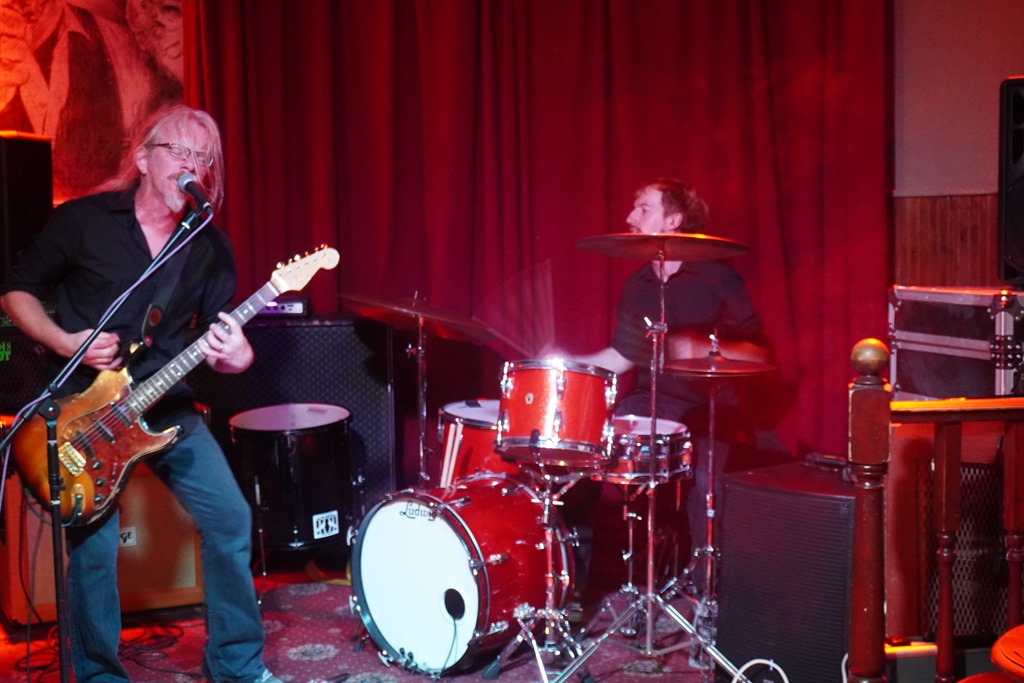
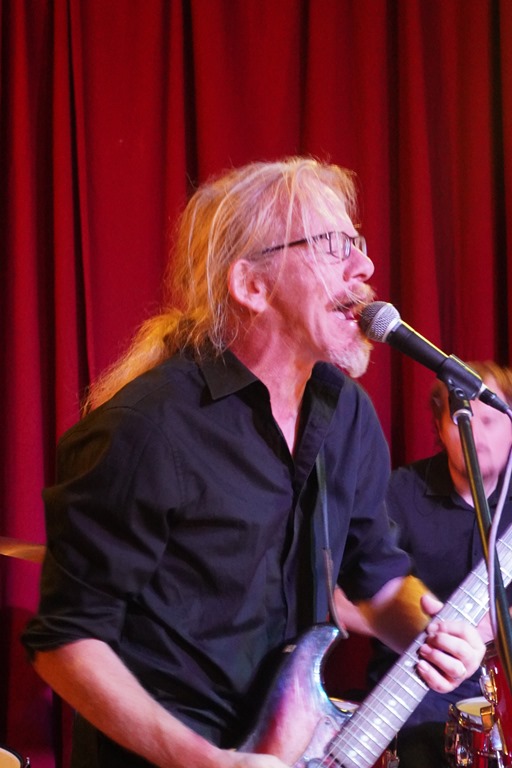
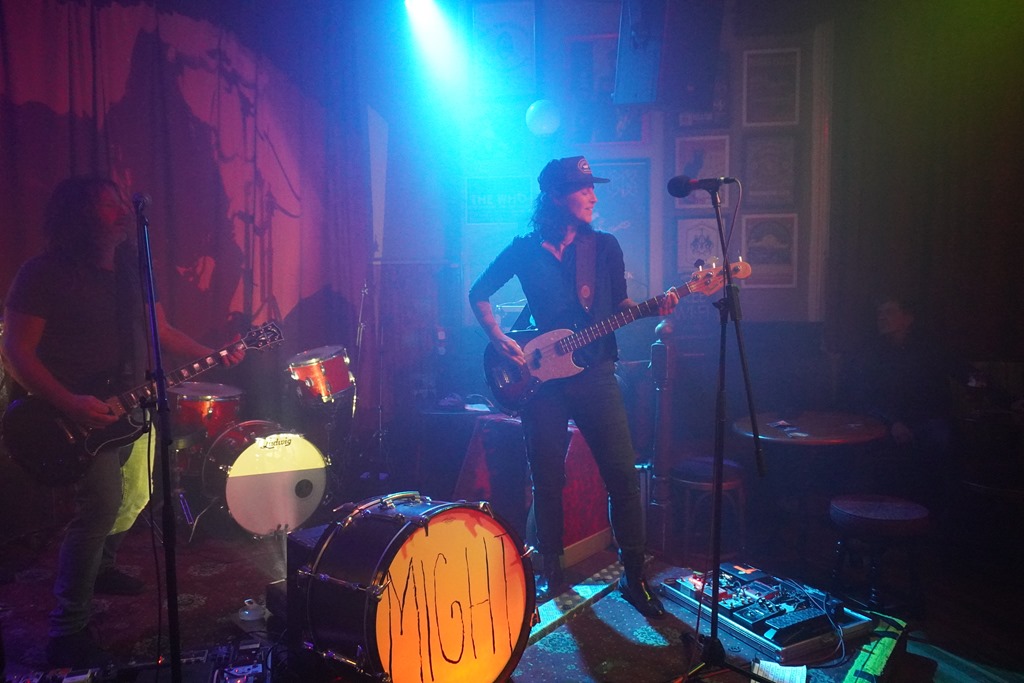
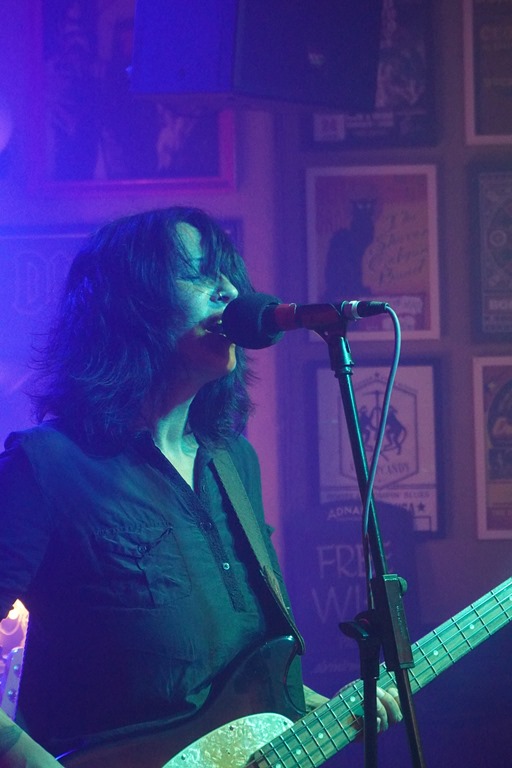
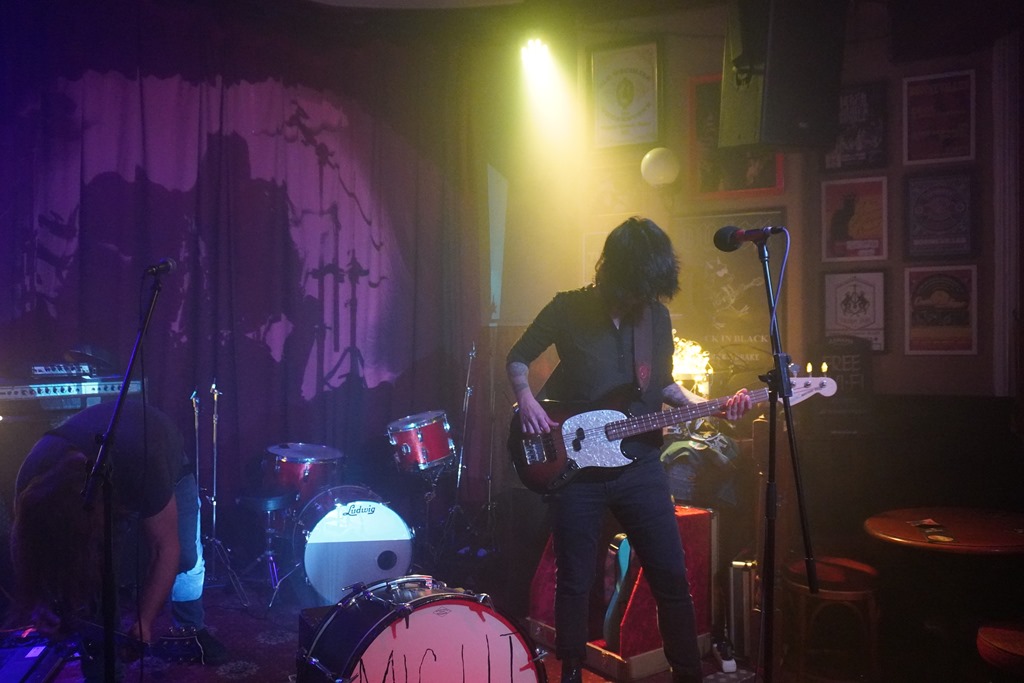
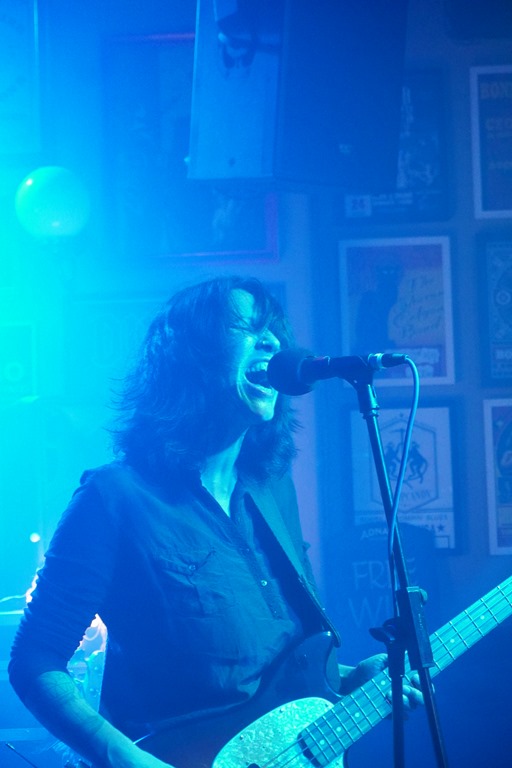
And so Mince inform the crowd – who are largely enthusiastic, in fairness – about the review of the last time they were here. I stand by that description, although in fairness, there’s a bit more to it than that: there’s some 60s psych in the mix, and plenty of energy to the performance, too. They have two vocalists – the first, with mop-top haircut, wigs out while playing guitar, while the second paces petulantly, swaggers, and gives it all that. But after maybe three songs, he mostly sits or squats at the back of the stage beside the drum kit, scratching his forehead with his mic and rubbing his face, looking knackered, and stays largely quiet. After coming hard out of the traps, it’s as if he’s out of energy and given up, while the rest of the band thrash on. It’s a bit odd, and oddest of all is that it’s an exact rerun of their previous show here, and on balance they’re better when he takes a back seat (literally).

DSC09899DSC09904

Mince

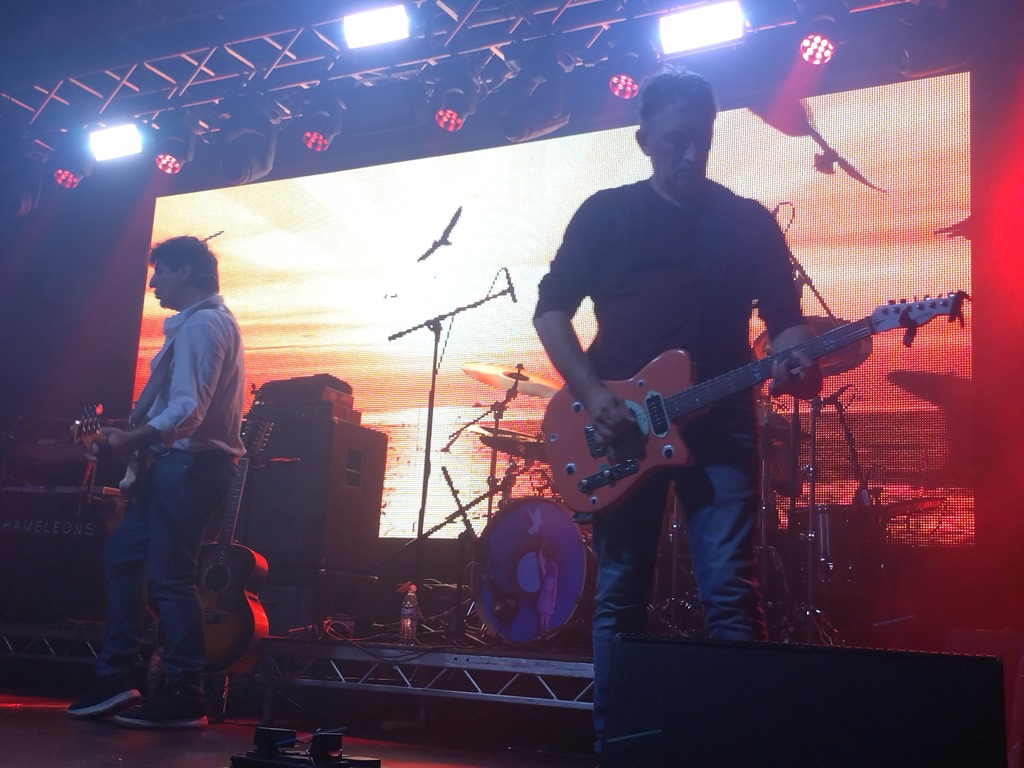
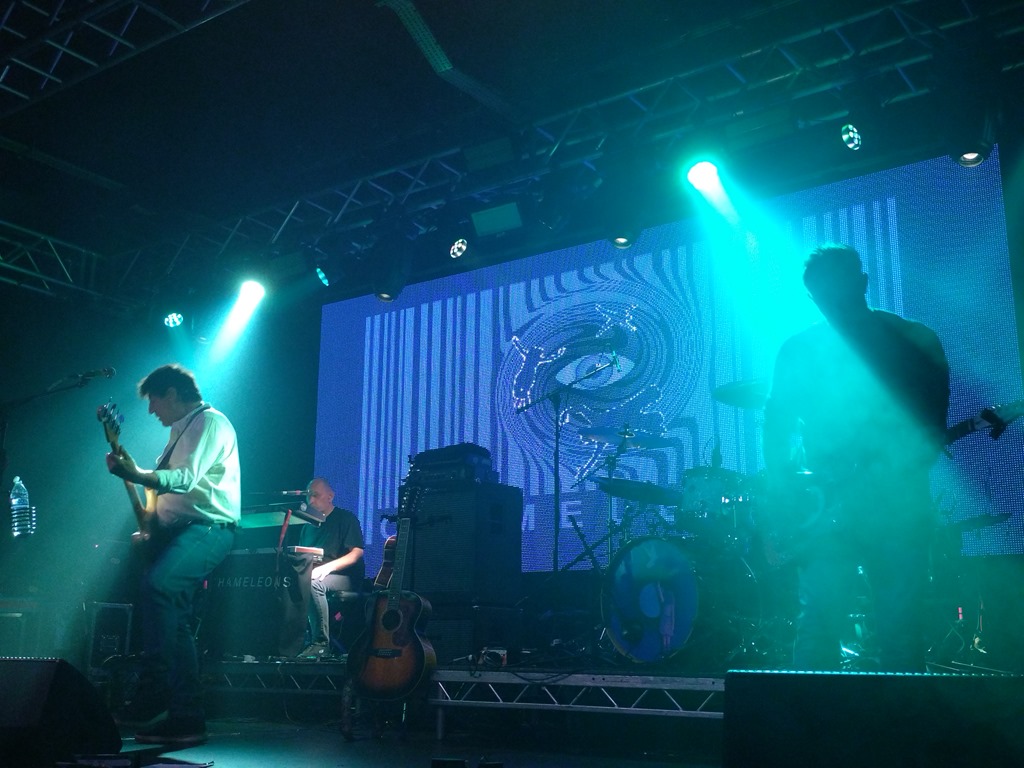
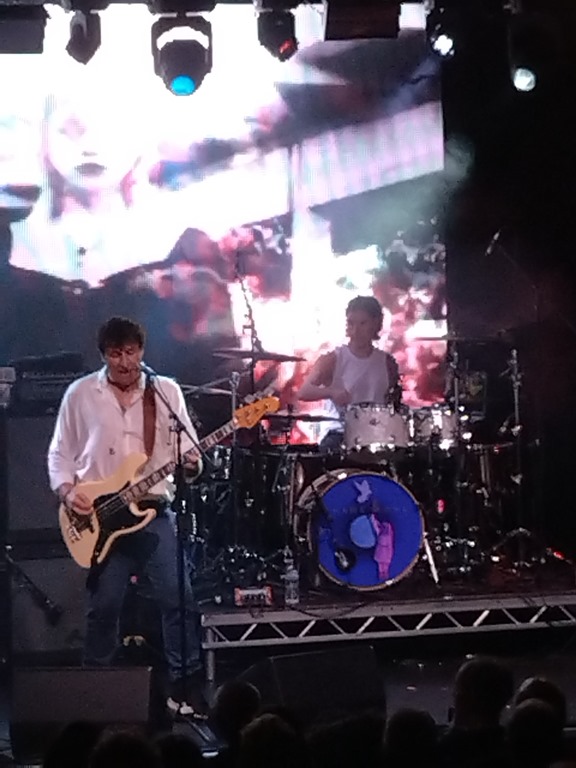
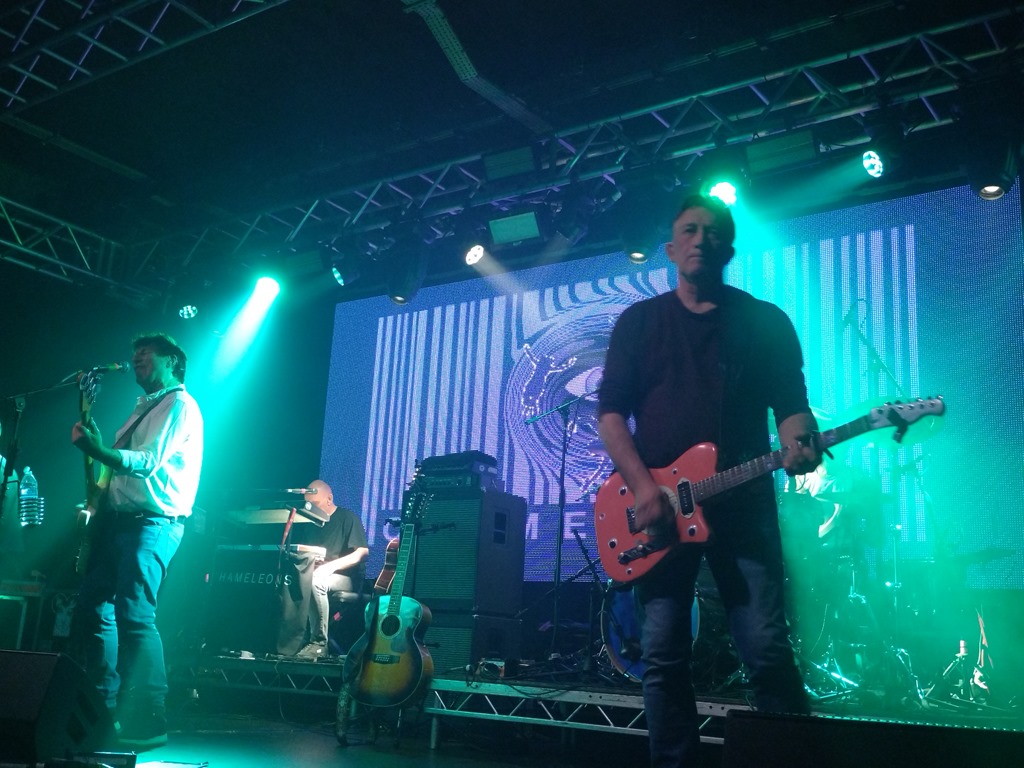
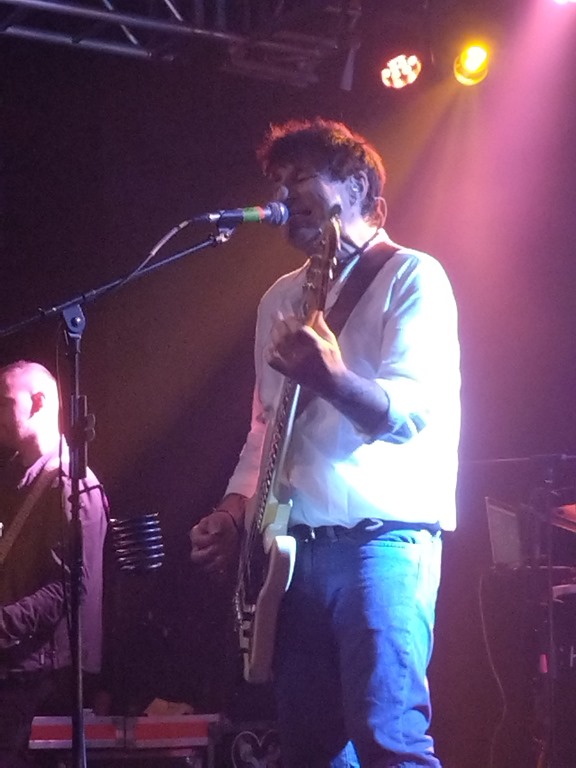
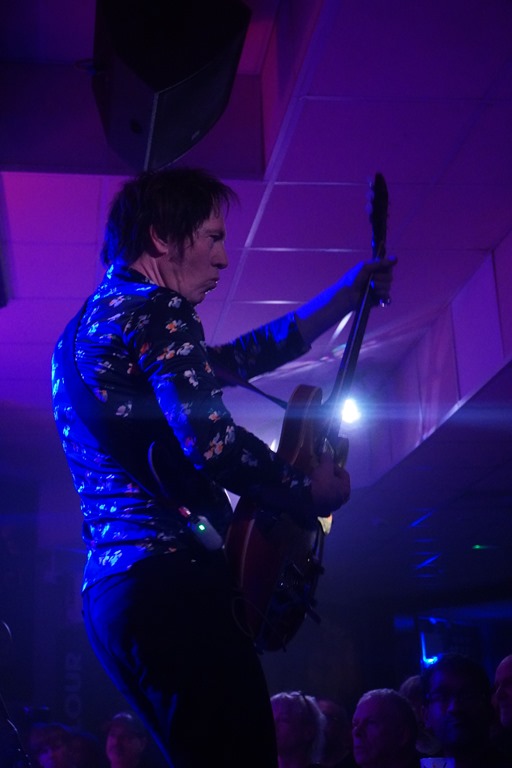
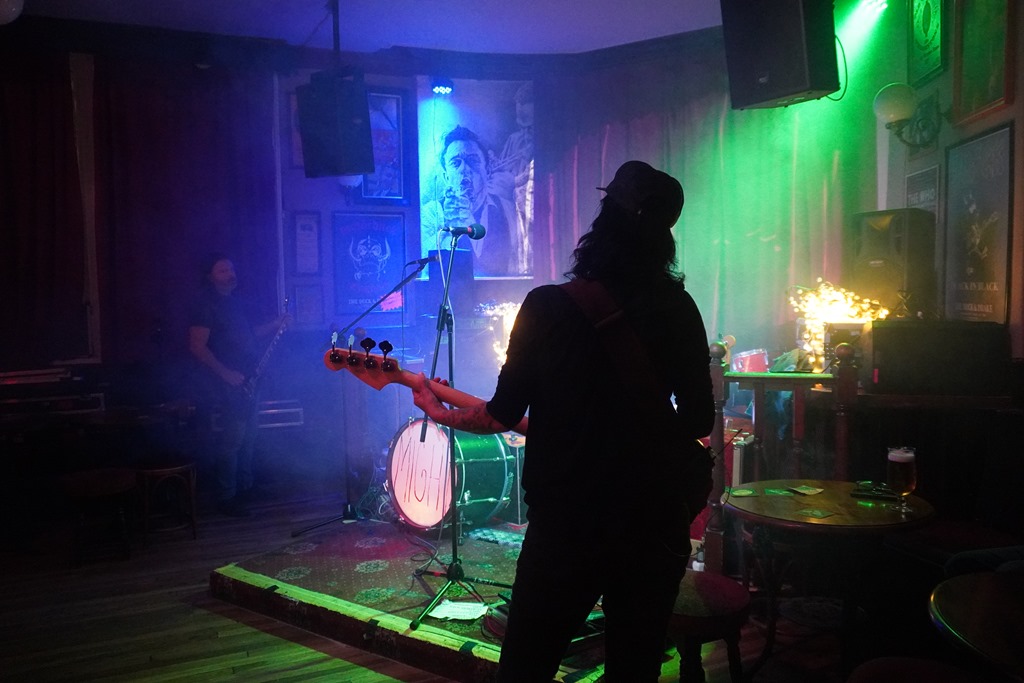
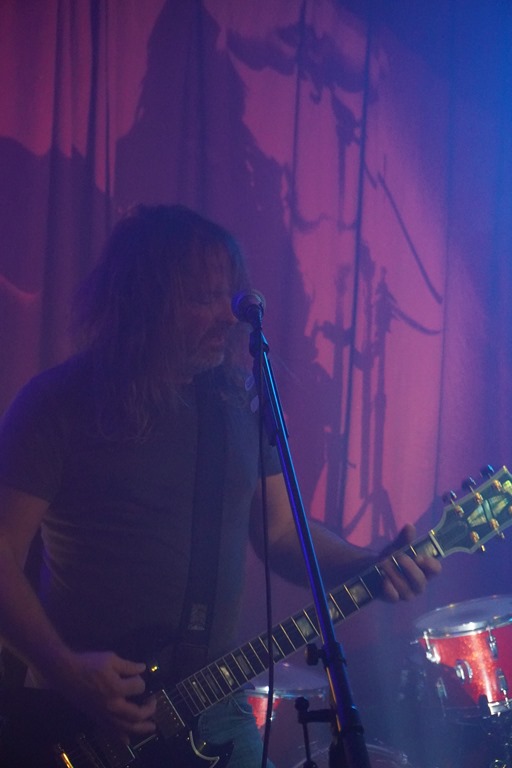
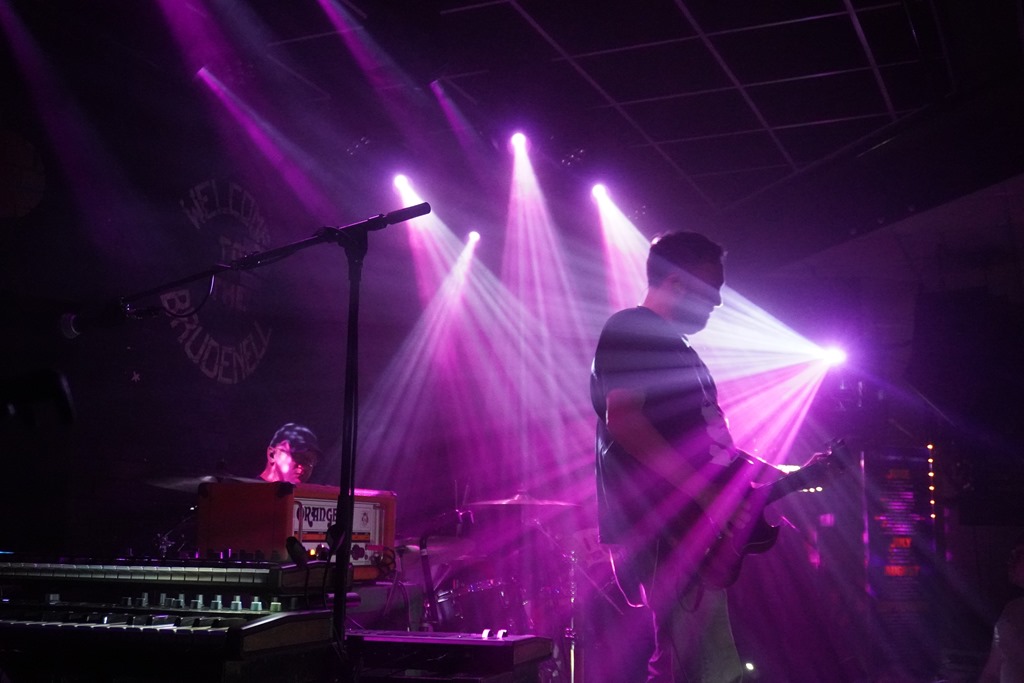
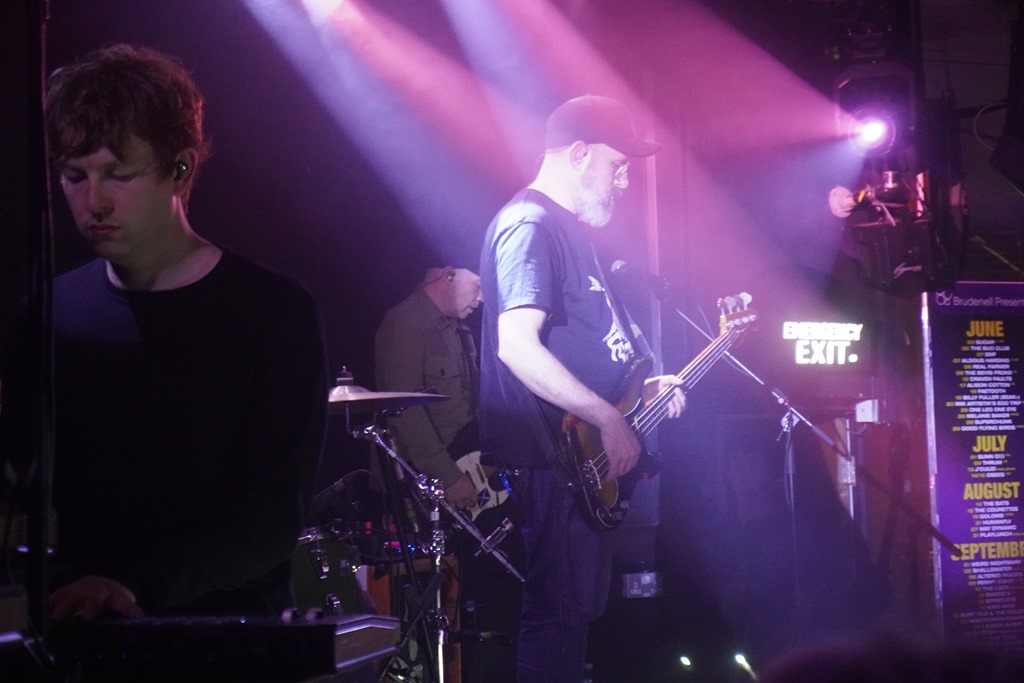
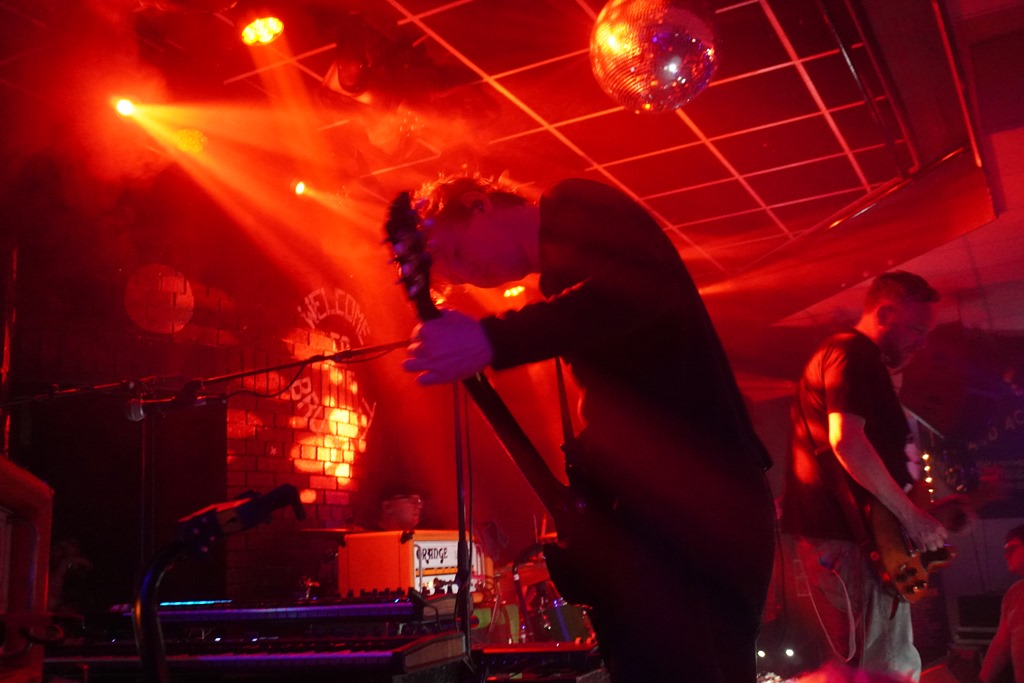
The 113 have built considerable momentum, and fast. Their debut EP, To Combat Regret was released just over a year ago, and The Hedonist continues that arc of nihilistic post-punk aggro delivered with visceral energy. How would it translate live, and how would they fill a headline slot? It turns out they’ve got a solid album’s worth of material, which comfortably fills an hour with no long-winded waffle. They don’t need to pause for political platforming, or pass sociopolitical comment, since it’s all there in the song, which they pack in tightly. And they do so it a nonchalant confidence, too: they’ve got their sound absolutely nailed, and it’s a thick, dense sound, and crisp drums cut through, punchy percussion played with perfect precision. Much of the guitar work is sculpted feedback, but there are steely chords overlaid with sinewy lead parts, and there are times when I’m reminded of Red Lorry Yellow Lorry, another of Leeds’ finest from when the city was the spawning ground of the goth scene that emerged from post punk.

DSC09971DSC09980DSC09933

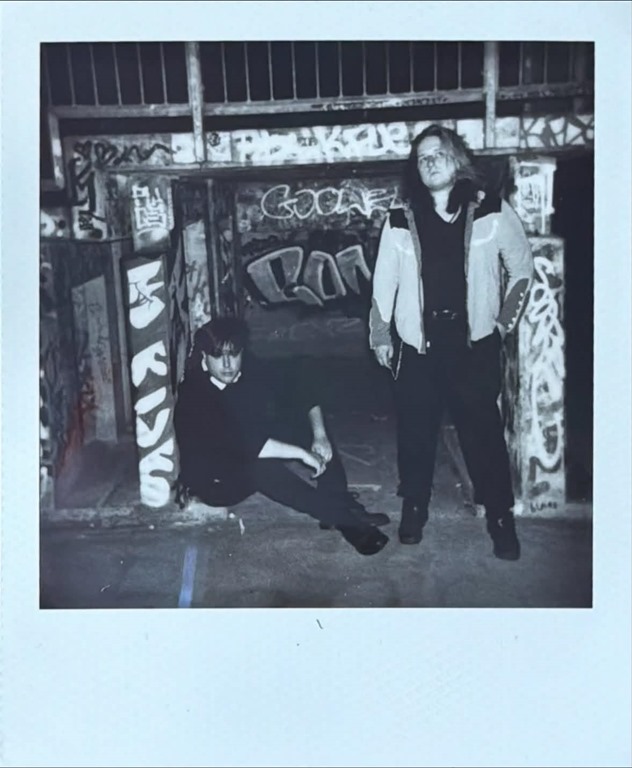
The 113

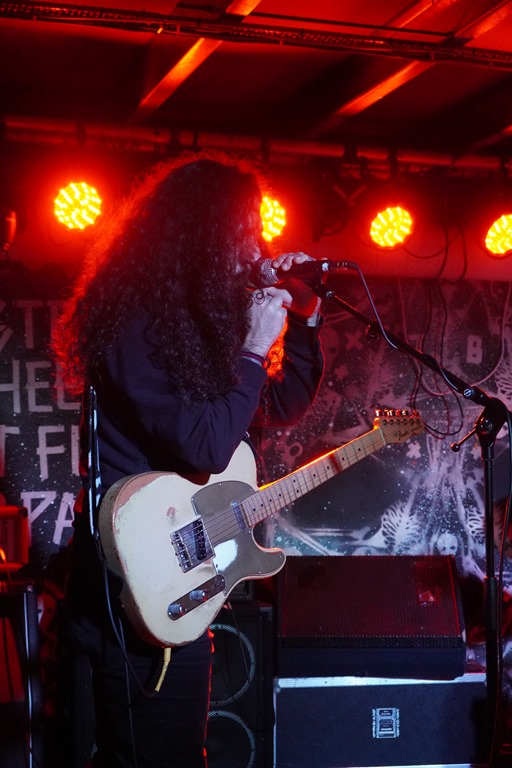
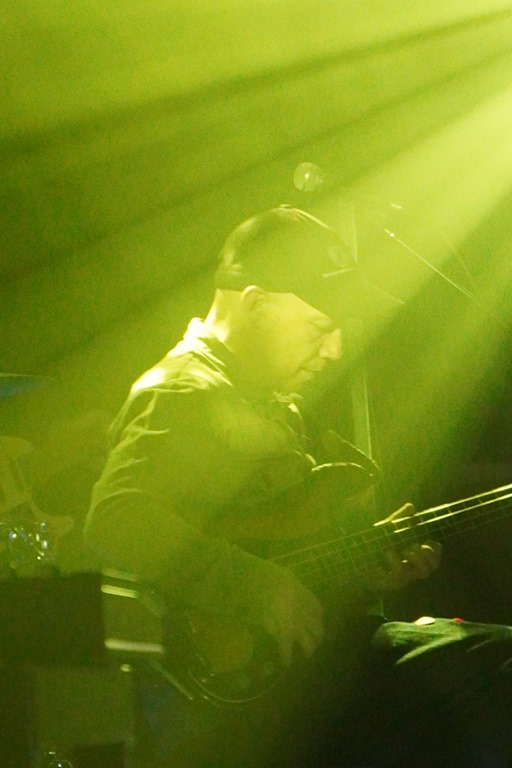
They’re electric from start to finish, slamming in with ‘Leach’, and play with an urgency that’s impossible to manufacture. Each band member brings something specific, the towering bassist lurking in the background hammers out hefty grooves. The guitarist plays so hard he busts his A string four songs in, and because they’re not about to let up the momentum, takes another four songs to finally manage to replace it. They simply don’t pause for breath, they keep their heads down and blast them out. ‘When I Leave’ is a mid-set standout, and ‘Entertainment’ is nothing short of scorching. Set closer ‘Conscience’ is a lacerating blast and bang, that’s it, done. The 113 are a band who have got everything down – they hit hard, clinical, brutal, high impact. They’re already making inroads into Europe, and things will likely be quite different come this time next year…

Prophecy Productions – 8th May 2026

Christopher Nosnibor

I seem to be on something of an inadvertent black metal trip this bank holiday weekend, and, peculiarly, one devoted to black metal forged on this small island, for following my review of Hellripper’s Coronach – black metal that’s staunch in its Scottishness – we have Prophecy Productions pitching the new album from West Yorkshire (Leeds, of course, where else) act A Forest of Stars as being uniquely British in their branding.

It’s tempting to unpack the importance of national identities here, particularly at a time when ‘British’ identity – at home, far more than away – carries some toxic connotations, and the majority of Scots are keen to claim independence from the government of the United Kingdom – in short, to become dis-united, but this is such complex and boggy terrain that there simply isn’t the time or space, even if it were appropriate here. And so I will return to the seemingly flippant word selection concerning ‘British branding’, for while – as is a central trope of black metal – A Forest of Stars’ album titles are strewn with corpses, death, and decay (their debut was entitled, perhaps somewhat oxymoronically, The Corpse of Rebirth, while their last was called Grave Mounds and Grave Mistakes, which sounds probably more humorous in its punning wordplay than intended), Stack Overflow in Corpse Pile Interface sounds like corporate speak. If a there was multinational corporation that dominated the industry of funeral directors, Stack Overflow in Corpse Pile Interface could well be the title of a report for the executive committee. Or perhaps Pure Cremation have already written it and had that meeting concerning their strategy in the event of another pandemic, replete with an array of graphs and graphics, pie charts and flow charts, costings and projections. Because capitalism exploits everything there is to exploit.

As such, the language of capitalism sits very much at odds not only with a metal band, but a band so immersed in art and poetry, whose biography goes to significant effort to point out that ‘in his recitative mode, vocalist Curse is even reminiscent of electro poet Anne Clark – after a steady diet of prescription drugs and rusty nails. On the other hand, his singing voice evokes memories of a young Martin Walkyier. The impressive command of the English language by that great metal bard, his plentiful plays on words and subtle multi-layered meanings also have a place in the poetic lyrics of A FOREST OF STARS – yet in different, often far more neo-dadaist ways, in which tiny twists of spelling can have surprisingly dark effects’ (suggesting, at the same time, that the wordplay of Grave Mounds and Grave Mistakes was entirely intentional after all).

The regular release of the album contains six songs, the shortest of which is the opener, ‘Ascension of the Clowns’ at a hefty nine minutes, and with the last two stretching beyond the fifteen-minute mark. The deluxe edition adds three more tracks – by most standards, an additional EP, or even an album of bonus material.

‘Ascension of the Clowns’ is grand and theatrical: Curse brings the metal fury, but emotes and enunciates, his words not only audible but clear above the spacious guitar work – which, over the course of the album’s expansive compositions – are accompanied by an array of instruments from piano to violin, as well as acoustic guitar. There’s a strong orchestral leaning – not to mention folk elements – to incredibly ambitious work, and it’s hard to fault the musicianship or arrangements, although the instrumentation is often dialled down to accompany the vocals, rather than the elements merging to create a sonic whole.

There are obvious reasons for this: Stack Overflow in Corpse Pile Interface is as much like a musical as it is a metal album. Without wishing to sound in any way mocking, one can almost picture Curse lofting a skull and affecting his most dramatic Hamlet-inspired gushings as he proclaims in the most thespy rendition of anguish, “Shit of that shit! The enshitenment!” on ‘Street Level Vertigo’. Yes, he knows his words and wordplay, and clearly revels in the way words reverberate and resonate and rub against one another to conjure layers of meaning and heightened drama.

‘Mechanically Separated Logic’ references the processes of the meat industry, applied to the psychology of late capitalism, and while the instrumentation is subtlety detailed and softly picked for the most part, only bursting into cathedrals of sound in places, again, the vocals are pure theatre, bold, exaggerated, and it’s hard to know quite how to take it, to deduce how serious this preposterously excessive style is. But even assuming there is a knowingness, a joyful revelling in the absurdity of all of this, it feels more like a work to respected and admired rather than enjoyed. No, that’s not entirely accurate: it’s enjoyable, even entertaining, particularly with its folk flourishes and revelling in the excremental, but it’s enjoyable as a performance, rather than as a set of songs which resonate on an emotional level.

AA

AA

742374

Christopher Nosnibor

Situated in a retail arcade in Leeds city centre, Santiago’s is a hip but alternative bar (in that it’s £6+ a pint of keg, and they play Nirvana and have band posters on the walls – although they also include rather less obvious bands like OFF! and Cerebral Ballzy) downstairs, and somewhat contrastingly, a poky dive with a capacity of maybe 80, accessed via a rickety staircase and with a stage that’s barely six inches high, upstairs. Said upstairs room affords an unusual view of the streets outside through a large arched window which occupies the entire wall beside the stage. Seeing people and traffic moving around on the street below while the bands perform seems a strange juxtaposition, and with the limited lighting inside the venue, the interior starts unusually bright and grows progressively darker as the night progresses.

Sunbreather’s name may suggest something a bit hippyish, and in some respects, it’s not unrepresentative. They play doom heavily influenced by what in the 70s was heavy metal: that is to say, big Sabbath- style riffs. They play them with a certain swing, too, which is refreshing, and it’s nicely done. They close their four-song set with a cover of Fleetwood Mac’s ‘The Chain’, stripped back and heavy. The coda is played with the classic bassline at half-pace, with all the weight, and the wild guitar solo replaced by thunderous chords until the very end. It’s an inspired interpretation that works well, and isn’t out of place with the rest of the set.

DSC09610

Sunbreather

Amon Acid are all about the flares and hair and lace and shades, and if the name sounds like something of a giveaway, then you’d be close enough: their thing is epic stoner doom with the deep infusion of psychedelia. The vocals are low in the mix, bathed in galactic-scale reverb and delay for good measure. The two guitars melt into one another, and while they may not be masters of innovation, they clearly know what they’re doing – and thankfully, the sound engineer has a handle on it, too. Winding up with a mammoth space rock groove, which skims out for an eternity, brings the set to a searing finale. And the longer they play, the hotter it gets. By the end of their set, we’ve all liquefied, and I find myself deliberating whether I need another £6.70 pint of am ok with the prospect of dehydrating.

DSC09639DSC09657

Amon Acid

While I’m deliberating, they put the fans on around the room. Meanwhile, some pissed-up cokehead cunt in an orange t-shirt who seemingly thinks he’s at a rave is going off his nut and trying to get onstage while Codex Serafini are setting up, and five minutes before they’re due on I get a sinking feeling and am hoping he’ll be leaving very soon. Mercifully, I realise around a third of the way through the set that he’d fucked off, hopefully his exuberance overtaken by a melted brain.

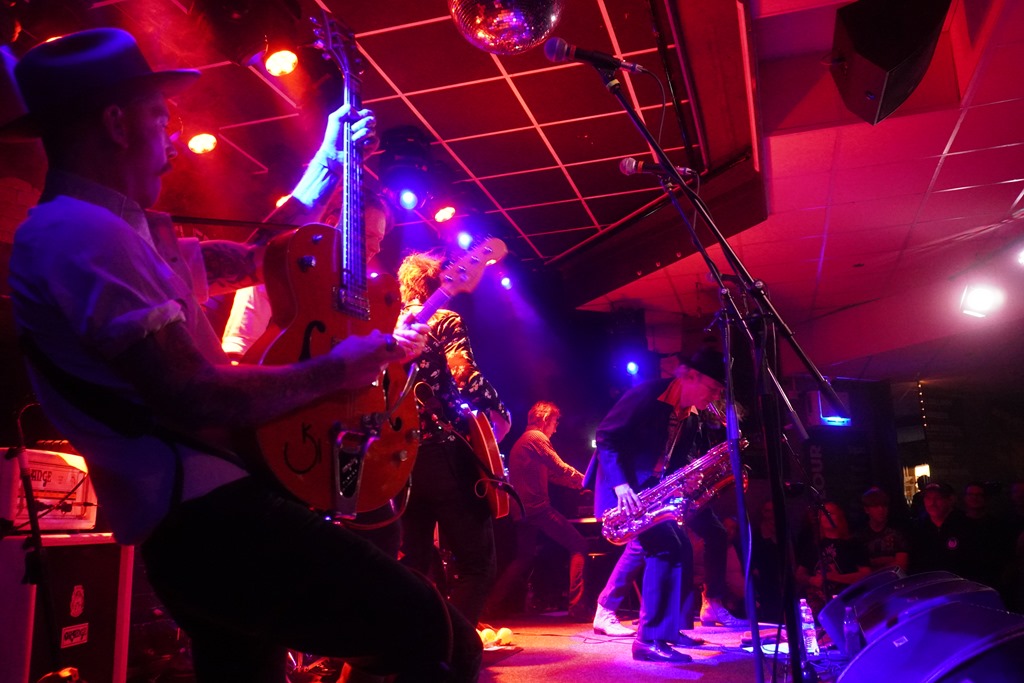
Codex Serafini are indeed brain-melting, after all. They’re a band I’ve been waiting to see for some time, and given the enormity of their music, the intimate nature of the venue is something of a surprise on some respects. But jazz-infused doom with a punk edge is pretty niche, and an act with albums released on Riot Season are never going to be playing anywhere huge. But this is precisely why we need small venues, and labels like Riot Season. And for all that, they definitely deserve a wider audience: when novelty acts like Angine de Poitrine are racking up millions of views, it’s apparent that the public aren’t averse to stuff that’s different or weird – in fact, they’re drawn to it. Especially when there are outfits and masks involved, as the popularity of Slipknot, Ghost, and Sleep Token (who aren’t nearly as weird as their presentation would suggest) – which means that it mostly comes down to PR. The fact of the matter is that ‘viral’ is almost never ‘organic’. And so here we have Codex Serafini, in red robes and tasselled face-masks, wrapped in Saturnian lore, merging metal, jazz, and post-punk, and this is what the music world needs right now, if only people would realise.

The first half of their ten-song set consists of material from their most recent album, Mother, Give Your Children Sanity, released last November. ‘Cause and Effect’ is an early standout for its deft, vaguely disco-hued drumming and almost funk-tinged groove. Matt McCartney’s bass doubles as rhythm guitar, the incidental melodies and atmosphere brought by the sax. And all the while, the percussion is cataclysmic and the vocals nothing short of other-worldly.

DSC09705DSC09700DSC09777

Codex Serafini

‘Cronus’, ‘Janus’, and ‘Fountains of Enceladus’ are performed back-to-back in the sequence they appeared on Serpents of Enceladus, and Landing as the penultimate song of the set, ‘I Am Sorrow, I Am Lust’ is the sole representation of previous album The Imprecation Of Anima (2023).

At around fifty minutes in duration, their set is intense and sonically immense, filling the space with cathedrals of sound. It’s the last night of the tour in support of Mother, Give Your Children Sanity, and the Leeds reception sees it end on a high. And on a personal level, they were more than worth the wait. Would see again. Many times.

17th April 2026

Christopher Nosnibor

The singles leading up to the release of The Hedonist, the second EP by The 113 have very much been cause for excitement and built a buzz about the band. Each of the four songs is tense, taut, edgy, quickfire vocals spitting lyrical depictions of the grim present in which we find ourselves with a splenetic urgency against a noisy backdrop where the combination of bass, drums, and guitar – in themselves, completely conventional – meld to forge a dense, unified aural assault.

As they put it, The Hedonist ‘revolves thematically around an anti-technology sentiment, raising questions about data, online worlds and how these can be weaponised against you.’ This – and various surveys and reports – is indicative of an increasingly anti-technology (and certainly an anti-AI) sentiment among younger generations. They have reason for concern, and it’s hard to decide what’s scarier, the prospect how personal data will be used, or how entire swathes of jobs will cease to exist in the imminent future. Anyone who blithely pisses about making caricatures and action figures in the name of fun is not only missing the point: they’ve already sold their soul and more. They’re part of the machine.

We’re living in every single dystopian fiction ever created all at once, right now. This isn’t hyperbole. And it feels as if we’re all trapped and helpless. It’s small wonder we’re experiencing a mental health crisis as we see an entire generation coming through paranoid and scared as we witness an existential threat in many ways worse than the cold war, inasmuch as it’s a war on all fronts.

The 113 recognise this, and The Hedonist is an articulation of this infinitely-faceted terror. Every single track is a standout, and in sustaining the high level of intensity across the whole EP, the potency of the material is amplified. Where The Hedonist succeeds is in the way it doesn’t depart from the blueprint of the debut, To Combat Regret, but instead builds on it.

It’s by no means music to chill out to: quite the opposite, in fact. It’ll likely raise your blood pressure and make you clench your jaw and fists. But if there’s a band that encapsulates the zeitgeist, it’s The 113.

AA

012The113_Jan26Press_BNW

EMI North / Launchpad+ – 30th March 2026

Christopher Nosnibor

The 113 have done it again – only this time, more so. Like its predecessors, single ‘When I Leave’ is take from the forthcoming debut EP, The Hedonist, which is due to land on 17th April. And once again, it steps things up.

It follows the noisy path of debut, ‘Leach’, a vitriolic blast which powers in on a thick, thunderous overdriven bass, paired with an attack of heavy-hitting, cymbal-smashing percussion, slamming in with hard impact in the opening bars. Immediately, it’s the sound of a band that means business and arrives with a physical force. The vocals are straight in with a pumped-up spleen-venting tone of disaffection, and on this outing, the focus of their dissection and dissatisfaction with the conditions of contemporary living is lasered in on ‘the personal, exploring the gamified and repetitive nature of dating apps, where every interaction can seemingly begin to blur into the next’.

The accompanying notes expand on this, explaining how ‘the track captures that specific sense of cyclical monotony; scripted conversations, fleeting intimacy, and the almost inevitable feeling of disillusionment that can occur following the search for something real within systems designed with the purpose of endless scrolling: “Nice to meet you! Scratch the skin and we’re done, and hold the stench of a thousand pros playing for fun”.

Does anyone actually gain anything but grief and stress from dating apps? A few shit experiences, perhaps gathering a stalker or pest along the way, but really, how many find love – versus how many find nothing but the dregs of humanity?

It’s perhaps relevant to mention here that I met my (now late) wife online, in a music chatroom, at the turn of the millennium, before dating sites existed and before it was socially acceptable to meet people from online in real life. Her friends and parents were far from encouraging about her meeting me: back in 2000, the perception was that the Internet was full of weirdos, creeps, stalkers, and worse. Now… perhaps we’re more willing to take those gambles with the ever-expanding creep of isolation as a result of floating office hours, where people only see one another occasionally, the death of after-work drinks, and social media taking precedence over in-person interaction. How do you meet new people nowadays? Is this really what we’ve come to? It would seem the answer is yes….

And then, the guitar kicks in over that thick bass and pounding percussion, and it’s squalling and dissonant and then everything hits a laser focus to drive home a blistering chorus – their strongest yet – and POW! ‘When I Leave’ is two minutes and thirty-seven seconds of concentrated, distilled intensity.

AA

AA

0d196b4a-4c79-956e-eb71-fd2197f121c9

Credit: Naomi Whitehead

13th March 2026

Christopher Nosnibor

Polevaulter are very much a band of the times. The cost of living and the fact bands make no money has driven a marked shift towards duos and power trios, and notably electronic music and drum machines have become popular again. The less kit you’ve got, the easier it is to rehearse at home or in a small space, there’s less to the logistics of getting a smaller number of people with minimal gear around (hell, the logistics of getting people in the same place at the same time around work and family and all that shit), and any fees and proceeds from merch are split fewer ways. Necessity and invention, and all that. And notably, there’s a lot of angry electro-led noise coming out of the north. Benefits are clearly up there in representing this thing, which isn’t anything like a movement, any more than the emerging goth scene in the 80s was a movement, but an artistic current, a zeitgeist. But we also have the likes of The Sick Man of Europe, Machine Mafia, and Polevaulter. These guys are something of the exception, in that they’re a shade dancier, but given the buzzing bass fury and relentless rage in the vocals, they’re never going to trouble any regular townie nightclubs, let alone any charts or Radio 1 Dance.

On the new EP, Polevaulter frontman Jon Franz said, “’Descending’ is our most cohesive and controlled EP, and also the most raw and direct. We wanted to reach people immediately, give them something to quickly digest and then say exactly what we wanted to say. The vocals start quick in each song. It progresses down through the EP into an anxious rave, the themes about being lied to all your lives and believing what you are told coming from power down to the working people. It’s our darkest and danciest EP I think.”

And so it is that with Descending, Polevaulter deliver four ultra-taut and super-succinct slabs of electro-led abrasion. ‘The Cursor is a Fly’ makes for a comparatively gentle introduction, before the grinding ‘Dogtrack’.the woozy, bulbous subsonic bass is pure dance, but the snarling, disaffected vocal is punk to the core, Franz wheezing ‘Just trying to buy a house, now let me have it… dogtrack… gamble… run down… dogtrack… going round and round and round…’ It’s bleak and hypnotic and bleak and hypnotic and… you get the picture.

‘Manifest’ mines a dark dance groove with a vocal that’s bordering on spoken word, and calls to mind the short-lived and criminally underrated York band Viewer, the technoindie collaboration between the late cult techo legend Tim Wright and vocalist AB Johnson. In other words, it’s a well-balanced hybrid, where thumping beats and techno synths collide with a vocal that draws influence from Jarvis Cocker and Mark E. Smith. ‘I’m going down with the ship’, Franz announced against a clattering backdrop of snashing metallic snare drum detonations and rapidly-shifting synth gyrations.

The final track, ‘Soothsayer’, is the EP’s longest, and a sparse, haunting intro paved the way for a dark, reverb-heavy electrogoth groove with hushed, hypnotic vocals over an almost subliminal bass groove cut through with a heartbeat kick drum and smashing snare and builds to a tense, suffocating climax.

These are dark times, and it is definitively grim up north. Polevaulter provide a soundtrack to this, while countering bleak nihilism with some almost euphoric dance synths. Descending offers escapism in the same space as the darkest pessimism. The conflicts and contradictions are navigated successfully, though. Polevaulter have taken a massive leap here, and really gone beyond their previous works.

AA

AA

Polevaulter

Rocket Recordings – 3rd April 2026

Christopher Nosnibor

Opening an album with an ear-splitting shriek of feedback is a statement of intent, and a challenge to the (potential) listener. Opening an album with an ear-splitting shriek of feedback by way of launching into a seven-minute discordant racket is special, particularly when you’re not Sunn O))). It takes some confidence, and is an immediate ‘fuck you’ to anyone who might be looking for some melody. But then, it’s fair enough. You’re not going to be looking to attract pop kids when you’re a noise rock band called The Shits. But over the course of its seven minutes, raw and ragged opener ‘In A Hell’ brings a nagging lead guitar line which stretches back and forth over a repetitive riff where the rhythm guitar follows the bass on an ascending riff through an ever-amassing wall of noise. Woah. In a way, I’m reminded of The Fall, specifically Hex Enduction Hour, crashing in with ‘The Classical’, which is absolutely all over the shop, discordant, swerving here, there, and everywhere, likely deterring many from venturing further, while encapsulating everything about the band and the album in that opening salvo. So if ‘In A Hell’ doesn’t do it for you, leave now, and promptly, because you’re only going to get more of the same, only more so. ‘In A Hell’ is a beast, and will likely send many running ion the opposite direction. Fine. It’s their loss.

You know an album’s going to be good when the opening track sounds like the finale. And yes, with Diet of Worms, The Shits deliver something extraordinary. It’s a filthy mess of overdriven guitar and vocals thick with phlegm and fury, and it’s nothing short of magnificent.

‘Tarrare’ brings the searing proto-punk three chord thrash and wah-wah frenzy of The Stooges with the rabid nastiness of The Anti-Nowhere League and a hint of the derangement of the Jesus Lizard, and ‘Then You’re Dead’ piles straight in with more gritty riff-driven nihilism delivered with fervour and everything cranked up to eleven.

There’s nothing pretty about this. There’s nothing especially new about it, either, but The Shits play with a rare, raw energy, and it’s this which makes Diet of Worms stands out. ‘Change My Ways’ is a sneering roar, with hints of Uniform but very much indebted to Public Image. It’s a punky, noise-rock juggernaut. Single cut ‘Thank You For Being a Friend’ doesn’t exactly seem to radiate effusive gratitude in its delivery and lands more like being punched in the gut. Repeatedly. For nearly six minutes.

AA

AA

The whole album is a sprawling, dingy, full-on, the songs built around simple, repetitive riffs bludgeoned away at for however long – nothing fancy, just fire and fury. Diet of Worms is unapologetic in its bluntness, attacking from the first scream of feedback to the final afterburn.

AA

AA

a0484581445_10

Christopher Nosnibor

A couple of mates had picked this one out and suggested I might like it, and, as my diary was looking pretty sparse at the time, I thought ‘why not?’ Some brief scanning of releases led me to expect a night of electro-based post punk, some synth-pop of a darker persuasion. The reality was considerably darker than that, and pretty much straight-up goth, even if the majority of the crowd didn’t recognise it as such – by which I mean, they looked more like they’d be into Gary Numan than The Sisters of Mercy. So where are we at? Goth by stealth? Said crowd was an interesting mix, an almost even split of old sods, and lanky buggers young enough to be their kids – or mine, I suppose.

The Sick Man of Europe – raved about by a mate who’s more of an indie persuasion – are in some respects reminiscent of early Depeche Mode but darker, heavier, more industrial. They bring the pulsating repetition on Suicide, with a heavy leaning towards DAF. For the second song, they segue ‘Movement’ and ‘Obsolete’. The studio versions are tight slices of Krautrock, and nice enough. Live, everything is amped up and the result is something more like covers of ‘Ghostrider’ as performed by The Sisters of Mercy, or even Foetus. The flat baritone monotone of the studio recording takes on a new dimension live, too, at times reminiscent of the booming grave-and-gravel drawl of Chris Reed of Red Lorry Yellow Lorry. The sick singer spends considerable time charging back and forth in front of the stage and occasionally ventures further into the crowd. They take things up a good couple of notches live in comparison to the studio recordings, the clinical sterility converted to crackling energy. They’re tight, tense, and gothy as hell.

DSC07837DSC07852

The Sick Man of Europe

The same is true of TVAM, an act I’d always taken as being a bit 6Music electro-indie. Again, the difference between their studio work and live show is the key here. The work of just one guy in the studio, the live act is transformative, with live drums and guitar. They play the new album, Ruins, in full and in sequence. It takes confidence in an album to do this, but it’s an album to have confidence in, without a weak track. The song titles and lyrics flash on the screen at the back of the stage in real time, with striking images projected during instrumental passages. In combination with the lighting and smoke, it makes for a strong visual performance. The sound, too, is fantastic, the swirling guitars hazy, the drums crisp and bright.

DSC07875DSC07897

TVAM

On the bass-led ‘Real Life’ they perfectly replicate the drums from ‘Lucretia My Reflection’, and ‘Powder Blue’ is indisputably a dark pop gem with a dense shoegaze feel.

The final segment of the set piles into the depths of the back catalogue with relish, hitting us with ‘Porsche Majeure’ and ‘Double Lucifer’, before closing with ‘Total Immersion’, the last track from their 2021 debut Psychic Data.

DSC07918DSC07916

TVAM

Oftentimes, studio-based projects can lose something in the translation to the live setting, but by taking a completely different approach to the format, TVAM show different aspects of the songs and imbue them with new depth and energy.

As a lineup, the two acts compliment one another well, and in both delivering punchy sets (Sick Man’s set was bang on half an hour, TVAM played for 45 minutes), they gave us an exhilarating night.

Launchpad+ and EMI North – 25th February 2026

Christopher Nosnibor

From Interpol to Editors to White Lies and far beyond, including, at present IST IST, dark-edged post-punk acts displaying strong Joy Division influence have been emerging for the last twenty years now, and more. Some are better than others, some capture the mood more effectively than others.

It’s perhaps because they’re from Leeds that The 113 are particularly good at capturing the mood: the spawning ground of goth in the 80s, the Leeds scene has always stood apart from not only the mainstream, but other major cities of the north, particularly Manchester and Sheffield, which in turn have always had their own identities: in the early 00s Leeds was hotbed for innovative post-rock, and has, over the last decade, yielded ever noisier, ever more angular, ever weirder bands, but also bands of quality who simply do – or did – their own thing, from Hawk Eyes and These Monsters to Castrovalva and I Like Trains, Thank, Post War Glamour Girls, Beige Palace, Black Moth, BELK, Irk, and of course, the mighty Blacklisters.

The 113 aren’t nearly as abrasive or far-out as many of these acts with whom they share turf, but their debut EP, To Combat Regret, released last March packed some blustering urgency to the familiar post-punk template. Both ‘Scour’ and previous single ‘Leach’ continue the same trajectory – lean, dark post-punk vibes, driven by dense bass, insistent percussion and some sinewy guitar work, creating tension and using it to powerful effect – but if anything, this is tauter, tenser, and more nuanced: the melodic, shoegaze mid-section adds significant impact to the song’s explosive conclusion.

This, in conjunction with ‘Leach’ says that the forthcoming EP, The Headonist (out April 17th) will be killer, and the upcoming tours in April and May look like something to get excited about, too.

AA

AA

923bdd4b-dfcd-0bd4-f755-7b62d5b746c4

Photo: Naomi Whitehead