Christopher Nosnibor
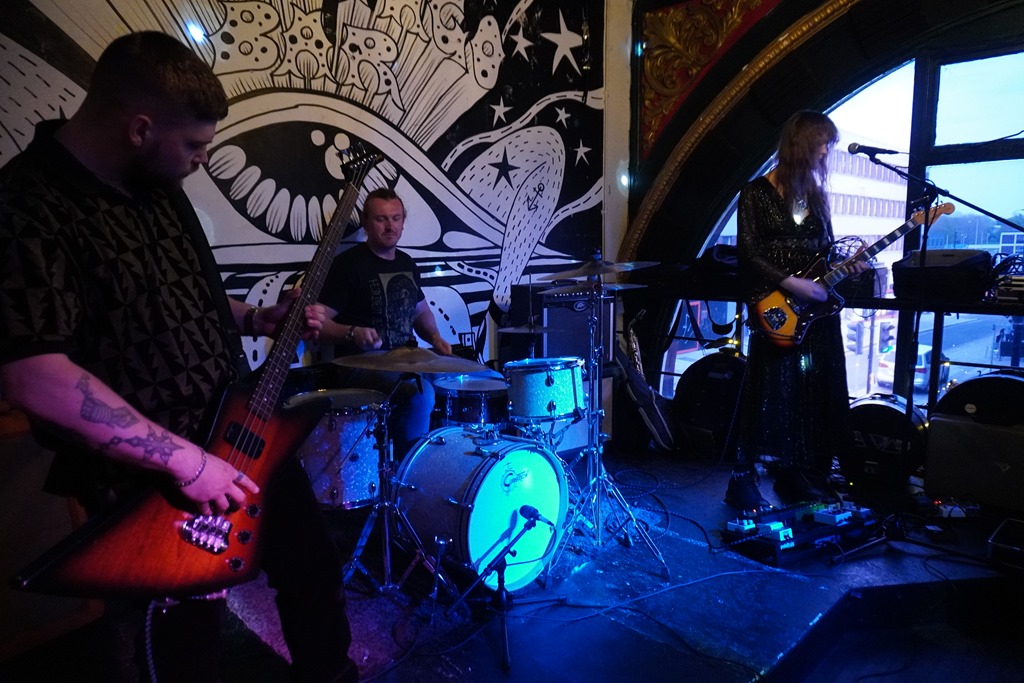
Situated in a retail arcade in Leeds city centre, Santiago’s is a hip but alternative bar (in that it’s £6+ a pint of keg, and they play Nirvana and have band posters on the walls – although they also include rather less obvious bands like OFF! and Cerebral Ballzy) downstairs, and somewhat contrastingly, a poky dive with a capacity of maybe 80, accessed via a rickety staircase and with a stage that’s barely six inches high, upstairs. Said upstairs room affords an unusual view of the streets outside through a large arched window which occupies the entire wall beside the stage. Seeing people and traffic moving around on the street below while the bands perform seems a strange juxtaposition, and with the limited lighting inside the venue, the interior starts unusually bright and grows progressively darker as the night progresses.
Sunbreather’s name may suggest something a bit hippyish, and in some respects, it’s not unrepresentative. They play doom heavily influenced by what in the 70s was heavy metal: that is to say, big Sabbath- style riffs. They play them with a certain swing, too, which is refreshing, and it’s nicely done. They close their four-song set with a cover of Fleetwood Mac’s ‘The Chain’, stripped back and heavy. The coda is played with the classic bassline at half-pace, with all the weight, and the wild guitar solo replaced by thunderous chords until the very end. It’s an inspired interpretation that works well, and isn’t out of place with the rest of the set.
Sunbreather
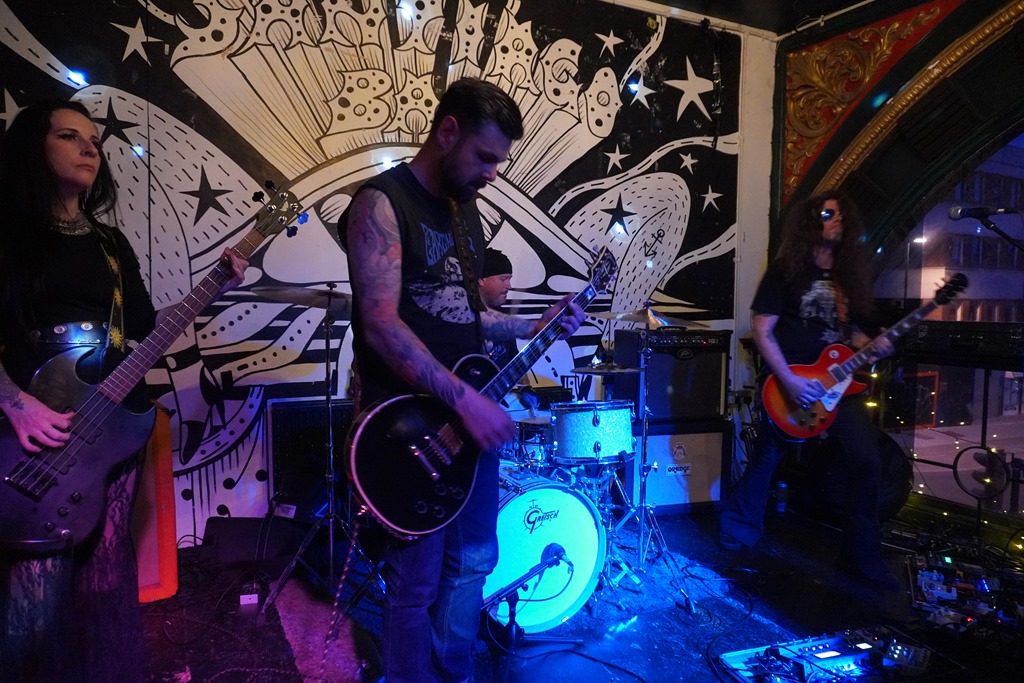
Amon Acid are all about the flares and hair and lace and shades, and if the name sounds like something of a giveaway, then you’d be close enough: their thing is epic stoner doom with the deep infusion of psychedelia. The vocals are low in the mix, bathed in galactic-scale reverb and delay for good measure. The two guitars melt into one another, and while they may not be masters of innovation, they clearly know what they’re doing – and thankfully, the sound engineer has a handle on it, too. Winding up with a mammoth space rock groove, which skims out for an eternity, brings the set to a searing finale. And the longer they play, the hotter it gets. By the end of their set, we’ve all liquefied, and I find myself deliberating whether I need another £6.70 pint of am ok with the prospect of dehydrating.
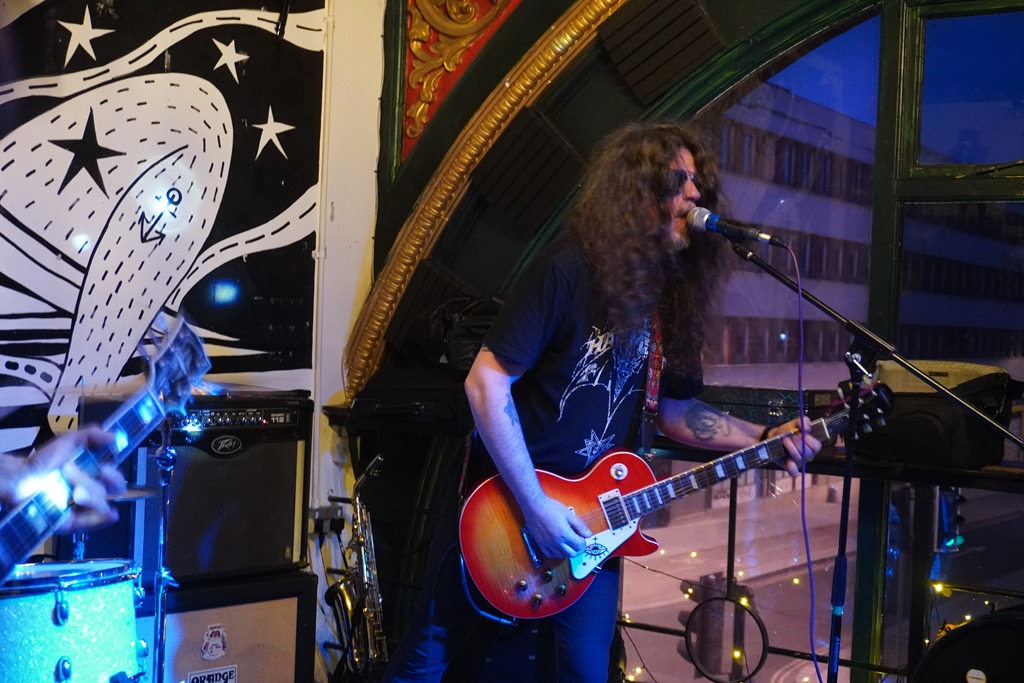
Amon Acid
While I’m deliberating, they put the fans on around the room. Meanwhile, some pissed-up cokehead cunt in an orange t-shirt who seemingly thinks he’s at a rave is going off his nut and trying to get onstage while Codex Serafini are setting up, and five minutes before they’re due on I get a sinking feeling and am hoping he’ll be leaving very soon. Mercifully, I realise around a third of the way through the set that he’d fucked off, hopefully his exuberance overtaken by a melted brain.
Codex Serafini are indeed brain-melting, after all. They’re a band I’ve been waiting to see for some time, and given the enormity of their music, the intimate nature of the venue is something of a surprise on some respects. But jazz-infused doom with a punk edge is pretty niche, and an act with albums released on Riot Season are never going to be playing anywhere huge. But this is precisely why we need small venues, and labels like Riot Season. And for all that, they definitely deserve a wider audience: when novelty acts like Angine de Poitrine are racking up millions of views, it’s apparent that the public aren’t averse to stuff that’s different or weird – in fact, they’re drawn to it. Especially when there are outfits and masks involved, as the popularity of Slipknot, Ghost, and Sleep Token (who aren’t nearly as weird as their presentation would suggest) – which means that it mostly comes down to PR. The fact of the matter is that ‘viral’ is almost never ‘organic’. And so here we have Codex Serafini, in red robes and tasselled face-masks, wrapped in Saturnian lore, merging metal, jazz, and post-punk, and this is what the music world needs right now, if only people would realise.
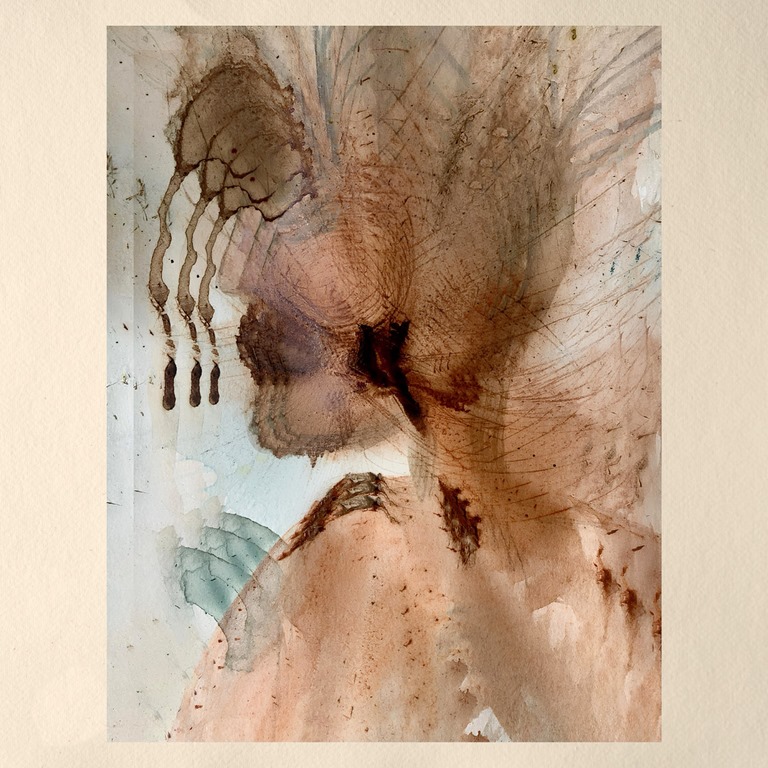
The first half of their ten-song set consists of material from their most recent album, Mother, Give Your Children Sanity, released last November. ‘Cause and Effect’ is an early standout for its deft, vaguely disco-hued drumming and almost funk-tinged groove. Matt McCartney’s bass doubles as rhythm guitar, the incidental melodies and atmosphere brought by the sax. And all the while, the percussion is cataclysmic and the vocals nothing short of other-worldly.
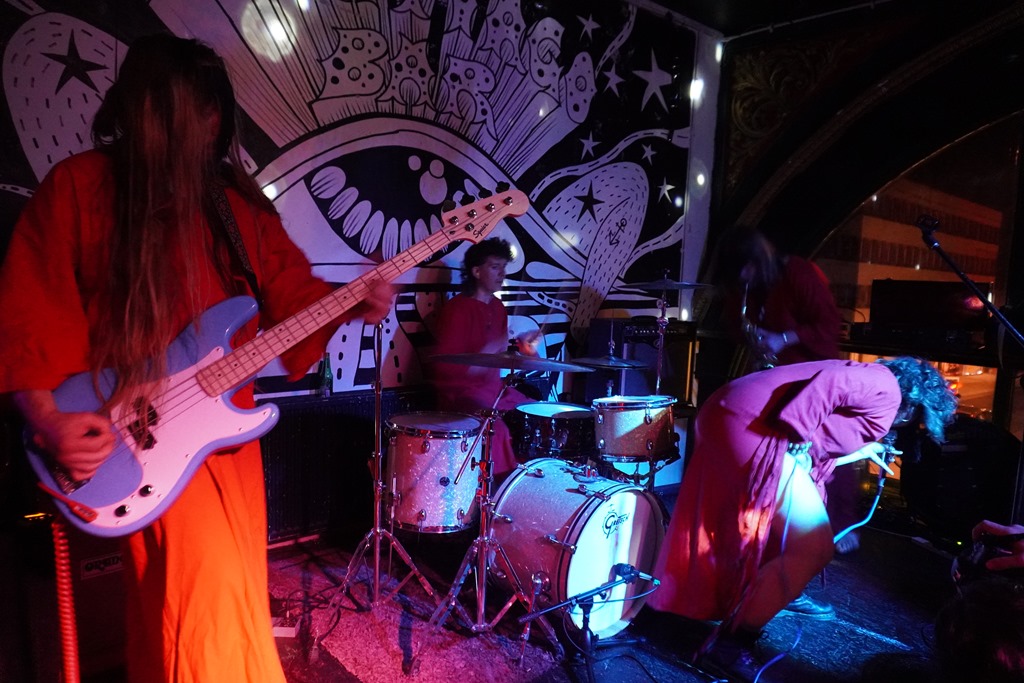
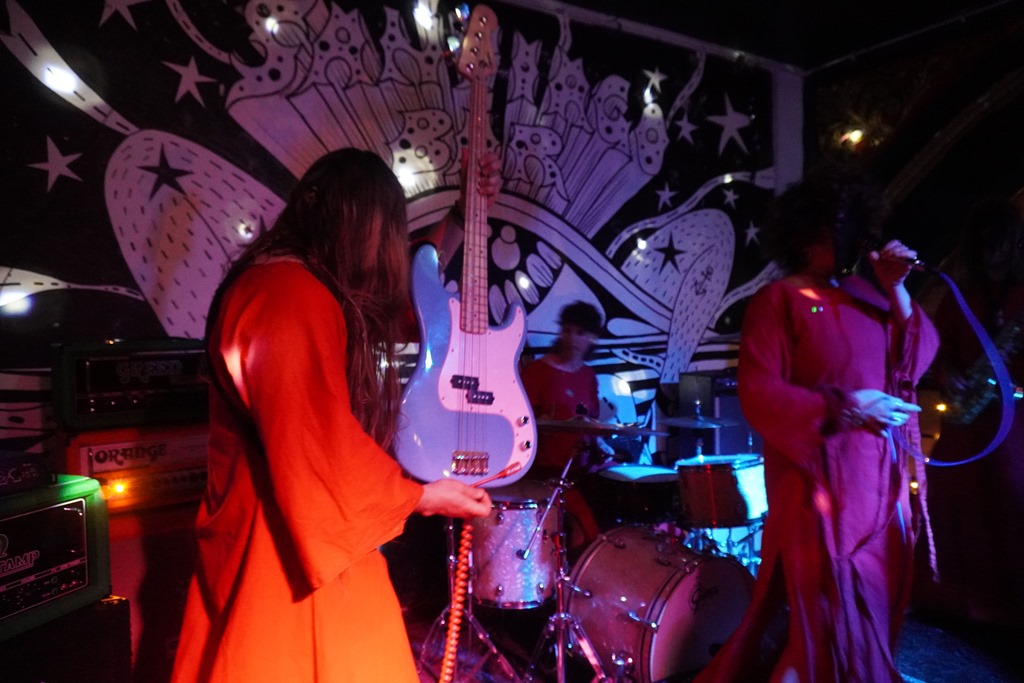
Codex Serafini
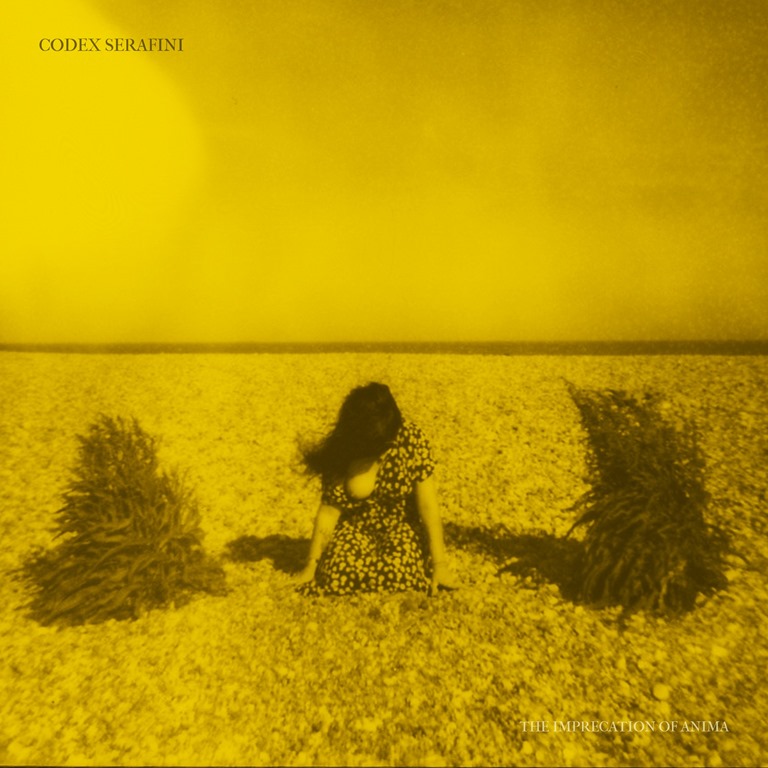
‘Cronus’, ‘Janus’, and ‘Fountains of Enceladus’ are performed back-to-back in the sequence they appeared on Serpents of Enceladus, and Landing as the penultimate song of the set, ‘I Am Sorrow, I Am Lust’ is the sole representation of previous album The Imprecation Of Anima (2023).
At around fifty minutes in duration, their set is intense and sonically immense, filling the space with cathedrals of sound. It’s the last night of the tour in support of Mother, Give Your Children Sanity, and the Leeds reception sees it end on a high. And on a personal level, they were more than worth the wait. Would see again. Many times.