Archive for June, 2026

Industrial metal band, LUCID DEMENTIA has unleashed the first video from their newest album, Hexery.

‘Witches Hat’ presents a dark spell of inspiration put together on a low budget in an experiment to see what would happen if the band filmed an occult crime and called it a music video.

The song ‘Witches Hat’ at its core is about how one should not touch a woman without her consent. LUCID DEMENTIA is a dark thing that does more than bumps in the night. So the music and lyrics are intricately woven to tell a story about what should happen to a soul that would break this rule.

The video tells a tale in 3 parts:

The dirty man’s hand reaches out, strokes, grabs a flower and squeezes it until it bleeds, then releases the flower and retreats. A witch then casts a spell by manipulating different objects on a table. Finally, a person is trapped in a room with the band with only a camera that has a tiny pin hole light.

The band performs the song in the pitch black darkness as if in a dreamy nightmare. The trapped person is entranced by the band and cannot stop peering at them as they perform the song. The video remains, but why the trapped person?  Maybe there are clues within the other songs of the album, Hexery.

AA

03ffb4bd-5306-160b-ddd9-fd4629b28d0a

Mortality Tables – 8th May 2026

Christopher Nosnibor

So much music, and only one pair of ears with which to listen to it… and similarly, one pair of hands to write about it. For years, I yearned – albeit half-jokingly – to clone myself, but now realise that doing so would likely only compound my problem, creating a situation where more availability would create more demand, and this would be very much a concession to the commodification of art – in all forms – whereby everything is considered merely ‘content’ and that a conveyor-belt churn of new content is the route to ‘engagement’. And this is absolutely fucking horrible. It’s dehumanising.

Shortly before I quit my dayjob as a complaints auditor for a multinational financial corporation earlier this year, we had been directed to use CoPilot to write our segments of the monthly report we produced to circulate amongst management. The directive was to get AI to write it, and then ‘sense check’ it against out audit results for the month. My colleagues were raring to go, and raced to embrace this: they didn’t enjoy writing up the monthly report on PowerPoint. I can’t say I loved it either, but I have degrees in English and had eight years’ experience in complaint auditing. The report was the one thing in the role where I had scope to not only flex my linguistic skills to pitch the tone of the report, but also to use my brain to analyse and comment on the otherwise fairly tick-box exercise of auditing. This is a circuitous route to my denouncing AI, and the reason why, when doubtless many ‘content creators’ would deploy AI to help crank out reviews at a far faster rate, I steadfastly refuse, and will always write my own reviews – albeit sometimes a bit rushed, a bit rambling, and with more typos than I’m anywhere near comfortable.

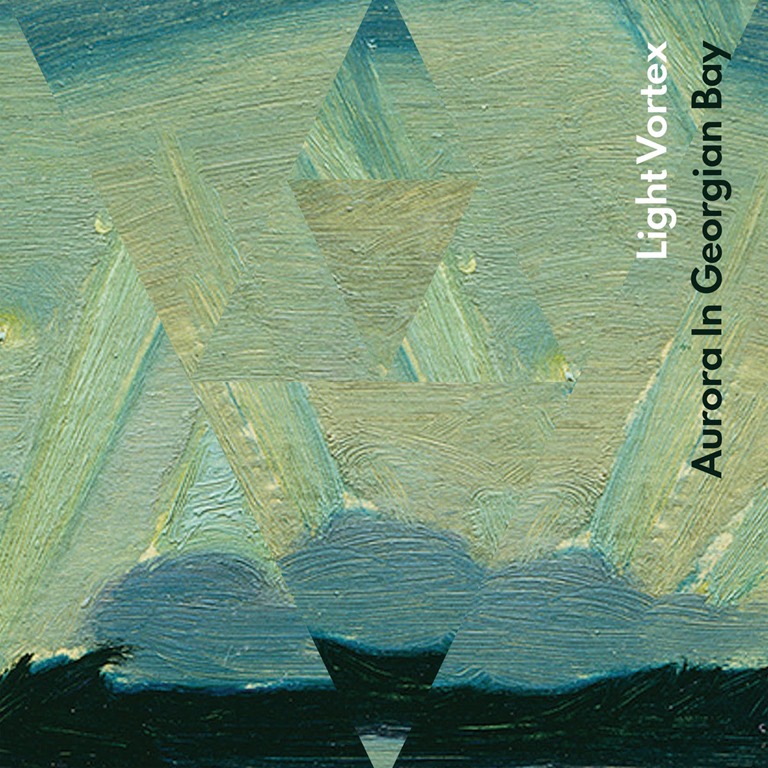
Reading the loner notes while listening to Aurora In Georgian Bay by Light Vortex reminds me precisely why this is.

The album’s title ‘was sourced from a 1931 painting by English-Canadian artist J.E.H. MacDonald (1873-1932)’, and we learn that ‘With thick and evocative brushstrokes, MacDonald’s painting depicted a view across Georgian Bay from Pointe au Baril in Ontario. Framed by wavering trees, the focal point of MacDonald’s painting was the phenomenon of fleeting, undulating shapes in the sky above the bay, illuminating the scene with an alien green-blue-grey hue.’

The notes go on to explain, ‘We hear a parallel to this in the eleven pieces of electronic music collated by Chris Moore on this album. Each track feels like it is vividly capturing the same refracted light that caught MacDonald’s attention, where sounds, sequences and subtle rhythms are encouraged to collide inquisitively with each other… Moore’s nuanced and detailed approach to electronic composition mirrors MacDonald’s abstraction of the natural world.’

These are connections of the type which can only be made by the human mind – instinctively, intuitively, by subconscious associations, by joining dots which exist through experience and knowledge. In short, life, in all of its organic richness, strangeness, and diversity.

To my eye, MacDonald’s painting evokes a soundscape that’s loose in structure and borders on ambience. Not so for Chris Moore on the strength of these compositions, which straddle the realms of early synth works in the vein of Kraftwerk and Tangerine Dream, and later – but still comparatively old-school in the timeline of music – electronic work from the 1970s, like Mike Oldfield’s Tubular Bells and Oxygene by Jean Michelle Jarre. In short, it’s emblematic of the juncture where wibbling analogue ambience evolves beyond experimentation centred around what the instruments could do. But of course, my response to this is based entirely on my personal experience and musical exposure. My knowledge is incomplete, and spontaneous. But it is my own.

This is also very much true of Moore’s compositions here. The man and the machine. The man manipulating the machine – and not vice versa, or the man replaced by the machine.

I very much get why there was – and remains – a fear of technological evolution, and why, in the 80s and 90s, Thee Musician’s Union were so opposed to drum machines: they felt the machines would render drummers obsolete. They didn’t, just as home taping didn’t kill music. Streaming, on the other hand, just may. And similarly, previous technological advances have been about the artist using the technology to create something new – whereas AI sidelines the artist to plagiarise from the entire history of creative work. To create is human: it’s the very essence of the human condition – to convey something through the process of creation, for fellow humans to respond to on an emotional level, a human level.

Aurora In Georgian Bay is far from emotionally direct: instead, what it conveys, obliquely, is a partially abstract sonic response to a partially abstract painterly work: both are deeply immersed in tone and texture, albeit in widely disparate media. It’s through such creative interaction and intermedia dialogues that we come to make sense of the world around us, and to make sense of ourselves, our thought processes. You simply cannot substitute or recreate that.

For the most part, Aurora In Georgian Bay is gentle, supple, rippling, and ultimately soothing. But it’s rich in nuance and detail and range. And it tells you nothing specific: it’s all there for you to decipher, to interpret, to project, to experience on a unique creative level. The door is open…

AA

AA

a0884084188_10

Christopher Nosnibor

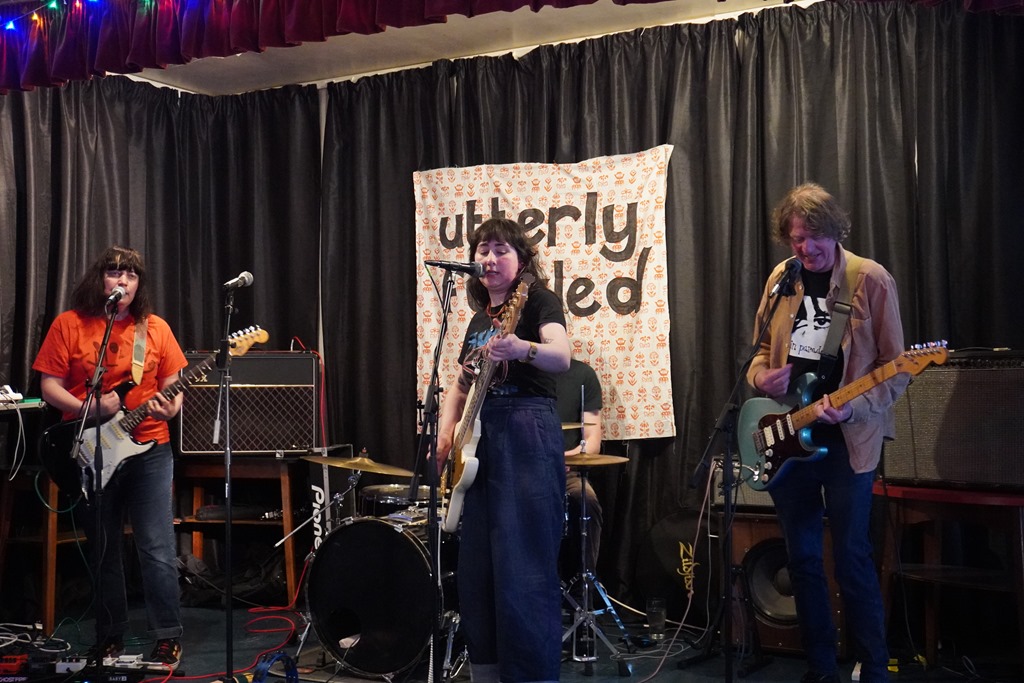
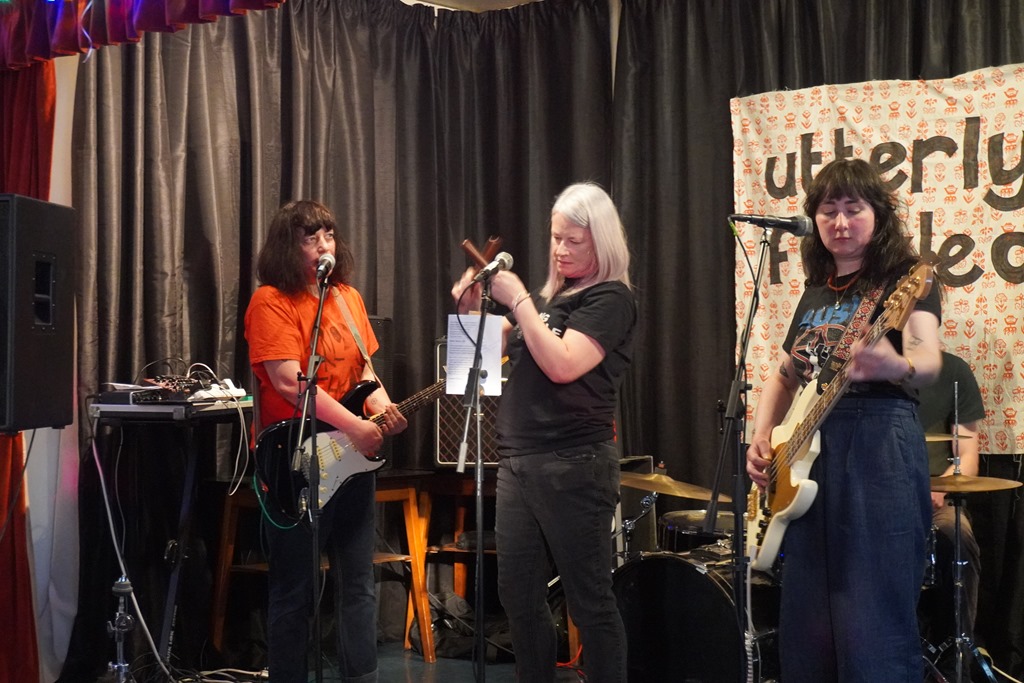
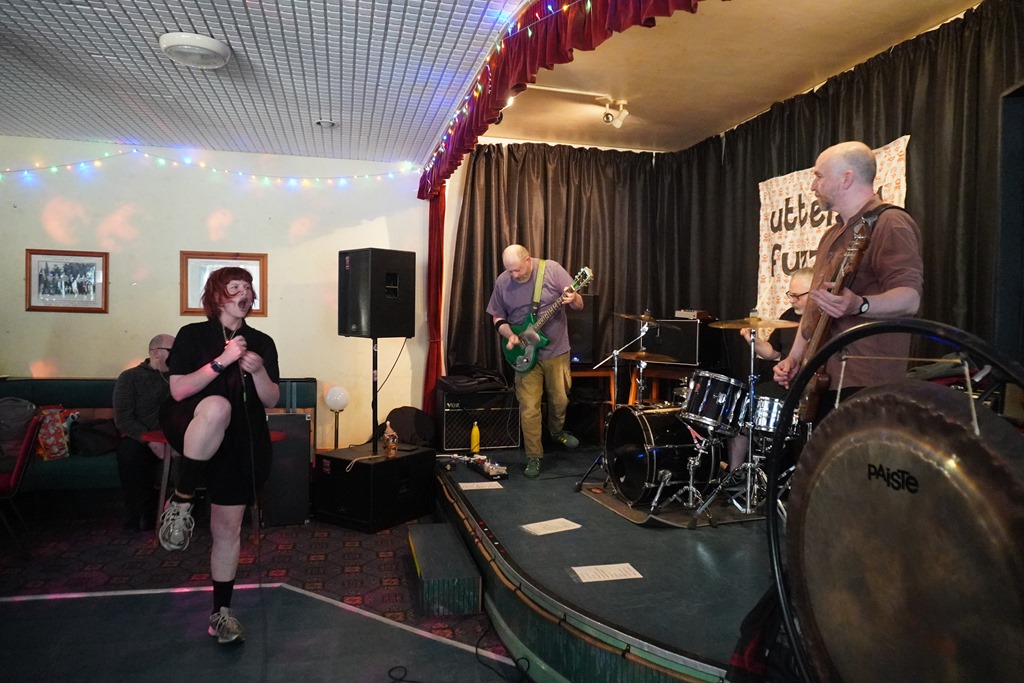
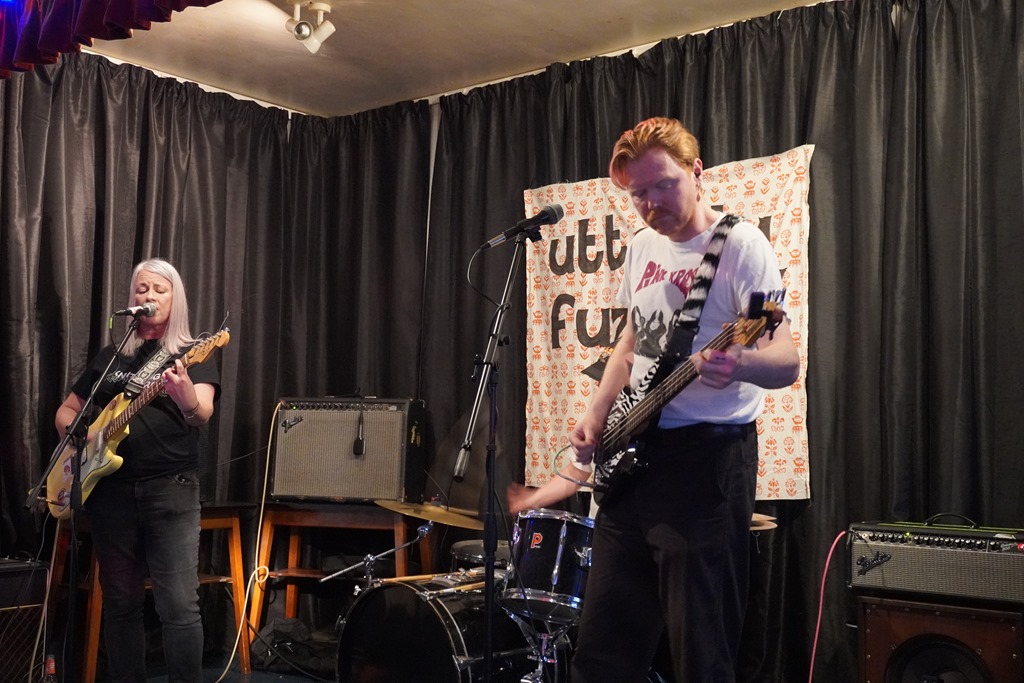
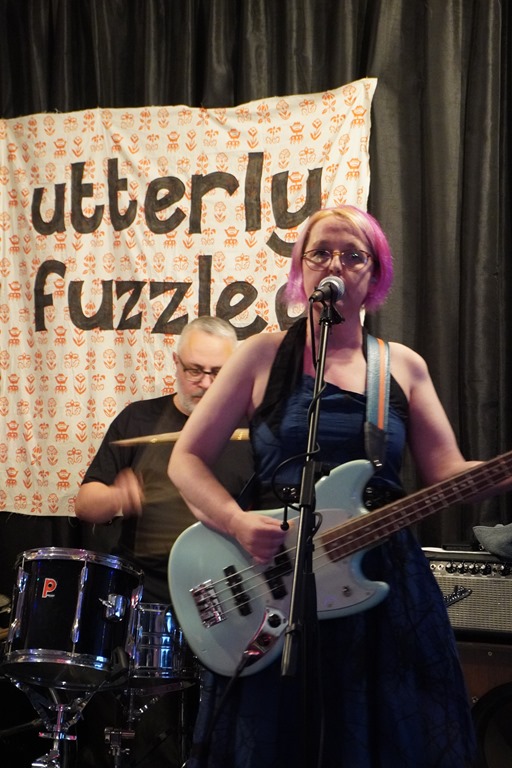
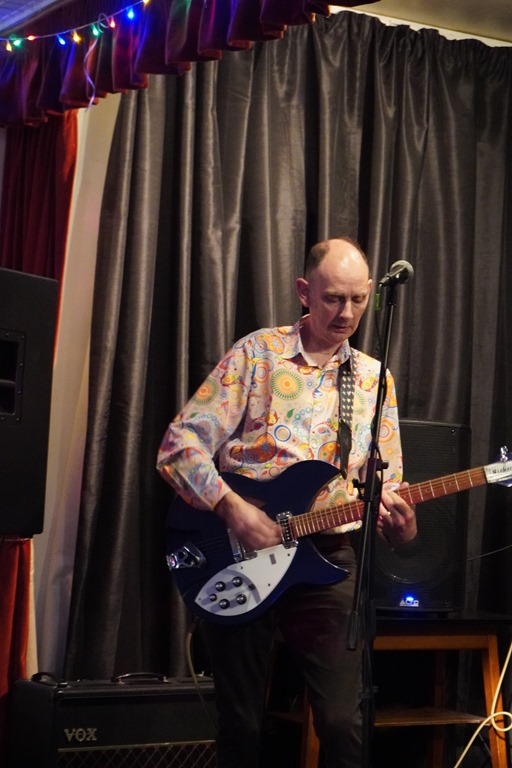
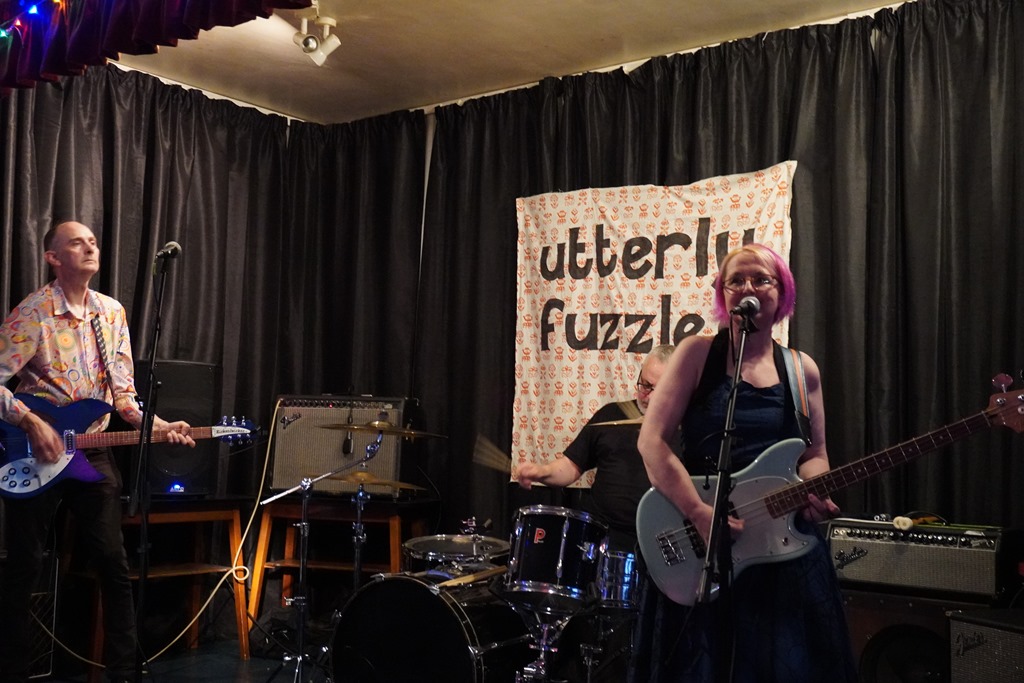
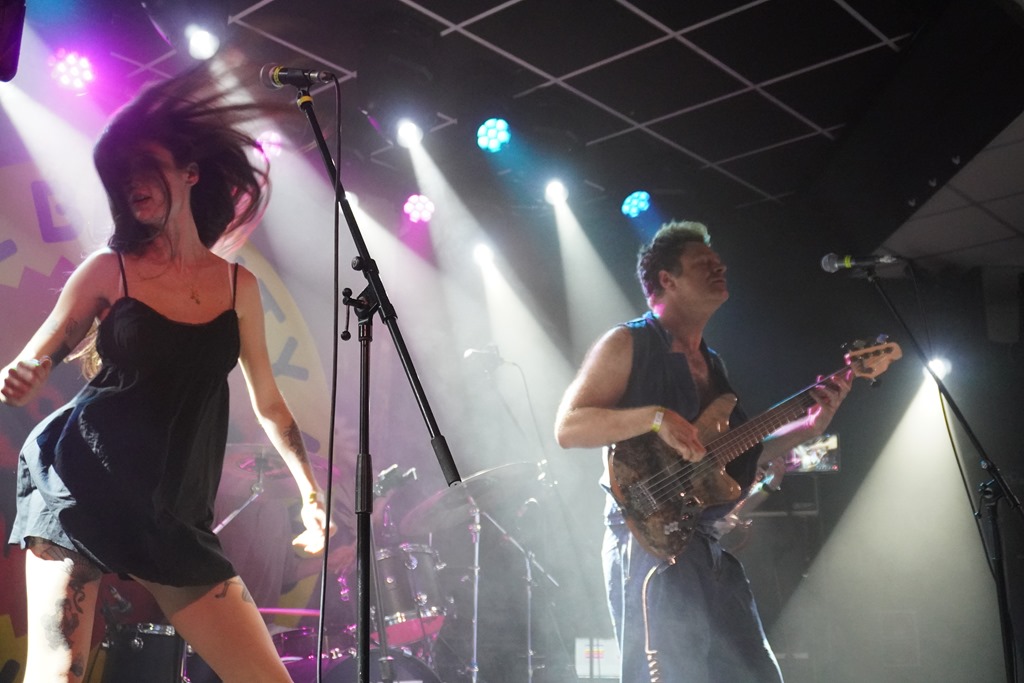
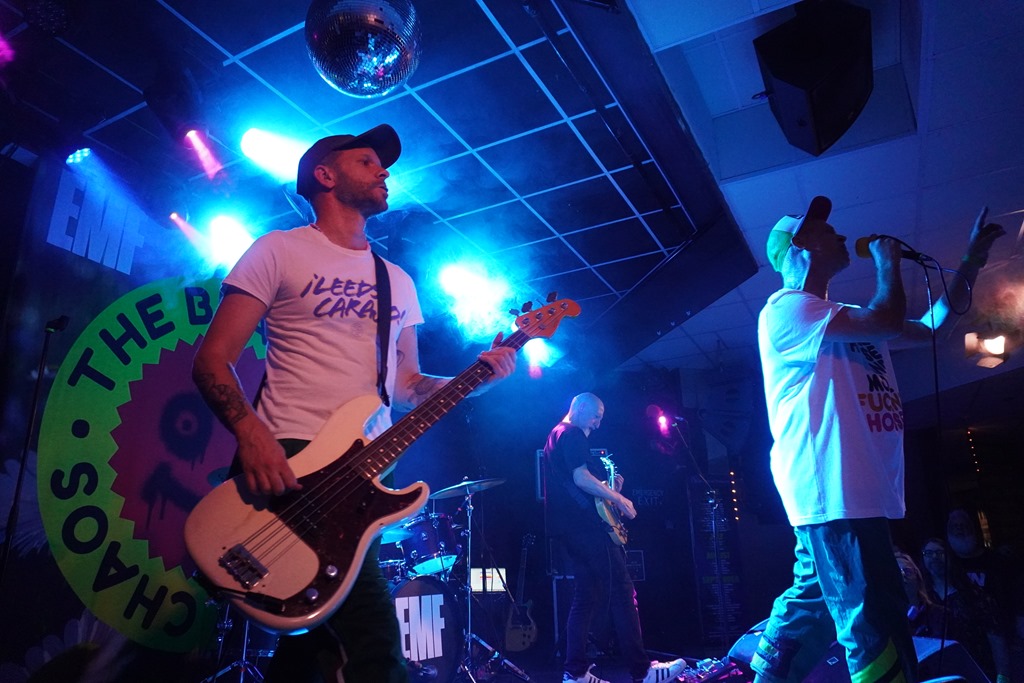
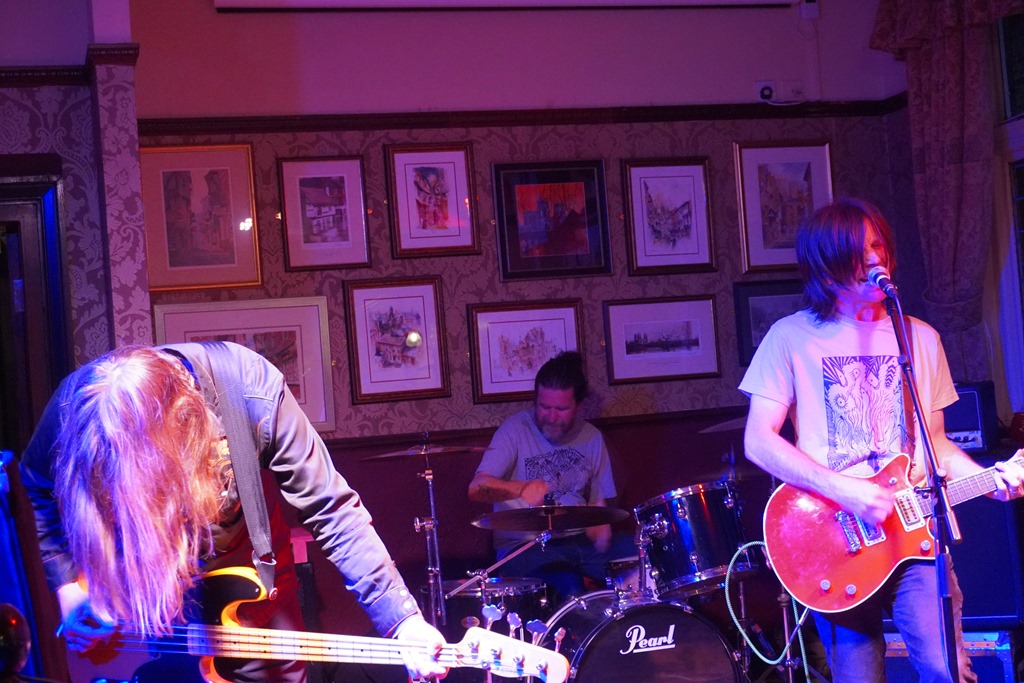
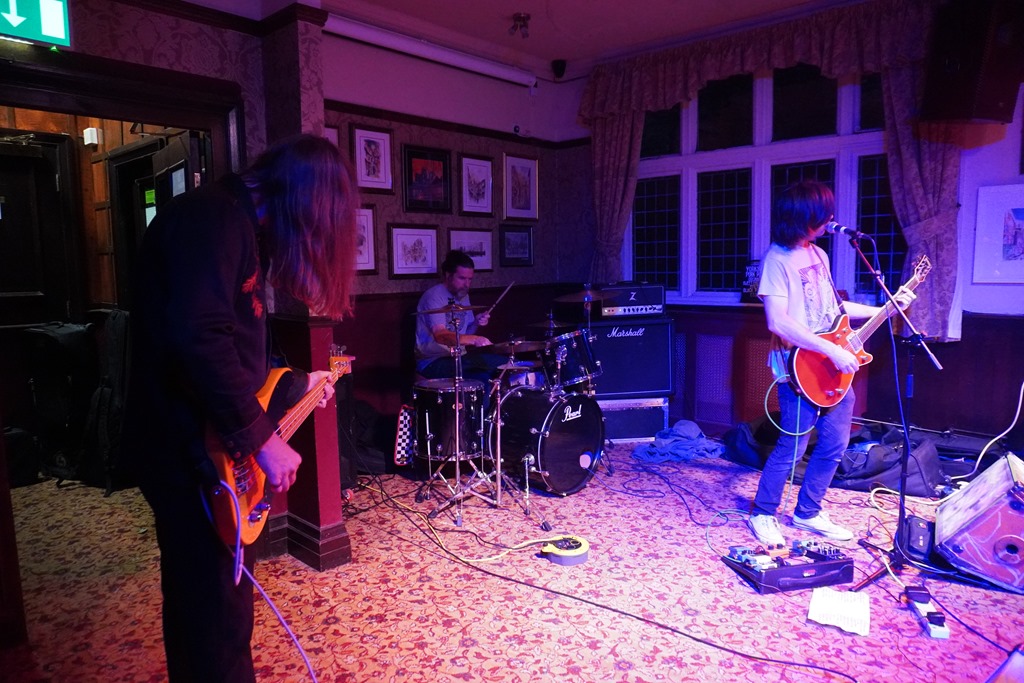
Alongside the Utterly Fuzzled events, the monthly Horsemusic nights at The Black Horse – a traditional boozer just outside the walls at the north of the city centre – have rapidly become established as not only a showcase for local and regional talent, also a barometer to the health of the music scene in the City of York. While proper dedicated independent / grassroots venues have been whittled to just two, these nights tend to be well attended and the acts received enthusiastically.

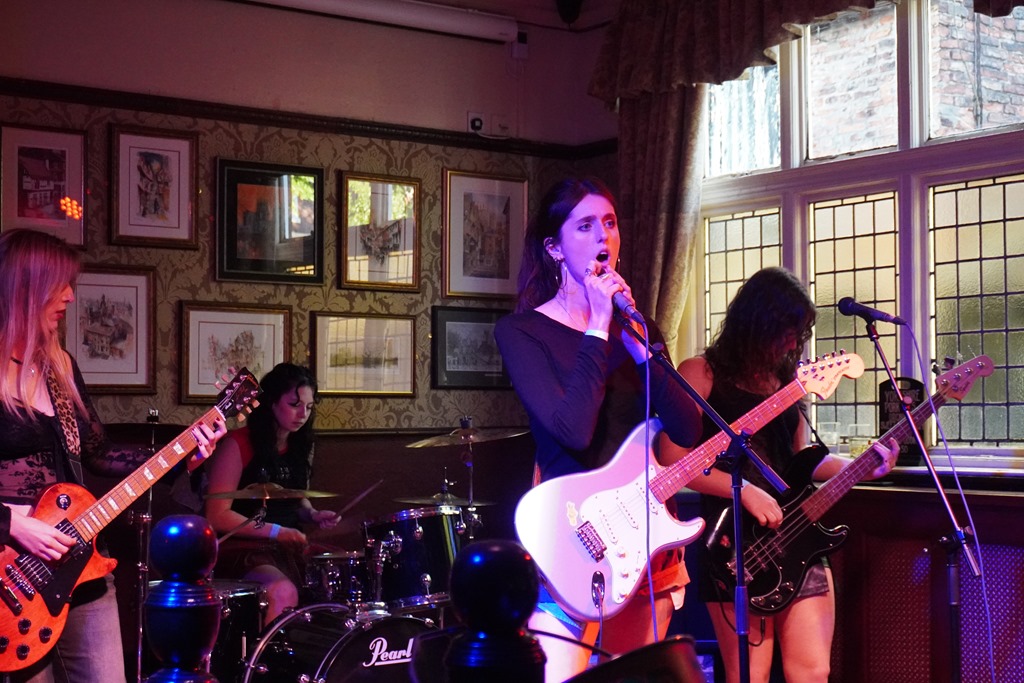
Tonight’s lineup is an absolute cracker. Bitchcraft had been scheduled to headline, but switched to go on early doors in order to hotfoot it across town to play a cancer charity gig – that they’re in such demand speaks for itself, as does the fact that they’re keen to honour both bookings. Equally telling is that the organisers have elected to pass any donations from tonight’s Horsemusic event (which is free, donations welcome) on to the charity too. This is what makes a healthy scene, when bands and promoters support one another and work together. And so it is that Jo and Pete Dale are here, clapping the bands as hard as anyone, and flyering for their upcoming weekender in between.

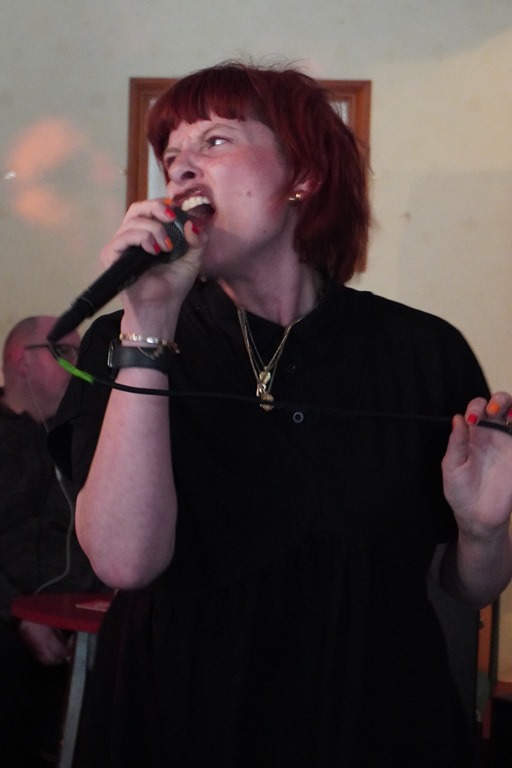
The last time I saw Bitchcraft, they announced their change of name during the set, because some film makers weren’t happy about The Blair Bitch Project. The new name suits, though: the all-female four-piece serve up fierce grungy alt-rock of a very 90s persuasion, and despite some guitar issues later in the set, there’s no sense that they’re holding back and saving themselves for the second set. Oh no. They give a hundred per cent.

DSC01033

Bitchcraft

The risk of the intended headliners going on first is that things could potentially fall a bit flat after, but the quality across the board is such that all three of tonight’s acts felt like headliners.

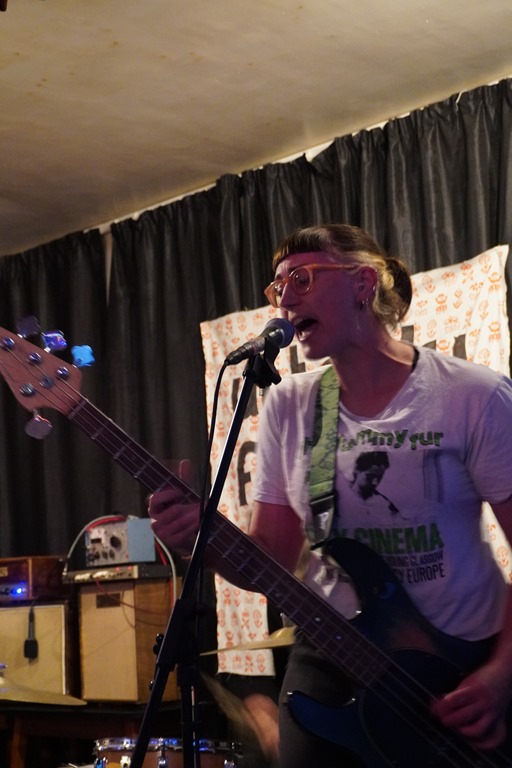
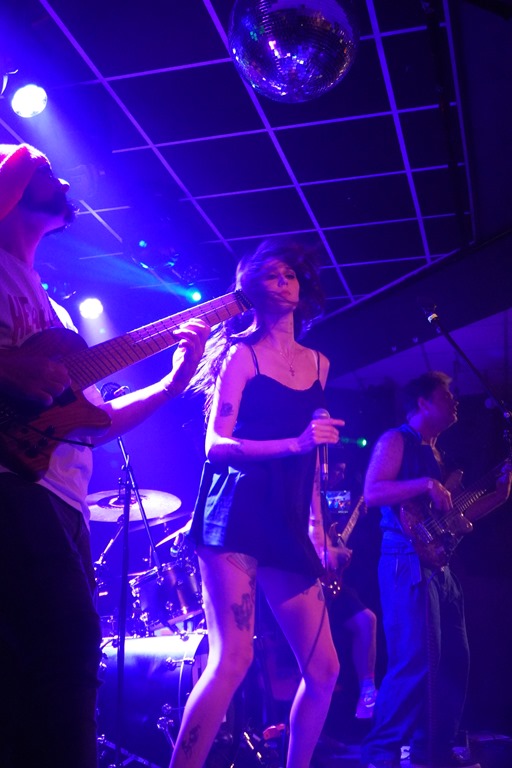
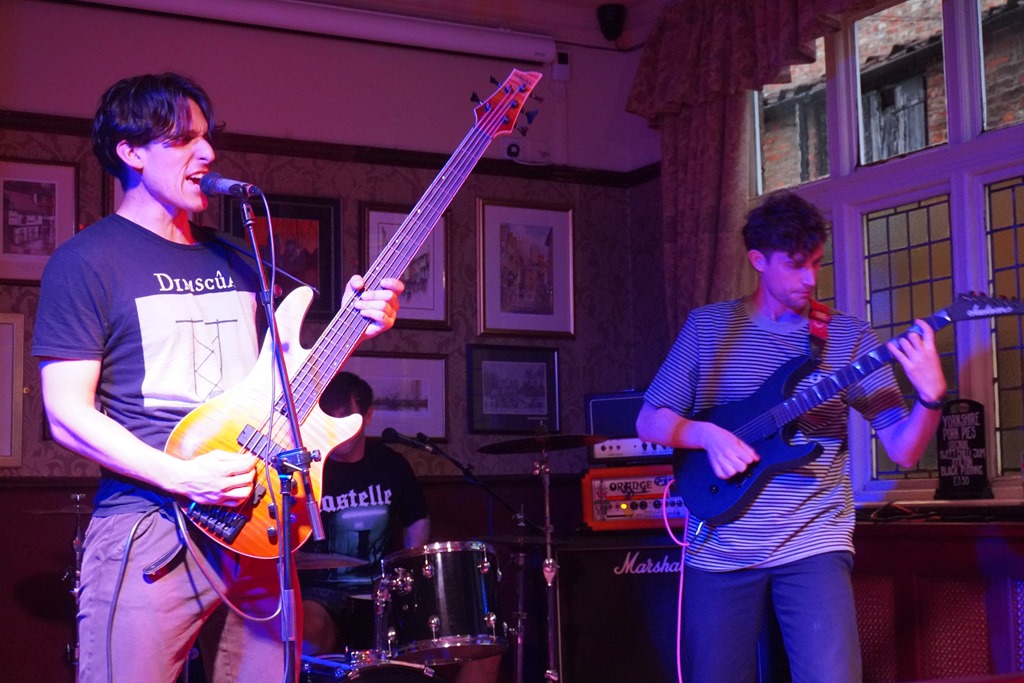
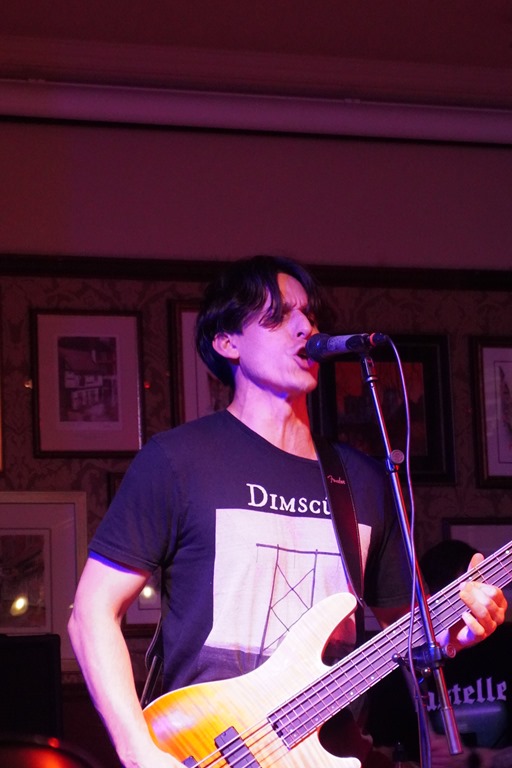
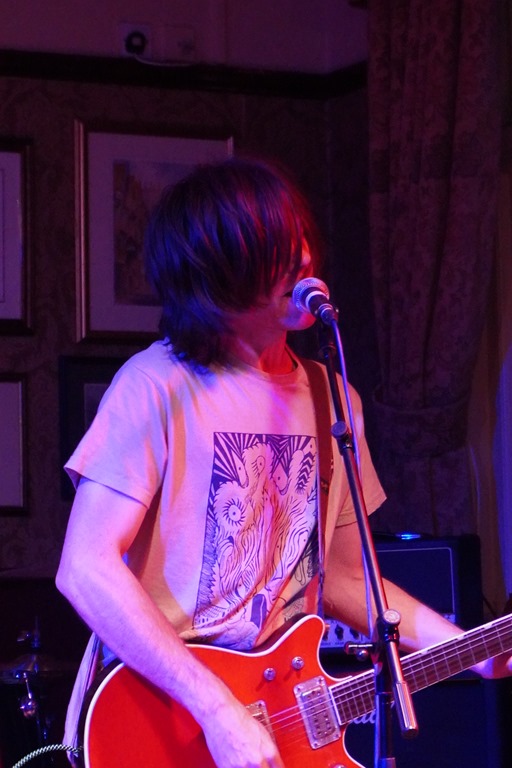
Too Late For Gods – who for some reason I’d assumed had travelled from further afield, but are also a York band, and who have brought some very keen mates along, wearing hoodies of their album, Misery Blooms – have a lot going on. A power trio with five-string bass and big amps, their Facebook page describes them as a ‘post-hardcore/emu three piece’, and I worry that Rod Hull’s estate might be wanting a word, but they go far beyond these genre parameters, with some thick, gnarly metal, grunge, nu-metal, at times a bit Fudge Tunnel, a bit metalcore, a bit post hardcore, a bit emo… It’s a matter of taste as to whether all of these different elements have equal appeal, but it’s a matter of fact that they kick up a lot of noise and some hefty, sludgy riffs, beefy bass and roaring vocals. It’s also a matter of fact that they play incredibly well, have their sound absolutely down, and mic stand issues not withstanding, deliver an outstanding set.

DSC01083DSC01068

Too Late for Gods

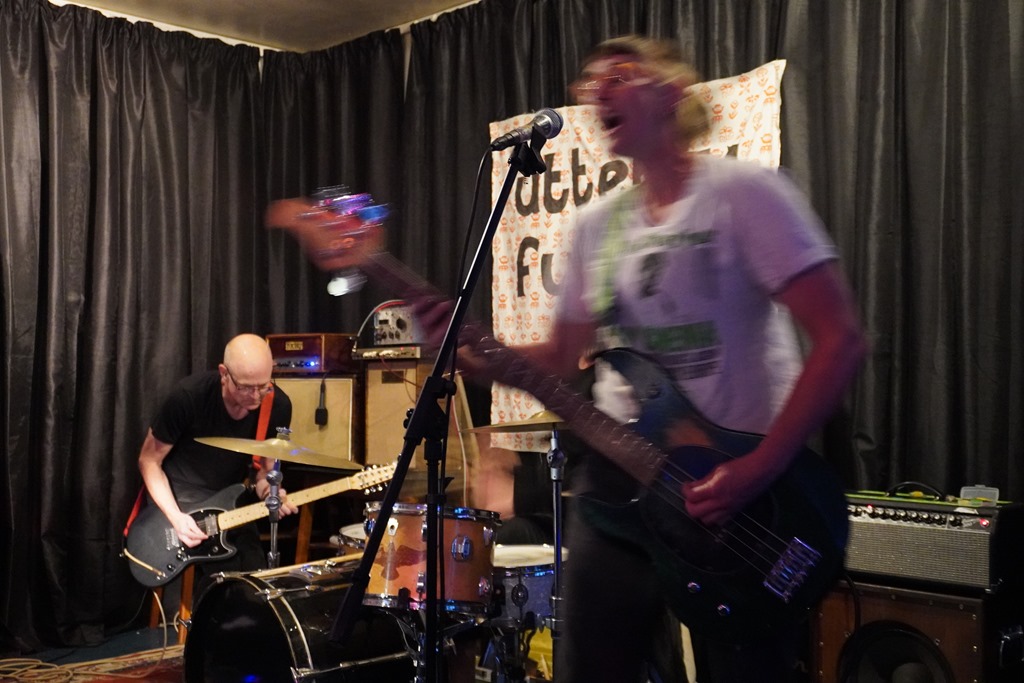
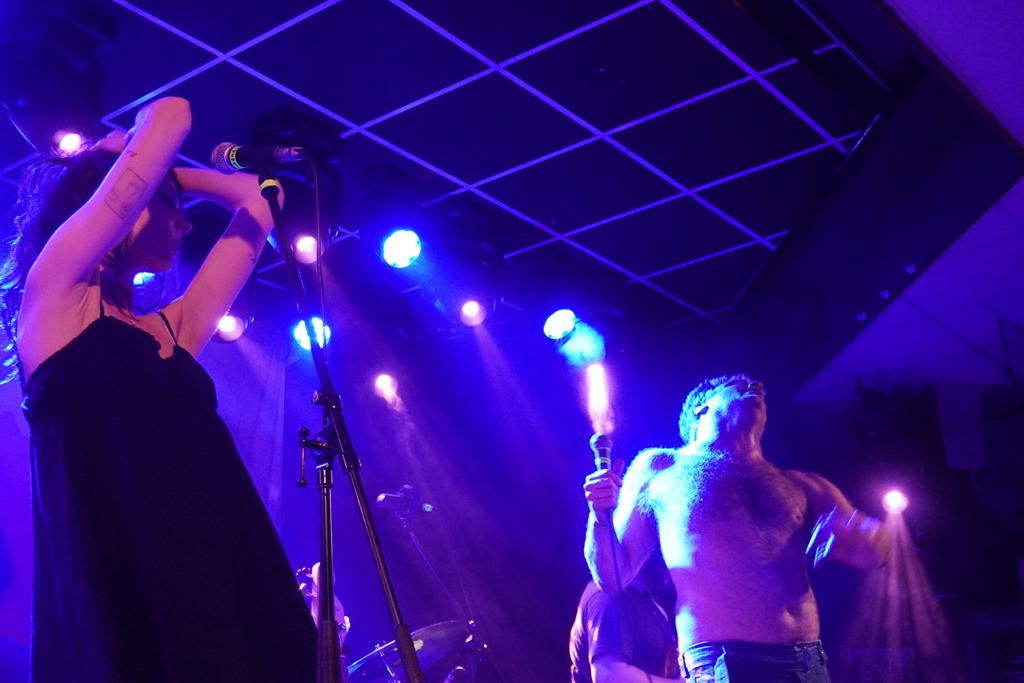
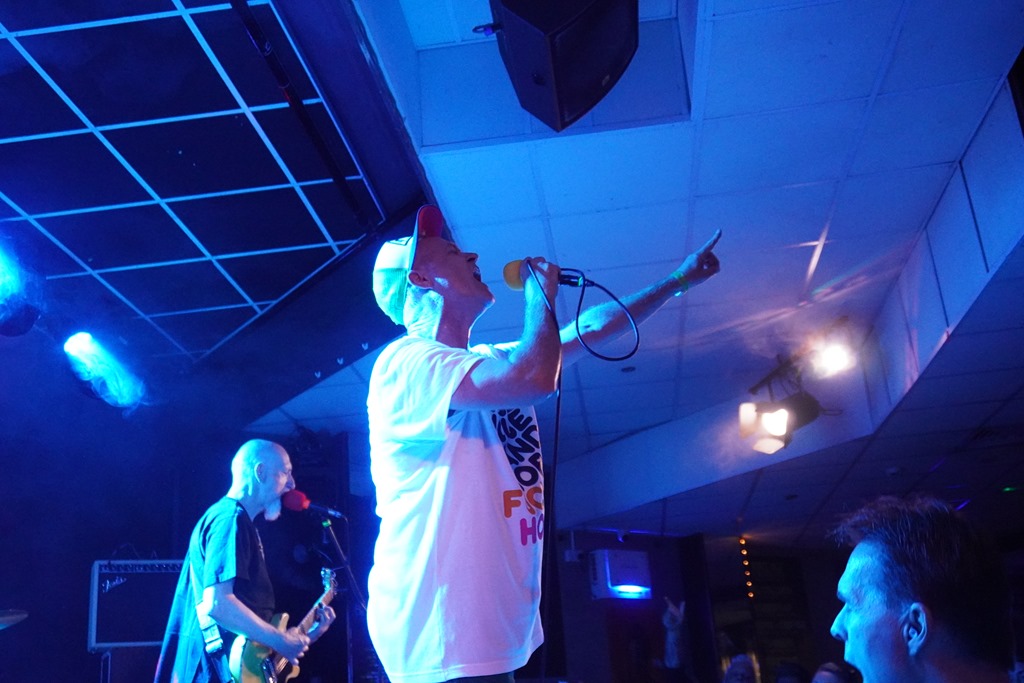
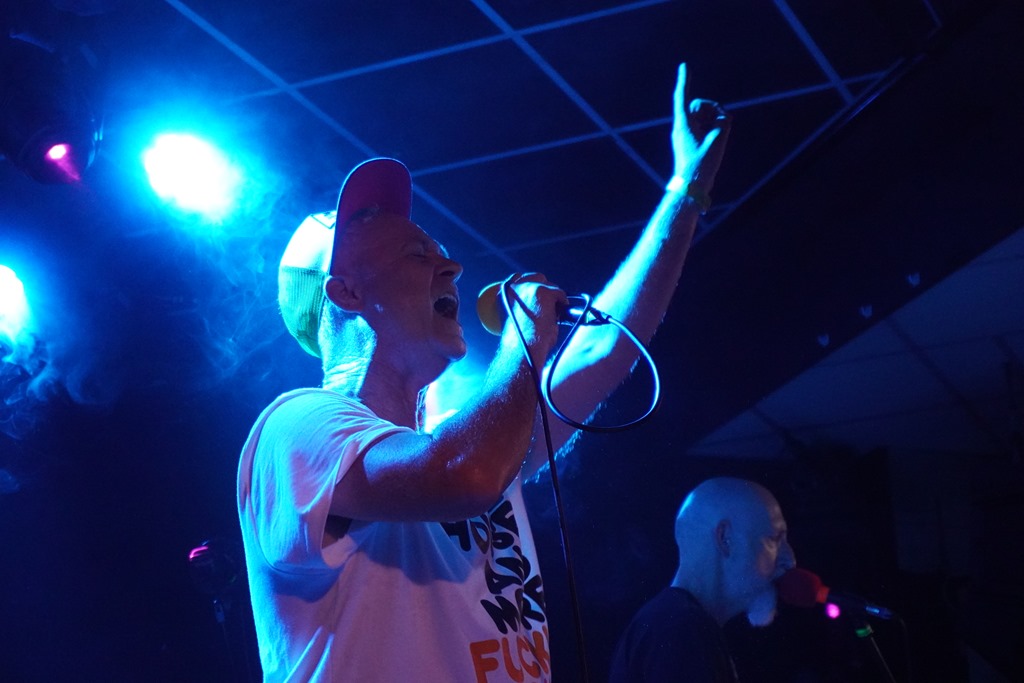
Sewage Farm have no issues. Well, not of a technical nature, although their rampant, riff-blasting rager of a new album, Fuck It, which I reviewed for Whisperin’ and Hollerin’ is positively foaming with piss and vinegar. They play pretty much the entirety of the fifteen track album during their set, which can’t be much over half an hour long. And it’s glorious. No chat. No tuning. No pausing to regain breath, take drinks, towel down. Instead, they power through the songs – short, fast, loud – packed back to back from beginning to end.

DSC01101DSC01120DSC01121

They’re a blur of moppy hair giving the riotous energy of Mudhoney and the US alt scene before it transitioned into grunge proper, and because they’ve all been in countless bands since forever, they play with a proficiency which matches the power, and they’re simply a lot of fun. And fun is important, especially right now.

Helen Svoboda now shares another glimpse of her forthcoming album, Headwater (out 26th June via Room40), with the mystical ‘Veins’. In collaboration with Finnish vocalist Selma Savolainen, Helen Svoboda delves into her Nordic background in the vocal work on this track and throughout the album, carrying echoes of Finnish folk harmony and traces of invented “Finnish” words with Savolainen as the second voice.

The distinctive sonic world of Headwater weaves sixteen threads or ‘earworms’ built around two double basses, two voices, and electronics; heard as singular and combinatory bodies of material. The album forms an abstracted picture of self, rooted in a devolved song form. It can be experienced as a tapestry that blurs the edges of identity; strange, beautiful, evaporative, and fluid, like memory itself.

About the track, Helen says, “’Veins’ features the inimitable vocals of Finnish artist Selma Savolainen, as she explores the repeated phrase; ‘The veins I’ve grown from my mother/The tentacles beneath my skin’. This short pondering is injected with raw emotion and melancholic beauty, as if she is bursting out of her younger self.”

Listen to ‘Veins’ here:

AA

The instrumental pieces reveal an articulate language, with an expanded approach to the melodic and textural qualities of the double bass. Svoboda’s fascination with timbre is explored with collaborator Jacques Emery through the interplay of the two basses and Robinson’s electronics, extending traditional understandings of how the double bass might typically operate in a chamber context. The result is a different sound-realm entirely – traversing between spaces of lightness and weight, bound by a sense of youthful curiosity.

The ensemble features Helen Svoboda (double bass, voice, composition) with close collaborators Jacques Emery (double bass), Finnish vocalist Selma Savolainen (voice), and Tilman Robinson (electronics, production). 

AA

000088740003resize-9903cf028a05143c

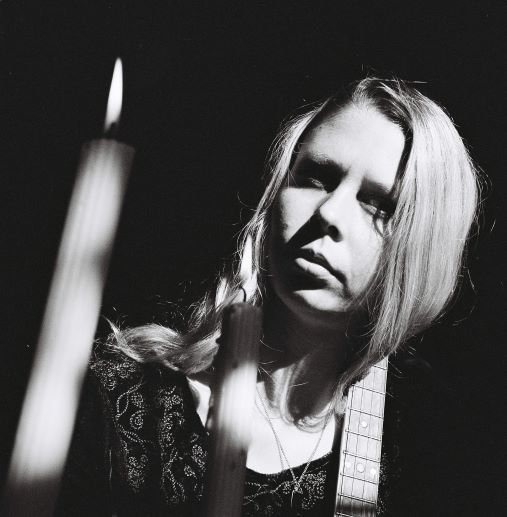
Photo credit: Celeste de Clario

Emma Ruth Rundle’s These Killing Times is electrifying, emotional and charged with anti-patriarchal feminist rage. The forthcoming studio album from the multi-instrumentalist, songwriter and multi-disciplinary artist is a reactive anthology, bristling, full of life and full of resistance.

These Killing Times, her sixth full-length, will be released via her own imprint Errant Child on September 18 and preceded by the lead single and album opener ‘Powerless.’

Although this new album possesses a spirit of defiance, it retains the tenderness, rawness and vulnerability that saw her previous globally acclaimed full-length, Engine of Hell (2021), resonate with so many listeners.

These Killing Times returns to a full-band set up for a fuller sound, a more sonically powerful accompaniment to her now more direct vocal style. The album features drummer Jess Gowrie (Chelsea Wolfe, Mrs. Piss), long-time friend and collaborator Troy Zeigler, Patrick Shiroishi, Nick Reinhart (Tera Melos), Gina Gleason (Baroness), Marissa Nadler, Lukas Frank (Storefront Church) and Amelia Baker (Cinder Well). The instrumentation is brighter and more urgent than ever before, lending a fascinating magnetism to Emma’s music which feels fresh and new.

AA

ERR_Powerless_Kristin_Cofer-990000079e04513c

Photo credit: Kristin Cofer

MISSOULA return with their latest single, ‘Ted Dollop’. The track is the third preview of the band’s upcoming debut album, Death Doula, due June 26 via Org Music.

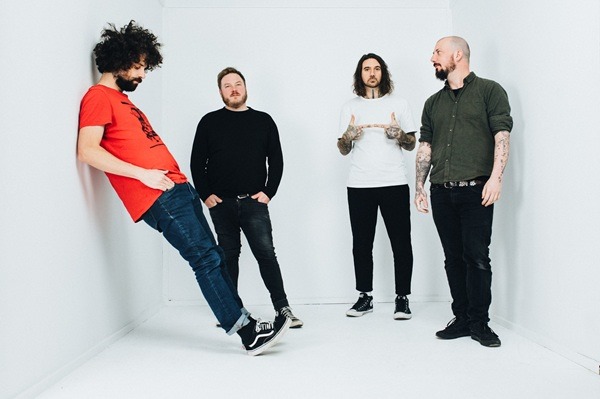
Featuring drummer Brooks Wackerman (Avenged Sevenfold, Bad Religion), guitarist John Konesky (Tenacious D), and bassist/keyboardist John Spiker (Tenacious D, Beck), MISSOULA have quickly established themselves as a unique instrumental force, blending cinematic composition, heavy grooves, and adventurous musicianship into something that feels both technical and wildly imaginative.

If previous singles ‘Love Bombs’ and ‘Crimson’ introduced listeners to the band’s dynamic range, ‘Ted Dollop’ showcases another side of the project—playful, unpredictable, and driven by an irresistible rhythmic pulse.

Konesky explains:

“Much that was known of the legend of Ted Dollop is lost to the annals of history, but those that still speak to his glory will often hear his name in the rustling leaves and fields of wheat as the wind calmly blows rhythms of 7/8 o’er this great land. On June 3rd Missoula releases Ted Dollop in honor of the best to ever do it.”

Like much of Death Doula, the track balances virtuosic musicianship with a sense of fun and exploration. Rather than treating instrumental music as an exercise in technical excess, MISSOULA focus on memorable compositions, unexpected turns, and the chemistry between three accomplished players who know exactly when to push forward and when to leave space.

The forthcoming Death Doula expands on that approach across eleven instrumental tracks that move between crushing riffs, melodic passages, and cinematic arrangements. Built around Wackerman’s powerful and precise drumming, Konesky’s expressive guitar work, and Spiker’s inventive low-end foundation, the album feels less like a side project and more like a fully realized artistic statement.

As Konesky previously described the band: “Missoula is what happens when you take the reins off and let yourself run free, naked and fearless, thru an infinite universe.”

Hear ‘Ted Dollop’ here (click image to play):

AA

Jacket

Christopher Nosnibor

17th April 2026

The population of Waiheke Island, just off the coast of the north island of New Zealand can’t have a huge population (just shy of 10,000, apparently), and renowned for its scenic beaches and subtropical climate, it’s not an obvious spawning ground for bands making sharp-edged post-punk. Surely this ‘slice of Heaven’ is a perfect oasis of contentment? What could anyone have to gripe about?

Of course, that’s not how it works. The human brain doesn’t work like that. Everything is fucked, people are people, and paradise is a myth. So here we are with the debut EP from Trauma Party, who describe themselves as purveyors of ‘post-punk desert lullabies and sonic anthems for the downtrodden.’

The last few years has seen post-punk become a real catch-all for anything that’s a bit guitary with a bit of edge but isn’t punk or indie (I’m not even going to start on the way the use of ‘indie’ has changed since the 80s or even 90s), but for me, there’s a quite specific period which sits tightly around ’79-’81 or thereabouts which saw bands exploring and experimenting in ways we hadn’t heard before. So much punk was simply pub rock played fast with the amps cranked up to nine and a half, and while it was a vital stage in the evolution of modern music, what emerged in its immediate wake was far more interesting – darker, weirder, and considerably more sophisticated, by and large. Not just musically, either, but conceptually, lyrically, things got more nuanced. Consider the leap from the sneering nihilism of pub-rock posers The Sex Pistols to the technical prowess and astute sociopolitical observations of Gang of Four, and the distinction becomes clear.

The title of this EP sounds as much like a veiled threat as a promise of a treat, although a treat it certainly is if you like your sounds discordant and difficult. As they pitch it, these are songs ‘Soaked in vats of noise and shaped on dive bar stages over the last 15 months. Culled, remodelled, and forged in the grit and sweat of the Dirt Track rehearsal space, this E.P. is a juicy little nugget for your collection.’ Three of the four songs have been released previously but they’ve been tweaked and remixed for this release, which has a commendable consistency.

‘Are We in Heaven’ arrives on a wave of choppy guitars with multi-layered vocals. it’s stuttering, jarring, awkward, claustrophobic, with heavy hints of early 80s The Fall with a bit of Wire and a dash of noise rock thrown into the mix. It makes you feel kinda tense, a bit paranoid, even. In terms of that post-punk experimentalism, that kind of boundary-pushing, that more nuanced level of articulation, it hits the spot.

Offering a different shade of heaven, the guitar melody of ‘Speak to Me’ carries echoes of The Cure’s ‘Just Like Heaven’ and pairs it with some choppiness that alludes to Gang of Four, and, again Wire, and at a mere two minutes and seventeen seconds, it’s concise and catchy and speaks of political unrest.

AA

‘Roll Up (It’s the New Truth)’ slams things home hard in driving waltz-time and kicks up a visceral energy to conclude the EP. It packs four songs into twelve minutes, and a lot happens in this brief time. Boom. Job done.

AA

AA

cover

Negative Gain Productions – 10th July 2026

Christopher Nosnibor

Nothing says angst-filled industrial rage with a dash of harsh Sadism than calling your band Choke Chain. But while the pitch is that their latest release is ‘the aural equivalent of existential dread’, there’s nothing about this which says ‘edgelord’. It feels like we’re in a new era here, where extreme acts are ditching the extreme shit, the shock shit, the right-wing shit, and are instead engaging with environmental issues, emotional issues.

As they pitch it, ‘The human race continuously proves itself to be largely incapable of any kindness or empathy, instead being completely obsessed with killing and destroying. That’s the central focus of Decomposition.’ It really does feel this way: the US and Israeli governments in particular seem hell-bent on annihilation right now. A part of me misses the Cold War: while we huddled under the perpetual fear of nuclear annihilation, there was equally a certain comfort in the protracted stalemate. The last few months, I’ve woken each morning, soaked in sweat and a state of anxiety and the first thing I’ve done is check my phone to make sure I’m still alive, and then check the news to see that the world is still there. This may sound extreme, but this is the nature of things, and I know I’m not alone in this feeling of perpetual panic.

Says Choke Chain founder, Mark Trueman: “The EP was mostly written during a time where I was very close to giving up. Everything felt completely hopeless, and still does to some degree. I really tried to put all of that feeling into these songs. I also tried to confront some of my personal trauma on this record, which is something I’ve pretty explicitly tried not to do through my music in the past”.

The EP is a positive proof of why we should be glad he didn’t give up, but it’s not hard to understand why things reached that point. Everything’s fucked. And we’re doomed. Whether it’s AI takeover or global climate change or WW3 (if we’re not there yet, we’re on the brink or in denial).

‘Misunderstood’ is a quintessential snarly industrial / metal plus samples intro, but Trueman’s rabid vocal gives hints of Dominic Fernow. The title track is relentlessly brutal: electronic industrial at its darkest, harshest, most metal. It’s very much in the vein of late 80s Wax Trax! with surging grooved and pounding electronic percussion, and the vocals mangled to fuck.

‘Morgue’ is classic sample-soaked dark electronica. It feels brittle, it broods, and there’s something unsettling about the layers of vocals which build layers of discomfort. ‘Life Ends’ is nothing short of rabid, an anguished roar of pain against a relentless electronic pulsation.

There’s no escaping it: with Decomposition, Choke Chain have delivered an EP that’s harsh, and heavy. It’s nasty, it’s uncomfortable. It’s like a punch to the gut, and leaves you feeling short on breath.

AA

279374

Futura Resistenza – 9th June 2026

Christopher Nosnibor

23 minutes is, of course, about the most music that it’s possible to fit on one side of vinyl without risking loss of fidelity, but the number 23 is also the locus of the so-called ’23 enigma’ popularised by William S. Burroughs, which suggests that the number 23 appears with unusual frequency in various contexts and may have a larger, hidden significance. Of course it’s likely a coincidence, but the fact that Cold Shoulder contains two pieces, each just over 23 minutes in duration, and thus occupying a side of the LP is undeniably an instance of the recurrence of the number 23. Did they compose the works specifically to the end of fitting as much music onto each side, or were they edited to fit for the vinyl pressing? Perhaps you need to have been at the show to know – for Cold Shoulder is a document of a live performance, recorded live in Berlin in late 2024.

Ambarchi and Guthrie have been collaborating for more than twenty years now (maybe even 23, who knows?), and Cold Shoulder showcases an evolved level of intuition: as their bio summarises, ‘Their musical dialogue, which previously moved through abstraction and volatile electro-acoustic experimentation, now unfolds with relaxed confidence, melding drifting Leslie tones, shimmering percussion, and fluid pulses that emerge and dissolve’, adding ‘It’s a document of experience; music that feels freer, more direct, perhaps quietly fearless’.

Constructed using layers of drones which hover and hum, trilling tones which stretch out over expansive minutes with barely minimal shift, subtly melodic elements gradually reveal themselves. Ambarchi’s guitar doesn’t sound like a guitar for the most part, as he coaxes and teases the subtlest of ambient strains of feedback and quivering sustain from his instrument, and Guthrie’s percussion is restrained beyond restraint, consisting primarily or the most delicate cymbal work, and the most occasional muted punctuatory thuds. Around ten minutes into the first part – ‘This Cold Shoulder’, some misty forms emerge, a vague rhythm, and organ-like drones, an evolving atmosphere that swirls skywards, a melting together of space-rock and ambient jazz. Notes warp and time twists, as the percussion becomes more complex and more prominent, yet still subtle, restrained. Further on, there is a slow, stuttering wind-down, during which the sounds become increasingly fractured and hazy.

The second part, ‘That Cold Shoulder’ finds Ambarchi’s feedback drones splitting into shuddering whines which call to mind Metal Machine Music, but gradually folds into a more gentle interlacing of quavering notes, while the drumming, still muted, gathers pace if not volume. Time simply hangs in suspension at this point… and gradually flakes into pieces, along with any semblance of structure.

It’s a wonderful experience to simply lose oneself in this ever-transitioning, eternally-shifting work, which ultimately comes to drape the listener’s ears with mellow tones, concluding with a segment which evokes something between space and the sounds of a tropical forest at dusk. But none of it explains the bizarre George Michael portrait on the cover…

AA

AA

RESLP043 front