Saccharine Underground – 9th June 2026
Christopher Nosnibor
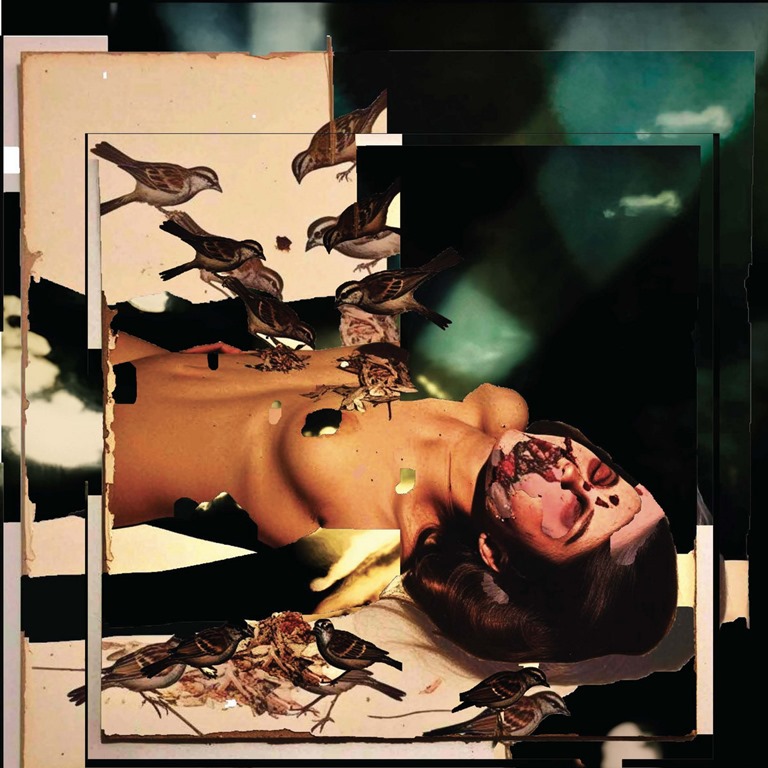
I like my shit weird and experimental, and so it is that AD Ozium’s In the Style of Dead Sparrows is both weird and experimental, and needless to say I like it – but with the caveat that listening to it is an experience akin to being dragged through an near-endless nightmare, and every time you think you’ve woken up, you discover that you’re simply in another level of this multi-faceted anxiety dream.
The pitch is that ‘In the Style of Dead Sparrows is the latest transmission from the outer edge of instrumental music – a fractured, hallucinatory convergence of freak folk textures and no wave dissonance that dissolves the boundary between sound and psyche. Created by Washington D.C.-based solo musician Jeremy Moore (Zabus, Zero Swann, Bell Barrow) under the name AD Ozium, the album operates at the intersection of freak folk, no wave, avant-garde drone and experimental instrumental music.’
But this barely scratches the lumpy, irregular, alien, fog-covered surface of this album. The first composition, ‘Lifespring’ is exemplary in its exploratory nature. It begins subtly, some desert rock twang in a drift of breeze and warping ambience. With tweets and yawns, it feels as if the tape is stretched in places, and there’s a crackle and hiss reminiscent of that old four-track tape noise and plunging synth rumbles. Discord builds as the sound swells, unsettlingly. It continues in this way for the first six minutes or so, until the nerve-jangling tension and suspense breaks into a brief but thunderous rupture.
The ten-minute ‘Tender Loving Seed’ is swampy, straggly, churny, a mangled mess of broken-sounding country guitar and fractured electronics, not so much a whistle of feedback as the sound of circuitry melting amidst a swell of distortion. It sounds like fucked-up flamenco, it sounds like dialling through radio stations and managing to tune into none of them, it sounds like a cerebral spasm. It’s a slow unwinding of discordant chaos.
I’ll take a stab that ‘Whore of Sound’ is perhaps a reference to ‘Whorle of Sound’ by Throbbing Gristle, which appeared on their First Annual Report, and was subsequently reprised in a radically altered but altogether more brutal form as Walls of Sound on DOA: The Third and Final Report of Throbbing Gristle. Certainly, the sonic parallels are apparent: this is seven minutes of gnarly noise which swells to head-shredding intensity with hints of Lou Reed’s Metal Machine Music.
‘Faith is a Hole’ brings new layers of discomfort, the overloading low frequencies creating mic distortion and the most hellish vibrations, making for a long seven and a quarter minutes, before ‘Portents of the Terminal Mind’ ripples and reverberates a whirlpool of the wrongest confusion.
Confusion, contusion… ‘The Nazarene Distortion’ is gentle at first, but again, discord and chaos and blasting lasers reign… and all the while, there is a background rumble, a tape his that never stops. The background noise at times reminds me of Rudimentary Peni’s Pope Adrian 37th Psychristiatric – not because its similar in musical terms, but that endless, nagging background sound gnaws away at your ears and your brain. It’s not the most abrasive or attacking nine minutes of noise, but it’s a heavy slog of the most difficult atonality. It’s stomach-lurchingly messy. At times, you just want it all to stop.
This is challenging. It’s woozy, head-spinning. It simply sounds wrong. It’s not some Beefheart-style cacophony. It’s darker, the lo-fi leanings and atonality only amplifying the tension. Drones and buzzes, hums and fleeting phases are interspersed with annihilative blasts of noise, and the guitar notes simply echo out into the void.
In the Style of Dead Sparrows isn’t simply weird or experimental – it’s harsh and abrasive, and it will assail your intestines and hollow you out.
AA