Archive for June, 2026

18th June 2026

Christopher Nosnibor

The other day, my daughter came home from school complaining – not for the first time – about her English class, in which she’d been given ten minutes to come up with an idea for a story, and to plan the opening two paragraphs, and then perhaps another twenty to write the aforementioned paragraphs. She makes the same complaint about art and music lessons. “They expect us to write a song, with chords and a melody in fifteen minutes,” she moans. “Doing creative stuff just doesn’t work like that, Dad. How do they not know this?” She’s absolutely right. This is essentially where the distinction lies between making content and creating art, and artists all have different methods and work at different rates, often even between different projects. Sometimes, the thing just flows and – boom! It’s there. Other times, however, something just doesn’t quite click, and all the fiddling in the world doesn’t do it.

Ally The Truth, the new single from Devon-based alternative rock band Gravity Machine is, as they put it, ‘a track with a long gestation’. In fact, it began life in 2020, the same year they released their debut album, Red. There have been a few single releases since then, but it’s only now that they finally unveil this ‘epic tale of a relationship moving from curiosity to joining to fighting to resolution before finally hitting the universal truth of love and connection.’ That’s clearly the description of a work of art rather than mere content, and so it is that ‘Ally the Truth’ is epic in every sense, and not only in terms of its seven-minute duration.

It builds from an elongated drone with clattering drums reverberating in the distance, with a value lick of New Age vibes creeping around the edges before, suddenly, the song itself bursts in from nowhere, and we find ourselves in the midst of a sweeping amalgamation of alt-rock, psychedelia, and folk – a bit All About Eve, but also (yes, this is a bit of an obscure one, even for fans of 90s alt rock) a bit Eight Story Window (which is one way of saying, you should probably explore their album, too). It’s airy, atmospheric… and there are layers, and layers, and stages and stages – and with each segment, they step things up, until just a couple of minutes in, we’re being spun through a sandstorm of kaleidoscopic rock, before, later – much later – we find ourselves being escorted, gently, back down from the summit of the crescendo on a rippling piano and a chorus of voices. Such is the drama and dynamic of the song that it’s easy to lose the thread of the narrative – which means that you just have to go back and explore it all again. What a chore!

It’s not hard to grasp why this song took so long to reach its final version: ambitious would be an understatement. It’s compelling, immersive, atmospheric, exciting, and there is just so much happening. And all of it’s good.

AA

LandscapePhoto_Credit_Adriana Banari

Photo: Adriana Banari

Christopher Nosnibor

The phrase ‘local band’ still carries negative connotations, despite the fact that practically every band is local to somewhere. Of course, the main criticism when it comes to the application of the term ‘local’ is the implicit issue of their failure to travel further afield to grow their audience. Historically, it carried with it the notion that the band weren’t good enough to get gigs elsewhere. Concurrent with, and somewhat contradictory to, this – and I suppose we’re largely going back to the music press of the 80s and 90s – was the London-centric nature of coverage of live music. Occasionally bands from, say, Manchester, Sheffield, or Leeds would get a rare look-in, but it’s not hard to see why bands who wanted to ‘make it’ would move to London. The north was perceived as quaint, parochial, and peripheral, and largely of less consequence.

It’s quite the paradox that many bands could cultivate a career without ever travelling outside the M25. No-one ever beefed that bands who never, or rarely, played outside London were just ‘local’ bands. Then again, to an extent, it’s a question of scale. It’s possible to play in London four times in a week and still not reach all of the potential fanbase. The same can’t be said of somewhere like, say, Lincoln, or Stoke, or even Nottingham. In this context, it’s understandable why smaller London-based bands don’t feel the need to travel further afield much or often, particularly in the current economic climate, when the cost of fuel alone is likely to outstrip the proceeds of door takings and merch sales, without considering sustenance and accommodation.

As such, we’re incredibly privileged to receive two – two – London-based, French-derived bands hitting Leeds together. Both have been on my wishlist for a while, having followed both online for some years now. The last time A Void played Leeds was 2021, and although they ventured north to play York earlier this year, following the departure of the latest in their ‘rotating cast’ of drummers, they played an acoustic set, and superb as it was, it wasn’t the full-throttle grunge blast I’d spent so long yearning for. And now co-founding bassist Aaron Hartmann has departed (as in left, not died), meaning they’re showcasing a brand new – ‘temporary’ – lineup. Which feels a bit harsh, but we’ll come to all of this presently.

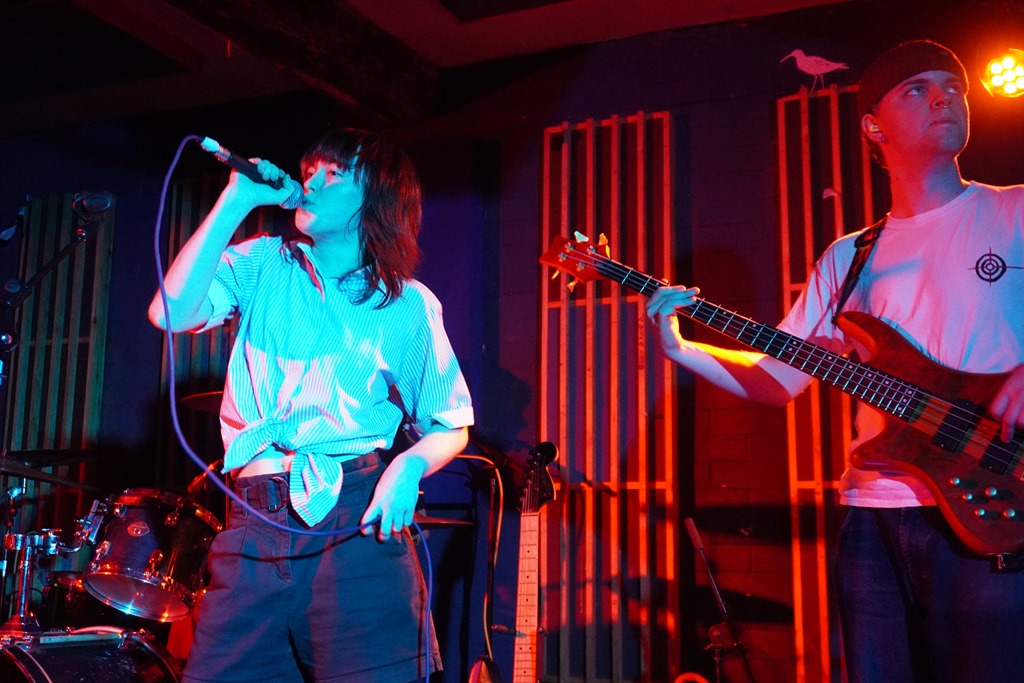
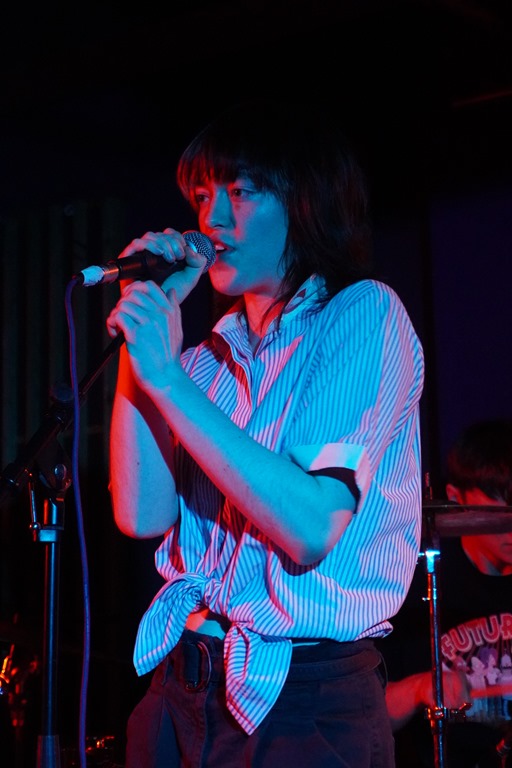
First up, and early doors, Hitlist deliver punchy punky alt-rock songs with solid choruses and strong hooks – and some flamboyant slap bass breaks. They have some really nice melodic guitar parts woven into the songs, and play with confidence. Their set is well-considered, and they get harder and faster towards the end. The drummer moans loudly between songs, as if he’s in serious pain or perturbation. It is absolutely fucking boiling mind. And it only gets hotter as the night progresses.

DSC01647DSC01630

Hitlist

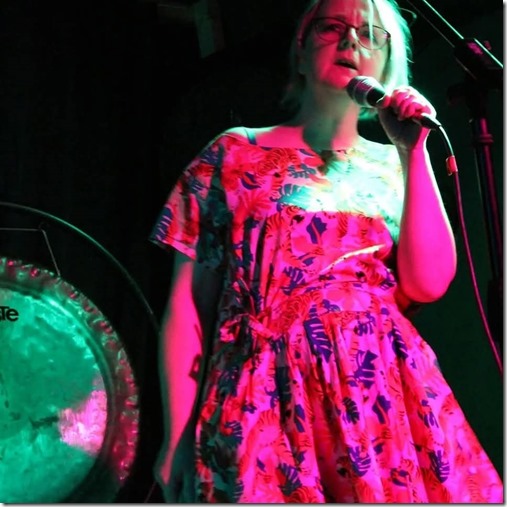
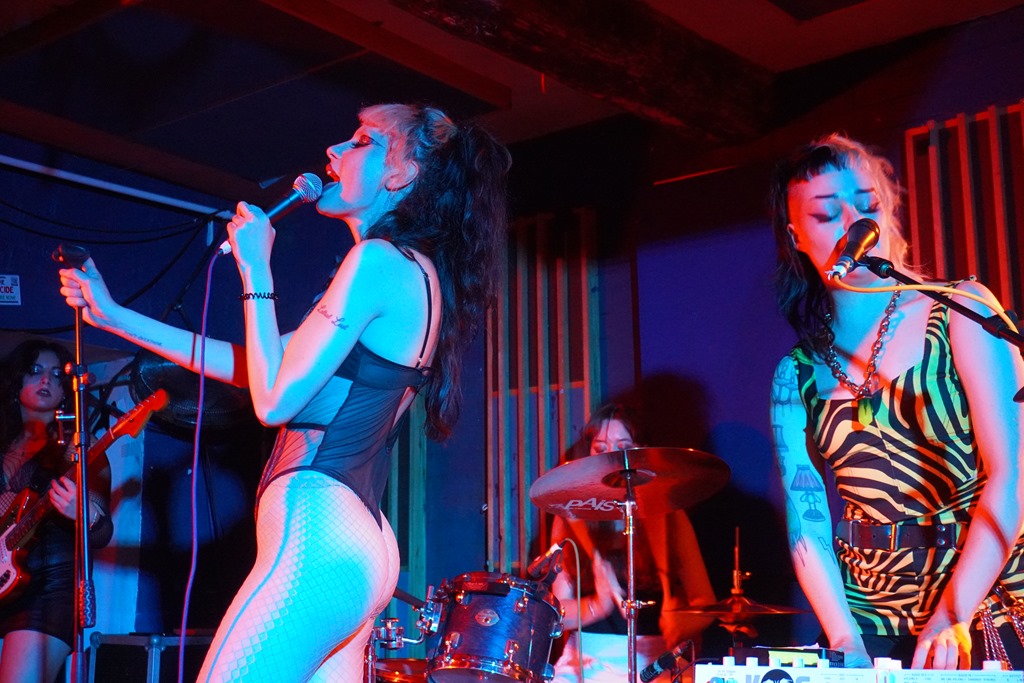
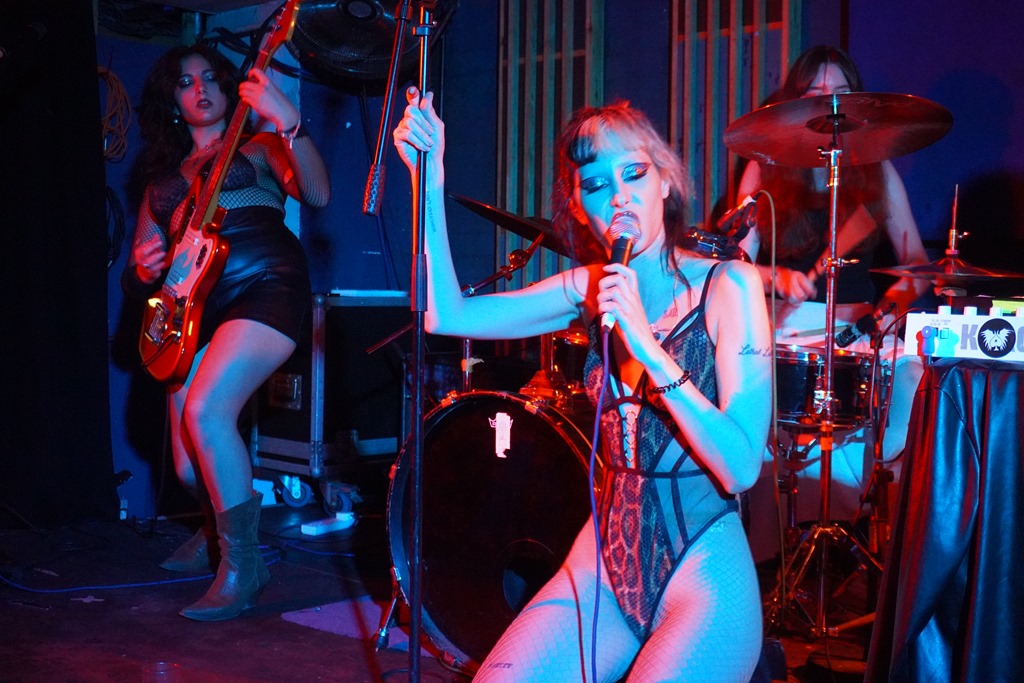
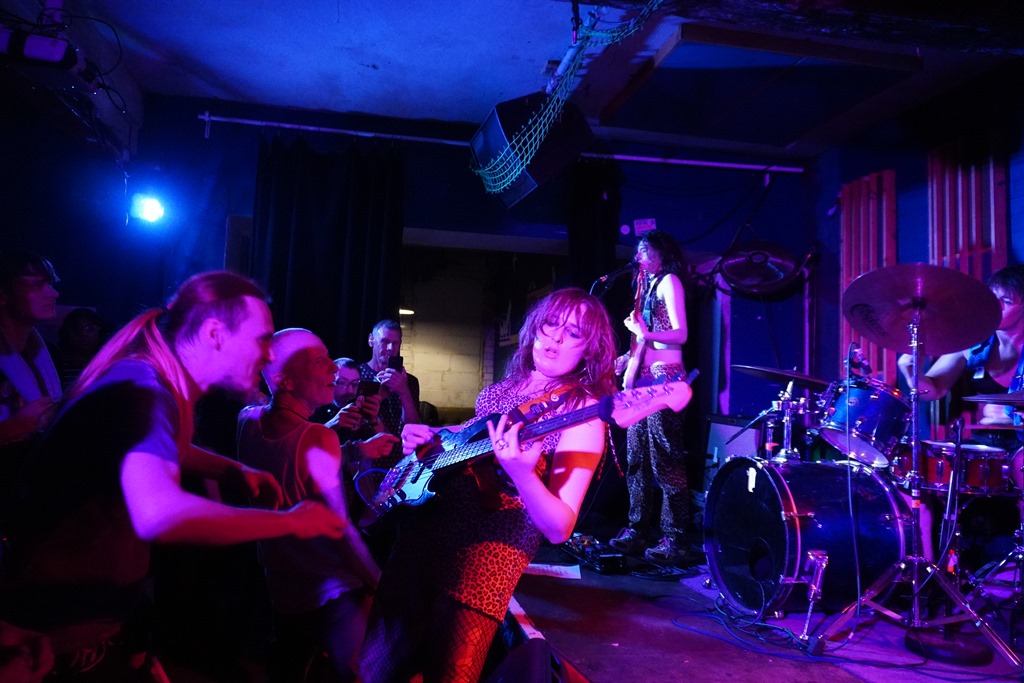
Mango in Euphoria are pure class from the very start, and they’re straight in with some big glammy grooves. The new, all-female five-piece lineup is sounding fantastic (the high tom being louder than the rest of the drums notwithstanding, but that’s pedantry on my part) – tight, together, with a bright, metallic guitar sound and the synths adding no small dynamic variation. They’re also fully committed to the image, too – none more so than Mango herself in her strikingly slinky getup, and nothing you may have seen in terms of footage on the Internet fully conveys the wild force of nature she is on stage. Throwing poses galore and chucking herself about all over, you’d think this was a 1,500 capacity arena rather than a 150-capacity indie venue with a worryingly bouncy stage. It’s quite the show, alright.

‘5th Year’ is a straight up power ballad. The set flies in the blink of an eye. ‘Lovestruck’ lands as the penultimate song, and it’s epic – the atmospherics and sultry beats of the studio version switched up to chunky, rockin’ dark pop beast before they close with ‘Hollywood’, and they slay it.

DSC01734DSC01702DSC01670

Mango in Euphoria

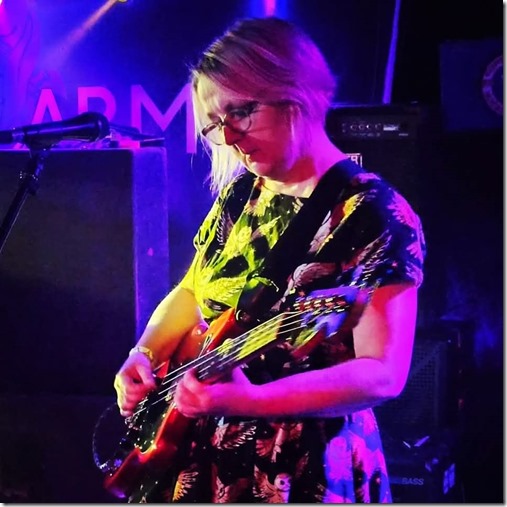
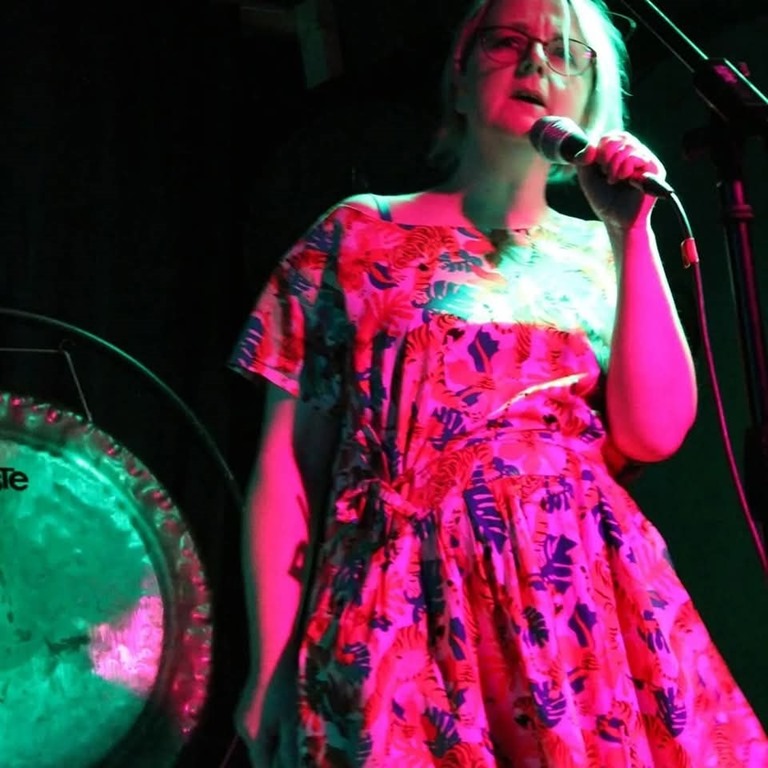
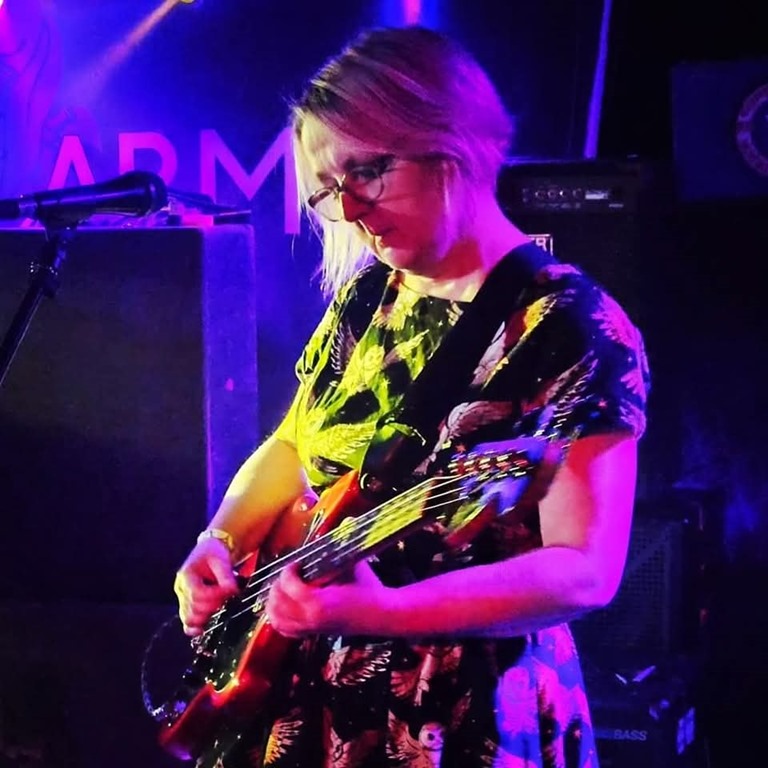
A Void power in with a swift one-two of ‘One of a Kind’ and ‘Sick as a Dog’ from their last album, Dissociated. Next up, the first of the new songs is particularly hard and driving, reminiscent in parts of Solar Race, only with some straight up metal riffery. It’s apparent just how much the songwriting – and musical capabilities – of the band have evolved since 2018’s Awkward and Devastated. New drummer Mave is a hard hitter, while bassist Lauren lunges towards the crowd and plays with total commitment. And the rapport and banter between the three is a joy. There’s also some remarkably candid chat, and we learn that the album-in-progress since 2023 has been recorded no fewer than three times due to lineup changes whereby new members have brought something different to the songs.

DSC01767

DSC01825DSC01834

A Void

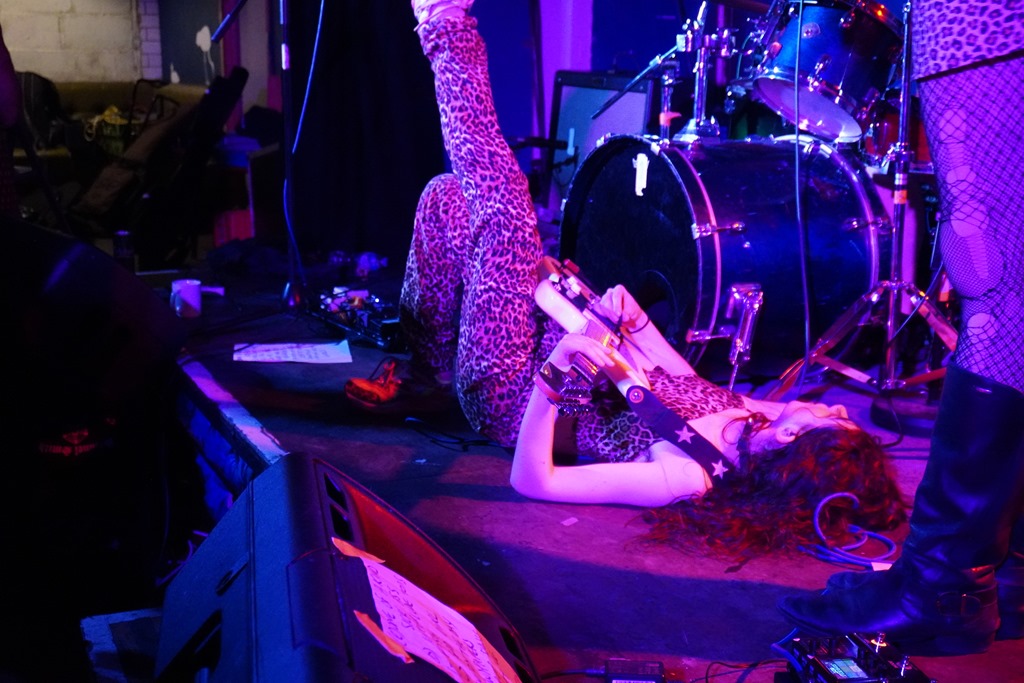
They’re all absolutely melting up there, and Camille laments her choice of a velour tracksuit-type getup which is likely the clothing equivalent of a portable sauna. Because this is A Void, there are elements of chaos throughout – Camille upends her pedal board several times, and the drum kit and stool require constant adjustment, and there’s always a sense that anything could happen at any moment. But they manage to keep it together to the end, closing an hour-long set with a boisterous rendition of ‘Stepping on Snails’, and in typical form, Camille celebrates by lying on her back and waving her legs in the air. I’d have responded in kind if I wasn’t encumbered by a pint and a camera and being of an age where I’d likely struggle to get up again. That said, the number of older blokes in the room – I’m talking 60+, rather than 50+ – is somewhat strange, but bands don’t choose their audiences, and there are also a lot of women under thirty here, too. But I digress as my brain slowly melts and I find myself transitioning to a liquid form… this was one of those crazy, sticky, intense summer gigs that stand out, and those of us who were there will be telling people about it in years to come.

19th June 2026

Christopher Nosnibor

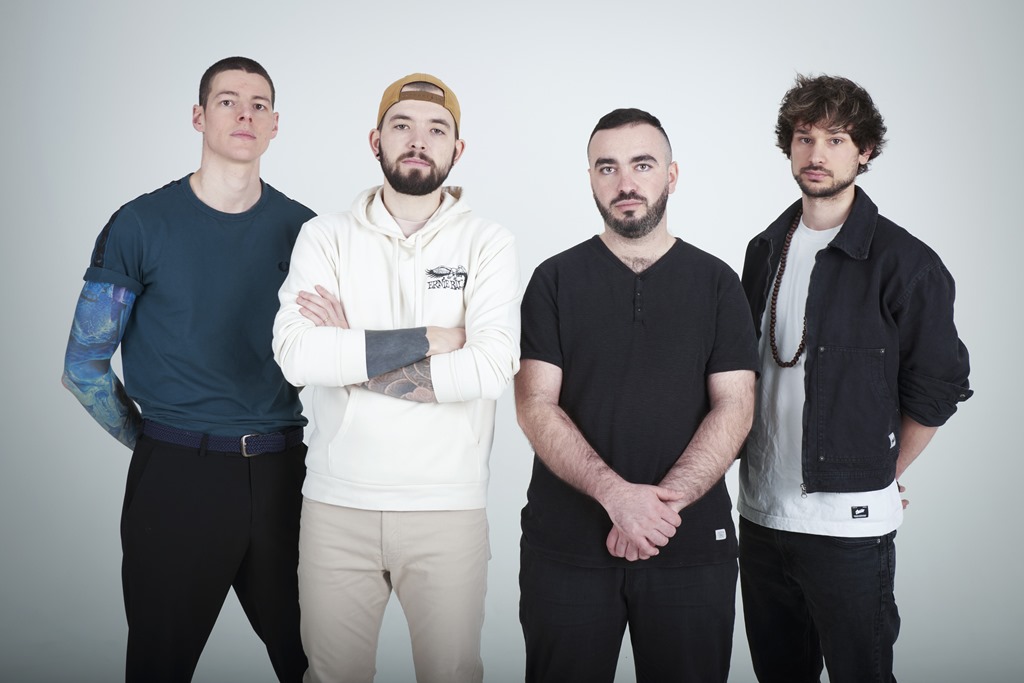
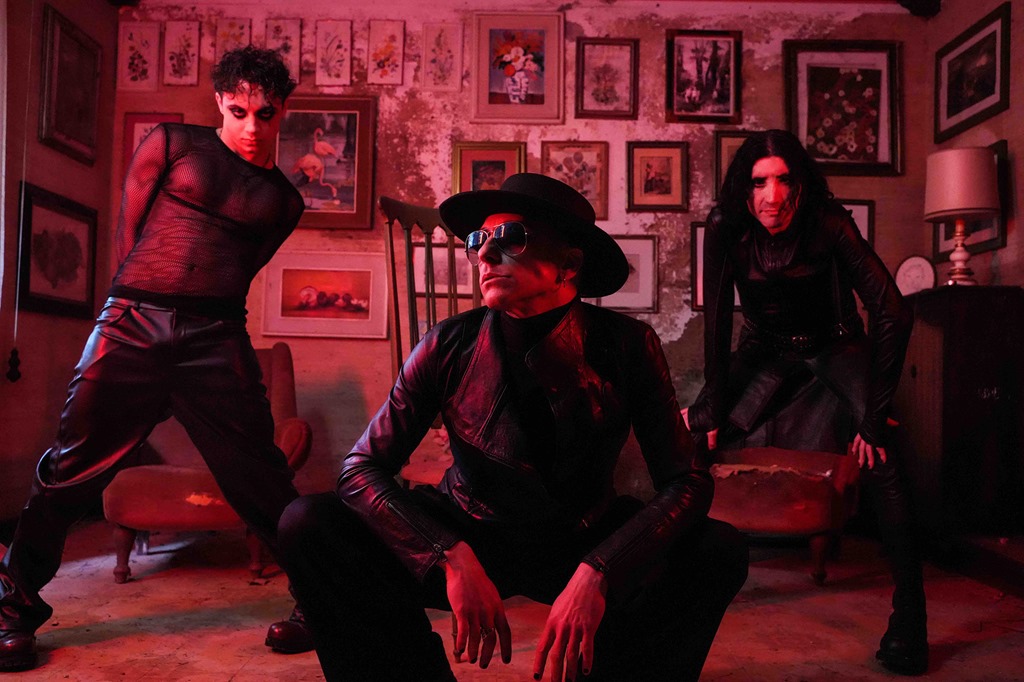
If you couldn’t guess by the name, one look at these guys and you know that there’s some industrial action in the mix. This Italian trio describe themselves as ‘dark alt. rock’ and as blending ‘alternative rock, darkwave and industrial influences with a strong focus on songcraft and melody’. And as the tiles of previous releases, which include ‘Decadent Desire’ and ‘Lust of the Flesh’, they have something of a penchant for the seamy and the lascivious.

A year on from their debut single, ‘Chemical Bride’, they serve up single number six.

Front man Sonny Lanegan explains that “‘Money for the Honey’ is about the things we chase when we know they probably won’t give us what we’re looking for. There’s desire in it, there’s attraction, but there’s also that feeling of searching for something more. The song plays with those contradictions and leaves room for people to find their own meaning in it… The phrase ‘Love me for the money, taste me for the honey’ became a kind of centerpiece for the song. It’s playful on the surface, but it also hints at the different reasons people connect with each other and the expectations we bring into relationships.”

There’s a strange interconnection in western culture with sex and money, and the notion that an abundance of the former has an allure and appeal that begets an abundance of the latter seemingly isn’t entirely without foundation. It’s a fucked-up world, but that’s capitalism for ya. Then there’s the sex and death equation… And Noir Addiction bask and revel in all of this, and never more so with the sleaze-grind industrial-tinged glam-groove of ‘Money For The Honey’. In some respects, it calls to mind latter day PIG, in its combining of pulsating synths, thumping beats and an unashamedly big chorus – all of which is a strong positive – and delivered with the swagger of Depeche Mode at their most overtly stadium.

The dark is very much the undercurrent rather than the main focus, instead pushing up the hookline ‘All I wanna do is make you think that I could kill it’. Well, they’re certainly killing it here.

AA

Photo_by_Valerio_Fanelli_03

Photo by Valerio Fanelli

Lawrence English shares a second piece from his forthcoming album, The Rest Is My Ghost arriving on Room40 on 7th August. ‘One Line Sky’ starts uneasy, towering and stuttering before bursting forth into an ecstatic wash of bass heavy, dense harmonics.

About ‘One Line Sky’, Lawrence says, "I spent a good deal of time researching in mega-cities whilst making this record. ‘One Line Sky’ was a term passed to me by a friend in Hong Kong. It has numerous readings, many of which float around the experiences of being at the bottom on these long canyon of buildings. which form the one line sky. The sky then is a slither of something else we can see beyond the immediate towers of architecture. I like the sense of escapism that is promised in that view, that outside of these places we build and sometimes cage ourselves into, a whole other possible life exists."

Hear ‘One Line Sky’ here:

AA

777167_0196-990000079e04513c

Photo credit: Traianos Pakioufakis

Belarus metal pioneers DYMNA LOTVA reveal the outstanding music video ‘The Boat of Despair’, which was filmed deep underground in a historic mine. The track features guest vocals by former MY DYING BRIDE frontman Aaron Stainthorpe (HIGH PARASITE), which means a dream come true for the band.

‘The Boat of Despair’ is the second advance single taken from the forthcoming new full-length Vyraj. The fourth album of the post-black metal band has been slated for release on August 7, 2026.

DYMNA LOTVA comment: “Sometimes dreams do come true”, vocalist Nokt muses. “For decades, I have dreamed of creating a song that is based on my favourite book, Laddzia Rospačy by Uladzimir Karatkevich. For so many years, I have dreamed of seeing Aaron Stainthorpe live on stage. Later I have dreamed of sharing a stage with Aaron, and then even of singing a song with him. And for some years, I have dreamed of singing inside a cave, in an old mine, on a boat flowing on an underground river. Here we are now, all those dreams have miraculously come true. I wish the same might happen to all of you, who listen to our song and watch our music video ‘The Boat of Despair’!”

AA

DYMNA LOTVA are taking a quantum leap in their rapid musical evolution with their fourth album Vyraj. The rebellious Belarus dissidents are powerfully demonstrating that they are far more than a ‘one-trick pony’ in every conceivable artistic aspect.

Although Vyraj is still based on a solid foundation of black and post-black metal, DYMNA LOTVA move far beyond any easy labelling by also drawing inspiration from doom, heavy, and progressive metal, while venturing even deeper by incorporating elements from electronic music, goth, and folklore. The album is a cornucopia of great songs that are atmospherically dense and invite the listener onto an emotional roller-coaster ride from the darkest depths of depression and fear, via raw anger and defiance, to heights of ecstatic exhilaration. Vyraj is a musical kaleidoscope with ever changing patterns and sonic colours of remarkable beauty – that often dissolves into captivating melodies that at times even achieve a pop-like appeal.

DYMNA LOTVA continue to carry the torch of rebellion, which is only natural as the founding members had to flee their native Belarus due to political persecution and continued attempts by the Lukashenka regime to censor and suppress their art. Yet on Vyraj, they put their lyrical focus elsewhere. The album’s main concept could be described as ‘Belarusian ethno-astronomy.’ In Slavonic legends, the starry sky is associated both with the afterlife and with journeys, which becomes closely intertwined with the musicians’ personal experience of forced emigration. This idea is captured in the album title Vyraj, which is a mythical realm to where birds migrate for the winter, and where the souls of the departed find their final rest.

An important aspect of this concept is the idea of finding a way back home, just as the birds return in spring. A group of DYMNA LOTVA’s friends had travelled to the dying Belarusian village from which the ancestors of vocalist Nokt hail. There, they spent the entire night photographing the sky during the Perseid meteor shower from a small family cemetery. These images were used for the cover art and booklet of Vyraj.

AA

831dd55d-4233-0bc2-f9ee-749e5dfcdee6

12th June 2026

Christopher Nosnibor

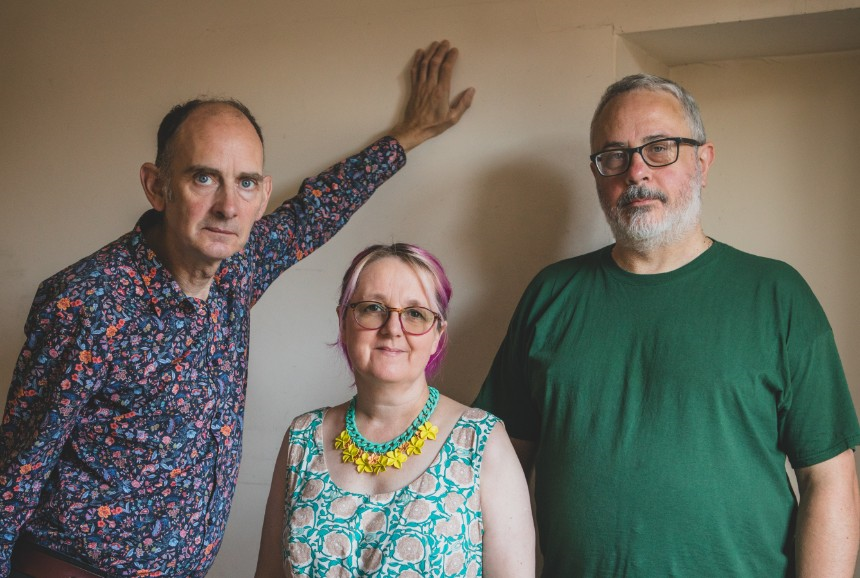
Picastro may not have the swiftest workrate – it’s been three years since their last release, the single ‘Earthseed’ / ‘Tacitus’ and four and a half since their EP of cover versions, I’ve Never Met a Stranger. But they’ve maintained a steady flow for the best part of three decades now, evolving through manifold permutations and carving time out for creative endeavours among the usual obstacles which face most adults, including, but no limited to, day-jobs and simply life itself.

At their (slow) core has always been Liz Hysen, vocalist, composer, and multi-instrumentalist, and this time around she’s joined by longstanding contributor Tim Condon (synth, acoustic guitar, electric guitar, bass, harmonium, piano) and Alex Fournier (double bass). Together, they’ve created a set of songs which – recorded primarily in their homes – conjures a weirdy, warping, lo-fi ethereality. ‘Fell the Family Tree’, centred around a stuttering discordant piano loop, laced with tremulous strings, is stark and revels in the perversely awkward nature of the way in which the elements rub against one another. ‘Remember who you are my son,’ Hysen croons, her meandering vocal swerving around a melody rather than holding one, in a way that’s haunting, the way sing-song tunes sung off-key in thrillers and horror movies are employed as a way of alluding to emotional disturbance, or being psychologically unsettled. I’m not actually sure it happens so much in real life, but the effect is unnerving.

‘Chance Striker’ is droney and foggy, and drags a deep weight, low and slow, and in this context, the skipping lightness of ‘Ring Description’, which clocks in at exactly just two minutes sounds and feels like a different band entirely. With a soaring vocal delivery which has a certain jazziness to it, the pulsing keyboards almost lean into a kind of groove. To describe it as ‘fun’ might be a bit of a stretch, but these things are relative, and it happens to land bang in the middle of an EP that, while moving, emotionally powerful, and inventive, is by no means designed with entertainment in mind.

Pairing acoustic guitar with strings and extraneous clanking and noise, ‘Move Fast, Break’ is a mournful folk song at its heart – but it’s a challenging listen, and not only because all the elements appear to be battling against one another to play different tunes. Hysen sounds emotionally hollowed out, before dragging herself through the moody piano murk of ‘Believer End’ with a tense, breathy performance.

Nothing about Double On Time is comfortable or easy: it leaves you feeling somewhat stricken – somewhat lost for words, and short on breath. It may be superficially simple in its instrumental arrangements, but the extent to which Picastro explore dissonant tunings and atonality is affecting. It feels wrong. And it’s this wrongness which is very much its strength, in that is hauls the listener from whatever comfort zone they might be lounging in, and into a space that forces them to look directly at scenes they might find hard to process. In doing so, Picastro give us true art.

AA

a0485695570_10

‘Inside’ is the latest music video by Ships In The Night, the ethereal darkwave project of Alethea Leventhal. Renowned for her distinctive electronic production technique and delicate yet mesmerising voice, Ships in the Night creates dark pop songs that feel both intimate and cinematic.

Included on the 2025 album Protection Spells, a bold and powerful collection informed by trauma, magic, darkness and hope, ‘Inside’ balances opposing forces of stillness and tension, vulnerability and resolve. The video for it is a glimpse into a world of transformation, with creatures hatching, plants unfurling and everything growing and finding its way.

“This song is about looking for feelings of safety and comfort in a world that is out of our control,” explains Leventhal. "It’s about finding places where you can just exist and be yourself. It’s about nurturing community, lifting up queer spaces and reaching for utopia.”

AA

bcf60b313d0f68a0a5e9bee04709062932a08595

Room40 – 26th June 2026

Christopher Nosnibor

It’s rare that an album sits so far beyond the realms of any genre that it’s difficult to know where to start in discussing it. Helen Svoboda’s Headwater is one such rare album.

The pitch describes Headwater as ‘a stream of fragmentation, individuality and wholeness, shaped by disparate and complementary aspects of Helen Svoboda’s solo practice. Sixteen threads or ‘earworms’ run throughout the record to form an abstracted picture of self, rooted in a devolved songform. It can be experienced as a tapestry that blurs the edges of identity; strange, beautiful, evaporative, and fluid, like memory itself’.

Lately I’ve been quite amazed by how little people I know can actually remember from times past. I don’t mean the fact that friends from school can’t remember people from our year we weren’t eve n friends with (although I do), but just events and things in general. I find myself haunted by memories stretching as far back to when I was just three, but most people I know can barely remember what they did last week, or what they had for dinner. Seeing my mother slide rapidly into a haze of dementia forgetfulness in recent months, I’ve spent a lot of time lately reflecting on memory on many levels. I’ve long considered it analogous to a vast ROM drive, but have wondered about the means of access to the stored files. And as much as these contemplations have led to some dark places, I’ve become more accepting of different capacities for recollection, while still feeling a degree of fear for the future.

The ensemble she’s has assembled certainly makes for an unusual combination, consisting as it does of Helen Svoboda (double bass, voice, composition) with close collaborators Jacques Emery (double bass), Finnish vocalist Selma Savolainen (voice), and Tilman Robinson (electronics, production). Double bass is rare. Two double basses – in a quartet – is unheard of, and makes for some incredibly unconventional instrumental interplay across the sixteen compositions.

Many of those compositions are brief – under two minutes in duration – but convey so much.

‘Veins’, released in advance of the album and featuring vocals from Selma Savolainen is sparse, ethereal, and is representative – to some extent, although the range of the compositions is such that no one piece could ever truly summarise its contents.

The album’s first song, ‘If’, is a deeply atmospheric amalgamation of stylistic elements. In many respects, it’s predominantly a folk song, and one built on foundations of curving drones and rousing vocals. It’s stirringly evocative, and calls to mind in some ways the earthy feel of Wardruna, only without the tribal percussion or sense of the cinematic. This feels more inwardly-focused and reflective, but is certainly no less powerful.

AA

‘Child’ begins almost acapella save for a sparse, low-key drone, but builds to a wailing crescendo, and Svoboda’s voice is nothing short of captivating, conveying so much more than the words alone. In contrast, the instrumental ‘Blur’ is a sawing strain of dissonance as a cacophony of strings scrape and scratch discordantly to create a nerve-jangling tension. It may only be two minutes in duration, but it’s ten minutes in intensity.

There’s spacey experimentalism and loose jazz leanings on ‘Void of Space’, and ‘Evening Hepuli’ brings high drama and breathy, operatic hysteria over stop/start strings which ring and reverberate. The final piece, ‘Hepuli Earworm’ is commanding, in places a wild jazz frenzy, occasionally inviting comparisons to The Necks, in others conjuring expansive soundscapes and moments with real emotional edge.

Headwater is not a straightforward album: it’s quirky and unconventional, and not always immediately accessible. But it’s inventive, imaginative, truly unique in composition and delivery, and, in parts, incredibly powerful.

AA

Celeste_de_Clario_347301

Photo: Celeste de Clario

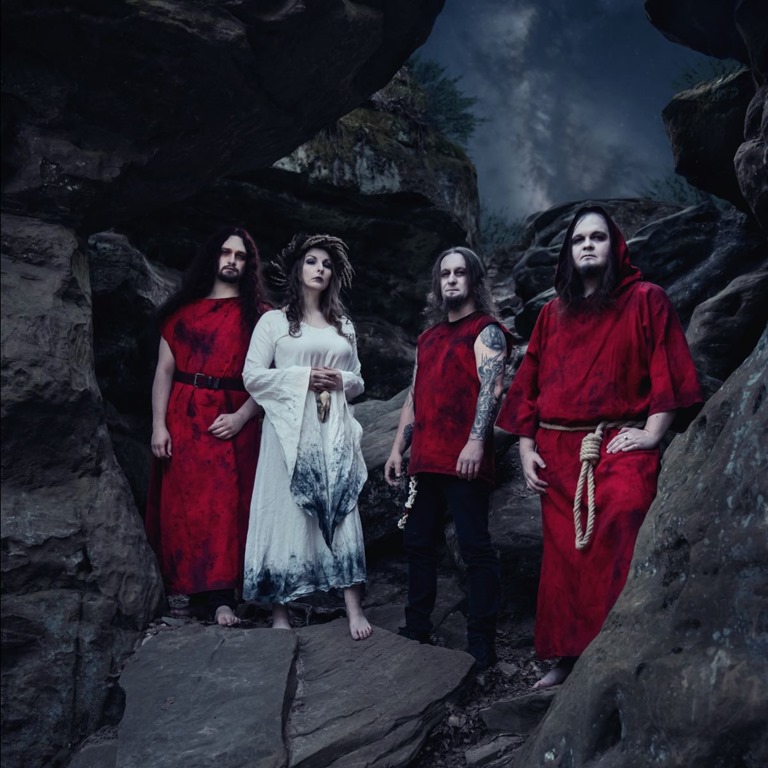
TEMPLE OF DREAD reveal the crushing music video ‘Rites of Blasphemy’ as the second advance single taken from the forthcoming new full-length Dreadspawn Dominion. The East Frisians’ sixth album has been chalked up for release on August 7, 2026.

TEMPLE OF DREAD comment: “Who is a true believer, and who is a blasphemer?”, guitarist Markus Bünnemeyer asks rhetorically. “This is always the most difficult question when you want to start a new religion. This track is a typical Temple of Dread ‘ballad’, and it will go straight to your hearts. No surrender, no prisoners!”

AA

Like a mighty battle trireme, TEMPLE OF DREAD are leaving their port on the East Frisian island of Spiekeroog to deliver brutal death metal with the new massive ram bow Dreadspawn Dominion to all that dare to try and block their course.

Musically, TEMPLE OF DREAD remain true to their old school death metal roots but continue to expand their sonic range by further honing their cinematic aspects with even more dark and heavy elements that began to receive special attention on the previous albums Beyond Acheron (2023) and God of the Godless (2024). These veterans are making full use of their vast experience and audible confidence in their deadly craft to add true emotions into their often rather technically focussed genre.

Once again, these hardy islanders make use of classical themes from the ancient world with lyrics penned by their friend and long-time collaborator, the psychologist Frank “Doc” Albers. Followers of TEMPLE OF DREAD will recognise familiar threads, particularly the continuation of the clash between Charon, the ferryman of the souls across the River Styx and the personalised deity of the underworld, Hades.

The stunning cover artwork of Dreadspawn Dominion was again created by celebrated Italian artist Paolo Girardi and the resoundingly sharp-edged production also returned into the most capable hands of TEMPLE OF DREAD drummer Jörg Uken, whose renowned Soundlodge Tonstudio has also been frequented by such acts as DEW-SCENTED, GOD DETHRONED, OBSCENITY, and SUICIDAL ANGELS.

The most obvious change that has affected TEMPLE OF DREAD between the recording of God of the Godless and Dreadspawn Dominion is the addition of second guitarist Daniel Maurer and bass player Andi Bauer, who enhance the Frisian band with even more punch – both live and in studio.

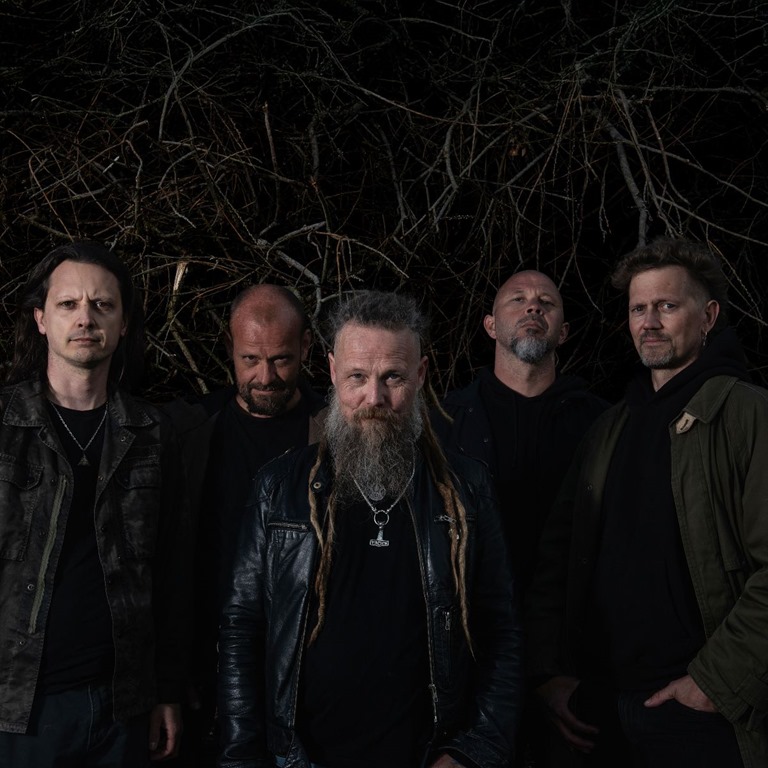
TEMPLE OF DREAD were founded on the island of Spiekeroog in 2017 by Markus Bünnemeyer with the intent to play old school death metal. The guitarist was soon joined by vocalist Jens Finger, who also plays guitar in SLAUGHTERDAY, and drummer Jörg Uken. Both musicians have remained in the line-up ever since.

Already the first TEMPLE OF DREAD full-length, Blood Craving Mantras (2019), hit the scene hard. Their excellent reputation grew with the next albums World Sacrifice (2020) and Hades Unleashed (2021) that followed in rapid succession.

With Dreadspawn Dominion, TEMPLE OF DREAD do not just deliver about everything that their old school death metal following might desire but also invite listeners from other realms on the darker and harder side of metal to lend an ear. Listen and behold: an ancient darkness is rising to claim your souls!

AA

5a77a545-13b4-7b80-301b-43004caef3be

27th March 2026

Christopher Nosnibor

The two single cuts from this eponymous debut couldn’t have been much more different, with ‘No one home but me’ taking the form of an epic, fuzzed out stomper that straddled authentic post-punk and second- or third-wave goth, while ‘Just Begun’ ventured into more epic, emotive territory.

I was intrigued as to the extent to which they represented the album as a whole – while at the same time harbouring certain misgivings over the use of AI for the videos and graphics. It was immediately obvious that the lyrics on the lyric video for ‘No one home but me’ weren’t entirely accurate, and while visually striking, the vid for ‘Just Begun’ was a bit ‘off’, straying into the same territory as the comeback by SPK / SPKtR. I get the appeal, particularly for self-releasing artists with no budget who can’t afford to pay professionals to do artwork and make videos… The spirit of DIY was always to find a workaround, to make something crappy yourself and be proud of the often amateurish results, whether it was a record sleeve made with a pencil sketch and stencils or a video shot in the back alleys near your house. There’s the argument that no artists are losing out, since no artists would have been employed anyway, but as much as AI stuff looks slicker, at the same time, it’s also lacking in soul and in that respect looks no more pro than the self-made work that accepts individual limitations. And that’s before we consider the environmental impact.

It may sound like it, but I’m not judging Ryan Michalski here – he’s only doing what everyone else is doing, and musically, he’s doing a lot more than most, covering quite literally everything: voice, guitar, synth, bass, drum, programming. Apart from the intro and outro, which take the form of dark rumbling noise courtesy of Clint Listing, aka The Slumbering. And he does a decent job of it, too.

The pitch for Sinister Shadows is as a ‘Gothic Death Rocker meets Post Punk project .Think Bauhaus , The Mission, Sisters of Mercy meets Wire and Killing Joke’, and there’s plenty of all that in the mix – as well as something quite unique – and much of the appeal is in the homespun and raw nature of the recordings. The songs don’t so much end as simply cut off and slam into the next one – no fade-outs or full stops – and it’s kinda cool in its primitivism. Similarly, the sound and mixing is a bit more advanced than the four-track tape recoding of old, but not much, and again, this is integral to the sound. The guitars are gritty, the drums / drum machine crisp but often partially submerged bar the crack of the snare which cuts through the welter of thick distortion.

‘Kiss the Dead Gothic Girl’ is expansive, emotive, with the layers of synth often washed away by a tsunami of overdriven guitar. ‘Day go by’ very much showcases the same sound as ‘No one home but me’, Michalski’s baritone vocal bathed in reverb, low in the mix amidst a tumult of fuzz and a soaring lead line, as he intimates dark thoughts. ‘I’ll make you suffer / I’ll make you bleed…’ he croons menacingly.

The guitars dominate, and showcase a distinctive sound that suits the material well, and the album favours mid-pace brooding. As such, the variety comes not from variations in pace but mood. ‘Lost My Mind’ is sparse in its arrangement but dense in its sound, and it finds Michalski pouring anguish, sounding brittle and vulnerable amidst a deluge of distortion, through which cheap synths blip and bleep through on occasion. This is the prelude to ‘No one here but me’, a song that reminds me of how desperate I was for a few minutes with the house to myself during lockdown. Yes – I was waiting for no-one home but me. It also reminds me that you should be careful what you wish for. It’s a killer tune, six minutes of relentlessly grinding away at a maxed-out riff while Michalski growls amidst cavernous reverb about waiting like a disease. The album’s worthwhile just for this.

The last couple of ‘proper’ songs, ‘Waiting here alone’ and ‘Your Breath’ round the album off nicely: the former is particularly dark, dense and sludgy, and arguably the album’s most Killing Joke / late 90s goth moment, the latter brings a lighter sensation, before another abrupt cut, and we’re thrown into the dolorous doom of ‘Outro’.

Sinister Shadows is everything the singles promised – bold, dark, guitar-driven, textured, deep. Exciting. The videos and cover art do the album a disservice. Raw, immediate, driving, this is killer.

AA

a1086563873_10