Christopher Nosnibor
It’s a good thing it’s not raining or bitterly cold, as they’re running late setting up. Consequently, there’s a hoard of black clad folks milling about outside waiting to be let in – although thankfully, we’re allowed to go and get drinks from the bar to bring back outside. In fairness, it’s a rare thing here, and many much bigger venues are prone to opening the doors a lot more than ten minutes late. Nevertheless, I’m glad I decided to wear a hat, because Spring is still in its early stages and there’s a nip in the air.
It’s still winter inside, though, as we kick off a night of back-to-back black metal. But who knew there were so many shades of black? The four acts on tonight’s bill are all denominations of black metal, but couldn’t be more different.
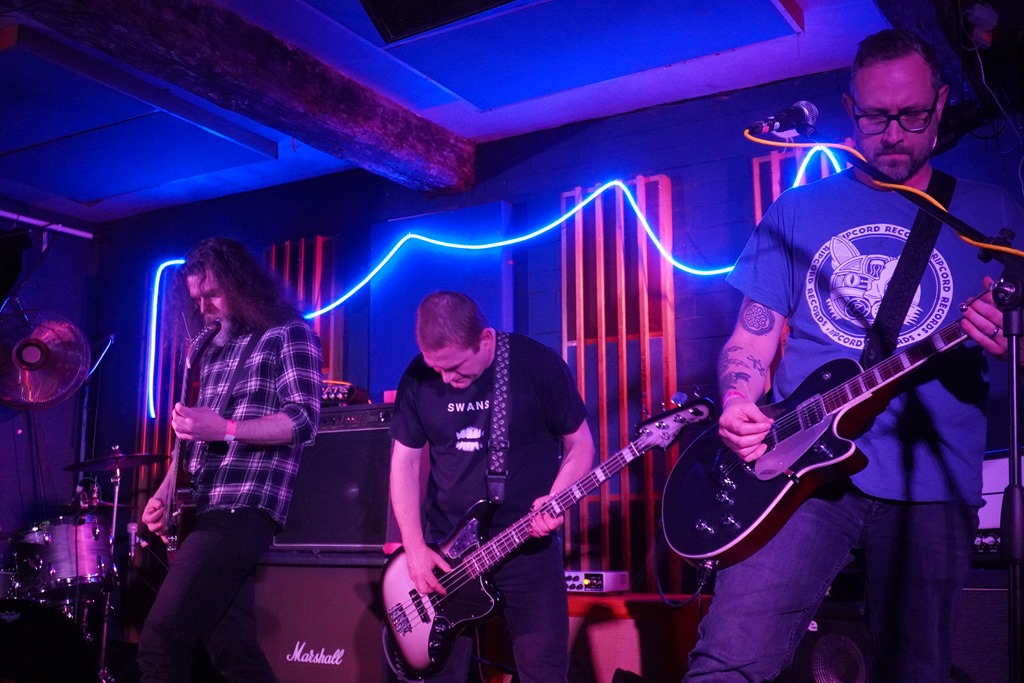
Darkened Void, from Hull – yes, that’s a ‘u’ and not an ‘e’ – promise ‘melodic death black metal’. How this translates is that some of the guitar work is a bit Brian May at times, and there are some epic choruses in the mix. But there is much heavy darkness to behold, too. They’re certainly tight, and are at their most powerful when they put their heads down and churn out the monster riffs, which benefit significantly from the heft of two guitars.
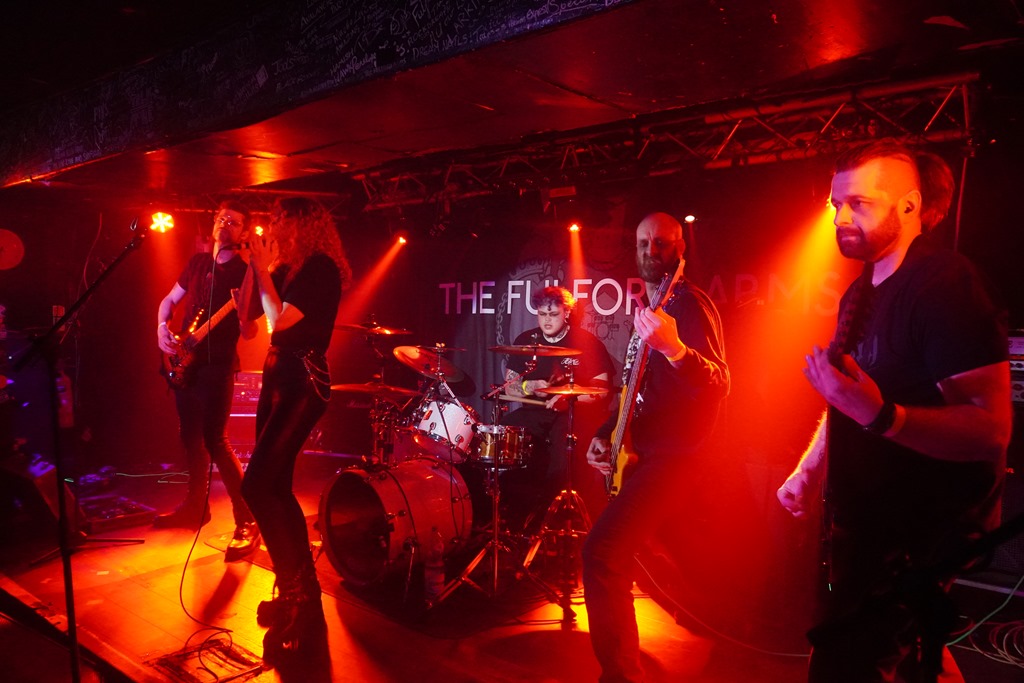
Darkened Void
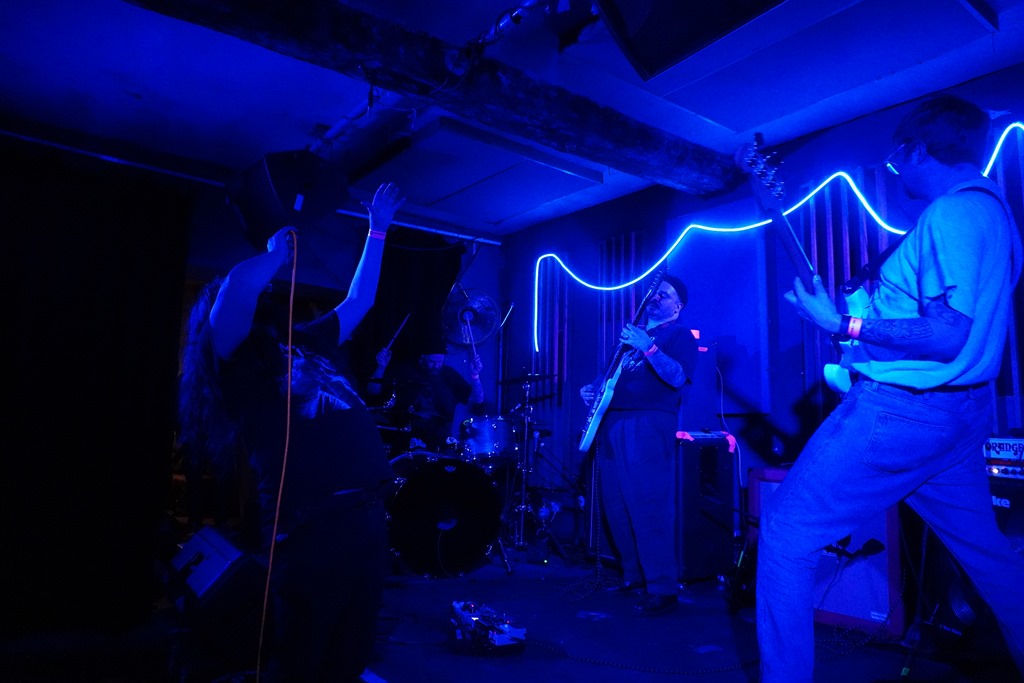
Bruul, purveyors of ‘barbaric black metal’ who hail from York have their priorities right, sorting the incense sticks before their guitars and mic stands. This seems pretty civilised, if a tad bohemian, rather than barbaric. But they bring the density with a solid wall of the filthiest guitars and hell-for-leather drumming to deliver a brutal and relentless rabid blast of bestial fury. They’d probably put some effort into their makeup, but playing in near darkness they probably didn’t need to – they’re all but invisible but for the lead guitarist’s white trainers – although the atmospheric presentation certainly heightened the impact of their pummelling racket. The sheer force of their set is nothing short of stunning, and to his this level of volume and intensity so early in the night is staggering.
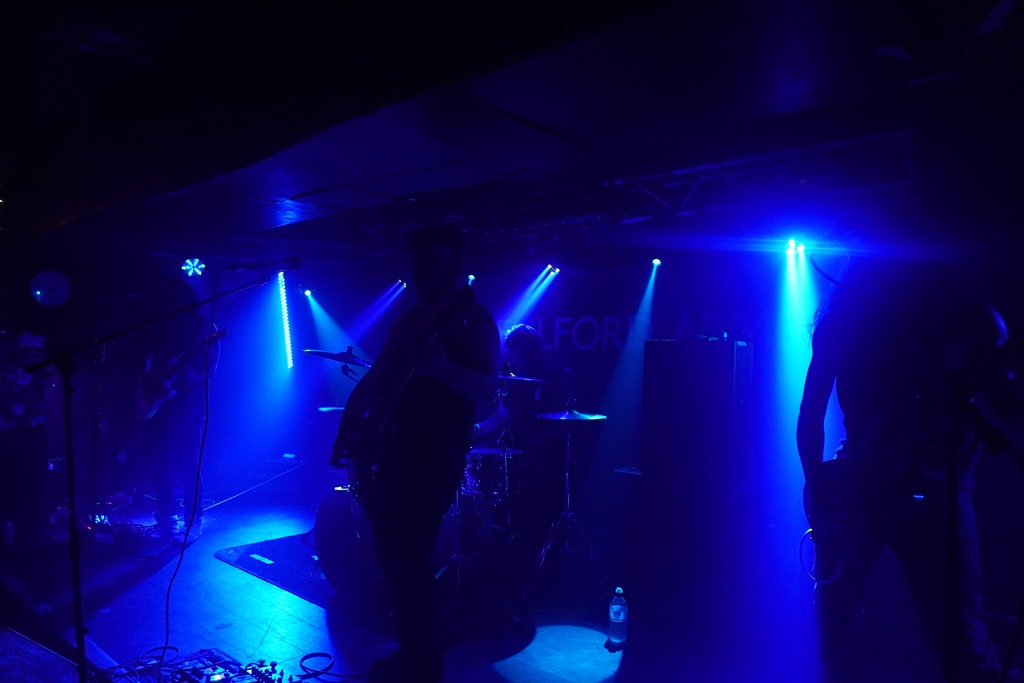
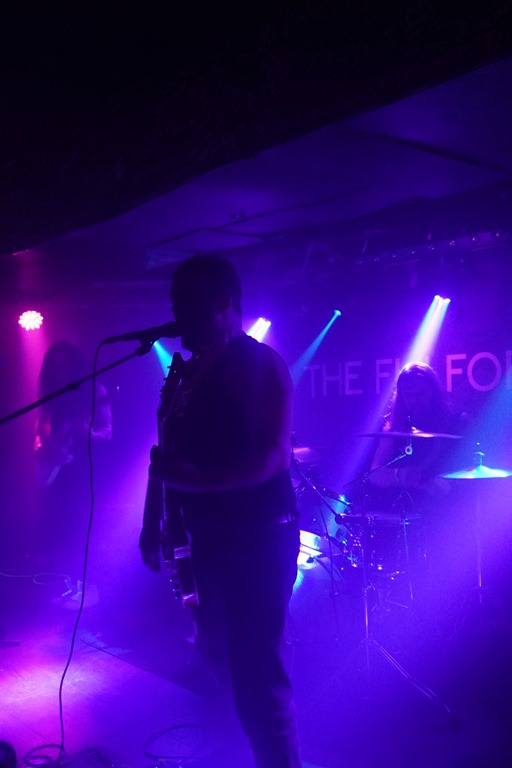
Bruul
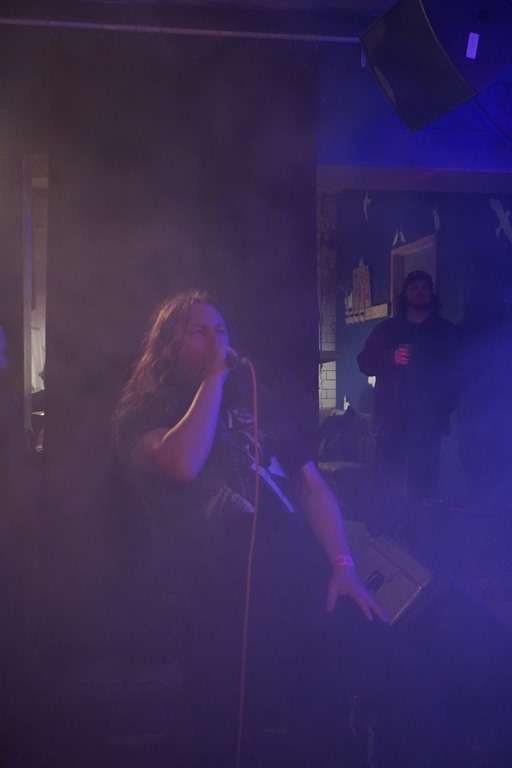
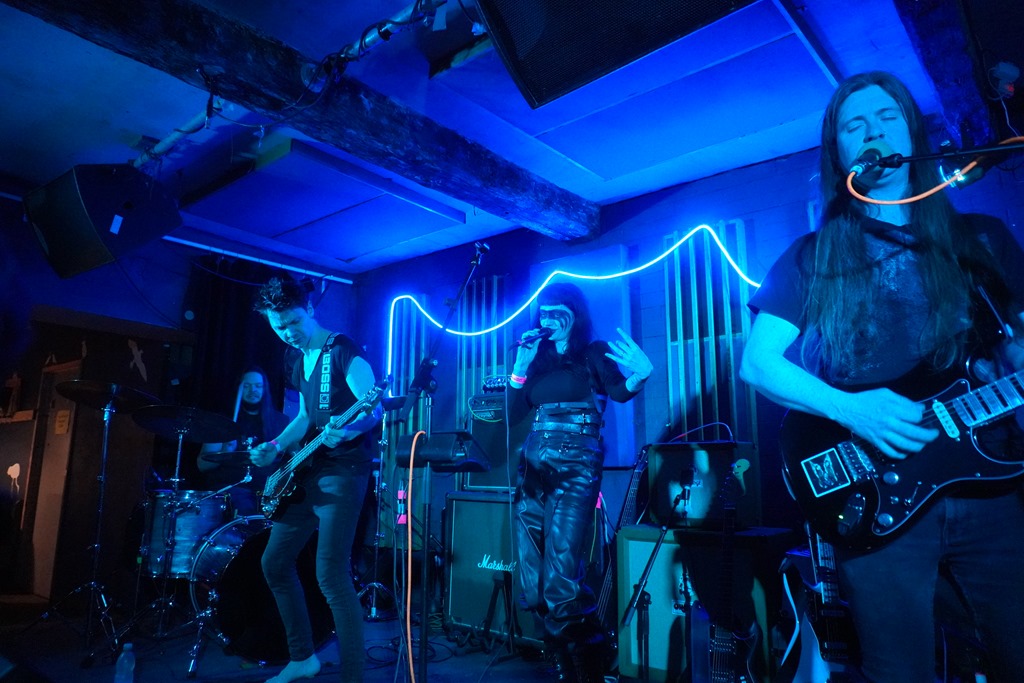
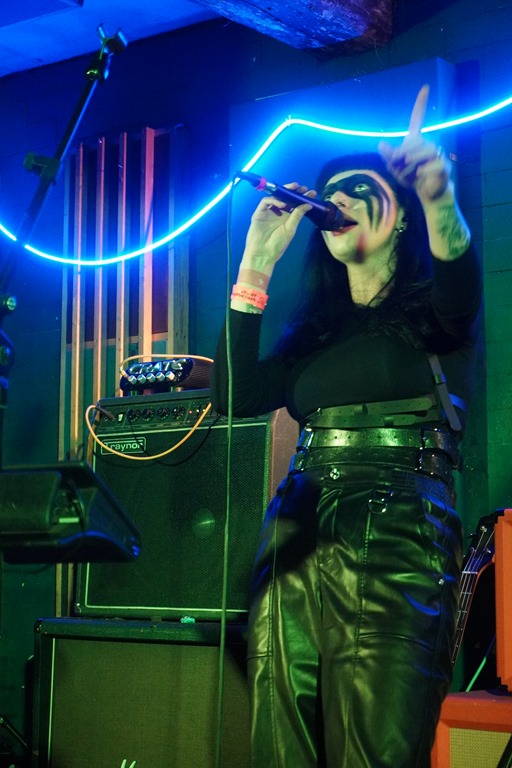
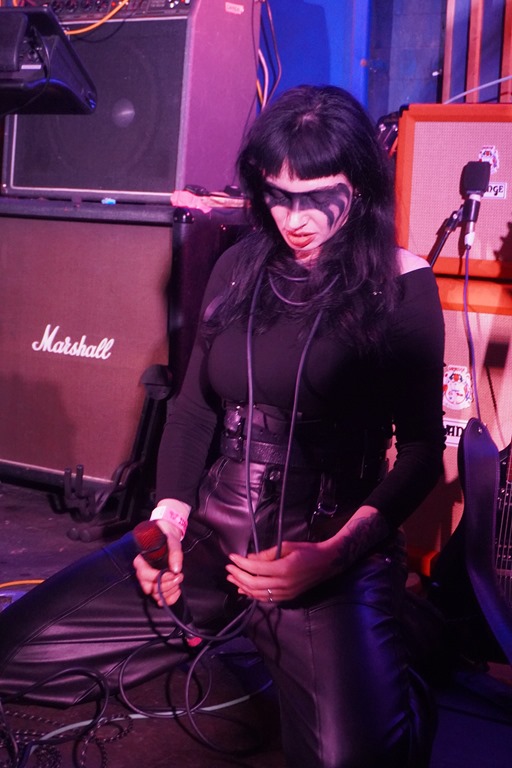
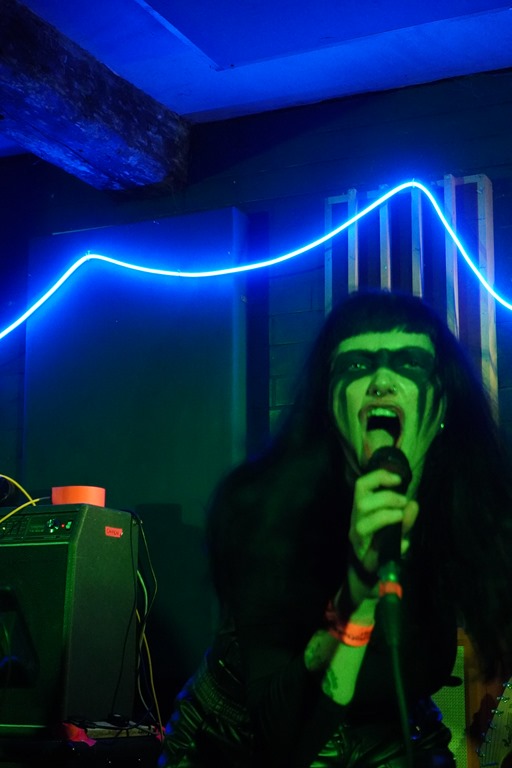
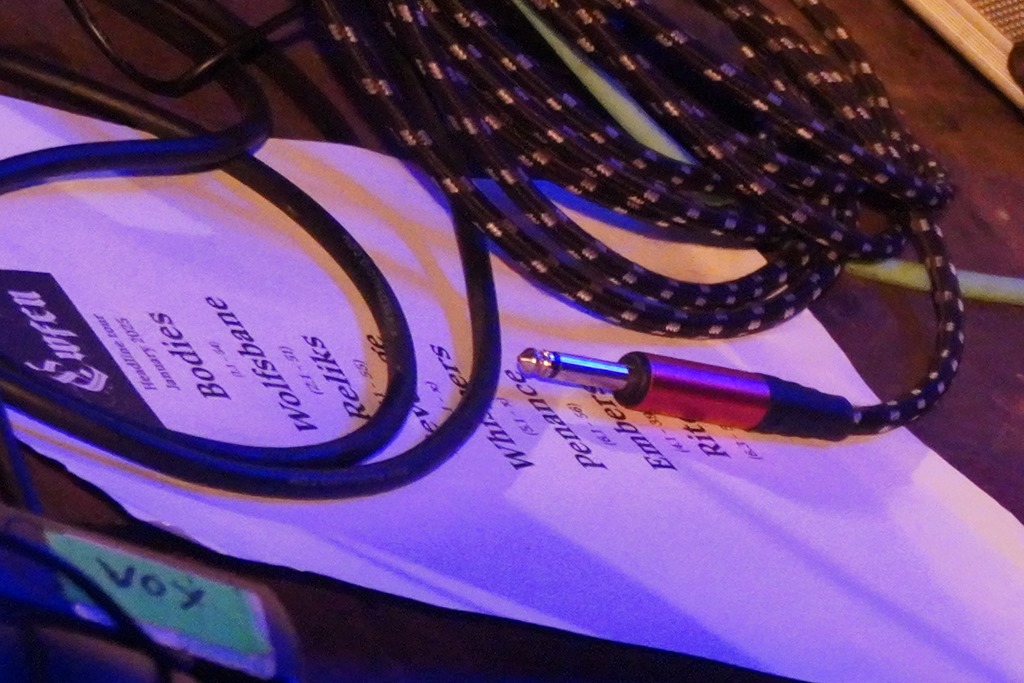
Misko Boba are the main reason I’m here after they devastated my ears in this same venue at the tail end of 2024. While being based in York, they’re a band of international origin – vocalist Kanopa is Lithuanian by origin, and her delving into Lithuanian folklore adds a level of mystique. More than that, her stage presence is nothing short of terrifying. But there’s a lot more happening here: the demonic shriek of the blood-smeared singer is paired with churning guitar work and gut-juddering five-string bass. Perhaps singing in Lithuanian (the setlist features an English translation beneath each of the song titles) adds a dimension of otherness, but everything about their performance is blindingly intense. They play hard and fast – very fast. What on the surface sounds like a blizzard of noise is, in fact, highly detailed, and the pace of the fretwork and percussion is dazzling. The effect, ultimately, is so powerful as to kick the air from your lungs.
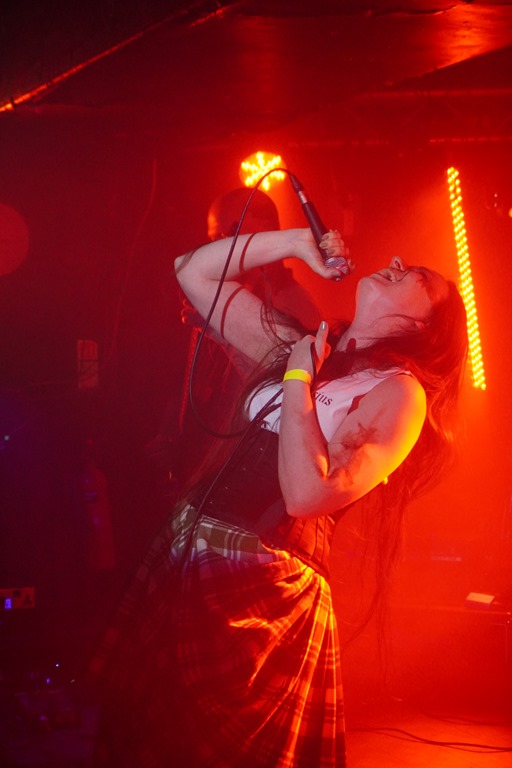
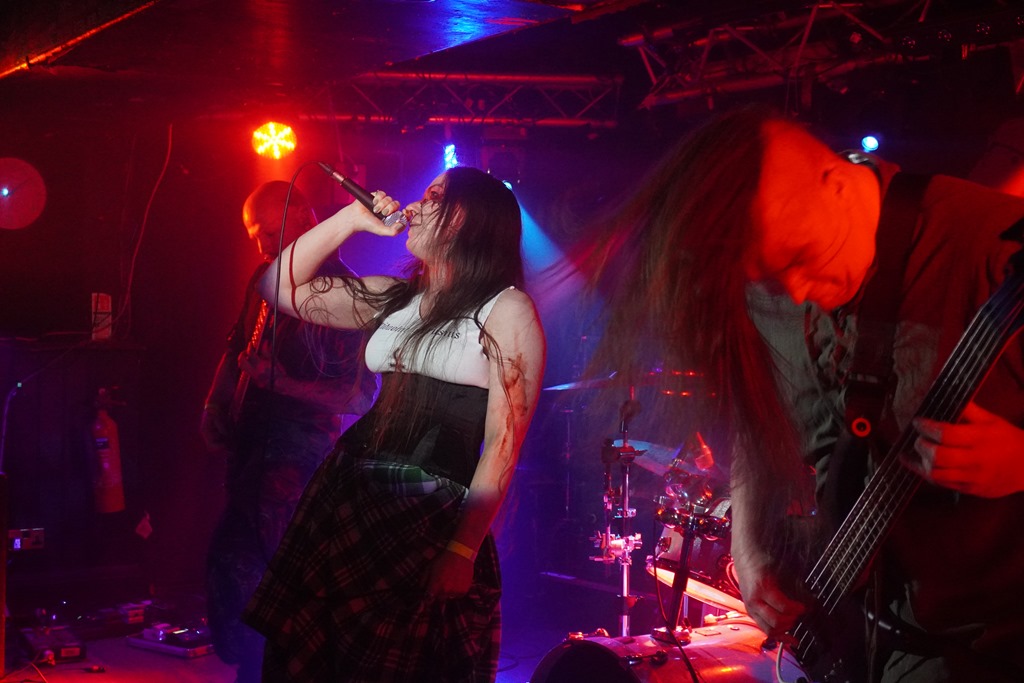
Misko Boba
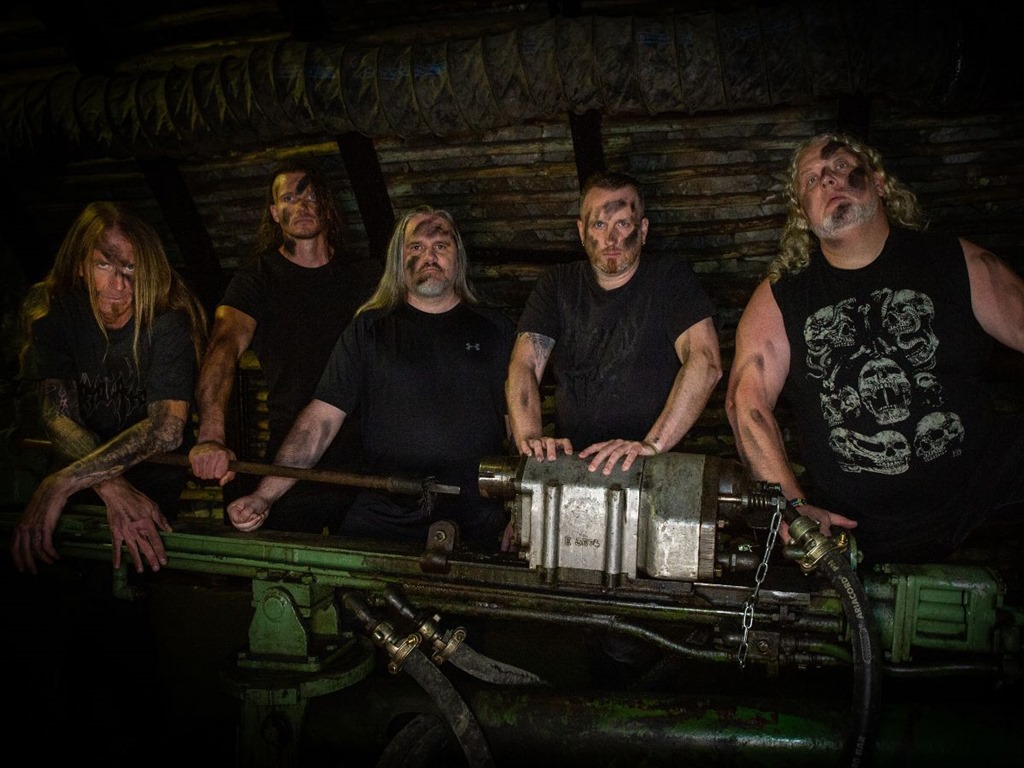
Andracca purport to bring us black metal ‘devoted to suffering… To a Bare the Weight of Death encapsulates 5 years of grief plagued with successive deaths…’ says their bio. With faces and arms smeared with black and a massive skull (what it’s supposed to have belonged to is a mystery) on stage, they’re the quintessence of black metal. But they also highlight the tightrope that is black metal – the fine line between full-throttle, immersive rage and corny theatrics.
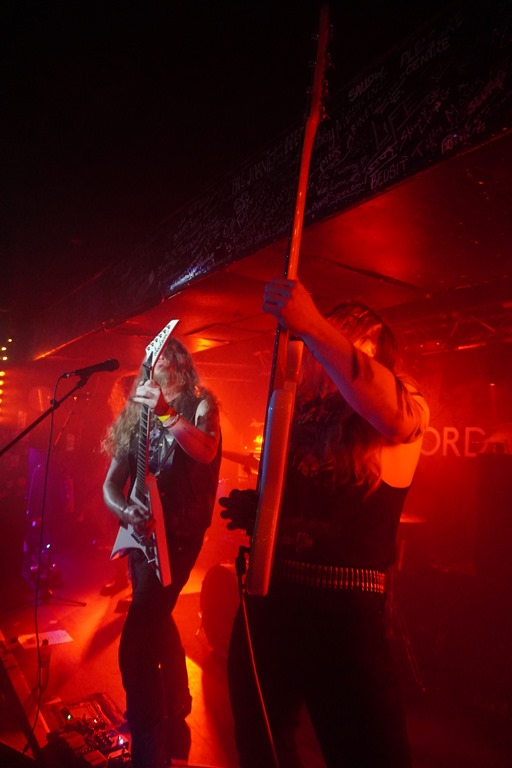
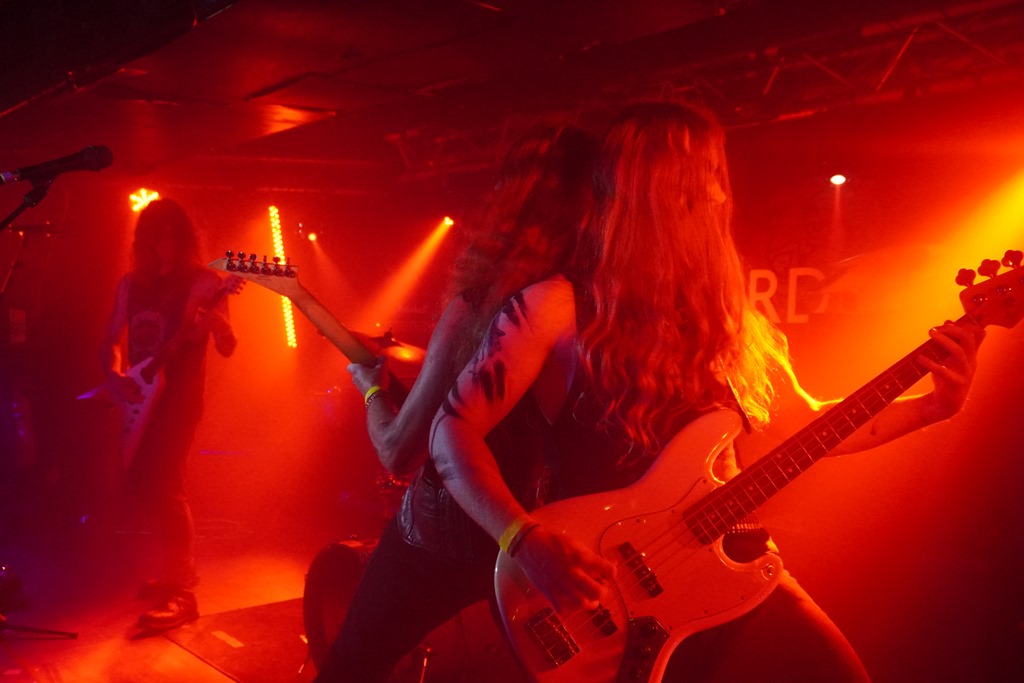
Andracca
‘Thank you!’ vocalist Kieran Dawes rasps, in character, before, in a normal and very polite voice, ‘can I get more vocal in the monitor, please?’ In an instant, the spell is broken. Whereas Bruul maintained the magic by staying mute and just playing the songs, and Kanopa of Misko Boba relaxed into an affable character between songs and switched into fiery demonic mode for the songs themselves, Andracca can’t maintain a consistent approach. Perhaps more cringey than that, though, is the fact that in terms of posturing and cliché, they’re a bit Spinal Tap, but thankfully the drummer doesn’t explode. That said, I seem to be alone in finding the lofted guitars, playing back-to-back, and the power poses rather daft, and the packed crowd laps it up with pumping fists. Seriously, they are well into it, especially the front rows, and this reciprocal energy loop makes for a great atmosphere – and there’s no mistaking the technical skills or epic nature of the songwriting of Andracca, whose forty-five minute set features just seven songs. There’s new material on offer, and they conclude with the seven-minute ‘Oceans of Fire’.
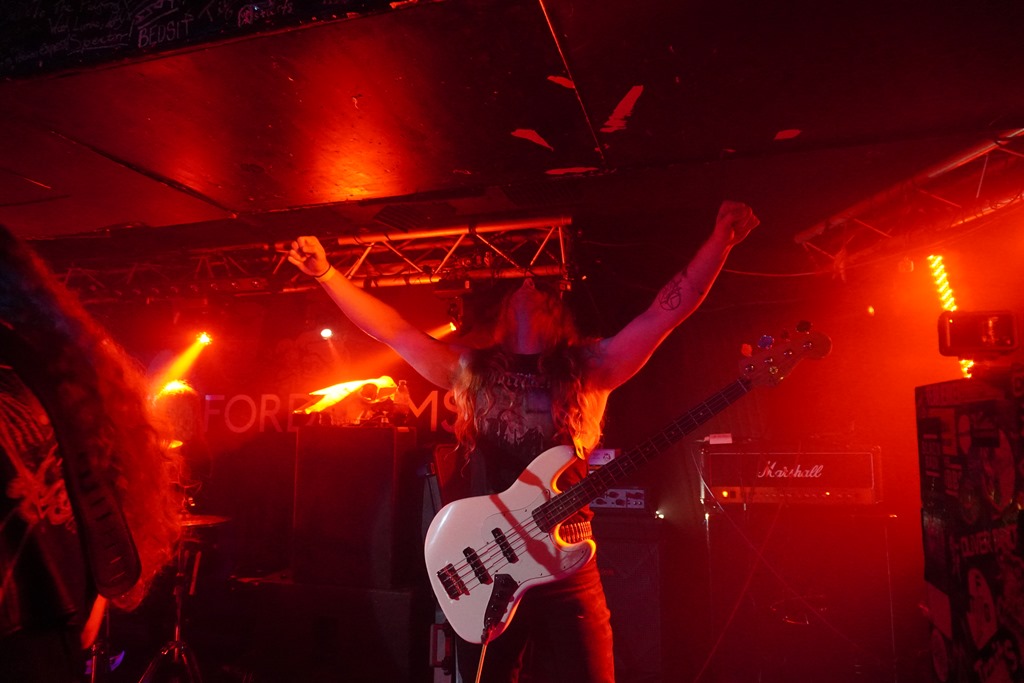
Andracca
They’re probably the third best band on the bill tonight, due to presentation more than content. But what tonight demonstrates is just how strong the metal scene is round here. Despite what seems to be an ever-diminishing number of venues and the ongoing cost of living crisis, it’s heartening that there are so many quality bands around, and people willing to stump up to go and see them – especially on a Sunday night.




 Aural Aggravation