Posts Tagged ‘Darkwave’

Negative Gain Productions – 6th June 2025

Christopher Nosnibor

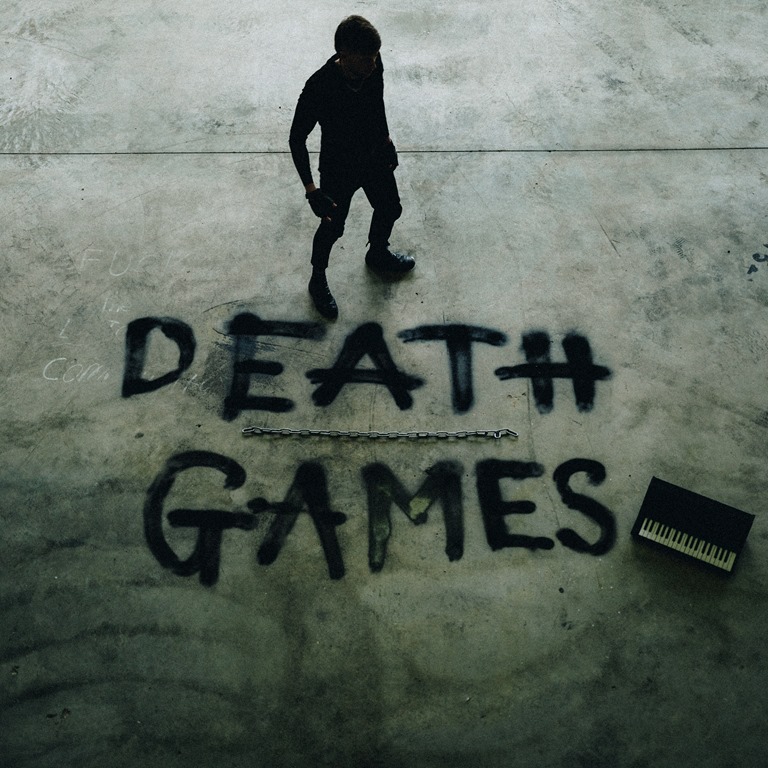
Just as the birds of prey from which they take their name are creatures of the night, so this Irish act – essentially one guy – who draw inspiration from the darker realms of postpunk, goth, and synth-based music are very much dwellers of the dark hours, as debut album Death Games attests, with titles such as ‘Perfect Nightmare’, ‘Tombs’, and ‘Send Me to My Grave’. The album’s themes are timeless and classic, offering ‘a haunting exploration of love, mortality, and the fragile nature of existence,’ while casting nods to touchstones such as Lebanon Hanover, Boy Harsher, and Black Marble.

Lead single ‘Give Me Your Stare’ opens the album in style with a disco beat and throbbing bass giving this bleak, echo-soaked song a dancefloor-friendly groove. The vocals are backed off but ring clear through a haze of reverb, offering a hint of The Cure’s Seventeen Seconds in terms of production values.

AA

The compositions on Death Games are pretty direct: there’s not a lot of detail or layers, and it’s the electronic beats and pulsating basslines which not only define the sound but drive the songs. The sonorous synths which twist and grind over the top of these predominantly serve to create atmosphere more than melody, although haunting, repetitive motifs are commonplace, and the vocals, too, being low in the mix and with a fairly processed feel, are more a part of the overall sound than the focal point.

‘Skin on Skin’ brings a wibbly, ghosty synth that sounds a bit like a theremin quivering over a minimalist backing of primitive drum machine and bass synth, and the likelihood is that they’re going for early Depeche Mode, but the end result is more like a gothed-up Sleaford Mods, although, by the same token, it’s not a million miles away from She Wants Revenge around the time of their electro-poppy debut, and that’s perhaps a kinder and more reasonable comparison. ‘Fevr 2’ brings an increased sense of urgency with skittering bleeps skating around the reverberating drums: it has both an 80s movie soundtrack vibe and a vintage goth disco feel, and despite its hectic percussion and busy bass, ‘Tombs’ conjures a haunting, requiem-like atmosphere.

The ‘death’ thematic may not always be literal, and as much concerned with the death of love and the ends of relationships, but the duality the theme offers serves OWLS well. There’s no denying that it’s both a stereotype and a cliché that an obsession with death is such a goth thing, and OWLS fulfil these unashamedly – but then, why should there be shame? Why is it only goth and some strains of metal which embrace life’s sole inevitability, and explore mortality and the finite nature of existence? Even now, after millennia, we aren’t only afraid of death, but, particularly in Western cultures, we’re afraid to think or talk about it. People passing in their eighties and nineties still elicits a response that it’s a tragedy or that they should have had more time, and I’ve seen it said of people departing in their sixties or even seventies that it’s ‘no age’. We seem to have a huge blind spot, a blanketing case of denial when it comes to death, as if it shouldn’t happen, that it’s an injustice, and that no-one deserves it. But nothing is forever, be it love or life, and while loss – any loss – is painful, it comes attached to inevitability, being a matter of when, not if.

The stark and sombre ‘Send Me to My Grave’ commences a trilogy of dark, downbeat, funereal songs, which grow progressively darker, more subdued, the vocals more swallowed by evermore cavernous reverb. Even when the beats kick in and the bass booms, things warp, degenerate, and seem to palpably decay and degrade. There’s a weight to it, a claustrophobic heaviness, and the kick drum thwocks away murkily as if muffled by earth and six feet under sods. ‘This Must be the End’ is brittle, delicate, the calm that comes with the acceptance of… of what? What comes after the end? It feels like the song, and the album, leave this question hanging with an ellipsis, a suspense mark. It seems fitting, since we simply don’t know. But it does very much leave the door ajar for OWLS’ follow up, and that is something to look forward to.

AA

AAlbum CoverA

Negative Gain Productions – 16th May 2025

Christopher Nosnibor

‘Give Me Your Stare’ is the first taste of the forthcoming album, Death Games from Irish darkwave artist OWLS.

It’s pitched as ‘a seduction: a desperate call for the gaze of someone whose love comes with a quiet promise of devastation… a dance floor confession in the fog of emotional collapse…. With echoes of goth romanticism and a subtle menace beneath its polish.’

Seduction and desperation strike me as sitting at odds with one another: desperation has a scent, a look in the eye that’s less ‘come to bed’ and more ‘flee the situation’ – and yet with ‘Give Me Your Stare’ it makes some kind of sense.

These contradictions are elementary, harking back through time and now well-worn cliché to the tropes forged by Elizabethan sonneteers. I’m reminded of Sir Thomas Wyatt’s ‘I Find No Peace’, which contains the lines, ‘I fear and hope. I burn and freeze like ice’, and ‘I desire to perish, and yet I ask health / I love another, and thus I hate myself,’ concluding ‘And my delight is causer of this strife.’

And in essence, ‘Give Me Your Stare’ succeeds as a contemporary articulation of that inner turmoil, all delivered with a steely control that’s either clenched-tight keeping things together, or sociopathic.

With the vocals down in the mix, and delivered with an easy soulfulness, it’s the bass and beats which dominate, and the groove is simultaneously smooth and hard-edged, thanks to the combination of soft synth layers and a crisp kick drum that packs some punch. And for all of the glass-like production, there’s emotion there, and, what’s more, it’s all packed into a neat dark pop package that clocks in at a perfect three minutes and thirty.

AA

7810be40-75e2-1e57-11c8-450e960b5eb5

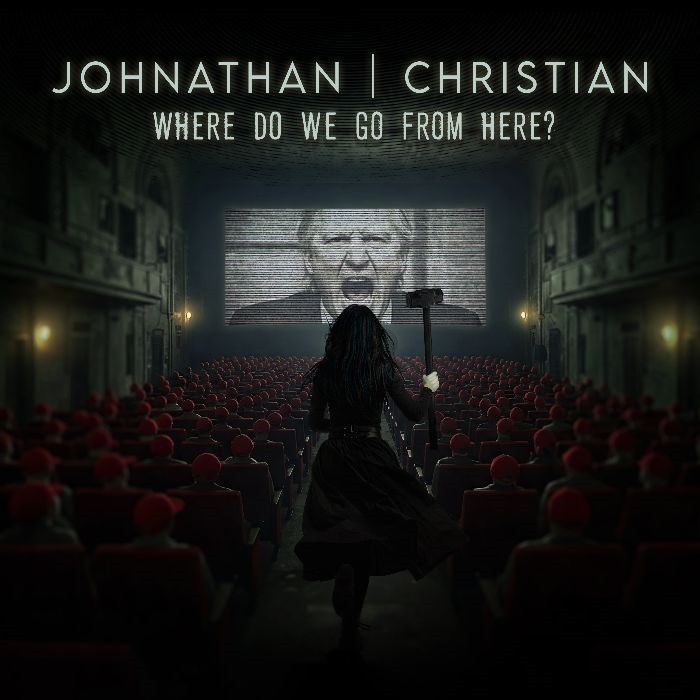
Darkwave duo, Johnathan|Christian return with ‘Where Do We Go From Here’—a brooding, cinematic post-election anthem that captures the emotional wreckage of a divided nation. The track opens in hushed reflection (90 BPM) and erupts into a 125 BPM pulse of unrest and reluctant clarity. No slogans. Just aftermath.

The video integrates footage from Maya Deren’s At Land—a woman lies on a beach, disoriented yet unbroken, before rising with quiet resolve. What begins in poetic isolation transforms into documentary collapse: flickering headlines, divided families, shuttered classrooms, and hands reaching—but not always finding. It opens with: “We Still Remain.” It ends with: “WE STILL RISE.”

“We didn’t want spectacle—we wanted aftermath,” says the band. “No fire. No fury. Just a reckoning in the ruins.”

Included in the release are: a 125 BPM DJ Edit for live mixing and DJ sets, and remixes by industrial supergroup, The Joy Thieves and Stoneburner’s Steven Archer. Also included is the track, ‘Fall from Grace’ – a short, ghostly instrumental layered with static and decay; a requiem for what was, and a reflection on what remains.

For fans of Peter Murphy, Human Drama, Laibach, New Order, and politically-driven dance stompers.

AA

8bbee6f4-172e-2102-2c5c-e9987acdebda

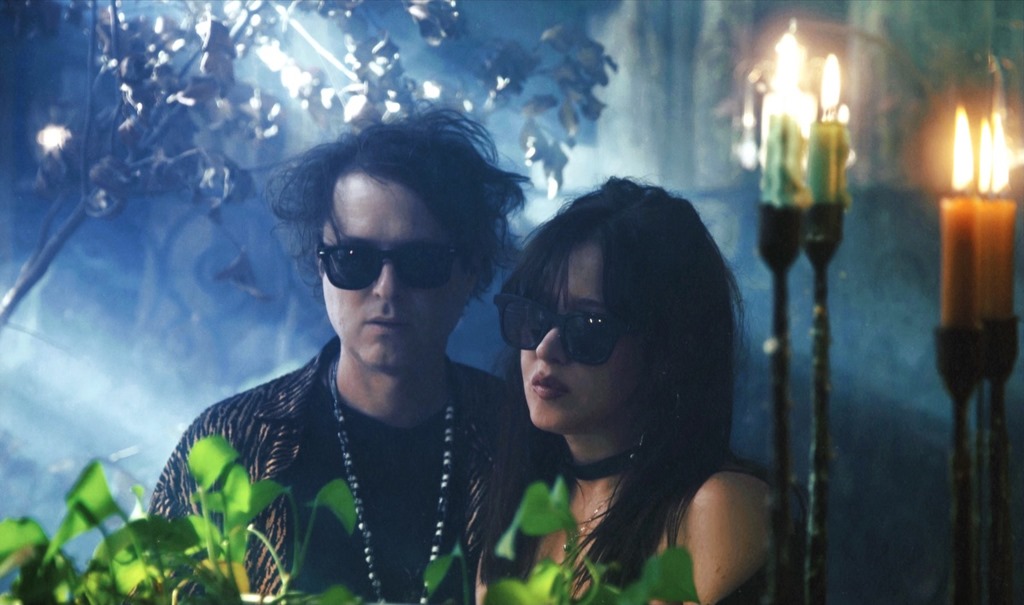
Magic Wands is a dark pop duo originally formed in Nashville by guitarists and vocalists Dexy and Chris Valentine. Now based in Los Angeles, they are known for their shimmering and dreamy sound, which incorporates elements of shoegaze, dream pop, post-punk and goth. Heavily textured guitars, synth drones and ethereal vocals are combined in their songs to conjure an otherworldly atmosphere.

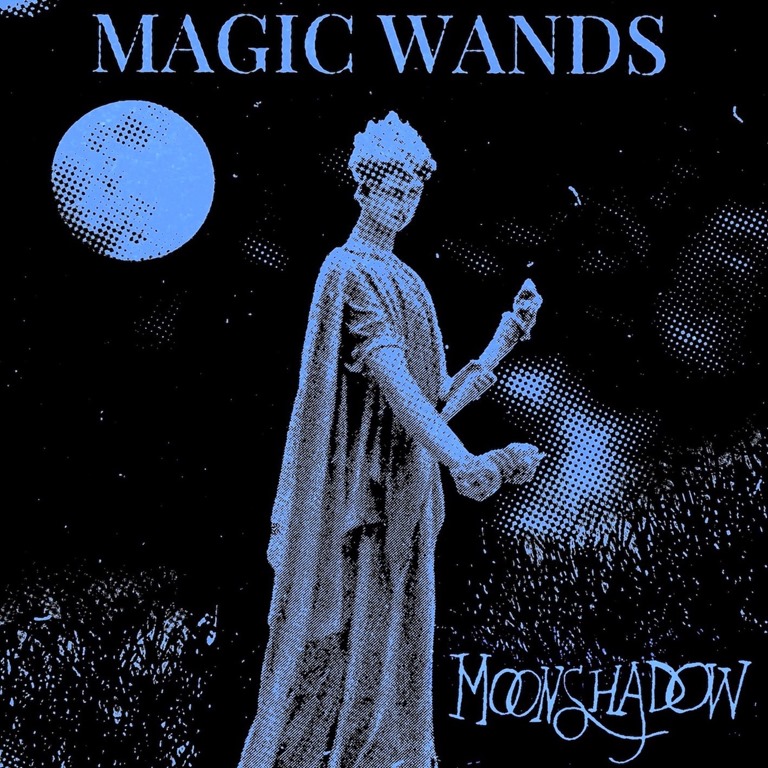
‘Moonshadow’ is the title track of a forthcoming album due out in the early summer on Metropolis Records. “It is a raw and introspective song about travelling at night on an underground train and how you can’t escape yourself or your own shadow,” explains Dexy Valentine.

‘Moonshadow’ follows ‘Hide’ and ‘Armour’ (both issued in 2024) as the third song to be lifted from the new album.

AA

d3fba56b9c24b63b15c1fb2a2832d481c56146a4

Magic Wands will be supporting labelmates The Birthday Massacre on a North American tour prior to the release of the ‘Moonshadow’ album. Dates are as follows:

28th March  NEW YORK CITY, NY (le) Poisson Rouge
29th March  PITTSBURGH, PA Crafthouse
30th March  DETROIT, MI Small’s
31st March  CHICAGO, IL Reggies
2nd April  MINNEAPOLIS, MN Fine Line Music Hall
3rd April  KANSAS CITY, MO RecordBar
4th April  DENVER, CO The Oriental Theater
5th April  SALT LAKE CITY, UT Metro Music Hall
7th April  SEATTLE, WA El Corazon
8th April  PORTLAND, OR Dante’s
10th April  SAN FRANCISCO, CA Bottom Of The Hill
11th April  LOS ANGELES, CA EchoPlex
14th April  SAN DIEGO, CA Brick By Brick
15th April  MESA, AZ Nile Theater
17th April  HOUSTON, TX Warehouse Live
18th April  DALLAS, TX Granada Theater
19th April  AUSTIN, TX Come And Take It Live
21st April  TAMPA, FL Orpheum
22nd April  ATLANTA, GA Masquerade
23rd April  ASHEVILLE, NC The Orange Peel
25th April  VIRGINIA BEACH, VA Elevation 27
26th April  BALTIMORE, MD Soundstage
28th April  WASHINGTON, DC Union Stage
29th April  MECHANICSBURG, PA Lovedrafts Brewing
1st May  BOSTON, MA Paradise Rock Club
3rd May  TORINTO, ON Velvet Underground
4th May  MONTREAL, QC Foufounes

AA

e8d1899beefe821f42025a373a5d8f2bf5e9e90c

Gothic Rock / Darkwave act THE AWAKENING presents ‘Haunting’, the latest taster of their eponymous album, out now on vinyl, CD, digitally and various limited-edition formats via Intervention Arts. With a music video in classic black-and-white format, ‘Haunting’ follows ‘Mirror Midnight’, which has amassed over 1.1 million views, establishing The Awakening’s return to its dark roots.

Now US-based, The Awakening was formed in Johannesburg, South Africa in the late ’90s as the creative expression of vocalist, multi-instrumentalist and songwriter ASHTON NYTE, anointed as ‘Johannesburg’s Bowie’ for his widely varying musical styles and theatrical performances. He calls this single “a celebration of old-school Gothic Rock, with a suitable dose of Post-Punk swagger and a wink at the camera. It’s probably the most whimsical song on the album. I wanted the video to capture some campy Horror B-Movie goodness, and I am very happy with the result”.

You can witness the result here:

AA

402933

Metropolis Records – 10th January 2025

Christopher Nosnibor

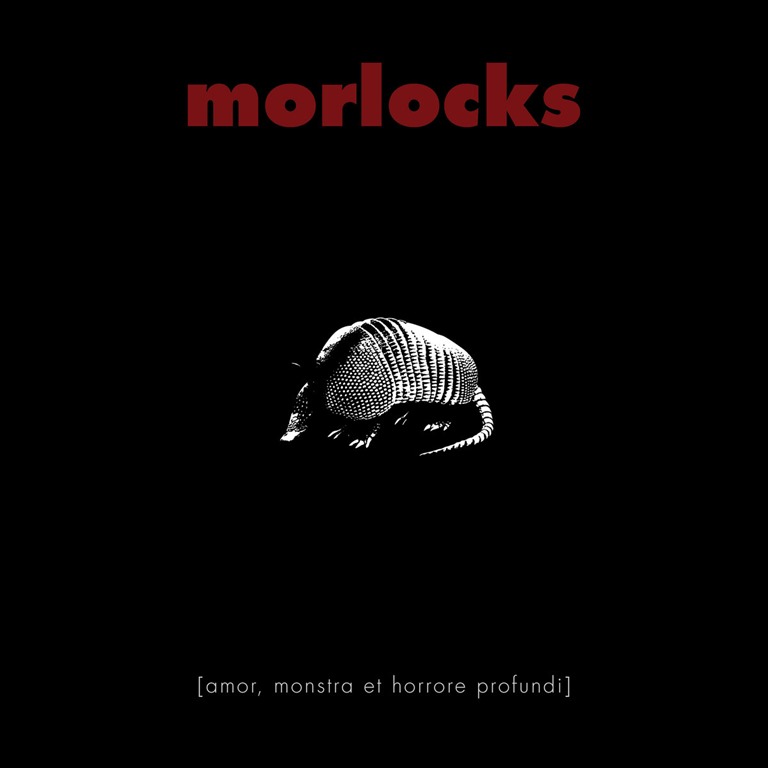
According to their bio, ‘Morlocks are a Swedish act who combine elements of industrial rock, neo-classical, darkwave and metal with epic production values to create an exciting hybrid sound. Having issued the long-awaited and well received album Praise The Iconoclast in late 2023, they subsequently promoted it with two US tours in 2024, both in support of their friends and occasional collaborators KMFDM.’

Asked about the inspiration behind the song, the band state: “Watch the world from a distance. Get angry at first, but also inspired. Take the darkest parts of it and twist them into something weird, beautiful and batshit insane – something that you could either dance to, brood in the shadows to or scream at the top of your lungs at the moon. Preferably all of the above. Everything can be turned into art, and art must hurt. Situation normal: all fucked up.”

‘Everything can be turned into art, and art must hurt’ is a phrase which stands out here. It may seem somewhat dramatic, but to summarise Buddha’s teaching, ‘all life is suffering’, or ‘life is pain’, and the function or art – true art – is to speak in some way of deep truths of what it is to be human. Art must therefore, reflect life and capture something of the existential anguish of the human condition. If it doesn’t, it isn’t art, it’s mere entertainment. And if the idea that ‘Everything can be turned into art’ may superficially seem somewhat flippant, a diminishment of serious matters, if the work is, indeed art, and not entertainment, then the obverse is true: using the pain of life as source material is the only way to interrogate in appropriate depth those most challenging of issues. In other words, making art from trauma is not reductive or to cheapen the experience – but making entertainment from it very much is.

There’s a snobbery around what constitutes art, even now, despite the breakthroughs made through modernism and postmodernism. It’s as if Duchamps had never pissed on the preconceptions of art for the upper echelons of society who still maintain that art is theatre, is opera, is Shakespeare, that art can only exist in galleries and is broadly of the canon. This is patently bollocks, but what Morlocks do is incorporate these elements of supposed ‘high’ art and toss them into the mix – most adeptly, I would add – with grimy guitars and pounding techno beats. Art and culture and quite different things, and those who are of the opinion that only high culture is art are superior snobs who have no real understanding of art or art history.

The five songs on Amor, Monstra Et Horrore Profundi are therefore very much art, although that doesn’t mean they don’t also entertain. ‘The S.N.A.F.U. Principle v3.0’ arrives in a boldly theatrical sweep of neoclassical strings and grand drama – and then the crunching guitars, thumping mechanised drums and raspy vocals kick in and all hell breaks loose. Combining the hard-edged technoindustrial of KMFDM – which is hardly surprising – with the preposterous orchestral bombast of PIG and Foetus bursting through and ascending to the very heavens, it’s complex and detailed and thrillingly dramatic, orchestral and choral and abrasive all at once.

With tribal drumming and bombastic, widescreen orchestration, ‘March of the Goblins’ has a cinematic quality to it, which sits somewhat at odds with the rather hammy narrative verses. It seems to say ‘yeah, ok, you want strings and huge production and choral backing to think it’s art? Here you go, and we’re going to sing about radioactive dinosaurs like it’s full-on Biblical’. It’s absurd and audacious, and makes for a truly epic seven and a half minutes of theatrical pomp that’s admirable on many levels. Ridiculous, but admirable.

‘The Lake’, split over two parts with a combined running time of over ten minutes explores more atmospheric territory, with graceful, delicate strings, acoustic guitar, and tambourine swirling through swirling mists before breaking through into a surging tower of power, melding crunching metal guitars with progressive extravagance, and medieval folk and martial flourishes.

Amor, Monstra Et Horrore Profundi is remarkably ambitious and unashamedly lavish in every way. Quite how serious are Morlocks? They’re certainly serious about their art. But while delivered straight, one feels there’s an appropriate level of knowingness, self-awareness in their approach to their undertaking. And that is where the art lies: theatre is acting. The stories told are drawn from life, and resonate with emotional truth: but the actors are not the action, and there is a separation between art and artifice. Amor, Monstra Et Horrore Profundi is something special.

AA

a2788665137_10

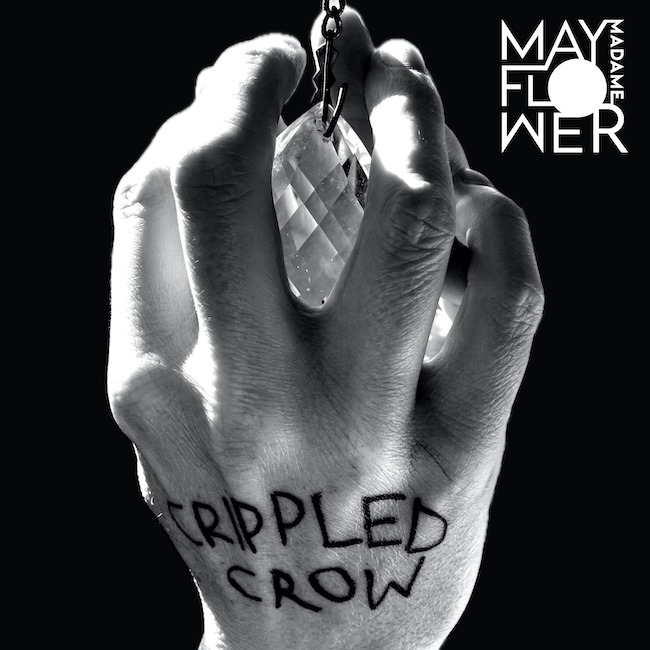
‘Crippled Crow’ is the final single by Norwegian band Mayflower Madame’s much anticipated upcoming album Insight, out on 1st November via Night Cult Records/ Up In Her Room/Icy Cold Records.

Compared to the album’s previous singles, this newest track expands on their distinctive fusion of edgy post-punk and dreamy shoegaze, incorporating aspects of noise-rock and darkwave. Driven by a driving bass line and dynamic drumming, the song leads you on a captivating journey – from the haunting verse melodies to the intense guitar passages in the choruses, culminating in a powerful ending. It evokes feelings of longing and remorse amidst the wintry streets of Oslo, intertwined with a burning desire for transformation and catharsis.

Check the video here:

AA

Mayflower Madame return to the UK and Europe for a tour in November. Tickets are available here.

FULL DATES

Sat 2 November – Goldie – Oslo, Norway – Tickets

Wed 13 November – The Moon – Cardiff, UK – Tickets

Thu 14 November – Daltons – Brighton, UK – Tickets

Fri 15 November – The Strongroom Bar – London, UK – Tickets

Sat 16 November – Hot Box, Chelmsford, UK – Tickets

Thu 28 November – Noch Besser Leben – Leipzig, Germany

Fri 29 November – Kulturhaus Insel – Berlin, Germany – Tickets

Sat 30 November – Chmury – Warsaw, Poland

AA

5tqs_CoverartxlogoMayflowerMadameCrippledCrow650

Los Angeles – based dark electronic band, SLEEK TEETH have just unveiled ‘Endless’ from their forthcoming EP due out in October, 2024.

‘Endless’ is a danceable, darkwave offering with an anthemic chorus.  The lyrics explore the unpredictable paths we sometimes find ourselves on as well as the rewards and perils of letting go of expectations and embracing uncertainty.

Get your lugs round it here:

AA

693141

Metropolis Records – 7th June 2024

Christopher Nosnibor

Oi, Nosnibor? Call yourself a goff? Well, yes… and no. Y’see, much as many people scoff at Andrew Eldritch insisting The Sisters of Mercy aren’t goth despite displaying so many of the trappings of goth, he does have a point, and one I’m willing to defend when it comes to my own musical preferences.

The Sisters, The Cure, Siouxsie, Bauhaus, bands I came to quite early in the formation of my musical tastes in my teens, are all largely considered exponents of ‘goth’, but were well-established long before the label existed. Tony Wilson said in an interview that there was something ‘gothic’ about Joy Division, and while they were contemporaries, and similarly dark, and – like the aforementioned acts – emerged from the post-punk scene, along with the likes of Alien Sex Fiend, The March Violets, The Danse Society, but somehow manage to avoid the goth tag. Ultimately, the whole thing was a media construct based largely on a false perception of a bunch of disparate acts who shared a fanbase. Just how much bollocks this was is evidenced by the fact the likes of All About Eve, New Model Army, and Fields of the Nephilim – again, bands who shared nothing but a fanbase, in real terms – came to be lobbed into the ‘goth’ bracket.

But then bands started to identify as ‘goth’ themselves, most likely as a way of pitching themselves in press releases, and things started to head south rapidly thereafter.

Having formed in 1981 and being signed to 4AD, home of The Cocteau Twins, and releasing their debut album in 1985 – the same year The Sisters released their seminal debut First and Last and Always – Clan of Xymox belong to the initial wave of proto-goth, in the same way X-Mal Deutschland do. Yet for some reason, they’ve bypassed me. Seventeen albums in, I’m perhaps a bit late to the party, and while I can’t claim to be fashionably late, it’s better late than never, right?

This does mean that I’m approaching Exodus with no benchmark in terms of their previous albums, and with the weight of recently-jettisoned preconceptions and prejudices. Perhaps not a strong standpoint for objectivity, but it’s worth getting these issues out of the way first.

It’s amusing to read how retrospective reviews of their debut criticised the fact it sounded cliché and dated, not least of all because of the synth sounds which dominate. What goes around comes around and vintage synths and drum machines, however tinny, fuzzy, basic, are all the rage once more, with people willing to pay crackers prices for the precise purpose of recreating those sounds.

Exodus sounds like an early-to-mid-eighties dark electro album, showcasing all of the elements of goth before it solidified, before the cliches became cliches. The drum machine programming is quintessentially mid-80s, a relentless disco stomp with a crisp snare cracking hard and high in the mix.

They slow things swiftly, with the brooding, moody ‘Fear for a World at War’ – a timely reflection on the state of humanity – landing as the second track. It’s moving, haunting, but drags the pace and mood down fast, samples and twinkling synths hovering and scrapping over a hesitant beat and reflective vocals.

‘The Afterglow’ combines chilly synths and fractal guitar chimes to forge a cinematic song. It’s unquestionably anthemic, and has the big feel of an album closer. Where can they possibly go from here? Well, by pressing on with more of the same… Much of Exodus is reflective, darkly dreamy, vaguely shoegazy, very Cocteau Twins – at least sonically, being altogether less whimsical in content. It’s undeniably a solid album, and one steeped in the kind of sadness and melancholy that’s quintessential brooding gothness. ‘X-Odus’ hits a driving techno goth sound that borders on industrial, but equally owes as much to The Sisterhood’s Gift, which is really the point at which ‘goth’ intersected with dark disco.

Eighteen albums in Exodus sounds predominantly like the work of a contemporary dreamwave / goth act plundering the old-school with some heavy dashes of late eighties Cure, and while many fans will be hard into it, to my ears, it’s good – really good – but much of its appeal is nostalgia and familiarity, and objectively, it’s just a shade predictable and template.

AA

064556

Darkwave/Post-Punk duo, REDWING BLACKBIRD have just unveiled their latest single, ‘Black Cloud’. This single is a departure from the more guitar-based approach of earlier tracks and sees the band leaning more into the energy of modern darkwave, synth bass & drive.

Lyrical Inspiration for the track comes from the fragile balance between faith & fanaticism – the ongoing blurring of the separation of church & state, the horrific loss of women’s rights & the slow, steady rise of nationalistic fascism, too often disguised as religious morality. All of this is put to an almost satirical "dance while your heads on fire " irreverence.

‘Black Cloud’ marks a clear change in direction leaning into more of the  duo’s darkwave vocabulary that has only briefly surfaced on previous tracks, as it is the first recording of collaboration between Paul Baker & Lisa Jensen on entirely new material. ‘Black Cloud’ is also the fourth single collaboration with producer/engineer Tiffany Flanagan of Audio Pervert recordings.

Listen here:

REDWING BLACKBIRD is the focal project of Paul Baker & Lisa Jensen, currently based in Denver, Colorado, USA. Baker is perhaps best known for his time with nineties goth rockers Second Skin, and more recently, the deathrock trio Plague Garden’s first two full length releases on lead guitar & bass.

REDWING BLACKBIRD, on the other hand, distils influences from Baker’s extensive background working across multiple genres: from the political ideology and ethos of punk; the guitar tonality and melodic lead bass of post-punk, proto-goth, shoegaze, drone-rock, and dark wave; to the sonic nuances with the vocal growl of classic goth rock.

Comparisons have been drawn to everyone from Red Lorry Yellow Lorry, Big Black, and Joy Division to Swans and Nick Cave; Dead Kennedys and The Clash; and even points of reference as disparate as Slint or Ween. And yet, despite having clearly defied and confounded convenient genre pigeonholes, there is certainly a coherent, distinctive, and immediately identifiable REDWING BLACKBIRD sound.

34ec4329-b6dc-d85b-9d37-99a0a2ac8a0a