Posts Tagged ‘Metal’

Christopher Nosnibor

It’s a cold and very wet Thursday night in December. The kind of night that would validate the narrative that music venues go bust because they’re not supported, and people want to see bands they know over local acts and so on – if the place had been quiet. But there’s nothing quiet about tonight., in terms of turnout or decibels. Ok, it’s not rammed, but it’s respectably busy, and as for the volume… These guys take it all the way to eleven.

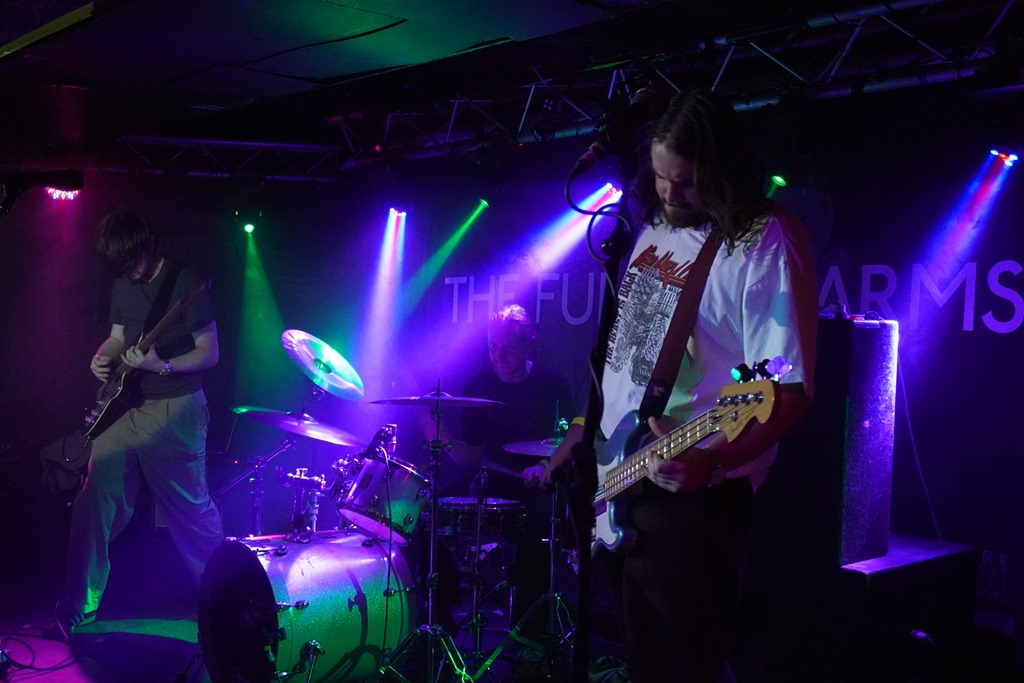
The promoter’s strategy of booking a local / student / uni band to open up is one that rarely fails, and there’s a significant turnout early doors for ATKRTV. It helps that they’re good, albeit an acquired taste and not your average uni band. Operating in the classic power trio format, their primary inspirations are clearly US noise rock and grunge – there’s a bit of the Jesus Lizard here, a dash of Sonic Youth and Shellac there – as well as UK 90s noise that makes nods to the likes of Fudge Tunnel and Terminal Cheesecake – but there’s a lot going on, with hints of avant jazz in the blend, too. They’re a bit rough round the edges, but there is a musical style which is forgiving of this, and the jagged jarring juxtapositions of squalling guitar work with some meaty bass work evidences a technical ability beneath the surface of the feedback-strewn tempest. And while the banter might need some work, the songs are a glorious angular explosive racket, and they give them a hundred percent. And this is why it’s always worth getting down early doors. Every headliner was a support act once, after all.
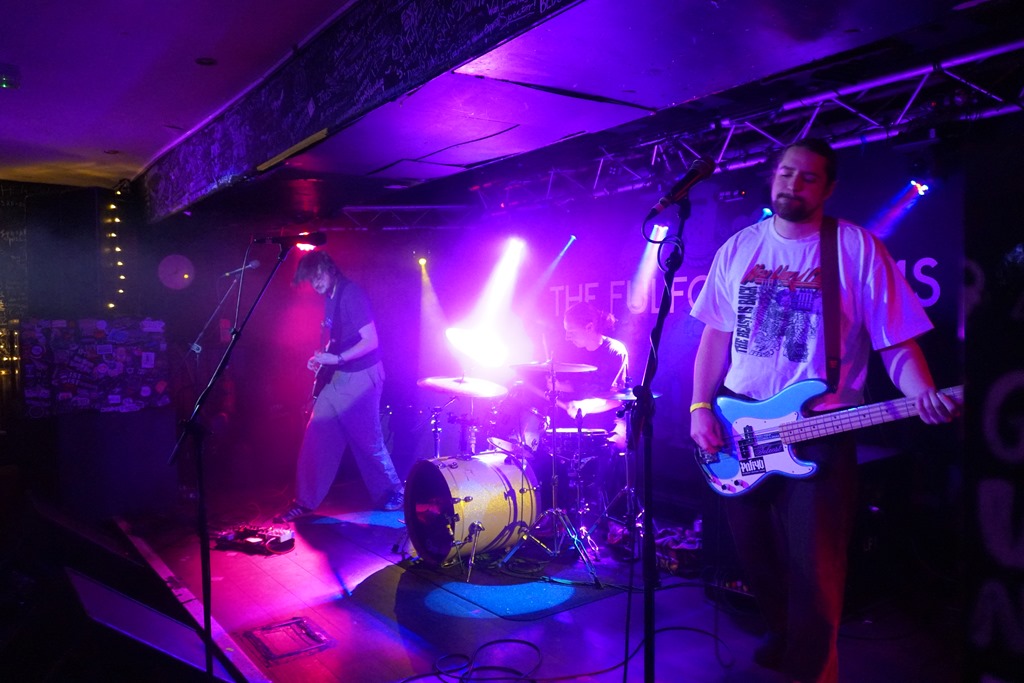
DSC05224DSC05185

In my recent review of that debut album, Atavism, I commented on how the challenge would be for them to replicate the live sound in the studio. This is because their life sound is simply immense. There really is no other word for it. And this is not volume simply for the sake of it: this is volume as an expression, volume which renders the music physical, volume without which certain frequencies and tonalities, so integral to their sound, would not be achievable. Their performance in this same venue back in February was spellbinding, and I came tonight in the hope of replicating that experience. And oh yes, I did, and then some: Teleost seemed to take things to the next next level tonight.

Theirs is a subtly different take on the whole droning doom / stoner form, incorporating almost folky elements in the way that more recent Earth albums do. And instead of being solely about bludgeoning riffery – and hell, there’s plenty of that – there’s a rare attention to detail, not just in the delicate picking and soft cymbal splashes in the quieter moments, but in the full-spectrum sonic experience they conjure. And yes, conjure is the word: this is a world of magic made with a mystical blend of musicianship, amps, pedals, and something else quite indefinable. The way Leo Hancill uses a standard guitar, played through a substantial but not extravagant pedal set and two amps, to cover the range of both guitar and bass is spectacular in itself, but what really makes their sound unique, and it’s so easy to lose yourself in the timbre and texture, the way the sounds reverberate against one another to create this sensurround experience.

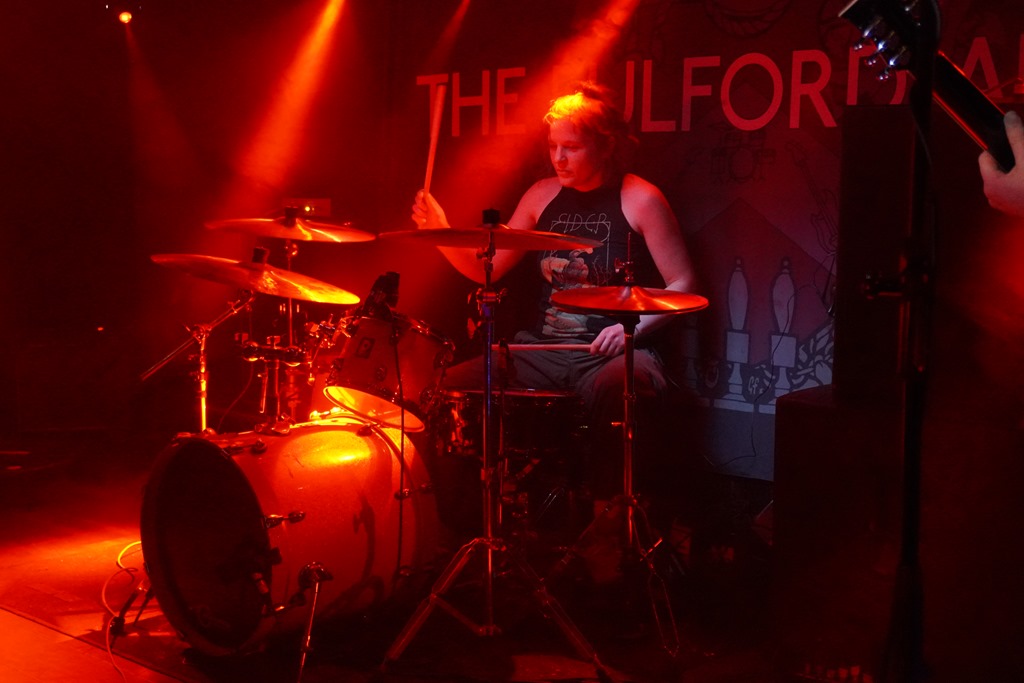
DSC05272DSC05244DSC05267

Teleost

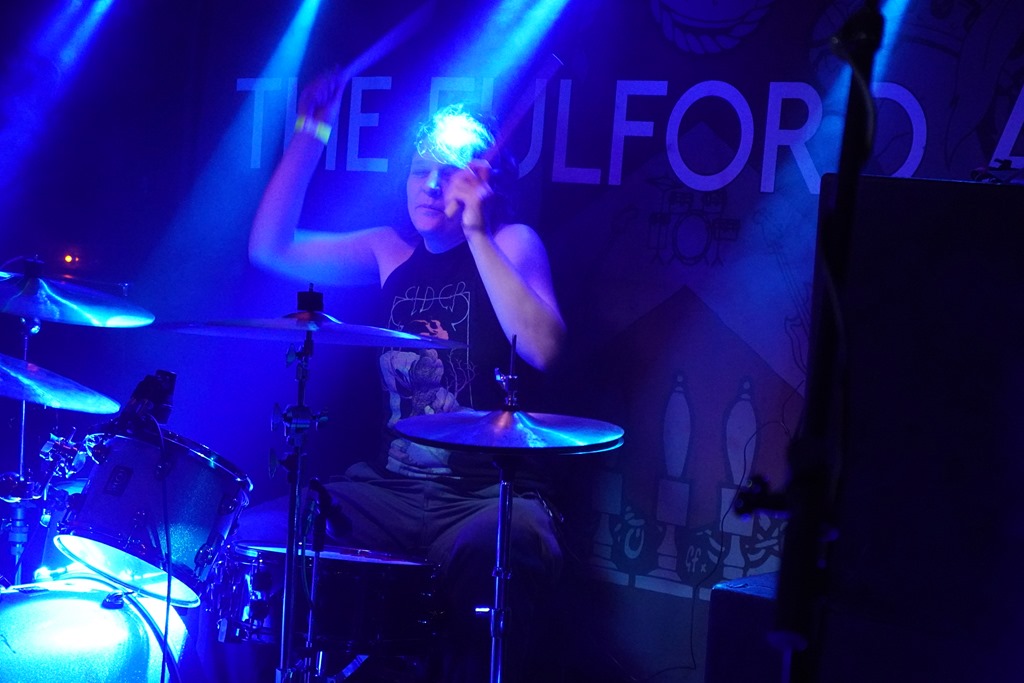
Once again, I find myself truly mesmerised by Cat Redfern’s ultra slow drumming. What’s most remarkable is how effortless she makes it appear. Granted, her sticks are batons, but she is still an immensely hard hitter please with absolute precision. Yet she plays with an order of serenity, her expression calm, almost a smile, although it’s clear that’s behind this is intense concentration, and perhaps an element of telepathy between herself and Leo. Certainly the intuition between pair is remarkable, and no amount of rehearsal alone can achieve this level of tightness. The way they navigate the peaks and troughs, spinning elongated quiet passages, where they reduce everything to a hushed hum and the tinkle of a cymbal before bringing in a cataclysmic riff with pinhead precision is nothing short of phenomenal. And for all the noise, the experience is remarkably calming.

Before Teleost, there was PAK40. But with basis / vocalist Andy Glen now resident in Germany, and Leo Hancill living in Glasgow, activity from this former York duo is now extremely rare. That they’re touring with Teleost, having released a new EP simultaneous with the Teleost album makes economical sense, but also represents a significant feat of co-ordination.

It’s not difficult to identify the origins of Teleost when listening to pack 40. They’re certainly slow and heavy. But their style draws more overtly on the Sabbath-based doom sludge template, and there much more overtly metal. In places, they present a sort of blackened New Age metal hybrid. There’s also something more direct about their drum / bass combination. But oh, that bass. The thick, tearing distortion when the riffs kick in are agonisingly close to brown note territory: you feel your ribs rattle and your skin quivering.

In contrast to Cat Redfern’s zen drumming, Leo drums with his face, and in contrast to Hanclil’s slow nodding guitar style, Andy Glen goes all out with some unrestrained headbanging as he unleashes the most pulverising bass riffs. PAK40 are harder, and more abrasive. And this is why the double-header works: for all of their similarities, the two bands bring different shades of heavy. And they’re both intense, physical forces.
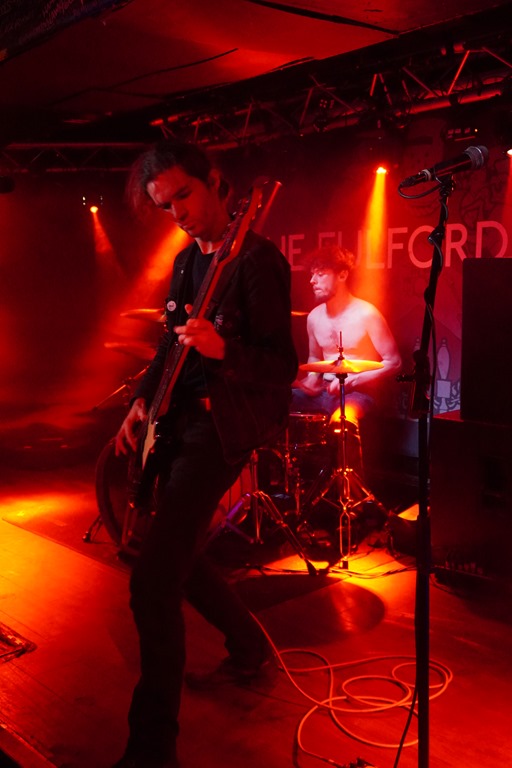
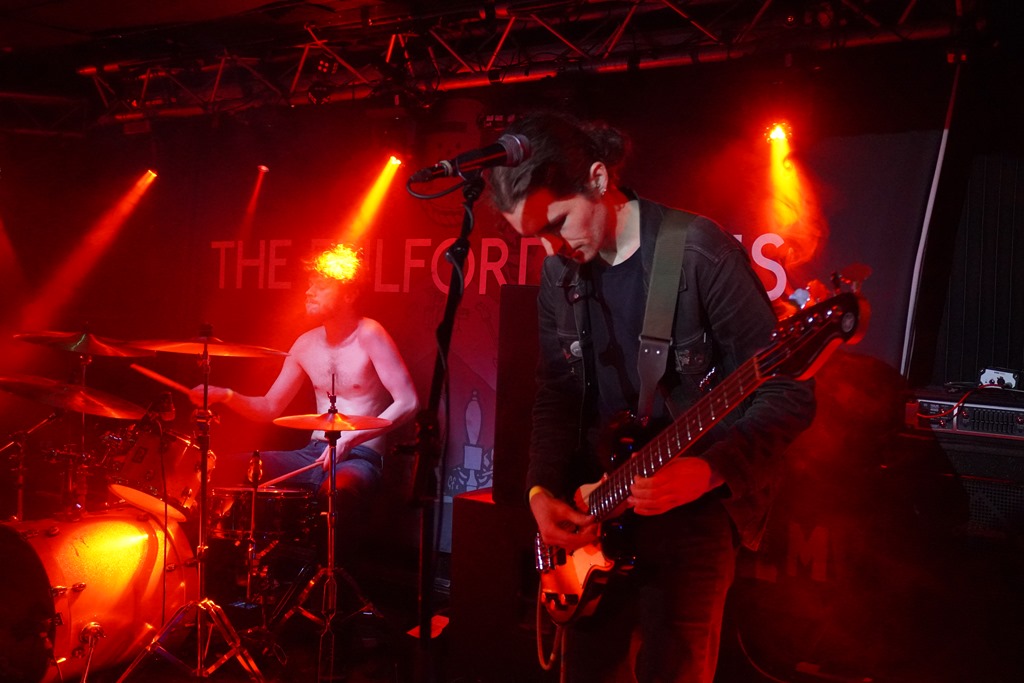
DSC05300DSC05280

PAK40

I babble some shit to people on the way out. I think I got away with it, because everyone is equally dazed. We’ve been blitzed, blown out of our minds and shaken out of our skins tonight by a musical experience that borders on transcendental. It’s a cut above your average wet Thursday night in December, for sure.

Puerto Rican trio Ender announces their upcoming EP, Ender II: In Silent Throne, scheduled for 20 February 2026 via Praetorian Records. As the first preview from the EP, the San Juan group is now streaming “The Obelisk,” a track that deviates from their progressive doom foundation by embracing a sharper, tech-death-leaning intensity. Exploring themes of sorrow, defiance, and personal struggle, the EP represents not only their growth as musicians but also their commitment to pushing the boundaries of progressive doom and giving back to the metal scene that continues to inspire them.

Of the track, Ender states: “‘The Obelisk’ is a song about the collapse of faith, confronting what happens when something once sacred becomes corrupted. It reflects the tension between devotion and disillusionment, a theme that runs through the core of our forthcoming EP, In Silent Throne. Musically, it captures who Ender is at this moment: heavy, emotional, and unafraid to explore darkness through sound. This track marks the first step into the atmosphere and intensity that define the new era of the band.”

AA

e42c4a64-81d3-b52e-f6c0-7704639d8281

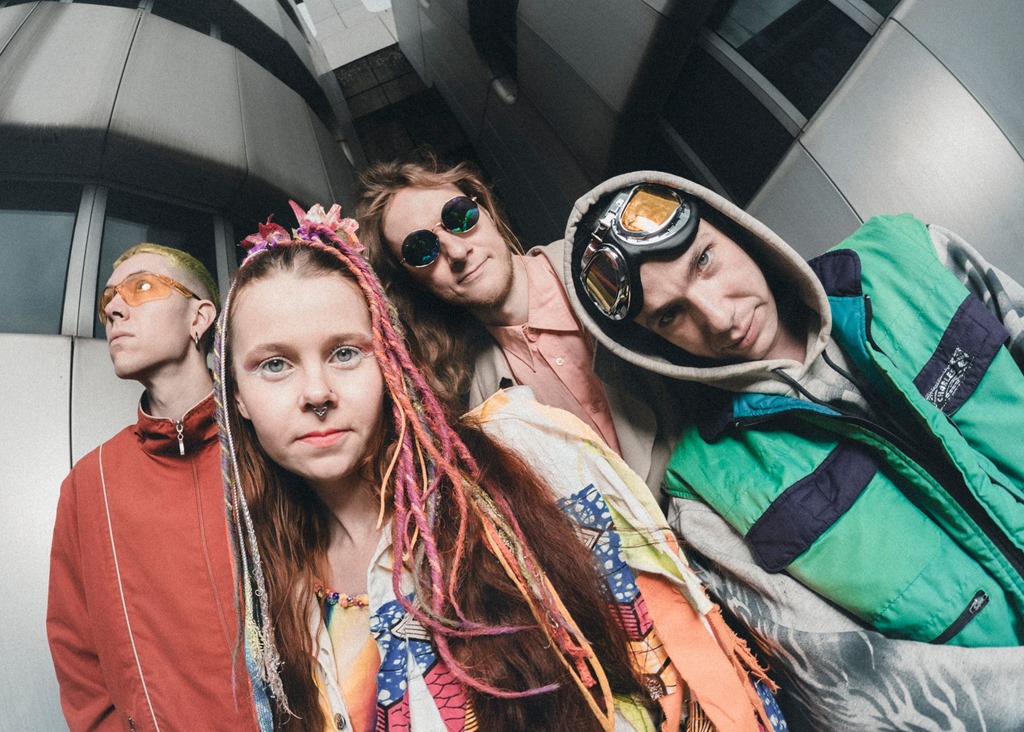
Ender band photo by Christian Reyes

1st December 2025

Christopher Nosnibor

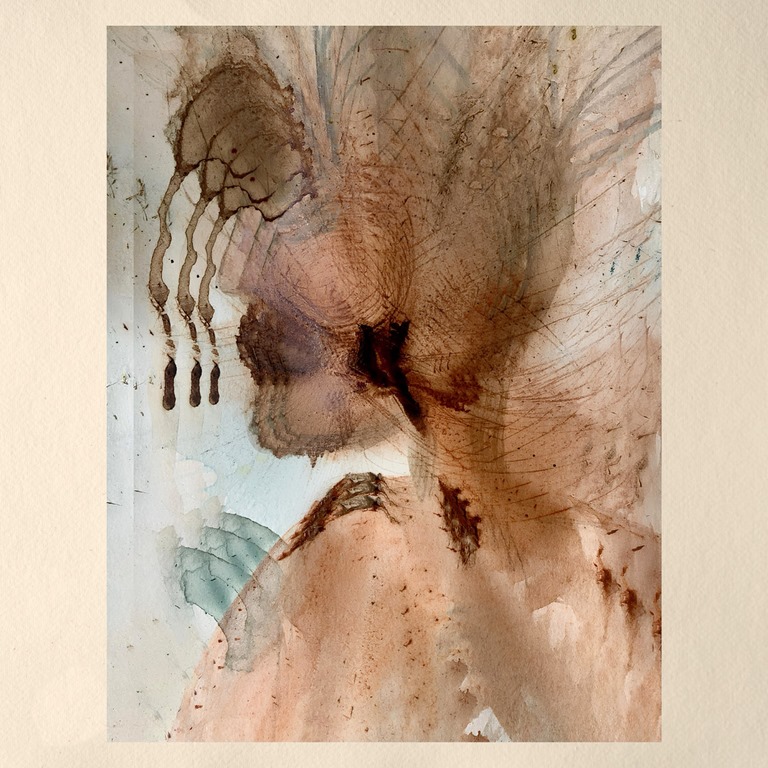
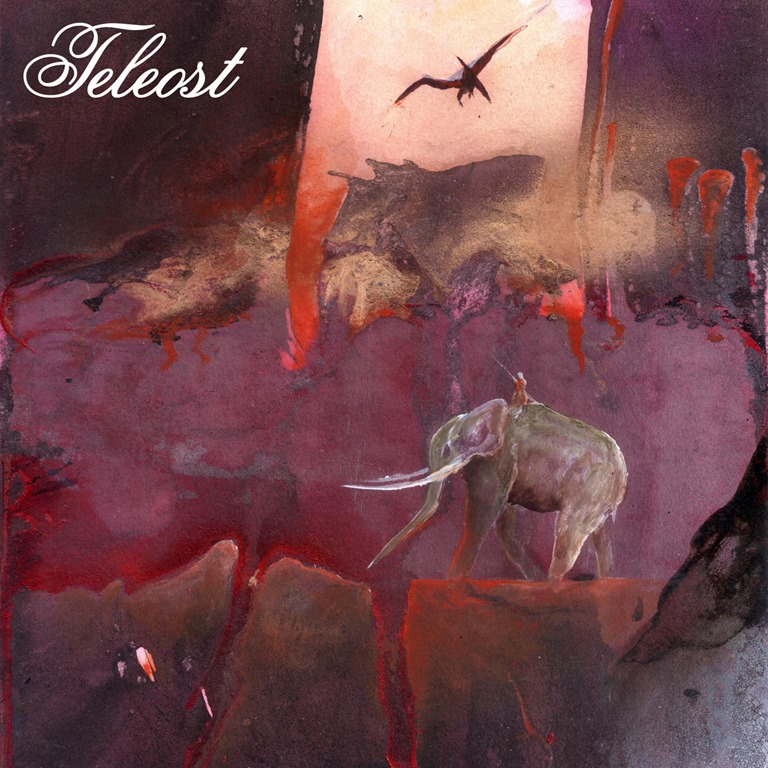
Since relocating to Glasgow, Teleost have been forging ahead, first with the release of the Three Originals EP at the start of the year, and now, bookending 2025 – which has seen the duo venturing out live more often – with their full-length debut. And it’s definitely got length: five tracks spanning a full fifty minutes. But it’s got girth, too. Atavism is everything they promised from their early shows – amplified. In every way. With five tracks, and a running time of some fifty minutes, Teleost have really explored the epic space they conjure with their monolithic, crawling riffery, pushing out further than ever before – and with more gear than ever before.

Despite there only being two of them, you have to wonder how they fit all that kit into a studio, let alone a van. They’re not quite at the point of Stephen O’Malley – who had to play to the edge of the stage at the Brudenell when playing solo in Leeds some years ago because the backline barely fit – but at the rate they’re amassing equipment, it’s probably only a matter of time. But this isn’t the accumulation of stuff for the sake of it: this is a band obsessed with perfecting its sound, and then going beyond and taking it to the next level. Volume is integral to that, in the way that it is for Sunn O))) and Swans – and again, not for its own sake, but for the purpose of rendering the sound a physical, multisensory experience. And also because volume facilitates the creation of tones and frequencies simply not possible at lower volumes.

The challenge for any band who rely on these quite specific conditions live is to recreate not only the sound, but the sensory experience, the full impact, when recorded. Recording compresses, diminishes, boxes in and packages something immense, compacting it to something… contained, confined, in a way that a live show simply isn’t. Live, there is movement, there is the air displaced from the speakers, there are vibrations, there is an immediacy and margin for error, all of which are absent from that ‘definitive’ documented version.

‘Volcano’ conjures atmosphere in spades, a whistling wind and tinkling cymbals delicately hover around a softly-picked intro, before a minute or so in, BAM! The pedals go on and the riff lands, and hard – as do the drums. Slow, deliberate, atomic detonations which punctuate the laval sludge of the guitar, which brings enough low-end distortion to bury an entire empire. The vocals are way down in the mix and bathed in reverb, becoming another instrument rather than a focal point. The pulverizing weight suddenly takes an explosive turn for the heavier around the mid-point, and you begin to fear for your speakers. How is this even possible? They do pair it back in the final minutes, and venture into the earthy, atmospheric, timbre-led meanderings of Neurosis. By way of an opening, this twelve minute track is beyond monumental.

They may have accelerated their work rate, but certainly not the tempos of their tunes: ‘Bari’ – which may or may not hark back to the band’s genesis, when they performed as Uncle Bari – rides in on a wall of feedback and then grinds low and slow. They really take their time here, with ten full minutes of jarring, jolting riffery that’s as dense as osmium. Turn it u and you can feel the hairs in your ears quiver and your cells begin to vibrate.

Where Teleost stand apart from other purveyors of slow, droning doom is in their attention to those textures which are grainy, thick, and each chord stroke hits like a tsunami making land reach, a full body blow that almost knocks you off your feet.

But for all of the annihilative volume and organ-bursting weight, Atavism is not an angry or remotely violent record: these are compositions concerned with a transcendent escape, and this is nowhere more apparent than on the mid-album mellow-out, ‘Life’, which offers strong parallels to more recent Earth releases. A slow, hypnotic guitar motif is carried by rolling cymbal-dominated drums. I find myself yawning, not through boredom, but relaxation – until four and a half minutes in when they bring the noise once more, and do so with the most devastating force.

AA

Penultimate track, ‘Djinn’ is contemplative, reflective at first and then goes on an all-out blow-out, seemingly more intense and more explosive than anything before it. While growling droning rumbling is the album’s defining feature, there does very much feel like there’s an arc of growing intensity over its course. Here, the vocals feel more skywardly-tilted, more uplifting in their aim to escape from the planet, and closer, ‘Canyon’ returns to the mesmeric, slow-creeping Earth-like explorations before slamming all the needles into the red. The result is twelve minutes of magnificent calm juxtaposed with earth-shattering riff heaven.

The fidelity is fantastic, the perfect realisation of their head-blastingly huge live sound captured. The chug and trudge cuts through with a ribcage-rattling density, and there is nothing else but this in your head. You mind is empty, all other thought blown away. It’s a perfect escape. And this is – at least in its field – a perfect album.

AA

a0002754035_10

Combining vintage metal codes, electronic music, and modern musicianship, Holosoil is an atypical newcomer to the prog scene. Formed out of the ashes of a previous outfit, the Berlin/Helsinki-based quartet bring their unique sound and style to InsideOutMusic.

Technical but never scholar, raw and mature, fearless to explore and borrow the codes of numerous genres, HOLOSOIL follows the likes of artists like Björk, The Mars Volta, Muse and Tool.

You can get your first taste with their debut single ‘Look Up’, a raw 3-minute display of energy and technicality, marking the band’s first ever release.

Watch the video here:

AA

HOLOSOIL, formerly known as R3VO, is a band founded in 2019 by Victor Nissim (bass) and Jan Kurfürst (guitar), later joined by Altaïr Chagué (drums). The name change occurred after Emelie Sederholm joined the band as lead vocalist, following the departure of Eleonara Barbato. Although most of the band members are based in Berlin, Germany, Emelie lives in Helsinki, Finland while Victor and Altaïr are both French. The result is a gathering of eclectic musicians, manufacturers of a freaky, explosive and sophisticated sound.

Signed to InsideOutMusic in 2023, the formation was previously featured as R3VO in Metal Hammer magazine, performed at Euroblast Festival 2023 and was notably approached by Trinity Music to open for Scottish band Vukovi.

The release of 3 additional singles will lead up to HOLOSOIL´s debut EP, out in 2026.

AA

WdVi19vw

5th November 2025

Christopher Nosnibor

The early days of goth threw out a host of disparate elements, and there were some quite specific regional variations, too. While Leeds was a hotbed of the emerging scene, what was happening there was stark, bleak, with a certain industrial leaning, likely in part on account of its post-industrial wastelands and the kind of depravation which was rife in the late Seventies and Eighties, but was particularly prevalent in the North. It was quite different from what the more overtly punky Siouxsie and the Banshees were doing, and different again from the art-rock of Bauhaus. And it’s really their 1979 debut single –which was only partially representative of their oeuvre – which is largely responsible for the last forty-five years of the association of goth with bats and vampires and the like. Westenra do very neatly – and legitimately – tie these aspects together, hailing from Yorkshire (Whitby, to be precise) and with a name lifted from Bram Stoker’s Dracula, which famously sees the titular lead character land in Whitby, a place which will forever be synonymous with the macabre, the haunting, the gothic.

Announcing their arrival in 2019, Westenra are relatively new arrivals to a scene that’s creaking with acts who’ve been going for centuries (ok, decades), and in that time they’ve built quite a fanbase, particularly in and around their home county, with a steady flow of releases and an active touring schedule, including some high-profile shows playing alongside The Mission and Theatre of Hate. All of this is well-deserved, as they spin their own blend of – as they pitch it – ‘Goth, Alternative Rock & Metal.’

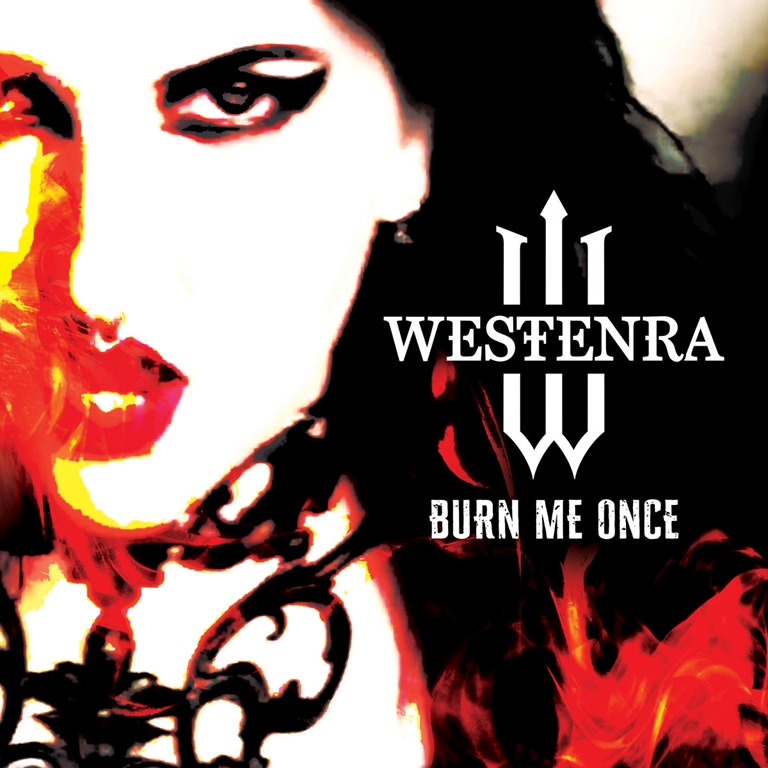
‘Burn Me Once’ does feel like a progression from their 2021 debut full-length, First Light. The production is fuller, bolder, and while the intro track (Monitus) is a densely atmospheric sample-soaked curtain-raiser, it’s only a primer. The band’s massive riff-slinging progress is nowhere more apparent than on the first song proper, ‘Ghosts in the Machine’. It’s got guts, and hints of the expansive vibes of Fields of the Nephilim’s ‘Psychonaut’, due in no small part to the sweeping synths and chunky, hypnotic bass groove, which explodes into a cyclone of bold metal-tinged riffery, against which Luciferia belts out dominant, full-lunged vocals which draw influence from Siousxie, but which are entirely her own style.

‘Sweet Poison Pill’ steps up the atmosphere and the tension, serving up a blend of vintage goth with a cutting metal edge and a dramatic theatricality, aided by layered vocal tracks. It’s bold, it’s epic. There’s a lot going on here: ‘Time’ opens with skittering electronic energy before crashing into a crunching metal Siouxsie-infused attack – and then there’s a whopping great guitar solo which erupts seemingly from nowhere. ‘For All To See’ is a big, bold, riff-led beast of a track that packs the density.

Westrenra sure know how to slide between modes and moods: Burn Me Once is epic in every sense. It’s an album which radiates immense power, and there isn’t a weak track here. Against a densely-woven musical backdrop, Luciferia delivers consistently strong vocals.

With this album, Westrenra deliver on all their promises, and then some, with a set of songs that’s brimming with energy and brooding introspection. And as much as they’re a goth band, Burn Me Once is an album that sees them pushing out in all directions far beyond genre limitations. Ultimately, Burn Me Once is a high-energy rock album with dark undercurrents which course relentlessly, and the quality of the songwriting is outstanding.

AA

a1821740368_10

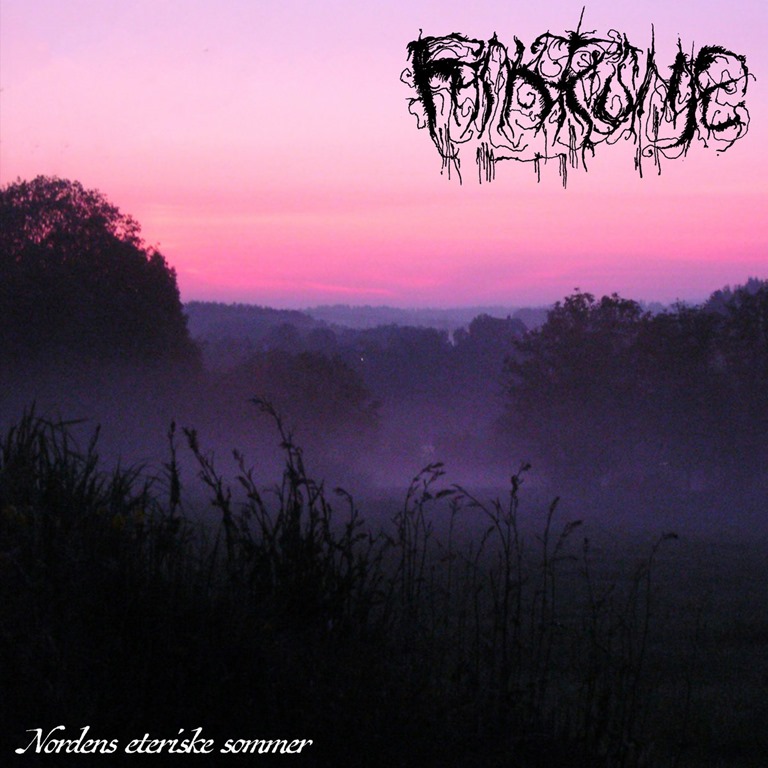
Fysisk Format proudly announce the signing of Fanatisme and the release of their debut album Tro, håp og kjærlighet, set to be released on December 12, 2025.

Emerging from the Norwegian underground, Fanatisme channel the lunatic, forest-worshipping spirit of Ulver and Darkthrone, merging it with the gothic pulse of Christian Death and The Cure. The result is a singular collision of black metal and post-punk, a dark and ecstatic celebration of life, death, and everything in between. Tro, håp og kjærlighet is both unrelenting and reflective, a debut that collapses the boundaries between black metal’s primal fury and post-punk’s spectral beauty.

‘Nordens eteriske sommer’ is the first cut to be aired from the album. It’s a belter, and you can hear it here:

AA

a2526695503_10

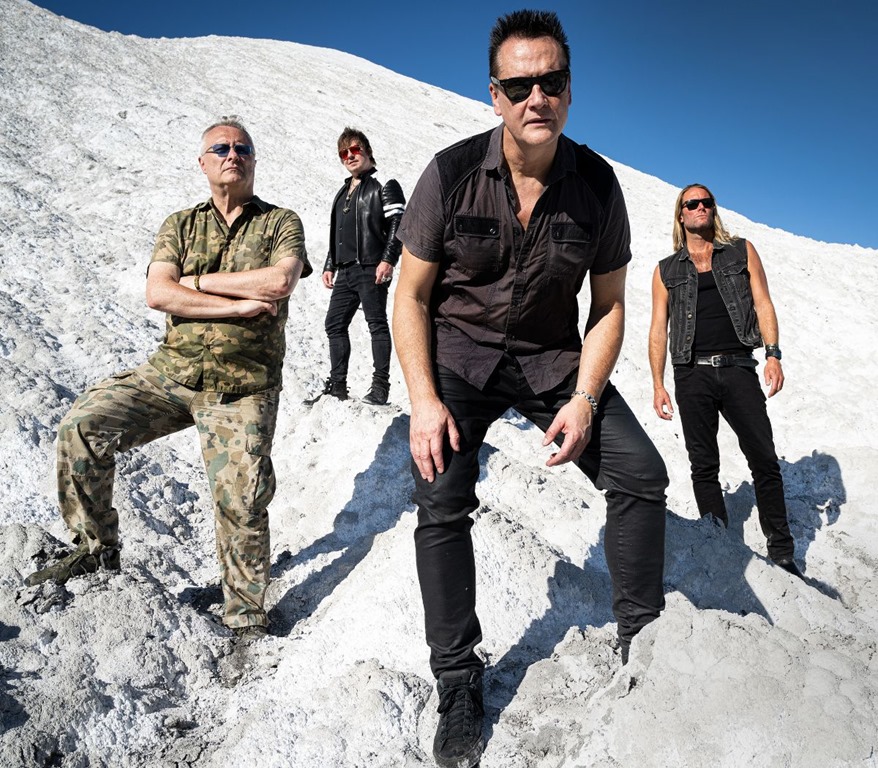
Just back from roads of Europe and full concert halls, Industrial metal legends Die Krupps drop the new video single ‘Will nicht – MUSS!’. This track is taken from the EP Will nicht – MUSS! / On Collision Course that was sold as a hand-numbered collectors’ CD during the already ended and highly successful 45th anniversary tour of this genre defining band.

Due to high demand for the EP, Die Krupps will offer only 45 copies of ‘Will nicht – MUSS!’ as an exclusive 45th Anniversary Gatefold Vinyl edition that is filled with a petrol-green liquid. A limited transparent green gatefold vinyl will also be made available. Both versions will be released on December 12, 2025 and can be pre-ordered at this shop link: https://spkr.store/collections/die-krupps

The Will nicht – MUSS! / On Collision Course EP contains guest contributions and remixes from prominent musicians of renowned acts such as MINISTRY with whom DIE KRUPPS have successfully toured in the US earlier this year. The two single tracks of the EP also offer a first glimpse at the upcoming new album.

DIE KRUPPS comment: “The original idea for ‘Will Nicht – MUSS!’ is based on the classic German movie M (1931), which was directed by Fritz Lang following his huge success with Metropolis, Jürgen Engler explains. “The movie’s subtitle ‘A City Is Hunting for a Killer’, sums up the basic plot. The child-murdering antagonist keeps whistling the main theme from Edvard Grieg’s ‘In the Hall of the Mountain King’ throughout the movie. This inspired us to take Grieg’s melody and add our classic harsh Die Krupps sound to it. The composition came together just as quickly as our 2013 hit ‘Robo Sapien’, which is always a good sign for us. We sincerely hope that you will receive the track just as positively!"

AA

334f5d0e-c52c-d37f-9b2f-aa4a5560bd62

BONGINATOR celebrate their big bad yellow tour-vehicle with the new video single ‘Short Ass Bus’. The New England death metal posse has invited Abel Abarca, vocalist of American hardcore maniacs BIG ASS TRUCK from Inland Empire, CA, and vocalist Colin Richardson from their brothers-in-grooves IGNOMINIOUS to the party and you should totally feel free to join the fun, too!

The track has been cranked from the Americans’ second full-length Retrodeath, which will change the rotation of this planet on October 24, 2025.

AA

BONGINATOR comment: “When you were a kid, did you have to ride the short bus to school?”, vocalist and shredder Erik Thorstenn wants to know. “Wait… that was just us? Anyway, this song is a banger and features our homies Abel Abarca from Big Ass Truck and Colin Richardson from Ignominious. It’s a song about going to school, being covered in drool, and having a big ass. Also the guitar solo is sick. Just saying. No clue, how we will pull that off live. Listen and tell us what you think! But uh… Are you serious that none of you rode the short bus to school?”

ea8f6ffd-81b3-f5f9-a3a6-4fc480ab7ec1

Prophecy Productions – 19th September 2025

Christopher Nosnibor

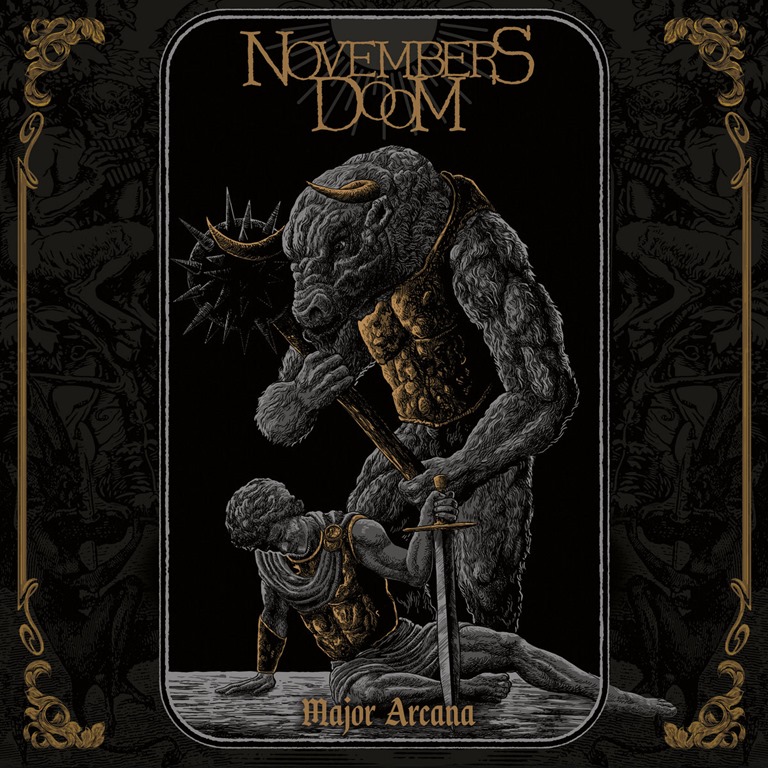
Founded in Chicago, by vocalist Paul Kuhr, Novembers Doom have been going since 1989, and have to date released a dozen albums, if we include their latest offering, Major Arcana, since their 1995 debut, Amid Its Hallowed Mirth.

According to their bio, having started out as exponents of ‘death doom’, they’ve come to formulate a genre unto themselves, ‘dark metal’, which blends their death metal and doom roots with progressive, folk, and classic rock influences. Sometimes, I think I should probably avoid reading bios before listening to releases, because this stylistic summation is somewhat offputting to my sensibilities. I also think bands should check their punctuation – particularly apostrophes – when declaring their name, but I’m a pedant.

As the album’s title suggests, the theme – or concept, such as it may be – revolves around the tarot deck, which originated in the middle ages and has inextricable ties to occultism and mysticism. The major arcana (greater secrets) are twenty-two cards which feature in the 78-card deck used by occultists and esotericists.

‘June’ is not one of them, but this atmospheric piano-pled intro-piece is a well-considered composition which blends neoclassical instrumentation, underpinned with a sense of foreboding, and menacing vocals, makes for a suitable appetiser. The songs are not all specifically focused on a specific card, but instead explore their meanings and more.

These are some long songs, extending past the five-minute mark and well beyond, and the scale of the ambition – both conceptually and musically – is clear. The sound is cinematic in scale, the production is clean and expansive, the drumming switching from double-pedal thunder to more standard four-four beats adding emphasis to a solid guitar sound.

It turns out that the bio is fairly accurate. Sometimes, they hit a crunching metal groove that’s burning with churning distortion and snarking guttural vocals, as on ‘Ravenous’, a powerful blast of infinite blackness. These moments are charred gold.

But as songs like the title track and ‘Mercy’ find the band easing into more melodic territory, emanating progressive, and in places, vaguely folk vibes. On the latter, they cross towards Black Album-era Metallica – by which I mean the mellowness of ‘Nothing Else Matters’, and such serious emotive efforts feel somehow wanting. In the main, they’re better when you can’t make out the lyrics, but more than that, it’s not easy take the overly bombastic, overwrought thing delivered with a straight face entirely seriously.

AA

‘The Dance’ brings a magnificent chugging riff that just goes on and on, relentlessly, and it’s satisfying and solid. But the vocals, gritty but tuneful, feel like a bit of a letdown in contrast. Perhaps it’s the context, which makes melodic tracks sound simply weak in contrast to the might of the full force they demonstrate elsewhere. Perhaps it’s just my personal preference. I can handle diversity and range across an album, but there’s a sense that Novembers Doom are simply striving to cover too many bases here, or otherwise show a lack of focus. Either way, as bold and ambitious and well-played as it is, and despite the thematic framework, Major Arcana isn’t particularly cohesive, switching styles hither and thither without really pulling things together. The eight-minute ‘Bleed Static’ is a standout by virtue of its sustained menacing atmosphere, and while it’s as guilty of the Metallica-isms and folk appropriations as other tracks, it’s realised in a way that feels more committed, and there’s a mid-point crescendo that lands nicely and everything falls into place… and I suppose it’s against this benchmark that other tracks fall short.

I doubt existing fans will be deterred by any of this, but, objectively, Major Arcana isn’t bad, but it is patchy, an album that’s mired in metal cliché and fails to scale the heights of its ambition.

AA

a4251308479_10