Posts Tagged ‘Darkwave’

Projekt Records – 9th December 2025

Christopher Nosnibor

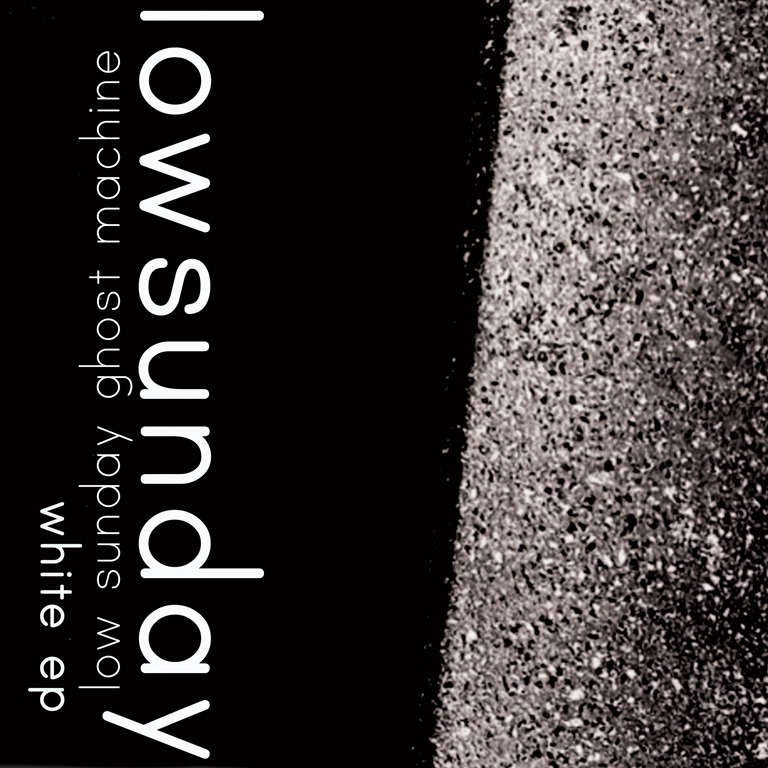
Woah, wait. 1999 is more than 25 years ago? Logically, I can grasp this. But the fact that lowsunday have existed for some thirty years and have been dormant since 1999 meaning this is their first material in over twenty-five years is still difficult to comprehend. It does very much seem to be a more common occurrence in recent years that bands who existed comparatively briefly in the 80s or 90s are reuniting and returning with not only new material, but strong new material. It may be a rather different league, but the last thing I expected last year was a new album by the Jesus Lizard, and that my first gig of 2025 would involve David Yow flopping off the stage and directly onto my face in the opening thirty seconds of the set. Lowsunday formed in 1994: the year Kurt Cobain died, the year I started university, the year of my first job as a reviewer. It feels like another lifetime. It probably does for them, too.

It may be pitched as a blurring post-punk, shoegaze, dreampop, and darkwave, and also as being for fan of The Chameleons, ACTORS, The Cure, Modern English, Clan of Xymox, Then Comes Silence, TRAITRS, but that thumping bass groove and pumping mechanoid drum beat on the EP’s opener, ‘Nevver’ is as trad goth as it comes. But the squalling noise that envelops the vocals – swathed in echo and low in the mix and taking direct cues from The Cure circa Faith and Pornography – is something else, a melding of My Bloody Valentine and The Jesus and Mary Chain with a dose of early New Order, Danse Society, and The Chameleons swirling around in there. And out of this swampy post-punk soup cocktail emerges a song of quality which really recreates that early eighties dark groove.

‘Call Silence’ goes straight for the sound of The Cure circa ’83, the singles on Japanese Whispers. And that’s cool: if you’re going to lift from early 80s gothy pop, you could certainly do far worse than ‘Let’s Go to Bed’ and early New Order as an inspiration – the bassline is pure Peter Hook. The production – and the strolling high-fretted bass work – really hits the spot, although it should be perhaps noted that they really do sound like a band born in 1982 rather than 1994. I guess they were retro before their time.

Paired with chiming guitars, it’s the monster snare smash that really leads – and grabs the attention on ‘Soft Capture’, a song that unashamedly draws on Ride and My Bloody Valentine, and pairs that wash of sound and monotone vocals with a drum sound straight from 1984. The fall from favour of the dominant snare feels like a loss, but there’s no time for lamentations as they pile in with another claustrophobic read goth groover in the shape of ‘You Lost Yourself’. Here., I can’t help but feel the vibes of late 90s goth acts like Suspiria and the scene around that time. It’s well-executed, with fractal guitars tripping over pumping drum machines and throbbing bass.

Closing with single cut ‘Love language’ sees the band strive for low-key anthemic with dreamiest and most overtly shoegaze song of the set. With the vocals drowning in a sea of reverb amidst a swirl of guitars, its detachment is its emotional power, perversely enough. And then, unexpectedly, it stops.

Everything about the White EP is simply magnificent – the way the songs are composed and played, the production, the overall feel. And while retro is all the rage – and has been for a while now, since postmodernism has eaten itself and the entire world has collapsed into endless recycling and nostalgia for ersatz reimaginings of golden bygone times. But sometimes a release will appear, seemingly from nowhere, that radiates a rare authenticity, and reaches the part others don’t. Lowsunday’s White EP is one of those.

AA

756671

Christopher Nosnibor

13th September 2025

It is impossible to escape AI now, and its ubiquity has arrived at a shocking pace, its acceleration seemingly exponential. You can avoid social media, but can you avoid computers or mobile phones for even more than a few hours? The news – beyond the main headlines, at least – is abrim with reports on how it’s affecting us as individuals, as a species, and the environmental impact. I watch a training video at work: it’s presented by AI actors who move their arms in strange ways and occasionally mispronounce a word in the worst way. Meanwhile, management want us to save time on report-writing by using Copilot. Drained by all of this, I go to the pub for soe decompression time, and the talk is of how jobs are being undermined by AI, and some guy’s got a video AI made using just a photograph. Why? Why do we need this? We don’t, of course, but it’s novel, mindless entertainment that can be created in seconds. Increasingly, it feels like we’re volunteering ourselves for virtual lobotomies. Despite the fact that the current technoscape is every sci-fi dystopia playing out exactly as told in real-time, it seems the majority of people are more than happy to embrace AI. Even writers, artists, and the like, present themselves as ‘curious’ and will engage with AI for prompts or to brush up something they’ve done. But the fact it that it’s a slippery slope, which gets steeper and steeper and further down is an abyss that plunges straight to hell. The worst of it is that it’d becoming increasingly difficult to separate real life.

One of the issues I have personally is that just as every significant technological advancement since the Industrial Revolution brought the promise of more leisure time by making work lighter, the opposite is true – unless you consider unemployment and life on the breadline to be leisure. AI isn’t saving time by vacuum cleaning the house, hanging up the laundry, putting the bins out or doing the school run: it’s simply devaluing creative skills. Anyone who has read an AI-generated article, heard an AI-assisted song, or seen some AI-created art will know that there’s something ‘off’ about it, that it’s soulless and vaguely alien. Meanwhile, the world seems to be spiralling into a cesspit of animosity, hatred, and division. Something happened during the pandemic which meant that when we all emerged from lockdown, war and rage and unspeakable cuntiness exploded on a scale beyond articulation. It’s no wonder people are struggling with life right now.

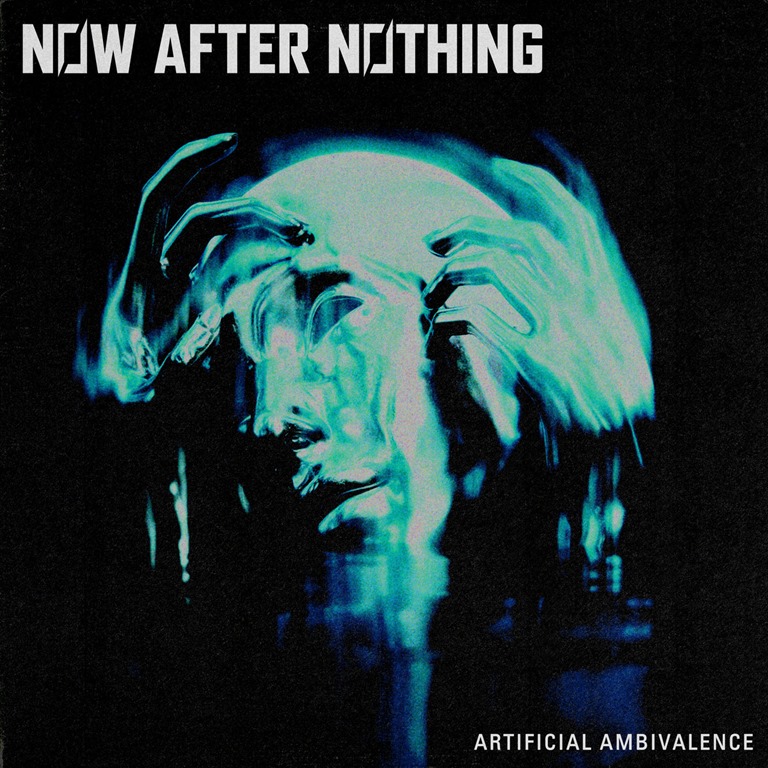
Now After Nothing is, in some respects, a therapeutic escape from all the shit. Multi-instrumentalist Matt Spatial paired with Michael Allen after what he describes as ‘a relatively difficult time in my life [where] I had become lost and depressed without a creative outlet with which to express myself’. There’s much to say that creativity – and exercise, both physical and mental – are the best self-maintenance. Listening to this EP, it’s clear that Spatial is really pouting everything into this.

His comments on the EP are worth quoting: “Artificial Ambivalence, as a concept, to me represents the state of feeling lost and/or the ‘shutting down’ from the negativity and toxicity around each of us,” Spatial explains. “They say ‘ignorance is bliss’, but in the (mis-)information age we seem to have reached a point of being pummeled into exhaustion from the constant barrage of negativity. For some, while the desire is stronger than ever to make positive change in the world, we might get derailed by feelings of helplessness, hopelessness, and being powerless in a society that seems to increasingly favor only one set of values. For others, it’s the choice to conveniently ignore the inhumane atrocities happening in our society when those atrocities don’t directly impact that individual.”

Of the music, there are references to ‘goth-glam grooves slick with sweat, raw enough to leave a mark’ and a nod to the fact that ‘fans have called it “S&M disco,” a sinister shimmer of punk, industrial grind, and nocturnal new wave.’

The first thing that strikes on the first listen of this EP is the energy. Everything is up-front and it lands like a proper punch in the face. Big, gutsy riffs underpin some sinewy lead guitar parts, driven by some explosive percussion and sturdy, throbbing bass. Straight out the traps, ‘Sick Fix’ blends post-punk and grunge to create a hard-hitting blast, and one that’s got hooks and melody in spades, too, with hints of Big Black in the background. It sets the bar high, but ‘Criminal Feature’ hurdles it effortlessly.

Slowing the pace and changing not only the tempo but the mood, the piano-led ‘Holly’ broods hard and is unashamedly mid-80d goth in its vibe, but also incorporates more post-millennial post-punk and goth in its genetics. The result is – to wheel out a cliché – anthemic. And it is, of course, the perfect mid-set slowie, which sets things up for the chugging, bass-driven beast that is ‘Fixation Fantasy’, a track that’s more 90s alt-rock than post punk or goth. More than anything, I’m reminded of psychedelic grunge also-rans Eight Storey Window in the ear for melody and the emotional heft delivered by some achesome riffs delivered at an intense volume.

‘Dare’ brings some dark pop intimations paired with some searing guitar work which lands like a post-rock Placebo crossed with Salvation – that is to say, it’s richly immersed in that mid-80s Leeds sound. It’s inspired stuff, and then some. Closing off, single release ‘Entangled’ offers glorious shoegaze gentility before breaking into a magnificent slice of synthy post-punk with some massive guitar. Artificial Ambivalence is better than ‘all killer’ (which it is) – it’s next-level solid quality and absolute gold.

AA

a3532593873_10

Atlanta, Georgia – based darkwave act, NOW AFTER NOTHING has unveiled their latest video for the single, ‘Entangled’.

‘Entangled’, the final track on the band’s latest release, Artificial Ambivalence, is a song about the reality of being completely enveloped in those people (or things) that do little more than stir massive amounts of chaos and anguish into our worlds. Lyrically, the song represents a moment of clarity as the protagonist begins to physically and emotionally struggle with trying to separate themselves from the situation.

The concept behind the video was to reimagine the lyrics through a sequence of hazy and mostly dreamlike scenarios as if to echo memories, feelings, and a general flood of emotions.

A highly unorthodox song to release as a single with its near two-minute long, dreamy instrumental introduction and unique song structure, ‘Entangled’ is a favorite of NOW AFTER NOTHING founder, Matt Spatial: “It’s one of my most favored songs that I’ve ever written. I felt very strongly about wanting to bring a visual dimension to it.  From the soothing intro through to the climactic cacophony of multiple, intermingling voices (representing the chaos and intensity of emotions) it is certainly the most ambitious song I’ve ever written and recorded.”

AA

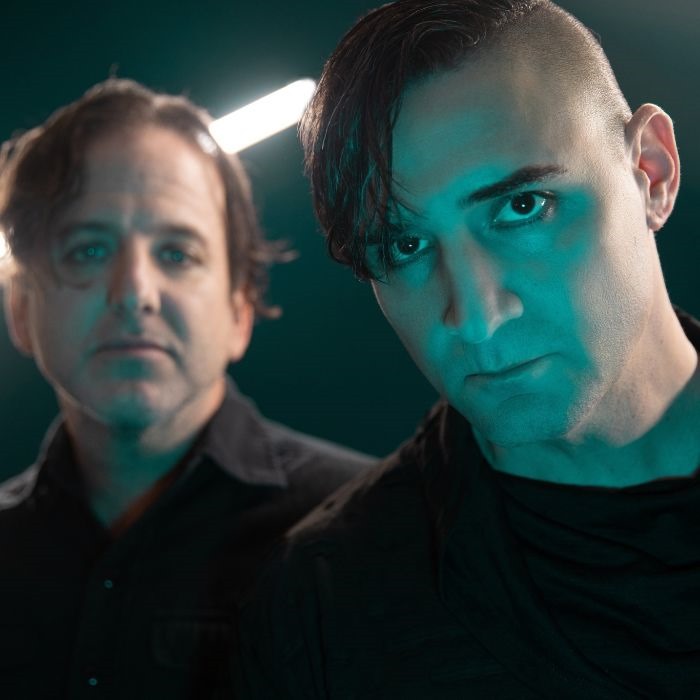
Atlanta indie darkwave duo, NOW AFTER NOTHING strikes with a thrum and thrill. Songwriter Matt Spatial is a multi-instrumentalist with a flair for the fierce, joining forces with drummer Michael Allen. Together, they twist classic roots into modern reverberations, sparking a sound that’s as sinuous as it is savage. There’s My Bloody Valentine’s lush lilt and Sonic Youth’s fierce, unfiltered power.

Spatial melds these influences into something electric and exhilarating—goth-glam grooves slick with sweat, raw enough to leave a mark. Fans have called it “S&M disco,” a sinister shimmer of punk, industrial grind, and nocturnal new wave.

“Starting this band was a return to music for me, and more so a reclaiming of my identity, after a relatively difficult time in my life,” Spatial reflects. “I had become lost and depressed without a creative outlet with which to express myself…”

NOW AFTER NOTHING released their first single, ‘Sick Fix’ in January, 2023, and the road leading toward the album’s release in September, 2024 was a bruising one: pain, self-reckoning, and restless nights shaped each song. That agony bore fruit, however, landing the band a #15 spot-on the Deutsche Alternative Charts just a month later.

True to their namesake, Matt Spatial’s lyrics stitch together themes that bite and burn—social, political, personal truths—into instrumentals layered with darkness. Each of the six tracks on Artificial Ambivalence tells a tale: sometimes blunt, sometimes blurred, about lives twisted in familiar binds, a story born from someone’s raw reality. At its core, Artificial Ambivalence lays bare toxic ties—to others, to addictions, to the churning echo chambers of social media, news, and power.

Artificial Ambivalence, as a concept, to me represents the state of feeling lost and/or the ‘shutting down’ from the negativity and toxicity around each of us,”  -  Matt Spatial

The album was mixed by Carl Glanville (U2, Joan Jett) and mastered by John Davis and Felix Davis. Additional guitar work from Mark Gemini Thwaite (Peter Murphy, Gary Numan, Mission UK) can be heard on ‘Sick Fix’ and ‘Dare’.

AA

1b5829ea-6735-27ef-1104-4d9f2b6a5123

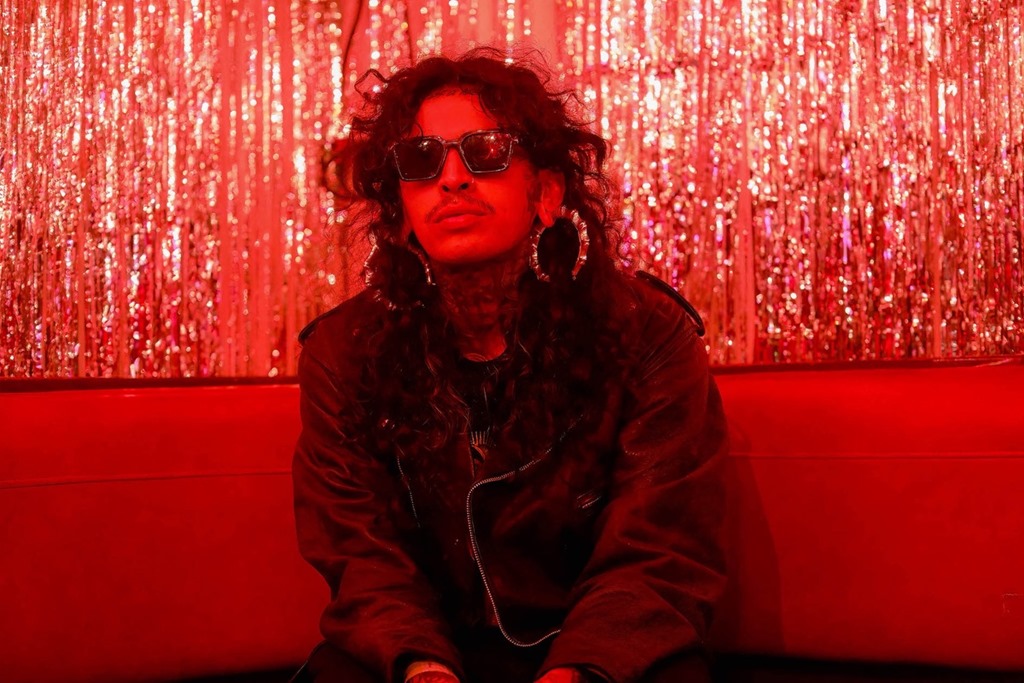
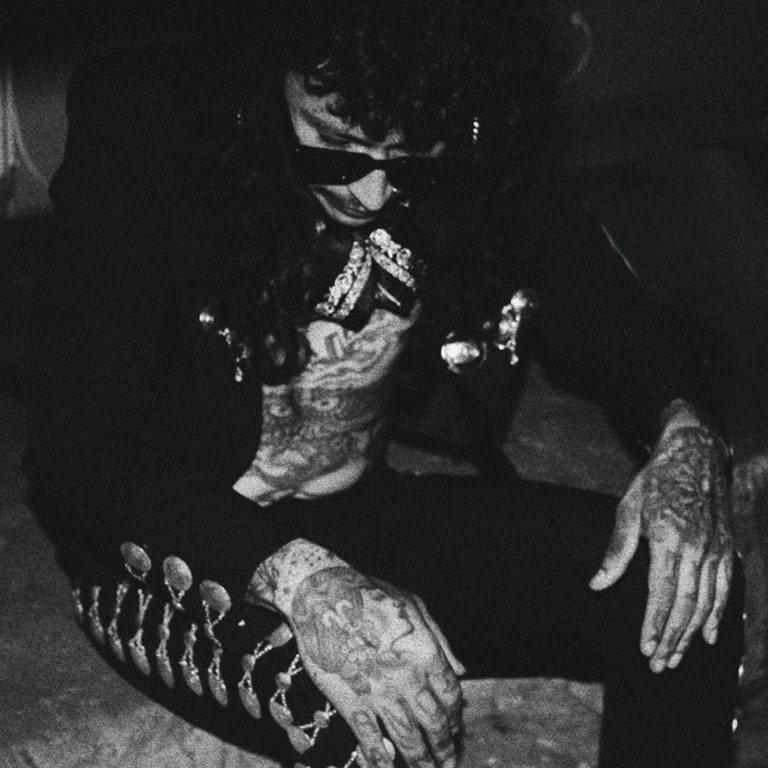
Based in the Texan city of San Antonio, darkwave/synth punk artist Night Ritualz (aka Vincent Guerrero IV) weaves deep Latin influences into his songs, blending English and Spanish lyrics with music that combines atmospheric soundscapes suffused with pulse-pounding beats to tell stories that are both deeply personal and universally relatable.
New single ‘Brown Skin’ is the first track to be teased from a new album out in early 2026. An unapologetic expression of identity, struggle and survival, the song blends personal storytelling with social commentary, confronting feelings of displacement, family separation and the weight of heritage. The song lyric is sharp and direct, carried by a vocal delivery that makes every word hit like a protest chant.

“This song is about resilience – working hard every day, facing systems that try to erase you and still standing strong with pride in where you come from,” explains Night Ritualz. “The repetition of the hook and the outro were designed to channel frustration into power, making it both deeply personal and universally relatable.”

AA

1e66c7cffb6e823040ee714e932ff698cdd68a50

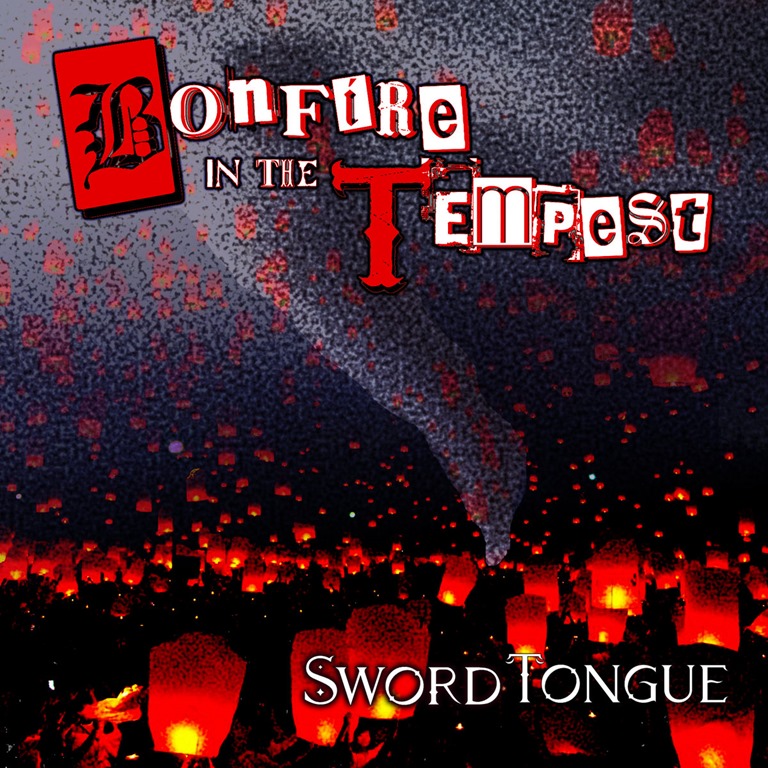
Oakland-based alternative rock / darkwave trio Sword Tongue presents the video for ‘We Are The Resistance’ , a dark gem showcasing their explosive fourth EP Bonfire In The Tempest. Galvanized, song by song, during our current age of cultural upheaval, this release is bursting with raw emotion and tempered by sophisticated production, launching the band into uncharted territory.

This EP is a love letter to the music we all loved in the 90s. Long delays, lush chorus sounds, deep flanges and modulations – a guitar tone chaser’s dream, married with deep distorted growling bass lines, hard driven drums and pulsing, electronic dance beats provide the texture over which soaring female vocals triumph. At times a whisper, and other times a roar, each song crafted in the crucible of these modern, unprecedented times.

In these five loaded tracks, vocalist Jennifer Wilde delivers alluring vocal lines that oscillate between a croon and a roar, seduction and rage. Gaetano Maleki’s signature shimmering guitar tones and bass lines mesmerize and ensnare, while Dan Milligan’s intricate drum lines drive the message and become the heartbeat of this sonic tour de force reminiscent of the 90s.

Capturing the essence of 90s alternative music, reimagined for a new era, Sword Tongue weaves together rock, industrial, shoegaze, post-punk and trip hop, giving voice to anguish, anger, transformation and triumph. Pulling from an array of musical styles, from electronic music to space rock, the band earlier shared the single ‘Diamonds To Rust’.

“Originally, this album was meant to be more of a danceable opus with a trip hop flavor. However, after the U.S. Presidential election, we realized that our album had to carry a more specific message on the current pollical climate, on aging, and on transitions. We wanted to give voice to the frustration, the anguish, the strength, and the hope in all of us,” says Jennifer Wilde.

AA

AA

Debuting in 2020 during the pandemic, Sword Tongue creates dark music for dark times, casting a shadow of hope in the twilight. Formed by husband-and-wife duo Gaetano Maleki and Jennifer Wilde, the project is their love language and the culmination of their life’s work as musicians. Wilde, a classically trained vocalist who has performed with the Oakland Symphony Chorus, has been a guest vocalist and lyricist for seminal shoegaze band Love Spirals Downwards. Maleki brings an intensity from his background in heavy music, infusing his shimmering guitar soundscapes with sonic weight.

The pair were then joined by renowned producer and drummer Dan Milligan, whose driving contribution has infused the music with more depth, drive and dimension. The brainchild of The Joy Thieves, he has quite the history co-creating, producing and remixing such artists as Chris Connelly, PIG and Consolidated, and members of such bands as Ministry, Stabbing Westward, The Rollins Band, Killing Joke, David Bowie, Marilyn Manson, Depeche Mode and Nine Inch Nails, among others.

AA

a1346885614_10

Canadian dark electro artist S1R1N has unveiled the new single and video, ‘Voodoo Doll’.

‘Voodoo Doll’ is, at its core, a song about self-destruction and destructive relationships. The lyrics describe an effigy, a doll that the protagonist has created. This doll is the most precious thing in their world, as they love it with abandon, but it also becomes the target of their anger and rage and destructive behavior. As it often is in life, people hurt those whom they love the most, and it is no different in the relationship with the self.

The story also serves as a metaphor for the artistic process, as the journey of creation involves placing one’s heart and soul into something, all of the love and positive emotions that one feels, as well as all of the suffering and pain . The sound palette used to create the song calls to mind a creepy yet melodic aesthetic reminiscent of horror film soundtracks.

AA

The music video for ‘Voodoo Doll’ was very much inspired by the surreal yet gritty aesthetic of the music videos of the late 90’s and early 00’s. It was filmed in several abandoned buildings including a Victorian Insane Asylum and a Tuberculosis Sanatorium. The symbolism of these places, as well as the imagery of dolls and the bloody white clothes worn by Morgan in the video call to mind themes of lost innocence, and the corruption of the inner child. This is especially exemplified by the scenes in the video where dolls are destroyed. Both the song and video are intended as a cathartic experience for both the artist and audience.

AA

224febac-1343-f204-9316-56d1d82199f3

Darkwave band, RELIGION OF HEARTBREAK delivers Lunate, a four-track EP blending detached romanticism with pounding EBM rhythms.

Mikal Shapiro and Dedric Moore perfect their dark disco formula across tracks like "Love Tourniquet" and "100 Degrees," creating ideal soundtracks for fog-drenched nightclubs. Desire becomes ritual and heartbreak transforms into dancefloor salvation.

The EP moves from intense desire to late night reflections replicating a night on the town filled with highs and lows and back. It is an honest look at the thrill of our night club experiences that end in reflection of what could have been.

As a taster, they’ve released a visualizer for the title track. Check it here:

AA

9009cd97-86fa-88d0-915c-90abcbf2f86c

29th August 2025

Christopher Nosnibor

When I was a child, I used to suffer anxiety – often when I was unable to sleep (my complex relationship with insomnia began at the age of five) – that my memories were stored in the vast eighteen-volume encyclopaedia my family owned, and I would be unable to access them because I couldn’t remember which volume they were stored in. Not that it was recognised as anxiety at the time: my parents would tell me to stop padding downstairs and bothering them, and to go to sleep. There’s a (sort of) valid reason for this (the anxiety, not the parental dismissal, but that’s an essay for another time): said encyclopaedia was made up from weekly magazines string-bound in identical hardback covers – a precursor to those infinite volume magazines devoted to knitting or whatever, or where you would build a Death Star in 300 instalments, that would likely cease publication before the collection was complete – and there were issues missing, including segments of the index, and topics were not arranged alphabetically like a conventional encyclopaedia. I couldn’t even find my favourite illustrations of dinosaurs fighting a lot of the time.

Things have only become more difficult since the advent of the Internet, and while spent my youth and even my early twenties in a pre-Internet world, there are many now who have never known anything else. Kids have existed online even pre-cognisance thanks to parents posting endless pics of them growing up on social media, and YouTube and Netflix have replaced conventional TV for anyone born in the last twenty years now.

Memory, identity, and their changing nature of both under the conditions of lives lived permanently online, are primary subjects of exploration for solo artist Will N, songwriter, performer, engineer, admin, and the man behind industrial / darkwave act Solid State Sunlight. These topics provided the focus of the ExoAnthro EP last year, and ‘Failsafe’ continues that trajectory, ‘address[ing] the realization that the more we develop our own identity, the less memory remains for experiencing life moving forward. Does it delete previous memory to make space for ongoing growth? What memories are disposable? What are the consequences if it fails?’

I hadn’t considered this, or the idea of what he refers to as ‘data-poisoning’ before, having come to view the mind as a recording device, which captured and archived every single experience, every thought, e very book read, movie seen, but stored them in such a way that it accessing those archives was often a random process – Random Access Memory in the most literal sense.

But we scroll, and we scroll, and we troll, and we troll, and personalities become fragmented, real-life and online personas and experiences partitioned off from one another. Who are you? As AI takes over, the lines are becoming increasingly blurred.

‘FailSafe’ is a gnarly, glitchy technoindustrial stomp through melting circuitry that collides Depeche Mode and Nine Inch Nails with Twitch-era Ministry, with crunching beats dominating jolting electronics and raspy vocals. The intro is a grating bass throb, emerging from an abstract crackle – and then the beat kicks in. And it kicks hard.

If the autotune / robotix breakdown in the middle sounds a shade retro or corny, it works in context, reminding us of how the visions of the future portrayed not so long ago have been replaced by a truly dystopian present. The future was exciting. Computers would make life easier, give us more leisure time and infinite knowledge: that was the promise. Now look where we are. The corporate takeover of the Internet was where it all started to sour, and it was inevitable, but still somehow came as a surprise.

With ‘FailSafe’, Solid State Sunlight draw together a host of references and points of discussion, directly or otherwise, through the savvy hybrid formulation of the composition. It’s hard, and it hits with some attack. This is the vibe of the late eighties and early nineties updated to poke the paranoia of the now. We live in troublesome – by which I mean hellish, fucked-up – times, and with ‘FailSafe’, Solid State Sunlight poke that nerve.

AA

a1907026816_10

25th August 2025

Christopher Nosnibor

SEXSOMNIA is a name which is both evocative and provocative. Sex certainly sells, but somnia is concerned with sleep-related conditions, including hypersomnia, insomnia, and apnoea, so the implication of combining the two is something to ponder while we pile into this EP from the Canadian darkwave / electro / post-punk hybrid act, joined here by special guest Marita Volodina of Poland’s Stridulum on vocals.

The title track kicks it off and does so in fine style, too, combining all the best elements of synth-oriented darkwave, brooding post punk, and goth, combining a shadowy atmosphere with a throbbing bass groove and pulsating beat that’s perfectly matched to the themes of seduction and desire, the dark allure of ‘forbidden love’. The instrumentation – and vocal delivery – on ‘Vapour’ is, fittingly, more ethereal, a piano snaking through the mix against a brush of an acoustic guitar, but the beats are straight-up stompers, and thoroughly relentless. The interplay between Philip Faith’s baritone croon and the sultry contributions of another guest vocalist, Isabelle Young, are key to the way it draws the listener in beyond the pounding dance percussion.

The ‘shadow mix’ of ‘Forbidden’, which they describe as ‘a deconstructed version of the original track, made for dancefloors’, was, in fact, released first, and it’s quite different. Fully twenty seconds longer, more overtly electronic, the vocals are louder and clearer in the mix, more lascivious-sounding, and paired with the rippling synths and pumping beats, it’s one to raise the pulse and work up a sweat to.

ATTRITION’s remix of ‘Nigrum Viduadm’, which featured on last year’s debut album, Transcendent is altogether sparser, darker, more ominous, more overtly gothic with what one might perhaps describe as vampiric overtones. It works well here because it showcases a very different side of the band, even if all of their sides are dark in intent.

This EP doesn’t break new ground, but does draw together the elements with a rare precision and panache, which sets SEXSOMNIA apart from their peers. As for the band’s name… there’s no danger of falling asleep while listening to their work, but you might just wake up feeling horny afterwards.

AA

AA

23d0d588-ad67-e34c-296b-ae10ed9f2e34

Negative Gain Productions – 6th June 2025

Christopher Nosnibor

Just as the birds of prey from which they take their name are creatures of the night, so this Irish act – essentially one guy – who draw inspiration from the darker realms of postpunk, goth, and synth-based music are very much dwellers of the dark hours, as debut album Death Games attests, with titles such as ‘Perfect Nightmare’, ‘Tombs’, and ‘Send Me to My Grave’. The album’s themes are timeless and classic, offering ‘a haunting exploration of love, mortality, and the fragile nature of existence,’ while casting nods to touchstones such as Lebanon Hanover, Boy Harsher, and Black Marble.

Lead single ‘Give Me Your Stare’ opens the album in style with a disco beat and throbbing bass giving this bleak, echo-soaked song a dancefloor-friendly groove. The vocals are backed off but ring clear through a haze of reverb, offering a hint of The Cure’s Seventeen Seconds in terms of production values.

AA

The compositions on Death Games are pretty direct: there’s not a lot of detail or layers, and it’s the electronic beats and pulsating basslines which not only define the sound but drive the songs. The sonorous synths which twist and grind over the top of these predominantly serve to create atmosphere more than melody, although haunting, repetitive motifs are commonplace, and the vocals, too, being low in the mix and with a fairly processed feel, are more a part of the overall sound than the focal point.

‘Skin on Skin’ brings a wibbly, ghosty synth that sounds a bit like a theremin quivering over a minimalist backing of primitive drum machine and bass synth, and the likelihood is that they’re going for early Depeche Mode, but the end result is more like a gothed-up Sleaford Mods, although, by the same token, it’s not a million miles away from She Wants Revenge around the time of their electro-poppy debut, and that’s perhaps a kinder and more reasonable comparison. ‘Fevr 2’ brings an increased sense of urgency with skittering bleeps skating around the reverberating drums: it has both an 80s movie soundtrack vibe and a vintage goth disco feel, and despite its hectic percussion and busy bass, ‘Tombs’ conjures a haunting, requiem-like atmosphere.

The ‘death’ thematic may not always be literal, and as much concerned with the death of love and the ends of relationships, but the duality the theme offers serves OWLS well. There’s no denying that it’s both a stereotype and a cliché that an obsession with death is such a goth thing, and OWLS fulfil these unashamedly – but then, why should there be shame? Why is it only goth and some strains of metal which embrace life’s sole inevitability, and explore mortality and the finite nature of existence? Even now, after millennia, we aren’t only afraid of death, but, particularly in Western cultures, we’re afraid to think or talk about it. People passing in their eighties and nineties still elicits a response that it’s a tragedy or that they should have had more time, and I’ve seen it said of people departing in their sixties or even seventies that it’s ‘no age’. We seem to have a huge blind spot, a blanketing case of denial when it comes to death, as if it shouldn’t happen, that it’s an injustice, and that no-one deserves it. But nothing is forever, be it love or life, and while loss – any loss – is painful, it comes attached to inevitability, being a matter of when, not if.

The stark and sombre ‘Send Me to My Grave’ commences a trilogy of dark, downbeat, funereal songs, which grow progressively darker, more subdued, the vocals more swallowed by evermore cavernous reverb. Even when the beats kick in and the bass booms, things warp, degenerate, and seem to palpably decay and degrade. There’s a weight to it, a claustrophobic heaviness, and the kick drum thwocks away murkily as if muffled by earth and six feet under sods. ‘This Must be the End’ is brittle, delicate, the calm that comes with the acceptance of… of what? What comes after the end? It feels like the song, and the album, leave this question hanging with an ellipsis, a suspense mark. It seems fitting, since we simply don’t know. But it does very much leave the door ajar for OWLS’ follow up, and that is something to look forward to.

AA

AAlbum CoverA