Archive for February, 2026

Cruel Nature Records – 27th February 2026

Christopher Nosnibor

Cruel Nature are on a roll again, with four albums released simultaneously on 27 February. And they could not be more different, stylistically, although one commonality shared between the Neon Crabs album and this is intercontinental collaboration.

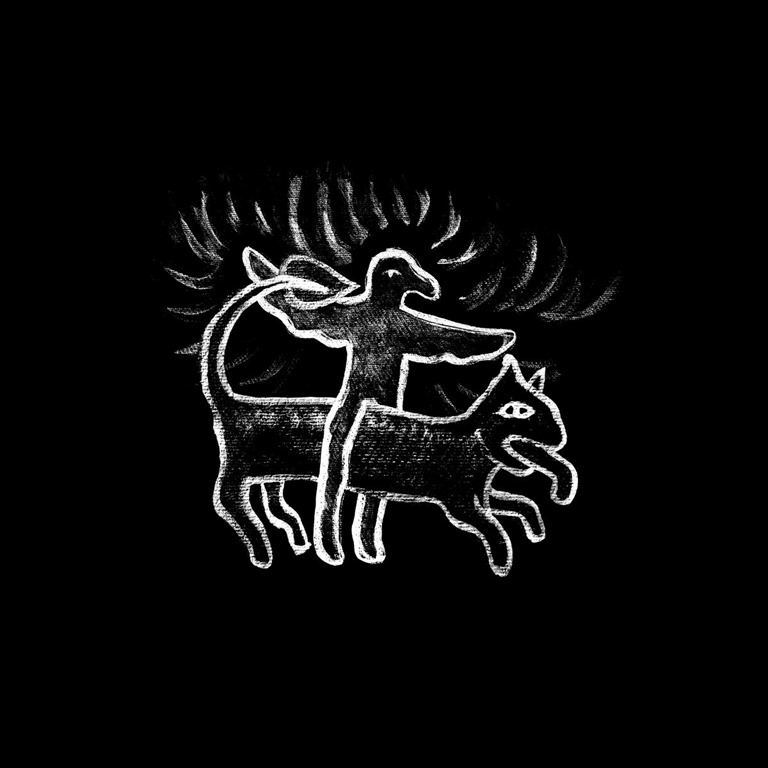
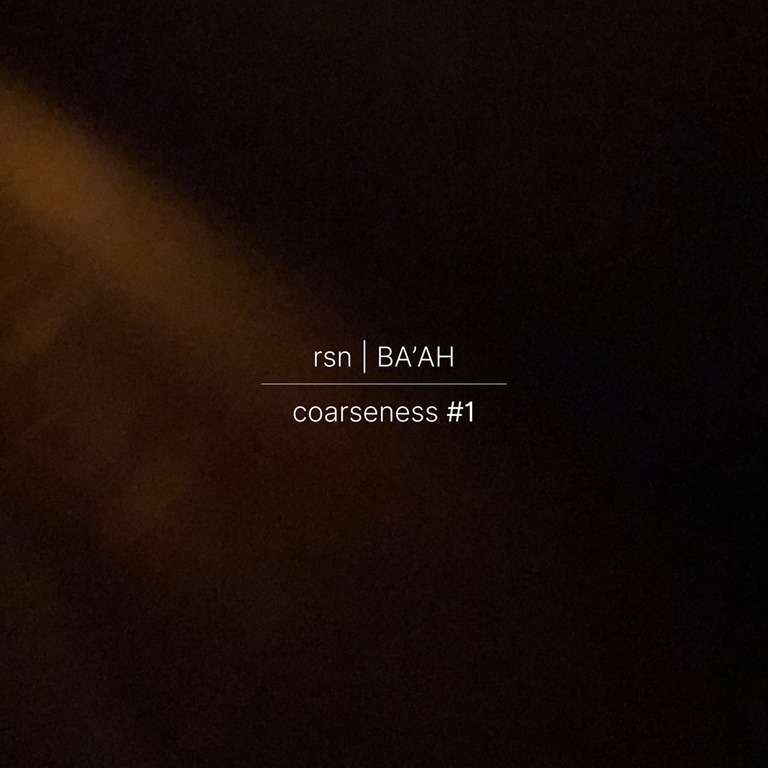
As the accompanying notes inform us, ‘When sonic extremes meet meditative depths, an atmosphere is created that is both demanding and hypnotic. coarseness #1 is the result of a transcontinental collaboration between Malaysian noise tinkerer BA’AH and German ambient/drone artist RSN’.

The album contains four longform compositions, which tend to span between twelve and twenty-three minutes, with the five-and-three quarter minute ‘coarseness #1.3’ being something of an outlier and more of an interlude in the shadow of the other three megalithic pieces.

‘coarseness #1.1’ plunged straight into murky, dark terrain which conjures images of misty swamps, the likes of which were commonplace in horror movies and early 80s sci-fi series, with layers of dry ice covering the ground and shadowy trees looming from a blue-grey hue. Images which come to mind with this kind of dense, dark gloominess call to mind Dr Who for me: my recollections are a shade hazy, but born in 1975, and growing up with Tom Baker era Dr Who and – before the advent of Peter Davison as the Dr, repeats of earlier seasons, where, for me, John Pertwee stood out – some episodes were actually quite tense, even scary. And this is essentially what filters through here: the shifting tones and lurching tectonics are unsettling, queasy. This is thick, dark noise which churns like a cement mixer.

The tracks run together, the transitions subtle, and ‘coarseness #1.2’ is perhaps less abrasive, but nevertheless presents a sixteen-minute wall of buffeting, extraneous noise – thick, nebulous, cloud-like – and also suffocating, stifling, simultaneously tense and soporific. It builds and builds, almost subliminally, to a level of immersion which becomes almost like a straightjacket or a sonic pillow over the face. You can’t move. You can’t breathe.

The promised interlude brings rib-rattling bass and punishing low drones, dense with distortion, worthy of Sunn O))). It makes for a long and harrowing five and a bit minutes.

‘coarseness #1.4’ arrives by stealth, a low, humming drone, to which layers are gradually added, so squawks and trills, some gut-shuddering low frequencies, and over the coursed – or maybe that should be the ‘coarse’ of almost twenty-three minutes, the piece meanders and churns. Elongated trills ring out amidst metallic, grating edges, hints of post-rock and abstraction which head nowhere specific, but at the same time transport the listener on a dreamlike journey. Again, it’s hard to settle into this. It feels like a nuclear detonation in slow-motion, the sound of total annihilation played at half the pace, calling to mind the scenes in Threads when the bomb drops and there is a deafening roar which is also silence.

Bombs are dropping and missiles are striking now – again – as the US and Israel strike Iran, and retaliatory strikes are being made far and wide against countries who are home to US air bases and beyond. coarseness #1 feels like an appropriate soundtrack to this – something which feels like, if not the outbreak of WW3, then a particularly dark period in history. Remember where you are at this moment – and listen to this. This is the soundtrack.

AA

AA
a0273919217_10

Electronic artist SINE (aka Rona Rougeheart) has released a new single entitled ‘Blood + Wine’ on Metropolis Records. Modern and club-ready, and featuring a vocal that is playful, frenetic and seductive, it is an upbeat dance track with bold electronic basslines accented by sub-bass drops. “Creating this song was about capturing the tension of chasing something that always feels just out of reach; the feeling of an endless pursuit,” states Rougeheart.

Her first totally self-produced song, ‘Blood + Wine’ also marks a key moment in the evolution of the SINE sound. “There was little time to focus on making my new album in 2025, as I was often away on US tours with Clan of Xymox, PIG and Nitzer Ebb,” she explains. “However, being around them taught me a lot. Once home, I started applying the knowledge I had absorbed, which led to this new track. It became a first real test of self-producing, and I was genuinely happy with the result. I’m really proud of the progress I’ve made.”

Mastered by Mark Pistel (Meat Beat Manifesto, Consolidated), ‘Blood + Wine’ remains true to SINE’s self-described ‘electronic boom’ style.

AA

Originally from New York but based in Austin, Texas, Rona Rougeheart blends dance beats, sub-bass, rhythmic synths and industrial elements. Her live show as SINE blends high-fashion aesthetics with synths, drumming and vocals, led by a strong female-fronted presence and cinematic visuals that entertain and empower.

She has collaborated with Adrian Sherwood, Meat Beat Manifesto, Clan of Xymox, Chris Connelly (Pigface, Revolting Cocks), Mark Pistel (Consolidated), Andee Blacksugar (KMFDM, Blondie), Xiu Xiu and the late Mark Stewart (The Pop Group).

A multi-instrumentalist, Rougeheart has been endorsed by Gretsch Drums, Gibraltar hardware and Roland.

AA

5ac7b96c3aa57e5755c1daa99dba874fbe644417

SINE | Rona Rougeheart photo by Bobby Talamine

Cruel Nature Records – 27th February 2026

Christopher Nosnibor

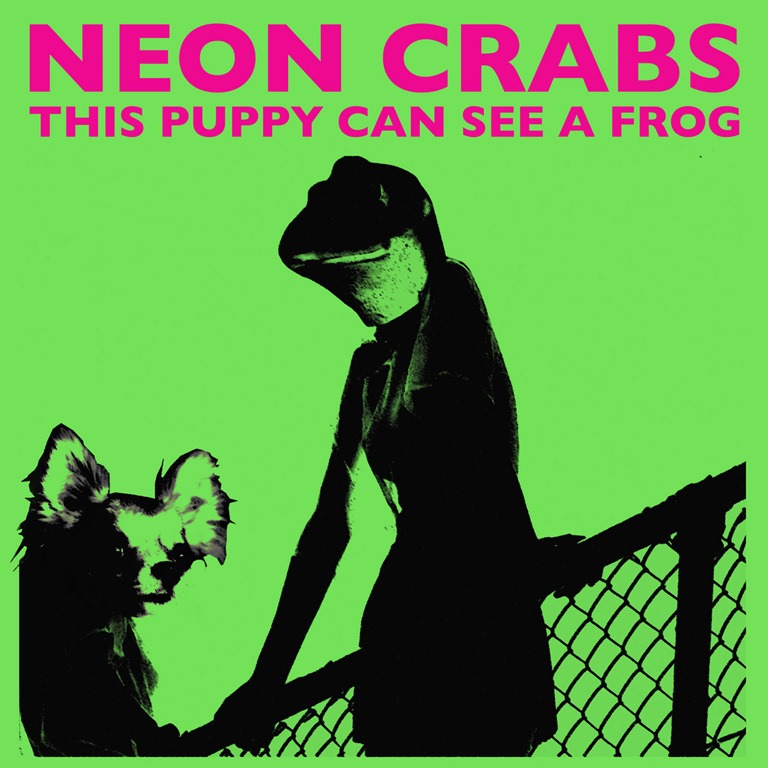
It’s a small world, as they say, especially if you live in York. As a city, it has more of a town feel, and round my way to the south of the city, it’s more like a village. It’s rare that I go for one of my daily walks or head to the local shops without seeing at least one person I know to nod or say hello to, and it’s nigh on never that I turn up at a gig where there aren’t people I know – mostly from previous gigs, and it’s a positive thing: there’s a palpable sense of community. So it’s more of a surprise that despite mutual friends, I’ve never encountered Andy Goz, or his band Neon Crabs, a transatlantic collaboration with Matt Nauseous of Dallas, Texas (I’m guessing those aren’t the names on their birth certificates), which has been operating since 2021. They made their debut last year with Make Things Better? on Half-Edge Records, followed by Drop It On Ya on Metal Postcard Records, with the cassette edition of This Puppy Can See A Frog representing their first physical release.

I’m going to guess that the colour scheme of the cover is no accident, a knowing reference to Big Black’s Songs About Fucking – although the material it houses is more in the vein of The Hammer Party.

It’s pitched as a collision between The Stooges, post-punk, and 90s noise rock, and as a fan of all three, I’m sold. The way in which they draw these elements together to conjure a sonic hybrid is inspired: here, we have the mechanoid, piston-pumping drum sound of Big Black paired with the scuzzed-out guitar fuzz of Metal Urbain. Just as The Stooges were punk years before punk was even a concept, and Metal Urbain and offshoot Dr Mix and The Remix (a huge influence on both Steve Albini and The Jesus and Mary Chain), so Neon Crabs launch themselves headlong into that space where acts were feeling their way around forms, styles, and technologies which seem primitive now, but where limitations led to innovations. This Puppy Can See A Frog has a raw energy, an underproduced, analogue feel with jagged guitars and some loose but dynamic playing.

The songs themselves are simple in both structure and chords – the guitars often straying away from chords to create texture rather than melody. The same is often true of the vocals, Matt swerving between semi-spoken word and drawling, occasionally singing but weaving around a tune rather than following it, in a style that’s perfectly suited to the frenzied maelstrom of discord which fizzes all around. ‘White Collar Witch’ is a messy collision between early Pavement and The Fall circa 1983, and is arguably Neon Crabs’ equivalent of ‘The Classical’.

‘Creature Violence’ adds free jazz to a murky mess amidst which Nauseous lives up to his name with what appears to be an extended riff on the ‘your mum’ insult with some scatological references as an added bonus. Or something. Maybe. The Fall comparisons stand on ‘Vicious Debasement’, a snarling, mess of layers spilling every whichway over a throbbing motorik backing – but then again, there’s a bit of the irreverent chaos of Trumans Water happening here, and a whole lot more.

Things seem to get darker, starker, and more desperate and ugly and experimental during the second half the album, dragging in dubby bass which seems to reference Bauhaus and squalling, scratchy guitar work with hints of Gang of Four and Wire abounds.

The simple act of titling a track ‘Lisa Kudrow’ evokes the spirit of 90s noise rock, the likes of Butthole Surfers and Tar and sure enough, that’s pretty much what you get, with added samples.

This Puppy Can See A Frog is a wild assimilation of sources, a rackitacious mess of noise heaped together as an album. It sounds like it could have been recorded in a dingy basement on an 8-track, or even a 4-track, in the space of a week – and is all the better for it, because it possesses an immediacy and energy that’s rare here in 2026.

AA

AA

a3663775174_10

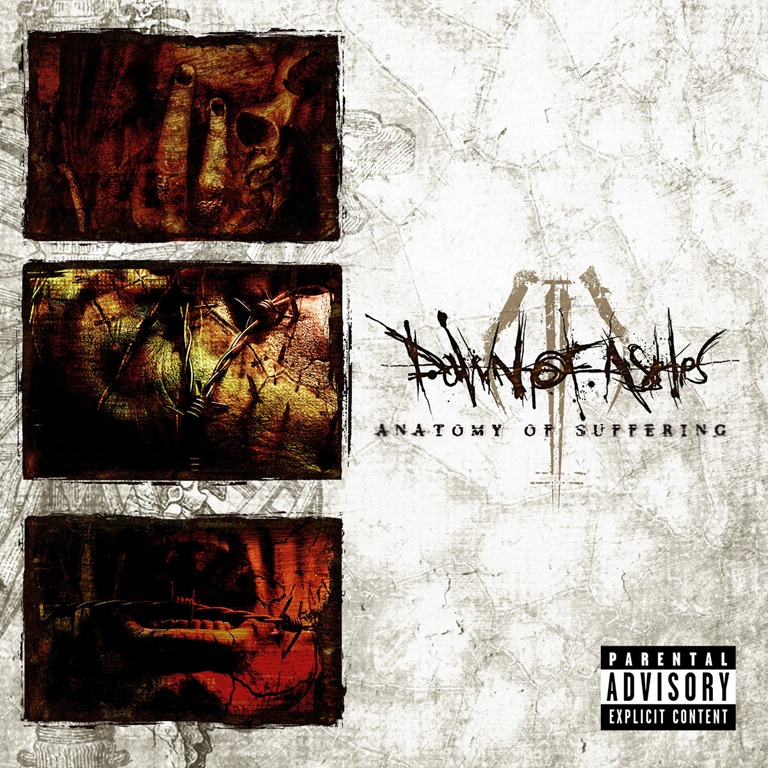
The dark electronic/aggrotech act Dawn Of Ashes (DOA) have released a new single entitled ‘Viral Decay’ today. The second track to be issued from forthcoming new album Anatomy Of Suffering, it captures the ugliness, exhaustion and isolation of inner decay while fully embracing the classic DOA sound – harsh synths, aggressive rhythms and oppressive atmospheres – and paying homage to their genre’s old-school brutality.

“‘Viral Decay’ is a confrontation with inner darkness; not a glorification of death, but a sonic descent into mental corrosion,” explains DOA founder and frontman Kristof Bathory. “It explores the slow mental collapse caused by overwhelming despair and suicidal ideation. Through visceral imagery and repetition, it portrays a mind infected by hopelessness, emotional numbness and self-destruction, exposing the brutal reality of living inside a breaking mind.”

‘Viral Decay’ follows the recent ‘Penumbra (feat. Suicide Commando)’, a powerful collaboration with the veteran Belgian artist Johan Van Roy. Both songs are available on ‘Anatomy Of Suffering’, a new album by DOA out on 20th March. A darker, heavier, and more focused chapter in the group’s evolution, it brings together raw atmosphere with precision production and features some notable collaborations.

AA

a3571605974_10

Self release – 27th February 2026

Christopher Nosnibor

‘Riv mig’ is so quiet at first you can hear slight shuffles during the introduction, but it builds, first with the vocal intensity, her voice cracking slightly, before the instrumentation explodes. Nothing could be more fitting for a song the title of which translates as ‘Demolish Me’, and the beefy electro groove at the start of the segmented and transitional ‘Before the Moths Get In’ is prefaced by a brief interlude in the form of ‘Skogsskrik 1’ which contains the faintest of ambience and a raw, primal scream. The title’s translation ‘Forest Scream 1’ is self-explanatory, and this seems like an appropriate point to delve into what Bränn min jord is really about.

In a sense, it’s about homecoming, but it’s also so much more. The accompanying notes are worth quoting at this point:

‘The inland of Halland, a patchwork of forests and abandoned mills in southern Sweden, is the backdrop for Fågelle’s most personal album yet… After years in Berlin and Gothenburg, she returned home — not out of nostalgia, but as an act of reclamation. She wanted to reconnect with the soil that shaped her and let something new grow from what had been left behind.

Bränn min jord (“Burn my soil”) grew from this process of renewal. Its title references the tradition of burning the ground to spark new life — a metaphor for the personal upheaval and rebuilding at the heart of the album. The music explores the tension of growing up somewhere you know you’ll have to leave, yet which keeps pulling you back. It speaks about identity, memory, and the hidden emotional landscapes of overlooked places.’

Here in England, we used to burn stubble in fields of corn and when after harvest. The practice was ended a good time ago for environmental reasons – the smoke and emissions were grim – and while the practice of heather burning on moorland continues, it’s been subject to significant reduction of late. We burn less soil, but still we do, and for the precise purpose of clearance and renewal. And there is much to be said for the power of the purge, the clearing of dead wood – and not just in the physical landscape.

Returning to a place can be difficult, too; reconciling the changes which have taken place, the difference between the past and the present. All of this feeds into the wide-ranging forms of this detailed, crafted album. ‘Det blev våra liv’ is unexpectedly poppy and light, but rather than feeling at odds with the main body of work, it feels like part of the natural flow of a work which is already rooted in nature.

The album’s form is shaped by brief interludes, with samples and fragmentary segments sitting between the ‘proper’ songs, and rather than interrupt the flow, they add to the depth of this exploratory work.

Title track ‘Bränn min jord’ is nothing short of epic: it’s poppy, but also operatic, cinematic, and essentially encapsulates the while of the album’s form in four dramatic minutes, and ‘Satans jävla fan’ is powerful and dense, worthy of comparison to Big | Brave, with whom Fågelle toured in 2022.

Bränn min jord is not an album which conforms easily to any specific genre. It’s expensive epic. It’s post-rock, but its more, so much more. But genre definitions are only so helpful anyway: what matter is that Bränn min jord is a great album, rich in emotional resonance and heavy atmosphere.

AA

AA

a0512399592_10

17th February 2026

Christopher Nosnibor

Decent news is hard to come by these days – by which I mean for the last five or six years. During the pandemic, every day was a nightmare, as the graphs and charts and rolling death toll was beamed into our homes via every available channel. A lot of people simply switched off and went to the greatest lengths to avoid any form of news media at this time, but for many of us, it became a compulsion, an addiction we couldn’t kick even while fully cognisant that it was fucking us up.

It seemed that dark shit was building up under lockdown, and the moment restrictions were lifted, Russia invaded Ukraine, and not that long after, al hell broke loose in Gaza, and then Trump ‘won’ a second term in office. The entire globe has lost the plot. But snippets of decent news do filter through occasionally, like the arrest of The Artist Formerly Known as Prince Andrew, and former US Ambassador, the Former Prince of Darkness, Peter Mendelson. We can only hope this is the beginning of a toppling of a much, much bigger house of cards.

In other decent news, we have the arrival of Computer, an EP by US industrial metal act Decent News, and ten years and three albums into their career, they seem to be absolutely thriving on this fucked-up state of affairs. Perhaps ‘thriving’ isn’t quite the word, but as the accompanying notes summarise, ‘Computer, as a whole. is largely inspired by the current state of the world. The same generation that taught us to not believe everything we read on the internet somehow keeps believing everything they read on the internet and is therefore, making the world a far worse place.’ We’re on the same page on this.

The five tracks on Computer are pretty wild: the first of these, ‘Flesh for the Feast’, which addressed the topic of ‘being brutalized while trying to exercise your right to protest’ blends sequenced backing elements and robotix vocals with squalling guitars, powerhouse percussion, and raw, raging hollering, and it all blasts in at a hundred miles an hour. ‘Drowned in Power’ is harsh and metallic, inviting comparisons to PIG at their gnarliest industrial metal points, but with the raging anger cranked to the max. While the lyrics aren’t often decipherable, it’s clear that this is the voice of protest. ‘Help Computer’ continues in the same vein, bringing the pumping energy of KMFDM.

After the slow, slow-slung bluesy sleazer that is ‘Bloated & Blue’, ‘Valueless Trade’ swaggers in on a ballsy bass groove and a mess of guitar noodling and samples before hitting an overdriven riff-centric blast that straddles hardcore and metal.

Pretty, it is not. Blunt and hard-hitting, it is. Decent news for everyone who isn’t a fan of insipid sonic chewing gum or a right-wing wanksack.

AA

608a5782-e2f7-4bef-224e-a95dc1608923

Launchpad+ and EMI North – 25th February 2026

Christopher Nosnibor

From Interpol to Editors to White Lies and far beyond, including, at present IST IST, dark-edged post-punk acts displaying strong Joy Division influence have been emerging for the last twenty years now, and more. Some are better than others, some capture the mood more effectively than others.

It’s perhaps because they’re from Leeds that The 113 are particularly good at capturing the mood: the spawning ground of goth in the 80s, the Leeds scene has always stood apart from not only the mainstream, but other major cities of the north, particularly Manchester and Sheffield, which in turn have always had their own identities: in the early 00s Leeds was hotbed for innovative post-rock, and has, over the last decade, yielded ever noisier, ever more angular, ever weirder bands, but also bands of quality who simply do – or did – their own thing, from Hawk Eyes and These Monsters to Castrovalva and I Like Trains, Thank, Post War Glamour Girls, Beige Palace, Black Moth, BELK, Irk, and of course, the mighty Blacklisters.

The 113 aren’t nearly as abrasive or far-out as many of these acts with whom they share turf, but their debut EP, To Combat Regret, released last March packed some blustering urgency to the familiar post-punk template. Both ‘Scour’ and previous single ‘Leach’ continue the same trajectory – lean, dark post-punk vibes, driven by dense bass, insistent percussion and some sinewy guitar work, creating tension and using it to powerful effect – but if anything, this is tauter, tenser, and more nuanced: the melodic, shoegaze mid-section adds significant impact to the song’s explosive conclusion.

This, in conjunction with ‘Leach’ says that the forthcoming EP, The Headonist (out April 17th) will be killer, and the upcoming tours in April and May look like something to get excited about, too.

AA

AA

923bdd4b-dfcd-0bd4-f755-7b62d5b746c4

Photo: Naomi Whitehead

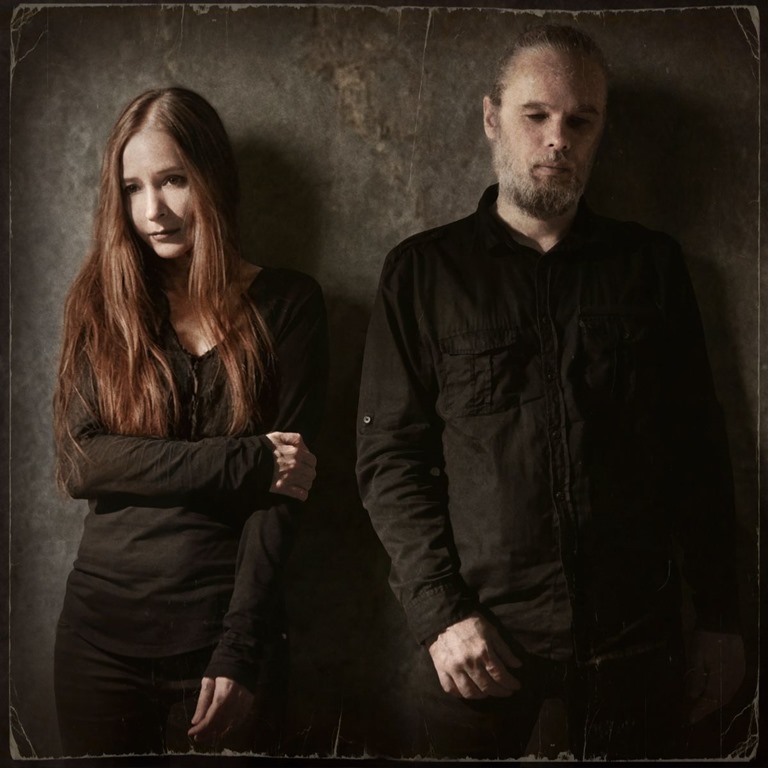
MOON FAR AWAY impressively deploy their ability to write captivating acoustic songs with their new advance single ‘To Count Her Names’. The gothic folk duo’s new track is taken from their forthcoming new album Acou (‘Listen’), which is chalked up for release on March 13th, 2026.

MOON FAR AWAY comment: “A cold neo-folk hit in the best traditions of the genre — and the lyrical heart of the Acou album”, male vocalist and multi-instrumentalist Count Ash states. “Yes, grim folkers with long beards sometimes fall into sadness, too. This song features guitarist Roman Khomutsky from the famous Moscow black metal band Uratsakidogi.”

AA

Some of the richest music is also the hardest to categorise. With their fifth full-length Acou, MOON FAR AWAY embark on a musical exploration of the magical nature of sound. The band from the sub-arctic city of Arkhangelsk in Russia’s north is studying the mythological cycle of the universe by assigning certain sounds and musical styles that range from the archaic and folklore to liturgical, classical, and even experimental music to each stage of its existence.

MOON FAR AWAY were inspired by the finding that the world begins and ends in many ancient legends with a sound – from the utterance of a word to actual music or even the big bang of science. On Acou, which means ‘listen!’ in Greek, the word (lógos) and music (mousĭkḗ) are as fundamental to the fabric of the universe as the classical elements of earth, fire, water, and air.

MOON FAR AWAY have occasionally been referred to as “the heart of Russian gothic folk” or “The Russian Dead Can Dance£””, which are notions that still ring true regarding Acou. Their music appears to be both light and even dreamy on the surface, yet at the same time it comes with a dignity, gravitas and passionate seriousness that set these songs apart from simple pop; despite sounding captivating and melodic.

MOON FAR AWAY have already released four studio albums, a live album, several singles, and numerous collaborations since their inception in 1994. The band from the old Russian harbour city on the White Sea shore has also performed at multiple festivals across Europe. MOON FAR AWAY are taking their inspiration from the folklore and unique ancient heritage of their native lands in the North of Russia.

The North is obviously an area of harsh climatic conditions but also of intense human creativity that found its expression in rich poetry, music, visual culture, and wooden architecture. Unlike central Russia, there was no slavery in the North and to this day, this wide region preserves a most interesting and unique cultural heritage with roots reaching back into pre-Christian time.

MOON FAR AWAY have dedicated themselves to the preservation of local traditions, both musically and culturally. By combining traditional European culture with the soundscapes of the Russian North, and influences from classic to neofolk as well as modern technology, the music of MOON FAR AWAY offers a unique artistic expression where the East meets the West.

With Acou, MOON FAR AWAY present their richest and most complete album so far that will find old and new friends from a wide range of stylistic preferences that certainly include fans of DEAD CAN DANCE, ALCEST, WARDRUNA, and many others – although the unique band from Russia’s North does sound different from all of those mentioned above. There is only one way to find out: "Acou"! Listen!

AA

e369e934-4ab4-208c-326d-d68c336c47c7

No words… Just watch, and listen…

AA

OIF