Posts Tagged ‘Art’

Christopher Nosnibor

Live music should carry a warning over its addictive properties. Witnessing a band playing a set so good that you’re buzzing for hours, even days afterwards is a unique high, and one that sets a seed of a desperate need to replicate that experience.

I’ve seen a lot of live music since I started going to gigs over thirty years ago, but the number of acts who have ignited that sense of fervent excitement is limited. I’ve seen many, many amazing shows, but few have blown me away to the extent they’ve felt in some way transformative. Dead Space Chamber Music are one of those few, and I left the Cemetery Chapel in York a few months back feeling dazed and exhilarated, my ears whistling despite having worn earplugs. I simply had to see them again, in the hope to experience that same sense of rapture.

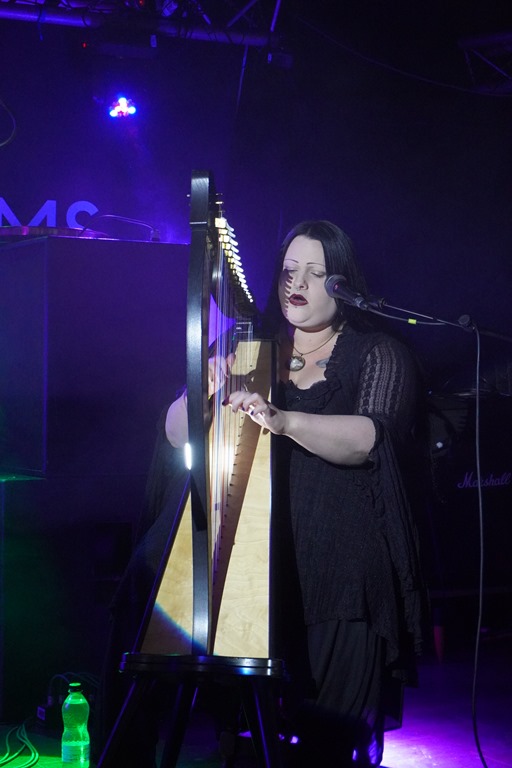
Eldermother – consisting of Clare de Lune on harp and vocals and Michalina Rudawska on cello – have no shortage of musical pedigree, and a superabundance of talent which they showcase with their minimal neoclassical works, a mix of covers and original material. They open with Radiohead’s ‘Street Spirit (Fade Out)’ led by harp and with Clare’s soaring vocals, and it’s one of those performances that make the hair stand up on back of your neck with its haunting atmosphere. There’s a rendition of WB Yeats’ poem ‘The Stolen Child’, a work rich with imagery inspired by wild nature and imbued with emotion and drama. The execution is magnificent, and the originals are similarly graceful and majestic. ‘Hurt’ may not be by any stretch representative of Trent Reznor’s career, but it certainly showcases his capacity for powerfully emotive songwriting, and if it’s the song which forms his legacy, it’s all to the good. Yes, Eldermother play a semi-operatic version of ‘Hurt’ with harp and dark, brooding cello, and… woah. It’s almost too much, especially this early in the evening. I find myself dabbing a tear and grateful for the low lighting.
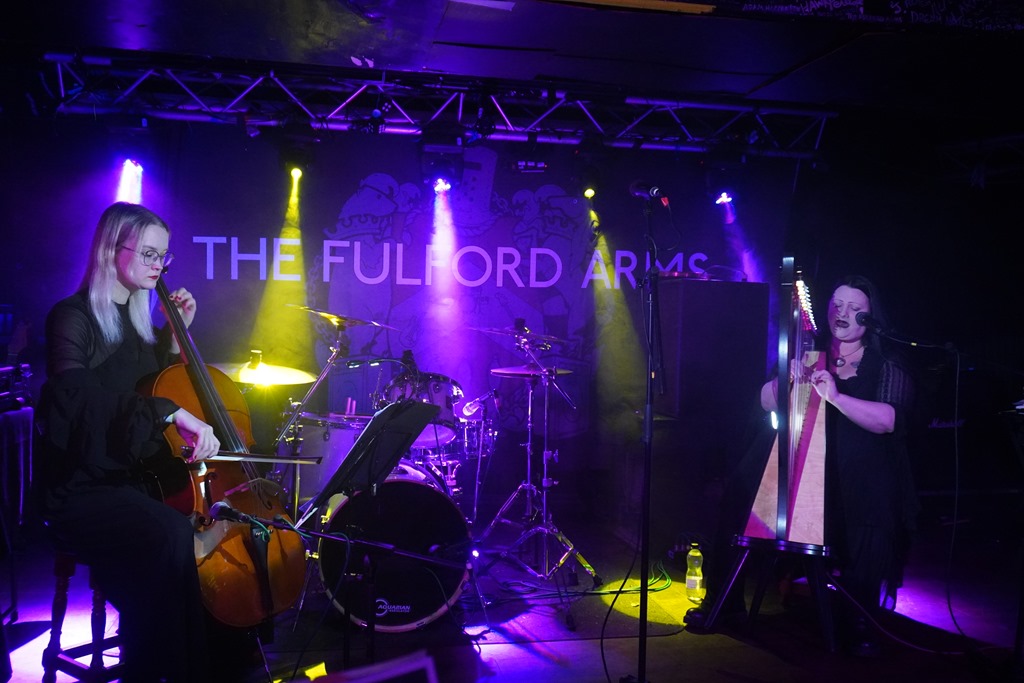
DSC04790DSC04787DSC04785

Eldermother

Lunar Cult Club – featuring Doug Gordon, aka Futures We Lost – as the provider of the instrumental machinations, take the theatricality up several notches to deliver a set of otherworldly cold, cold, darkest electro with glacial synths and funereal forms. The bank of synths swirl and grind, muddy beats thud and pop from amidst a dense sonic fog. Sonically, they’re impressive – in the main, the arrangements are sparse, and overtly analogue in form – but visually, they’re something else. Theirs is a highly theatrical stage show, and this significantly heightens the impact of the songs. The two singers, dressed all in black and with faces obscured by long, black lace veils – Corpse Bride chic, as my notes say – sway and move their arms in an unnerving fashion, as if reanimated, exhumed. I’m reminded of Zola Jesus and of Ladytron, and I’m mesmerised by their facsimile of a Pet Sematary Human League with its spellbinding marionette choreography. The final song, ‘No-Ones Here to Save Her’ is as dark as it gets: the vocals merge and take us to another realm entirely.
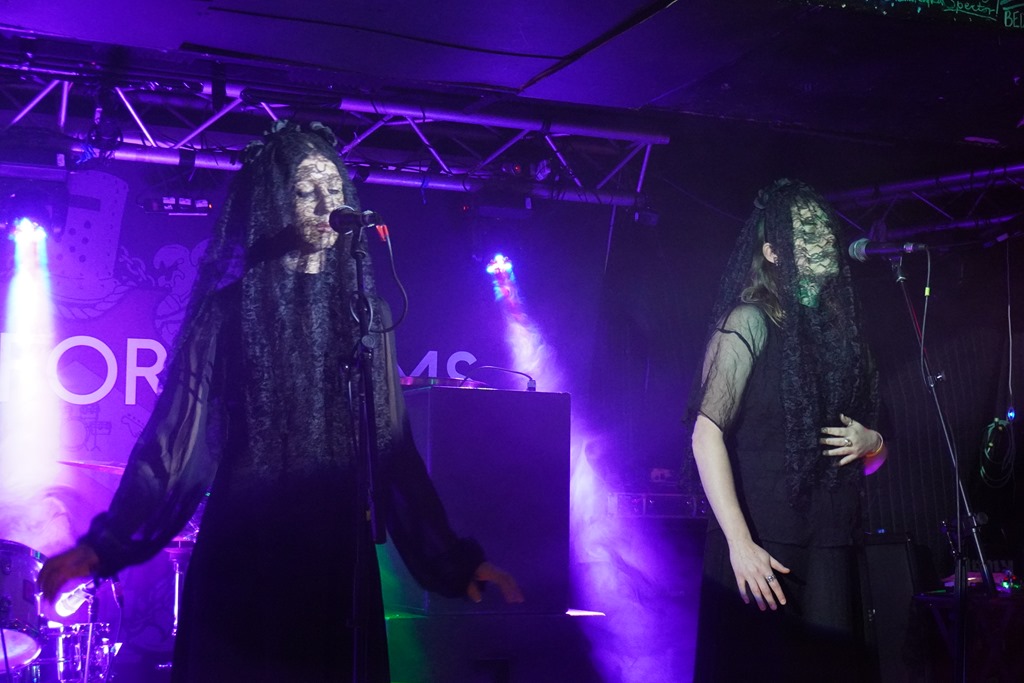
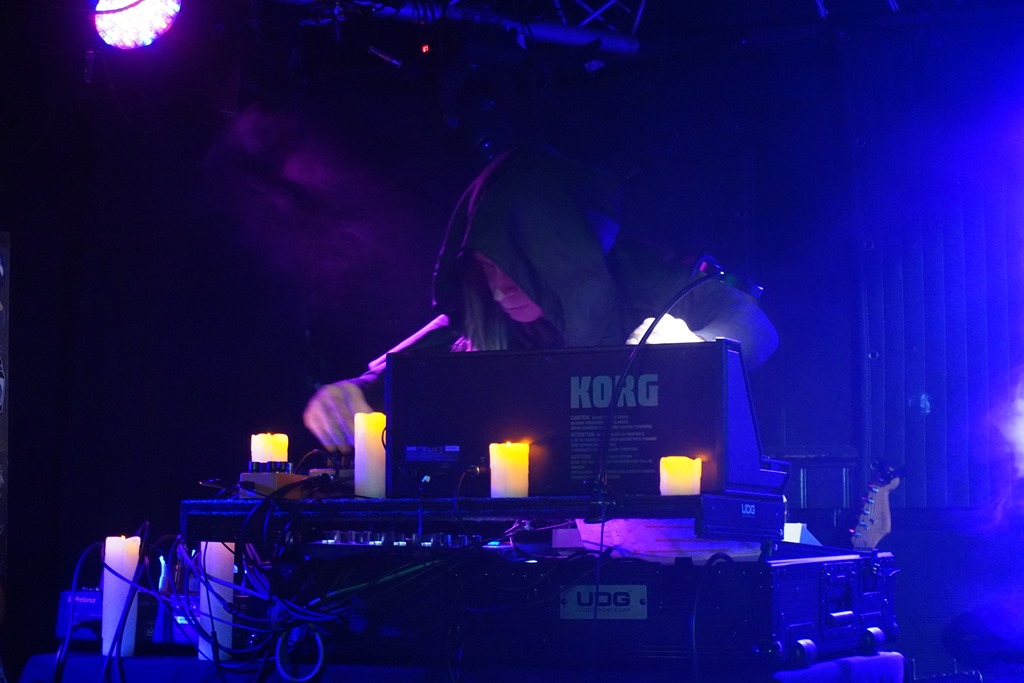
DSC04800DSC04804

Lunar Cult Club

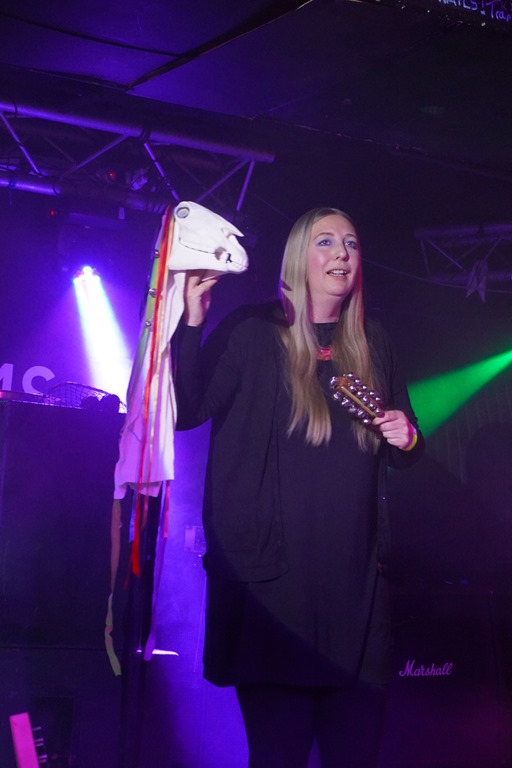
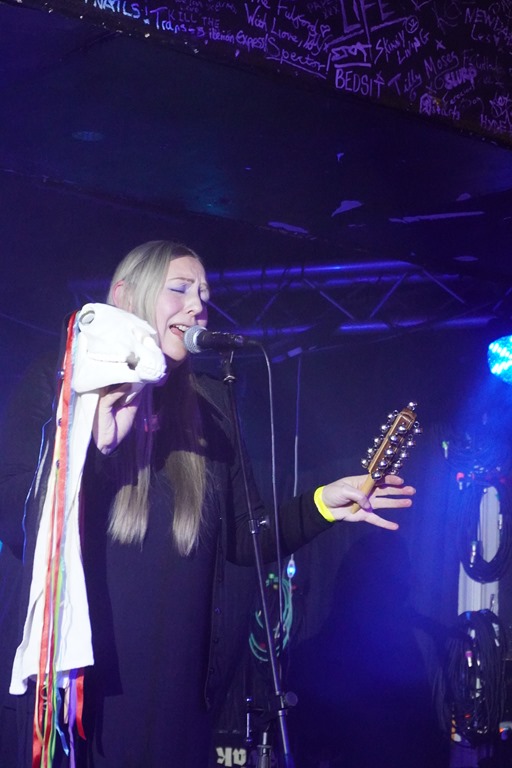
I’m still floating in a state of mild delirium when Dead Space Chamber Music take to the stage. The atmosphere is thick, tense, hushed… awed. Something about the trio’s presence alone makes you sit up, lean in, eyes wide, ears pricked. There’s a lot of detail here. Their focus is gripping by way of spectacle, and their set is designed as a linear work which evolves and transitions over its duration, in a way which calls to mind when Sunn O))) toured Monoliths and Dimensions, whereby, over the course of the set, Attila Csihar transformed into a tree. There are props and costume embellishments, mostly on the part of Ellen Southern, who performs vocals and various percussion elements and a strange stringed instrument: she brings much drama and theatricality, delivered with a sense of self-possession and deep spirituality which is utterly entrancing.
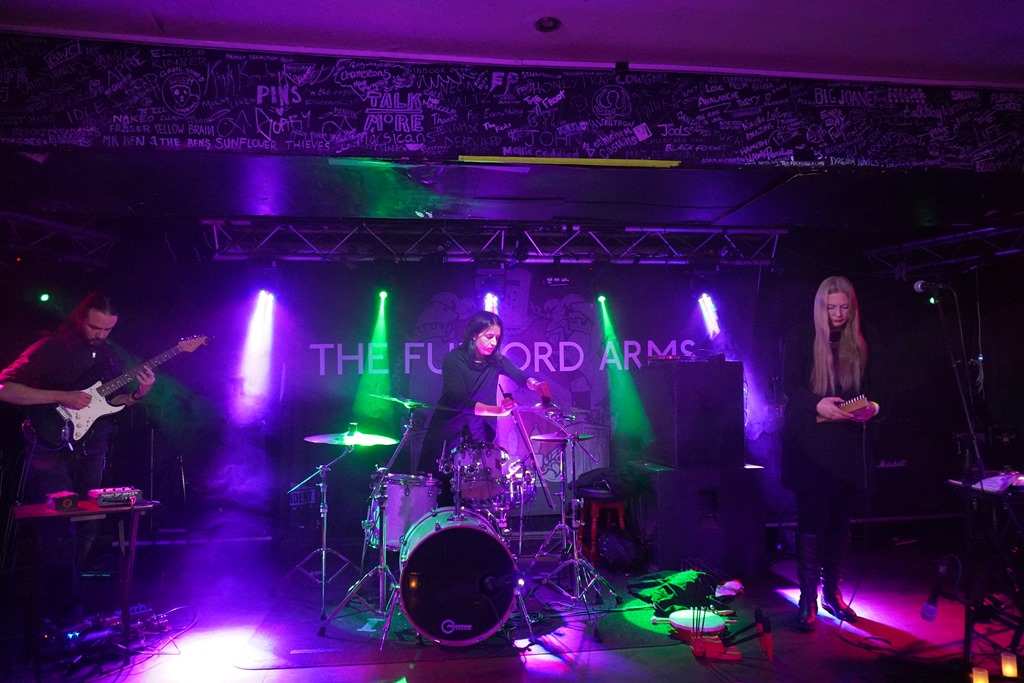
DSC04839DSC04852

Dead Space Music Orchestra

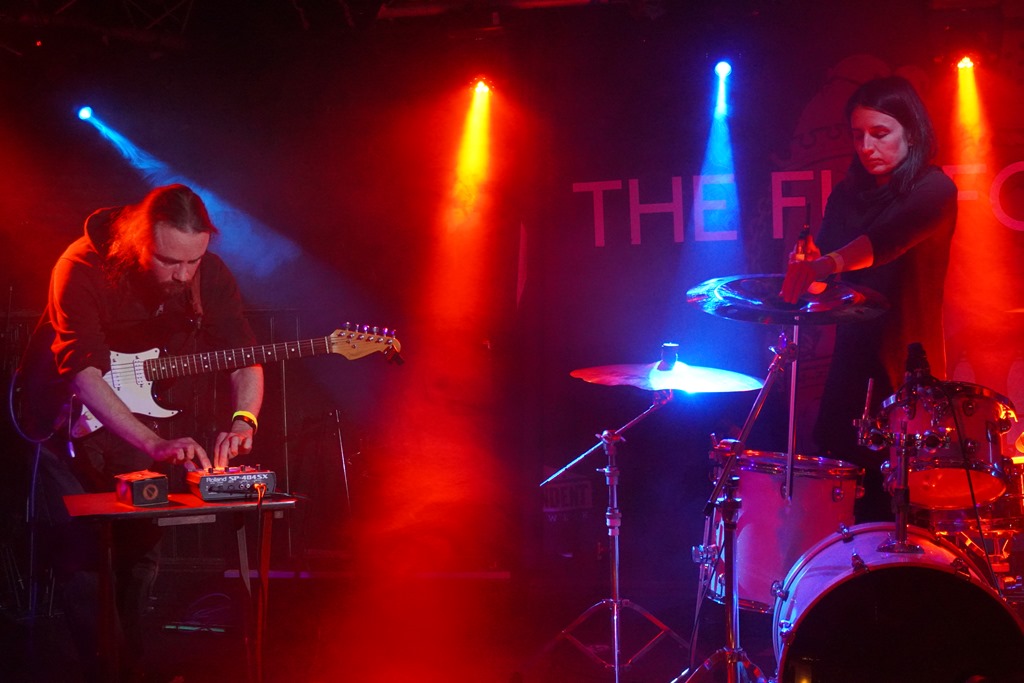
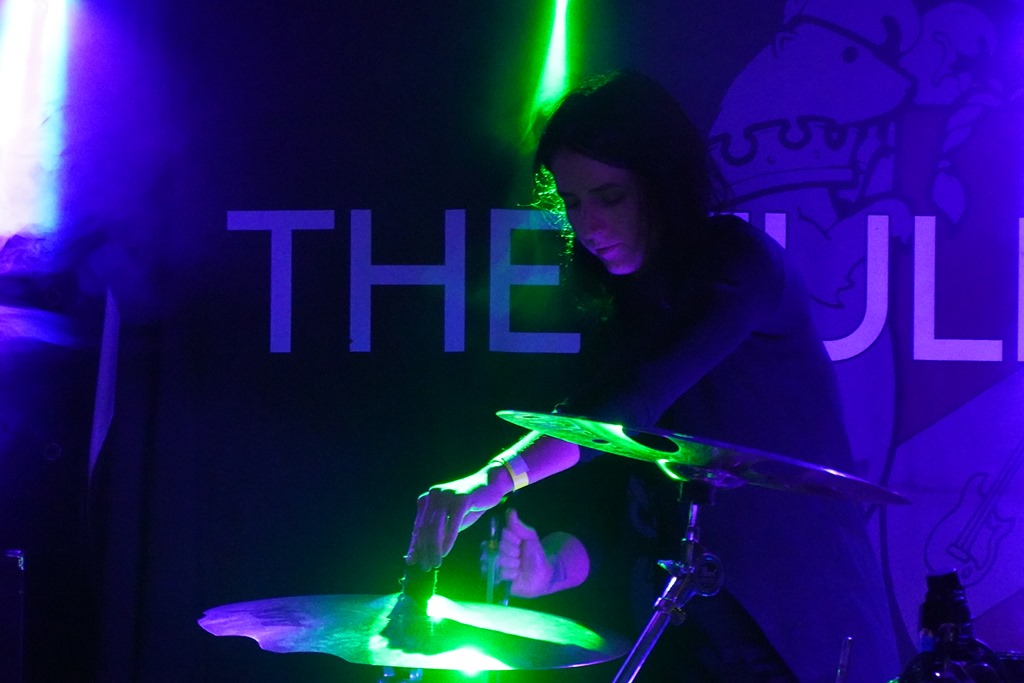
They’re so quiet you can hear matchsticks dropping into a tray. But the fact that these things are audible, amidst cavernous reverb and sepulchral echoes, is a measure of the clarity of the sound and the band’s attention to detail. Ekaterina Samarkina is impressive in the sheer versatility and nuanced approach she takes to the percussion which is truly pivotal to the performance. Her work is so detailed, subtle, the sound so bright and crisp, as she slowly scrapes the edges of her cymbals with a bow. Lurking in the background, Tom Bush – on guitar – plays with restraint, sculpting shapes and textures rather than playing conventional chords and melodies. In combination, they conjure a rarefied atmosphere.
DSC04867DSC04886DSC04906

Dead Space Chamber Music

But towards the end of the set, as if from nowhere, emerge huge cathedrals of sound. The last time around, I compared their climactic crescendos to Swans, and having seen Swans just over a week ago, I very much stand by the parallel called then. And this is not volume for volume’s sake: this is about catharsis, about escape. Dead Space Chamber Music make music which is immense, transcendental. And when they go all-out for the sustained crescendo of the finale, it’s not because of a bank of pedals or a host of gear: they simply play harder, throwing themselves behind their instruments, and full-throttle intensity. It may not be as loud as on that previous outing, or perhaps it’s simply because I’m expecting it, but they nevertheless raise the roof, and fill the space with expansive layers of sound on sound.

The three acts very much compliment one another, making for an event which is more than merely a gig, more than three bands playing some songs: this is an occasion, steeped in theatre and art, performed with a sense of ritual. The experience is all-encompassing, immersive, enveloping; it takes you out of life and suspends time for its duration. It will take some time to return to reality.
Dret Skivor – 3rd October 2023

Christopher Nosnibor

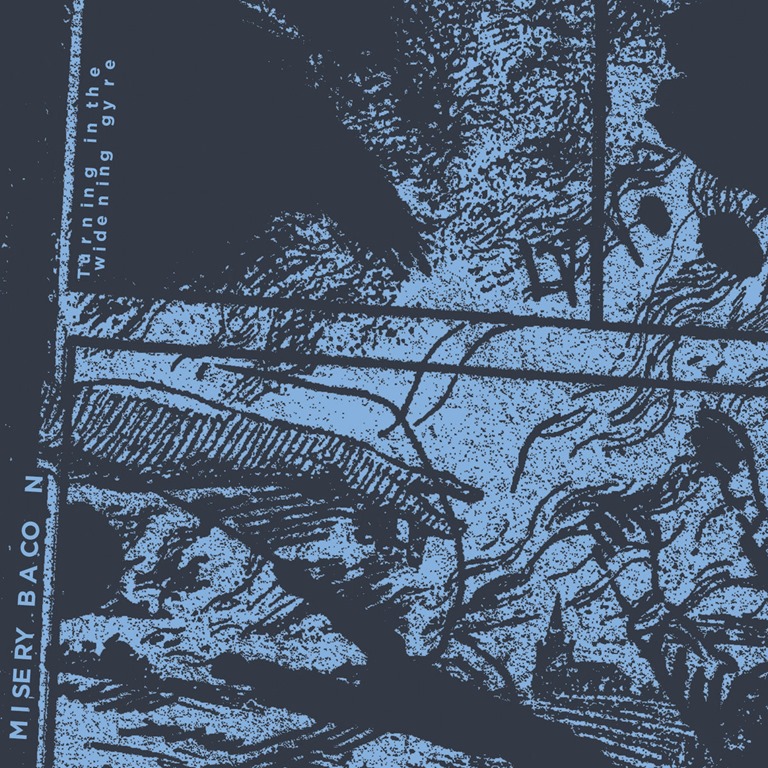
This is proving to be a particularly good week in the world of noise, what with Foldhead’s Paris Braille and this being released on the same day. There’s more information given about this release than most to slip out from Swedish underground label Dret Skivor – in that there is actually some. We learn that the work was ‘Recorded and assembled on residency at Bergen Centre for Electronic Arts, Leveld AIR and Gallery ASK, Norway 2025’, and that the ‘Album and song titles taken from / inspired by WB Yeats ‘The Second Coming’’. We also learn that Misery Bacon is the vehicle of Bergen’s Luke Drozd. It’s not clear if this is one of those monikers that’s amusing because translation, or if it’s a case of humour that doesn’t translate geographically, like Die Toten Hosen. I’m sure dead trousers are a massive wheeze in Germany, but here it’s vaguely surreal but mostly a bit odd. Then again, ‘Misery bacon’ makes me think of all the moaning gammons we have here in the UK, red-faced and chuntering into their Carling about ‘immagrunts’ and how everything’s ‘bloody woke’ nowadays.

It contains two longform pieces, each filling a side of the cassette release – of which there are just six copies – ‘Every finger double crossed as things fall apart’, and ‘Shambling onwards in the shadows of indignant birds’, and neither literary allusions or social commentary are apparent in the work itself.

‘Every finger double crossed as things fall apart’ starts with some sampled dialogue and an array of pops, clicks, whirrs and glops, a swampy collage of seemingly random elements layered across one another. It’s atmospheric, but also difficult to get a handle on any idea of where it’s headed, if there’s any theme or concept that connects the diverse sources. But soon, serrated drones and distortion build to a sustained whorl of noise atop a quivering bass judder. Five minutes in, and it’s an all-out assault worthy of Merzbow or Kevin Drumm. It’s noise, and it’s harsh, but it’s an ever-shifting, seething mass of tinnitus-inducing tones and textures, at time fizzing and crackling in such a way as to give the impression that the sound is actually inside your own head, rather than reaching the brain from an external source. There’s a niggling crackle of static that sounds like there might be a problem withy your equipment. This is most pronounced and unsettling during a quieter spell of jangling metal which sounds like a light metallic object being rattled against a metal fence, or the clattering of cutlery. It’s a piece that slides and slithers hither and thither, and sits well against Throbbing Gristle’s most experimental, abstract works. Towards the end, it does feel like it could be the soundtrack to the collapse of everything. Listening to it while the US government is in shutdown, Israel seemingly continues to level Gaza despite a supposed ceasefire, hundreds of people are arrested in London and other cities for protesting against genocide, and Russia continues to expand its campaign of interference across Europe, it’s hard to feel much positivity.

On a personal level, the present feels overwhelming. The world is at war. The world is on fire, and at the same time that we have drought, we have flooding. But instead of coming together collectively to address this global crisis, as a species, we’d rather bomb the fuck out of one another. And with shootings, mass knife attacks and all manner of savagery taking place daily, it really does feel as if humanity has descended into a spiral of insanity and self-destruction. And there are really no words to articulate the panic and anguish of all of this. Music and literature may provide a certain comfort and distraction, but it’s in sound alone – more specifically, sense-shattering noise – that I find something which articulates the experience of living in these torturous times.

And so it is that ‘Shambling onwards in the shadows of indignant birds’ returns to the sampled dialogue which opens ‘Every finger double crossed as things fall apart’, before plunging into a mess of static cackles and hiss. It’s a Bladerunner world of rust and robotics gone wrong. It’s murky and it’s unsettling. A blast like the roar of a jet engine momentarily hampers the hearing, and we sit, dazed, in the comparative quiet of crackles and pops. There’s a mid-track lull, which feels uncomfortable as whistles of feedback and laser bleeps criss-cross before collapsing into a broken wall of noise on noise.

Turning in the widening gyre is harsh, heavy, bursting with uncomfortable frequencies. The final minutes are nothing short of punishing. And yet, at the same time, that punishment offers vital release. This is where you get to let go. At last.

AA

a2298054435_10

5th September 2025

Christopher Nosnibor

Bandcamp Friday or nay, September is always a busy month for releases, presumably in no small part due to the fact that the festival season is over, and artists can get to the job of plugging material to fans they may have picked up along the way, while music listeners are back home rather than in fields in front of stages, or on holiday, so are placed to listen to, and maybe purchase new music.

Sometimes, it can take a while to sift through it all, and there’s a real danger that some great stuff will slip through the cracks, especially from lesser-known artists. This, in many respects, is where the music press, such as it is these days, has not only a role, but a duty, an obligation, to seek out and highlight the acts who aren’t going to be pushed into the ears of the masses by algorithms, or by labels with hods of cash for promo (who aren’t necessarily averse to insidious campaigns claiming a ‘grass-roots’ story for an unknown group of middle-class posers who’ve barely played a gig or had more than a handful of streams / likes before landing airplay, huge support slots and going stratospheric overnight… and there are a fair few of these).

Moons in Retrogtrade is Kara Kuckoo, a German artist who does a nice line in dark alternative / gothic electronic rock, and who isn’t likely to be getting algorithmic / big label backing any time soon, not because her work isn’t good, but because, well, it’s a bit arty, and in the current climate of anti-intellectualism, it’s a hard sell to the mass market.

Take, for example, this, the lead single from her upcoming debut album The Third Side of the Coin. Released as a video single, the song is accompanied by highly stylised visuals, which feature an almost Tim Burton-esque ‘Mad Hatter’s Tea Party’ scene. It’s fitting that this shimmering dark pop gem should present images offering a twisted alternative reality, given the subject matter (again, a hard sell for commercial channels), as Kuckoo explains the concept behind the single:

“Carl Jung said, ‘Everything that irritates us about others can lead us to an understanding of ourselves.’ ‘Mirror Obscura’ is about facing one’s own darkness through the infinite mirrors of other people… The video portrays the perceived duality of black and white and the madness within us as we avoid our own darkness. The elements of color are glimpses into the spectrum of wholeness… I especially wanted to shoot at sunrise because those moments of dusk and dawn are the magical spaces between day/light and night/dark.”

On the project’s broader intent, she adds: “Moons in Retrograde is about digging up and reflecting on buried emotions… MIR weaves a soundscape which shines a light into the deepest corners of the mind and exposes the truth about the dark side of humanity while simultaneously discovering the core of the human soul.”

It’s one of those tracks which takes its time with a slow build (another thing which goes against the grain in our attention-deficient world, where intros and verses have got shorter and shorter to the point that most chart pop is seventy-five percent chorus), building atmosphere, Kuckoo’s vocals emerging through cavernous reverb and washing waves to arrive by stealth to an meet with an enticing beat and subtle instrumentation before a strong chorus that goes big on the final run, a burst of bold, even epic proportions.

You’re welcome.

AA

AA

Moons in Retrograde - Rotten Tree Still

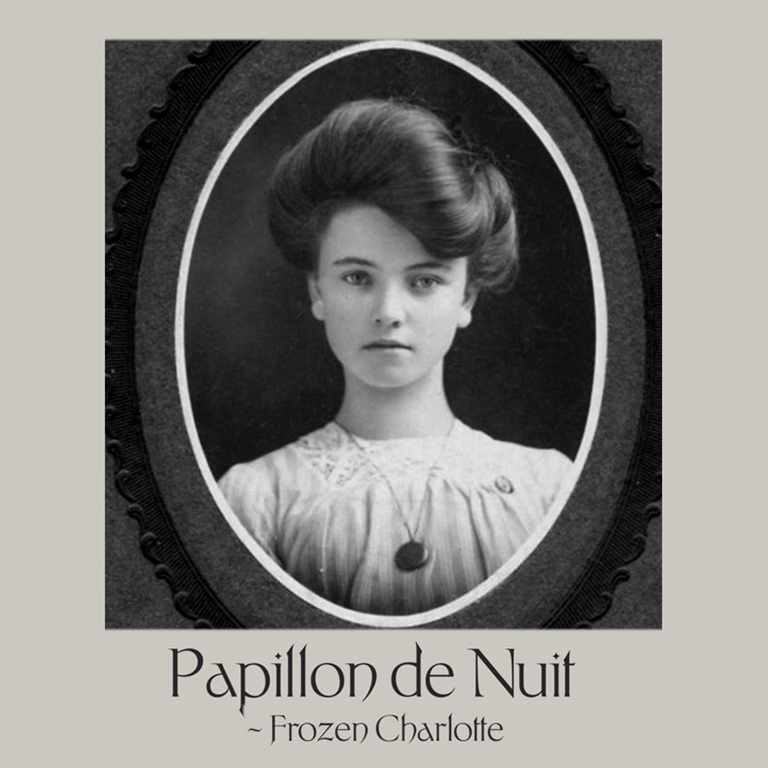
Papillon de Nuit’s latest single, ‘Frozen Charlotte’ recently got a straight-up rave review here on its release just over a week ago. They’ve since released a magical, haunting video to accompany it. Check it here:

AA

Frozen Charlotte artwork

Mortality Tables – 11th July 2025

Christopher Nosnibor

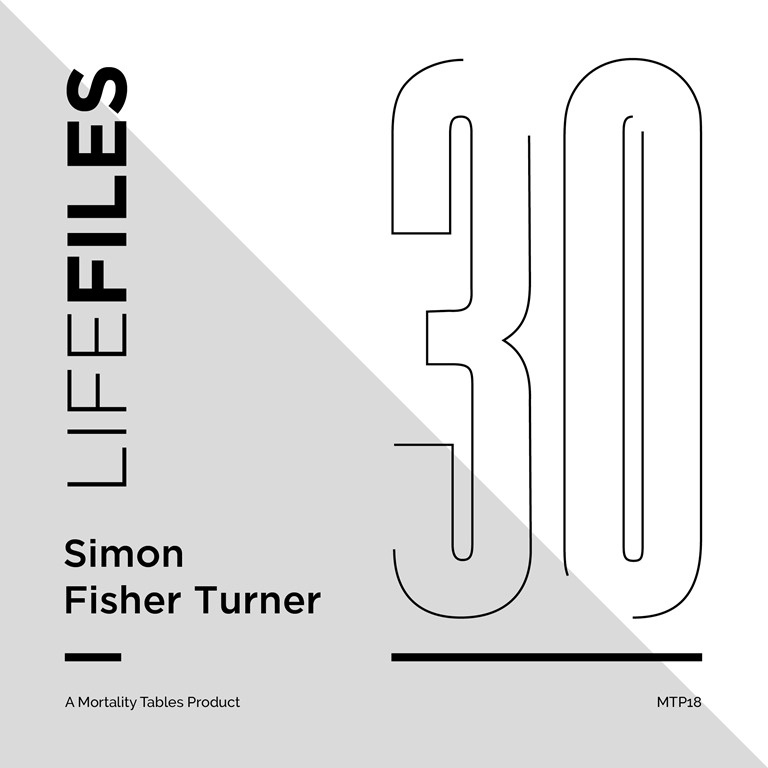
And so it is that the third season of Mortality Tables LIFEFILES series – and, indeed, LIFEFILES as a project, closes as it began just over two years ago, with its thirtieth instalment coming courtesy of Simon Fisher Turner. As such, this release is appropriately titled.

The premise of the series, which we’ve covered quite extensively here over the course of its running, is that curator and Mortality Tables label owner, Mat Smith, furnishes an artist with a field recording for them to more or less do as they please. Some of the reworkings and manipulations have been quite radical; others, less so. But what each has offered is a snapshot of a particular place at a specific time, reimagined and retold at distance by a third party. If this sounds rather absurd, it’s worth considering that this is essentially how history is formed – by the interpretation and re-presentation of primary source material to create a linear narrative. But how much can we trust the narrator? Even that primary source recording is just that – a recording. It is not the actual event. Therefore, with each revision, there is a move further away from the actual event. There evolves a certain historical layering, not so much akin to the degradation of a photocopy of a photocopy, but a drawing of a drawing, subject to ever-increasing distortions, deviations, corruptions.

As the accompanying notes inform us – quite factually – ‘The LIFEFILES series commenced in March 2023 with a piece by Simon Fisher Turner made using sounds recorded at an exhibition of works by the Memphis collective at Milton Keynes Gallery. The series concludes with a final piece from Fisher Turner, again using sounds recorded at Milton Keynes Gallery, this time at an Andy Warhol exhibition.’

This piece is only a little over eleven minutes long: a single or EP rather than an album – but Simon Fisher Turner packs a lot into that time. It begins with the slow-echoing of voices, a low mutter, the sound of voices, perhaps, chattering in a gallery – slowed and distorted, there’s a sense of discomfort, of the unheimlich, before a mid-range chimes in and hovers. So far, so ambient – but then some crushing percussion batters in and from nowhere things go a bit Test Dept. Trudging industrial beats slog away relentlessly, and they’re multi-layered and multitracked and hammer away from all angles in surround sound. There are some lulls, some drops in pitch and volume, occasional rests in tempo, even – but this is first and foremost a full-on beat assault. The speakers crunch and crackle and the beats thump and stomp.

Glitching, grinding bass enters the fray around the mid-point, albeit briefly, before swiftly vanishing, replaced instead by a subsonic sonar – and then things really get ugly. There’s a violence to this beat-driven blast, which even during the moments where it’s taken down a notch or three, there’s a sense of menace, something underlying that’s uncomfortable. The delicate chiming of a singing bowl or somesuch in the last couple of minutes, even when it yields to a quiet, low rumble, does little to dissipate the tension which has built – and built. But in the end, as is always the case, the ultimate end is silence. And so it is that the circle finally closes.

AA

AA

cover

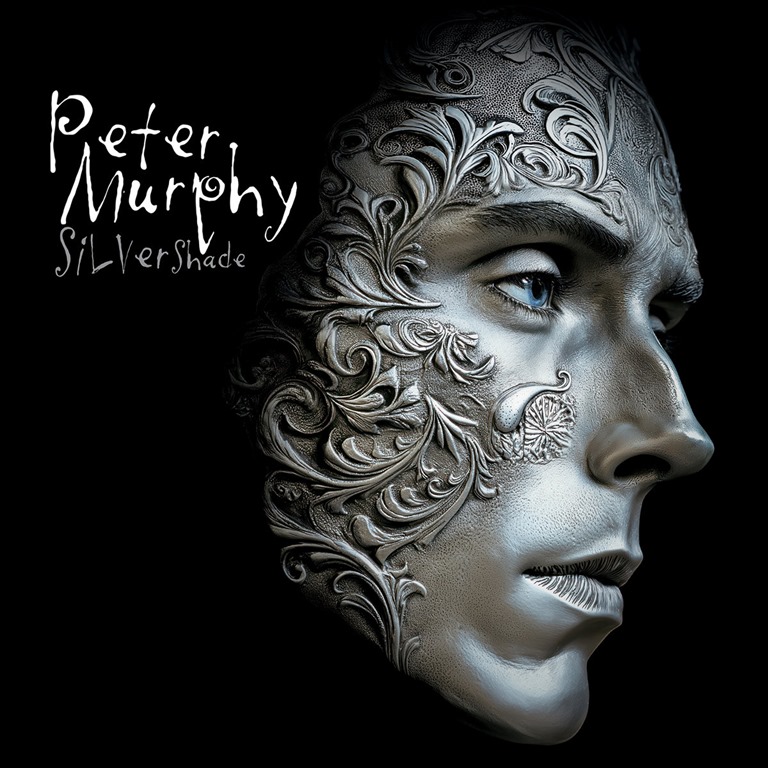
Peter Murphy – Silver Shade – Metropolis Records – 9th May 2025

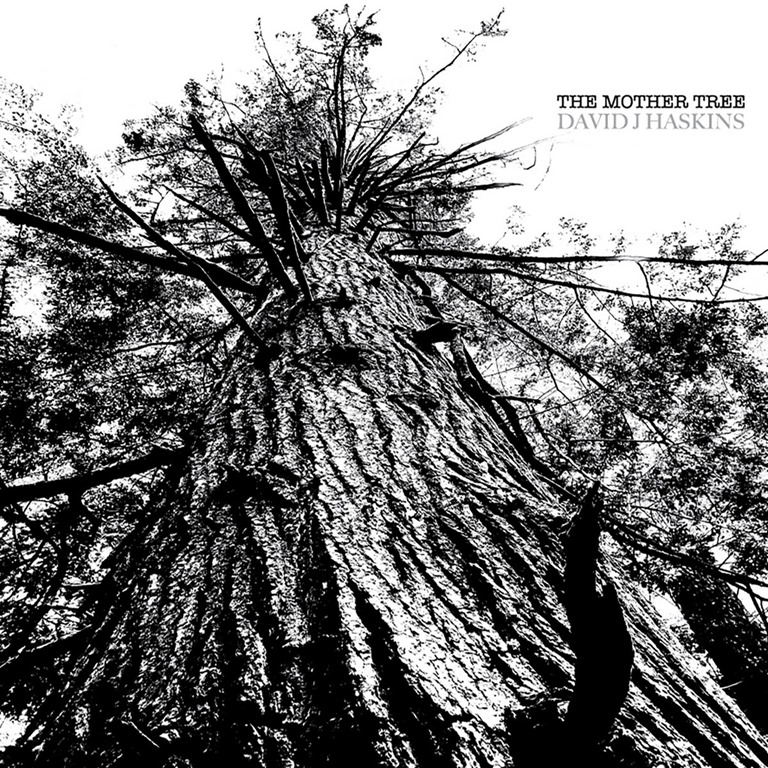
David J Haskins – The Mother Tree – Erototox Decodings – 6 June 2025

Christopher Nosniobor

It seems quite incredible that following a debut single which alone created a whole new genre, Bauhaus would release four definitive studio albums in just three years. The chemistry and creative crackle which existed between the four members was something special, and, judging by the 2008 reunion album Go Away White something that was very much of the moment.

While all four members remained active after the split in 1983, subjectively speaking, none of them have really replicated the same quality, or consistency, despite Love and Rockets – Daniel Ash, Kevin Haskins, and brother David J enjoying a degree of success with their more overtly pop-orientated rock sound.

The release of new albums by both Peter Murphy and David J within a month of each other affords an opportunity to observe just how different their respective creative trajectories have been, and also perhaps offers some insight into why Bauhaus reformations haven’t been entirely successful, with a 2022 tour of the US being cancelled, Murphy entering rehab, and the reunion ending.

Both of these albums are very much art-orientated, albeit approaching said art from almost diametric angles.

Murphy’s latest offering isn’t strictly a solo effort. Initially released as a standalone single, ‘Let the Flowers Grow’, which now closes the album as a ‘bonus track’, is a duet with Boy George, and much of the material on the album was co-written with Youth, who also produced it. Silver Shade contains twelve tracks and has a running time of fifty-nine minutes. As such, it’s a longish album, and the crisp 80s-sounding production, while suited to the material, dates it somewhat.

‘Swoon’ is classic Murphy in full-on Bowie mode, with a dash of Lou Reed and some grandiose electropop leanings. But if the bassline is lifted from The Sisters of Mercy’s ‘This Corrosion’, something about the swinging pop groove is actually closer to Springsteen’s ‘Dancing in the Dark’. You can clearly hear Bauhaus in all of this, but it’s predominantly in the vocals – perhaps not entirely surprisingly. And at five and a half minutes, it feels a bit laboured.

‘Hot Roy’ is Outside era Bowie crossed with Donna Summer’s ‘I Feel Love’ and The Associates. It’s poppy, it’s high drama, and it’s an early high point in an album that’s solid enough, but rarely spectacular. ‘The Artroom Wonder’ was an obvious single choice, but does sound like so many other things chucked into a blender, and elsewhere, the title track brings some dark glam vibes, and while it’s big on theatre, it’s not quite so big on substance, and feels rather predictable.

Predictable is not a word which can be applied to David J Haskins’ The Mother Tree, an album which is released in tandem with a book of poems, Rhapsody, Threnody & Prayer, both a tribute to his mother. As such, it’s a spoken word album with musical accompaniment, and, for context, it’s worth quoting that ‘David J’s decision to release these projects under his birth name, “Haskins,” (the name his brother Kevin used in both their bands together: Bauhaus and Love and Rockets) underscores their deep familial and emotional significance to him. He calls The Mother Tree, “my most personal work yet.”’ And that personal aspect rings out loud and clear, including as it does ‘profound reflections on life, love, loss, and touching tributes to late cultural icons and artists including Ian Curtis, Kurt Cobain, Jeff Buckley, Jack Kerouac and Mark Linkous.’ We feel and experience loss on different levels, and Haskins in no way suggests the loss of his mother is the same experience as the passing of a friend or an artist one admires: this is an exploration of the muti-faceted experience of loss and the way they all leave a different kind of void in one’s life.

The first piece – the title track – is a twenty-one minute piano-led meditation with subtle strings as the musical backdrop to a descriptive, linear narrative tale. There is a simplicity about it, not to mention an immediacy and directness. ‘this is a personal sacred story’, he says in the early stages of this patchwork of scenes which depict moments of his mother’s life. While the instrumentation is perhaps synonymous with high art, the words and their delivery are unpretentious, a flow of recollections and reminiscences, some harrowing, heart-rending, and all so real. Because life is often harrowing and heart-rending. ‘I miss your laugh’, he says openly, before effusing about perfect Sunday roasts. ‘Loved and lost’ is the succinct and poignant summary of the composition, and one which runs through the album as a whole. The other four tracks are substantially shorter, most around six minutes in duration, with almost folksy instrumentation and more contemplative spoken-word narratives, rich in little details which render them all the more vivid. There’s something almost unfiltered about it, and it feels so resonatingly human.

It sits at the opposite end of the spectrum from Murphy’s album: it’s art without artifice, a richly-woven tapestry where emotion is subtly laced through every moment.

These two albums may provide some indication of how the individual members brought specific traits to Bauhaus in the early years, and provide some measure of how they came to be increasingly divergent over time. Murphy’s album is clearly the more accessible, and will likely receive more coverage and acclaim, and reach a far wider audience, and be lauded and cherished by many. But for me, although The Mother Tree is a very different beast and challenging on a number of levels, it has a deeper resonance, and connects on a deeper level.

a3232846235_10a3601842447_10

Metropolis Records – 10th January 2025

Christopher Nosnibor

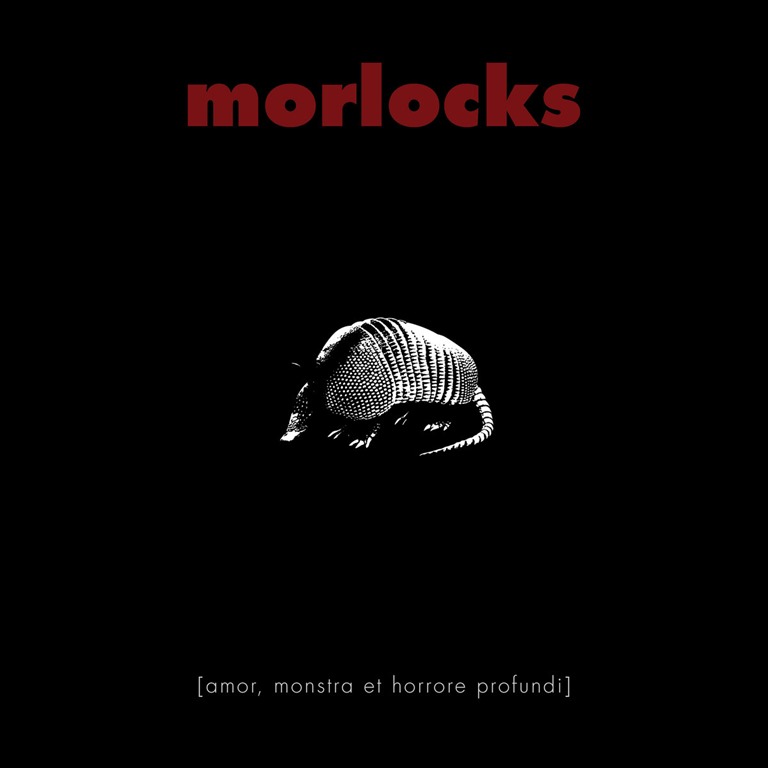
According to their bio, ‘Morlocks are a Swedish act who combine elements of industrial rock, neo-classical, darkwave and metal with epic production values to create an exciting hybrid sound. Having issued the long-awaited and well received album Praise The Iconoclast in late 2023, they subsequently promoted it with two US tours in 2024, both in support of their friends and occasional collaborators KMFDM.’

Asked about the inspiration behind the song, the band state: “Watch the world from a distance. Get angry at first, but also inspired. Take the darkest parts of it and twist them into something weird, beautiful and batshit insane – something that you could either dance to, brood in the shadows to or scream at the top of your lungs at the moon. Preferably all of the above. Everything can be turned into art, and art must hurt. Situation normal: all fucked up.”

‘Everything can be turned into art, and art must hurt’ is a phrase which stands out here. It may seem somewhat dramatic, but to summarise Buddha’s teaching, ‘all life is suffering’, or ‘life is pain’, and the function or art – true art – is to speak in some way of deep truths of what it is to be human. Art must therefore, reflect life and capture something of the existential anguish of the human condition. If it doesn’t, it isn’t art, it’s mere entertainment. And if the idea that ‘Everything can be turned into art’ may superficially seem somewhat flippant, a diminishment of serious matters, if the work is, indeed art, and not entertainment, then the obverse is true: using the pain of life as source material is the only way to interrogate in appropriate depth those most challenging of issues. In other words, making art from trauma is not reductive or to cheapen the experience – but making entertainment from it very much is.

There’s a snobbery around what constitutes art, even now, despite the breakthroughs made through modernism and postmodernism. It’s as if Duchamps had never pissed on the preconceptions of art for the upper echelons of society who still maintain that art is theatre, is opera, is Shakespeare, that art can only exist in galleries and is broadly of the canon. This is patently bollocks, but what Morlocks do is incorporate these elements of supposed ‘high’ art and toss them into the mix – most adeptly, I would add – with grimy guitars and pounding techno beats. Art and culture and quite different things, and those who are of the opinion that only high culture is art are superior snobs who have no real understanding of art or art history.

The five songs on Amor, Monstra Et Horrore Profundi are therefore very much art, although that doesn’t mean they don’t also entertain. ‘The S.N.A.F.U. Principle v3.0’ arrives in a boldly theatrical sweep of neoclassical strings and grand drama – and then the crunching guitars, thumping mechanised drums and raspy vocals kick in and all hell breaks loose. Combining the hard-edged technoindustrial of KMFDM – which is hardly surprising – with the preposterous orchestral bombast of PIG and Foetus bursting through and ascending to the very heavens, it’s complex and detailed and thrillingly dramatic, orchestral and choral and abrasive all at once.

With tribal drumming and bombastic, widescreen orchestration, ‘March of the Goblins’ has a cinematic quality to it, which sits somewhat at odds with the rather hammy narrative verses. It seems to say ‘yeah, ok, you want strings and huge production and choral backing to think it’s art? Here you go, and we’re going to sing about radioactive dinosaurs like it’s full-on Biblical’. It’s absurd and audacious, and makes for a truly epic seven and a half minutes of theatrical pomp that’s admirable on many levels. Ridiculous, but admirable.

‘The Lake’, split over two parts with a combined running time of over ten minutes explores more atmospheric territory, with graceful, delicate strings, acoustic guitar, and tambourine swirling through swirling mists before breaking through into a surging tower of power, melding crunching metal guitars with progressive extravagance, and medieval folk and martial flourishes.

Amor, Monstra Et Horrore Profundi is remarkably ambitious and unashamedly lavish in every way. Quite how serious are Morlocks? They’re certainly serious about their art. But while delivered straight, one feels there’s an appropriate level of knowingness, self-awareness in their approach to their undertaking. And that is where the art lies: theatre is acting. The stories told are drawn from life, and resonate with emotional truth: but the actors are not the action, and there is a separation between art and artifice. Amor, Monstra Et Horrore Profundi is something special.

AA

a2788665137_10

10th December 2024

Christopher Nosnibor

Less than a fortnight after Yorkshire-based collective Papillon de Nuit unveiled their first track, ‘Scarlet’, they present to the world the second fruits of their recent recording sessions, mastered by none other than Tom Woodhead, formerly of ¡Forward Russia! at Hippocratic Mastering. While ‘Amber’ continues the colour-themed song titles, they promised something different, and, indeed, that’s precisely what they’ve given us.

‘Scarlet’ was a somewhat folk-infused tune with a rolling rhythm: in contrast, ‘Amber’ sits more in neoclassical territory, in terms of composition and arrangement, with a lone piano providing the primary instrumentation; around the sung segments are spoken-word poetical passages. Again, Stephen Kennedy leads, but there is a counterpoint in words composed and spoken by Edinburgh-based polyartist Monica Wolfe, and the interaction between the voices and modes of delivery is engaging. This is not rock, or pop, or folk, but unashamedly music as art, and as compelling as it is beautiful.

AA

a1612744261_10

Mamka Records – 15th November 2015

Christopher Nosnibor

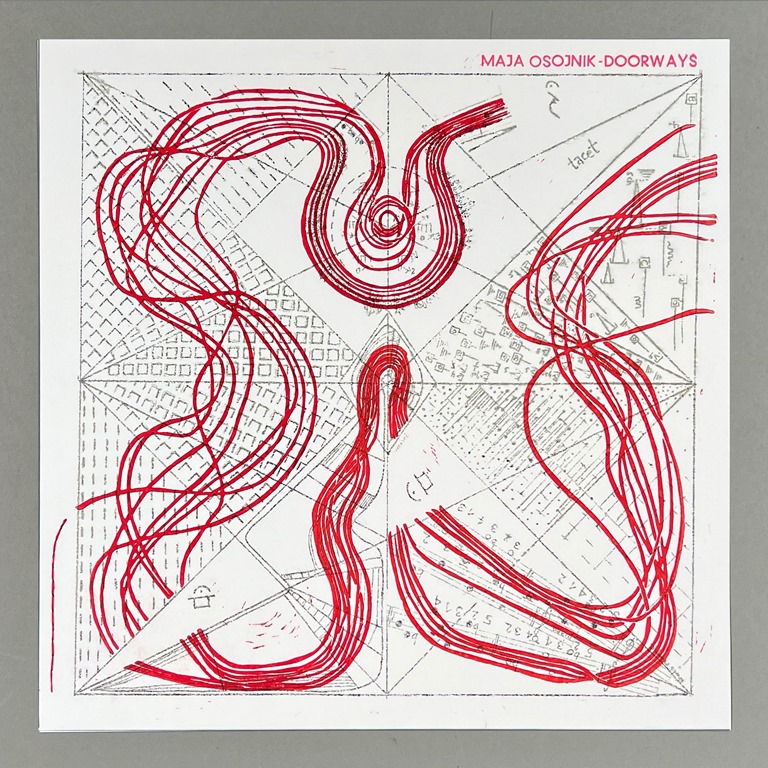
It feels like a while since we heard from Maja Osojnik – and, I suppose it has: her debut solo album, Let Them Grow, comprising work composed and recorded between 2013 and 2015, was released in early 2016: we’re now near the end of 2024, and a lot has happened in the last eight years.

Life… and we’ll spare another retread of the pandemic ‘lost years’. Along the way, Maja has founded her own record label, created and exhibited visual artworks, and produced some collaborative audio works, notably DRUCK with Anthony Pateras.

But the time between Let Them Grow and Doorways is significant in terms of the album’s inspiration and purpose. We learn that ‘Doorways was born from a longing to escape the city and everyday life – and the problematically fast pace thereof, a pace of production that accelerates the erosion of attention. In seeking to arrive in a quiet place, to linger there with an observational unprejudiced eros, to become completely aware of being alive. In line with Pauline Oliveros’ practice of deep listening, Maja Osojnik’s album explores the involuntary nature of hearing and the conscious nature of listening. It raises the question: How attentively do we perceive, recognise and internalise the ever-changing (aural) environment?’

It’s a question few likely ponder, although one that I have found myself contemplating in recent years. It began with the first lockdown. I used to travel to work – a twenty-five minute walk, followed by a further half-hour bus journey – with my earphones firmly wedged in my ears, desperate to ensure the noise of everything and everyone was blocked out by music, and I craved my own space. But then, suddenly, I felt the need on my daily hour’s walk, to hear nature – and it’s true, my paranoia peaked to a level that meant I felt the need to have my eyes and ears open and be aware of anyone in the vicinity, when people were much scarcer in the street. But this reconnecting with the sounds of birds, the wind in the trees became more than simply a lockdown hobby. And while, it seems, ‘The Great Pause’ – something only some got to experience or enjoy – gave way to ‘The Great Return’ and ‘The Great Acceleration’ Maja Osojnik has been motivated to seek peace and space, and instead of yielding to any pressures – real or perceived – to produce endlessly, she has chosen to explore time, and space, and allow herself to draw long, slow breaths, and to absorb the details of her surroundings. And it is this different focus which has informed Doorways.

While essentially consisting of two compositions – ‘Doorways #9’ and ‘Blende #1’ – each with a running time of over twenty minutes, and corresponding with a side of an LP, for digital release purposes, each piece has been segmented into five movements or fragmentary length. This may seem to run contra to the idea of reclaiming headspace from the current climate of the truncated attention span endemic in Westers society, but it does reflect the collaging approach to sound Osojnik has taken in assembling a broad range of field recordings, along with the input of woodwind and strings. As the accompanying notes point out, ‘It’s about active listening – what the artist Maja Osojnik calls cinema for the ears – an interactive game with one’s own self. The compositions invite the listener to hear them deeply; they function like a rotary dial, bringing extremely sensitive changes into focus. By constantly readjusting the focal point, they create new relationships between the electronically generated sounds, instruments and field recordings.’

And yes, it’s a timely and necessary reminder not only about the way we close ourselves off to the world, but how music is often something which simply floats around in the background while you’re doing other stuff, and how listening habits have changed: the majority now listen to an endless shuffle stream on Spotify. Simply typing that sentence plunges me into a state of despair.

In its collaging approach to composition, Doorways has, in a sense, inbuilt the shuffle into its structure – but at the same time, it is best experienced as an album, as intended. Doorways is not a bunch of songs, penned as singles, lobbed together to make an ‘album’: Doorways is very much an album album. It’s also a very good one.

‘Doorways #9’ bring with haunting disquiet and glitches and trips, backward surges and traced of feedback. It’s meant to be skin-crawlingly uncomfortable, and it is, as insectoid scrapes and scuttles.

The first five minutes of ‘Doorways #9’, in its cave-dripping tension, builds anxiety, and it’s only when birdsong develops that there evolves a sense of levity. But the tone grows increasingly dark, and there are increasing obtrusive spikes in jarring organ, and a sense of menace hangs heavy in the atmosphere. ‘Doorways #9’ is in some respects a dark ambient work, in that it’s unsettling, uncomfortable and free of percussion, and as such drifts from one moody, uncomfortable segment to the next. Suddenly, unexpectedly, in the last three minutes, things plunge deeper into darkness, as there’s a churning noise and a sense of falling… down… things take on a nightmarish quality, and the experience is dizzying, gut-churning and it would work well as a piece off a horror soundtrack. Perhaps one day it will be incorporated in one.

‘Blende #1’ grinds, scrapes, and skitters through an array of tones and textures. And it goes on… and one, twisting, turning, droning, scraping, and churning. There’s some avant-jazz in the distance. It’s pleasant, but mournful.

This is not an easy, or immediate, album. We all need time, and to take and make time. Along way, Osojnik leaves us haunted an incurring . It’s a spacious, and low—key but cheering experience.

Maja Osojnik has created an album that’s dark, and difficult, but which creates space for slow contemplation and reflection and it’s no vague criticism to report that Doorways is ‘nice’. It’s much more besides: intriguing, it draws you in, and pulls you in different direction. It’s an album, alright.

AA

MAM08 front

Mortality Tables – 16th June 2024

Sometimes, personal events drive creative work in a way which runs away from the artist. It ceases being first and foremost about ‘art’, and the need to expunge, to offload, to outpour takes precedent. It’s not a conscious thing, something planned: the fact is that creativity leads the way, and art is not something one necessarily can direct or determine – at least, not true art. Art happens in response to things, and oftentimes, the most powerful art is born from exploring the deepest, most intensely personal scenarios. Such explorations may not reveal a great universal truth, but then again, they may present something that’s unexpectedly relatable. And this is where we find ourselves with The Engineer.

Mat Smith has no ambitions of leading the country, and nor does his musical output seek to obfuscate his journey or his reality. The Engineer documents this reality, and I shall quote, quite comfortably, the press release which provides vital context here:

‘In 2012, writer and Mortality Tables founder Mat Smith (Electronic Sound, Clash, Further. wrote a short story, ‘The Engineer’. A work of fiction, the story was loosely based on his father, Jim Smith, a skilled mechanical engineer who had spent most of his adult life working in a factory in Stratford-upon-Avon. The Engineer represented Mat’s thoughts, feelings and fears about his father’s retirement.

‘The story was later narrated by author, producer, playwright and poet Barney Ashton-Bullock. 29 artists, working in the fields of sound art, electronic, experimental and contemporary jazz music, were then approached to provide a sound response to a thirty-second extract of Barney’s narration. The order in which they agreed to be involved determined which section of narration they would be asked to respond to.

‘The collated 29 responses were curated and recorded over the next two-and-a-half years and assembled into a single, 14-minute collage by James Edward Armstrong. Its sprawling, disjointed presentation of short, rapidly-replaced ideas is intended to evoke the devastating confusion of Alzheimer’s, which Mat’s father was diagnosed with in 2018.’

This is about as intense and personal as it gets, and I’d like to think that this well-crafted work makes for a fitting homage. The sleeve image depicts a teenage Jim Smith on Margate’s Promenade in the 1950s, and the narrative tells the story based on his life against a shifting sonic backdrop.

On the surface, it’s a quite charming work. But it’s also sad, a tale of the way the ageing process is one of decline. And as the story progresses, a different kind of decline becomes the focus. It’s also a narrative of the way work has a way of stealing life away, especially for the manual worker. It also speaks of the difficulty of relationships, emotional disconnection, and ultimately faces the issue of mortality in the most real and matter-of-fact way. Time passes, and it passes far too fast. When you reach a certain age, every birthday gives pause for thought, and every picture gives rise to a pang of sadness. Even the passage of a year or two… how do you compute? How do you deal?

It seems that many simply don’t: I often hear or read people remark how people dying – and they die, they don’t pass, although hardly anyone ever says or writes it – people dying in their 60s or even early 70s is ‘no age’ or how they were ‘taken too soon’. I struggle with this. People have a finite time, and I speak from painful personal experience when I write that I feel that it’s quality of time which counts most. To witness a slow degeneration tends to be far more painful for those around the person experiencing it. Alzheimer’s is a cruel disease, and all profits from this release are going to the Alzheimer’s Society. This is to be applauded, of course, but not simply for its charitability, but because of its art.

The Engineer may only be fourteen minutes in duration but represents twelve years in the making, and the input of more than thirty people in various capacities. In short, it’s an immense project, and the amount of time and energy poured into such a complex, detailed work is immeasurable.

The narrator starts out feeling vaguely AI, but in no time, we come to feel a connection with poet Barney Ashton-Bullock’s delivery. It’s crisp and clear, and in some respects has BBC documentary commentary. Its power derives from its simplicity: the narrative itself is straightforward and linear. Its sonic backdrop is not, and it’s disorientating, and at times uncomfortable, incongruous, at odds with the point of the narrative with which it’s paired. The sounds behind the narrative range from grinding, churning industrial din to woozy blooping electronica and shuffling disco and is altogether less linear, mutating over the course of the piece. It will leave you feeling disorientated, it will leave you feeling harrowed, possibly even stunned, and drained. But this is as it should be. The Engineer is ambitious, and a quite remarkable work.

AA

a0182982649_10