Posts Tagged ‘Progressive’

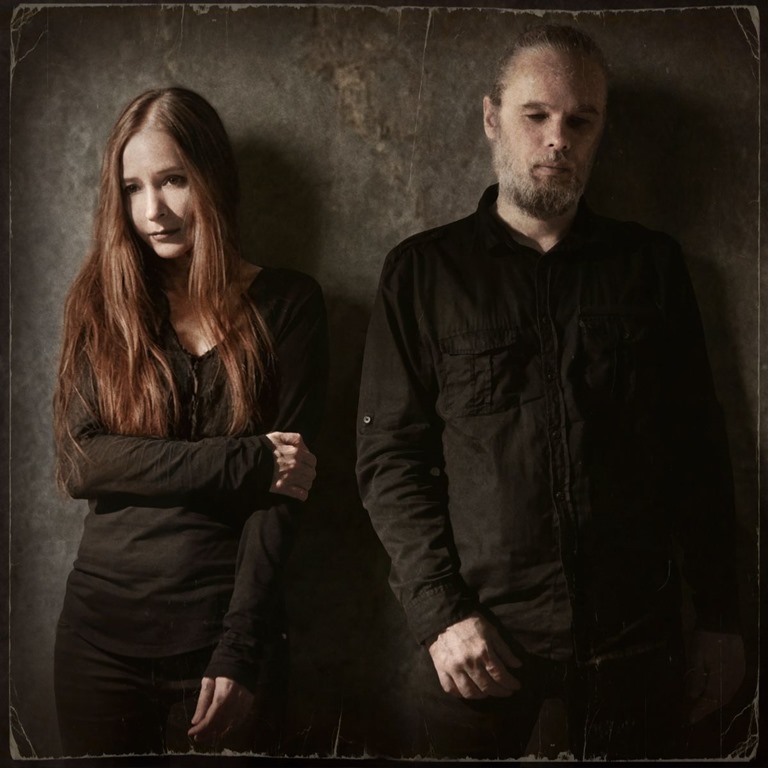
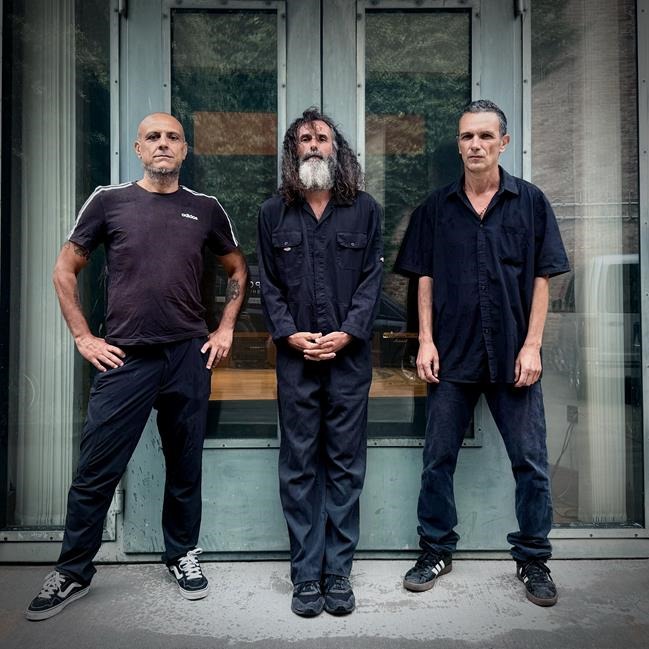
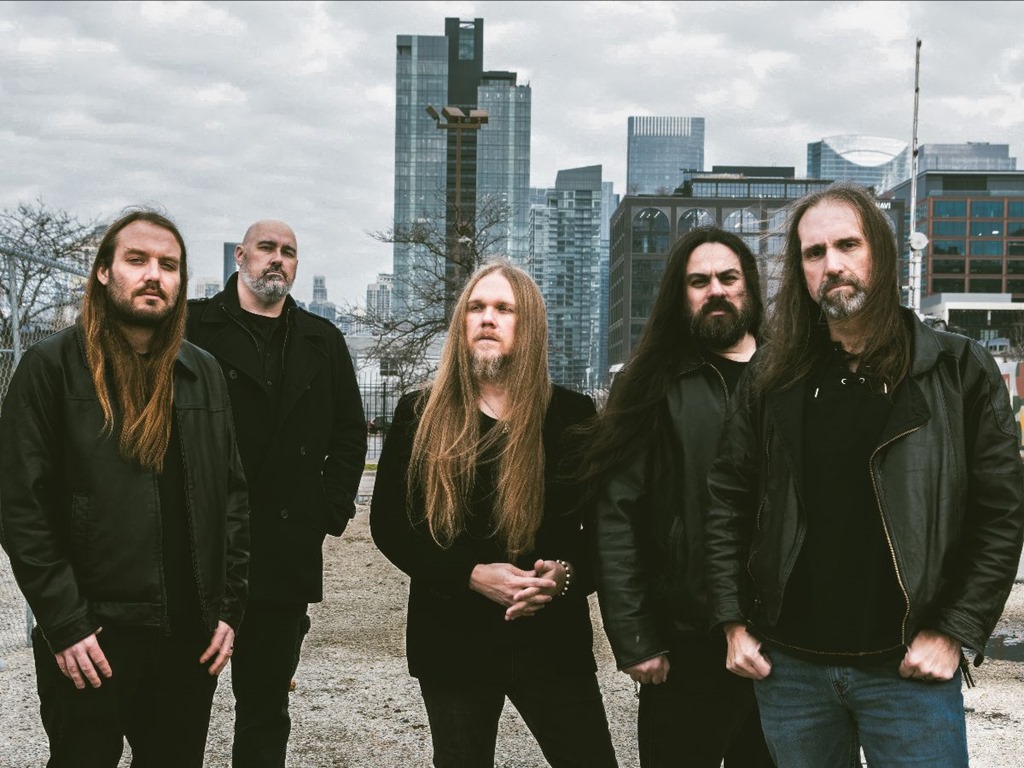
Legendary Italian experimental trio Zu recently announced their return with Ferrum Sidereum (produced by Marc Urselli), a big and bold double album arriving on House of Mythology on the 9th January.

The music combines the complexity of progressive rock, the grit of industrial music, the precision of metal, the spirit and energy of punk, and the freedom of jazz. The result is a sonic journey that is as cerebral as it is visceral, defying easy categorisation while remaining unmistakably Zu.

Today they share the new single and video for ‘A.I. Hive Mind’ – about which the band comments, “Smart cities, brain computer interfaces, internet of things, singularity. This particular track addresses all of these things as well as questioning the loss of self, the idea of single consciousness and collective predictable behaviour. Perhaps the most burning question for us is: What does it mean to be human in a world increasingly shaped by artificial intelligence, simulated realities, and technological control?”

AA

Zu have also shared live dates in support of the new album – dates and details below.

2026 LIVE DATES

10/01/26 – Bologna, TPO – Italy
21/01/26 – Caserta, Lizard Club – Italy
23/01/26 – Palermo, Candelai – Italy
24/01/26 – Catania, Zo Culture Contemporanee – Italy
28/01/26 – Milano, Santeria – Italy
29/01/26 – Verona, Colorificio Kroen – Italy
30/01/26 – Zagreb, Mocvara – Croatia
31/01/26 – Nova Gorica, Mostovna – Slovenia
01/02/26 – Bratislava, Žalár – Slovakia
02/02/26 – Prague, Palac Akropolis – Czech Republic
05/02/26 – Berlin, Neue Zukunft – Germany
06/02/26 – Copenhagen, ALICE – Denmark
07/02/26 – Malmo, Inkonst – Sweden
09/02/26 – Bruxelles, Magasin 4 – Belgium
10/02/26 – Eeklo, N9 – Belgium
11/02/26 – Amsterdam, OCCII – Netherlands
12/02/26 – Paris, Le Chinois – France
13/02/26 – Bulle, Ebullition – Switzerland
14/02/26 – Torino, Magazzino sul Po´ – Italy

Ferrum Sidereum – Latin for ‘cosmic iron’ – draws inspiration from the mythological significance of meteoritic iron, found in artefacts like ancient Egyptian ritual objects, Tibenta ‘Phurpa’ blades, and the celestial sword of Archangel St Michael. This elemental force imbues every moment of the album’s apocalyptic sound. Whilst heavy in tone and subject matter, bassist Massimo Pupillo comments that their music also aims to "raise good energy… people would come up to us after the show and tell us that they felt alive."

The trio – Paolo Mongardi (drums, percussion), Luca T Mai (baritone saxophone, synth, keyboards) and Massimo Pupillo (electric bass, 12-string acoustic guitar) – spent a year refining this sprawling 80-minute epic through relentless rehearsals and live studio recordings in Bologna. Produced and mixed by three-time Grammy-winning engineer Marc Urselli, known for his work with Laurie Anderson, Lou Reed, and Mike Patton, the album balances raw intensity with refined production tweaks and textures.

“We are very spiritually-oriented people,” says Massimo. “Machines and AI do not have spirituality. So they can mimic and they can assemble existing things, but they cannot create. That spirit is probably the most important thing that our music carries.”

AA

IMG_18602-9903cf03cf05143c 

Photo credit: Marco Franzoni

17th October 2025

Christopher Nosnibor

Raoul Sinier first caught my attention with the release of Guilty Cloaks, although he had already built a substantial catalogue of strange and surreal works in the preceding years, notably Brain Kitchen (2008) and Tremens Industry (2009). After Welcome to My Orphanage (2013) and Late Statues (2015), I rather lost track – something which is clearly to my detriment – and then he fell silent following Death, Love and Despair in 2018. Perhaps that title was a revelation beyond any of the contents or accompanying notes. It’s not anyone’s business, regardless.

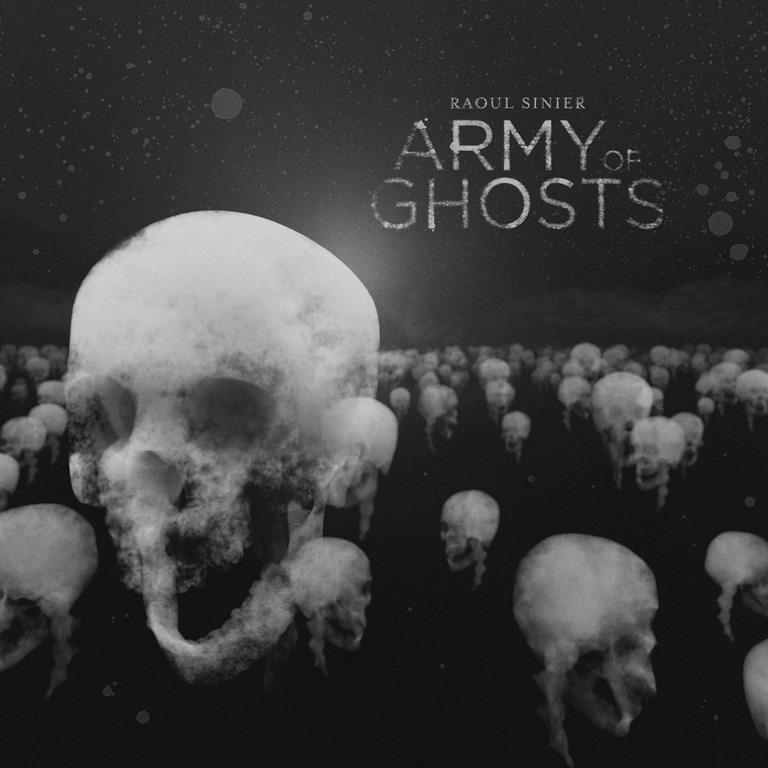
What matters is that the arrival of Army of Ghosts is a welcome one, and one which is heralded in the accompanying press release with the fanfare that ‘Raoul Sinier is back — more hybrid and unpredictable than ever’. We go on to learn that ‘His new album is a bold fusion of everything that made electronic music iconic, layered with sample work straight out of hip-hop’s golden age. Add in overdriven guitars, throbbing bass, flashes of rock, prog, and funk, and you’ve got a sonic landscape that’s as explosive as it is unique. Floating above it all is Sinier’s signature ethereal voice, a haunting counterpoint to the beautiful chaos below.

Melancholic yet sharp, lyrical yet raw, his music walks the line between introspection and confrontation.’

The appeal of Sinier’s work is its inventiveness – although with Guilty Cloaks, I will admit that I was drawn by a certain post-punk vibe, too – and Army of Ghosts is certainly inventive.

The album’s first song, ‘Phony Tales’ switches between Phantom of the Opera theatrical verses and brutal industrial choruses worthy of Trent Reznor. It’s not just the surge of sound, but the crashing, metallic bin-lid snare that dominates the mix and completely spins your head. It may only last two minutes and ten seconds, but it’s intense.

Much of Army of Ghosts is intense, but in different ways. The drums are uncommonly dominant, and Sinier’s vocals often invite parallels with A-Ha’s Morten Harket, but crucially, said vocals are wrapped in a broad range of forms. ‘Brace Yourself’ offers a lethal cocktail of this, and that, and the other, led by some trip-hop drumming and proggy guitar work, before tapering out with a dark, sonorous bass. It’s that same insistent, baggy beat and Bauhaus-meets-metal explosion which shapes ‘Disperse’, a word which has enhanced implications and resonance of late.

In its eclecticism, Army of Ghosts comes up trumps. ‘Walking Through Walls’ offers springy post-punk energy in the vein of Bauhaus at their best, while the title track straddles post-punk and Nu-Metal, and then post-rock, with sludgy bursts of low-end distortion and…piano. Unexpectedly, it calls to mind the stylistic swathe of Bowie’s 1: Outside, an album which knows no borders.

Sinier knows how to spring surprises, and the wild intro to ‘Spectral Ocean’ is indeed wild, a furious flurry of violin, layered and awash in echo abruptly giving way to a low-slung thunderous bass groove that’s got goth stamped all over it and would have been perfectly at home on the new Rosetta Stone album – and that’s before we get to the brittle, picked guitar and sturdy mechanical drumming that pumps away relentlessly. After the widescreen expanse of the moody ‘Distant Wildlife’, which builds to a dark, slow-burning climax, driven by a dense, throbbing bass, the final track, ‘Neon Sign’ pairs things back and goes all out on the haunting atmosphere, with serrated guitars cutting through drifting synths and a contemplative vocal performance – before suddenly closing with a blast of drone metal straight off Earth 2.

The thing about Army of Ghosts is that it is both detailed and direct, sometimes simultaneously, but it is never predictable. The song titles do not offer a clear overarching theme, but the ghostly and paranormal hover in every shadowy corner of this theatrical and imaginative set of songs – a set that’s wildly varied, but consistent in its quality. Raoul Sinier is most definitely back, and this is very much a good thing.

AA

WXFDSWXCXII front

2nd October 2025

Christopher Nosnibor

The context for Ashley Reaks’ sixteenth solo album – and his third in three years (not counting the compilation of demos released earlier this year) – is weighty. He has written openly and extensively of his health issues, while sharing images and commentary nocturnal wanderings, and these both inform At Night The World Belongs To Me, of which he writes:

The looming spectre of death and loss haunt the album: Reaks survived two major health scares and a misdiagnosed terminal illness over the last 18 months, experiences that inform the reflective, poetically gloomy lyrics, and the 4 am downtempo grooves. Adding to the sense of loss, guitarist and long-term collaborator Nick Dunne died suddenly at home just one week after completing his guitar parts for the record.

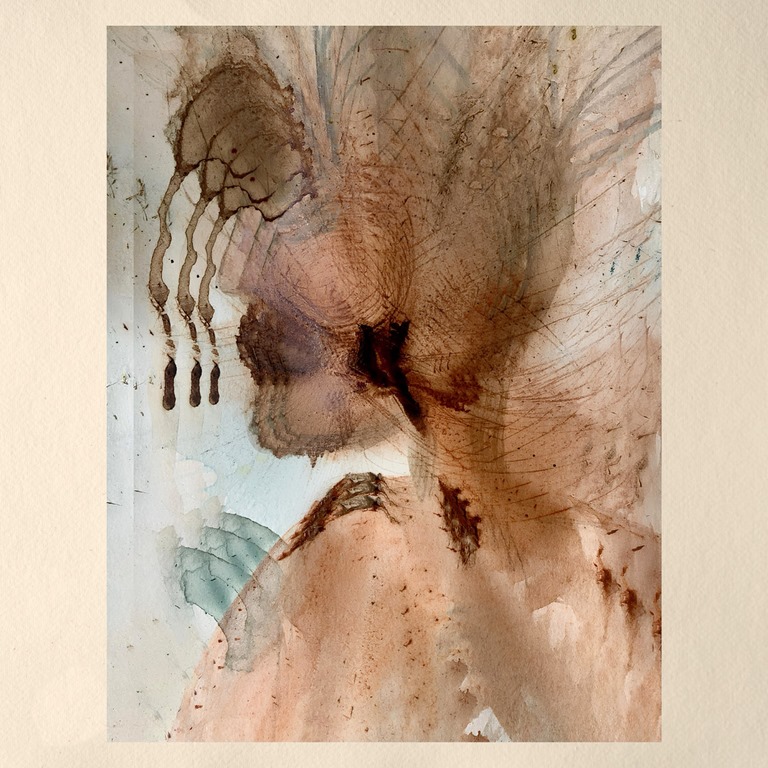
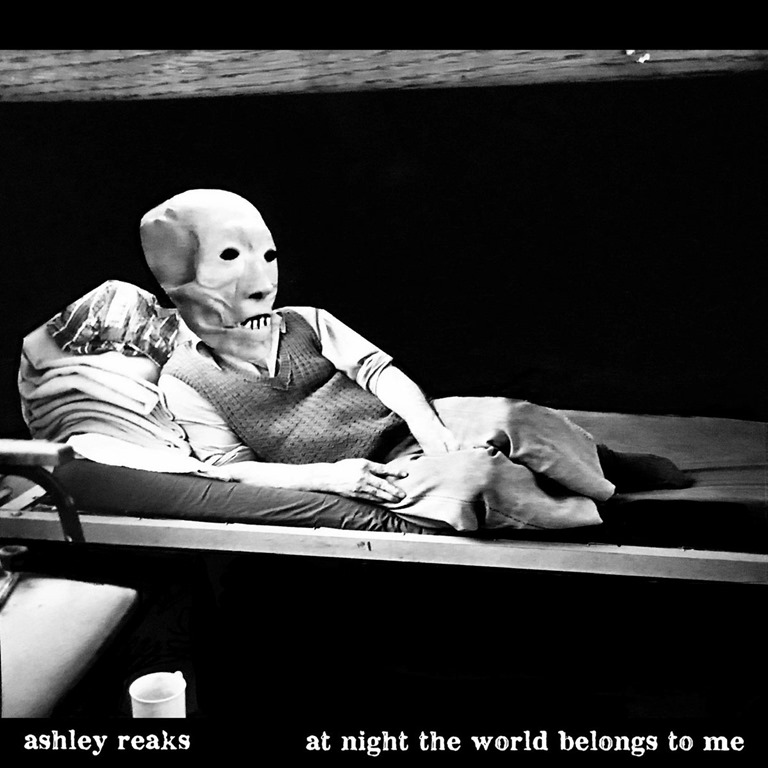
Through all of this, he has continued to collage and write prodigiously, but At Night The World Belongs To Me marks a distinct change of tone from its immediate predecessors, The Body Blow of Grief (2024) and Winter Crawls (2023). The usual elements are all present and correct – the sense of experimentalism, the collaging of genres, melding post-punk, jazz, and dub – but this feels darker, more introspective. The cover art, too, reflects this. While it has the same rather disturbing, grotesque strangeness of his usual work, the grim-looking figure in repose has connotations of ailment, frailty, even the deathbed.

The first track, ‘Playing Skittles With The Skulls and Bones’ has a bass groove that calls to mind The Cure’s early sound, melded to a rattling rhythm reminiscent of ‘Bela Lugiosi’s Dead’. The smooth sax that wanders in around the mid-point provides something of a stylistic contrast, but at the same time, it’s minor-key vibes keep the song as a whole contained within a bubble of reflection, evoking the stillness of night. I know, I’m sort of dancing about architecture here, but something about Reaks’ work prompts a multi-sensory response.

‘Rimmed With Yellow Haloes’ brings soaring post-rock guitars atop of an urgent ricochet of drumming and solid bass. On the fact of it, it’s almost poppy, but it soon shifts to take on a folksy aspect, while Reaks sings of death and funeral pyres, and the refrain, delivered with lilting, proggy overtones, ‘The Lord gave the day to the living, the night to the dead’. In context of the album’s title and theme, there is a tangibly haunting foreshadowing here, a suggestion that Reaks has not only accepted his mortality, but has assumed his place. It’s powerful, and deeply moving. Of course, Reaks can’t help but introduce incongruous elements, with some horns which are pure ska and some super whizzy 80s pop synths providing a pretty wild counterpoint to it all. It’s hard not to smile, because there’s an audacity to this approach to composition and arrangement – a lot of it simply shouldn’t work, but it does, and it’s uniquely Reaks.

The album’s shortest song, ‘Things Unseen’ is snappy, poppy, Bowie-esque, an amalgamation of post-punk and electropop, a standout which is succinct and tight, and consequently, the dark connotations of the bleak shuffle of ‘Life Forever Underground’ – a rippling synth-led tune – are rendered more profound. The sequencing of this album is such that the shifts between songs accentuate their individual impact.

‘Mask the face, unmask the soul…’ he sings softly on ‘Mask The Face’, which has a somewhat spacey Krautrock feel to it – before a guitar solo that worthy of Mark Knopfler emerges most unexpectedly. And as dark as things get here, Reaks never ceases to bring surprises. At Night The World Belongs To Me perfectly encapsulates the reason he’s so respected and critically acclaimed, but orbits light years outside the mainstream. In a world defined by an exponentially reducing capacity for sustained attention, Ashley Reaks makes music that requires real engagement, the musical equivalent of complex carbs and high fibre foods in a processed, white bread culture. But also, contemporary mainstream radio music favours short songs which cut straight to the chorus, where the hook has to land in the first twenty seconds. Here, we have eight songs, all but one of which are over five minutes long. They take their time, they’re expansive and exploratory, there’s atmosphere, there’s depth. And as ‘Eyeing Up The Sky’ tapers away on a buzzing drone, we’re left with much to chew on, much to consider.

AA

a2008509738_10

American Dark Metal veterans NOVEMBERS DOOM have released a new video single for the song ‘Major Arcana’, the title track of their forthcoming new album.
The twelfth full-length from these purveyors of dark and brooding metal is scheduled to be released on September 19, 2025.

NOVEMBERS DOOM comment: “The title track ‘Major Arcana’ represents significant growth for us, exploring new ideas and taking ourselves out of our comfort zone – both musically and thematically”, vocalist Paul Kuhr states on behalf of the band. “Yet we are still staying true to who we are and the artistic legacy that we have created for so many years now. Each of us pushed hard to challenge ourselves as performers as well as songwriters, and we could hardly be any prouder of what we have accomplished with ‘Major Arcana’, both in terms of the song itself as well as the new album as a whole.”

AA

In further news, NOVEMBERS DOOM will also reissue a 20th Anniversary Edition of their cult album The Pale Haunt Departure (2005) on October 3, 2025. This collectors’ edition full-length will be released on vinyl for the first time and as a lavish artbook including 7 exclusive bonus track, rare images, and liner notes. Mailorder customers, who order both albums, will receive The Pale Haunt Departure early and together with Major Arcana on September 19.

5a566941-35ac-fe0d-a818-6b82710e568d

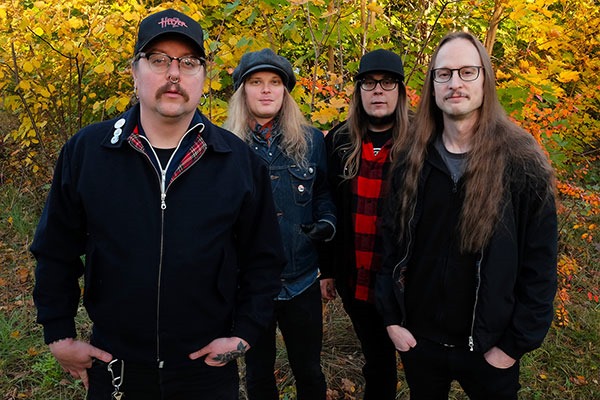
Finnish progressive heavy psychedelic rockers Craneium have just released a music video for their latest single ‘The Flow of Time and Age’, marking their second track under the Majestic Mountain Records banner.

Leaning heavily into their signature riff-laden fuzz and heavy rock energy, the song delves into themes of mortality and the quiet urgency of time slipping away.

“Lyrically, we’ve often returned to the subject of mortality and the choices that shape your life. You only get one,” reflects guitarist Martin Ahlö.

“Another track that we decided to save for later on. We felt like it could stand as a single on its own. It started out with an acoustic intro that turned into something else completely when the bass-riff came along. Droning guitars and dreamy mellotron-melodies on top. It’s different but definitely Craneium.” Shares guitarist/vocalist Andreas Kaján.

When on tour we listen to the classic Pink Floyd track ‘Time’ a lot, and I think it is safe to say that ‘Flow of Time and Age’ is a not so distant relative, musically and lyrically,” adds Martin.

“Our new track dives into the weight of memory, the slow collapse of what we hold dear, and that urgent need to act before the moment slips away. It’s heavy, melodic, and it hits like a truth you weren’t ready to face,” concludes drummer Joel Kronqvist.

AA

To celebrate the release, Craneium have also announced a new European tour, kicking off this June. Check out the  full itinerary below:
CRANEIUM – EUROPEAN TOUR 2025

5 JUNE – Copenhagen, DK @ Lygtens Kro (w/ Dunes, Grinding Eyes)
6 JUNE – Berlin, DE @ Pump Track (w/ Black Magic Tree, Zen Bison)
7 JUNE – Frankfurt am Main, DE @ Ponyhof (w/ The Black Cat’s Eye)
8 JUNE – Göppingen, DE @ Zille (w/ High Priest of Haze)
10 JUNE – Prague, CZ @ Sally O’Neals (w/ The Winter Sounds)
12 JUNE – Leipzig, DE @ Black Label
13 JUNE – Słupsk, PL @ Motor Rock Pub
14 JUNE – Łomża, PL @ Pub "Pod Ratuszem

AA

98ffeb0d-6ecf-8ca3-5538-d6cf590abf3b

11th April 2025

Christopher Nosnibor

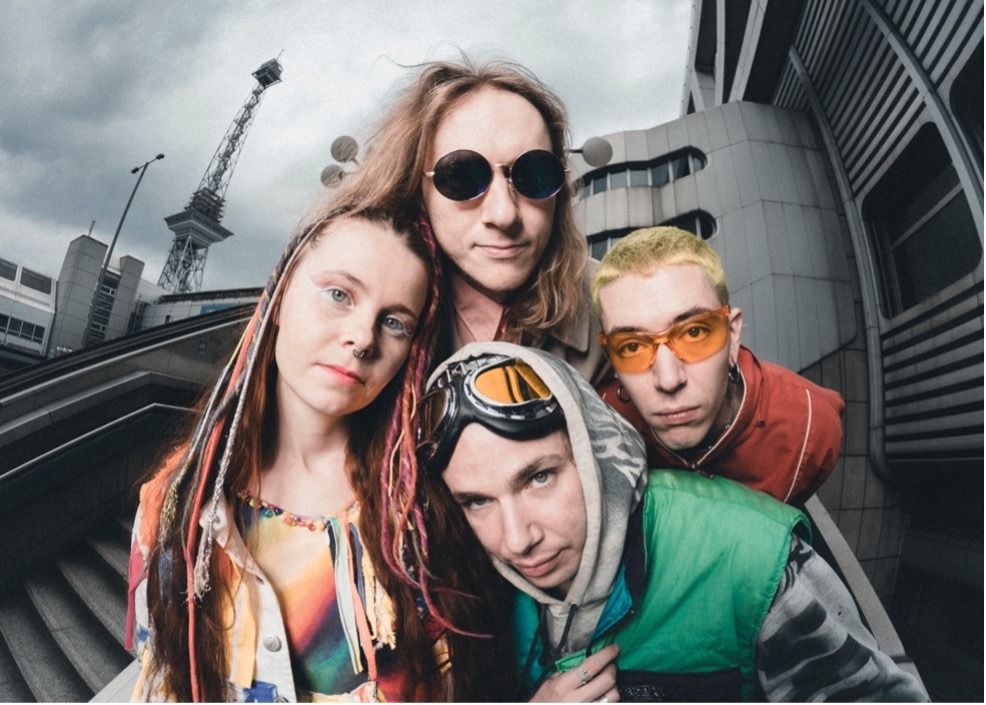
It’s still early days for London alternative / progressive metal quartet DAVAAR, formed in the summer of 2024 and with just five shows behind them, but they’ve wasted no time in venturing beyond London in their quest to build a fan-base, or in committing a chunk of their repertoire to tape (so to speak) for the release of this, their debut EP.

Although State of Feeling features four tracks, the title track is an instrumental introduction which is barely a minute long. This is a practice within metal circles that’s become so common as to be predictable and formulaic. It seemed to rise to prominence with the explosion of metalcore’s popularity in the 2010s, and often seemed to be an attempt to cover all bases for the purpose of a wider audience, as if to say ‘listen, we can play, we can do atmospheric and moody and gentle as well as WAAAAUUUGHHHHHH!’. But in doing so, it would often undermine the power of the attacking rage parts.

In fairness, it’s a little different in context of this EP, in that as much as DAVAAR trade in big riffs, their sound is cinematic, melodic, expansive, with clean vocals all the way. And so it is that this opening cut is softly atmospheric, bordering on ambient. A distant beat echoes through the drifting sonic mist. ‘Impulse’ arrives, not on a tidal wave of slugging riffery, but a ripple of picked, reverby guitar, and it’s only after some carefully-crafted build-up does the distortion kick in and the first of the big riffs hits. Even then, everything stays balanced, and the melody remains the focal point, and it’s easy to observe the parallels in their sound with those of their influences and acts they suggest sharing common ground with, including Sleep Token, Tesseract, Leprous, and Deftones.

There’s a lot of attention to detail in the song structures and the overall composition, with high levels of technical adeptness on display. There’s also a lot of polish here, with the end result being that State of Feeling feels fully formed, and DAVAAR’s potential to attain a substantial following is clear.

AA

AA

Davaar Band shot 1

Seattle’s MUSEUM OF LIGHT Unveils ‘Born All Wrong’, the third single off upcoming sophomore album Diviner, out March 14

Drummer Rob Smith says, “As with much of Diviner, ‘Born All Wrong’ is a continuation of all the things that interested us on our first record, just taken further. The heavy stuff is heavier, the pretty stuff is prettier, and the weird stuff is weirder. The song dives into some of the expanded sonic palette that sets this record apart from Horizon. Here, we used a new, lower tuning, replaced some of the synth parts with a human voice (Elissa Alvarez, who is all over this record), and even mixed in some of the crashing waves and sea birds we heard outside the studio window as we worked. The big riff that anchors the first half of the song was written several years ago when we were between bassists. So, we were leaning more on huge, monolithic ideas that sounded good with the guitar running through both guitar and bass amps at the same time. As one of the older songs on the album, we weren’t sure if if was going to make the cut, but as soon as we heard playbacks in the studio, we all had the same thought: ‘well, that’s definitely making the record.’”

Museum Of Light’s sound blends crushing, heavy swagger with ethereal, sparkling melodies, creating a dynamic, otherworldly atmosphere that combines raw intensity with haunting, operatic vocals and poetic, existential lyrics.

Listen to ‘Born All Wrong’ here:

AA

a3739300639_10

Metropolis Records – 10th January 2025

Christopher Nosnibor

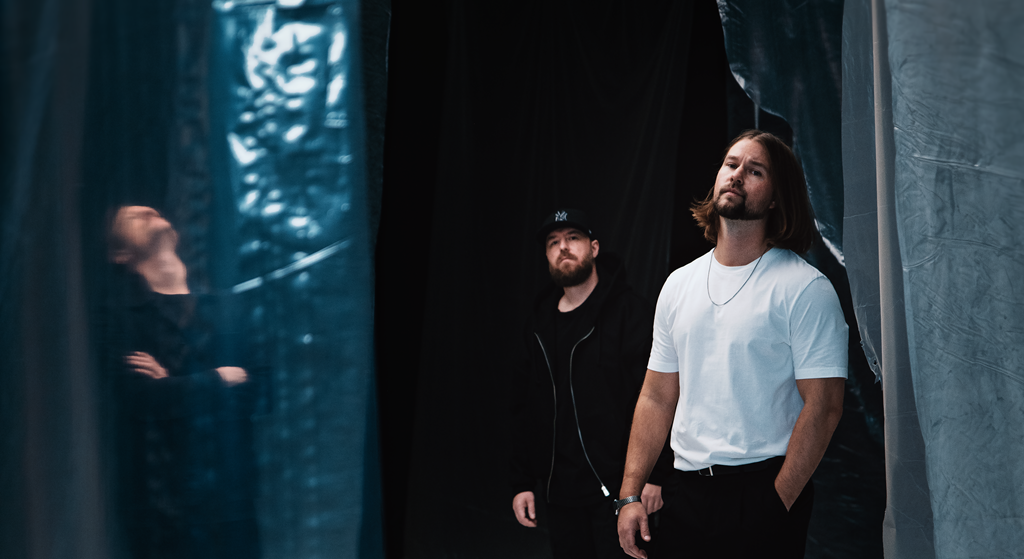
According to their bio, ‘Morlocks are a Swedish act who combine elements of industrial rock, neo-classical, darkwave and metal with epic production values to create an exciting hybrid sound. Having issued the long-awaited and well received album Praise The Iconoclast in late 2023, they subsequently promoted it with two US tours in 2024, both in support of their friends and occasional collaborators KMFDM.’

Asked about the inspiration behind the song, the band state: “Watch the world from a distance. Get angry at first, but also inspired. Take the darkest parts of it and twist them into something weird, beautiful and batshit insane – something that you could either dance to, brood in the shadows to or scream at the top of your lungs at the moon. Preferably all of the above. Everything can be turned into art, and art must hurt. Situation normal: all fucked up.”

‘Everything can be turned into art, and art must hurt’ is a phrase which stands out here. It may seem somewhat dramatic, but to summarise Buddha’s teaching, ‘all life is suffering’, or ‘life is pain’, and the function or art – true art – is to speak in some way of deep truths of what it is to be human. Art must therefore, reflect life and capture something of the existential anguish of the human condition. If it doesn’t, it isn’t art, it’s mere entertainment. And if the idea that ‘Everything can be turned into art’ may superficially seem somewhat flippant, a diminishment of serious matters, if the work is, indeed art, and not entertainment, then the obverse is true: using the pain of life as source material is the only way to interrogate in appropriate depth those most challenging of issues. In other words, making art from trauma is not reductive or to cheapen the experience – but making entertainment from it very much is.

There’s a snobbery around what constitutes art, even now, despite the breakthroughs made through modernism and postmodernism. It’s as if Duchamps had never pissed on the preconceptions of art for the upper echelons of society who still maintain that art is theatre, is opera, is Shakespeare, that art can only exist in galleries and is broadly of the canon. This is patently bollocks, but what Morlocks do is incorporate these elements of supposed ‘high’ art and toss them into the mix – most adeptly, I would add – with grimy guitars and pounding techno beats. Art and culture and quite different things, and those who are of the opinion that only high culture is art are superior snobs who have no real understanding of art or art history.

The five songs on Amor, Monstra Et Horrore Profundi are therefore very much art, although that doesn’t mean they don’t also entertain. ‘The S.N.A.F.U. Principle v3.0’ arrives in a boldly theatrical sweep of neoclassical strings and grand drama – and then the crunching guitars, thumping mechanised drums and raspy vocals kick in and all hell breaks loose. Combining the hard-edged technoindustrial of KMFDM – which is hardly surprising – with the preposterous orchestral bombast of PIG and Foetus bursting through and ascending to the very heavens, it’s complex and detailed and thrillingly dramatic, orchestral and choral and abrasive all at once.

With tribal drumming and bombastic, widescreen orchestration, ‘March of the Goblins’ has a cinematic quality to it, which sits somewhat at odds with the rather hammy narrative verses. It seems to say ‘yeah, ok, you want strings and huge production and choral backing to think it’s art? Here you go, and we’re going to sing about radioactive dinosaurs like it’s full-on Biblical’. It’s absurd and audacious, and makes for a truly epic seven and a half minutes of theatrical pomp that’s admirable on many levels. Ridiculous, but admirable.

‘The Lake’, split over two parts with a combined running time of over ten minutes explores more atmospheric territory, with graceful, delicate strings, acoustic guitar, and tambourine swirling through swirling mists before breaking through into a surging tower of power, melding crunching metal guitars with progressive extravagance, and medieval folk and martial flourishes.

Amor, Monstra Et Horrore Profundi is remarkably ambitious and unashamedly lavish in every way. Quite how serious are Morlocks? They’re certainly serious about their art. But while delivered straight, one feels there’s an appropriate level of knowingness, self-awareness in their approach to their undertaking. And that is where the art lies: theatre is acting. The stories told are drawn from life, and resonate with emotional truth: but the actors are not the action, and there is a separation between art and artifice. Amor, Monstra Et Horrore Profundi is something special.

AA

a2788665137_10