Posts Tagged ‘Heavy’

Portugal’s heavy hitters, Vaneno, have returned with a vengeance, unveiling the video for ‘Necropotent,’ the first single from their highly anticipated new album, Chaos, Hostility, Murder. This track marks the band’s first release since their 2020 offering, Struggle Through Absurdity, and it’s nastier, louder, heavier, and darker than anything they’ve done before.

“‘Necropotent’ is a caustic and maddening vision of a world that intertwines with our own. We all know who you are. The real necro lords who thrive in misery, pestilence, and chaos, forever feeding the abyss with the eternal rest of the fallen.” Says the band. This powerful and unsettling message is matched by the song’s crushing riffs and relentless rhythms, delivering an intense auditory experience that will leave listeners reeling.

Watch the video here:

AA

The upcoming album, Chaos, Hostility, Murder, was mixed and mastered by Pedro Mau at SinWav Audio, who also worked on the band’s debut EP. The album is set to be released through Raging Planet Records, further solidifying Vaneno’s place as one of the most promising Portuguese metal bands of today.

Vaneno’s journey began in 2017 when three friends — Miguel Nunes (drums), Eduardo Cunha (guitar), and António Tavares (guitar) — started jamming together, laying the foundation for what would become their distinct sludge-infused sound. By late 2019, the band expanded to a five-piece with the addition of Pedro Fernandes on bass and Alexandre Fernandes on vocals, marking a turning point in their commitment to bringing their music to the masses.

Since then, the band has undergone a lineup change, with Eduardo Cunha stepping down and Felipe Peraboa taking over on guitar.

Their previous release, Struggle Through Absurdity, showcased four powerful tracks that blend sludge, stoner, and death metal influences, creating an aggressive sound full of heavy, muscular riffs and pummeling rhythms. Vaneno’s raw, unrelenting style continues to evolve, and Chaos, Hostility, Murder promises to take their music to even greater heights.

AA

44c9dd6f-06df-28dc-fa18-fbb11d6e3bc4

Sacred Bones – 23rd August 2024

Christopher Nosnibor

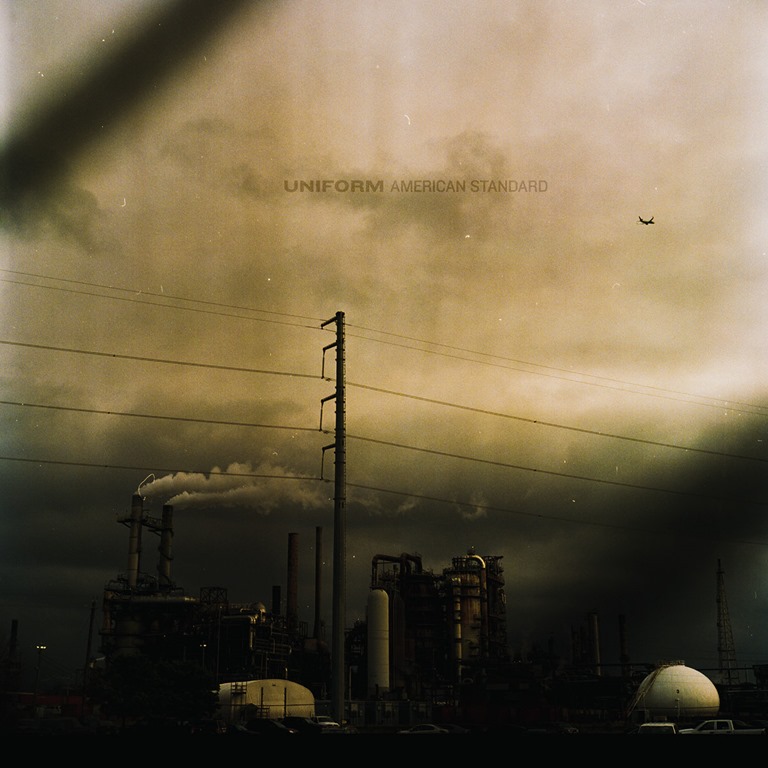
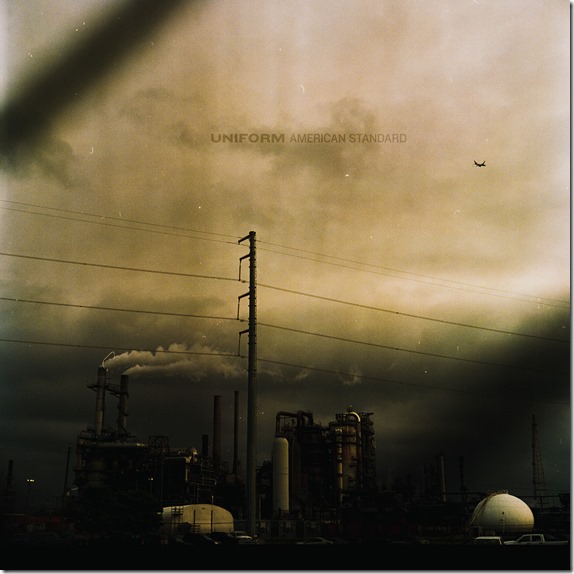
You know that when the bio for an album’s release is prefaced by a trigger warning, this is going to be some pretty powerful stuff. But this being a Uniform album, it almost goes without saying. Since their inception, they have gone all-out on every level, with the harshest noise providing the backdrop while Michael Berdan strips his skin to make the most brutal, unbridled, rawest expositions of the human condition, invariably born out of his own personal traumas.

I’ve often wheeled out the line that in the personal lies the universal, and even where there’s no direct correlation in terms of shared experience, the articulation of extreme emotions often provides a vessel whereby the outpouring of an individual’s catharsis offers a chalice into which others may pour the flow of their own emotional stigmata. If the metaphor seems a shade overwrought, bear with me.

Uniform is, unquestionably, a vehicle through which Berden vents endless pain and anguish. He’s a troubled person, and he’s open about this, to the extent that it’s more than just a but uncomfortable. But this isn’t some kind of trauma porn ride: the appeal of Uniform is this raw honesty, the absence of filter. You know – and feel – this is real. It’s not a case of manipulating the listener’s emotions, but an example of creativity as a vital outlet, a survival mechanism, even. It doesn’t exist for anyone’s entertainment. And with each release, Uniform, seem to find new heights of intensity, and new levels of sonic brutality, while dredging new emotional depths.

Shame felt like a gut-wrenching pinnacle which would be difficult, if not impossible, to surpass – but then, so did The Long Walk. In this context, it should come as only small surprise that American Standard goes even harder and harsher, but the simple fact is it would hardly seem possible. But here we are.

In the run-up to the release, Berden has spoken / written openly and in detail about his struggles with bulimia, and the fact that over many years of managing alcoholism and having come to a point whereby this is no longer a taboo topic, breaking down this particular wall has felt altogether harder.

Even the preceding singles, ‘Permanent Embrace’ and ‘This is Not a Prayer’, could not have provided anything like adequate forewarning of the intensity of the album as a whole.

I shall quote, while I take a moment and steel myself for this:

“The following songs are about a lifetime of making myself vomit,” Berdan writes in the personal essay that accompanies the album. His pain is so apparent, so immediate, that it feels like hearing someone scream for the very first time. “There’s meat on my face, that hangs off my face, sweats like I sweat, cries like I cry.” The music finally begins with those words, not in a glorious crash and clatter but in the tones of a gurgling drain. This is the sound of liquid moving through pipes that are full to the point of bursting with things usually hidden inside of stomachs and behind mental walls.

It all starts with an admission. Beneath the harrowing screams, there’s the pain of bulimia nervosa. There’s the pain of a sickness that is as physical as it is psychological. This is a kind of coming out. This is a kind of emergence. A far cry from edgy provocation or high school level transgression, this is something truly unacceptable.

As one might fear, this is just the beginning. As Don Delillo once wrote, “There are stories within stories.”

American Standard contains only four tracks, but the first, the title track, is fully twenty-one minutes long is the definition of harrowing. It’s a massive departure, in that with perhaps the exception of their 2015 debut, their compositions have conformed to the fairly defined structures, often with verse and chorus structures built around chord sequences and the arrangement of the percussion.

After an intro that can only be described as a scream of pain, ‘American Standard’ lurches into life as a churning throb of noise, and Berden’s bonne-rattling roar is only just audible amidst the pulverising fizz. When the power chords kick in, they’re like a full-on slam to the guts. Around the nine-minute mark, some keys enter the mix and there’s almost a redemptive tone, at least in the music, but Berden’s vocals continue to articulate the upper reaches of anguish. This is a different kind of purging from the subject matter – a flaying, emotional purging, a release of all of the years of torture and self-flagellation, distilled to the highest potency. It’s the barely human sound of breaking, breaking, emptying, over and over. The lyrics may not be easy to decipher, but the excruciating pain Berden articulates in their delivery is unmistakeable as he howls his larynx to bleeding shreds amidst a thunderous cacophony worthy of Swans live performances. If it’s not the heaviest shit you’ve heard all year… well. Just making it to the end of the title track is a thoroughly draining experience that leaves you feeling utterly spent.

The pounding machine-gun drumming, squalling, atonal synths and booming bass blasts of ‘This is Not a Prayer’ offer no respite, the layers of vocals, all screaming in pain, is beyond punishing: you feel your chest tightening and breath growing shorter with each intake, your throat clenching. The sheer physicality of the piece – which they sustain for a relentless six and a half minutes – is a panic attack in a can.

If the introduction to ‘Clemency’ swirls into ambience, it’s a bilious, nauseating brew of sulphur and fumes that festers just long enough to unsettle before the hardest percussion and the dirtiest guitars lurch in and everything becomes intensely claustrophobic. Again, there’s no oxygen, you’re constructed by the density and sheer relentlessness of it all. And it slams away like a lump hammer for almost eight minutes. The arrival of ‘Permanent Embrace’ feels like relief, of only for its brevity. There are some uplifting synths in the mix, but it’s the most savage finale they could have mustered.

The last time a record affected me this intensely in a physical way was over thirty years ago, when at the age of fifteen or thereabouts, having been introduced to Swans by way of Children of God, I picked up a copy of Cop at a record fair. I found it hard to conceive the record was actually revolving at 33rpm: it felt more like three, as time stood still and I felt my body being compressed by its crushing weight.

American Standard is certainly anything but standard. It goes beyond – way beyond – harrowing, or heavy, in any sense that words can easily convey. It’s the hardest listen. It simply hurts. But you know that this was the album they had to make. Forget your discomfort, and feel the pain.

AA
a2313479398_10

Cruel Nature Records – 26th July 2024

Christopher Nosnibor

Who’s got guts nowadays? Who even talks about guts nowadays? When I was growing up, guts was a big deal. Succeeding or achieving against adversity took guts and the papers would applaud. Now, you’ll occasionally hear of artists giving gutsy performances, but it’s rare.

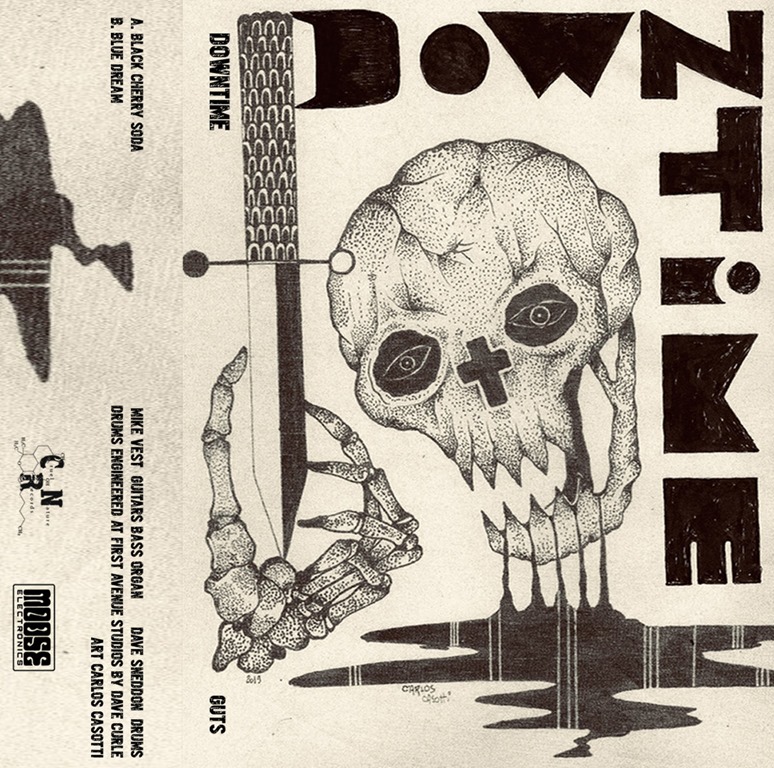
But Downtime – ‘the dynamic duo of Dave Sneddon and Mike Vest’ – yeah, they’ve got guts. But then, Mike Vest clearly has restless guts, his monumental and ever-evolving CV listing Guitar Oblivions, BONG, Drunk In Hell, Blown Out, Haikai No Ku, Modoki, Depth Charms, Brain Pills, Hollow Eyes, Lush Worker, and 11Paranoias. Collaborations include Mitsuru Tabata (Acid Mothers, Boredoms), Aoki Tomoyuki (UP-Tight), Fred Laird (Earthling Society, Artifacts & Uranium). When does this guy actually sleep?

Anyway: the naming of this project is likely ironic, and Vest’s concept of downtime differs from that of the rest of the world. He calls it downtime: we call it having a night off to sleep after finally taking a piss.

On Guts, Downtime immerse themselves in long, long, guitar and rum noise workouts, exploiting textures to the max.

The album contains but two tracks, each stretching out to the twenty minute mark.

‘Black Cherry Soda’ goes deep into a psychedelic groove, but it’s dominated by layers of feedback and blistering noise. I’m reminded of Head of David’s HODICA unofficial live album, which captured the band intentionally sabotaging a showcase gig that would have landed them a record contract by playing none of the songs and instead blasting out an ear-shredding wall of noise ;aced with a slew of uncleared samples. As middle fingers to the industry go, this stands, even now, as one of the best. The track drives forward and crashes through every fence and gate standing in its way, picking up pace and volume as it careers, out of control, onwards, ever onwards, on a heartstopping collision course towards its final resting place – smouldering in wreckage having slammed headlong against a wall, feedback and howling tones still spewing forth from the calamitous chaos. But we’re still only seven minutes in… and then shir really goes off the rails in a tempest of truly shattering noise. Every minute sounds and feels like the end, and every second is pulverising. The mess of noise, underpinned by a deep, strolling bass, is a chaos of discord, but also a spectacular document of collaborative musical capability. And this sounds like the work of more than two people.

Colossal noise is an understatement, and ‘Blue Dream’ fades in where ‘Black Cherry Soda’ tapers out, on a tidal wave of feedback before locking into a hefty psychedelic groove with thumping percussion, a foot-to-the-floor bass thunder and a blistering guitar racket that’s truly tranportative.

Downtime have no such specific agenda here, but the bottom line is that that they’ve no interest in the machinations of bigger labels and are quite content to have their staunchly uncommercial noise released to a small sliver of ‘the masses’ by a label who actually cares about what they do. If you dig noisy psychedelia, you need this.

AA

a0740017337_10

German electro-industrial band, NEON INSECT has just unveiled their ambitious, & highly-anticipated album, LIBERTY FLOWERS.

LIBERTY FLOWERS sheds some light into different aspects of life in New Moscow, in times where unrest slowly settles in, even though everything is done to oppress its citizens. The ever-recurring concept of NEON INSECT’s music features the only habitable place in North America. It’s a dystopian version of New York in an alternative timeline, serving as a experimental playground for implants, cyborgs and indoctrination.

With this album, NEON INSECT also takes you on a trip sonically, with noises sounding like they’ve been taken straight from a dystopian nightclub, combined with analogue madness. The goal with this record was to rephrase the grit of old-school, early 90s electronic-industrial music, while not shying away to cross some boundaries. LIBERTY FLOWERS is a love letter to this era of music.

LIBERTY FLOWERS is currently available on CD and cassette formats as well as Bandcamp, digitally. It will be available on most major streaming services on August 30th.

Watch the video for ‘There is Beauty in Noise’ here:

NEON INSECT (Nils Sinatsch) is a dystopian storyteller, telling tales from New Moscow – New York in an alternative reality, where the cold war went hot and the soviets won.
As a normal citizen somewhere in Germany by day and a rebel by night, NEON INSECT fetches the stories through the cyber web from his contacts in New Moscow. – he only habitable city in a nuked America, where cyborgs rule the streets, where lower Manhattan is a prison and the last bastion of the local rebellion.

The stories are told in an old-school industrial fashion, the sound of the cold war, enhanced with stutters and glitches, the sound of the cyber web – a soundtrack George Orwell would approve of.

Bring Your Own Gasmask.

e66ddad5-9c6d-e914-70d2-c108fc4f03d5

Regenerative Productions – 7th June 2024

Christopher Nosnibor

The last couple of years – and 2024 in particular – has seen a huge upturn in acta reconvening after lengthy breaks. Anticipation for the Autumn drop of the first album from the Jesus Lizard in over two decades is immense, but then only this week I wrote – extremely favourably – on the new album by The March Violets, released eleven years on from its predecessor, and From Fire I Save The Flame by Three Second Kiss – twelve years down the line from their last album. They all have their reasons for pausing, and for the timing being now, but as much as its perhaps coincidental, it makes for exciting times for fans who had little to no expectation of ever hearing new material. And what’s more, and perhaps most remarkable, is that these albums have been proving to be GOOD – not some damp squib, reheated soufflé reunions which sully their catalogues and make you wish they hadn’t bothered (in the way Bauhaus’ Go Away White was such a monumental let-down).

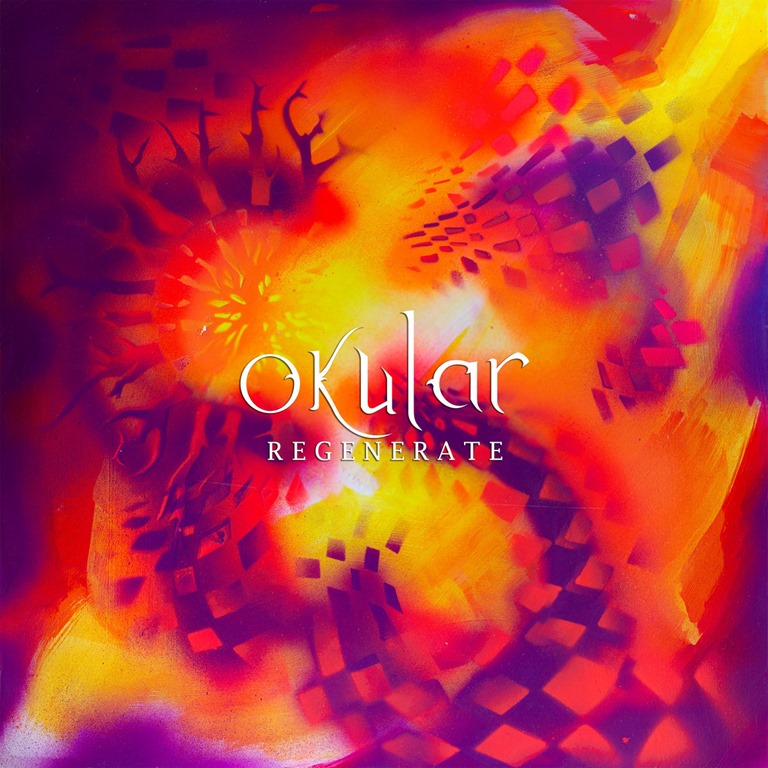
And so here we have Norwegian death-metal outfit Okular with their first full-length release in eleven years since their 2013 second album Sexforce.

I will confess to being unfamiliar with their previous work, which means I’m unqualified to comment on how the aptly-titled Regenerate stands in comparison. But I do feel able to consider Regenerate on its own merits.

Blasting in with ‘Back to Myself and Beyond’ the sound is dirty, murky, dingy as fuck, snarling, gnarled vocals spewing venom and gargled gasoline over churning guitars, from which emerge the occasional squealy note before flicking into a quickly-woven blanket or fretwork wizardry. Underneath it all, the bass and drums thump and thud away at a hundred miles an hour, muffled, muddy, and manic.

The two-and-a-half-minute title track follows this five-minute titan, and it’s a fast-and-furious fretfest, on which the vocals switch between menacing growl, strangled rasp, and raw deep-throated demonic howl.

All of the requisite tropes are in place: a hefty percussive barrage and super-fast fingerwork provide the backdrop to ugly, bowels-of-hell vocals, with some rapid drops and sudden breakdowns, and when it comes to genres, missing these elements is case for disappointment. That said, there is still scope for invention, and ‘A New Path’ brings what its title proffers, opening with a soft acoustic almost country-tinged grunge intro, before doom-laden power chords crash in, an unstoppable chuggernaut – and the two elements play off one another to forge a really interesting dynamic.

The album’s shortest track, ‘Debauchery’ surprises again, with another almost folky acoustic flavour to start, before simmering up to a boil to deliver what it promises in the shape of some spectacular soloing, preceding the album’s longest track, the six-and-a-half-minute epic what is ‘Another Dimension of Mind’. It’s a delicate, lilting, layered acoustic segment – which is really quite technical and borders on a blend of folk and neoclassical – which plays out on the album’s closer, ‘Elevate’, and it’s really quite nice. Of course, everything blasts in at double the standard intensity for the final minute, and it’s positively incendiary, a ground-scorching flame-thrower assault that hits like a tsunami before an abrupt and unexpected end.

Regenerate is a smart album. By its nature, technical prowess and musicianship is portrayed almost extravagantly, but, as is the law, it’s contrasted with the dirtiest, hardest, fastest riffs. But Regenerate offers so much more – more texture, more stylistic diversity, more range, a really ambitious approach to songwriting that goes beyond the confines of genre.

AA

a2807309953_10

28th March 2024

It’s that time of year again, when, in the UK, you may be forgiven for thinking that the entire music industry is camped out at Glastonbury. This, however, is a chronic misrepresentation, and all around the world, there are quite literally hundreds of thousands of music-makers who have absolutely no connection with the event, no currency, and no interest.

Seeing a few brief snippets on BBC news, with grinning attendees being asked for their views on their experience so far and who they’re looking forward to, I was stuck by just how middle class – and / or middle-age – a lot of those taking heads are. These are the type of people who can afford the £350+ tickets on a punt for ‘the experience’ and the increasingly limited off chance of some decent or interesting acts. The headliners are so safe, predictable, bland, and there’s not much to be said of much of the lower orders, either: the only acts worth seeking out are probably those you’ve never heard of playing in the minor tents who’ve probably had to pay a heap to get in.

Despite the immense coverage and the vast audience, it’s not representative of the majority of the music scene, industry or beyond, and for that majority, things go on as normal. And so it is that we have a new single from Brighton’s brightest, brashest metal new hopes, Eville, hot on the heels of whipping up some crowds on tour with Glitchers, and likely winning new fans in the process.

Anyone who discovered them on this tour will not be disappointed, and having followed them from their very incarnation, I’m not, either.

This latest offering, co-written and produced by Harry Winks of South Arcade, pulls everything that makes Eville an exciting act together and blasts it out hard. With their roots and influences firmly in early noughties nu-metal, they’re as much, if not more about Deftones and Pitch Shifter than Limp Bizkit or Korn, exploring the darker terrains of a genre which came to be maligned as it mutated into sports metal.

As is typical of the genre but also a defining feature of what Eville have come to own as their sound, ‘Dead Inside’ pitches clean melody and rabid growling vocals against one another over a backdrop of guitars denser than lead. It’s the perfect balance of accessible levity and monstrous heaviness.

But they also embrace contemporary pop tropes, with the overt and sometimes quite wince-inducing application of autotune. In this respect, they’re quite the conundrum, and products of our confusing, conflicted, incoherent times. They are the very manifestation of the widening generation gap, appropriating from their parents’ generation while staunchly representing their own. There are no limits.

It’s both musically and emotionally articulate, and represents another flawless entry to their killer catalogue.

AA

Eville - Band shot 2

Human Worth – 5th July 2024

Christopher Nosnibor

Almost four years on, and still the shadow of the pandemic hangs over us. The way in which this manifests varies widely, and it feels as if it could yet take considerably more time yet to unravel the traumatic aftereffects. During the time people were forced to stay inside, many found themselves looking inside, too – inside themselves – and finding darkness and demons, and a whole lot more besides. Many were forced to face these alone, without the usual support mechanisms – support mechanism which may no longer be accessible, or even exist. The new normal in which we find ourselves is nothing like the one which seemed possible at the time, and that vague hope people clung to of emerging in a better world has been utterly devastated since, not only by global wars and accelerating climate change, but in the everyday, which simply feels like a battle for survival so much of the time, with the cost of gouging crisis, a mental health crisis, a collapsing NHS, decimated public services… the list goes on. Things have changed radically, but not for the better.

Pascagoula’s second album, For Self Defence, is a thorny thing which grew over the pandemic years and has taken some time to reach fruition. It’s not unusual in itself for an album to take four years from conception to release, but as we learn of this particular album, the circumstances and timing unquestionably influenced the end result:

‘The title of the band’s second album For Self Defence was decided upon in 2020 – It seemed fitting considering what was happening in the world then, and remains bitterly relevant now. Pascagoula remained in their secret tin-foil prefab shelter in Brighton (near Europe) and reflected the tightening chaos and hardship of the world outside. The nine songs on their second album are sharper and more barbed, more violent and vitriolic, and more cruelly calculated than before. Songs about past traumas, regrets, anxieties, damaging relationships, mental illness, the bad choices we make in life, and their consequences. It’s no easier in here than it is out there.’

Perhaps unsurprisingly, then, For Self Defence is hard-hitting, harrowing. The title tracks opens the album and its slow and heavy, but not in a raging deluge of distortion way, but more glacial math rock in the vein of Kowloon Walled City, and the tone of For Self Defence is very much in the vein of the slow, thick-timbred, gritty, granular metal with a really earthy, organic feel of Neurosis and a number of other Neurot bands.

Then again, ‘Insecurity Breach’ is a straight-up shouty noise song with lumbering bass and grungy guitars, evoking the sound of the underground in the early 90s – not grunge, but all of the mangled noisy shit you’d find in tiny venues and released on microlabels that only managed a handful of releases, and the album seems to get darker and denser and dirtier as it progresses. ‘Valve Kilmer’ is a title worthy of those niche 90s acts, too, or the numerous post-millennium noise acts emerging from Leeds.

And while such a title hints at there being humour to be found here, the off-the-cuff flippant wordplay is at odds with the overall mood. In keeping with the way in which For Self Defence shares much commonality with that early 90s scene, so it is that what the album conveys is inner turmoil, conflict, and yes, angst, articulating emotions which words alone cannot convey via the medium of churning guitars and a howl of anguish. ‘Consultants of Swing’ (boom boom) mines a seam that carves its way from the Jesus Lizard to Blacklisters, tossing in some noddlesome proggy post-rock elements into the gnarly noisy math metal mix. The result is dense, tense, and claustrophobic. This isn’t music that’s intended to make you feel at ease, and it doesn’t. You feel that knot in your chest tighten and the tension in your shoulders grow to a persistent ache, as if carrying a heavy load.

Since seemingly forever, there have been those who have decried the death or guitar music, who have declared it redundant, insisted that rock’s dead, grunge is dead, that metal is passé. Nothing could be further from the truth. These instruments, and these genres, are where people turn when looking to vent these most difficult emotions, when seeking release, catharsis. For Self Defence is pure catharsis, rabid in its intensity, foaming in its fury, exhausting in its weight: ‘Mournography’ brings the slugging monotony of early Swans, and Godflesh, and by the time we arrive at ‘Eternity Leave’, we’re ready for it. Relentless, raw, For Self Defence is quite simply a monster.

AA

HW035_Pascagoula_ForSelfDefence_CoverArtwork

Thrill Jockey – 21st June 2024

Christopher Nosnibor

You want epic? Look no further that this. As the press notes set out, ‘Over the course of 4 tracks in 76 minutes, SUMAC presents a sequence of shifting movements which undergo a constant process of expansion, contraction, corruption and regrowth.’

Four tracks. An hour and a quarter. And then we have the context, and the content of ‘the thematic nature of the record – narratives of experiential wounding as gateways to empowerment and evolution, both individual and collective.’

The emotional weight may not be immediately apparent without this context, but the sonic heft crashes down the doors with the opening chord, a low-down, distortion-heavy heave. The dynamic is one of a lumbering lurch rather than a forceful blast, a long, slow spew, a ruined speaker flapping a sigh in devastation. And then the bass grinds in, so slow, so dark, so heavy, like an emptying of the guts – a slow, painful Dysenteric purge. Around six minutes in, drums and vocals enter the mix and the picture – a scene of the most ruinous pain beyond imagination – is complete. ‘World of Light’ is either the most ironic or misleading song title going: it’s twenty-six punishing minutes, with extended passages of droning feedback in between riffs more brutal than crucifixion. This one track alone isn’t only the duration of some albums, but contains everything necessary.

Comparisons are references are easy and abundant, but, equally, futile: The Healer is a singular, monumental work. It would be an oversight to comment only on the brutal, crawling riffs and gut-shredding density when there are passages of haunting elegance and quite touching beauty. Solo guitar ripples and eddies like a small, quiet stream, and there are moments The Healer of calm, of grace. And the consequence – apart from rendering this post-metal – is a strong dynamic, meaning hat the bulldozer blast gave more than double impact when they hit. And hit they do.

During the gut-churning ‘Yellow Dawn’, you feel yourself hollow out, slumping inwardly following a punishing display of power. It’s hard, it, heavy, it hurts. The final track, ‘The Stone’s Turn’, is again twenty-five minutes in duration and it’s a punishing, pulverising sonic assault.

The Healer leaves you feeling hollowed out, sapped, sucked to a husk. It’s also a work of ambitious enormity. Immense doesn’t come close.

THRILL470-ocard-alt

Sacred Bones – 31st May 2024

Christopher Nosnibor

‘This record is for the radicals, the crackpots, the exiles who have escaped the wasteland of capitulation. This record is for the militants and zealots refusing to surrender to comforts, to practicalities, to thirty pieces of silver. And this record is most especially for the weaklings and malingerers, burdened by capricious indulgence, hunched by the deep wounds of compromise, shuffling in limp approximation, desperately reaching back towards integrity and conviction.’

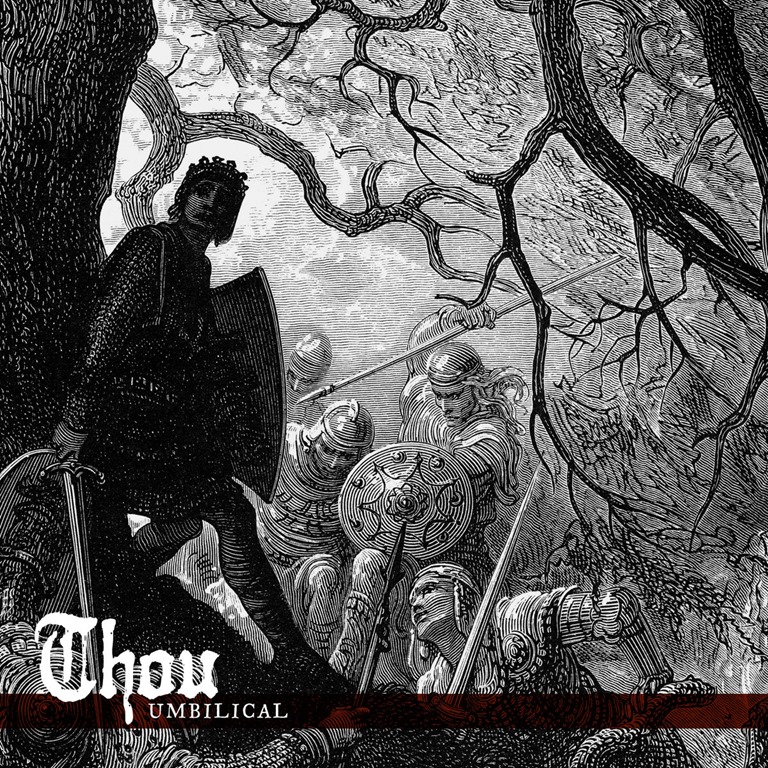
So Thou sell us their latest album, their first since Magus in 2018. And in this way they prepare us for a release which has no easy or comfortable positioning other than in the realms of outsiderdom. It was, of course, ever thus, their bio reminding us that ‘Thou transcends genre boundaries, drawing inspiration from a diverse array of influences spanning from ’90s proto-grunge icons like Nirvana, Alice in Chains, and Soundgarden (all of whom they’ve covered extensively) to the raw intensity of obscure ‘90s DIY hardcore punk found on labels like Ebullition, Vermiform, and Crimethinc.’

Coming into my mid-to-late teens in the early 90s, it’s hard to overstate the impact and importance of the advent of grunge, the breaking through of Nirvana, Alice in Chains, Soundgarden (who I wasn’t personally a fan of, but even at the time recognised their merits); this was a new wave of music which really spoke for us at that time, articulating the rage and disaffection. Put simply, grunge was our punk.

Times have changed, but by no means for the better: now, there is even more reason to be incendiary with nihilistic rage. And with Umbilical, Thou give voice to that rage. To say that they articulate it would be a stretch: the lyrics are completely unintelligible, a guttural howl spat with venom from the very pits of hell.

The titles are reflective of our times: ‘Narcissist’s Prayer’; ‘Emotional Terrorist’, ‘I Return and Chained and Bound to You’, ‘Panic Stricken, I Flee’ – these are all summaries of varying traumas, of deep psychological challenges. We’ve seemingly got better about discussing these things, bringing trauma out into the open and breaking down the walls of taboo, and in the process it’s become apparent that nearly everyone has suffered some trauma, but worse than that, the sheer extent to which Narcissism and abuse is rife is now beginning to emerge.

The guitars on ‘Lonely Vigil’; billow in blasts of nuclear detonation, the sound of sheer annihilation as the overloading wall of distortion decimates all before it. And then things step up even further with ‘House of Ideas’. Wails of feedback trace desolate trails amidst a landslide of the heaviest, most shredding deluge of sludge, and it feels like the idea that sits first and foremost is total destruction. Given the track record of major corporations and governments around the globe, this would seem a fair summary. Over the course of six-anfdf0three-quarter minutes, it scales heights of elevation paired with the deepest of trudging riffery.

‘I Feel Nothing When You Cry’, released as a single not so long ago, is the pinnacle of brutal nihilism, and ‘Unbidden Guest’, which follows immediately after plunges still deeper into the abyss. It’s a torturous experience that drags the listener to hell by the hair, and simply drops them there. ‘The Promise’ arrives as a surprise: a straight-up, no messing grunge metal stomper.

On Umbilical, Thou bring the riffs alright. By which I mean it’s fucking brutal. It’s not heavy: it’s hellish. It’s the sound of raw anguish, of unfiltered pain, and simultaneously an outpouring, a ceaseless spewing of untrammelled emotional tumult. There’s a purity to it which is powerful beyond words.

AA

a3170193588_10

Christopher Nosnibor

Having shown a remarkably consistent rate of output, with three albums in just over three years (four if you include their collaboration with The Body), BIG | BRAVE have also maintained a similarly solid touring schedule, which has for the lucky people of Leeds brought them to the city on each of their last three circuits which have brought them to the UK.

On record, BIG | BRAVE achieve a rare intensity, and while heavily reliant on drone, feedback, slow, heavy percussion – things familiar to fans of numerous bands like Earth, Sunn O)), and Swans, they demonstrate a unique approach to songwriting and structure, and an ability to tap into raw emotion in a way which goes far deeper than mere words. Live, however, they’re simply so much more. All of these elements are amplified – and not just in the literal sense by means of their towering backline. Oftentimes, the first time of seeing an outstanding live act draws you back in the hope of recreating that initial ‘wow’ moment. But anyone who’s seen lots of live music will likely agree that great as subsequent experiences are, they never have quite the same impact. It’s incredibly rare – in fact practically unheard of – for an act to hit that same spot more than once. BIG | BRAVE are that rare thing: despite high expectations, they always seem to pull out something extra and surpass those expectations.

The hype from people I know in real life and virtually for these shows, particularly in context of the new album, A Chaos of Flowers was huge. And, it soon proved, entirely justified.

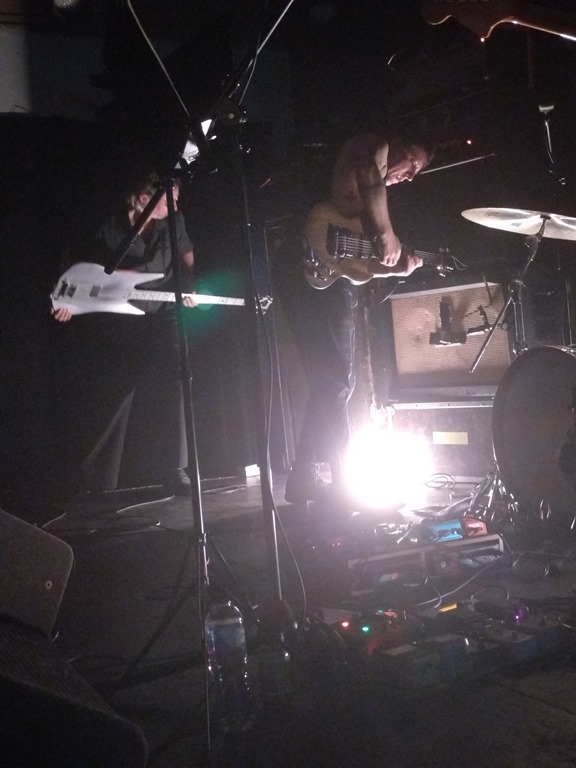
Keeping tour costs to a minimum, Aicher, who provided the main support previously, is the sole support this time around. The solo project of their live bassist, Liam Andrews, he’s joined this time around by BIG | BRAVE guitarist Mathieu Ball, and his presence adds further layers to the deep, rumbling sounds emanating from the PA. Playing in near-darkness, Andrews conjures thunder and heavy drones and explosions, while Ball wrings epic howls of feedback. Much of the sound is derived from the use of open contact with the guitar lead when disconnected from the metal-bodied bass he grinds against his immense rig, and there looks to become modular lead switching going on, too. This set feels darker and more structured than a year ago, and captures – and expands on – the sound of the Russell Haswell mastered ‘Lack’ single.

IMG_20240525_203315

Aicher

BIG | BRAVE’s ‘quieter’ new record does not translate to a lower volume live, but a balanced, dynamic approach to the sound. From the opening moments of the set, I find myself experiencing the physical sensations of enormous volume and strong lower-end frequencies, powerful vibrations shake my nostrils, my legs, even my scrotum, in a slow build. Frone hereon in, my notes are sparse as I find myself completely immersed in the performance. For an hour, I forget where I am, and the entire room is transfixed: there’s no chat, no-one’s jostling to be here or there, pushing forward, going back and forth to the bar. Time stands still, and so do we, utterly captivated by every moment.

‘The blinding lights facing out,’ I note… ‘A hypnotic, mesmerising, immense wall of shimmering sound. Each strike of the bass yields a shuddering quake. Sparse, subtle percussion’. I recorded very little else, but the rest is etched into my memory with such vividness it’s as is I can watch it all back in my mind’s eye.

IMG_20240525_212406

BIG | BRAVE

Watching the neck of Ball’s guitar flexing under force against the amp one minute, and seeing him move, light-footed around the stage, with the deftness of a point-toed ballet dancer is remarkable, and compelling. And the sustain! Without striking a note, with headstocks pressed against cabs, both his guitar and Andrews’ bass hold notes for near eternities. Robin Wattie is an understated yet immensely powerful presence, with instrumental segments far outweighing the vocal elements, but her guitar, too, is immense, and Tasy Hudson is outstanding – slow, measured, precise, powerful.

 IMG_20240525_215200

BIG | BRAVE

Andrews applies a violin bow to the bass for ‘I Felt a Funeral’, bringing an even weightier, dronier facet to the heavily textured sound. And that sound – and beyond, every molecule of their essence – stems from the contradictory elements of fragility and force, and they pull against one another at every moment. And it’s from the space between that the magical power of BIG | BRAVE emerges.

It’s only at the end, as the rapturous applause fades, that Robin finally speaks. The rest of the band are packing down leads and things around her as she tells us, her voice quiet and choked with emotion, how grateful they are to us for coming, for listening. It’s moving to see an artist so humble, so genuinely touched and amazed to be doing what they’re doing, that they’re playing to full venues who are so engaged. They’re doing steady trade at the merch stall a few minutes later, too, and deservedly so.

I leave, clutching my pink vinyl copy of A Chaos of Flowers after gushing at Mathieu about how they blew me away – again – while he served me, and step into the rainy night completely awed by the intensity of what I had just witnessed.