Posts Tagged ‘Album Review’

Ritual Productions – 22nd April 2016

Christopher Nosnibor

The Poisoned Glass is the current musical venture of G. Stuart Dahlquist and Edgy59, formerly of Seattle doom metallers Burning Witch who called it a day in 1998. While former bandmates Stephen O’Malley and Greg Anderson have gone on to achieve world domination, Dahlquist and Edgy59 have maintained rather lower profiles. As such, The Poisoned Glass are unlikely to garner the kind of attention Sunn O))) receive, but this is no sleight on their output: 10 Swords is dark, heavy, textured, and immensely atmospheric.

The album begins sparse, stark and dark, with the six-and-a-half minute ‘Plume Veil’; a ringing drone hovers icily. Anguished vocals intonating impenetrable lyrics emerge amidst erratic percussion that hits like cracks of thunder, and bass notes that register the kind of vibrations that could cause mountains to crumble.

‘Toil and Trouble’ is an elegiac, spiritual piece, haunting in tone and vast in magnitude, its sepulchral tones rent by demonic howls of pain and extraneous crackles of surging noise which seemingly rise from the underworld.

It’s incredibly dark stuff that borders on the oppressive at times; drones and groans, rumbling piano chords echoing in empty rooms of crumbling castles. The vocal harmonies on ‘Verbatim’ are overtly rock in style, but set against a doomy bass trudge that’s as crushingly heavy as planets colliding.

CD bonus cut ‘The Still Air’ marks quite a departure from the rest of the album; it still features brooding, droning atmospherics, but is led by a soulful vocal acapella which is every bit as compelling as the cold noise that radiates from the other tracks.

 

New (March) PG album cover

The Poisoned Glass at Ritual Productions Online

Cult Records/Custom Made Music -22nd April 2016

Christopher Nosnibor

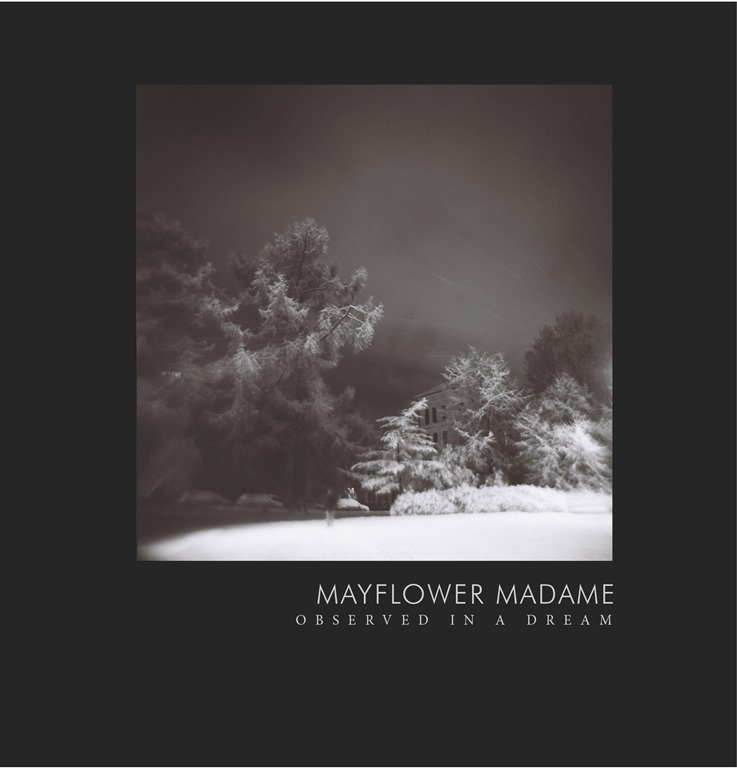
The album’s intro is immense. I mean, it builds and builds and threatens a blast of noise akin to Prurient, before the tide breaks and a sepulchral goth sound breaks out. Echoic guitars snake through a wash of reverb against a hipswaying bass groove as the mid-tempo opening track, ‘Confusion Hill paves the way for album steeped in vintage post-punk, but with more than enough inventiveness to stand up in its own right.

As much as it’s The Sisters of Mercy around the time of First and Last and Always it’s Suspiria. High on theatrical drama, bathed in reverb, ‘Observed in a Dream’ is an album which closely observes some old-school production values and uses them to good effect. The drums are up in the mix, the bass is low-slung and murky, and the guitars are brittle and fuzzy around the edges as they explore Dorian scales.

There are no shortage of highlights. The tetchy ‘Lovesick’ appropriates The Fall’s ‘My New House; and plays with a swampy psych vibe that’s both 80s Matchbox and The Volcanoes, throwing in a few dollops of Lloyd Cole and The Bunnymen into the mess.

‘Upside Down (the death loop’) plunges into deep psychedelic territory with its repetitive guitar motif and motorik drumming swathed in cavernous reverb, while the shadow of Red Lorry Yellow Lorry hangs long over the driving ‘Weightless’, and the title track sounds like a heavy collision between The Black Angles and The Jesus and Mary Chain, all throbbing bass, squalling feedback amidst an ocean of echo.

Whereas so many of the 90s wave off goth-inspired bands conspired to produce music that was arch and soulless, Mayflower Madame push a much more organic sound that’s geared toward psychedelic rock with a dark, smoky delivery that’s cool as fuck, evoking the spirit of The Doors as filtered through The Sisters, as if The Reptile House EP had been played with a live drummer. They keep it tight and keep it taut, but know how to cut loose and wig out when the mood takes.

Goth ain’t dead, it was just waiting for a new messiah. Mayflower Madame have got the life, and Observed in a Dream is one of the most exhilaratingly atmospheric albums I’ve heard in a while. It’s nice to see some guys wearing hats, too.

Mayflower Madame - Observed in a Dream

Mayflower Madame on Bandcamp

Mayflower Madame

Kscope – 29th April 2016

Christopher Nosnibor

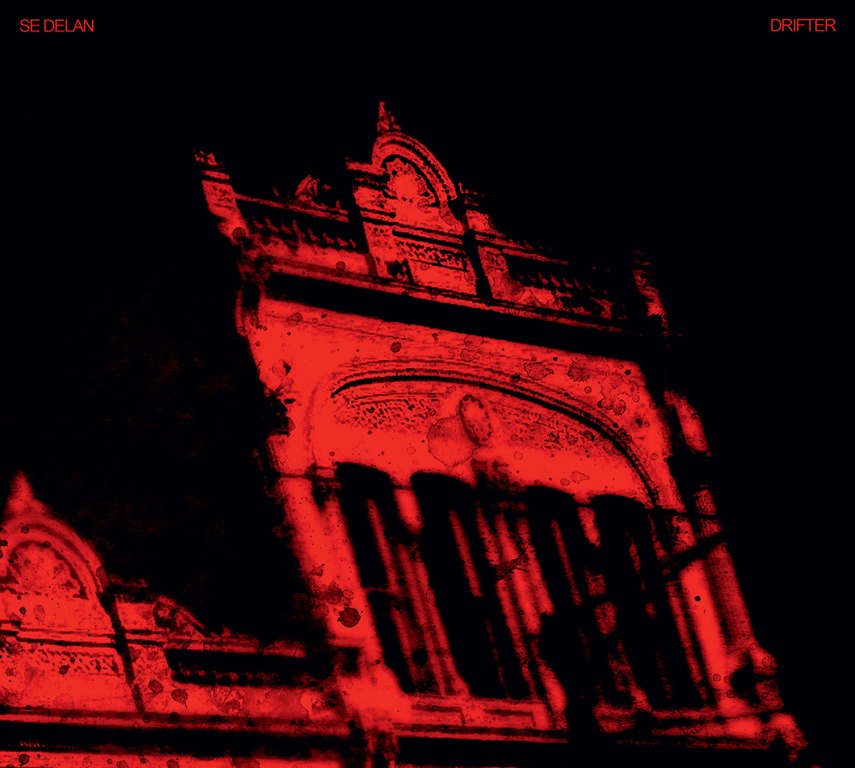
Se Delan, a duo consisting of multi-instrumentalist Justin Greaves and Swedish singer Belinda Kordic, have gone for a more natural and human sound on their second album, Drifter, after the stark soundscapes of 2014;’s The Fall. They may consider it to be more raw, but given that their style of music of a dark, new-wave-inspired nature, it’s necessarily controlled, stark and detached.

According to the press release, their collaboration is built on their shared influences of ‘music, film and life.’ I’m in no position to comment on the lives they’ve led or how those life experiences have shaped ‘Drifter’, an album preoccupied with madness, and in particular how the line between sanity and insanity can at times appear frighteningly thin.

The concept may be something of a cliché, but it’s eminently relatable. Mental health is a big topic right now, and it’s a shame that policy and society is so far behind what so many of us already knew: life is challenging, confusing, and in a world gone mad, it’s hard to even know where you are on the sanity scale from one day to the next. The duo articulate this beautifully on Drifter.

The album presents a very personal exploration of the theme, but in the personal lies the universal, and the album benefits from being based around some excellent tunes. Kordic’s vocals are breathy and warm despite the reverb that enshrouds them. Shifting between a tremulous Kate Bush to Toni Halliday via Gitane Demone, she covers haunting, tormented, sultry and more.

Fractal, gothy guitars swathed in chorus and metallic-edged flange chime as they crawl, spindly and tense around throbbing bass tones on the album’s opener ‘Going Home’, and a thick, flanged bass rumble drives ‘Ruined by Them’. Dreamy, seductive and very much cast in shadow, the title track is a song of desolate introspection on which Kordic questions her own very identity. The stark atmosphere is accentuated by a claustrophobic production reminiscent of The Cure’s Faith album.

‘Blue Bird’ finds Kordinc coming on like a cross between Siouxsie and Kate Bush over a hypnotic guitar line that cascades over a rolling bass, while ‘All I Am’ again hits a dense Curesque atmosphere. The seductive ‘Blueprint’ spirals out on fractal guitars, contrasting with the driving ‘In Obscura’ (do I hear hints of ‘Dominion’ in there? Hints of Disintegration?), while the spiky ‘Gently Bow Out’ is far from gentle, bearing serrated edges worthy of Savages.

Album closer ‘No Fear of Ghosts’ is a classic slow-builder which begins low, slow and haunting and ultimately explodes into a crescendo of dark tension, with a tripwire guitar line dominating the swirling tide of sound.

Am I going to throw in comparisons to acts like Ghost Dance, Rose of Avalanche and Sunshot too? Yes. While Drifter is dark and often bleak, it has a hooky accessibility that places Se Delan toward the poppier side of the goth spectrum. Owing far more to 80s post-punk than 90s shoegaze, Drifter showcases a band whose sound is not nearly as claustrophobic as the Sisters of Mercy in their early days, nor as spiky as Siouxsie or Skeletal Family, but who nevertheless capture the sound of 1984. It’s also magnificently executed, and most definitely recommend it.

KSCOPE351 da1x12xe digi .indd

Se Delan Online at KScope

Bella Union – 1st April 2016

Christopher Nosnibor

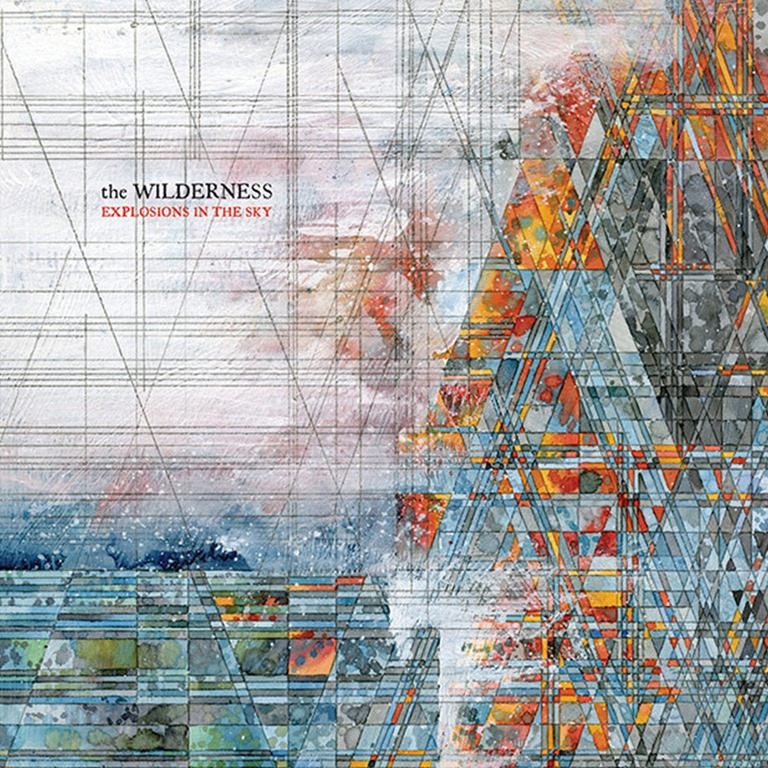
Explosions in the Sky have long been more than merely synonymous with post-millennium post-rock: their early albums effectively set the template for virtually every other band in the field with their delicate guitar work and epic crescendos. It’s been five years since their last album, and ‘The Wilderness’ finds Explosions in exploratory form.

It’s epic, for sure, and it’s also brooding, nuanced, detailed. The title track has all of the standard ingredients and gets the album off to a gentle start. So far, so much business as usual.

But the album as a while feels far from formulaic, and it would be a stretch to align many of the tracks here to any genre other than progressive. There are bold, rumbling pianos and drums that roll like thunder as vast sonic vistas unfurl. But instead of the storm of crescendos, there are expansive near-ambient passages, flickers and bubbles of electronica

Urgent drumming underpins the moody ‘Infinite Orbit’, which actually feels like an intro passage to a latter—day Swans track and is one of a number of shorter tracks that point to a relatively concise album – in fact, only three of the nine pieces here extend past six minutes, with the dark and sombre ‘Logic of a Dream’ proving to be one of the most expansive tracks both in terms of duration and sonic reach.

Perhaps ironically, then, while it does feel like Explosions are striving to tread new ground, in abandoning the trademark dynamics that defined the post-rock genre, they’ve produced an album that lacks any sense of action. It’s pleasant, mellow, even. It doesn’t make you feel anything (yes, when I write ‘you’ I’m projecting my own experience as a listener onto you, the reader, both individually and collectively), and ultimately it’s bland and inessential. It’s a proggy post-rock album in an endless desert of proggy post-rock albums. A wilderness indeed.

Explosions in the Sky - Wilderness


Explosions in the Sky Online

22nd April 2016

Christopher Nosnibor

When members of Pulled Apart By Horses and God Damn are bigging up your band, you’ve got to be doing something right – if you’re on the market for something gnarly, guitar-led and tripping on the wild side, that is.

‘Rack and Ruin’ picks up where their last EP, Son of the Flies left off, with ‘Lizardbrain’, which features on the latter now appearing on the full-length. It’s everything you’d expect from a band who have a track called ‘Fuck Off Brian Eno’: don’t come looking for anything mellow or ambient or even remotely melodic here. But if you’re after a sonic kick in the nuts, that’s a different matter altogether. Welcome…

A buzzsaw guitar slews in against a low-slung, thunderous bass groove to cut an angular racket on the album’s opener, ‘Pound of Flesh’. Tense, and not without a dash of mania and a cocksure sleaze, it grinds and yelps and chops and before you know it, they’re assailing your cranium with the squalid ‘Say What You Want’. ‘Machinery’, the sole track culled from their Bad Jack & Other Stories is less of a standout and more of a rime contributor to the album’s density and the relentlessness of the assault.

The heavily rhythmic ‘No Way Back’ and ‘Snake Oil’ with its epic trudging beat slow the pace but increase the force of the attack amidst desert guitars and squalling feedback. Elsewhere, ‘The Priest’ is a collision of old-school goth and blistering noise rock. It’s not pretty. It isn’t supposed to be.

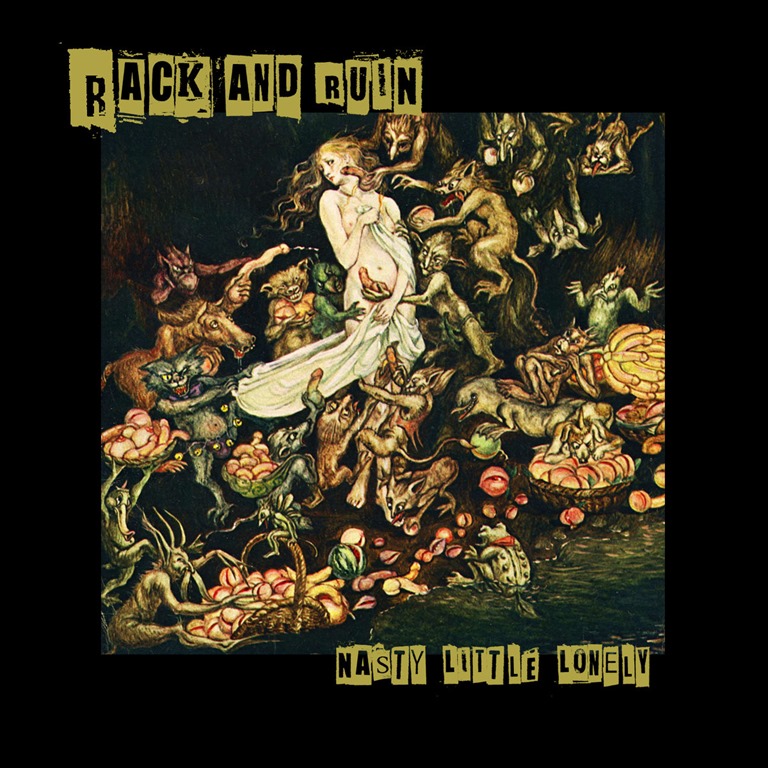
The production’s suitably murky, and there are hints of the 90s underground which seems to be re-emerging now, about ‘Rack and Ruin’. Forgotten cult acts like Headcleaner and Jacob’s Mouse collide with elements of Shellac and Gallon Drunk to create a swaggering, big-bollocked mess of noise (as is fitting for an album housed in a sleeve with more cocks and balls than you can count), and as such, they stand alongside contemporaries like Blacklisters.

It isn’t all noise as such – there are some skewed pop moments lurking beneath the sludge – but every track teeters gleefully on the brink of maniacal catastrophe. With guitars set to stun and their sensibilities attuned to the back-catalogue of labels like Sub Pop and Touch ‘n’ Go, Rack and Ruin is nasty indeed. It’s also fucking belting.

Nasty Little Lonely - Rack


Nasty Little Lonely on Bandcamp

Neurot Recordings – 25th March 2016

Christopher Nosnibor

Full of Hell seem to be an act who thrive on collaboration, with their previous release, Full of Hell and Merzbow proving to be a magnificent if suitably challenging meeting of strains of noise which nothing if not effective.

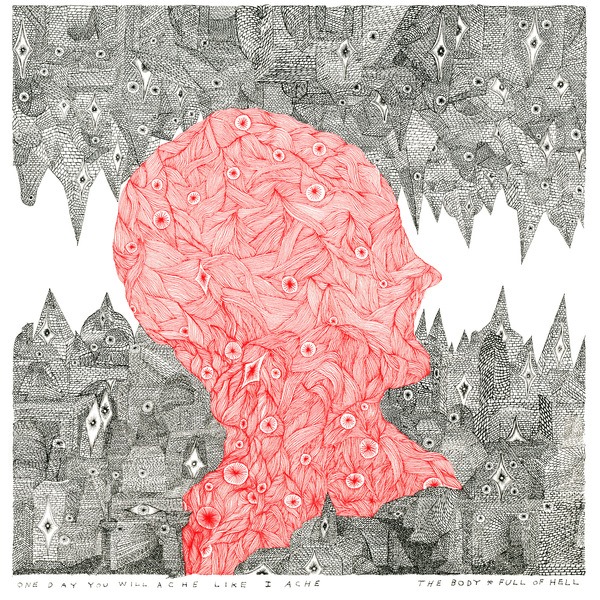
Small wonder that the press release states that Neurot Recordings is very pleased to announce a full-length collaborative debut between apocalyptic doom duo, The Body, and grindcore/harsh noise sculptors, Full Of Hell.

I’ll admit that the title is something of an obstacle for me, reminding me as it does of Hole – specifically, ‘Doll Parts’ but the squalling barrage of percussion-led noise that explodes in the first minute of the title track obliterates all reminders of anything other than the need to continue breathing. From the fury emerge grand, mangled powerchords that sweep against a sombre march.

The cover version of the Leonard Cohen track ‘The Butcher’ is a real standout track, despite being barely recognisable in this dank, droning mutant form. But yes, beneath the gut-churning 10bpm sludge and barely audible, Cohen’s barren lyrics are howled and snarled.

The drums are back to the fore on ‘Gerhorwilt’, a thunderous, speaker-smashing tumult combine with tortured, and torturous, vocalisations that barely sound human, while ‘Himmer and Holle’ is a wall of noise that’s the very definition of infernal. Incredibly, the punishment ratchets up another notch or three on the desolate grind of ‘Bottled Um’, and there’s a sense of relief on arriving at the end of the album’s final track, the blackest of black ‘The Little Death’.

That this album is beyond noisy – a pretty relentless assault from beginning to end – is only half the story. The individual tracks display a polarity of pace, with crawling dirges buttressing hundred-mile-an-hour thrashout frenzies. As such, the extremities of the dynamics of tempo are accentuated, hurling the listener back and forth while continually battering the senses with violent sound.

Is it a coincidence it’s being released on Good Friday? Probably not. It does, after all, feel like the sonic equivalent of crucifixion. Hellish, heavy and even more hellish, the day you hear this album is the day you will ache in ways you never imagined possible.

Body   Full of Hell


The Body & Full of Hell at Neurot Recordings

clang records – clang038

James Wells

‘Invisible’ finds Lars Graugaard and Kaisuke Matsuno putting ‘interactive computer’ and electric guitar through their paces, and it’s a very different proposition to Graugaard’s 2015 album ‘Venus’. Instead of carefully structured and sequenced pieces dispersed by moments of quiet delicacy, this album’s five tracks oftentimes make an all-out assault on the senses. The guitars are subject to some heavy processing, yielding treated sounds that sound more synthesised than played, while the computer-generated sounds are like no instrument of any kind.

Clicky, glitchy scratches of sound provide rhythms in lieu of conventional beats, and woozy, subsonic bass notes worm around amidst clustering bursts of noise and frayed static. Howling drones with serrated edges scrape deep sonic ravines, undulating and oscillating before crashing in sonic supernovae.

Having reviewed this album, penned for a late 2015 release, and having been subsequently unable to find details of it online, I’m perplexed. If / when it becomes available, I do recommend finding it and giving it a proper listen. Meanwhile, it seems to be truly invisible.

Quisling Records – 1st April 2016

Christopher Nosnibor

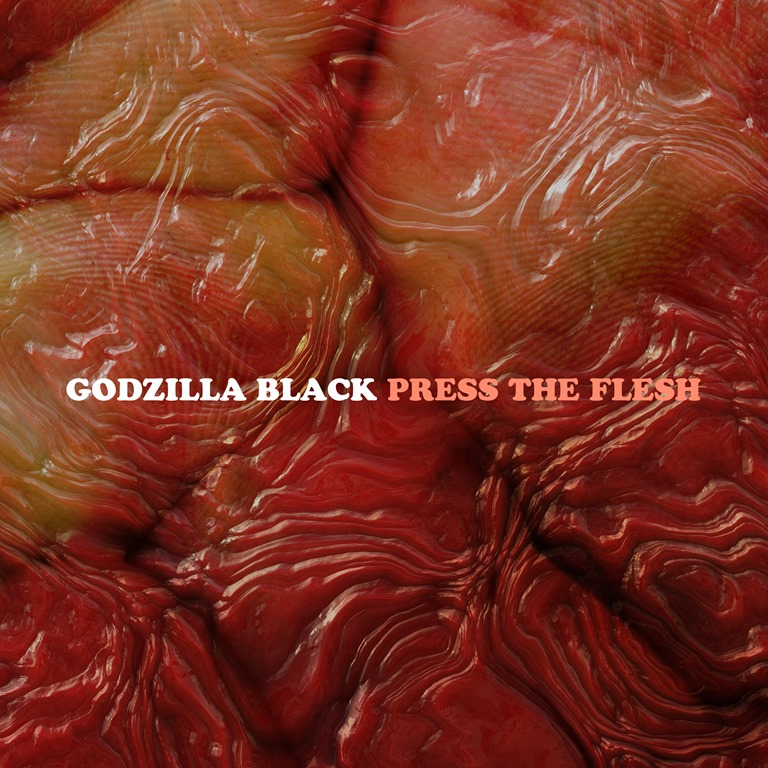
And so the story goes that originally formed by two frustrated drummers, Godzilla Black was the brainchild of two frustrated drummers who came together to release their eponymous debut in 2010. They evidently did something right, catching as they did the attention of Ginger Wildheart, which led to frontman John Cormack contributing vocals to Ginger’s Mutation project alongside members of Napalm Death, Cardiacs and The Fall, which was later released on Mike Patton’s Ipecac Records.

As you may reasonably expect from an ever-mutating project with a crazy wealth of crazy references, there’s a lot going on here. The album’s first track, ‘The Wizard of Ooze’ brings together elements of Kong’s skewed post-Shellac racket and the bombastic bravado and melodies of Faith No More. Sling in some bold brass and it’s one hell of a strange stew, but that’s exactly what Godzilla Black do – they melt multitudinous improbable bits and pieces together to forge something that’s weird, wonderful and rocks like a motherfucker.

The breezy vocal melodies of ‘Take Me To the Countryside’ may carry a psychedelic edge and hints of The Monkees in the verses, but they’re driven by a barrage of beefy guitars and a warped take on the overall production worthy of The Melvins. And we’re still only two tracks in.

‘First Class Flesh’ is just under two minutes of musical mania, the screaming abdabs finally defined sonically, and then there’s ‘Spaghetti’ which is a slice of wild desert blues, Sergio Leone and Queen of the Stone Age stranded together, in fucked up on peyote and hallucinating mirages of who the fuck knows what.

Most bands would have shot their load for ideas long before now, but the rockabilly math-rock frenzy of ‘Polydactyl’ and the crazed, full-throttle attack of ‘The Other White Meat’ (which even manages to reference The Blues Brothers in the midst of a bonkers explosion of raucous brass) more than abundantly show Godzilla Black are a band who are constantly on the brink of rupturing themselves lest they don’t give vent to their creative fermentations. In the hands of lesser artists, such an explosion of divergent musical bits and pieces would be a horrible mess, but they hold it together, and even the shorter tracks – there are a fair few that run between two and three minutes, and a couple are even more brief – sound fully formed, and even focused despite their everything all at once stylings.

It may take a few listens through to really get a proper handle on, but Press the Flesh is a classic example of what you might call ‘warped genius’. Restless, relentless and audacious as fuck, there really is never a dull moment.

Godzilla_Black_album_cover

http://bandcamp.com/EmbeddedPlayer/album=3855894031/size=large/bgcol=ffffff/linkcol=0687f5/tracklist=false/artwork=small/track=3933977863/transparent=true/

Godzilla Black Online

SIGE Records – 1st April 2016

Christopher Nosnibor

How often do you read reviews with the words ‘haunting’, ‘evocative’ and ‘brooding’? I’m as guilty of trotting these terms out as the next hack, and I’ll admit that oftentimes, I feel like a bit of a twat for doing so. Hyperbole doesn’t enthuse me as a writer or a listener. I can’t speak for all reviewers, but I mean them sincerely. I live and breathe music, it’s in my blood and it’s in by brain. Music moves me, and I use it to both reflect and to steer my moods.

But on The World Unseen, Mammifer (Seattle duo Faith Coloccia and Aaron Turner) forge a transcendental listening experience from piano, voice, guitar, Wurlitzer organ, bass synthesizer, tape machines, and effects pedals, and over the course of the album’s eight tracks transport the listener, taking them first inside their own minds, and then heading on a long trip outside.

They’ve not done this without the assistance of some noteworthy collaborators:

Eyvind Kang was responsible for the string arrangements. Geneviève Beaulieu (Menace Ruine) and Joe Preston (Thrones and formerly Melvins, Earth, The Need and High on Fire) make guest appearances on “Domestication of the Ewe pt. III”, contributing additional choral vocals and bass. But The World Unseen is very much about its creators remaining in the long shadows while the expansive music that conjures images of a mythical age which predates human supremacy and instead evokes hills and trees, stands on its own merits.

Soft, subtle vocals drift over carefully-constructed passages of delicate ambience, rolling piano and layer upon layer of considered strings. In places, only the rumble of wind over a microphone is audible. As a sustained rumble, it’s menacing, but heard as wind, it’s the sound of a vast open expanse and somehow strangely liberating.

The World Unseen is a subtly powerful and ultimately moving work. It is without doubt quite definitively ‘haunting’, ‘evocative’ and ‘brooding’. It also speaks to the subconscious self and resonates on an almost subconscious, biological level.

Mamiffer - The World Unseen

Mamiffer Online

Crónica – Crónica 103 – February 2016

Christopher Nosnibor

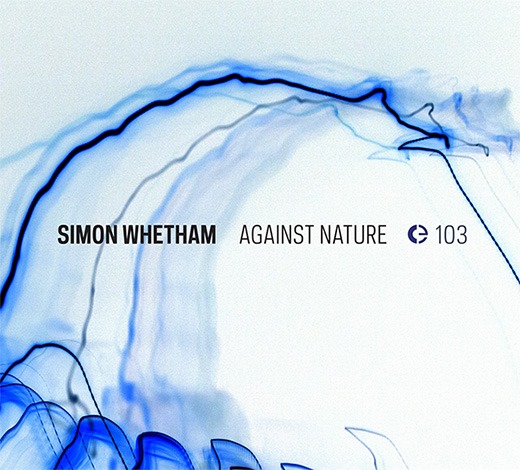
Simon Whetham has a considerable history of taking sound recordings – often environmental sounds – and working them into something unrecognisable, by means of various sonic and software mutations. Against Nature emerged from an exploration of what Whetham describes as ‘errors and failures’, using ‘badly built microphones, over-burdened amplifiers, motors driven by sound impulses, misbehaving software and objects toppling’ as part of an organic process. The album is in many ways accidental in nature, the end product determined more by the material than the artist. It could be seen, in some respects, as a project of artistic self-erasure. This album may bear Simon Whetham’s name, but his function here is as a conduit, more of an editor than an author of the work.

Against Nature may only contain five tracks, but the tracks are both lengthy and intense. Screeding noise sustains interminably, piercing tones that aren’t drones but something altogether more serrated. Pink noise switches to white noise. Hums crackle, fizz and whizz and gradually build to immense, barrelling walls of noise that suck the listener into an immersion tank of sound. The quieter passages lull the listener’s senses, a gentle breeze and the occasional clanking of what sounds like a yak’s bell evoke almost pastoral images, before once again building sonorous, scraping tension that creeps and swells. Metallic clattering grinds like a cement mixer. Blasts of static and white noise tear through silence.

The five movements of Against Nature are not rhythmic in their formation, and are free of anything one might refer to strictly as percussion. Primarily, it’s a work of tonal exploration, as sounds bend and bow against one another, straining and generating sonic frictions, but beneath it all, there are natural – or unnatural – resonances, pulsations, which form their own subtle rhythms. And these resonate biologically, psychologically, rubbing with and against the brain-waves and gnawing away, prodding the nerve-endings and ultimately working their way under the skin.


Simon Whetham - Against


Simon Whetham Online