Archive for April, 2024

5th April 2024

James Wells

While firmly rooted in classic stoner rock, Gramma Vedetta’s latest offering, which follows on the heels of album The Hum of the Machine, which made number twenty-five in the Doom Charts (the existence of which is something I was unaware of), is an expansive, ambitious heavy prog monster of a tune. Yes, it’s over six minutes long and built around a big, swinging blues-based riff which displays elements of Led Zeppelin and Black Sabbath, but also brings in a hint of Pink Floyd in its widescreen feel. It also packs in a bunch of changes in tempo and transitions through a number of quite distinct segments.

Despite all of the elements having been done to death, ‘Don’t Cross the Line’ still feels like it’s doing something a little bit different, and, more importantly, it does what it does pretty well. Since it’s nigh on impossible to come out with something that’s entirely new – and even less likely to conjure something that’s new and remotely listenable or worth hearing – quality counts for a lot. Balancing beefy riffage with keen melody, ‘Don’t Cross the Line’ has enough to appeal to both traditionalists and those who like it with a bit of a twist, and that makes it pretty solid in my book.

AA

a0759497777_10

Skoghall Recordings – 5th April 2024

Christopher Nosnibor

I don’t really know too much about this release. It came my way via one inbox or another, with a download, but no cover art, no press release. And for some reason, I had expected it to be longer. But it’s a Skoghall release, and features Dave Procter (Legion of Swine, Dale prudent, Wharf Street Galaxy Band, etc ad infinitum) and some mates.

We’re looking at a couple of tracks, both short of five minutes. Nothing wrong with that – there’s a lot to be said for keeping things simple, and keeping things concise. Do I need the backstory, an essay on the contributors and their backgrounds? No, no I don’t. No-one does, really.

I do feel we’ve become altogether excessively invested in the wrong details in recent years. Time was when an act could release a record, it would be reviewed on its merits, or it’d slip under the radar and all we’d have would be the music. There would often be no mention of who did what on the record., and there would of course be no website, no source by which to obtain details of personnel or a bio. Nowadays, journos – people like me, although I don’t consider myself a music journalist by any means – get picked up on the slightest inaccuracy, we get asked to change spellings and correct who played bass, amend the cover art and the release date… This is not right. The press’ purpose is to independently proffer opinion, to critique, and where facts are missing, perhaps plug the gaps with assumptions, why not? While reviews are a part of the promotional cycle, it’s important – at least for me – to be apart from it all. In short, press is not PR, and should on no way feel obliged to give frothingly enthusiastic reviews simply because they’ve received an advance copy.

I digress, and admit that I tend to provide positive coverage of the releases which come my way which I like, rather than slapping down the releases I’m less keen on. When you get fifty or more submissions a day, you can afford to be selective, and besides, life is short and I’m not going to spend mine squandering energy on stuff I have no interest in.

I have a strong interest in this, though.

What’s on offer are two slices of minimalist electropop with a keen late seventies / early eighties feel. A single droning note hangs throughout the first track and a drum machine clips and clops away recreating the sound of early Young Marble Giants – only here, Procter drones and stutters a blank, low vocal delivery, half-robotic, half crooning, and drifting astray in a swamp of reverb.

The (virtual) flipside is dronier, noisier, a serrated-edged grating drone providing the backdrop to a challenging piece where a clanking percussion saws away and Procter rants -away in the background, again, immersed in reverb and low in the mix – about control and its uses and abuses. Now you’ve got control… what are you going to do with it? He asks, antagonistically.

The answer, well, it depends on who you’re asking. Power is a difficult thing, and – so hark back to an early SWANS track, what we see is power for power’s sake – use and abuse, but more of the latter. Show me – when was power last used for benevolence? I don’t want to be dragged down in this now, and there is plenty of mainstream outrage in circulation, so let’s get back to the release.

It’s succinct, it’s tense, it’s uncomfortable. Bring on ‘Two’.

AA

a4206158382_10

Amidst Wardruna’s songwriting hibernation, the group resurface to offer a taste of their next album with the single release and music video for the song ‘Hertan’ on 5th April.

About the new single Einar comments: “’Hertan’ is the proto-Scandinavian word for ‘heart’ and that is exactly what we explore in this in this song and film. The duality of the heart with the rhythm, flow and pulse we can see, hear, and feel in nature and in all forms of life – and the more abstract idea of the heart, The rudder on the ship of emotions, our decisions, and our true desires.”

Once again, Wardruna teamed up with Finnish director and photographer Tuukka Koski for the video production of Hertan. Koski has previously directed Wardruna´s videos for ‘Raido’, ‘Voluspá’, and ‘Grá’. This time, the production mainly took place during some freezing nights in northern Finland at the island of Hailouto.

“It is always a true pleasure to create art with Tuukka and his colleagues at Breakfast Helsinki! His experience and eye for detail as well as the ability to always conjure up next-level material, is very inspiring to be part of. Three days, three locations, no sleep but a lot of heart. This is how it went down. Hope you will enjoy the result!” – Einar Selvi

You can see the result here:

WARDRUNA

Photo credit: Tuukka Koski

Christopher Nosnibor

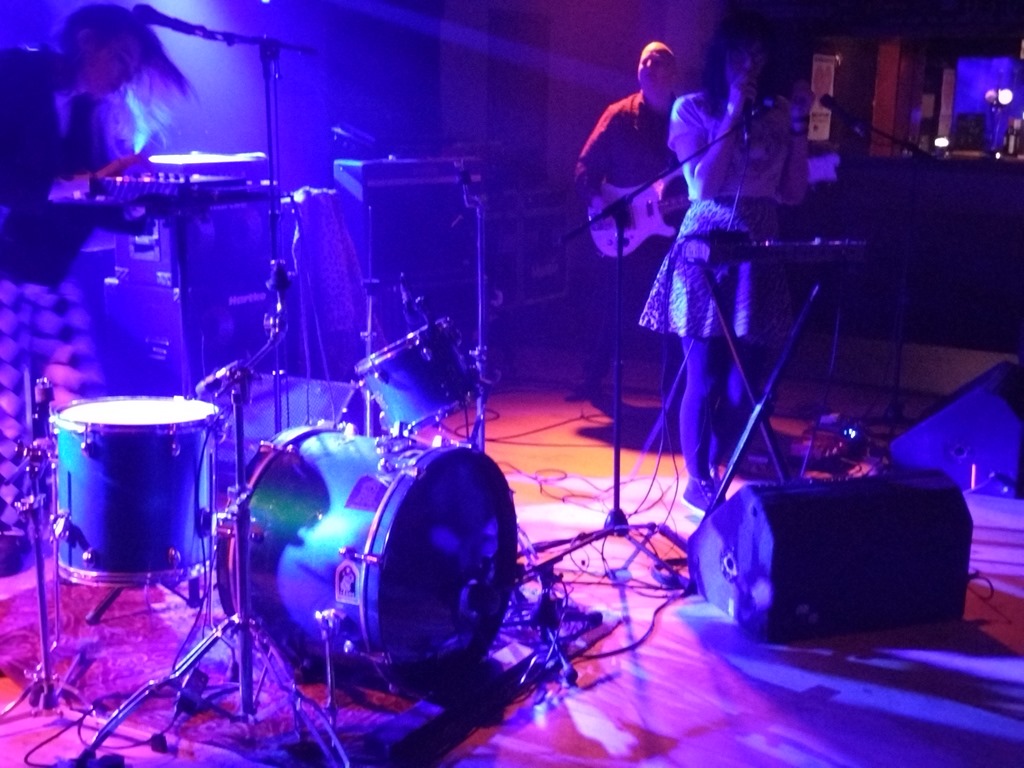
I’m out on my second consecutive night of gigging and it feels like it used to in 2019, when I used to do this sort of thing all the time. Other things about this remind e of times past, too. It’s a fairly last-minute show, booked after a couple of dates in Scotland fell through, leaving Thank and tour buddies Fashion Tips with gaps in their schedule. Consequently, promotion has been a bit sparse and ticket sales have only been ‘ok’, attracting the kind of turnout that would look good in a 100-200 capacity venue, but perhaps not so good in a 350-capacity space.

Moving the bands to the floor instead of the stage really changed the dynamic, though, and it worked so, so well. Having a 100% solid lineup was what really made all the difference, though, with local guitar and drums duo Junk It being first up.

Having caught them supporting Part Chimp in the same venue back in November 2022 (how was it that long ago?), I’d dug their sound and seen potential. They’re now absolutely delivering on that early promise, and tonight they’re absolutely outstanding. The set beings with a squall of feedback (as does every song, and as often occupies the space between songs) and a mega thick grunge riff. The guitarist sports a beard, long hair, chunky boots and long flowing skirt, and carries it off well, flailing said hair wildly while blasting out hefty power chords.
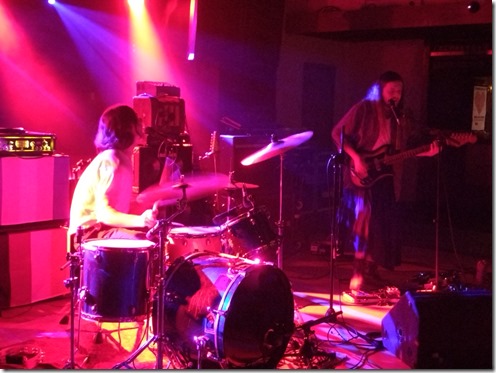
IMG_20240405_202136

Junk It

The drummer and guitarist share vocal duties on the wild ‘Strut My Stuff’, and the former struggles to stay on his stool during the set, leaping and half standing as he thrashes the fuck out of his kit, the nut flying off the cymbal near the end of the set. The chat between songs is awkward, but amusing, and the songs are pure power. They’re a pleasant, affable pair playing hairy, sweaty grunge, the songs often becoming two players screaming ‘aaaghahah’ over hefty guitar and pummelling drums, before bringing unexpected harmonies in the last couple of songs.

Fashion Tips, whose EP I covered a bit back, and was keen to witness live, emerge a lot less poppy and a lot harsher and noisier than anticipated on the basis of the recorded evidence, and the four-piece bring a spiky riot grrrl punk racket played hard and cranked up loud. With heavy synth grind and pumping drum machine and layers of feedback plus extraneous noise, their sound is in the region of Big Black meets Dr Mix meets Bis meets Selfish Cunt.

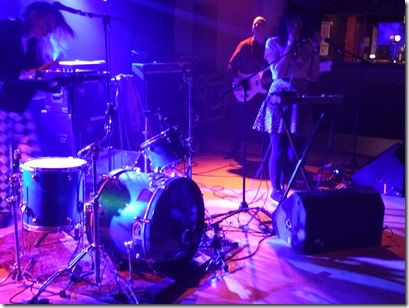
IMG_20240405_210640IMG_20240405_210604

Fashion Tips

Singer / synth masher Esme verbalises my thoughts perfectly when she comments on how tonight’s show is reminiscent of The Brudenell circa 2006 – it’s that low-key, lo-fi, direct engagement, band on-the-floor-and in-yer-face making unfashionable noise simply because vibe that does it, and seeing the likes of That Fucking Tank and Gum Takes Tooth playing to small but enthusiastic audiences of oddballs stands as something of a golden age in my mind. You can never recreate the past, at least not purposefully, and to pine in nostalgia is to grasp at emptiness – but sometimes, thing just happen, and this so proved to be one of those things, by accident and by circumstance rather than by design. Fashion Tips were nothing short of blistering with their abrasive antagonism. Fucking hell indeed.

Between Fashion Tips and Thank, Daughters’ You Won’t Get What You Want was blasting over the PA, reminding me of one of the most incredible and intense live shows I’ve ever born witness to.

Steve Myles always looks like he wants to murder the drum kit and he looks seriously fucking menacing as he starts tonight’s set, face low and focused as he thumps hard. To return to the topic of vintage Leeds, my introduction to Thank was in December 2016, supporting Oozing Wound at – where else? – the Brudenell. It got me out of a works Christmas do, and stands out as a belter in the games room, which stood as the second stage then, and Thank, decked in neon running gear stood out as being demented, but also quintessential Leeds alternative. They’re still blazing that trail and have gone from strength to strength, supporting the likes of Big ¦ Brave and maintaining a steady flow of releases – and of course, hardly play any of the songs from those releases tonight, because, well, that’s how they roll. When they erupt it’s a fierce racket. The bassist wrestles noise from a bass with a very long neck. It’s jolting, and it’s hard.


IMG_20240405_222336IMG_20240405_222910

Thank

The set is strung together by some mental banter, a rambling narrative that expands on a fictitious account of a dialogue between the band and the show’s promoter, Joe Coates, spanning several months. It’s amusing, and grows more surreal and more stupid as the set progresses – which is Thank all over. Amidst the endless slew of new material, there’s a song called ‘Woke Frasier’, the premise of which is…. if Frasier was woke. Of course. ‘Commemorative Coin’, old yet still unreleased, is a big tempo-changing beast of a tune, and encapsulates Thank perfectly – crazed, irreverent, and daft in the way only a northern act can be. Freddie is the perfect frontperson, balancing charisma with clumsiness in a way that’s charming and entertaining, but hits the mark when they go loud, too.

With three bands out of three delivering outstanding, and utterly full-on sets, you couldn’t ask for more on a Friday night – and pints for £3.50 is just a bonus. If you missed it, you missed out.

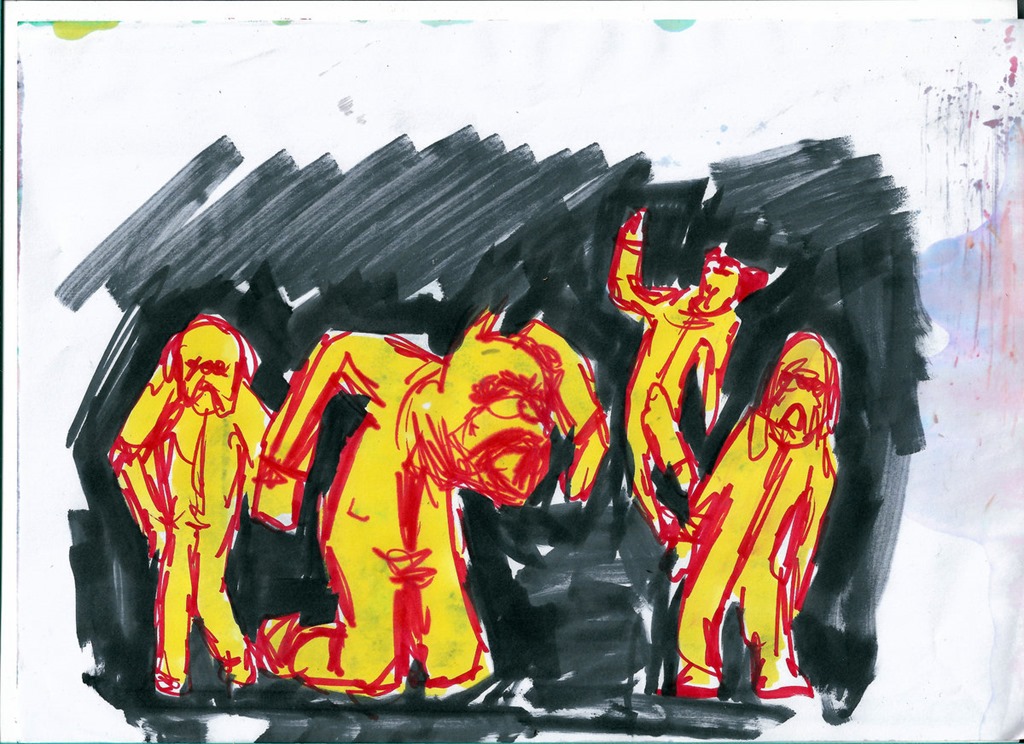
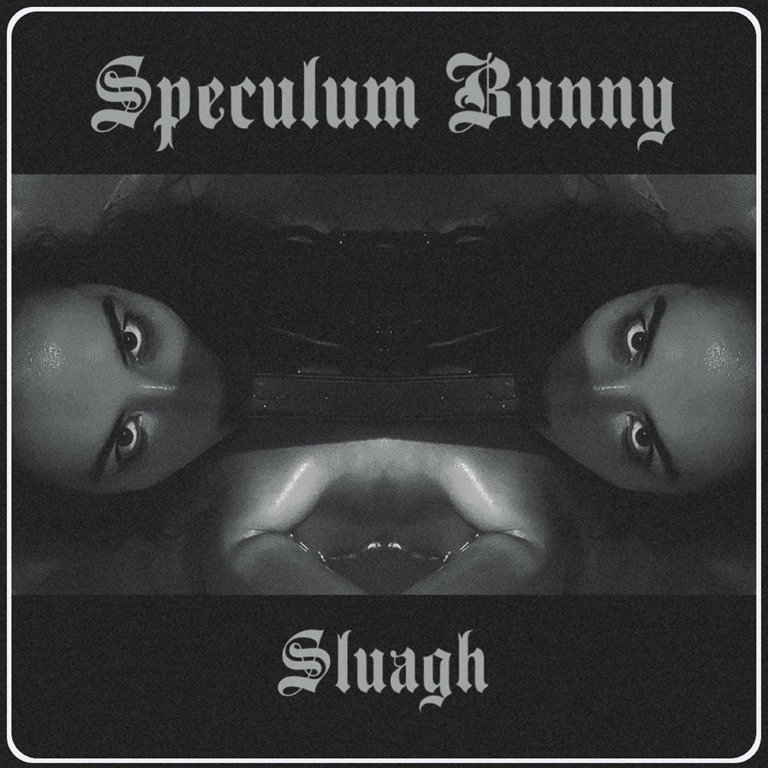
Having written music since she was a kitten, Speculum Bunny enjoys blending words and sound to provoke, enthral and mystify her audience. Inspired by the depraved nature of love in all of its majestic forms, her childhood,  masochism and devotion. Challenging mainstream narratives on motherhood and women’s expression she blends noise, synths, voices and field recordings. She pushes her her edges.

Featuring five tracks – three of which were recorded live at Radiophrenia, Sluagh is Speculum’s first release since Liminal Fluff in October of last year.

Combining abstract sounds and elongated wavering drones with murky noise and disturbing sound as backdrops to uncomfortable spoken word pieces, Sluagh is by no means easy to categorise, and it’s not the easiest of listens either – and that’s precisely why we’re recommending it.

Listen to Sluagh here:

AA

a0456756198_10

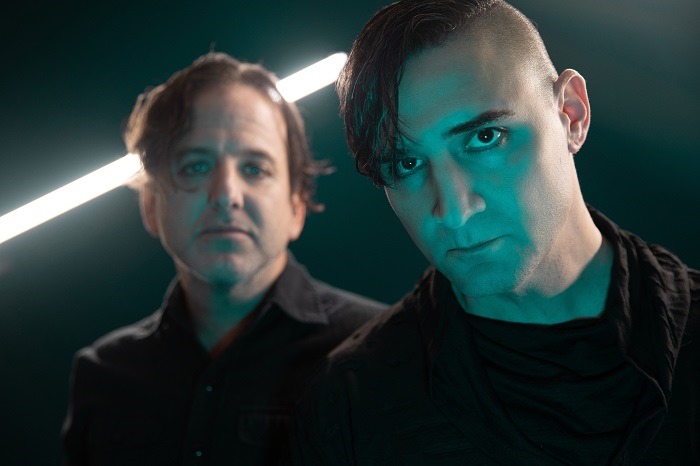
Atlanta-based darkwave band, Now After Nothing recently unveiled their latest single, ‘Sick Fix (Spatial Remix)’. The song is a remix of last year’s debut single, ‘Sick Fix’ by Now After Nothing’s own Matt Spatial who wanted to give fans something new while the band wraps production on their debut EP set for release this summer.

Spatial says, “I wanted to put something different out so I lined up another artist to do a remix of ‘Sick Fix’. I never intended to remix ‘Sick Fix’ myself, The ‘Sick Fix (Spatial Remix)’ just kind of happened. When the remix was done, I loved it so much that I began to incorporate elements of it into the live version of the song.”

The lyrics to “Sick Fix" and the remix are about dealing with ‘toxicity’ and the very real struggle to stay away or detach from the things we know are harmful to us: the family member that treats everyone poorly or the narcissistic partner for example.

The track is also about the attachment to social media or the commercial media that spews false narratives to instil fear. Deep down we might know that continuing to engage in these things/situations is unhealthy. Yet, like the proverbial ‘car crash’, we can’t seem to turn away.  Over time maybe it becomes so all-consuming that it might feel similar to addiction.  It’s a ‘sick fix’ that we begin to subconsciously crave.”

Check ‘Sick Fix (Spatial Remix)’ here:

AA

e5c20906-4d46-e852-1b88-8b14dbd48889

4 Way Split, with its ‘does what it says on the tin’ title is the third release from Stoke-on-Trent label & promotion service Anti-Mind, and brings together Worm Hero, Sevenyearwaitinglist, GENDERISTHEBASTARD and Omnibadger.

Stoke-on-Trent may seem an unlikely location for an merging scene of all things noisy and gnarly, spanning grindcore and proto-industrial experimentalism, but you often find that with places a way off the beaten track, scenes evolve and thrive independently of national trends. 4 Way Split is a solid document showcasing the strange and heavy noise now coming from Stoke.

To accompany the release, they’ve unveiled a video of Worm Hero’s furious metal noise, which you can watch here:

The 29-track album will be available on CD and digital formats on the 5th of April from here:

a3093017813_10

Crooked Acres – 29th March 2024

Christopher Nosnibor

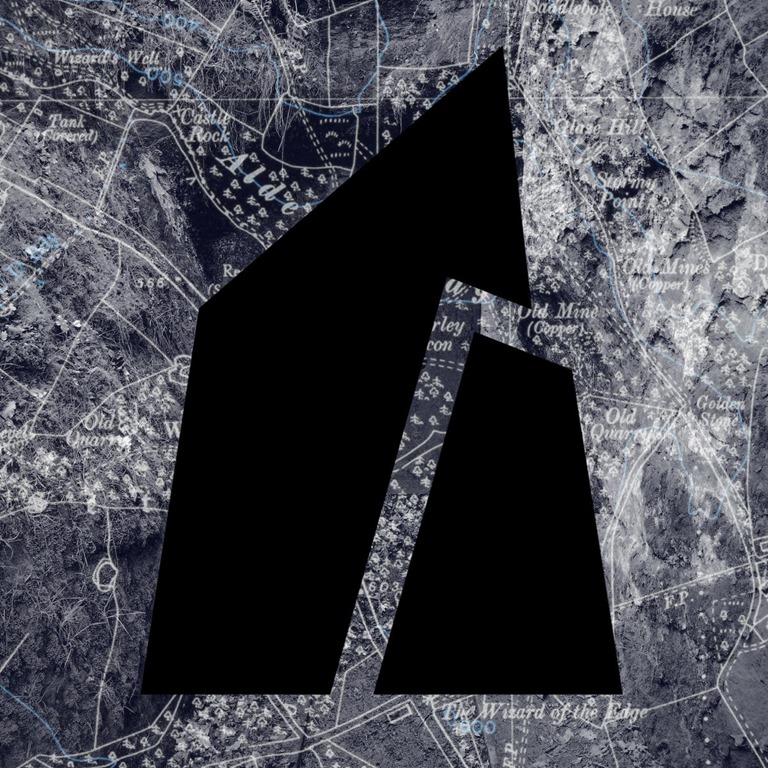
Megalithic Transport Network is the vehicle – if you’ll excuse the necessary pun – of Martyn Stonehouse, and as his project’s moniker suggests, Stonehouse has quite a deep-seated interest in transport systems, as well as, more broadly, industrialisation, and what one might call the heritage of production and its progress, with previous works including Excavations On Harthill Moor, and other meditations on geographical / environmental events.

As the accompanying notes outline, ‘Drawing inspiration from the 18th and 19th century mining works at Alderley Edge in Cheshire, Engine Vein explores themes of our industrial past and the myths surrounding the historical site itself, which has been worked since the early Bronze Age up until the 1900s. As well as the mines themselves, the area is full of intriguing features and is steeped in folklore, including the story of The Wizard, The Golden Stone and a Holy Well.’

The tracks titles clearly are directly connected to specific locations, and mark the points at which human geography intersects with physical geography – quite specific instances of man-made interventions imposed upon the landscape, you might say: ‘Descent Assembly’; ‘The Hough Level’; ‘Engine Vein’; ‘West Incline’; Windmill Hollow’. Our relationship with mining has changed substantially over the long centuries. What began as a marvel of development has now become a defining feature of the destruction of the planet by human hands and machinery. But this is how our species is: we always go too far, beyond what’s necessary or sustainable. It’s small wonder there’s a collective nostalgia for bygone days and the deeper recesses of history.

Engine Vein, though, sits in a unique space, between two levels of nostalgia, and the present.

First, as for the method and practicality of its creation, Engine Vein was ‘written as live evolving pieces of electronic sound, each recorded using an AE Modular Synthesiser, Korg MS2000 and Yamaha R100 direct to tape, before being digitally transferred’.

And so it is with Engine Vein that MTN explores a tale of industrial with industrial sounds, and if not necessarily vintage equipment, at least using kit that evokes the spirit and sound of a different kind of industrial, namely that of the late 70s. Engine Vein doesn’t replicate the gnarliest noise of Throbbing Gristle, but the more proto-electro pulsations of cuts from 20 Jazz Funk Greats.

It is, as a listener, difficult to directly correlate the track to their associated locations, for two reasons: first and foremost, there’s no ‘field’ element to the compositions, nothing which is identifiably evocative, nothing which associates the sounds with time or space, period or location. But as much as this, there is the historical gap which sits unbridged – how post-millennial technology emulating the sounds of the late seventies and early eighties connects with the time frame which inspired it.

None of this is to say that Engine Vein is a bad listen: it’s simply better, perhaps, to listen to it separately from its context. It’s rare for a time / place inspired / orientated release to be so overtly beat-driven, and for all the dark shifting ambience which lurks and lingers in the further reaches of the many layers, Engine Vein is a throbbing, pulsating, and quite up-front, energy-strong set which draws as much on 90s dance tropes and rave as it does more primitive 80s forebears.

Of course, for the artist, the experience may be entirely different again: perhaps, for him, this is a listening experience which harks back, back, way back and back further. The title track, with its low, slow pulsations and layered facet, does perhaps speak on another level, and its low, dark throbbing certainly has a resonance which bothers the midriff if not one’s perception of history.

Engine Vein is constructed around a dense sonic haze, throbs and pulses. And at times it’s hard to separate the reality from the recordings, as well as the hazy memories. Dark heavy drones, gouging lines ploughing thick and deep churn the ground to a depth and drag the thick sods over one another. ‘Windmill Hollow’ draws the set to a slow, sludgy conclusion, and leaves you feeling dredged out, tired.

There are manifold depths and layers to explore here, making Engine Vein an album worth spending time with.

AA

a0735635442_10

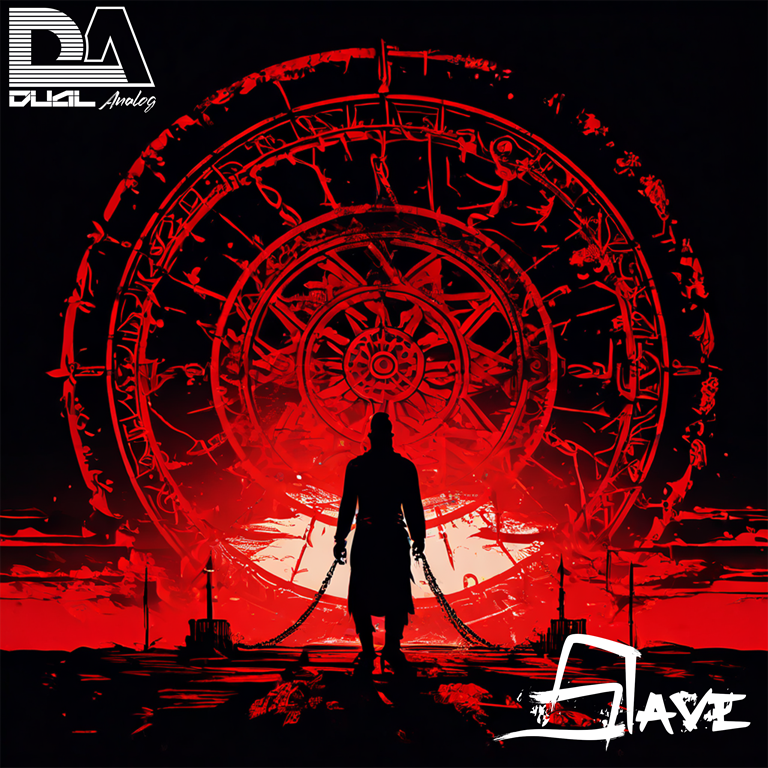
Seattle’s ‘turbowave’ pioneers, DUAL ANALOG just unveiled their new single, ‘Slave’. The song challenges perceptions and takes listeners on a journey through the complexities of desire and intimacy.

At first glance, "Slave" may seem to explore themes of S&M, but as with all things DUAL ANALOG, there’s more than meets the eye. The lyrics, cloaked in provocative imagery, actually delve into the realm of dissatisfaction and disappointment in sexual encounters, turning the traditional narrative on its head.

“We wanted to play with perceptions of sex and challenge our audience to think beyond the surface,” says vocalist Chip Roberts. “The S&M angle is like a lure, drawing listeners in, but once they dive deeper, they’ll discover the true essence of the song.”

With its pulsating beats, hypnotic melodies, and raw, emotive vocals, ‘Slave’ captures the essence of frustration and longing, painting a vivid picture of the complexities of human relationships. As with their previous releases, DUAL ANALOG delivers a sonic experience that transcends genres, blending elements of post-industrial, Neue Deutsche Härte, and aggrotech to create a sound that is uniquely their own.

Listen to ‘Slave’ here:

AA

4e444430-0e97-7c89-5b3a-601b1c017128