Archive for August, 2020

7th August 2020

James Wells

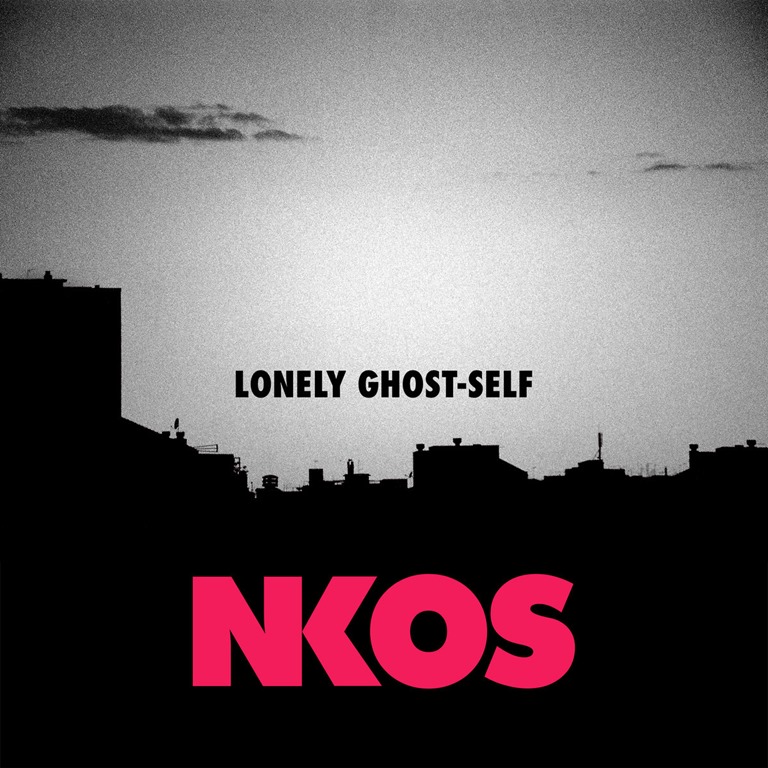
This, the third single from NKOS, is one of those tunes that just grows and grows, layer by layer, until it’s absolutely immense. Starting out subtly and slightly sinister, the beats build until the drums properly kick in, and it’s such a tight, punchy percussion, t smacks you right between the eyes, while a looping, cyclical groove eddies around to create a tense, claustrophobic atmosphere. Techno meets hip-hop meets electrogoth as a grating bass and heavily processed vocal snarls all over, calling to mind KMFDM and PIG.

With additional production from Jagz Kooner, who we can forgive his work with Kasabian and Oasis on account of his work with Radio 4, Ladytron, and the cult but so-underrated Officers, ‘Lonely Ghost-Self’ is hard-edged without being overtly aggressive, attacking without being excessively abrasive, and successfully avoids cliché, and ‘Lonely Ghost-Self’ has a lot going in its favour.

AA

AA

a1070526640_10

31st July 2020

Christopher Nosnibor

Matt Vowles is the first to admit that he’s a little out of step with musical trends and ‘late to the party’ in forming a goth band in 2018.

Unlike some of us, he was around the music in clubs in the mis 80s, but spent over 30 ears doing other things, before, as he explains, ‘in 2017 I rediscovered my passion for this genre. I started listening again to those goth bands from the eighties. I was totally reinvigorated. So I put down all of my keyboards, picked up my guitars and started MY goth band, BLACK ANGEL. Now here we are: two albums later. People say BLACK ANGEL captures that sound and feeling from 1985. I love the process which is what is most important. This is what I do now. And as they say, the rest is history…..I guess I was just a little late to the party.’

Kiss of Death does very much capture the essence of the school of goth from the mid-to-late 80s, and the album’s pitch as being for fans of The Sisters of Mercy, The Cult, and Bauhaus is pretty much on the money, although to my ear Kiss of Death is more Mission than Bauhaus, favouring as it does that grand arena-filling reverb and a layered but polished sound defined by a sturdy rhythm section and chorus-heavy guitars that spindle and twist their way. Then again, the album’s last song, ‘Black Angel’ lifts its bassline from ‘Bella Lugosi’s Dead’ and features a classic stony-voiced horror narrative segment, so maybe it’s a fair summary after all.

After a grand intro that echoes and swirls, the title track is in with a hard four-square thud of a drum machine, and welded it is a Craig Adams-style bass groove: nothing fancy, just that classic, metronomic strike-on-every-beat low-end. The lead vocals are menacing and low in the mix, and in the choruses it’s the female backing vocals that dominate and carry the melody. Incorporating the Sisters’ rhythm section circa ‘85, the Sisters’ bombast circa ‘87 and the melodical leanings of The Mission, it equally calls to mind contemporaries like Mayflower Madame. It’s quite telling that much of the album’s sound bypasses the 90s ‘second wave’ sound and instead hones in more on the chuggier, rockier side of the first wave – think The Cult’s Sonic Temple and The Sisters’ Vision Thing: and while there are synths present, they’re more augmentation to the guitars than to the fore.

‘Animal’ is Black Angel’s ‘More’, with a megalithic chorus propelled again by a relentless mechanised beat and a rush of layered backing vocals that border on the choral, but the synth elements hint at Depeche Mode, while ‘Alchemy’ comes on like The Sisters’ cover of ‘Ghostrider’ with its nagging bassline and blistering guitars, but laced with chilly synths.

‘Hurricane’ is more a cross between The Cult and Rose of Avalanche, while ‘Put Your Lips…’ is conspicuously ungoth, more a glam-goth rock ‘n’ roll stomp – again, more 90s Mission with a nod to James Ray’s cover of ‘My Coo-Ca-Choo’.

Lyrically, much as it’s an album about love, it’s a goth album about love, and as such all the familiar tropes about demons, goddesses and all the rest are present in abundance: it would be unduly harsh to criticise on this score, and Kiss Of Death is a truly solid contemporary trad-goth album.

AA

a0863276264_10

14th August 2020

Christopher Nosnibor

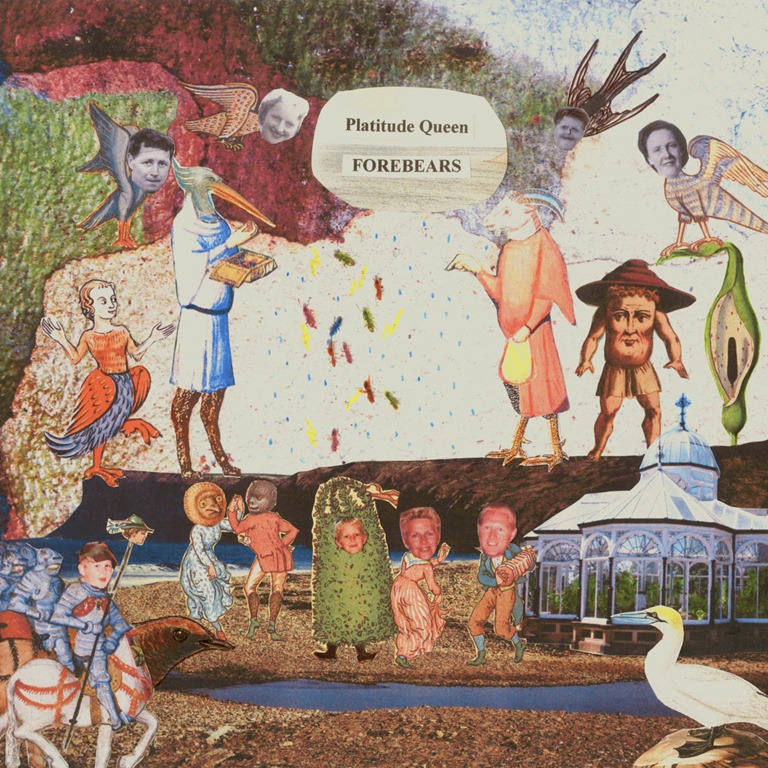
Amongst the fermenting foment that is the melting pot of the Leeds alternative scene, J. S. Gordon, or Jack as he’s also known, is one of those people who’s to be found ambulating the underground circuit around the rehearsal space and indie venue CHUNK with noisemongers IRK. His Platitude Queen vehicle represents a less frenetic, splenetic kind of sound: a ‘contemplation on cultural heritage’, it’s pitched as an album which fits ‘the wider traditions of folk music’ while crossing into ‘the world of hauntology’.

In liner notes fitting for a philosophy graduate, Gordon unpacks the idea behind the album:

‘The form of hauntology which besieges this collection of songs is one that lurches from the depths of the past, but also recognises the (lack of) future. The traditional view of hauntology (as per Jacques Derrida) is that the present is haunted by persistent recurrence of concepts and ideas from the past. The discomfort lies in the fact that these concepts, these ghosts, do not properly belong to the past, and the observer who connects with these ghosts is therefore also removed from a common sense view of time. We are therefore forced to remove our expectations of causality and the origins on these concepts, before they “returned” as ghosts.’

In its continual plundering of the past and the immense fiscal value of the nostalgia industry, in which a collective yearning for even the most recent past has scope for commodification, Postmodernism is in some sense built on hauntology, and in its endless recycling of the past, whether through a contemporary filter or a fashionable dash of retro chic, we find ourselves in a present where the future is doomed to remain mired in the past, while at the same time any real sense of history is dismantled by an all-encompassing simultaneity. As such, everything is rootless, as fragmentary echoes of all things past reverberate around us. And so we come to Forebears.

Forebears certainly presents an intriguing aspect on what you may categorise as hauntological folk: often wonky, always sketchy, and curiously evocative, if not necessarily unheimlich in its evocativeness.

The first song, ‘Sambucus’ is sparse and lo-fi, an acoustic piece that rumbles and mumbles like a Silver Jews outtake, wistful melancholy and off-the-cuff. The stomping ‘Dance of the Mummers’ s quite a contrast, a kind of folk-punk Cossack shanty, but as if played by Trumans Water on acoustic guitars. If that description sounds addled and vague, then it’s probably about right in conveying the strange atmosphere of the album. Everything calls to mind something else, something just beyond the ken of recognisance.

‘Hob Headless’ introduces an almost country tint, and ‘Pignut’ comes on like a wonky, vibrant and wholly irreverent collision between Pavement and The Pixies, unplugged. The eight-and-a-half-minute ‘Peg Powler’ is stark and lugubrious, some Leonard Cohenesque acoustic picking growing to some layered splendour and a slow surge of tension. Forebears, then, isn’t short on intriguing moments, or, indeed, quality songs that hang suspended in an indefinable time all of their own.

AA

a3444374070_10

24th July 2020

Christopher Nosnibor

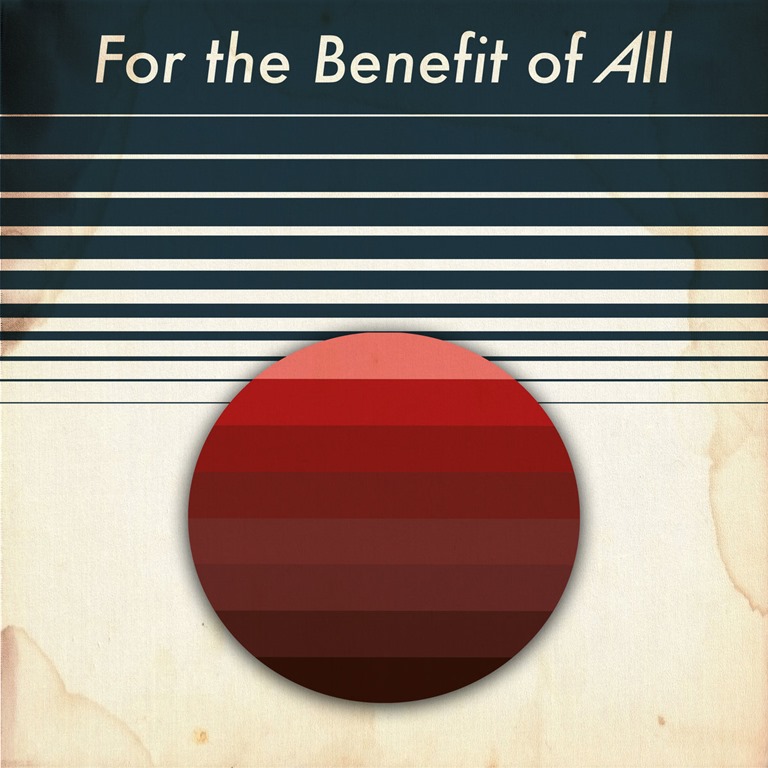
For the Benefit of All represents the coming together of two artists whom the descriptor ‘visionary’ isn’t really hyperbole: having led Her Name is Calla through a decade-long career of turbulence which produced a catalogue of truly definitive, landmark releases in the field of post-rock which pushed the boundaries of the genre in myriad directions, as well as forging a solo career as a minor-key acoustic troubadour T.E. Morris’ cult status is based on his creative singularity. Meanwhile, Jo Quail has very much created her own niche, bringing the cello to a whole new audience with her tempestuous compositions that are far more rock than classical, turning her instrument of choice from an orchestral element to a full band and more courtesy of her innovative playing techniques and judicious use of effects (admittedly a bloody huge bank of effects).

As the press release outlines, For the Benefit of All was inspired by, and was originally intended to be performed within, Kelly Richardson’s Mariner 9 panoramic exhibition at the Attenborough Arts Centre in Leicester, but was cancelled due to the global Covid-19 pandemic.

As such For the Benefit of All is essentially a soundtrack work, but also a narrative work, which plots the trajectory of a mission to Mars. It’s a sci-fi hybrid that tells of a future based on true events past and present, and more than this, it’s a reflection on time and space. With the original project plans put paid by the COVID-19 pandemic, they elected to continue work remotely and release the music as a standalone work, and it succeeds – although it does work best with an understanding of the context, because an abstract ambient work without context is simply one more abstract ambient work. In context, it’s very much a departure for both artists, devoid of climaxes and crescendos, instead focusing on the recreation of the emptiness of space, where movement is slow, and the immediate surroundings are filled with vast expanses of nothing.

In many mays, it also stands as a metaphor for the circumstances of its creation: we’re all together apart, distant, separate, isolated however adept we are at calling, Zooming, or meeting in the street. We are all floating in space, just out of reach, and sometimes two metres may be two thousand miles. And we’re not built for this.

The chapters contained within the booklet which accompany the compositions provide a textual narrative which adds to the substance of the work. The track titles, meanwhile, signify dates on the journey, from the significant 1972 ‘(A map from Mariner 9)’ which was the first vehicle to orbit another planet and successfully returned over 7,000 images from the enigmatic red planet, to the futuristic dates projected for colonisation. Going further back, 1610 relates to Galileo, the polymath from Pisa, the first person to use a telescope for astronomical purposes, and his viewing the red planet through the newly-invented ‘spyglass’.

The majority of the music is quiet, spacious, minimal, and while the plot includes raging global and galactic wars, the soundtrack is more given to creating the sense of distance, of isolation, of… space. The emptiness. The void. The tranquillity. The absence of atmosphere.

A hushed rapidfire beat flickers like a palpating heartbeat beneath the barely-there ripplings of the penultimate piece, ‘2212 (We Had it in Our Hands the Whole Time)’ and while it’s still subtle, it’s dramatic in its effect, and the rising tension is palpable.

The final section, ‘2452’ leaves us with both a cliffhanger and a sad sense of emptiness at the end of an expansive and exquisitely delicate album that often belies the violence, turbulence, and often bleak reflection on humankind that it soundtracks.

AA
a2831098516_10

Wise Queen Records / Shapta – 4th September 2020

Christopher Nosnibor

Abrasive Trees may be the solo project of Scottish-born guitarist and singer Matthew Rochford, and this may be a debut release, but already the project has acquired a roll-call of contributors on a par with Pigface or The Damned. Amongst these are Peter Yates (Fields of The Nephilim), Mark Beazley (Rothko/Band of Holy Joy), Steven Hill (Evi Vine), and Jo-Beth Young (Talitha Rise/RISE/Yates & Young).

The sum of this three-tracker bears little obvious relation to its parts, in the best possible way: there’s no sense of baggage or of any of the contributors striving to define the sound with their various stylistic signatures, and what’s more, none of the compositions sound remotely alike, showcasing a creative openness and willingness to experiment and embrace different forms.

Emerging from a thick atmospheric mist, ‘Bound for an Infinite Sea’ has gothic overtones, with picked guitars echoing out over a deep, rumbling bass. With hints of early Cure, Skeletal Family and Salvation, it broods through shadowy shapes in a fashion that’s perfectly evocative of the early 80s post-punk sound, but it’s also spun with an ethereality that owes as much to the 4AD roster and 90s shoegaze. Rochford’s voice sounds dislocated, disembodied, as it floats into the air, lost, alone. The production is hazy, a vagueness hangs over the notes, with the instruments blurring together as the percussion lingers hesitantly in the background.

Beginning with hints of expansive post-rock, there’s almost a folky feel to the delicate instrumental ‘Brother Saint’, which washes into the more abstract, experimental semi-ambience of ‘Replenishing Water (Stripped)’.

Uncertainty, trepidation, and a certain sense of otherness permeate this set, and if Abrasive Trees’ identity and direction seems unclear at its conclusion, then it’s all to the good, leaving open all avenues and possibilities for exploration.

a3041202781_16

4th August 2020

Christopher Nosnibor

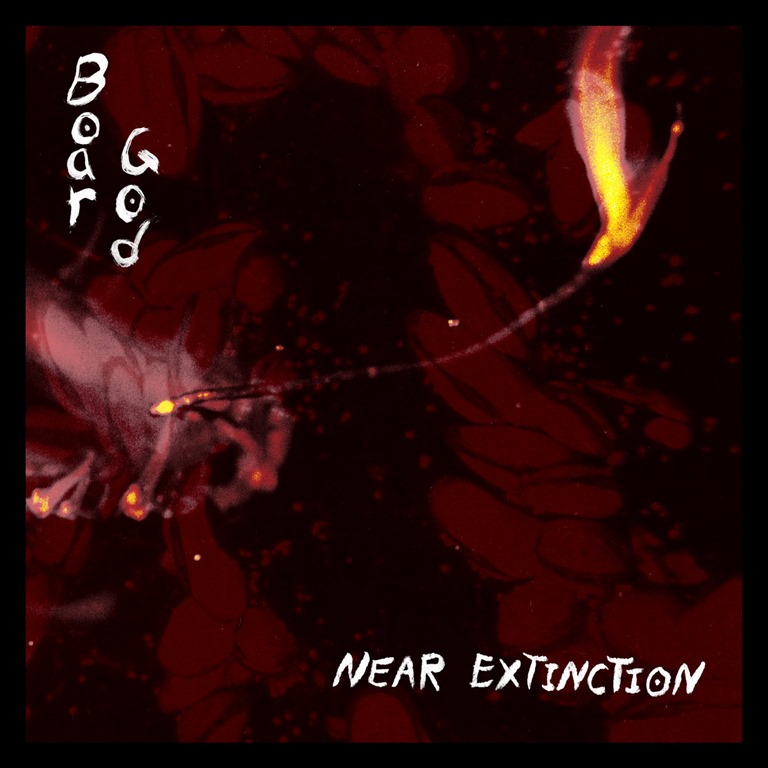
In the ever-expanding world of microgenres based on hybrids and crossovers, Montreal-based trio Boar God may be onto something as close to unique as you could imagine, describing their style as drone-punk. That said, drone takes many forms, ranging from the elongated notes that tend to feature in electronic works, to the dirgy, doom sustain of Sunn O)), with the kind of Psychedelic drone of The Black Angels in between.

Boar God’s sound belongs to none of these areas, and as such, does stand apart as different. The EP’s four tracks all sit around the six-minute mark, and blend driving alt-rock with a dash of shoegaze, and amp it all up with a spiky edge that’s as much post-punk as punk, but then I’d always say it’s the attitude that counts more than the sound in defining what’s punk.

Echoed tremolo tones shimmer like a heat-haze around guitars that scratch like sandpaper on the intro to ‘Life Eternal’. It’s a long, gradual build. The tempo quickens as the bass begins to run, faster and faster, the guitars chiming and swirling before everything breaks into a punchy clamour of everything, with Eric Bent’s vocals adding to the urgency. If it’s reminiscent of anything that immediately springs to mind, it’s Trail of Dead.

‘Azrael in Crisis’ goes all-out for the epic, with atmospheric synths swirling and wafting in the background, but still remains tightly-structured and punchy and dominated by a gritty guitar and booming bass. The energy is tempered by a chill, a bleakness, reminiscent of early Joy Division (think the outtakes that appeared on Still). The production is murky, and this is actually a good thing, as its low-budget, unpolished feel gives it an immediacy as well as replicating the late 70s’ / early 80s 8-track recording sound.

The pace and the angst are amped up on ‘The World Set Free’, a pounding amalgamation of Killing Joke and Red Lorry tallow Lorry, and again, it’s the thick, floor-shaking bass that defines and dominates the sound. Things take a twist for the gothic around two-thirds in, and as the fractal guitars glisten, the song acquires a dream-like quality.

Everything comes together at once on the closer, ‘The Tar Pits’, which locks into a motoric groove and drives it home with a searing guitar break and shrieking strains of feedback.

I know I’m a complete sucker for this kind of new-wave stuff, but as dark, angry, claustrophobic and steely-grey musings on loss go, Boar God bring a rare intensity on Near Extinction.

AA

a0466997498_10

14th August 2014 – Peaceville

James Wells

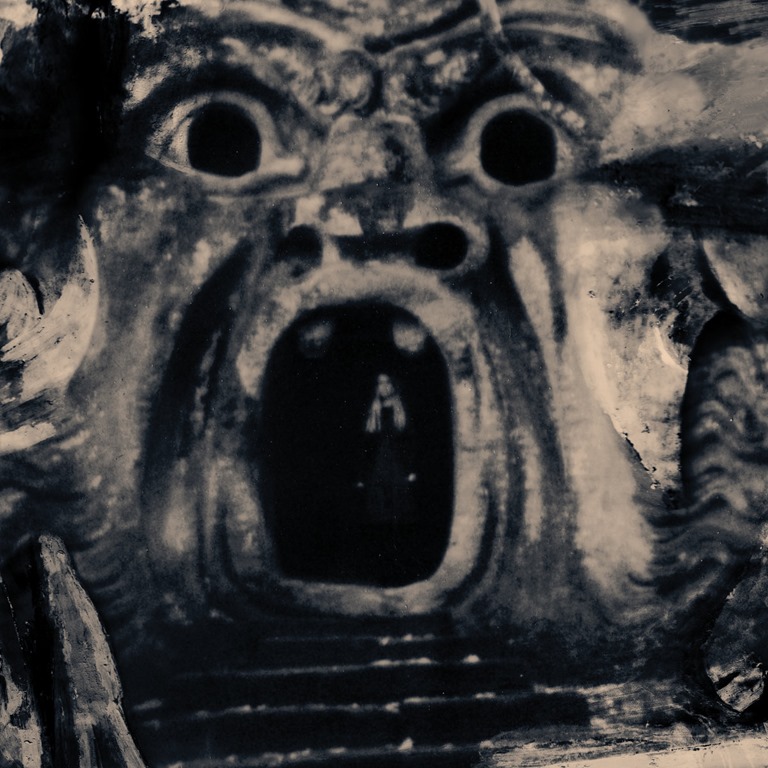
The second single from forthcoming album The Affair Of The Poisons, ‘Vampire’s Grave’ follows ‘Spectres of the Blood Moon Sabbath’ and, as the press release points out, ‘continues to explore the themes within the new album – the dark & insidious underworld witchcraft and the occult’ (just in case the cover art didn’t give enough of a clue).

Blending real-life crime with occultism, (the track is based on a real-life event that took place in Glasgow, Scotland in 1954, specifically the tale of the ‘Gorbals Vampire’, where over the course of a few nights in 1954, hundreds of young children descended upon the Glasgow Necropolis armed with stakes and crosses in search of a large, vampiric creature with blood red eyes that they believed was responsible for killing and devouring kids with its iron fangs), it’s pitched as being for fans of Venom, Kreator, Sabbat [JPN] and Metallica.

With its high-octane guitar and speed riffage propelled by thunderous drumming, it sounds more like Mötörhead fronted by Quorthorn, a pounding speed-punk riffery topped by a demonic, rasping snarl. It’s full-throttle, it’s dense, and it’s pretty bloody brutal – just as you’d want.

AA

The Affair Of The Poisons will be released on CD, LP, cassette and digital through Peaceville on 9th October and is available to pre-order now HERE

Sadly, their autumn European tour with Midnight has been cancelled due to the on-going covid-19 issues but they are still looking forward to three headline shows in the UK.

Headline UK shows

22.10.20 – London, The Black Heart

23.10.20 – Leeds, Boom

24.10.20 – Glasgow, Nice ‘N’ Sleazy

Anna von Hausswolff shares the title track from her forthcoming new album, All Thoughts Fly, to be released via Southern Lord on 25th September. Here in solo instrumental mode, the entire record consists of just one instrument, the pipe organ, and represents absolute liberation of the imagination. Anna offers further insight into the title track below. 

"I wanted to play with dissonance and polyrhythms to create a harmonic landscape that is constantly changing and expanding into something else. Everything you hear in this track, every little overtone and all ambience is entirely made through the organ. We used EQ but that’s it.  The overall idea was to create an illusion of flying thoughts, intertwining and entangling into each other. Different words and worlds happening at the same time, affecting each other and changing each other’s directions and courses."

Listen to ‘All Thoughts Fly’ here:

AA

a3179211438_10

Sargent House – 13th August 2020

Christopher Nosnibor

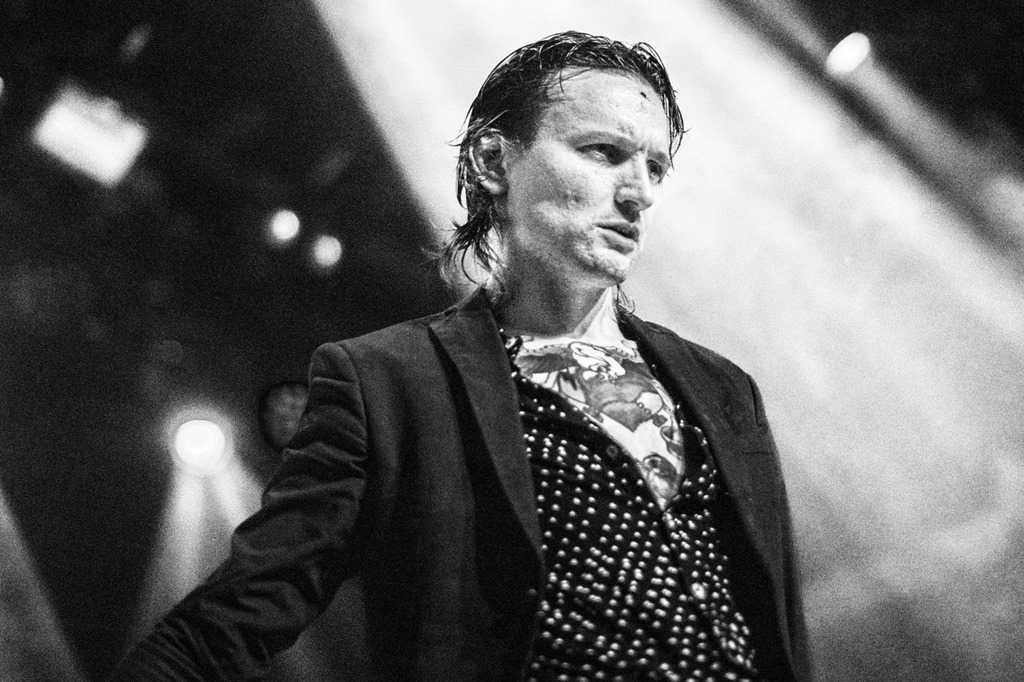
2020 keeps on crash-landing unexpected new releases, and the first solo release from Alexis Marshall of Daughters is the latest of these.

As noted in the press release, ‘Marshall describes the experience of making the material as “the painstaking process of creating and honouring, pretending to know and asking for aide, questioning and conquering, and the pale, unending anxiety nipping at the heel. This past life come current is at last the realised direction of many excruciating years beneath the wheel. The evaluation process has grown enjoyable, the evaluation process is, at last, its own reward and the hands involved have made me a better human being; without these hands, I would surely have crashed to burn. Thank you all.

I cull the hammer. I wield the hammer. I eat, breathe, sleep, shit, fuck the hammer.”’

As anyone familiar with Daughters, especially anyone who’s caught them on tour will appreciate, Marshall is a whirlwind of intensity, a man capable of the most stunningly potent viscerality.

Beginning with a hefty, hammered drum and low oscillating drone which provide the initial backdrop to Marshall’s manic, frenzied vocals, ‘Nature in Three Movements’ lunges straight into max intensity, a wild-eyed concentrated dose of sonic anxiety that only gets more crushingly claustrophobic as the dissonant noise builds and the percussion crashes harder. Marshall screams, and it’s the raw articulation of mental anguish : listening to this is like having your head placed in a vice while simultaneously being battered with a hammer.

Less a song than a breakdown committed to tape, if it’s representative of the forthcoming album, we’re in for something truly explosive.

AA

2-PBkNNd

Photo credit: A.F. Cortes

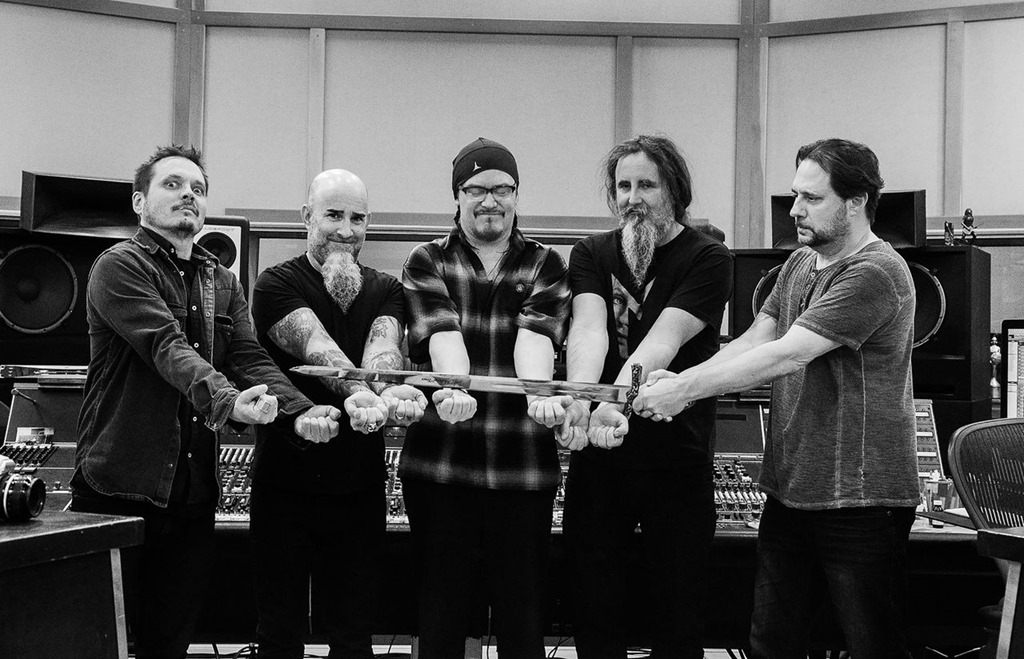
Mr. Bungle, who a year ago today announced their first live outings in two decades, have announced the release of The Raging Wrath Of The Easter Bunny Demo on Oct. 30th via Ipecac Recordings.

As was the case with the live performances, original Mr. Bungle members Trevor Dunn, Mike Patton, and Trey Spruance are joined by Scott Ian (Anthrax, S.O.D.) and Dave Lombardo (Dead Cross, Slayer, Suicidal Tendencies).

The 11-song release features tracks written by the Eureka, Calif.-born band for their 1986 cassette only demo as well as a reimagined cover of the S.O.D. classic “Hypocrites / Habla Español O Muere” (a.k.a. “Speak English or Die”) and Corrosion of Conformity’s “Loss For Words.” The album was produced by Mr. Bungle, recorded by Husky Höskulds at Studio 606, and mixed by Jay Ruston. Rhea Perlman narrates “Anarchy Up Your Anus.”

Watch the video for “Raping Your Mind” here:

AA

QoXpCZf8

Photo credit: Eric Larsen