Posts Tagged ‘Techno’

Canadian industrial act, DI AUGER has just unleashed their new video, a commentary on world-wide geopolitical issues called ‘Brave New World’. The concept for the ‘Brave New World’ video was designed to capture the literal content of the song.

The  message in the song is this: We are one people, one race and we exist to perpetually destroy ourselves and erase our existence from this planet. The song closes with the sarcastic view of our new collective mindfulness. Prove me and the next generation wrong.
Fighting racism, climate change, pollution, overpopulation, human rights. Where has it gotten us?  We are reliving the past here and now. The ideology is the same as are the reactions and the emotions.

Now we live in this brave new world; one with its promises for salvation under a unified umbrella as long as YOU stay in line and do what the government tells you. OBEY and don’t criticize, or comment, make a fuss or subjectively analyze. 
‘Brave New World’ appears on the album, Under The Skin Of The World and is available digitally NOW.

Watch the video here:

AA

AA

84fec614-45d6-ebdd-f4f0-7175ea2844c9

31st October 2021

Christopher Nosnibor

The liner notes for this new outing from Vexillary proffer a rhetorical question that sounds like the start of a semi-intellectual joke: ‘What do you get when you mix a long winter with a pandemic of a lifetime and a bunch of synths lying around? The cabin fever stemming from an endless lockdown and the resulting mental demise? According to Vexillary, the perfect backdrop for a sonic self-portrait documenting one’s brush with madness.’

It’s probably fair to say that many of us have lost the plot top varying extents and in differing ways over the last couple of years, and we’ve all struggled in various ways, be it from lockdown isolation, bereavement, monetary worries, the pressure of confinement, being physically vulnerable, or scared for the future, or returning to ‘normality’ – and while anything resembling the normality we knew back in 2019 feels like a lifetime away if ever, simply resuming social interaction brings with it for many a tidal wave of anxiety.

No doubt the cabin fever that prompted the evolution of Full Frontal Lunacy will be relatable for many, myself included. Despite the comparative luxury of a back yard bit enough so sit out in and even to accommodate a paddling pool for a family of three to manage working from home and home schooling, things felt a bit claustrophobic at times, and there were many living in inner city environments and high-rise accommodation with many more people and considerably less space.

But what of the title? Full frontal carries the connotations of exposure, more in a movie / porn context than anything. That is precisely where Vexillary is coming from, of course. Social media has provided the platform where everyone airs all their grievances and let it all hang out, for better or for worse, and for many, among the food porn and actual porn, misery porn and trauma porn has been a source of entertainment since the world lost the plot and spiralled into pandemic psychosis. Full Frontal Lunacy is effectively the musical equivalent of getting your cock out on a global platform, with all things mental health and more out there on display for all to see. Trouble is, for many, it’s probably less embarrassing to get your cock out than to discuss your feeling, and so it’s a bold move, but one that sets an example and sends a message that it’s not only ok to confront these things, but vital that we share them.

It’s perhaps no surprise that the album is dominated by themes of confinement, torture, and mania, manifesting in various forms, and compressed concisely into eight slabs of dense dark, industrial-strength disco. Driven by big beats and booming bass, this is a banger in the obvious sense, although those basslines snake and grind , and the vocals are submerged in reverb or otherwise heavily treated. The ‘Scorched Mix’ of ‘Burnt Leather’ is dark and stark, sleazy and tense. The title track sounds like an outtake from Ministry’s Twitch; agitated electro cranked up and gnarly, with pulverising percussion all the way.

‘The Descent’ is dark, deep, hypnotic and follows the signature styling of repetitive motifs; ‘Absinthe Minded’ speaks – albeit not entirely coherently, conveying a mood more than a message – of self-medication, addlement and struggling through, pushing onwards toward the spacey dance of closer ‘Exit the Void’, which brings hints of Depeche Mode to the dark dance party.

Full Frontal Lunacy has a coherence and stylistic unity, but also feel like a work that’s both exploratory and urgent. It’s not an easy album, but it’s a good one.

AA

a2995884962_10

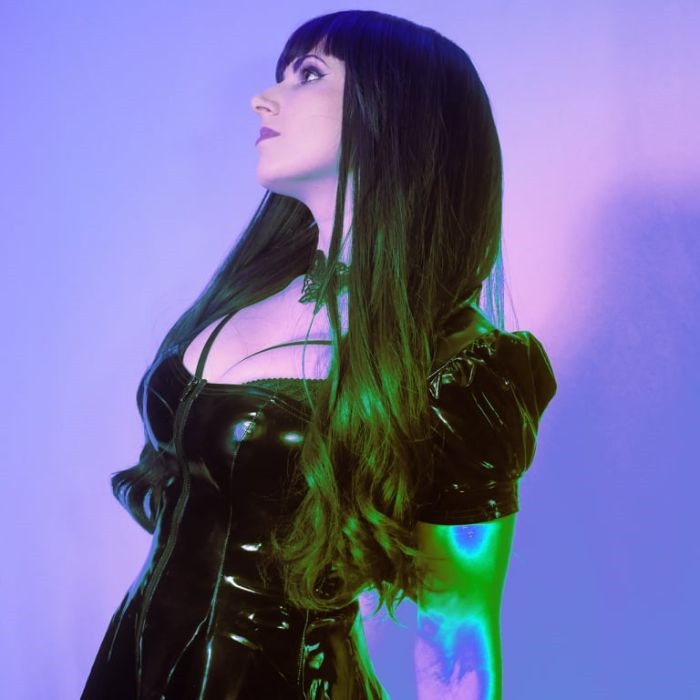
Electro-pop artist EVA X has just unveiled the new video for her single, "Machine."  The video was directed, shot and edited by Erik Gustafson (GRENDEL / ADORATION DESTROYED).

About the song: "Machine" is the first look at EVA X’s upcoming album, I Dream Of A Reality. EVA X has the following to say about the song and its story: "I have a complicated relationship with my body. I do love it, but sometimes I wish it was different. I wrote "Machine" in a vulnerable spot, when I’d have given anything to feel beautiful like other women on social media. Chasing that aesthetic with injections and makeup was powerful, but also scary – I could create the face and body I wanted, but what would happen when it wore off? I took all of these tangled feelings and poured them into "Machine". When I brought the demo to my co-producers, Shane and Adam immediately jumped on it, bringing it to life with a frenetic energy that captured perfectly how alluring and isolating that illusion can be. In the music video, I wanted to explore what being beautiful in the alternative community looks and feels like, and how far we go for aesthetics. I taught myself choreography to capture the movement I wanted. Erik and I designed a video that captured both the sexiness I wanted and the reality of cutting and injecting ourselves for it."

Watch the video here:

AA

d984cc4c-767f-5710-ea98-c4ecc0379655

Independent – 1st October 2021

James Wells

If emerging from lockdown seems to suggest that the pandemic and all the darkness associated with it is over, you’d be mistaken. People have suffered deep psychological trauma as a result of isolation, of anxiety, of division, of loss.

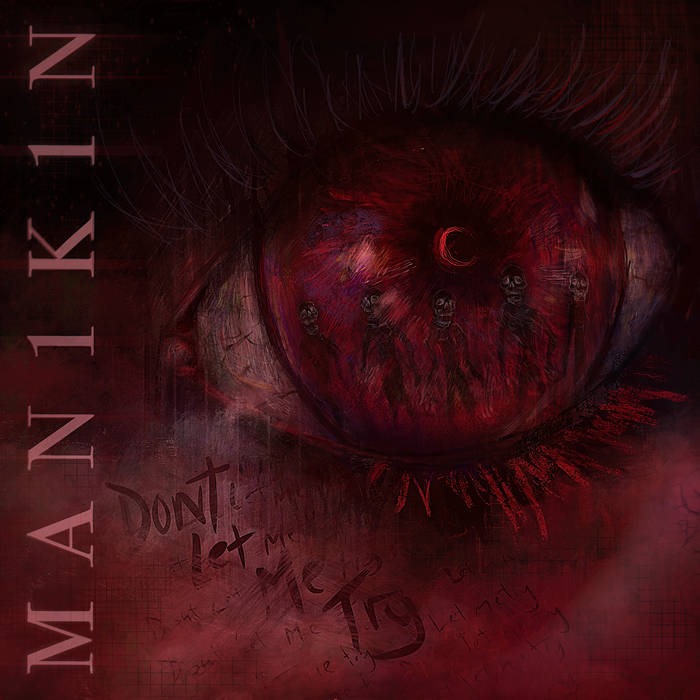
The new single from dark electronic duo MAN1K1N is a testament to all of this, as we learn that it was ‘conceived as a reaction to a personal loss and a year and a half of solitude. It’s a time capsule of several isolating moments’. Such time capsules are important as a reminder that there is always something else, something more.

Speaking about the track, they say, “The heavy solitude of this past year during quarantine was a poignant influence in the moment this song exists in. Too often, suicidal ideation is regarded as a trope. But the anguish felt in those private moments is threatening and devastatingly lonely… We wanted this song to speak to that without glorifying an end, or without being overly direct. It is a trope mired in heavy familiarity that we wanted to capture. We invite the listener to draw their own conclusions and inspire conversation.”

It’s well-realised, a dark mid-paced industrial stomper with an insistent beat, but with deep layers of atmosphere through which pour all the pain, all the anguish, the torment, and the turmoil. Channelling and finding a release for those dark moments is always the better outcome, and this also stands as a message of hope to others, that there is something on the other side: in time it will pass. In the meantime, trying is its own reward.

AA

a2271390046_16

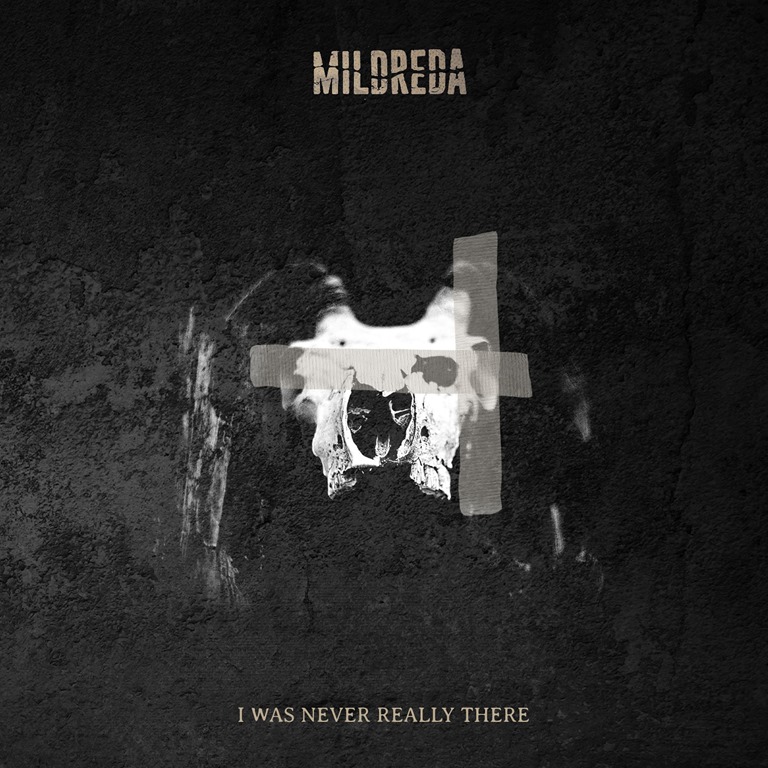
In the wake of the release of their critically acclaimed physical debut full-length I Was Never Really There, Belgian dark electro trailblazers MILDREDA are now unveiling the illuminating video clip ‘Inner Judgement’. The single had scored #4 in the German Alternative Charts.

MILDREDA comment: "The ‘poisonous muse’, who casts her dark shadow across I was Never Really There and who made her first visible appearance in the ‘Liaisons Dangereuses’ video, now returns to full view in the ‘Inner Judgement’ clip", explains mastermind Jan Dewulf. "This enigmatic being remains cool and impassive in the face of all the anger and biting frustration that push this song forward."

Watch the single here:

AA

C3M6WCN0

Blind Mice Productions – 18th June 2021

Christopher Nosnibor

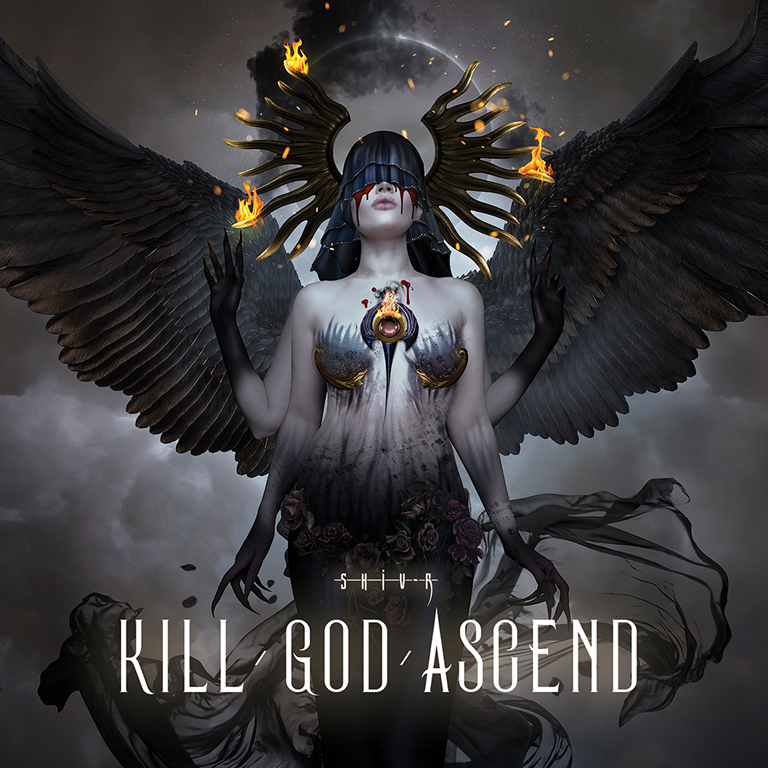
As the liner notes to Australian electro-industrial band SHIV-R’s fifth full-length album explain, ‘there is a Zen teaching that if you meet God on the road, you must kill him… What the killing of God means to each listener will be a unique and personal revelation. In a world full of gatekeepers and figureheads whose only interest in you is to tell you what to do, illusions will need to be shed and those who profess to have all the answers will need to be confronted’.

The title track launches the album with some harsh metallic guitars pitched against a pounding technoindustrial groove, where beats and synthesized bass are melded together perfectly. And while a lot of bands in this vein – even the likes of KMFDM to an extent – peg the guitars back in favour of pushing the synthesised elements of the instrumentation to the fore, to give a harsh, but ultimately slick, digital vibe overall, SHIV-R to crank up the guitars, and they punch hard, providing a strong counter to the danceable, mechanoid beats and throbbing low-end.

While growly or distorted vocals are common to the genre, it’s often strained-sounding or raspy, whereas Pete Crane has a rich, full-throated metal roar that has real depth and proper guts. That said, on ‘Spark’ and ‘Promises of Armageddon’ where they slip into grinding electrosleaze mode, evoking Pretty Hate Machine era Nine Inch Nails and mid-90s PIG, Crane shows a cleaner tone that’s poppy, but dark – which is a description that fits the slower pace of the Depeche Mode-like minimal electro of ‘Blue Turns to Black’. It’s well-placed at what would conventionally mark the end of side one – and highlights another strength of Kill God Ascend: it feels like an album in the classic sense, with ten tightly-structured and concise tracks that are sequenced in such a way as to drop the tempo, and conversely, slam in with an absolute banger, at just the right time. More than anything, it’s reminiscent of Stabbing Westward’s debut – but at the same time, Kill God Ascend is very much an album with its own identity.

Sixth track, ‘Empire’ is exemplary, kicking off virtual side two with a dark stomper on which Crane snarls, “I’m on my own path. Get the fuck out of my way.” He sounds like he means it, too.

There are some solid hooks, and Kill God Ascend sustains the angst from beginning to end – even when they bring it right down for the brooding penultimate song, ‘Valley of Death’, it’s as a prelude to the epic finale, the dark, slow-burning ‘Turpentine’ that’s gnarly and hefty and brimming with twists, turns, and glitches, a track where the machines finally devour the human components in a mangles mess of rust and dirt, blood and guts. And it’s at this point, you realise that god is indeed dead.

AA

AA

395781

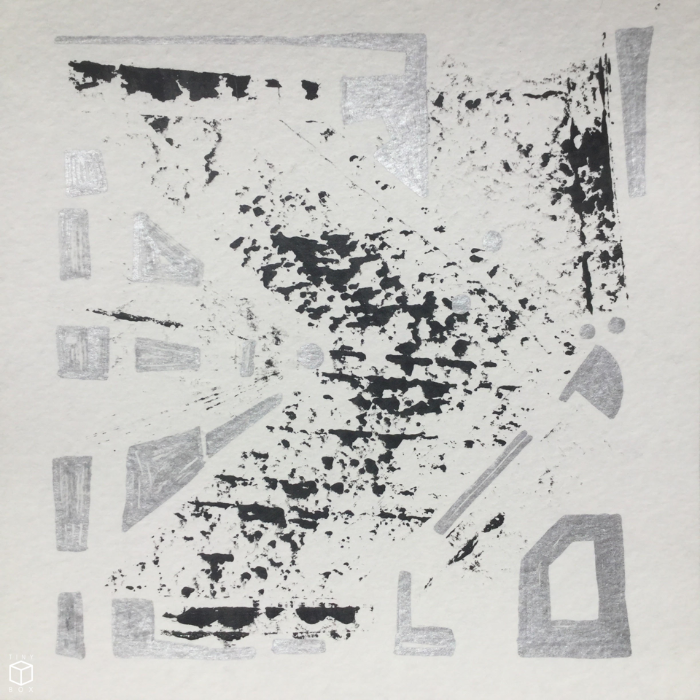
Glasgow based darkwave/post-punk duo Hanging Freud have just unveiled their sixth full-length album Persona Normal. The band states:  "We were living between the UK and Brazil, going back and forth. These were two societies going through extreme change. The whole world was changing in a way that felt scary."

Some themes of Persona Normal deal with detachment, dissociation, what it means to be human, political issues and about strong, irrational cults. These are approached in tracks like “I beg you” and “We don’t want to sleep”. Persona Normal is also a record about transformation, and growth, accepting losses and coming to terms with the loss of innocence.

Persona Normal is available now in physical and digital formats on HANGING FREUD’s label, Tiny Box. Persona Normal was written produced and recorded by the duo with mastering duties from James Plotkin (Khanate).

They’ve released a video for ‘Antidote/Immune’ by way of a taster for the album: watch it here:

AA

2a713878-401e-8f16-2ae7-681be464c5d6

Christopher Nosnibor

The news just in is that ‘Electro-Industrial band MICROWAVED has just unleashed their new EP, Save Me’, and that ‘The EP contains 16 tracks, 14 of which will be available on streaming platforms June 12th. The Bandcamp release will contain two bonus tracks: a collaboration with LIEBCHEN on a cover of Pink Floyd’s “Comfortably Numb” and an additional remix from the talented and outstanding remix artist Steven Olaf.’

The last I was aware, EP stood for Extended Play, and LP for Long Play, and sixteen tracks is pretty bloody long (unless it’s grindcore, when 16 tracks would likely have a running time of about ten minutes). No matter: I’m being picky (for a change), and they’ve released the title track as a lead single, and it features Kimberley Kornmeier of electrogoth act Bow Ever Down.

‘Save Me’ is a brooding blur – the agitated, fast-paced percussion that pounds and stutters like a palpating heart contrasts with the deep, broad, sweeping synths and a gloomily wistful melody which leans heavily on The Cure’s ‘Pictures of You’. The contrasts work, despite being quite difficult to reconcile on the first listen or two. There’s also a subtle but definite harder industrial edge to it, and it makes for a bold yet sensitive song which reminds us that beneath exteriors, so many of us hold on to pain and suffering and loneliness, and that to feel lonely and to be alone are not the same thing.

It’s when it takes a step away from itself around the three-minute mark and there’s a brief segment that sounds more like Eminem that’s hardest to assimilate in the overall shape of the song. It may be incongruous, but at least you could never describe the song as being predictable, and ‘Save Me’ is pretty damn powerful on multiple levels.

AA

f31c61a9-e908-b188-9cbe-533f008d1f1a

7th May 2021

James Wells

Having just released her new EP “one-woman industrial army” follows single cut ‘Out pf Order’ with ‘Pray’, which goes beyond its superficially religious themes and strives to ‘bring hope to life in lockdown’ described as an ‘outreach for hope – an asking for the sign that there is a future waiting for us in the times where the values we all stand by no longer define humanity’. The press release also goes on to suggest that the music video, ‘a visual representation of this message, takes it to an even darker and more obscure space’.

It’s certainly an extravagant piece of filmography, but that’s no criticism: in lockdown we’ve become accustomed to visuals that – by necessity – are DIY and homespun, with blurry clips of local walks and home interiors, so this is an extremely welcome change. Said promo finds I Ya Toya in an array of dramatic illuminations and dressed in feathers, among other things, while the song itself pivots between a writhing, low-key grind of a verse and a bold, anthemic chorus.

She wrestles with the torment of life in lockdown, the isolation, the aching emptiness, the anxiety and low mood, that not knowing what to do with yourself and the lacking the motivation and wherewithal to do the things you do want to… and it resonates. While so much industrial music – by the very nature of the genre – is depersonalised and lacks that human, emotional edge, ‘Pray’ sees I Ya Toyah break free of the machine to reveal a rare warmth and vulnerability.

AA

9a0abd7c-10ec-9984-6338-9d276f3aa4c6

Miasmah Recordings – 16th April 2021

Christopher Nosnibor

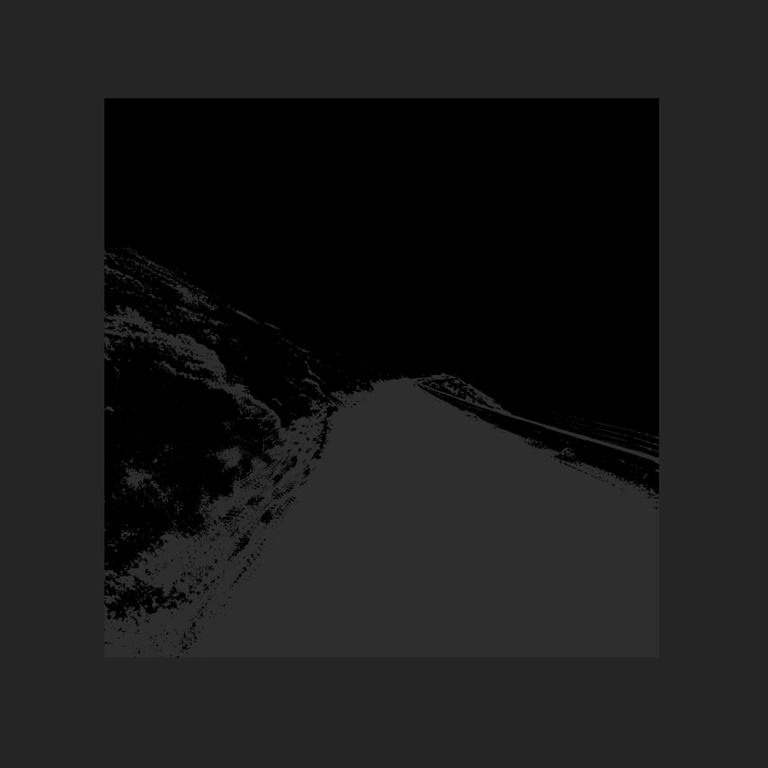
It was the heavyweight score of his debut album, Hold, that provided my introduction to the work of James Welburn, and very much piqued my interest – because in some way, sonically at least, it seems I like to be published. Almost six years to the year on, Welburn delivers another immensely heavy set with Sleeper in the Void.

According to the accompanying blurb, the album ‘feels like a story in two parts, rising lethargically, but with gargantuan power. The second begins with the momentous In and out of Blue, where Juliana Venter’s disembodied, spectral dirge takes center stage among the furious drums and bassy riffs, reaching a full crescendo with seconds to go. Parallel marks a release – Hilde Marie Holsen’s nostalgic soundscapes, pristine as glass, meeting the distant thunder of Welburn’s strings on the horizon. And finally, Fast Moon ends the record in a most surprising way – a tribal industrialized banger, complete with vile distorted beats and every other spice in demand on a blackened dancefloor.’

It’s intense from the outset, and ‘Raze’ is anything but lethargic. It begins with a modestly middling dark ambient drone, but before long, pattering drums are hammering like machine-gun fire and whipping up a frenzy while all around the drones increase in volume and intensity until there’s a veritable cyclone of sound raging all about. The experience is dizzying, suffocating.

The percussion is again punishing on ‘Falling from Time’, but while the sound is still dense and murky, the thundering rhythm, is far more mechanised, more industrial, thudding in a furious frenzy amidst an impenetrable smog of sound. The tempo is fast, and it’s relentless: you could perhaps even dance to it, although that’s not so much my thing: instead, I found my pulse accelerating and a glow of perspiration as the tension grows. Finally, the synths break into a softer swirl, although there are ominous tones eddying around as the drums finally peter out and it’s finally possible to catch your breath and compose yourself. It’s but a brief respite before crushing percussion crashes in on the doomy dirge of the title track: stuttering, stop-start detonations cut through the shoegaze on ketamine crawl of the blurred blizzard of extraneous noise.

Julia Ventner’s vocal on ‘In and Out of Blue’ and ‘Fast Moon’ (the latter of which is a grating, bulbous bass-driven beast of a cut that loops and lunged in a trill of treble and a crackle of fizzing distortion) are haunting, ghostly, and pitched against the lurching cacophony of drums and juddering blasts of noise that hit like a taser to the abdomen, it’s not only a contrast and a change of atmosphere her presence brings, but a new level of trembling intensity.

Sleeper in the Void unquestionably makes an evolution for Welburn: while incorporating many of the same elements fundamentally, their application is quite different on Sleeper in the Void in comparison to its predecessor. The basslines are less overtly structured, and Sleeper in the Void sees Welburn move further from any loose conventions of ‘rock’ toward something more abstract. It may be less direct, less bludgeoning, less reminiscent of early Swans, but it’s certainly no less intense or powerful, and it’s still dense and percussion-driven. If anything, the greater sense of nuance and Welburn’s expanded palette only amplify its menacing resonance, making Sleeper in the Void an album that may be challenging, but achieves optimum impact.

AA

MIA050_front