Posts Tagged ‘Sludgy’

17th October 2025

Christopher Nosnibor

From the very outset, this is not easy on the ear. Sometimes, something leaps out about an album in the opening minutes, and here it’s the production – or lack of. The title track heralds the arrival of Benefactor, the first album by Washington D.C. improvisational psychedelic outfit Zero Swann in two years. And it’s a swampy, reverby, dingy mess. It’s integral to the experience, but it’s also likely to be a deterrent for some – but screw them, it’s their loss, right?

Although straddling heavy psychedelic and the dramatic gothic style, it’s the sludgy, feedback-riven outtakes of The Jesus And Mary Chains’s Barbed Wire Kisses which first come to mind when listening to this.

Benefactor is the follow up to 2023’s Amon Zonaris, which, at the time, was a one-off collaborative release with Scott “Wino” Weinrich. This time around, bandleader and Saccharine Underground label curator Jeremy Moore is flying solo, handling guitars, fretless bass, drums and noise assault. And there’s no shortage of the noise assault on this punishing no-wave behemoth. As they tell it, ‘From the noise rock / no wave snarl of Ritual Tension and early Sonic Youth, to the shoegaze sounds of My Bloody Valentine, to doom and free jazz chaos over a backdrop of pure lo-fi abrasion, Moore’s latest outing is a true crosspollination of styles’. It is, and what’s more, many of those styles are melted together to form a dark, disturbing sonic sludge.

‘Grave Wax Horticulture’ is a skull-splitting mesh of noise, equal parts The Jesus and Mary Chain and Christian Death. It’s theatrically gothy, in the vein of The Horrors, but primitively noisy – which is a fair summary of the album as a whole. It’s experimental, overloading in its racketaciousness – and while is a psychedelic album, it’s a full-on assault album, too, which draws parallels with Head of David’s first album, LP, and simply summarises a noise ethos which eschews convention in every sense.

Moore’s commanding baritone brings a sense of drama, not to mention a certain theatricality to the chaotic, palpating grind, and there’s an edge to his delivery which is both world-weary and tense, a voice emerging from the desolation of a society collapsing, a world in flames. This is surely the sound of the apocalypse, the sound of everything ending. Everything is overloading, murky, blown-out, blasted with distortion and reverb, resulting in a discordant thunderous attack which fires in all directions at once. It’s a primal roar reverberating from buildings collapsed to rubble, a brain-bleeding blitzkrieg of ruinous proportions, as mechanised drum sounds fire like machine guns and missile explosions, cutting through the wildest, densest racket. The absence of overt structures only compounds the sense of things falling apart. It’s the sound of unravelling, of societal threads pulling apart in real-time, a descent into mayhem, anarchy, barbarity.

‘Anagrams for Agnosia’ is perhaps jazz, but jazz in the loosest sense: it’s exploratory, experimental, freeform, but more than anything, it’s the sound of fracture, or fragmentation, instruments churning and burning, and pulling in different directions like splinters of an object in the wake of a detonation. As the screams die down, there is the thud of a panicked heartbeat, before the final track, ‘Phaneron’ obliterates with a squalling wall of howling guitar, stuttering drums and raw, ruinous noise.

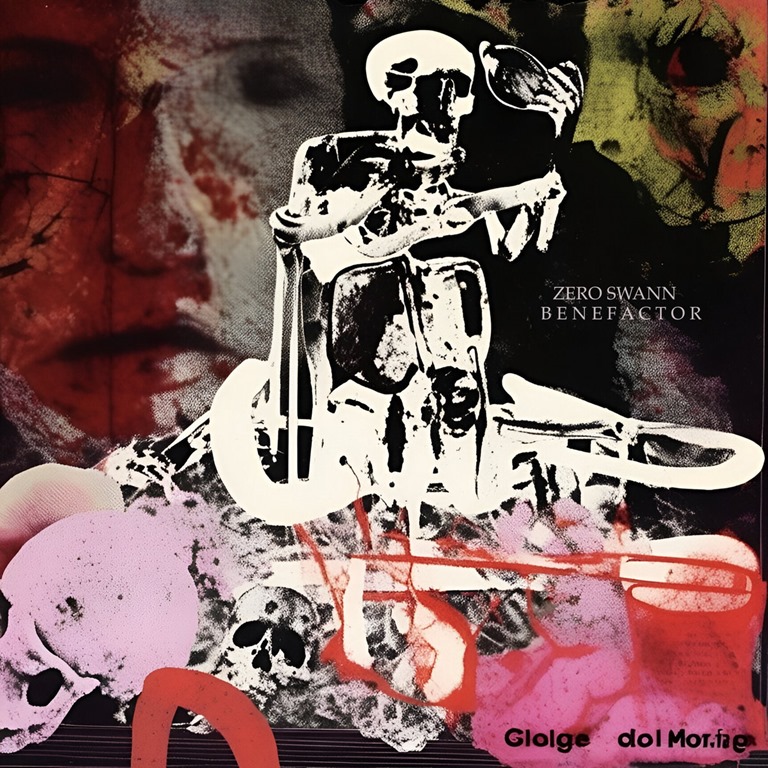
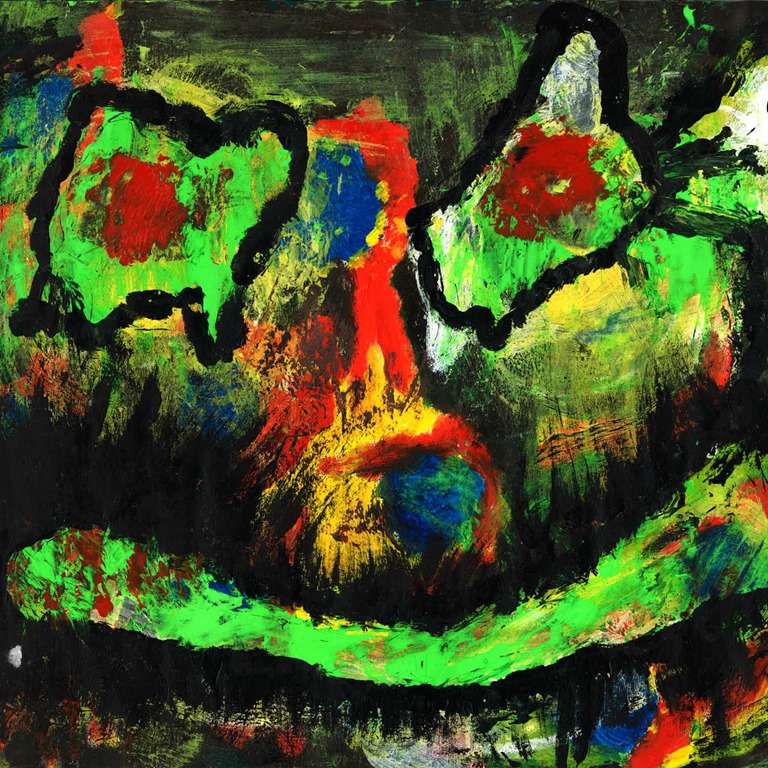
Benefactor is an album without let-up, which provides no breathing space, and is thoroughly relentless in its intensity from beginning to end. Recommended, but approach with caution, and a stiff drink. It sounds like the cover looks.

AA

a0986994420_10

Human Worth – 7th March 2025

Christopher Nosnibor

I hate to moan, I really do. No, really. But January has a tendency to be pretty shit, being cold, and dark, and bleak, and twice as long as any other month and having to turn on the lights at midday and crank up the heating and just wanting to hibernate, and the bills keep on coming but payday is still a lifetime away. But this January, January 2025… just fuck January 2025. It felt like the end of the world even before Trump took office, and now, as California burns and the UK is hammered by one of the worst storms on record, the end of the world looks positively appealing.

I’m not one to pray, but if I was, I would be praying for just one sliver of good news – and this would have been the answer to my prayers. Because a new release on Human Worth is always good news.

Things have happened in the Cassels camp sin the three years since their last album, A Gut Feeling:

“Close to burnout from heavy touring, the brothers Beck returned to their Harringay warehouse practice space. Jim, tired of his last record’s overtures at pop culture, got very into Converge. New songs came: heavy, and weird. Gone are the sharp-tongued character sketches, replaced with a heady cocktail of philosophy and body horror. Ditched, too, are the flirtations with mid-aughts indie rock and electro. On Tracked in Mud, we’re treated to something bigger. Wilder. More… elemental. This is a record about humanity’s disconnection from nature, after all.”

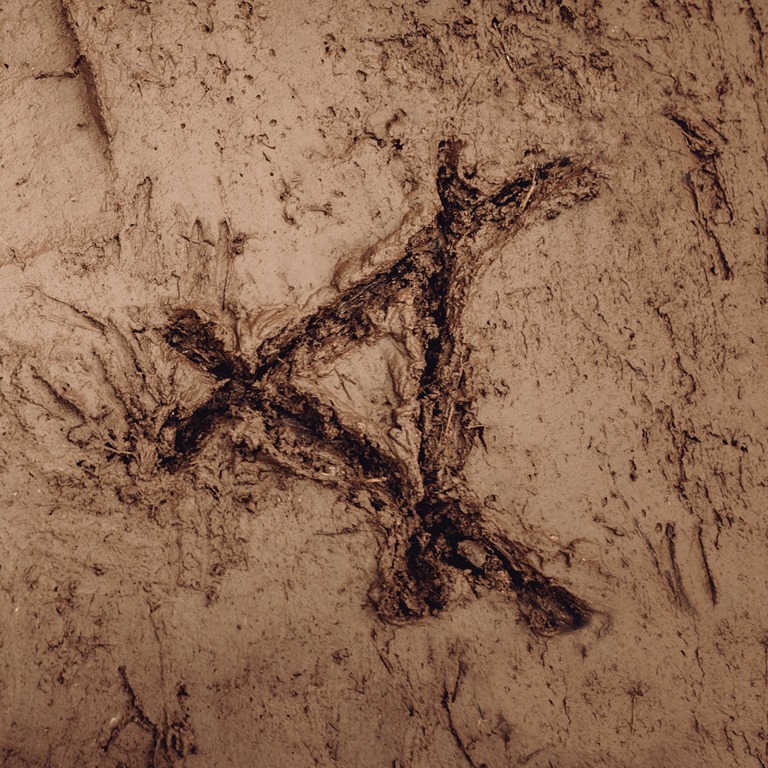
You might be forgiven for thinking that the cover art, so similar to that of A Gut Feeling signifies a neat continuation. It does not. While the sharp angularity of their previous works remains present, Tracked In Mud marks a distinct departure, and the newfound weight is immediately apparent on ‘Nine Circles’, which brings the riffs. Not that you’d necessarily describe their previous output as jaunty, but this hits hard, bursting with disaffection and blistering noise and collapsing into a protracted howl of feedback.

‘Here Exits Creator’ crashes in like a cross between Shellac and Daughters (thankfully minus the dubious allegations) – sparse, twitchy, drum-dominated spoken-word math-rock with explosive bursts of noise, before locking into a sturdy motorik groove.

The songs tend to be on the longer side on Tracked In Mud, with the majority extending beyond the six-minute mark. This feels necessary, providing the space in which to explore the wider-stretching perimeters of composition, and to venture out in different directions. Each song is a journey, which twists and turns. Midway through ‘…And Descends’, there’s a momentary pause. ‘Can someone change the channel, please?’ asks Jim, with clear English elocution, which could be straight from a 70s TV drama – and then spurts of trebly guitar burst forth and lead the song in a whole other direction. It lists and lees and veers towards the psychedelic, but then slides hard into a monster sludge riff worthy of Melvins.

‘…And Descends’ spits venom in all directions, and it’s tense as. The headache that’s been nagging at me half the day becomes a full temple-throbber as I try to assimilate everything that’s going on here. I’m not even sure what is going on here, but it’s a lot. ‘Two Dancing Tongues’ is almost jazzy, but also a bit post punk, a bit goth, its abstract lyrics vaguely disturbing in places… and then, from nowhere, it goes megalithic with the sludgy riffery.

Tracked In Mud is by no means a heavy album overall in the scheme of things – it’s as much XTC and Gang of Four as it is anything else, but equally Therse Monsters and early Pulled Apart by Horses – but it is an album that packs some weight at certain points, and explores the full dynamic range. There are moments which are more Pavement than Converge, but it’s the way in which they bring these disparate elements together that really makes this album a standout. The stylistic collision is almost schizophrenic at times, but, to paraphrase the point rendered in the most impenetrable fashion by Deleuze and Guattari in Anti-Oedipus, schizophrenia is the only sane response to an insane world, and this has never felt more true.

Tracked In Mud is crazy, crazed, disjointed, fragmented. It’s not a complete departure from what came before, but it is a massive leap, a gigantic lurch into weightier territory. It’s a monster.

AA

HW043_Cassels_TrackedInMud_DigitalArtwork

After three years of silence, Pântano return in full force with their new single, "Inferno." The band, whose name translates to “swamp,” delivers a raw, sludgy southern rock sound with a touch of classic Alice in Chains seamlessly woven into the mix.

Staying true to their dark and melancholic essence, the band unveils a new lineup and an even more refined, mature sound on this latest track.

With Nuno Rodrigues (WAKO) on vocals and Arlindo Cardoso (Low Torque) on drums, Pântano now features Aires Pereira (Moonspell) on bass and Paulo Basílio (Ex-Votos) alongside João Arroja (Low Torque) on guitars.

"Inferno," mixed and mastered by the renowned Daniel Cardoso (Anathema, Anneke…), marks the natural evolution of the band, blending a melancholic and dark atmosphere with heavy, slow riffs imbued with a strong emotional weight.

The single is accompanied by an impressive music video, directed by Beatriz Mariano, which masterfully captures the intensity and introspection of this new chapter for Pântano.

Watch the video here:

AA

b2af49a0-3162-2f2e-3be5-0b29b32893c4

These Beasts are now releasing the track ‘Code Name’ as the first single taken from their forthcoming new album Cares, Wills, Wants. The crushing full-length debut of the sludgy noise rock trio from Chicago is chalked up to hit the streets on April 21, 2023.

These Beasts comment: “The opening track and first single, ‘Code Name’, of our forthcoming album was also the first song that we wrote when we started working on new material”, guitarist and vocalist Chris Roo explains on behalf of the trio. “The lyrics deal with the hypocrisy which seems to become increasingly more common all around us.”

Listen to ‘Code Name’ here:

AA

djasGsFV

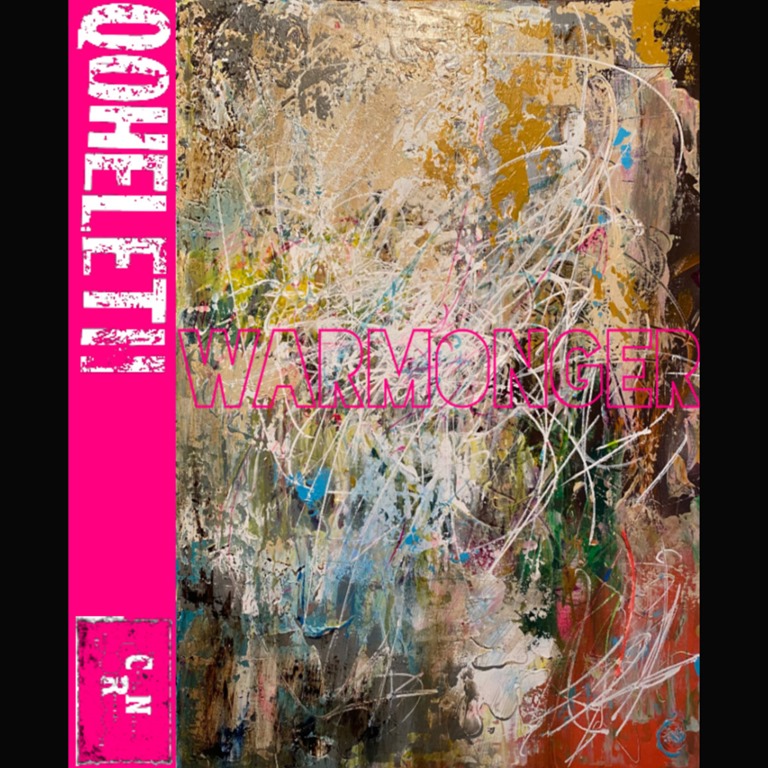
Hailing from Charlotte (USA), Qoheleth is built from the last remaining scraps of their sanity (Jeremy Hunt, Mike Strickler, and Caiden Withey). The resulting sounds and sights of the collective are rooted in upheaval: loud, obnoxious, and discomforting. Throughout their five year existence, they have focused on three central tenets: pushing the musicality of noise to its limits, never standing in one place for long, and continually asking questions.

Their newest album, Warmonger, explores the American love affair with violence. What happens when a country is: founded in violence, endowed with a mythos that both ignores and celebrates destruction, and continues to perpetuate it, over 200 years later? The American Dream is a violent one. What happens next?

Warmonger reveals a more communal aspect of QOHELETH, as they invited friends to lend their vocals and noise-making talents to the party. Artists E.B. Taylor, K, Juan Carlos Lopez, and Jon Michael help broaden the sonic palette of previous albums, offering their own perspectives on what violence hath wrought.

At the core, this record is one of lament, anger, and grief, tinged on the edges with hope. If there’s a path towards life and well-being for all, it has to start with a reckoning. This is ours.

Watch ‘The Means Undid The Ends’ here:

AA

a2312463737_10

29th January 2021

Christopher Nosnibor

This is one hell of a broiling blender mix of shit all going off at once: there’s a 90s noise rock vibe with a heavy psychedelic twist – like Fudge Tunnel covering Gallon Drunk in duet with Terminal Cheesecake. If that means nothing or otherwise doesn’t float your boat, you may want to step off the moving pavement now. Call me perverse, but a large part of the appeal is just how messy and unpretty this is, the guitars so thick and dirty.

After the sludgy sprawl of ‘Designer Smile’, ‘Panic Laps’ shudders in on a dense bass and manages to bring a lumbering Sabbath-esque fiff in the style of Melvins while at the same time bringing a jarring, mathy aspect.

Despite being Australian, their irreverent style of noise has a very British feel to it, and while pretty much every aspect of every track can be referenced back to something without too much effort, it’s about how it all hangs together – and thanks to a dominant rhythm section that delivers nothing fancy, instead keeping everything straightforward and geared toward the bottom end – it hangs together nicely, despite the songs often veering off in different directions, with a chiming picked post-punk guitar part here and a soaring solo there.

‘Cut the Slack’ is slower and built around a sedated reinterperetation of the kind of cyclical riff that featured so heavily on Nirvana’s Bleach – only more psychey. It’s a dense, heavy buzz of a racket, and it doesn’t stop driving forward, hard and loud for so much as a second as the band power through seven tracks before the closer, ‘Don’t Laugh’, a six-minute throbber.

Their third album and their first album in some four years has – deservedly – been getting some attention already, and could be the one that sees them break out of Australia, albeit not physically for the foreseeable.

AA

a2658419416_10

7th September – Pelagic Records

Christopher Nosnibor

The absence of a question mark renders the album’s title a statement rather than a question. But there are no questions about Årabrot: 17 years and a substantial catalogue into their career, the Norwegian noise-rock act are still noisy, challenging, and kicking ass. But according to the blurb accompanying the release, ‘there is more than noise rock to Årabrot’s formula. “I’m interested in feelings, either the very silent or the extremely noisy”, band leader Kjetil Nernes comments. “I don’t care about what’s in between, the middle of the road isn’t my thing. The bible fits really well with that. I’m using it thematically all of the time.”

But mostly it’s noisy, and that’s a good thing. That said, Who Do You Love is very much an album of extremes – which is only fitting of a record that references transgressive French poet Comte de Lautréamont in its opening song, which crashes in with a heavy psych-hued riff – but the guitars are dominant and angular throughout. It’s loud, and it’s insistent. The guitars are choppy, the vocals whooping, sneery, and bathed in reverb and flange. It’s kinda punky, but equally kinda post punk, and kinda no-wave noisy.

With chunky, punky riffs carved out against solid rhythms that are by turn loping, square and stop/start, plus shouty vocals throughout the course of the album – ‘Warning’ is exemplary: Who Do You Love brings the attack in spadesful – but then again, it’s an album with textures, layers. ‘Sons and Daughters’ is a spacious country / shoegaze hybrid that’s both beautiful and captivating.

‘Pygmalion’ marks a real shift, it’s ethereal humming drones fittering like butterflies, while the sinewy ‘Simmerman’ is different again, a howling, roaring country rock stomp replete with anguished vocals that run ragged and pull Biblical anguish over devils and pain from the depths. It’s bold, theatrical, immense, but more importantly, it’s got a gut pull that’s emotionally engaging in its snarling delivery. Elsewhere ‘Look Daggers’ plunges deeper and darker still, meshing together the heavy grey nihilism and insistent throb of Killing Joke with a thicker, more metal delivery and hints of latter-day Swans in its insistent, throbbing groove that’s demolished in a roaring rage. ‘A Sacrifice’ begin with a heavy trudge, and the stop/start riffage, coupled with the blank monotone vocals – heavily treated – call to mind Foetus – before the buzzsaw riff breaks in after a couple of minutes.

Closer ‘Uniform of a Killer’ is all about the ebb and flow, the surge and fall, the climax and drop, not to mention all the drama. It again calls to mind later-day Swans, as well as pacing in hints of Bauhaus and myriad others, but compresses 15-minute builds to a minute or so, the track lasting only six and a half minutes. Never mind the length, check the density! ‘Uniform of a Killer’ certainly packs the density, and the intensity, too.

Who Do You Love is a BIG album. Not so much in duration (although it’s big enough) but in every other sense. It has depth, it has range. It has force. It has intensity, and it has tunes. Really, you couldn’t ask for more.

AA

Årabrot – Who Do You Love