Posts Tagged ‘goth’

Chapter 22 Records – CD December 18th / Vinyl in April 2023

Christopher Nosnibor

It seems hard to credit now, but back in the 80s and early 90s, the BBC’s national radio was a remarkable platform for breaking new music. John Peel will forever be legendary for the countless bands he gave exposure – obscure acts starting out and the likes of which would be unlikely to trouble the top 40… but then again, so many off them went on to do so. But there wasn’t only Peel – Janice Long and David ‘Kid’ Jensen played so many up-and-coming and under-the-radar acts, and they, too, would feature artists by having them record sessions at the Maida Vale studios.

The mid-80s was something of a pivotal period in terms of the evolution of alternative music, particularly here in the UK. In the slipstream of the post-punk acts that would come to be considered the progenitors of ‘goth’ – Bauhaus, Siouxsie and the Banshees, The Sisters of Mercy in particular – followed a wave of bands who developed the style, but with poppier, more indie leanings. Although The Sisters’ ascent meant they developed away from being a ‘Leeds’ band, their presence and rise from the city made Leeds the epicentre of the second generation of goth – or perhaps post-goth indie – with the likes of The March Violets, Salvation, Groovin’ with Lucy, and The Rose of Avalanche all emerging from Leeds around this time.

By the release of their debut album, First and Last and Always in 1985, The Sisters of Mercy had moved a long way from the sound of their first few EPs, a move that coincided with their signing to a major label and Wayne Hussey replacing Ben Gunn. The Sisters were dead by the summer of that year, but rising from the ashes, The Mission’s first singles and debut album, God’s Own Medicine in 1986 added impetus to the rising wave of janglier, more accessible indie-goth.

Both John Peel and The Mission would play a part in the rapid ascendence of The Rose of Avalanche, with the former offering them a session simply on the basis of a track on a compilation album, and the latter inviting them to open for them on tour. That kind of exposure to such a potential fanbase is hard to come by any means, and by 1987 they had Sounds spurting praise all over them. Yet for all this, they failed to break the mainstream or to trouble the charts, and chugged on till the early 90s before calling it a day (although they recently opened a new chapter with some live dates. Never say never, eh?).

The recent release of The Sisters of Mercy’s BBC sessions has caused considerable excitement in the community, being their first official release since their 1992 compilation A Slight Case of Overbombing. The sessions had been in circulation as bootlegs for decades, under various titles and with varying quality. The fact the release left a side of vinyl blank while leaving the audio of the band’s Whistle Test performance – arguably on of their finest – in the vaults has caused considerable consternation particularly considering the 3-sided vinyl cost over £40 on release on Record Store day, while the cut-price CD is flimsily-packaged and feels ‘budget’ in every way.

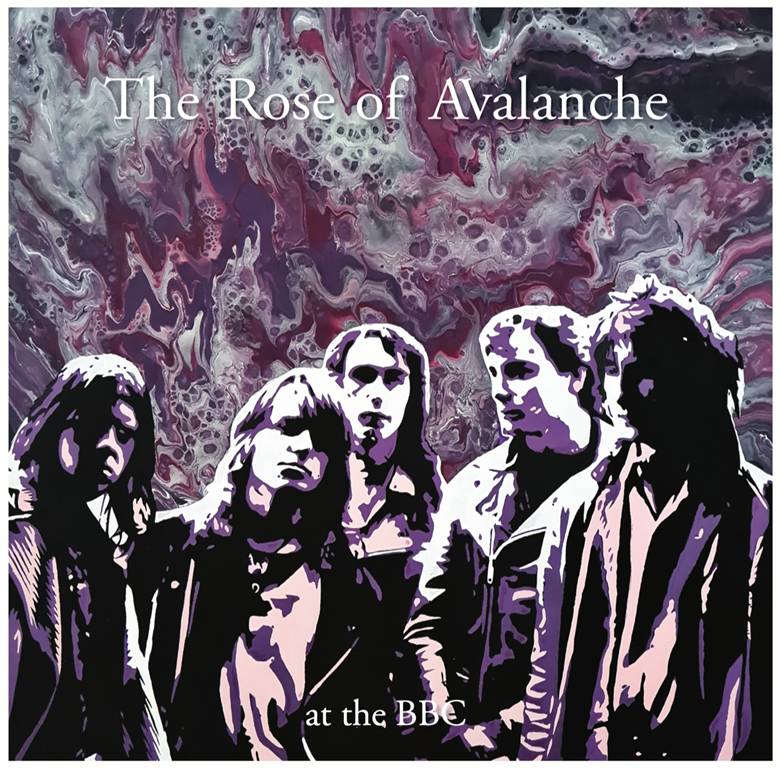
Exhuming The Rose of Avalanche’s BBC sessions after a 25-year hiatus from releasing material may not send quite the same ripples, but isn’t only a significant event for fans, but a substantial document of the time.

It may have been early cut ‘L.A Rain’ that grabbed JP’s attention, but it’s not featured in their first Peel Session, which features three original cuts plus a cover of The Spencer Davis Group’s ‘Gimme Some Lovin’’ delivered with guts and monster guitar solo work, al driven by a stonking bass.

The band clearly evolved fast, and gained in confidence and competence. It’s the swagger that really makes the impression on ‘Rise of the Groove’ that spearheads the second session, which also features a strong take of one of their most successful singles, ‘Velveteen’. Rougher and rawer than the official version, ‘Never Another Sunset’ packs some heft without the tidal wave of reverb, and ‘Too Many Castles in the Sky’ is all about the up-front rock action.

Because of the nature of the BBC sessions, these recordings are necessarily quick, underproduced, but the positive flip is that they capture thee band in the moment. And it’s a good moment, bursting with energy.

The album wraps with the songs that started it all, an eight-minute sprawling drawling take on ‘L.A. Rain’ that’s pure Velvet Underground.

There are so many good songs on here: now is the time The Rose of Avalanche should be reassessed, and appreciated in a different light.
Artwork - The Rose Of Avalanche

21st January 2022

Christopher Nosnibor

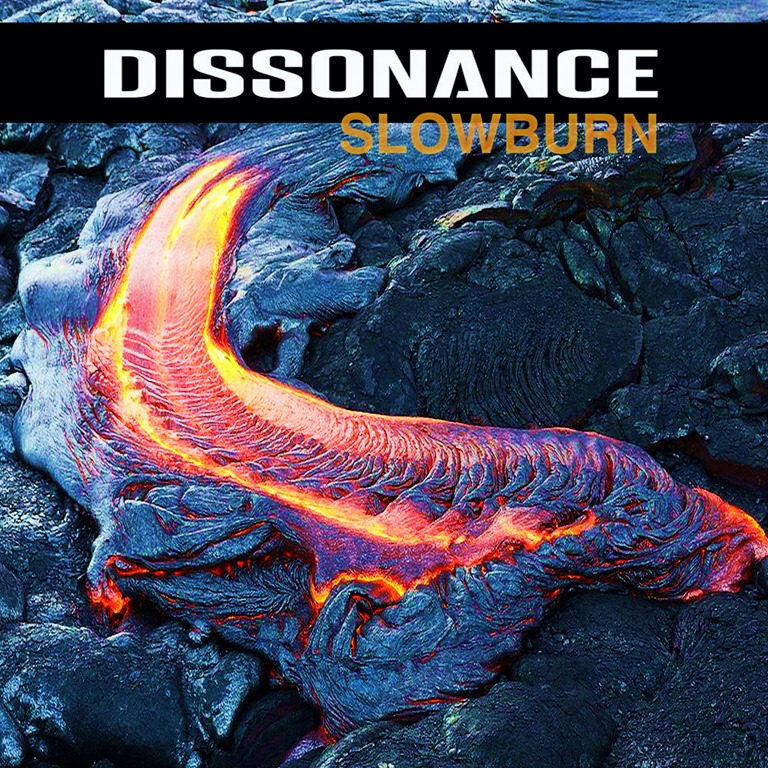
‘Slowburn’ is, true to the title’s promise, a slow-burner, and as a single, it’s solid – not immediate, but appreciation evolves with repeat plays. The track itself is, in many respects, very much in the darkwave tradition, with cold synths and equally cold, almost monotone vocals that also carry an ethereal quality.

There’s a mesmerising, hypnotic quality to the original song, which, we learn is ‘a song about passion; passion- a deep love/emotion that consumes body and soul. It is about depth of feeling for a person, place, process or thing.’ Against brooding piano and backed-off beat, it calls to mind Jarboe-era Swans and some of her solo work, in no small part due to Cat Hall’s powerful but understated vocal.

Cat explains the origins of the song as follows: “I wrote this as I was considering the many all-consuming passions of my life. Passion to write. Passion for art. Passion for nature, for the planet. Passion for science. Passion for humanity. Passion for the individuals I love. Also, the painful realization that despite my intense feeling, actions and orchestrations, these things, places, people, and processes come to an end. I come to an end. My passions die with me.”

Our passions drive us and keep us alive, and without passions, what have we and what is life? And what passion is there in a set of remixes?

My standard complaints around remix EPs are that they’re essentially lazy and eke out the smallest amount of material for the most physical space, and that they’re something of a short-change for fans; then there’s the fact they’re often really, really tedious, with the same track or tracks piled back to back and mostly sounding not very different apart from either being more dancy or dubby. This set is a rare success, in that the remixes are so eclectic and diverse half of them don’t sound like the same song, but without doing that whole thing of deconstructing it so hard with ambient / techno / dub versions that there’s nothing left of the original in the versions – another bugbear.

The Von Herman Lava Lamp Mix piles on the soul and sounds like Depeche Mode circa Ultra, while the Kirchner Charred Mix is a straight-ahead, thumping electrogoth dancefloor-ready banger. The Haze Void Mix cranks up the grind, with oscillating electronics more akin to Suicide than any contemporary act. This is the biggest, densest, and most transformative reworking of the lot, venturing into space rock territory as it thuds an d rattles, twisting the vocals against an urgent, throbbing sonic backdrop and throwing in some hints of Eastern mysticism for good measure. It’s an intense experience. The Hiereth Lonely to a Cinder mix brings some brooding piano and even harder hammering beats, landing it somewhere between the Floodland-era sound of The Sisters of Mercy and that quintessential Wax Trax! technoindustrial sound.

It’s a corking single, and as remix sets go, this is a good one.

AA

a3299441169_10

MILDREDA’s sinister video clip ‘Liaisons Dangereuses’ has been selected by the Brussels Independent Film Festival in the short film category "The Rabbit Holes". This category is dedicated to a cinematic rabbit hole of offbeat, weird, wonderful, poetic, surreal, and abstract films. The clip had been created by the Belgian production house Pigeon Eggs and features Belgian actress and model Miss C.

Watch the video here:

AA

Mildreda comment: “The girl in the video played by Miss C symbolises a ‘poisonous muse’, which is what I like to call this type of character”, explains mastermind Jan Dewulf. “In the short film, you will see that the girl evolves from white to black, which illustrates her allegorical shift from ‘good to evil’. Though in fact, she was toxic from the start.”

‘Liaisons Dangereuses’ has been taken from Mildreda’s critically acclaimed physical debut full-length I Was Never Really There.

Mildreda_43_by_Pieter_Clicteur

Image: Pieter Clicteur

Cleopatra Records

Christopher Nosnibor

Well, this is pretty fucking intense. Released to promote the duo’s new album, ‘Hear My Call’ is a beast. The verses are queasy, ominous with a hushed, almost strangulated tension. In contrast, the choruses are utterly pulverizing in their weight and density: there’s nothing hushed about them, and the tension is released in a chthonic snarl. The vocal transition is remarkable, as Lilith gears down an octave at least and flicks from anguished to a raging demon spewing toxic flames from the very bowels of hell. The crossover between electronica and black metal is almost schizophrenic, but Luna 13 render it in such a way that it’s perfect, that switch that happens at an imperceptible trigger lands with eye-popping precision, and the video, directed by Vicente Cordero (Stabbing Westward, Filter, 3TEETH) is a magnificent visual reflection of the music.

For a start, there’s splattered gore galore, as Lilith Bathory sloshes around in a bathtub that’s initially brimming with rose petals but before long it’s a streaming splatterfest where said tub is brimming with blood. She twitchily dials the telephone… and it transpires she’s not calling The Samaritans, but instead she connects on a hotline to Satan, and it cuts, and she’s a roaring, horned demon, and to the side, Dr Luna yanks a huge phallic lever that seemingly drives this whole whorl of chaos that’s blackened beyond black, the sound of scorching incineration.

A lot of so-called ‘occult’ and ‘Satanic’ shit is – well, shit – corny, half-baked, a bit laughable, at least to anyone not already invested, and you wonder how people take so many of these bands seriously. Not so Luna 13: this shit is truly terrifying. There’s no denying that some off the elements are perhaps cliché; masks, blood, and so on and so forth, but it’s all in the execution. Sonically, and visually, they’re full-on, and fearsome.

AA

740148

Oregon-based electronic act, Luscious Apparatus has just unveiled their debut single, ‘Infiltrate.’

‘Infiltrate’ is about domestic violence, the kindness of strangers, and helping someone escape from an abusive relationship. The lyrics were triggered by an article that offered an excruciatingly detailed account of the horrors inflicted upon one of the victims of Brian Warner, aka Marilyn Manson.
The song speaks to the often terrible and destructive power wielded by abusers. It attempts to inspire hope and strength for anyone who has found themselves in an abusive situation and are trying to find their way out of the fog.

Check ‘Infiltrate’ here:

Luscious Apparatus blends cinematic soundscapes, synths, shoegaze textures, and syncopated percussion, to create a sound best described as Electrogaze or Noir Pop.  Founded by Jack Norton as a studio project in 2019, the Portland, OR based act evolved during the great plague of the early 2020s with the arrival of Sandi Leeper on vocals. Catherine Hukle, a guitarist from Seattle, moved to Portland, providing the band’s signature walls of sound. Daniel Henderson joined on drums in late 2021. All members are active in writing and producing for LUSCIOUS APPARATUS.

Luscious Apparatus’ roots are spread wide throughout the post-90’s post-punk scenes. They incorporate everything from goth and industrial to indie rock, electronica, and trip-hop. Influences are broad: from Nine Inch Nails to Garbage. Joy Division to Massive Attack. Gary Numan to My Bloody Valentine. Frontline Assembly and Delerium.

dfa2e915-4ed6-f76a-763b-c37c6b3598a8

26th November 2021

James Wells

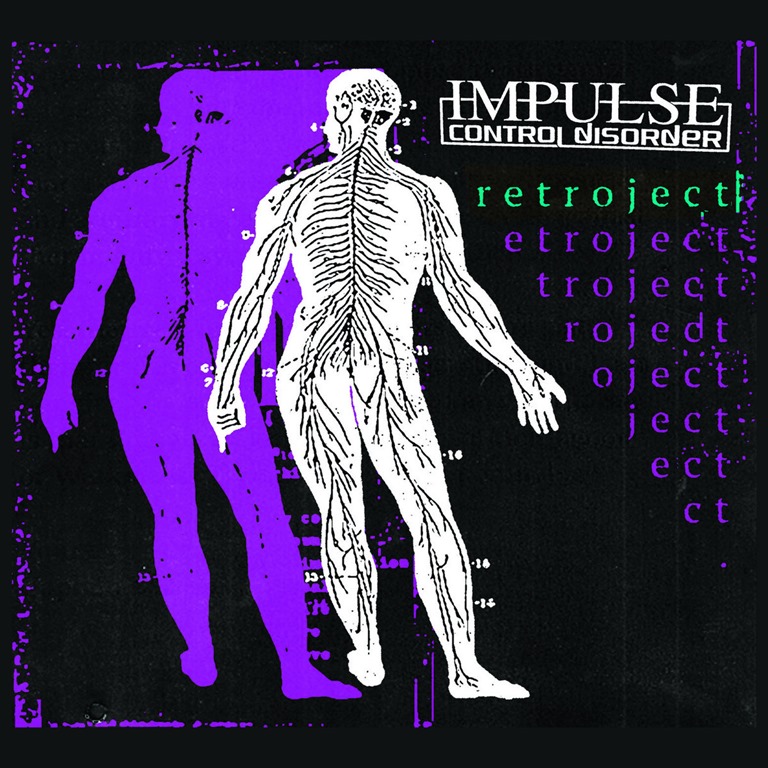
This one’s been a looooong time in the making. Like so many other creative projects, the pandemic compelled Frank Svornotten to get his shit together to revive a project that to all intents and purposes was dead and buried, and to see it to completion.

As the bio that accompanies Retroject explains, ‘Retroject is an album that was begun in 2001 but has just seen the light of day in 2021. Some of the songs may feel nostalgic and dated and that is because, well, they are!!! An excess of free time during the Covid-19 pandemic eventually grew tiresome and monotonous. So, it was decided to finish the album that had begun many years prior!’

Much as I sympathise with all of the people unable to work during lockdown, and all of the furloughed workers who struggled on reduced salaries, I can’t help but be a shade envious of all of these people who found themselves with an abundance of free time to explore creative avenues. Having a dayjob that meant working from home was entirely feasible, meaning that it was business as usual, but with home schooling on top thanks to the closure of schools, I found myself with less time than ever, and I couldn’t even go to a gig or hit the pub to unwind after.

Retroject certainly isn’t an album to unwind to, either. It’s a gnarly electogoth effort, with hefty dollops of early NIN and the signature Wax Trax! electro sound providing much of the influence there. ‘W.H.A.T’ could easily be mistaken for an outtake from Ministry’s Twitch, and would also have easily made the cut for a Wax Trax! single release in the late 80s / early 90s, while ‘Love, Hate and Machines’ really brings that KMFDM vibe and slams it in hard with some cybergoth dance grooves. Elsewhere, ‘Train Song’ is pure pop and is more Aha than aggrotech.

Some of the tunes may sound a shade dated (‘Mysterious Angel’ sounds like Depeche Mode circa 1981, which is particularly eye-opening for material from 2001), but then again, there are acts still cranking out material that sounds exactly like this, and there are some real industrial stompers along the way, and these never tire or grow old, regardless of the instrumentation, regardless of how tinny or trebly the synths sound. What matters, ultimately, are the songs, and Retroject packs some real bangers, propelled by throbbing synths and splenetic rage.

AA

a3867323310_10

3rd December 2021

Christopher Nosnibor

If there’s ever been an emerging theme across music of all genres in the last year and a half, it’s isolation. Yes, if a global pandemic has achieved one thing, it’s brought everyone together in their feelings of isolation.

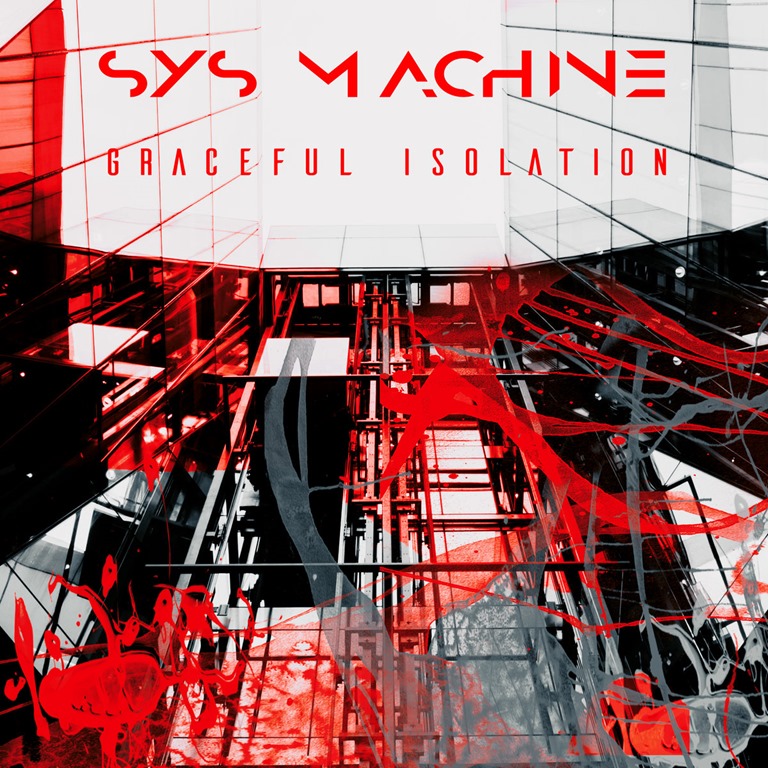
And so it is that we learn that the tracks on Graceful Isolation ‘address the feelings of isolation and coming to terms with new norms that the past year has brought. The title is derived from the fact that over the course of the album, none of the collaborators were ever in the same room.

One could counteract that in creating an album featuring numerous collaborations (notably Kimberly Kornmeier of brooding orchestral electro goth act Bow Ever Down on vocals on three songs, but also a slew of remixers), Dave McAnally has been far from alone despite being forced to work in physical isolation, yielding an album that demonstrates that distance is no object and geography is a state of mind, even if it is no substitute for proximity.

‘Poison My Skin’ makes for an atmospheric opener, with stark, minimal synths and drum machine providing a cold backdrop. ‘You’re never gonna touch me again’, Kimberly croons in a detached, robotic monotone, with subtle hints of Siouxsie, while giving voice to the thoughts that have echoed around my head that there are likely many people I have seen, heard, and been in the presence of for the last time in my life. I don’t miss the office, I don’t miss the people I used to work alongside in that artificial, uncomfortable, unnatural space, and yet… well, none of us expected that way of life to be curtailed, and certainly not in the way it was, an instant switch-off. March 2020, on being told to go home to work, I never anticipated being away more than a few weeks. And here we are… people have moved on; people have left; people are no longer with us. It’s been a long and painful couple of years.

‘All the Pieces’ and in particular ‘Impossible Dreams’ are stripped-back and sparse in their arrangements – not quite demos, but certainly skeletal, with stuttering drum machines providing the brittle spine to the songs. The lack of flesh on the bones is integral to the appeal here.

‘Drowning in the Past’ and ‘Illusions’ are tense, queasy in their taut atmosphere. McAnally resumes vocal duties, and said vocals are pegged low in the mix, compressed, accentuating the dislocation and distance. The former pegs a particularly expansive guitar solo to some nagging synths and comes on like a proggy James Ray, and it’s some good shit if you’re on the market for dark, gothy electropop.

My only niggle – surprisingly or perhaps not so much – would be that the thirteen tracks on the album consist of only five individual songs, and with three mixes of ‘All The Pieces’ slap bang in the middle, in addition to the original version, plus three versions of ‘Drowning in the Past’ it’s does get a little bit repetitive, and it may have worked better as an EP and a remix EP rather than a full-length album in its own right. Put another way, I’d play the grooves off the EP, but would probably only spin the remixes every now and again – not because they’re poor remixes, but because the original cuts hang together so well, it feels like a fully-realised document that requires no adornment.

AA

a2053013240_10

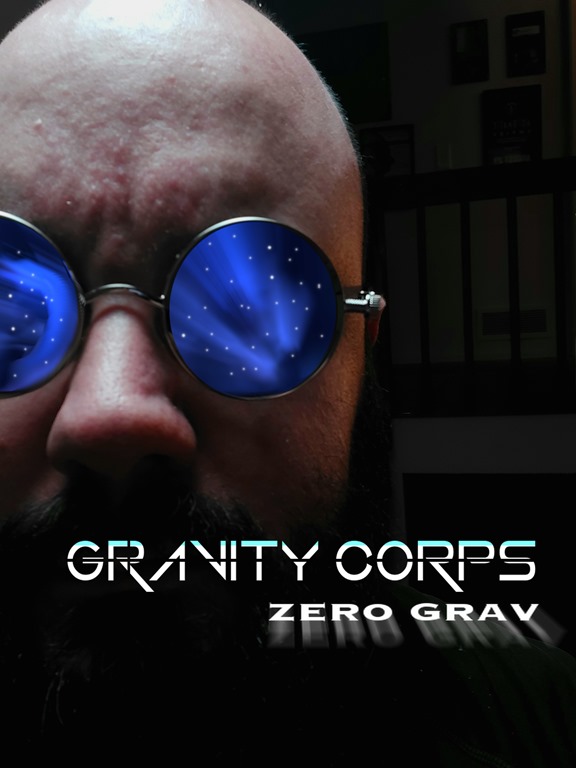
Mark Sousa, the mastermind behind futurepop act, Voicecoil has just dropped the debut EP for his project, Gravity Corps.

“Gravity Corps is a different angle to what I do artistically.  It’s a more aggressive, angrier side of my mind.  It’s a more simplistic and raw presentation in its themes.” – Mark Sousa.

Zero Grav plays on various varied themes from track to track. ‘Thankful For Another Day’ is a simple statement of the same titled track. Tracks like ‘Selling Sorrow’ and ‘Cold And Elegant’ focus heavily on themes of artistic integrity and disassociation respectively. ‘Scarred To Death’ (the first piece written for the project) was inspired by dark science fiction.

Zero Grav is available now as a digital download via Bandcamp.

GravityZERO G

AA

James Wells

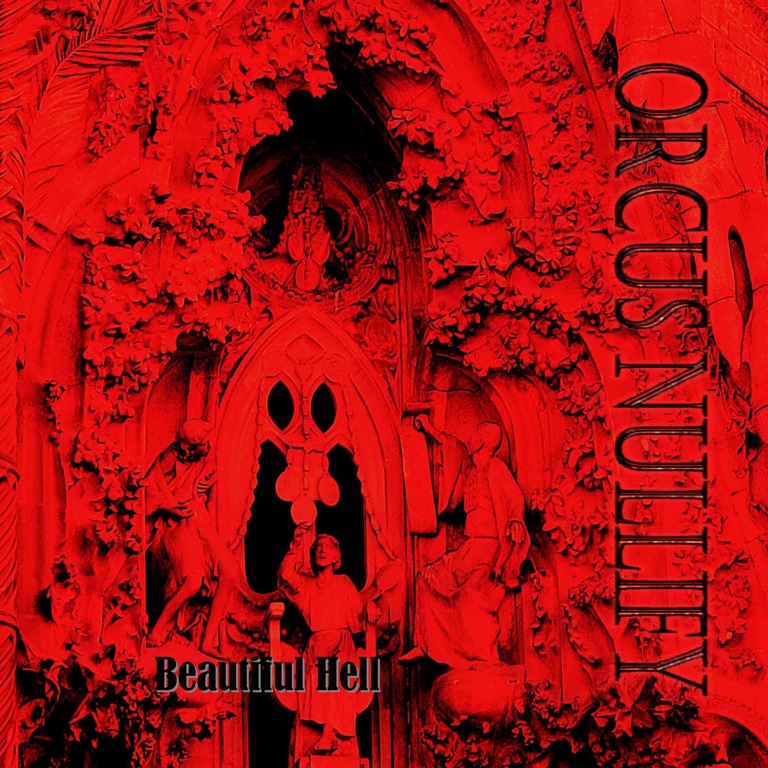
In advance, we learn that ‘The songs on Beautiful Hell will take you on a tour of the wreckage that is the contemporary state of affairs brought about during the reign of the Orange Beast. There was the destruction and reversal of environmental policies like withdrawal from the Parris Climate Accord, termination of the Clean Water Act & turning back the clock on human rights’, and that ‘the title track ‘Beautiful Hell’ draws a juxtaposition between the beauty of this planet and decaying state of political affairs. The tune ‘Under his Eye’ is focused on what is seemingly a path toward a Neo-Nazi Christian state. ‘Night Bird Cries’ is a lament for the decline of our environment and morality, that increasingly vie for our attention but go unheeded.’

The sound of Orcus Nullify – headed by bassist / vocalist Bruce Nullify – on this release is very much vintage goth, with fractal guitars, heavy in chorus and flange and setting spindly frameworks around thundering bass and tribal drums, the murky production evolving the sound and style of early Christian Death.

The intro to the title track sounds very like that of The Mission’s ‘Severina’ before it goes all splintering, spirally Nightbreed-sounding second-wave goth. For the record, that’s no criticism, just a contextual referencing placemarker. ‘Night Dance’ showcases a raw, dingy sound where the guitars are trebly and the bass is muddy and everything combines to create something dark and intense. ‘Fall from Faith’ is The Mission amped up to eleven, it’s The March Violets, it’s Groovin’ with Lucy, it’s Rosetta Stone.

As such, it’s not inventive, and Orcus Nullify clearly aren’t out to reinvent the genre, but to add to the body of the catalogue that could reasonably be labelled ‘classic goth’. Nothing wrong with that, and credit to the band, they’ve got the sound nailed, and some decent choons, too, with Beautiful Hell being a solid and dynamic EP.

AA

AA

a0128427574_10

Time to Kill Records (TTK) – 15th December 2021

Christopher Nosnibor

A good slogan or manifesto can say so much more than the words in themselves. And so it is that Vonamor introduce themselves with a bold statement that hints at Dada or perhaps the more arch and ironic Neoism in a way.

Vonamor state that:

VONAMOR is music and movement. VONAMOR is real and virtual.

VONAMOR is the end and the beginning. VONAMOR is from love, of love, for love.

Vonamor are more than simply a band, then, and more an aesthetic, a single-act movement. They exist in the space between simultaneous contradictions, the likes of which have informed poetical works since the Renaissance, with Sir Thomas Wyatt’s ‘I Find No Peace’ sonnet effectively setting a blueprint for modern literature.

Postmodernism, and Neosim in particular positively revelled in those contradictions, taking the avant-garde idea of self-awareness and self-destruction as a means of creating anew, and this, on the strength of Vonamor’s statement, is their primary objective: to be everything, and therefore nothing: to exist, they must cease to exist.

How seriously to we take this? They look pretty serious to me, but that may all be part of the performance. The next, and perhaps most important question is, does the music validate the bravado and high art bombast?

‘Take Your Heart’ is a smart slice of stark, minimal electronica, dark pop with a gothy, post-punk leaning, a collision of Siousxie and Florence and the Machine that’s both spiky and groovy, five minutes of mid-tempo doom-disco with an industrial edge – I’m talking more later Depeche Mode than Nine Inch Nails. It’s daring in the adherence to the adage that less is more: it’s tight and claustrophobic, and this gives the song a particular intensity.

No question this is a low-budget effort on all fronts, but that’s a significant part of the appeal. This isn’t some major-label act masquerading as something cult and underground to score kudos and cool cachet; Vonamor are clearly a fringe act with big, bold ideas and a strong sense of identity, and ‘Take Your Heart’ is understated but strong.

AA

Vonamor