Archive for the ‘Albums’ Category

Editions Mego – EMEGO226 – 24th February 2017

Christopher Nosnibor

The latest work from Florian Hecker, A Script for Machine Synthesis is described as ‘an experimental auditory drama and a model of abstraction’. The press release continues, explaining that ‘A Script for Machine Synthesis presents a complex simplicity that spirals in an unending manner as an audio image of the uncanny valley. It is the third chapter in the trilogy of text-sound pieces Hecker has collaborated with the philosopher Reza Negarestani. A resynthesized voice outlines procedure as procedure itself unfolds… The suggestive encounter with a pink ice cube is a conceptual point of departure for a scene in which linguistic chimeras of descriptors are materialized through synthetic trophies, mental props and auditory objects. Exeunt all human actors, A Script for Machine Synthesis is an experiment in putting synthetic emptiness back into synthetic thought.’

I’m reminded of a number of theory-based text works centred around automation and abstraction, ranging from William Burroughs’ cut-ups and Brion Gysin’s permutations, to Philippe Vasset’s 2005 novella, ScriptGenerator©®™, via Stewart Home’s experimental audio piece, ‘Divvy’, which used computer-generated voices to read the two simultaneous narratives. The concept of the removal of the author from the creative process is nothing new, and while a robotic takeover may have been more greatly feared in science fiction works of the 1970s and 1980s, the fact of the matter is that the threat is greater now than ever before – but people are generally too wrapped up in reality TV or killing themselves just to make ends meet and to pay the bills that the technological developments of the last decade or so have gone largely unnoticed: instead of a seismic shift, the takeover has been gradual and insidious.

A Script for Machine Synthesis exists in a strange territory between territories, or, more specifically, times. While drawing heavily on the paranoias – and, by its sound, technologies – of preceding decades, it’s very much a contemporary work in terms of its concept if not so much its rather retro-sounding execution.

A Script For Machine Synthesis is not an album one listens to for its textual content: it is a drab, monotonous work which centres – aside from the introduction and credits – around a single track some fifty-seven and a half minutes in duration. Slightly fuzzy monotone voices narrate the process of the process in the style of technical manuals, and lecturing a highly complex theory in the driest, dullest of styles, while bubbling synths and electronic scratches and bleeps provide distracting incidentals which aren’t quite distracting enough to break the monotony. It’s hardly riveting from a sonic perspective, either. At points, the words become practically inaudible as digital distortion and file corruption disrupt the audio. Skittering, warping interference do more than interfere with the audio flow, but create a certain cognitive dissonance which engenders a sort of subliminal tension: I find myself growing twitchy and jittery, manifesting in increasingly awkward head-scratching, and a difficulty in sitting still. It could just be a unique individual response, ad of course, any experiment will produce different results with different subjects, but sitting by candlelight with a relaxing pint, I can’t readily identify any other factor which may explain my growing discomfort.

This is, of course, the ultimate synthesis of theory and practice, and more than anything, the experience of listening to A Script For Machine Synthesis bears strong parallels to the digitally-generated screeds of text published by Kenji Siratori in the late 90s and early years of the new millennium. That is to say, it’s a concept work which, while far from enjoyable, is undeniably admirable in its audacity and its absolute commitment to explore the concept at its core to its absolute end. This is art.
 

Hecker - Script

AnalogueTrash – 17th March 2017

Christopher Nosnibor

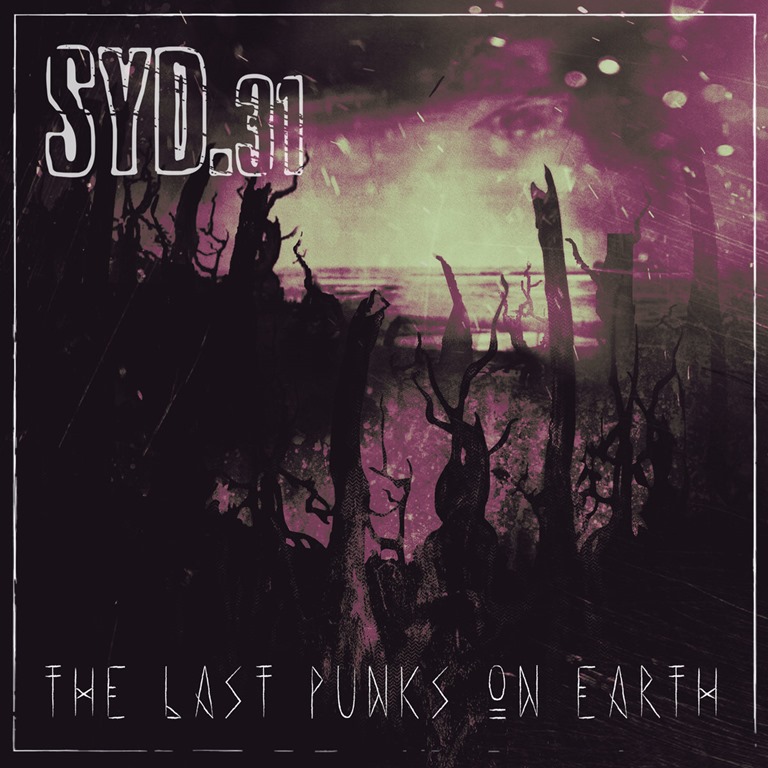
First impressions matter. The opening seconds of ‘Beware of the Gods’, the first track on The Last Punks on Earth remind me of ‘Corrosion’ by Ministry. As such, my attention is well and truly grabbed, even before the album breaks. And when it does break, it’s a shouty, snotty, snarling drum-machine driven punk racket reminiscent of early Revolting Cocks that comes hammering from the speakers. Combining gritty, overdriven guitars and pounding, insistent mechanised beats with aggressive vocals and surging electronic noise and grinding synths, it’s not pretty.

‘We Are Freaks in the Sky’ has that classic Wax Trax! sound all over it, while ‘Sarah’s Song’ is an exemplar of the full-tilt industrialised Eurodisco of the late 80s and early 90s. KMFDM is a fair reference point for the driving, danceable technoindustrial nihilism that defines The Last Punks on Earth.

There’s little to no respite over the course of the album’s ten tracks, which offer up a savage and bleak postapocalyptic cultural worldview. Ok, so the name might evoke the blank postmodern irony of Nathan Barley, as might the band’s image and sound, but their brutal genre-clashing noise is exactly the music that these fucked-up times demand. The darkest dystopian fictions have become our reality, and on The Last Punks on Earth Syd.31 capture the zeitgeist with a violence, venom and vitality that’s pure and compelling.

Syd.31

kranky – 17th February 2017

Christopher Nosnibor

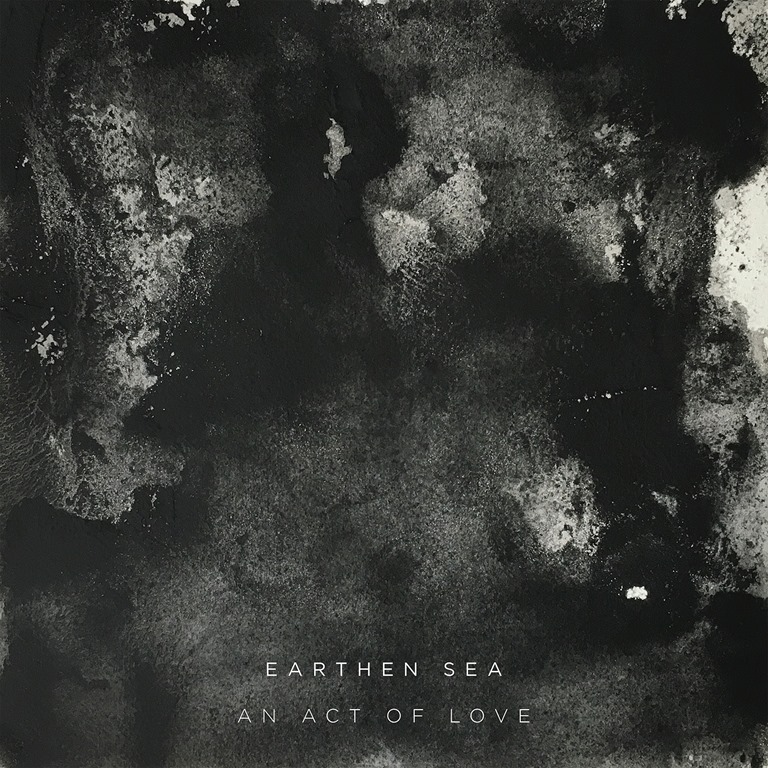
It’s pitched as a ‘compelling synthesis of shadowy rhythms and opaque atmospherics, drawing on the most potent qualities of melancholic ambient and dub techno’. An Act of Love is very much an album which possesses a haunting atmosphere, with a supple, soft, subaquatic sound dragging the listener into a warm, hushed place of dark stillness where movement is slowed.

The album’s first track, ‘The Present Mist’, sets the tone, and its title is an appropriate summary of the vague, amorphous drifting soundscapes which encapsulate the overall feel of a set the fabric of which is woven from intangibles.

‘About that Time’ builds a hypnotic groove with an overtly dance-orientated beat – that is to say, an insistent bass drum in square four-four time at around 120bpm – while soft waves of sound drift like mist to form obfuscating layers which envelop the senses. A piano rings out into the warm aural webbing and hangs in the air. But the drums rattle and reverberate, echoing across one another: it’s not nearly as ambient or understated as may first appear. And so, while the album does often drift, making minimal demands on concentration, it is not without dynamic or the capacity to withstand a degree of attentiveness. It’s well-constructed and has a flow about it which works well. That flow creates, magically, a certain temporal suspension as time evaporates like vapour over the distance of successive tracks.

Jittering beats, like a palpitating heart, thump through ‘Exuberant Burning’. This is no up-front dance work, but nevertheless, there is a tension, and an excitement which emanates from its dark, cellular landscape. The flickering, pulsing beats muffled and bear a certain resemblance to sounds heard through a stethoscope.

An Act of Love is an album which slowly, subtly, almost subliminally, evolves and unfurls.


KRANK208_5x5_300dpi

SOFA – SOFA553 – 24th February 2017

Christopher Nosnibor

The album’s title is a nod to a Polish science fiction film from 1988 which has an unusual story behind its production and eventual, much-delayed release. Also in the mix of influences is the book Moon Dust by Andrew Smith, which discusses the way in which each of the Apollo astronauts dealt with their experiences, as well as how the space programme was closed down by the Nixon administration.

As you might reasonably expect, then, On the Silver Globe is a lunar / space-themed work, and one which does, albeit in in less than conventional manifestations, incorporate many common elements of ambient music which evoke all things ‘spacey’. By which, I mean it’s a reverby, synthy, cinematic work which forges a sense of abstract ‘otherness’. And so, ladies and gentleman, listening to On the Silver Globe we really do feel as if we are floating in space, above the earth and free from all of its groundedness, its gravity, its noise, the claustrophobic clamour of life in the 21st Century.

Slow, deliberate hums hover and hang. Distant static swells in density and intensity, growing to a thick rumble of distortion that slithers menacingly around the cranium. The dominant feature of the first of these five numbered tracks is the ebb and slow, easy, flow: if seemingly arbitrarily-timed, the rise and fall, the swell and decline, the attack and decay all occur in a fluid and natural-feeling way.

For a moment, you’re removed from everything. The horrors of Trump’s first month in presidency – that terrifying train-wreck of bullshit and bravado, the violent social division – and never mind the horrors of Brexit (whatever that may yet mean as the government continue to push in increasingly sadistic, inhumane bills by the back door behind the smokescreen of confusion and bickering – all diminish as you push out beyond the atmosphere, into another realm entirely. Is this how life could be? Perhaps now, more than ever, a life off earth has the greatest appeal. A new colony, a fresh start. Of course, it is all a dream, but one which Kim Myhr and Lasse Marhaup articulate magnificently through the medium of sound.

A quavering note rings out across time while a whupping thrum chops at the airless atmosphere. Scrunching crackles, whistles, bleeps and pops disturb the surface of an ever-shifting kaleidoscopic latticework of sound. The fourth track engages more directly with conventional sci-fi tropes, while throwing in blasting engines and ominous oscillations and the roaring swarm of a nuclear wind.

For all the slowness, the evolutionary pace of the compositions, in terms of their end-to-end transition, there are seismic changes and a vast textural expanse explored in microcosmic detail on each of the five pieces.


The Helen Scarsdale Agency – HMS040 – 2nd December 2016

Christopher Nosnibor

My first encounter with the work of Jim Haynes (the musician, not the writer who rose to a degree of cult prominence in the 1960s) came when The Decline Effect landed with me in 2011. Haynes’ territory is the dark, the ambient, the subterranean, but Throttle and Calibration is an altogether harsher work, which emerged from Haynes’ 2015 residency at MoKS in Estonia, where he would collaborate with and contribute to Simon Whetham’s Active Crossover series.

As the blub accompanying the release on the label’s website explains, ‘Throttle and Calibration is the first in a series of albums that find Haynes digging through the Active Crossover archive and grotesquely exaggerating the details into exploded compositions of volatile dynamics, nerve-exposed dissonance, caustic shortwave signal abuse, and a considerable amount of scarred metal. Marked as one of the more discordant works to date in Haynes’ career, Throttle and Calibration finds company near the atonal compositions from Hermann Nitsch and the sour, industrial collages that pock the Nurse With Wound catalogue. Previously released digitally on Crónica, Throttle & Calibration is fleshed out with an additional 20 minutes of material.’ This time around, the augmented digital release is also accompanied by a cassette edition. But, sadly, no vinyl, and no CD. Sadly because

As the blurb which accompanies the release intimates, discordant is it, and Throttle and Calibration does, most certainly, slot into the space where industrial and avant-garde intersect, and this reissue, expanded to eight tracks from the original five, is an essential work within its field. The album finds Haynes in exploratory mode, and he delves deep into the granular elements of sound over the course of this challenging work.

A long, buffeting rumble, like a distant train or the sound of wind on a mountain-top (if there is no-one there to hear it, does the wind still roar around the rocks?) is the first sound. The harrowing bleakness is but short-lived. Explosive blasts of noise rip and tear like detonations, atmosphere and ear-shredding eruptions. Small sonic ruptures are rendered at such volume and intensity as to inflict sensory and psychological.

What exactly is this? The Arctic wind ripping through an empty water tower? Or the apocalypse? It could be either, and may be both. It’s disorientating as well as full-on. Throttle & Calibration is an album which places sound under the microscope, so to speak. It’s not microtonal, but it is microcosmic, at least on the one hand. But in placing its focus on a small corner of the scene, Haynes then blows it up to A3 and zooms in 500%. The effect is terrifying, bewildering, intense, and the results are immense. In Haynes’ hands, mundane sounds are reforged and take on sinister dimensions. His addressing them from alternative perspectives – up close, amplified – is the key to building a new understanding.

A quiet rattle is annihilated by a roar which melts all definition into a whirling multitextural aural vortex in ‘Tabula Rasa’, and over the course of the album, Haynes repeatedly drags the listener through a succession of vertiginous sonic sinkholes. Single impacts – origins unknown and undisclosed – resonate and decay slowly n heavy atmosphere. The spoken word introduction to ‘It Doesn’t Matter’ sets an eerie tone, but this again is devastated in a tinnitus-inducing wall of screeding noise worthy of Merzbow at his most brutal.

It takes time and focus to peer through the harsh noise to discern the textures. Like stepping into the dark from a brightly-illuminated interior space, it takes time to recalibrate the senses. There are quieter passages, but they’re no less intense and no lighter in tone. Ominous monotone drones and hums hang for aeons; time is suspended in space.

Neither the full-throttle abrasion nor the shady, moody spells of dank mental torture offer anything by way of respite or levity: Jim Haynes is an artist who dwells in darkness and creates work that ranges from the darkest greys to the pitchest of blacks. Throttle & Calibration stands at the darker, more violent end of the spectrum. Uncomfortable unpleasant, and unforgiving, it’s a well-realised plunge into the bowels of a new shade of, rendered from the terrains of the everyday.


Jim Haynes – Throttle and Calibration

Ici d’ailleurs – IDA121 – 3rd February 2017

James Wells

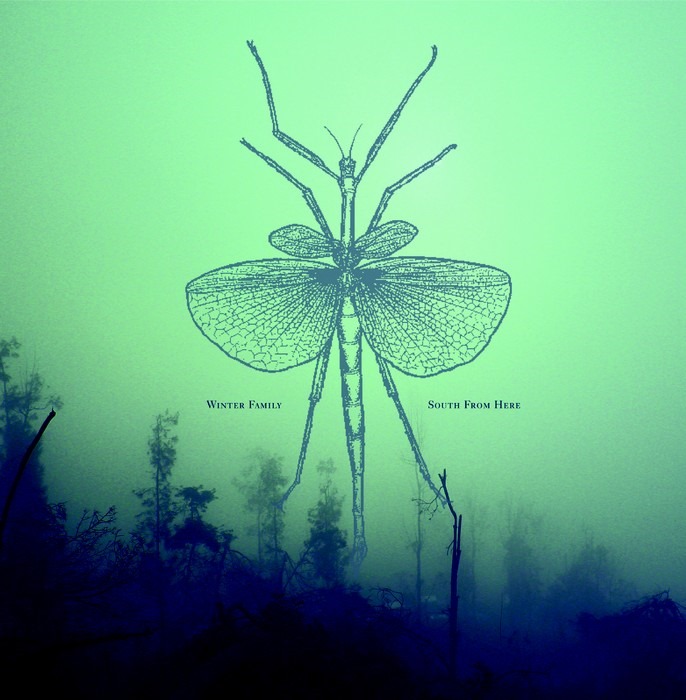
The duo call it ‘death swing’, ‘weird wave’ or ‘funeral pop’. These self-made tags go some way to describe the multiple facets of their quirky, homespun brand of analogue-driven bedroom electropop. Grainy, grindy synths tones undulate through opener ‘Archaic Landscapes’, a primitive drum machine keeping time and clattering away tinnily as Xavier Klaine croons and yelps. The overall effect is like a psychedelic garage reimagining of Suicide.

Trilling fairground organs wow and flutter to forge light-hearted odd pop moments. It’s all very lo-fi and fizzy, and ‘Yallah’ manifests as a squalling new-wave noise of overloading treble, reminiscent of early Jesus and Mary Chain on speed. But ‘Jesus’ brings a graceful, funereal melancholy and a previously unheard sensitivity.

The scuzzed-out rap-rock racket of ‘The Land of the Free’ reveals further facets of their quirky style: Ruth Rosenthal hollers into a swirling vortex of sound. The quavering eeriness of ‘Delightful Blindness’ is intriguingly atmospheric, and the creeping stealth of ‘Imagine’ draws the curtain in suspenseful style.


WINTER-FAMILY-South-From-Here

Gizeh Records – 17th February 2017

Christopher Nosnibor

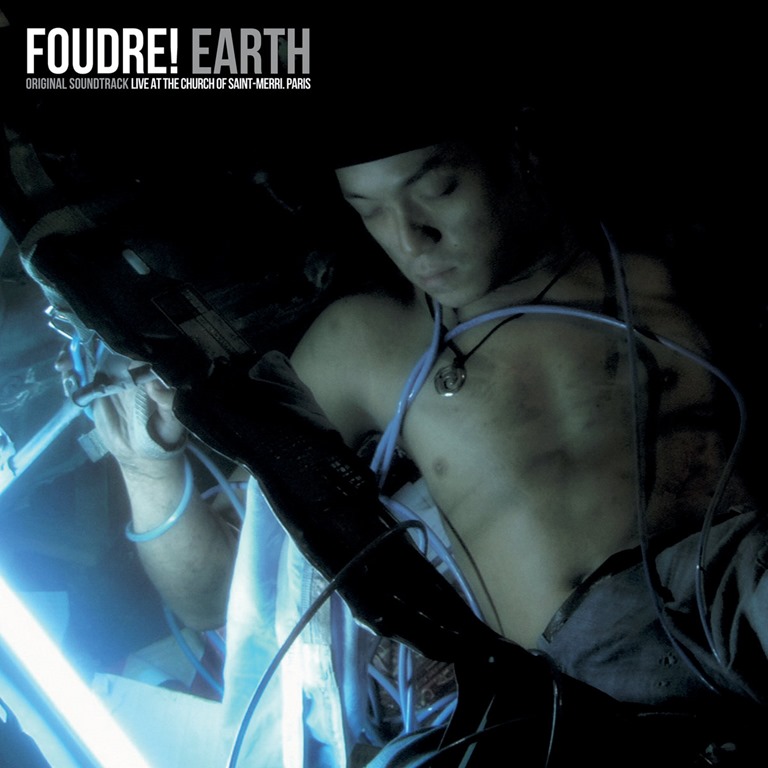
FOUDRE! describe themselves as ‘a telluric drone quartet’. Composed of Frédéric D. Oberland (Oiseaux-Tempête, The Rustle Of The Stars, FareWell Poetry), Romain Barbot (Saåad, I Pilot Dæmon), Grégory Buffier (Saåad, Autrenoir), Paul Régimbeau (Mondkopf, Extreme Precautions, Autrenoir), and featuring ‘electric chimeras’ by Christine Ott on ondes martenot, they’re effectively an avant-garde drone supergroup. And EARTH is their third album.

Said album is in fact a soundtrack, scored as a live audio accompaniment to the motion picture of the same title, an experimental film directed by Singaporean artist Ho Tzu Nyen. Of the film, Ho Tzu Nyen explains, “We see the site of an unknown disaster, the debris of history that constitutes the story of Earth. Upon the site, lay fifty humans oscillating between consciousness and unconsciousness, life and death. Sometimes, one of them emerges into the foreground – clutching a fist, batting an eyelid, or weeping for his neighbor. At other times, these figures recede from the light, losing their individual shapes to form a gigantic organism, breathing in unison, pulsating like a jellyfish, though their journey across Earth.”

The concept is strange, alien, and the soundscapes forged by FOUDRE! are very much within the realms of the eerie: dark, ominous, tense, essentially preoccupied with conveying a sense of the unknown, the unknowable; the unseen and the unseeable. As Mark Fisher discusses in The Weird and the Eerie, what renders a work ‘eerie’ is the tension, the fear of the unknown. The revelation or the breaking of the tension is the moment at which eeriness ends. There is no end on EARTH beyond the end of the sound. There is no resolution, and the creeping strangeness simply hangs in the air as the silence encroaches.

The creeping fog of the ten-minute ‘Still Life’ opens the album by opening a portal to a strange, dark landscape. Precisely how strange and alien is indeterminable by sound alone, but the mind’s eye conjures shadows, half-light, a dense, sulphuric atmosphere. Willingly or otherwise, you are transported, and are now in the moment, and elsewhere. Geography is, after all, a state of mind. On ‘Goliath’ shrieking, ghoulish notes, disembodied and strange howl and hum as rapidly oscillating synths simmer to a jittery edginess beneath.

An ambient soundtrack, detached from its visuals, becomes a vessel into which the listener, by a certain sense of necessity, pours in their own meaning. Abstractions take on meaning simply by virtue of the way certain sounds and frequencies resonate in the lister’s mind, stirring subconscious recollections and sensations which lack clear definition. The elongated drones gradually turn, vaporous and ethereal, twisted and thick inspire reflection and projection: you empty yourself, casting your uncertainties into the sonic vortex, to find your emotional fragilities offered back in return. This is a film soundrack – and one performed and recorded live, as the rapturous applause at the end reminds us – but in the space between, this becomes your soundtrack. Immerse yourself. And see the film if you can.


Foudre - Earth

Room40 – 17th February 2017

Christopher Nosnibor

The title carries an implicit connotation of juxtaposition. It’s also a direct reference to the 2011 text by Lauren Berlant, which explores power and the ‘cruel optimism that has prevailed since the 1980s, as the social-democratic promise of the postwar period in the United States and Europe has retracted’ and the collapse of the liberal-capitalist dream.

English explains the album’s context as follows: ‘Over the course of creating the record, we collectively bore witness to a new wave of humanitarian and refugee crisis (captured so succinctly in the photograph of Alan Kurdi’s tiny body motionless on the shore), the black lives matter movement, the widespread use of sonic weapons on civilians, increased drone strikes in Waziristan, Syria and elsewhere, and record low numbers of voting around Brexit and the US election cycle, suggesting a wider sense of disillusionment and powerlessness. Acutely for me and other Australians, we’ve faced dire intolerance concerning race and continued inequalities related to gender and sexuality. The storm has broken and feels utterly visceral. Cruel Optimism is a meditation on these challenges and an encouragement to press forward towards more profound futures.’

For Cruel Optimism, English has enlisted, amongst others, Swans contributors Norman Westberg and Thor Harris. As their recent excursions outside Swans demonstrate, they are both musicians capable of magnificently nuanced sound – a stark contrast to the shuddering power of Swans in full force. They bring subtle, understated performances to the pieces on which they feature here. Tony Buck and Chris Abrahams of The Necks are also featured, although again, their input is suitably muted and the line-up is far from overplayed in the promotional materials which accompany the album.

A sense of contrast and contradiction is woven into the fabric of the soundscapes which combine to form Cruel Optimism, as soft layers drift down over coarser, grainer sonic terrains beneath. There are moments of darkness, shadowy, vaguely unsettling but not overtly eeriy or horrific, tempered equally by moments of tranquillity and light ‘Hammering a Screw’, as its title suggests, is an awkward, jarring piece. Sinister chords jam and jolt abrasively, rupturing the soft tissue of sound which hangs almost invisibly in the air while fluttering heartbeats pulse erratically way down in the mix. ‘Negative Drone’ rumbles ominously, a formless, amorphous cloud of sound which bleeds into the must-like atmospherics of ‘The Somnambulist’. The album ends with the entwined drones of ‘Moribund Territories’, which offers a tone of bleakness which intimates the dissipation of optimism in the face of a chilling future.

Writing in October 2016, English described the album as an album of ‘protest against the immediate threat of abhorrent possible futures’. Depressingly, those futures have arrived, and we are now living in dark, dark times. But for all of the turbulence which motivated the compositions and the underlying anxiety poured into their realisation, Cruel Optimism is a beautifully calm album, in the main – or at least, it maintains a calm exterior. As such it’s a work of peaceful protest, which succeeds in making itself heard in a loud, violent, and ugly world.


RM470_Lawrence_English_Cruel_Optimism

Symbol Of Domination – 30th January 2017

Christopher Nosnibor

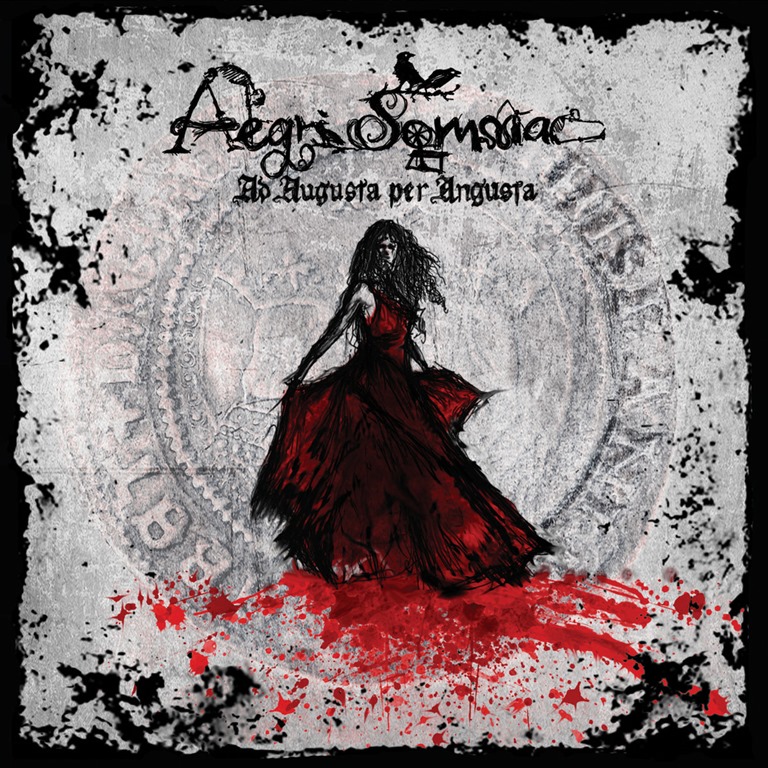
The album’s title translates as ‘through difficulties to honours’, and this collection of Iberian folk songs, popular in the late 19th and the early 20th century conveys nothing if not the supremacy of strength of character, and a sense of journey, through adversity to triumph in a way which speaks of the resilience of the human spirit, and the human soul.

The album’s accompanying blurb sets the scene: ‘A travel through the rural Spain watered by our ancestors’ sweat and blood, an approach to the magical Spain with its lights and its shadows, and a gaze in to the abyss of the black and tenebrous Spain with the inner cruelty and brutality of human beings. Pieces of memory, tradition, secrets and myths transmitted over the years from generation to generation, around bonfires, while long working days under the sun or during celebrations. Small samples of popular wisdom which, unlike others already entered into the mists of time and have been rescued from our elder memory before their demise.’

Folk music, by its nature, tends to be narrative, but also dramatic and allegorical. While the lyrical content is, admittedly, entirely lost to me, the sentiments conveyed by these ambitious reshapings of traditional compositions remain intact, and, using contemporary rock instrumentation Aegri Somnia succeed in rendering them powerful and moving in an alternative context.

To unravel the workings of this project, which was pieced together over the course of some five years, some biographical detail may be useful: formed by Cristina R. Galván “Lady Carrot” from the Castilian folk music scene and Nightmarer from the avant-garde metal projects As Light Dies and Garth Arum. Aegri Somnia is a folk / dark wave duo from Madrid, Spain.

If it sounds like a curious hybrid, Ad Augusta Per Angusta is proof that it’s one that can work well. It’s loud, dark, metallic. It’s contemporary, but also timeless.

‘Seran’ launches the album with an immense swell of theatricality, huge swathes of post-metal guitar propelled by a spiky drum machine bringing force and layers of drama to the gothic symphony.

‘Señor Platero’ is a beautiful, graceful folk song – played in a full-throttle metal style. The guitars burn, slabs of molten lava over which Galván’s operatic vocal soars s if swooping from the heavens to grace this interzone between the earthly and the ethereal. The loping drums and serpentine vocal of ‘La Niña de la Arena’ is high-tempo and high-power, but features some neatly executed techno-industrial percussion breakdowns. Entirely incongruous with the origins of the material, such features serve to highlight the versatility and absolutely timeless nature of traditional folk music.

Elsewhere, on ‘Charro del Labrador’, the violent, top-end-orientated drum track duels with a chorus-heavy picked guitar line to create a sound that will resonate with anyone who’s heard – and enjoyed – a bootleg containing demos by The Sisters of Mercy from circa 1984. I’m probably writing for myself alone at this point, but this is by no means an album exclusively of interest to old goths. Far from it.

The album’s sound is dominated by big, grainy, up-front guitars with a thick, metallic edge: sometimes almost overbearingly so. That’s by no means a criticism per se: the production values are unusual, in that the guitar sound is as ‘unfiltered’ as it is up-front, a shade messy, and prone to burying everything else in the mix, including the vocals. All of this adds to the potency of Ad Augusta Per Angusta, an album which yields rewards through perseverance. Exactly as the title foretells.


Aegri Somnia

Moabit Music – 27th January 2017

Christopher Nosnibor

Despite having three previous albums to her credit, including one with Gudrun Gut, this is my first encounter with Canadian spoken word artist Myra Davies. I sometimes wonder, as an occasional spoken – or shouted – word performer myself why there aren’t more talkers putting out spoken word recordings. As a medium, spoken word is enjoying a surge in popularity, with both open mic and curated spoken word nights springing up all over, in addition to those longstanding ones which have survived, sometimes by virtue of being the only platform around for a form of entertainment which is, one could argue, the oldest of all.

There are a fair few big name authors who have extensive catalogues – Charles Bukowski, William Burroughs, Henry Rollins are among the first names which spring to mind – but apart from the odd clip on YouTube, it seems that very few writers who read aloud commit their voices to the recorded medium. Granted, some writers simply aren’t cut out to perform, and sadly, their readings to their material a disservice. But then, when done well, performance can bring a piece of writing to life and convey elements of the work not always immediately apparent to a reader. It’s all about the emphasis, the intonation. And there’s nothing to say spoken word recordings have to replicate the experience of those readings which take place in pubs and libraries: there is infinite scope to render the words very differently and to add myriad depths and dimensions – as Joe Hakim’s collaboration with Ashley Reaks and the recent album by The Eagertongue evidence – when done well, spoken word can be exciting and can reconfigure whatever perceptions one may have of the genre – which, of course, isn’t really a genre. Because spoken word can spill into so many other fields, and far beyond rap at that. Kate Tempest? C’mon, please! Her accessible, right-on doggerel may be well-meaning, but it’s little more than sixth-form poetry delivered in a hip-hop style without the beats.

On Sirens, Myra Davies brings the beats, thanks to her two musical collaborators, Beate Bartel and Gudrun Gut, who provide the backing to alternate tracks Despite this, Sirens demonstrates a remarkable cohesion, and doesn’t flip-flop between styles. Davies is a fantastic orator: she’s not only blessed with a cool, laconic tone, which benefits from her dry Canadian accent, but she’s also got a real sense of what works for narrating her own words. Sounds simple, but many writers lack this skill.

‘Armand Monroe’ sets the tone: sparse, angular, electropop with a funk groove, it’s cold yet fiery, as Davies spins out a succession of evocative imags. Jittery, tense robotix with propulsive, grinding synths abound, and wibbly loops and sumptuously spacey motoric beats dominate the album. ‘Golddress’ is a taut effort: listening through ‘phones, I find I have a racing pulse and my sense of anxiety increases as the track builds: it’s steely, detached tone is curiously out of kilter with real time and current space, it’s hard to let it simply pass.

Instead of sounding like a retro hash of futuristic music from the 80s – to which it does bear clear parallels – Sirens captures a sense of alienation, of otherness. It’s not simply in the weird doubling and echo-based effects on the vocals, or the treatments of the drums, or the twitchy, slowly warping effects of the synth backings – all of which contribute to Sirens being far more than a ‘spoken word’ album – but a combination of all of these factors, with the addition of something intangible. Perhaps it’s simply the restrained force and clinical focus of Davies’ delivery of words which are both gritty and discomforting. Ultimately, it comes down to the fact that Sirens is a superlative work of art. A hybrid of spoken word and electro-pop / coldwave / etc., it represents a perfect creative synthesis.


Myra Davies Music by Beate Bartel & Gudrun Gut – Sirens