Posts Tagged ‘Uniform’

Christopher Nosnibor

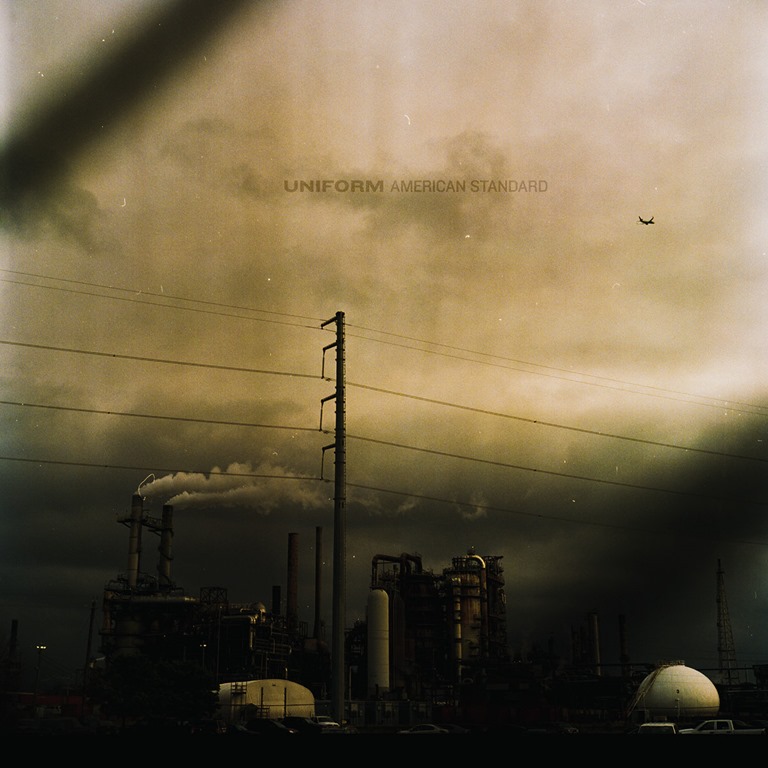
Well, this one landed unexpectedly. It’s a welcome arrival, although taking a second hit of material from Uniform’s latest and quite possibly most brutal and challenging album to date does feel like an exercise in Masochism. It’s also a superb example of alternative marketing, landing this alternative version of American Standard less than a month after the album’s release, on digital and tape formats.

Context, from Uniform’s bandcamp: ‘A companion piece to American Standard, Nightmare City is essentially the same record devoid of the rock elements. By removing the presence of traditional instruments, the synths, lap steel, and pianos that sit beneath the surface of the proper album are allowed room to breathe and speak for themselves. The end result straddles the worlds of Basic Channel influenced dub, Tangerine Dream inspired soundscapes, and brutal death industrial.’

It’s a bold move, befitting of Uniform, a band who have relentlessly pushed themselves to explore ever-wider horizons, switching from their original drum-machine driven raw industrial noise to adopting live drumming, undertaking a number of collaborative projects with the likes of The Body and Boris, and especially befitting of this album, where Michael Berdan tore away the last vestiges of artistic separation to rip off his skin and purge the rawest emotions stemming from his dealing with Bulimia.

Nightmare City is another step towards stripping away the layers and presenting the naked self. ‘The bedrock of American Standard stands upon the Nightmare City. It’s not the happiest of all places, but understanding the landscape yields its own rewards,’ they write alongside the Bandcamp release.

One thing about being in a band – even if there are only two of you – is that there’s somewhere to hide, somewhere to transfer the focus. Hell, even performing solo, if there’s noise, there’s something take shelter behind. I’ve always thought that solo acoustic and spoken word performers were the bravest: there is simply no place to hide, and nothing to blur or mask any fuck-ups. Nightmare City isn’t quite solo acoustic, but it is seriously minimal.

Removing the ‘rock’ elements to reveal the bare bones of the songs shows the inner workings of Uniform, and they’re unexpected, to say the least. One would expect them to build up from the elements of drums bass, guitar. But this leads us on a different journey.

Punishing riffs and pulverising percussion, rather than supple layers and swirling instrumental ambience. As the band put it, ‘Although the finished product stands as a culmination of cohesive sounds, the individual threads that weave songs together often provide necessary nuance and exposition all of their own. Each isolated stem might be part of a greater story, but the whole cannot stand as intended without a complex series of seemingly disparate elements.’

Hearing the swirl of these ‘seemingly disparate elements’ feels like hearing the ghost in the machine, a haunting, eerie, ethereal echo, which barely seems to correspond with the structured framework of the final versions of the songs. One might almost consider this a palimpsest, an album beneath the album, submerged by process of layering and erasure. The tracks are – and I shouldn’t be surprised, but still I find I am – completely unrecognisable. Instead of being the punishing beast the album version is, ‘American Standard’ sounds more like one of the epic instrumental segments of recent SWANS works. There’s a muffled thud like a heartbeat on ‘This is Not a Prayer’ which possesses something of a womb-like quality, while ‘Clemency’ feels like a moment caught between heaven and hell, soundtracking the struggle of being pulled between the two in some purgatorial space as ceremonial drums hammer out a doomy passageway and spluttering vocals spew raw anguish.

In common with American Standard is the darkness which looms large, the tension, the suffocating gloom, the discomfort which dominates, and hearing this spectral echo of the album brings a fresh understanding and appreciation of the process and the depth of layering and everything that goes into their material. ‘Permanent Embrace’, too, sounds both like an ascent to the light and a sepulchral sigh, a funereal scene in which the grave suddenly opens like a sinkhole sucking everything down into the bowels of the earth.

Nightmare City is appropriately titled: it is a truly hellish, tortuous listening experience – but at the same time quite remarkable. Uniform, in their quest to do something different, to push themselves and in refusing to conform to genre conventions, continually find new ways to articulate the pain of the human condition.

AA

a1449843444_10

Sacred Bones – 23rd August 2024

Christopher Nosnibor

You know that when the bio for an album’s release is prefaced by a trigger warning, this is going to be some pretty powerful stuff. But this being a Uniform album, it almost goes without saying. Since their inception, they have gone all-out on every level, with the harshest noise providing the backdrop while Michael Berdan strips his skin to make the most brutal, unbridled, rawest expositions of the human condition, invariably born out of his own personal traumas.

I’ve often wheeled out the line that in the personal lies the universal, and even where there’s no direct correlation in terms of shared experience, the articulation of extreme emotions often provides a vessel whereby the outpouring of an individual’s catharsis offers a chalice into which others may pour the flow of their own emotional stigmata. If the metaphor seems a shade overwrought, bear with me.

Uniform is, unquestionably, a vehicle through which Berden vents endless pain and anguish. He’s a troubled person, and he’s open about this, to the extent that it’s more than just a but uncomfortable. But this isn’t some kind of trauma porn ride: the appeal of Uniform is this raw honesty, the absence of filter. You know – and feel – this is real. It’s not a case of manipulating the listener’s emotions, but an example of creativity as a vital outlet, a survival mechanism, even. It doesn’t exist for anyone’s entertainment. And with each release, Uniform, seem to find new heights of intensity, and new levels of sonic brutality, while dredging new emotional depths.

Shame felt like a gut-wrenching pinnacle which would be difficult, if not impossible, to surpass – but then, so did The Long Walk. In this context, it should come as only small surprise that American Standard goes even harder and harsher, but the simple fact is it would hardly seem possible. But here we are.

In the run-up to the release, Berden has spoken / written openly and in detail about his struggles with bulimia, and the fact that over many years of managing alcoholism and having come to a point whereby this is no longer a taboo topic, breaking down this particular wall has felt altogether harder.

Even the preceding singles, ‘Permanent Embrace’ and ‘This is Not a Prayer’, could not have provided anything like adequate forewarning of the intensity of the album as a whole.

I shall quote, while I take a moment and steel myself for this:

“The following songs are about a lifetime of making myself vomit,” Berdan writes in the personal essay that accompanies the album. His pain is so apparent, so immediate, that it feels like hearing someone scream for the very first time. “There’s meat on my face, that hangs off my face, sweats like I sweat, cries like I cry.” The music finally begins with those words, not in a glorious crash and clatter but in the tones of a gurgling drain. This is the sound of liquid moving through pipes that are full to the point of bursting with things usually hidden inside of stomachs and behind mental walls.

It all starts with an admission. Beneath the harrowing screams, there’s the pain of bulimia nervosa. There’s the pain of a sickness that is as physical as it is psychological. This is a kind of coming out. This is a kind of emergence. A far cry from edgy provocation or high school level transgression, this is something truly unacceptable.

As one might fear, this is just the beginning. As Don Delillo once wrote, “There are stories within stories.”

American Standard contains only four tracks, but the first, the title track, is fully twenty-one minutes long is the definition of harrowing. It’s a massive departure, in that with perhaps the exception of their 2015 debut, their compositions have conformed to the fairly defined structures, often with verse and chorus structures built around chord sequences and the arrangement of the percussion.

After an intro that can only be described as a scream of pain, ‘American Standard’ lurches into life as a churning throb of noise, and Berden’s bonne-rattling roar is only just audible amidst the pulverising fizz. When the power chords kick in, they’re like a full-on slam to the guts. Around the nine-minute mark, some keys enter the mix and there’s almost a redemptive tone, at least in the music, but Berden’s vocals continue to articulate the upper reaches of anguish. This is a different kind of purging from the subject matter – a flaying, emotional purging, a release of all of the years of torture and self-flagellation, distilled to the highest potency. It’s the barely human sound of breaking, breaking, emptying, over and over. The lyrics may not be easy to decipher, but the excruciating pain Berden articulates in their delivery is unmistakeable as he howls his larynx to bleeding shreds amidst a thunderous cacophony worthy of Swans live performances. If it’s not the heaviest shit you’ve heard all year… well. Just making it to the end of the title track is a thoroughly draining experience that leaves you feeling utterly spent.

The pounding machine-gun drumming, squalling, atonal synths and booming bass blasts of ‘This is Not a Prayer’ offer no respite, the layers of vocals, all screaming in pain, is beyond punishing: you feel your chest tightening and breath growing shorter with each intake, your throat clenching. The sheer physicality of the piece – which they sustain for a relentless six and a half minutes – is a panic attack in a can.

If the introduction to ‘Clemency’ swirls into ambience, it’s a bilious, nauseating brew of sulphur and fumes that festers just long enough to unsettle before the hardest percussion and the dirtiest guitars lurch in and everything becomes intensely claustrophobic. Again, there’s no oxygen, you’re constructed by the density and sheer relentlessness of it all. And it slams away like a lump hammer for almost eight minutes. The arrival of ‘Permanent Embrace’ feels like relief, of only for its brevity. There are some uplifting synths in the mix, but it’s the most savage finale they could have mustered.

The last time a record affected me this intensely in a physical way was over thirty years ago, when at the age of fifteen or thereabouts, having been introduced to Swans by way of Children of God, I picked up a copy of Cop at a record fair. I found it hard to conceive the record was actually revolving at 33rpm: it felt more like three, as time stood still and I felt my body being compressed by its crushing weight.

American Standard is certainly anything but standard. It goes beyond – way beyond – harrowing, or heavy, in any sense that words can easily convey. It’s the hardest listen. It simply hurts. But you know that this was the album they had to make. Forget your discomfort, and feel the pain.

AA

a2313479398_10

With every movement of American Standard, Uniform peels off a new layer and tells the story inside of the one that came before it.  It’s Uniform’s most intimate work to date, tackling themes of self-destruction and with a particular focus on vocalist Michael Berdan‘s lifelong struggle with bulimia nervosa. His lyrics sink down into the core of the innermost self, the small human being crushed in the grip of sickness. His bandmates join him, applying majestic droning that becomes both mechanical and omniscient. As the rhythms continually pulverise, Uniform gives themselves over to the grinding gears of an uncaring universe.

The thematic content behind American Standard can be divided down the middle into two distinct sections. While the A-side of the record deals with an individual who exists in a purgatorial state of physical and psychic crisis, the B-side serves to address how a lifetime of dealing with an eating disorder has impacted those around him.

Permanent Embrace,” available today, is the album’s final statement. Berdan tells, “It touches on a facet of the disease that I’m incredibly wary of facing. Built on a narrative foundation laid out by author and lyrical collaborator Maggie Siebert, the song revolves around the idea of a person holding a loved one as an emotional hostage. Seeing perverse beauty in a story about a car crash, the narrator relates the analogy of two automobiles twisted together to that of his last standing relationship. As he has broken down over time, so has the one who continues to stand by him. The object of his manipulative guilt trips remains locked in a hopeless situation, terrified of what he may do to himself if they were to finally leave.

The music reflects the psychic violence of the lyrics, as riffs and rhythms that wouldn’t feel out of place in the Unsane catalog careen into giant synth melodies before collapsing into itself. This is kind of our misguided interpretation of what Faith No More were doing on ‘Angel Dust’, and we hope that our tip of the hat to those masters of madness can hold a candle to their horrific splendor.”

For “Permanent Embrace,” Uniform teamed up with director Sean Stout on the single’s compelling visual. Stout tells, "Without sounding trite, when we first read Mike’s lyrics to the record our reaction was extremely visceral. They are brutally introspective and beautiful at times and we wanted to try visually to convey that range of emotion in a sequence of single images that unfold narratively and potentially shift their own meaning over time. Our concept was to intertwine images of an outer world-overgrown, rusting and moving on in its decay-with an inter-world that is largely going through the same process as a result, but is markedly separate as well. We never see one observe or interact with the other, yet they are the same and of the same world."

Watch the video for ‘Permanent Embrace’ here:

AA

Uniform wants to find what’s underneath. And what’s underneath the underneath. And what’s under that.
American Standard begins with a shock. A voice, a room, a face in a mirror. In the mirror stares a visage, doubled and staring back. Each line comes back to him: reflected and refracted in the unsympathetic glass. Forget for a moment that Berdan has been destroying his throat in Uniform for over a decade. Forget his highly stylised delivery on the band’s acclaimed collaborative work (alongside experimental doom titans The Body and Japanese heavy rock powerhouse Boris). Forget the entire tradition of abrasive vocals in aggressive music. Look for what’s underneath the songs, the form, and the style.

To help peel away this narrative of eating disorders, self-hatred, delusion, mania, and ultimate discovery, Berdan sought assistance from a towering pair of outsider literary figures. Alongside B.R. Yeager (author of the modern cult-classic Negative Space) and Maggie Siebert (the mind behind the contemporary body horror masterpiece Bonding), the three writers eviscerate the personal material to present a portrait of mental and physical illness as vividly terrifying as anything in the present-day canon. The result is an acute articulation of a state beyond simple agony, capturing the thrilling transcendence and deliverance that sickness can bring in the process.

American Standard is surely Uniform’s most thematically accomplished and musically self assured album to date. Sections spiral and explode. Motifs drift off into obscurity before reasserting themselves with new power. Genres collide and burst open, forming something idiosyncratic and new. There’s a grandeur, due in part to the addition of Interpol bassist Brad Truax alongside the percussive push and pull of returning drummer Michael Sharp and longtime touring drummer Michael Blume, marking his Uniform recorded debut here. However, this magnificence is most clearly attributable to the scale and power of guitarist and founder Ben Greenberg’s arrangements, matching ever elegantly to the intense lyrical subject matter.

Underneath it all, what remains is trust. A record of this range and depth, a piece of art so far out on a ledge, can only be attempted with an extreme and almost foolish amount of understanding between collaborators. American Standard stands firmly on the bedrock that Uniform’s two original members, Michael Berdan and Ben Greenberg, have been building on for over a decade.

In Greenberg’s words, “When we started this record, Berdan told me: ‘I trust you to come up with a solid foundation for this, however you envision this thing. I want you to realize it completely, because I believe in you.’ So I wanted to write something overwhelming and all-encompassing for Berdan to lead his narrative through… because I trust and believe in him.” For an album to defy simple genre exercises and become a work of art, the musicians behind it must push themselves so far beyond the frayed ends of an established comfort zone that they might never return. Without a shred of doubt, American Standard is a work of art, agonising in its honesty and relentless in its pursuit of sonic transcendence. It is hideous. It is beautiful. It is necessary.

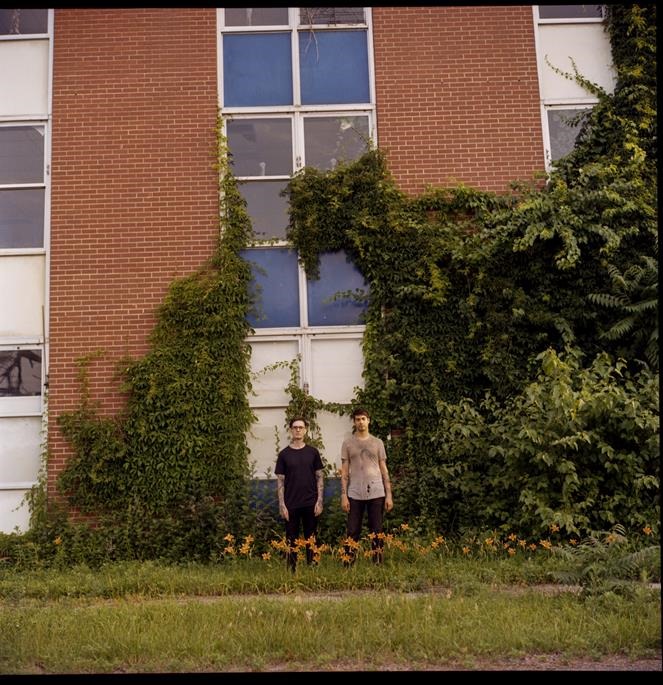
240528_Uniform_Press-07-99028a051405143c

Press Photo By Joshua Zucker-Pluda & Sean Stout
Pictured: Founding Members Ben Greenberg (Guitar), Michael Berdan (Vocals)
Not Pictured: Mike Sharp (Drums), Brad Truax (Bass), Michael Blume (Drums)

Uniform announce their fifth solo album, American Standard, today, to be released on 23rd August via Sacred Bones. The first single ‘This Is Not A Prayer’ is a driving force of a song, propelled by the dual drums of Michael Sharp and Michael Blume.

The album is surely Uniform’s most cohesive and intimate work to date, tackling themes of self-destruction and with a particular focus on vocalist Michael Berdan’s bulimia nervosa – reader discretion is advised when looking at the biography below. About the album and the first single ‘This Is Not A Prayer’, Berdan comments; “Although our new record is best experienced as one cohesive piece, it isn’t exactly Dopesmoker. The songs on American Standard feed into an overarching narrative with the goal of retaining their own individual identities.

“Existing in the netherworld between Public Image Ltd. and Butthole Surfers, “This Is Not A Prayer” best exemplifies the bludgeoning percussive interplay between dual drummers Michael Sharp and Michael Blume. Similar to bands like Swans or even Meshuggah, the guitar, bass, and vocals on this track act in complete service to what’s happening on the kits. The song is as purely rhythmic as we’ve ever dared to attempt, and we hope that these beats will take you where you need to go. Drums should serve as lead instruments in extreme music more often, but I digress…

“Thematically, ‘This Is Not A Prayer’ touches on the internal paradox that I’ve experienced while in the throes of an eating disorder. It’s about how the best I’ve ever felt about my physical appearance came when the people I love have told me that I look sick. Rather than taking their concerns to heart, I internalized these sentiments as proof that I was on the right track. I was not.”

Buckle in and brace yourselves for that brutal double-drum barrage and listen to ‘This Is Not A Prayer’ here:

Uniform new

Press Photo By Joshua Zucker-Pluda & Sean Stout
Pictured: Founding Members Ben Greenberg (Guitar), Michael Berdan (Vocals)
Not Pictured: Mike Sharp (Drums), Brad Truax (Bass), Michael Blume (Drums)

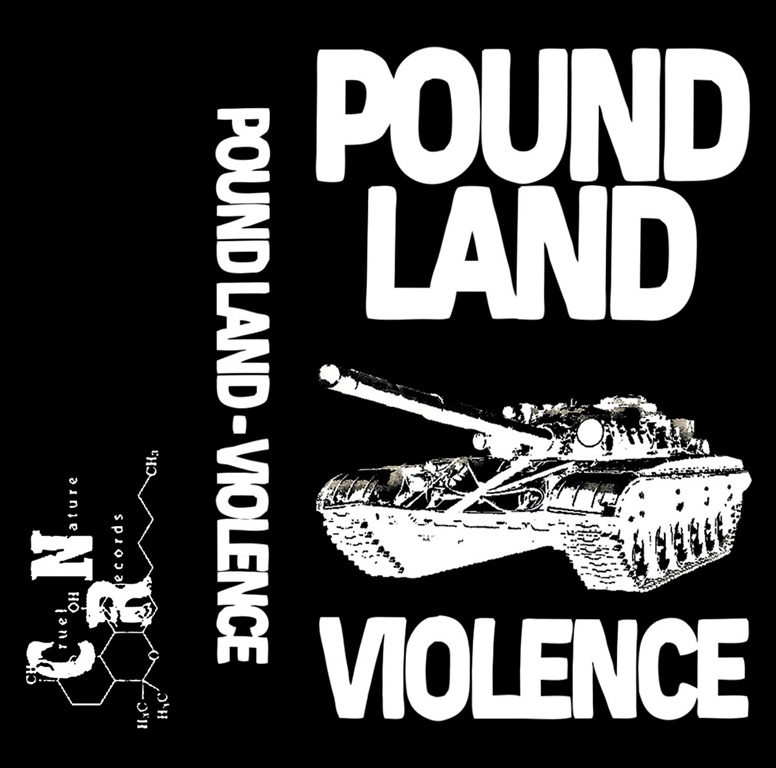
Cruel Nature Records – 29th September 2023

Christopher Nosnibor

Following the stop-gap video release of ‘Liar’ from their singles compilation, Manchester’s most miserable are back with another long-player.

For their sixth album, they promise ‘eight filthy tracks of vitriolic desperation’ on a set that ‘often veers towards a nineties alt-metal/industrial sound, along with the usual smatterings of customary Pound Land abstraction…In addition, this new album continues to aggressively push lyrical themes relating to the same old shit that seems to be getting worse: corporate hegemony, business culture, mainstream media influence, automation, class polarisation and economic austerity.’

I sit in the dim, narrow ‘spare bedroom’ that is the office where I work my day-job by day and write reviews by night, slumped, exhausted by life. I moved into this house ten years ago, and while I was fortunate to be able to buy it, it was previously a magnolia-coated rental with fire doors and stain-forgiving turd brown carpets throughout. The fire doors may be gone, but my poky office which, measuring 7 feet by 12 feet, would make for a fucking tight bedroom, still had the turd-brown carpet, because when presented with the choice of food and beer or a new carpet, carpet seems like an extravagance I can survive without. I realise and appreciate that I’m fortunate: I can at least afford both food and beer.

If Pound Land’s releases seem to plough the same furrow only deeper and laced with a greater despondency, that’s largely the point. As they say, ‘the same old shit that seems to be getting worse’, and that’s the shit that’s grist to their mill. No doubt their mill will be sold off or shut down, or knocked down to make way for a hotel or flats before long, but for the time being at least, they’re still plugging away. And thank fuck they are.

Yes, there is a rising swell of music that’s telling it like it is: if Sleaford Mods led the way, it’s been a slow trickle rather than an opening of the floodgates in their wake, most likely because people are too busy working overtime in their day jobs to pay the electricity bill to make music, but lately we’ve seen these guys, plus Benefits, Kill! The Icon, and Bedsit calling out the shitness of everything. And make no mistake: everything really is fucking shit, unless you’re a fucking billionaire.

‘Programmed’ barrels in with a squalling mess of grimy bass and screeching electronics reminiscent of Cruise-era Whitehouse, and it’s a sonic amalgamation that’s painful and penetrating, hitting the guts and piercing the ear drums simultaneously. The thunderous ruff buries the drums and when the snarling vocals enter the mix, spitting vitriol with blinding rage, everything combines to tear forth with a wall of nihilism that’s in the same field as Uniform. Then – what the fuck? Wild roaming saxophone sprays all over before another onslaught of rabid rage. It’s seven and a half minutes of devastating carnage that leaves you feeling hollowed out and wondering where they could possibly go from here?

More of the same, of course: grimacing and with gritted teeth, they grind, thud, trudge and bulldoze their way mercilessly through another six tracks – and half an hour – of relentlessly grey sludge, by turns angry and despondent.

Like Sleaford Mods, Pound Land’s compositions are built around monotony and repetition, but whereas the former place predominant emphasis on the lyrics, the snappy wordplay and caustic commentary, Pound Land batter and bludgeon repetitive lyrics in the way that Swans did in their early years, and their music is very much a mirror of the crushing effects of drudgery. It does articulate the gut-puling anguish of the everyday, and in the most direct way possible.

The raw, raging punk of ‘New Labour’ offers a shift in tempo, but it still sounds like it was recorded on a mobile phone left in a corner of the rehearsal room.

The majority of the album, though, is a succession of crawling dirges dominates by overloading bass. The lyrics are simple, direct – when they’re audible. ‘Fuck the facts and roll the news’ Adam Stone yells repeatedly over a bowel-busting bass growl on ‘Media Amnesia’. ‘Life is so much easier / with media amnesia,’ he spits before launching into a brutal rant – one of many.

There is absolutely no let up on Violence. It’s hard and heavy, uncompromising and unpleasant. Even sparser tracks like ‘Low Health’, where it’s more spoken word with churning noise, the atmosphere is never less than crushingly oppressive, harrowingly bleak.

The last track, ‘Violence Part 2’ is five minutes of brutal racket that’s the nastiest of lo-fi- sludge and which is the perfect encapsulation of the album as a whole. It’s grim, it’s bleak, and it’s supposed to be.

Rarely has a band so perfectly captured the zeitgeist through a horrible mess of noise that makes you physically hurt and ache and feel like you’re being subjected to an array of tortures. This is the world. This is Britain, in 2023. If you’re not a millionaire, you might as well be dead. It’s what they want. Poor, disabled? Fuck off and die. This is the grim reality of the world Pound Land present, and while that isn’t actually one of their lyrics, the bleak message is clear: we’re fucked.

AA

a1836109826_10

Cruel Nature Records – 2nd December 2022

Christopher Nosnibor

Having raved about Pound Land’s second album, Can’t Be Arsed back in March, I was pretty thrilled to find the follow-up landing so swiftly. What with the exponential rise of Benefits, and acts like Polevaulter emerging, it seems that now is a good time for angsty, angry music with noisy tendencies and gritty sociopolitical leanings. Of course it is: it’s a sign of the times, and besides, it’s not a good time for anything else, unless you happen to be a non-dom billionaire or a CEO at an oil company.

If Sleaford Mods set a new template for the paired-back duo setup as being in vogue before the pandemic, the combination of lockdowns and crippling economic circumstance has rendered this an operational necessity for many musicians.

Pound Land may be up to their elbows in grimy dishwater and wading through excrement in streets where the drains and sewers are backed up due to torrential downpours and a lack of council funding, but they share little common ground with Sleaford Mods, and that’s despite favouring repetitive monotonous Krautrock-inspired grooves over dynamic structures: Pound Land are far doomier, dingier, lugging their way closer to sludge metal than anything you could possibly dance to.

The Stockport duo’s third album is a monster slab of punishing, gut-dragging, bass-heavy grimness, and one has to wonder how much to read into the title. The people are weary, ground down: will they rise up, or curl up and give up?

The blurb points out that the album finds the Stockport band pushing their ‘post-industrial kitchen-sink drama preoccupations even further on Defeated, exploring the dark comedy of everyday life in the dismal land of eternal recession. Sometimes the vision expands out of shitty Britain too, ‘Drone’ recounting the wearied observations of an electronic device as it traverses the globe… You’ve got to laugh, because if you don’t you’ll kill yourself. Or somebody else.’

The laughter is pretty dark and pretty hollow, though, and derives as much from the keen observations as any particular knack for a punchline (a line about mobility scooters with Northern soul stickers on stands out as particularly pithy) and the stark musical backing isn’t especially musical, more of a pounding trudge that provides a backdrop to an endless stream of vitriol and bleak depictions of the everyday, from pavements caked with dogshit and news items about rising fuel prices and their effect in the average household. If it sounds mundane, it is, but then we need art that speaks to us about life as we experience it, and the majority know far more about scrabbling for change to buy a loaf of bread than luxury cars, watches, and clothes.

‘Violence’ is their equivalent of Public Image Ltd’s ‘Theme’, a brutal, sprawling, brawling, squalling monster that opens the album with a relentlessly heavy battering ram of a racket, like Sunn O))) with a howling harmonica and sneering Lydonesque vocal. It crushes your skull, before it fades out swiftly and unexpectedly, which somehow works. But maintaining the PiL comparison, it’s Metal Box that is perhaps the closest similarity, in that the album as a whole is diverse, fractured, unpredictable.

‘Carry On Screaming’ sounds like The Fall in a three-way collision with Yard Act and Melvins. It’s a mangled mess of drum machine beats and psychedelia and noise with a monotone vocal drawl.

Against a thumping dirge of a noise, a grating mesh of distortion and dolorous drum, the title track is a gnarly hybrid of early Swans, and elsewhere, as on ‘Sick Day’, it becomes less about songs and more about spoken word narrative delivered against a backdrop of mangled noise, and at times, it’s pretty harrowing. Lyrically, Pound Land don’t pretty things up. Sonically, they don’t either. It’s magnificently raw and un-produced, and this is no more true than on penultimate song ‘Pathogen’, a dirty slow stomp that’s pure rage and invites comparisons to Uniform. And it sounds like it was recorded on a phone from the next room.

‘Drone’ sneers and snarls like Lydon at his best, closing with a venomous refrain of ‘fucking twat’ delivered in a thick, spitting Manchester accent.

Defeated may only contain eight songs, and only a couple of them extend beyond the five-minute mark, but it’s feels immense, and experience that’s exhausting both physically and mentally. Listening, you feel the weight of the world condense and compress as the angst and anguish press down ever darker, ever denser. It’s a bleak, suffocating document of everything that’s wrong right now. This is the sound of broken Britain, and it’s a harrowing insight into just how fucked everything is. But in this channelling of nihilistic anguish, you realise you’re not alone. It doesn’t change anything, but it’s something to cling to.

AA

cover

Christopher Nosnibor

Almost invariably, when there’s a buzz building around a DIY act, they’ve had some kind of assistance or boost, either via a PR campaign or radio play, and / or some fortunate support slots. Not so Benefits, whose profile has grown with the speed of contagion of the pandemic: they’ve thrived during lockdown without management, any ‘proper’ releases, and next to no press (although that’s changing fast); but instead of them seeking out the coverage they’re the ones being sought out.

On paper, their appeal is limited: shouty sociopolitical spoken word paired with blistering squalls of electronic noise is kinda niche, right? Like Sleaford Mods only more noisy and a bit shoutier, right? Sociopolitical ranting aside, not so much. Mods have very much exploited the affront some people feel about their not being a ‘real’ band, and have turned the lack of performance into a schtick. Benefits are very much a band, and despite the swinging, rhythmic hip-hop style delivery of some of the lyrics, Benefits share more with harsh post-punk noisers Uniform than another other contemporary act that comes to mind.

Steve Albini perhaps sums up the two key, and seemingly opposing elements of what Benefits do in referring to the period of musical foment of the early 80s, with ‘the Crass/Pop Group ranting lefty/anarchist punks, and Whitehouse/TG/Cabaret Voltaire pure noise’. He’s not wrong when he writes that it’s ‘Been a while since something evoked that era as effectively as this Benefits track.’

But Benefits don’t only evoke that era: they’re a band that are precisely of the moment. During lockdown, people were on edge – and they still are as they emerge, blinking, into a world that has changed, and not for the better. More divided, more violent, it’s a difficult place to navigate. People are scared, and they’re also disaffected. Benefits channel and articulate all of this, and the buzz around tonight’s show was positively electric.

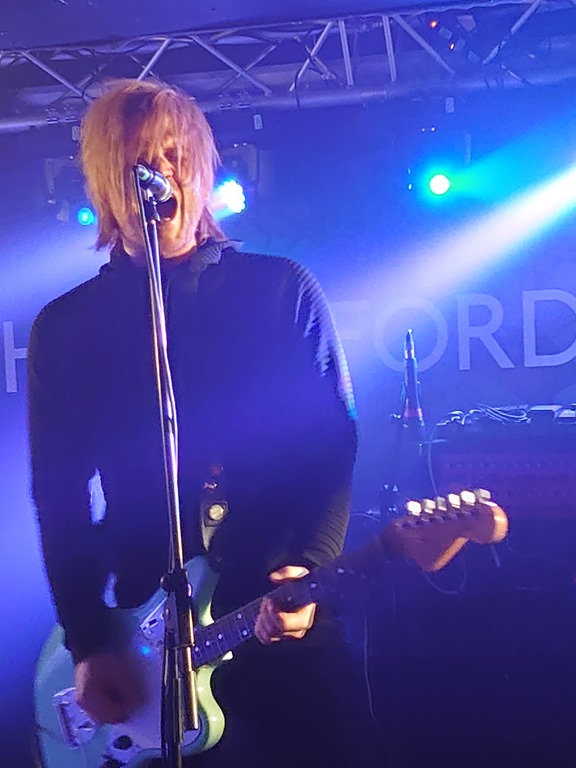
Feather Trade could easily be mistaken for being a ‘haircut’ band on face value, but their tousle-topped singer’s vocals invite comparisons to The Cooper Temple Clause’s Ben Gautrey, and the comparison to TCTC doesn’t end there as the trio blast through some jagged alternative rock defined by solid, meaty bass and gritty guitars. With a post punk vibe, great voice, the lineup may have been hastily-assembled, but they boast a truly great rhythm section. Switching between acoustic and electronic drums varies sound, and the line ‘fuck your trust fund’ from closer ‘Dead Boy’ is a sentiment we can get behind. Keeping the set to a punchy five songs, they made for a compelling opener, and I doubt I’m the only new fan they’ve won on this outing. I liked these guys a lot.

DSC_1923

Feather Trade

Some guys I never really liked are La Petite Mort: in fact, my last review of them was pegged to a single line in parenthesis. But this newly-resurrected iteration shows that they’ve evolved massively in the intervening years, transitioning from a novice sixth form indie band to something altogether more challenging, and altogether more powerful. If anything, there are shades of The Young Gods both sonically and visually. Now a duo with laptop and live drums, they’re dense, dark, intense. At some point, just as he has for Avalanche Party on occasion, Jared Thorpe whips out his sax and starts tooting away. No, it’s no euphemism. La Petite Mort embrace a slew of genre styles, and nail them to some tight, technical jazz drumming and lots and lots of reverb.

DSC_1932

La Petite Mort

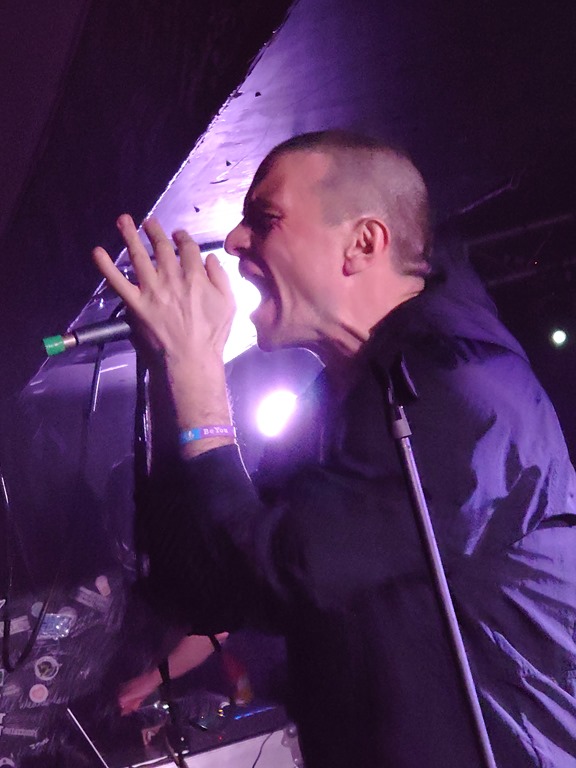
This all leaves us ultra-hyped for the headliners, and they sure as hell don’t disappoint with their spoken word grindcore hybrid. With some brutal electronics from Robbie Major, they build from sparse, acappella hip hop to a blistering wall of noise. They build and build and rage so, so hard it’s savage. There are some smoochy hip-hop vibes, but they’re a stark contrast to the raving lyrics. ‘You get what you deserve’, Kingsley Hall warns, menacingly. Against the backdrop of Russia invading Ukraine as we look on, we hope it’s true. They venture into post punk / Sleaford Mods-ish territory just the once over the course of an hour-plus long set. Hall reads the lyrics to ‘Meat Teeth’ from his phone in a state of anguish. The song itself is stark, harsh, and it hurts. And yet this pain is what connects us with the band. Hall’s openness and honesty when he speaks between songs is like a body blow. This isn’t a performance, this is real. “What a fucking country, what a fucking state…. Sausage roll man… Tory cunt.” He admits to struggling with the whole being on stage thing, but it’s clear from the way he attacks every line, this is something he feels he simply has to do.

DSC_1956DSC_1977

Benefits

In a recent interview with Loud and Quiet, Hall explained, “I’ve got this pent-up anger and desire to speak and to shout and discuss. But how do I translate that?” On stage, that anger is anything but pent-up: it’s channelled into an eye-popping storm of words dragged from the very soul.

DSC_1939

Benefits

‘Flag’ steps up a level just when there seemed like no more levels to step up, with punishing percussion and snarling noise. It’s harsh, but so, so invigorating and cathartic. The encore / not encore is a perfect example of the way Benefits don’t conform, don’t play the game. And while doing things on their own terms in every way, they stand apart.

There’s no pithy one-liner to wrap this up: I leave, borderline delirious, simultaneously elated and stunned by what I’ve just witnessed – a show that was, frankly, nothing short of incredible.

Today industrial trail blazers Uniform have announced their return overseas. They’ll embark on a 27 date run across the UK and Europe in Spring 2022 with Pinkish Black along for support. In anticipation of this and their upcoming U.S. tour – their first since the release of the lauded 2020 heavy-hitter, Shame – they have released a new video, “The Shadow of God’s Hand"

Vocalist Michael Berdan explains, “The central theme behind ‘The Shadow of God’s Hand’ are the inherent contradictions present in conventional Christianity. I was brought up with this idea of ‘act right or you’re going to hell.’ I’ve listened to family members as they worried themselves to tears over the fate of a loved one’s soul. To me, the concept of a punitive God is antithetical to the comfort I derive from a spiritual practice. Does God serve to comfort or chastise? Does following Christ’s teachings serve to create a kinder, more equitable world or have those teachings become so perverted that they simply stand as tools of control? For many, there is a fine line in their belief structure between salvation and damnation. This song attempts to touch on these paradoxes.”

Watch the video, directed by John Bradburn here:

UNIFORM UK/EU SPRING 2022 (TICKETS)

05/04: Budapest, HUN – Aurora

06/04: Brno, CZ – Kabinet Muz

07/04: Wien, AT – Chelsea

08/04: Innsbruck, AT – PMK

09/04: Winterthur, CH – Gaswerk

10/04: Geneva, CH – Cave 12

12/04: Lille, FR – La Malterie

13/04: Paris, FR – Supersonic

14/04: London, UK – Electrowerkz

15/04: Manchester, UK – The White Hotel

16/04: Newcastle, UK – The Cluny

17/04: Glasgow, UK – Audio

18/04: Nottingham, UK – The Chameleon Arts

19/04: Ramsgate, UK – Ramsgate Music Hall

20/04: Brussels, BE – Botanique

23/04: Leipzig, DE – Soltmann

24/04: Berlin, DE – Kantine Berghain

26/04: Copenhagen, DK – Loppen

27/04: Goteborg, SWE – Skjulet

28/04: Stockholm, SWE – HUS7

30/04: St. Petersburg, RUS – Serdce

01/05: Moscow, RUS – Bumazhnaya Fabrika

02/05: Tallinn, EST – Sveta Baar

03/05: Riga, LV – DEPO

04/05: Vilnius, LI – XI20

06/05:  Warsaw, PL – Chmury

07/05: Prague, CZ – Underdogs

All shows w/ Pinkish Black

Christopher Nosnibor

No two ways about it: coinciding with the NIM compilation album Deprived of Occupation and Pleasure We Feast, FEAST 4 offers the most jam-packed and solid quality lineup they’ve put on yet, with sets from a number of acts featured on the album and a stack more besides.

After some weird woozy shit off Territorial Gobbings’ recent Automatic for Nobody album release (which we covered and coveted here), where Theo Gowans hoarsely whispers corruptions of lines from REM, Rejections Ops kick things off early doors with a blitzkrieg of stuttering beats, squalling bass feedback and squealing, crackling synths: the guitarist’s wearing a veil and there are strobes galore. The noise is complete overload, a devastating mass of distortion, and while it would perhaps benefit from a little more contrast – it’s absolutely fucking full-on from beginning to end – it would just be amazing to witness in a small, sweaty room at proper ear-bleeding volume. I could happily go home now – but of course, I’m already home, and am thirsty for what’s to come.

DSC_7128

Rejections Ops

Hubble’s cover of Swans’ ‘No Cure for the Lonely’ from the aforementioned compilation provides a mellow interlude before Omnibael’s set. It’s another intense work, and probably their best yet. Stark, black and white footage accompany the duo’s low-down, dubby industrial scrapings. There are some mangled vocals low in the mix, while the crashing metallic snare is pitched up high, and driven by a relentless sequenced synth bass groove overlaid with explosive noise, the atmosphere is dark and oppressive.

DSCPDC_0003_BURST20210523204013324_COVER

Omnibael

Blackcloudsummoner brings more overloading electronica, dark, dense, story, tense, crunching electrodes crackling distortion, occasionally rent by trills of feedback. And it all sounds as if it’s coming from an immense cavern, about a quarter of a mile underground. The bass sounds like a nuclear experiment, and it’s all going off at once, making for an intense and disorientating experience.

AGED’s sound is rather more ambient, and considerably less abrasive, and it’s well-timed. That isn’t to say that this is in any way soft: there’s a crackling decay at the edge of the sound, and distant samples, barely audible, create a disorientating effect. And it’s over in the blink of an eye.

Making a return for …(something) ruined, the full-tilt, all-out noise abrasion with shouting seemed to hit the spot, and the altogether mellower sounds of Pigsticks and the Wonderbra, making droning harmonica noises in some woods arrives just in time to prevent any aneurysms. This is wonderfully weird, with leaves dropping and being raked creating a ‘field recording’ element to this curious experimental concoction. Birds tweet. A helicopter flies over. Atonal woodwind. Random words. What is it all about? The epitome of avant-garde oddity.

DSC_7133

…(something) ruined

Paired with Pressure Cooker Release valve for a collaborative set, Territorial Gobbing bring all the oddball experimentalism you’d expect. For TG, anything and everything is source material, and on this outing we witness some effervescent vitamin tablets fizzing in bowls, the sound contained by a folded IKEA box. And then they bring on the squeezy sauce bottles, which puff and sigh and gasp in their varying degrees of emptiness. Drainpipe and walkie-talkie, toast, toasters, lighters, phone ring tones, egg slicers, books, paint tube, polystyrene packaging, and kitchen sink also provide sound sources in this bizarre object-led experimental set. It almost feels like we’re watching an album being recorded in real-time. Maybe – and even hopefully – we are. With a track per object, it would work well.

DSC_7134

Territorial Gobbing / Pressure Cooker Release Valve

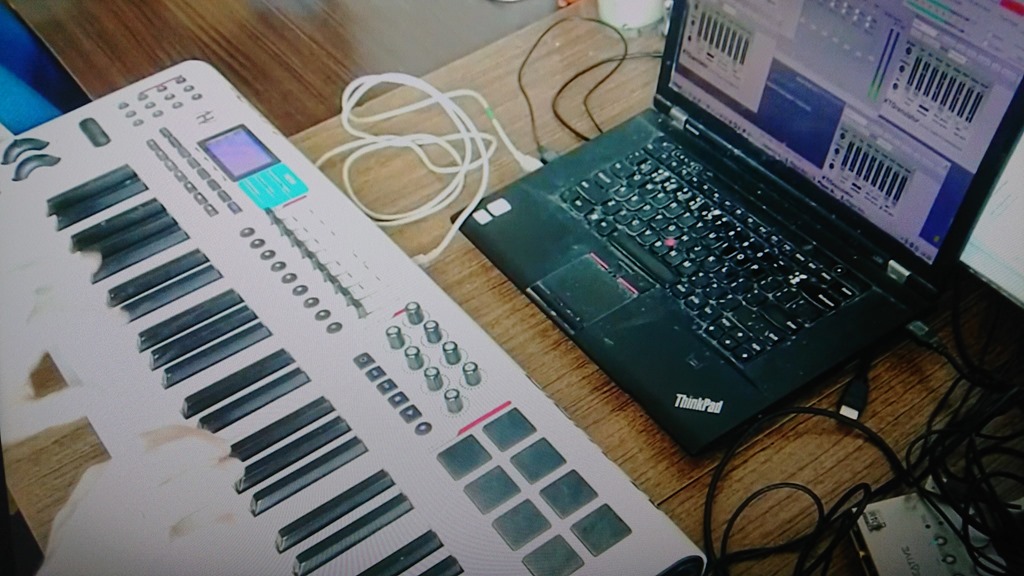
Gintas K’s set is a brain-bending bleepfest, a tangle of jangling synths and collapsing synapses that fray the nerve-endings. Everything squelches and zaps every which way, and we get to watch it all happen in real-time as the notes twitched away on his keyboard are run through software on a dusty Lenovo Thinkpad to create a crazy sonic foam that bubbles and froths all over. But deep, resonant bass tones boom out over the stuttering bleepage and groaning, croaking drones emerge. It all squelches down to a mere drip before finally fizzling out in a patter of rain, and it’s well-received, And rightly so.

DSC_7136

Gintas K

Hubble’s headlining set is accompanied by some eye-opening PoV visuals of a parachute jump and clips of people leaping off mountains, and the footage is so terrifying I actually hope it’s CGI even though it looks like it’s actually real. The freefalling blue sky space is the ideal accompaniment to the disorientating fretwork of the musical accompaniment which sounds like multiple guitars and keys playing interloping lines together and across one another. The rapid ebbs and flows are immersive, hypnotic, and a long, mid-range drone builds and hangs against the dizzying blanket of fretwork that weaves the rich and sense sonic tapestry of this bewildering sound on sound. It couldn’t be more different in sound from Ben’s regular gig as guitarist in NY noise act Uniform, but everyone needs a break, and this is wonderfully, if dizzyingly, realised. It makes for a top ending to a top night packed with all the weird and all the wonderful from the full noise spectrum.

NIM – 17th May 2021

Christopher Nosnibor

As labels go, Iowa-based NIM is pretty new: established only last year during lockdown, it has to date put out just five releases, initially showcasing the work of those directly associated with the label or otherwise close to its contacts – which is so often how DIY labels begin. Artists unable to find an outlet, or otherwise feeling no affinity with any particular label or scene, decide to carve their own niche by setting up for themselves. And before long, they’re not only putting out their own stiff, and stuff by their mates, but have started to build a roster.

It’s all about ethos and ethics: labels who start up because there’s a gap in the market for the music they want to hear and therefore make it themselves are very different from labels who set up with the express purpose of being a label. But NIM clearly have some ambition, as the release of the debut from Health Plan earlier this month indicated: featuring members of Blacklisters, Dead Arms, USA Nails, and The Eurosuite, they’re something of an underground noise supergroup, and the release felt like quite a coup for the label. And then, there’s this…

Again, it’s a million miles from mainstream, but in terms of pulling together some highly respected – and incredibly exciting – cult acts, this is a flagship release, the kind of thing that is almost certain to put the label on the map, in the way that the first couple of Fierce Panda compilations did in the 90s, and thee On The Bone collections some 20-odd years later, showcasing acts as diverse as That Fucking Tank and The Twilight Sad alongside Wild Beasts, Pulled Apart by Horses and Dinosaur Pile-Up. On the one hand a snapshot of the time, but on the other, an incredible document and a testament to ambition.

And so it is that Deprived of Occupation and Pleasure We Feast opens with a cover of Swans’ ‘No Cure for the Lonely’ by HUBBLE, which happens to be the ambient side project of Uniform guitarist Ben Greenberg, and also features a contribution from Rusty Santos, renowned for his work with Animal Collective, among others, and Obviate Parade, aka Paul McArthur, singer from Damn Teeth – not to mention a contribution from the mighty Health Plan.

Alright, so none of them may be household names, but they all carry some considerable cred in those more niche circles. And, alongside an array of obscuritants, they set out the NIM stall nicely, with an array of dark ambience and noisier efforts. This isn’t about establishing a ‘house’ style or otherwise making a specific statement: instead, this is as celebration of diversity, a divergent array of artists united by their lack of conformity.

HUBBLE’s cover is an almost psychedelic folk, semi-acoustic effort, while Rusty Santos wanders through quite mellow if deep trancebient territory, in contrast to the unapologetic noise abrasion of Health Plan’s ‘Food Grief’ lifted from their eponymous debut. If your tastes are narrow, avoid this: this is one for the eclectivists, and the first three tracks alone are enough to shred most brains.

Gareth JS Thomas’ ‘How You Feel’ stands out as a masterclass in thunderous, percussion-driven abrasive noise, and provides a particularly stark contrast to Obviate Parade’s noodlesome lo-fi neoclassical jazz-tinged meanderings and the frenetic post-punk squall of ###’s contribution, which lumbers hard with a Shellac-style riff and changes direction multiple times over the course of its three-and-a-half minutes.

Deprived of Occupation and Pleasure We Feast is challenging, both sonically and in its diversity: the chances are that few will like everything, and many won’t like anything at all. But those who like some will likely find more to like, because it’s a smorgasbord of weird and wonderful, and is a shining example of artistic collectivism, and Deprived of Occupation and Pleasure We Feast shows how NIM is a hub for a disparate array of artists who are doing very different things, but respect and celebrate that diversity.

AA