Posts Tagged ‘Ambient’

Tavern Eightieth (TVEI) – 31st October 2016

Christopher Nosnibor

Don’t read too much into the Hallowe’en release date for this solo offering from Matt Christensen, who is more usually found lending his voice to Chicago genre-straddling guitar-based act Zelienople. There are no guitars to be found here, or vocals, and despite the album title’s connotations of the predatory, the sinister and the dangerous, this is no haunting horrorshow or ultra-dark ambient work coughed up from the bowels of the earth, although the five tracks on Prowl are certainly strong on atmospherics.

The title track sets the mood, a murky groove softly bounces along, the insistent beats largely submerged by a thick, opaque subaquatic sonic murk which strangely deadens the sound and creates a sensation that’s almost physical rather than simply auditory. When the rhythms are completely absent, as on ‘Mountains of Fire (Remix)’, Christensen glides effortlessly into what one may reasonably call ‘pure’ ambience: the forms are vague, intangible, with no discernible sense of structure as the soft and slowly-drifting washes of sound shift and turn gradually.

‘Spending It’ is perhaps the most haunting track on the album, crackles and pops – somewhere between the click and clatter of worn vinyl and the cracks and snaps of burning wood – form the distant rhythmic undercurrents which echo through the warping tones before being carried away into silence on a long, low wind-like drone. In contrast, ‘Junk Test’ is altogether more buoyant, bubbling beats flit beneath rippling Tangerine Dream synth motifs.

Everything is kept low-key, the sounds dissolving into one another and in a slow but continual evolution. It’s a radical departure from Christensen’s work with Zelienople, but, as one may expect, it’s an album that demonstrates a keen awareness of the dynamics of texture and tone. In the context of Prowl, these elements are explored in their most delicate and subtle forms, and in its field, it’s an accomplished and enjoyable work.


Matt Christensen – Prowl

VoxxoV Records – VXVCD011 – 19th September 2016

Christopher Nosnibor

The purpose, primarily, behind Aural Aggravation, was to give coverage to niche music produced by lesser-known artists and little labels. The idea was also to publish reviews geared toward a more long-form format, favouring more journalistic analyses than the soundbite snippets which dominate the mainstream music press (such as it exists now) and many of the more popular websites. Ultimately, of course, the ambition was to run a site which gave myself, as founder / editor and main contributor, free reign, to write about what I liked in a way I liked. It wasn’t so much the cliché that if other people liked it, it’s a bonus: I figure that if I like it, there’s an audience for it somewhere.

Vindication of this approach hasn’t just been in the traffic we’ve received – Aural Aggro will never achieve world-domination but after a year in existence, it’s built a steady and respectable readership – but in the labels and artists who’ve sought us out to submit releases for review because they like what we do. It’s mighty gratifying, and has led to the discovery of some fantastic acts and labels, too.

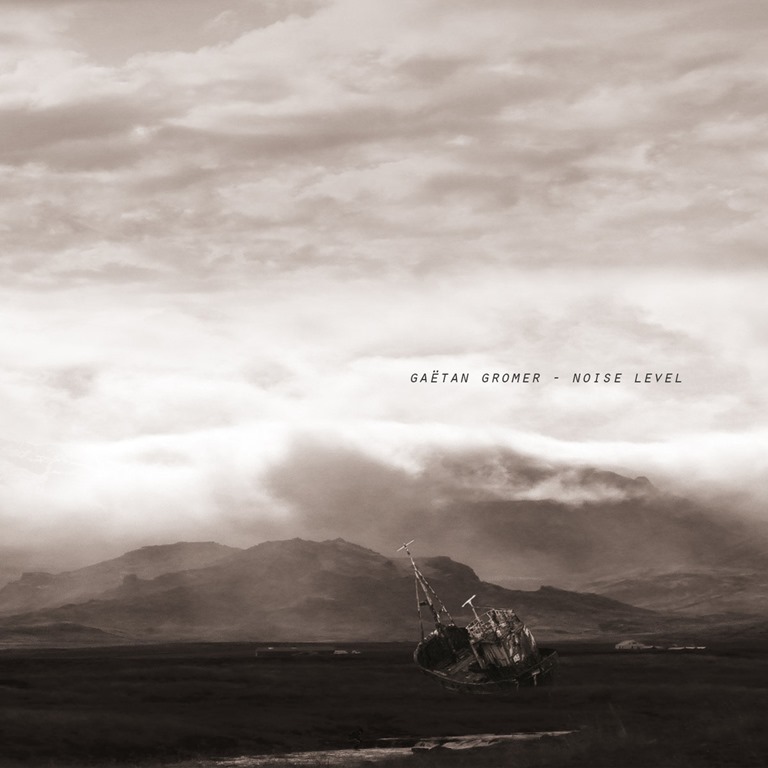
And so it was that microlabel VoxxoV found us and put their eleventh album, Noise Level by French artist Gaëtan Gromer our way. It’s about drone, noise and ambient music, and that’s what we dig here – amongst other things.

Noise Level is an album to get lost in, but also an album to listen to. The detail is what matters. For what seems like an eternity, so little happens/ but of course, a little is a world away from nothing. Then, amidst the elongated drones, small sounds, water-like drips and ripples disturb the tranquil surface. Barely audible, indecipherable vocal snippets and samples crackle through the airwaves. Notes bubble, drift and turn, wafting formlessly, invisible yet present, the subtlest ebb and flow forms an other-worldly soundscape. Burs of sharp static interfere with the flow, but fail to break out of the shadows. Gradually, so gradually, the notes turn and mutate, pulsate and undulate. Scratches of treble scour away and roughen the edges. Insectoid skitters flicker and clamour as circuitry bleeps, sonar calls and responses. Long, drawling notes sigh in resigned anguish on ‘Le Bibliotheque de Babel’.

The warmth hinted at by the soft-edged swells of sounds on the album’s final track, the ten-minute ‘Always Coming Home’ are countered by grazing guitar drones and clattering, arrhythmic percussive ruptures. Over time, it builds in volume and intensity, the guitar coming to the fore as the album’s only recognisable instrument, a bruising, dense mass of sound bringing the album to a powerful close. With this, Gromer is done, and goes whistling on his way.


Gaëtan Gromer – Noise Level

Opa Loka Records – OL160096

Christopher Nosnibor

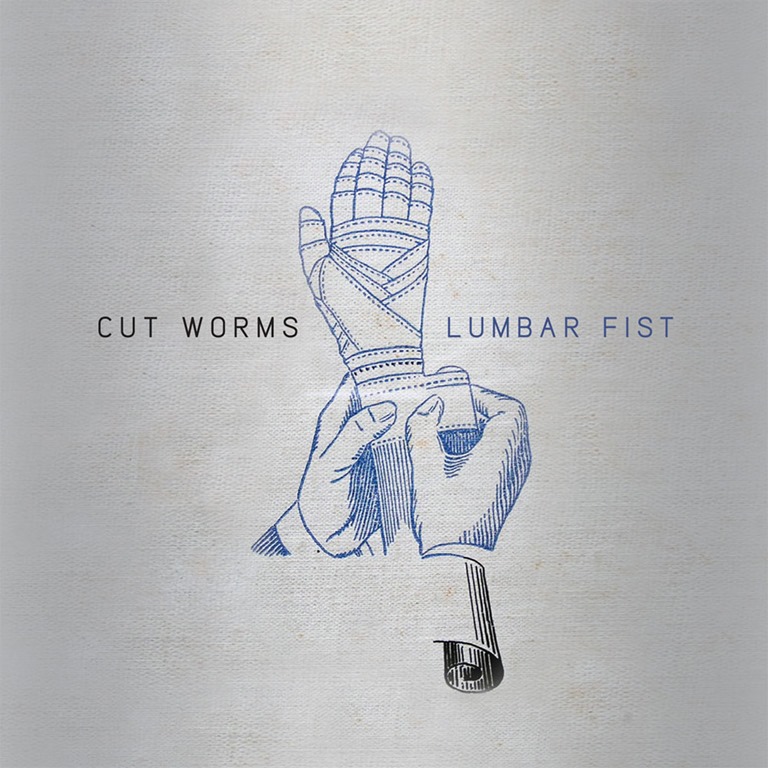
It begins with a long, low, ominous hum. The movement is so gradual as to be barely perceptible. Slowly, so slowly, it grows, swells, and turns, its density, depth and texture shifting, microtonal layers emerge and fade. Dolorous chimes ring and resonate in the sonic mist. The individual tracks are segued together to form an extended, evolutionary work. Brooding strings strike and organs waver on ‘Stone Ether’, and over the course of the album, Cut Worms stalls time to create space and distance, ethereal soundscapes drift, soft, sculpted, immersive.

The forms and structures are as subtle, fleeting and inscrutable as the infiniteness of space and the existence of dark matter. Equally, the origins of the sounds which fill the album seem wholly removed from one another: Lumbar Fist is an electroacoustic work, created with live generated and processed sounds, without any prefabricated beats or loops, and as such, the process entails considerably more than the all-too-common mechanical laptop machinations of ambient works.

Richard Van Kruysdijk – the man who alone is Cut Worms (and what an evocative moniker that is… not that the album title’s far behind) has spent a long time honing his craft, and Lumbar Fist stands alongside artists like Tim Hecker, Oren Ambarchi, Glenn Branca, Stephan Mathieu, Will Guthrie and Jim O’Rourke not just as an exemplar, but an outstanding example of atmospheric, drone-orientated ambience.


Cut Worms - Lumbar Fist

Gizeh Records – GZH70 –4th November 2016

Christopher Nosnibor

Aiden Baker’s name features on a staggering number of releases, and while Nadja – the duo consisting of Baker and bassist Leah Buckareff – may only be one of many side-projects, the discography they’ve amassed since 2003 is substantial, to say the least. On The Stone is Not Hit by the Sun, Nor Carved With a Knife, they offer three immense ambient doom tracks which make for a welcome addition to that discography.

‘The Stone’ opens the album with a deep, slow bass. A delicate guitar is soon obliterated in a deluge of overdrive. Over the course of the track’s imposing twenty-two minutes, they build a pounding groove, the drum machine and bass in combination emphasising the heavy rhythms. Baker’s vocals are low in the mix, and with the textured, picked guitar chords, they straddle the grinding abrasion of Godflesh and the majestic shoegaze of Jesu. The contrast between the mechanical, industrial drum sound and the rich, organic sound of the guitar is integral to the sound, while the space between the notes is a core aspect of the composition: the stop / start mid-section of ‘The Stone’ jars the senses.

‘The Sun’ provides the album’s colossal, megalithic centrepiece. It takes its time to rise, and a steady, soft, meandering clean guitar and gentle, reverb-heavy vocal owes more to psychedelia and shoegaze than ambient or doom. But there’s a simmering tension that builds slowly but surely. The textures and tones gradually transition from clean to distorted, before drifting out into an extended ambient segment. Yawning drones roll and rumble: these are vast expanses of sound, twisting out toward an infinite horizon. And when the guitar and bass return, it’s with an even greater, more crushing force. The drums are distant, partially submerged by the snarling, thunderous bass and immense guitar which carries the listener on am oceanic expanse of sound.

A subtle, amorphous drone hovers atmospherically through the final track,’ Knife’. Arguably the album’s most ‘pure’ ambient passage, it’s hushed, mellow, almost soporific and marks a real contrast with the previous two tracks. There’s a part of me that, on first hearing, found ‘Knife’ a shade disappointing in context of the album as a whole: ‘The Stone’ and ‘The Sun’ set a certain expectation that, at some point, devastatingly heavy, thunderous bass, crashing drums and cinematic drone guitar will hit like a landslide, but it simply doesn’t happen. However, on reflection – and this is an album which requires much reflection – it’s a well-judged change of form. In confounding expectation on the final track, Nadja show that they’re not tied to formula.

In exploring the contrasts of volume, texture and mood, The Stone is Not Hit by the Sun, Nor Carved With a Knife is a more considered and ultimately rewarding work.


Nadja - The Stone is Not Hit

House Of Mythology – 26th August 2016

Christopher Nosnibor

So, House of Mythology released two albums simultaneously in August, and having exhausted myself dissecting the David Tibet / Youth collaboration, Create Christ, Sailor Boy under the Hypnopazūzu moniker, it’s taken me a while to steel myself for this.

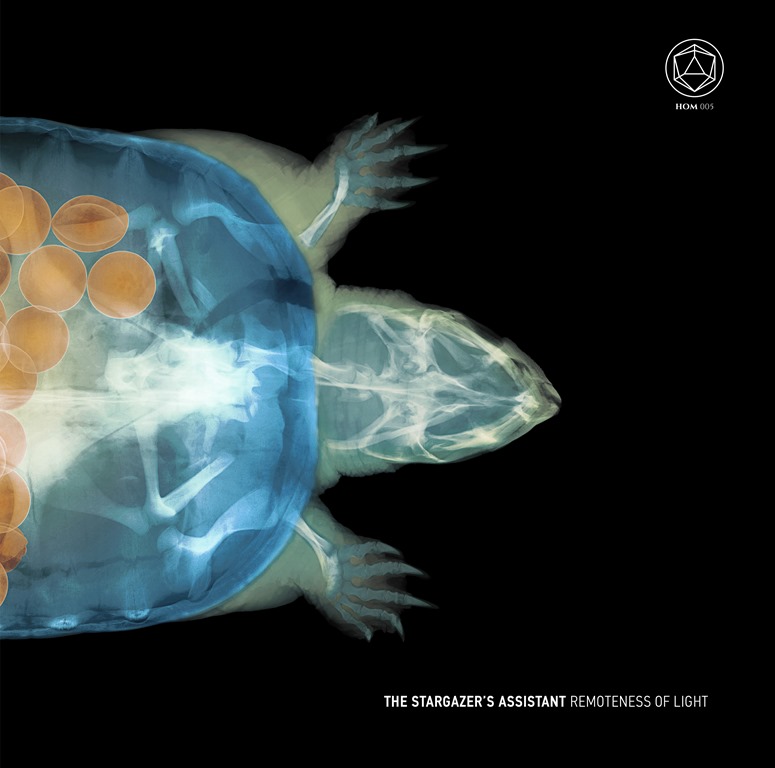
It’s important to be clear that this is a very different kind of album, the three (or four*) long-form tracks manifesting as darkly ambient instrumental works, which build layers of dissonance and feedback over textured drones and rumbling lower frequencies. While flickers of pan-cultural influence emerge from the thrumming layers of sound, Remoteness Of Light is entirely devoid of any of the trappings of pseudomystical bullshit.

And while ‘Agents of Altitude builds layers of sound which unsettle and unnerve, ‘World of Amphibia’ which follows, is altogether more sparse and delicate, and corresponds more obviously with the nots which accompany the album and situate it in the deep submarine world, which remain every bit as intriguing and unknown as outer space.

In describing the journey of a deep-sea dive (‘Dive a kilometre into the ocean and you leave all surface illumination behind… Descend another ten and luminous forms flicker and burst through the endless black’), The Stargazer’s Assistant contextualise Remoteness Of Light. Of course, the tribal drumming and whining pipes aren’t a literal representation of the underwater experience, but they convey the strangeness of the deep-sea world and the excitement of the decent.

Moreover, there are essentially three areas which offer endless fascination, but have been wholly inadequately explored: space, the oceans, and the human mind. Remoteness Of Light delves into, and connects with, all of these:

The droning, sonorous and subtly rhythmic sonic turnings of the title track are, at times, so quiet and careful as to be barely present, but as ever, dark and unexpected, and it builds o a wheezing, whining, moaning undulation of sound, with a long, slow playout of heavy, echo-drenched percussion and a log-tapering drone. Credit where it’s due: this s sonically and texturally interesting. With a lot going on, it conforms to no specific gene, but engages the listener in unexpected ways, and the varied textures and shades of light and dark unquestionably have the capacity to tweak at the psyche.

* Track 4, ‘Birth of Decay’, is a live recording only available on the double vinyl edition, or as a download for people ordering directly from the House of Mythology web site. It wasn’t included in the digital review copy we received, so it might be awesome or utterly shit, but if it’s on a par with the rest of the album, it should be pretty good.


Outside_8

Christopher Nosnibor

For a Sunday night it York, it’s not a bad turnout, and while I’m not often a fan of seated shows, this bill of laid-back electronic-based music lends itself perfectly to adopting a less upright position for optimal enjoyment. Plus, it makes a welcome change to be able to put my beer on a table in front of me, rather than have to clutch it and thus warm it with increasingly condensation-dampened hands, or to concern myself with wearing a jacket with adequately capacious pockets that facilitate free hands for taking notes, taking photographs.

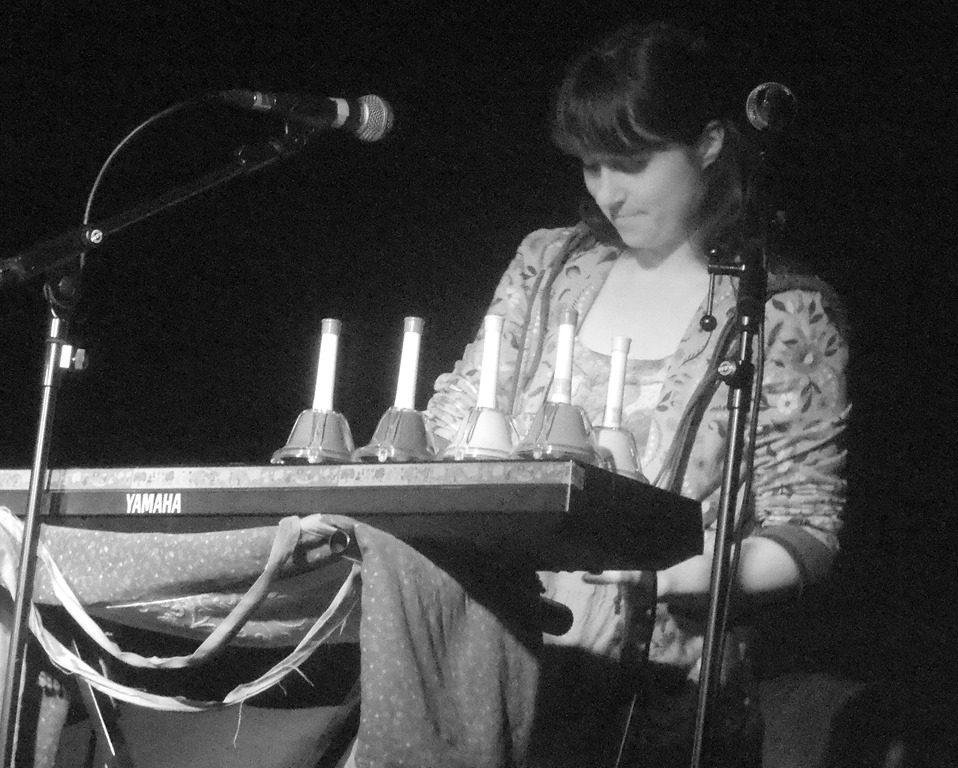
Two of tonight’s acts I saw only a few weeks ago, and when Mayshe Mayshe opened up for Living Body (for whom Shield Patterns were the main support) at the Brudenell in Leeds, I was charmed by her lo-fi minimalist pop tunes. Tonight’s set confirms that the bells, whistles, mini-pianos and hair-dryers aren’t gimmicky features of a novelty act, but genuinely useful features of a sound that’s spurred by innovation. Her songs are beautifully crafted examples of quirky bedroom elecro-pop. But for all the sparseness, there are some dense bass tones.

Mayshe Mayshe

Mayshe Mayshe

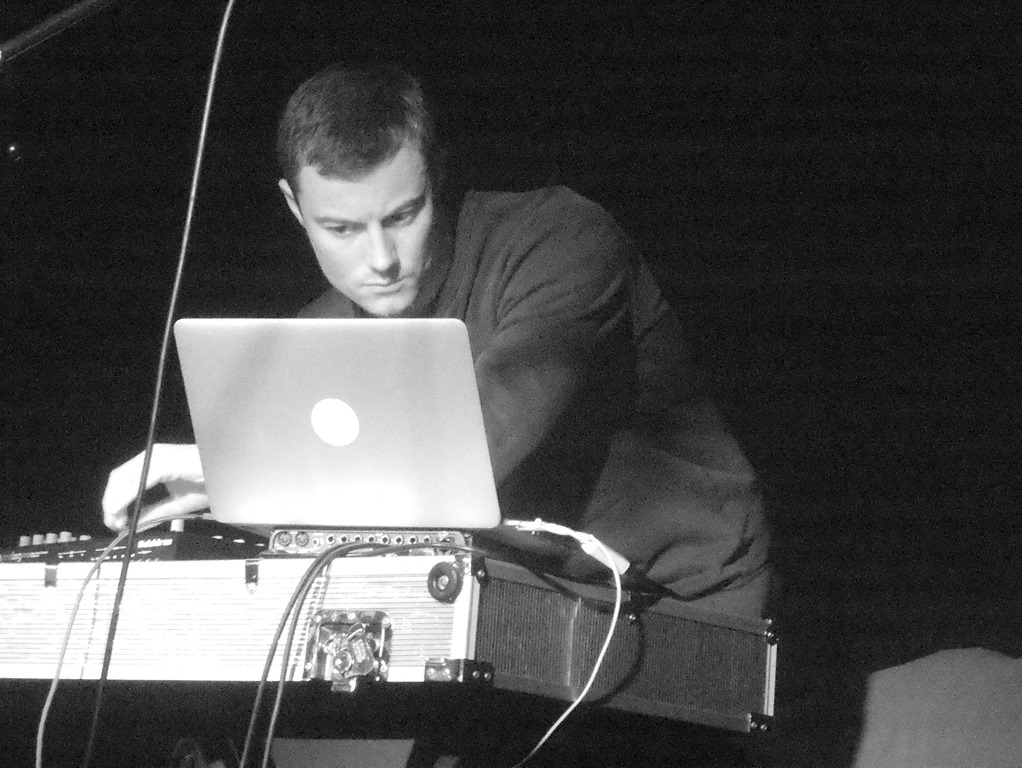
Having been less than enthused by the performance of hipster laptop DJ Game Program supporting Silver Apples recently, I’m even less enthused by Jakoby’s noodlings. In fairness, he has a lot of ideas. Some of them are good, and some are very good. But many of them are not, and his compositions have a tendency to throw everything at every track, often simultaneously. There were at least a dozen points that would have made a tidy ending to the set, but he kept bringing it back up and what’s likely intended as a brain-bending sonic overload ends up being an overlong exercise in onanism.

Jakoby

Jakoby

What a contrast, then, Elsa Hewitt. Same format in principle: a solo performer with a laptop and a mix desk, she’s understated as a performer, but it very soon becomes clear she has an immense talent and is doing something genuinely different. In this line of work, even the inventive and the radical can pale against the sheer volume of acts trying to carve a niche by virtue of their supposed uniqueness. But with some thunderous trip-hop beats – which are in places contrasted with minimalist, flickering glitch beats – and washes of amorphous sound over low, throbbing, scrotum-vibrating bass, topped with ethereal vocals and looped self-harmonies, Else forges a sound unlike anyone else. Building some slow-burning, hypnotic grooves, the gap in the market for Urban Ambient is hers for the taking.

Elsa Hewitt

Elsa Hewitt

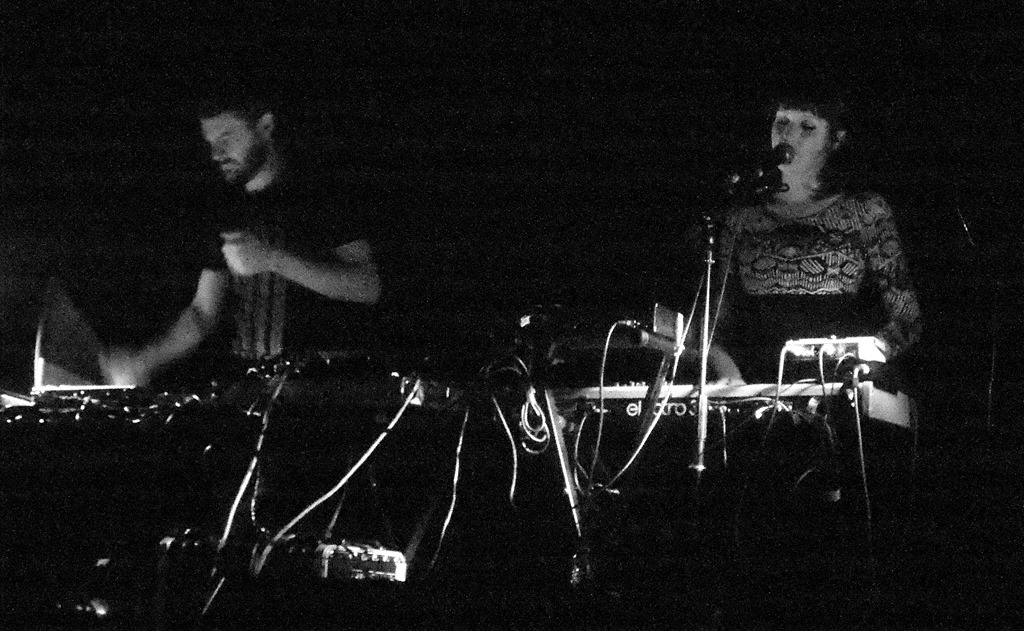
It’s Claire Brentnall’s birthday, and having launched the second Shield Patterns album with a hometown launch show in Manchester the night before, she celebrates with a superlative performance tonight. The duo’s layered, detailed music is well-suited to the intimate atmosphere of the darkened Crescent, and the PA does it justice. The tonal separation and sonic depth is magnificent, the vocals crisp yet still shrouded in reverb: effectively recreating the sound of their considered studio recordings, it’s easy to get lost in the space between the layers of sound. Brentnall’s haunting vocals are enveloped in extraneous noise and a gauze-like blend of synths and field sounds, while Richard Knox hammers out thunderous, rolling drum sounds on an impressive drum pad setup. With the minimal lighting, it all makes for a compelling show, and a magnificent way to end a weekend.

Shield Patterns

Shield Patterns

Guide to Saints – SNT016

Christopher Nosnibor

The opposite of contrast. Absolute sameness. White on White, as a concept in visual terms, suggests invisibility. A white object in a white room, or a white brushstroke on a white background is ultimately camouflaged. However Dulux may sell it, white is an absolute. How does this translate to a sonic palette? An Infinity Room (AIR) is the vehicle – or durational sound project, if you will, of Australian artist and composer Julian Day. White on White collects three pieces

‘Intercessions’ takes the form of a continuous mid-range drone. It has a duration of 45 minutes. Three quarters of an hour. Listen to the tone… marvel at how it remains the same. Or does it? Just as the mind struggles to process images passed by the eyes when starring at a vast expanse of nothing – of white on white, or the imperceptible changes in colour as paint dries – so the messages from the ear become subject to the introduction of aural mirages when presented with a single, unchanging sound, or a sound which changes so gradually as to effect unchangingness. The pitch does, indeed, change, and additional layers are gradually phased in to bring new depths and dimensions, as skipping back and forth along the track at random renders clearly apparent. But being so, so gradual and so, so slight and subtle, the changes are imperceptible in real-time. The album’s shortest track at a mere seven minutes, ‘Rhetoric’ is also the most overtly rhythmic, the intertwining piped notes interweaving to render a dainty melody. But it’s more about the interplay between the notes and the way they interact in the air and in the ear than about making musical entertainment.

‘Void’, here in an edited form and with a running time cut down to twenty-seven minutes pulses gently for is duration a single note, throbbing for an eternity eventually graduates to a widescreen wavering drone, the texture and tone of which slowly changes, but again, slowly, so slowly.

White on White is an album which is likely to test the patience, and equally, the mental equilibrium. Focus on it too closely, it becomes tedious and frustrating. Focus on it too little, and it’s hard to appreciate its infinitely subtle progressions. Find that interzone and you’re in a place where its presentation of nuance upon nuance makes sense. Don’t force it, embrace it.

https://player.vimeo.com/video/102786092


Infiniy Room - White on White

Gizeh Records – GZH68 – 2nd September 2016

Christopher Nosnibor

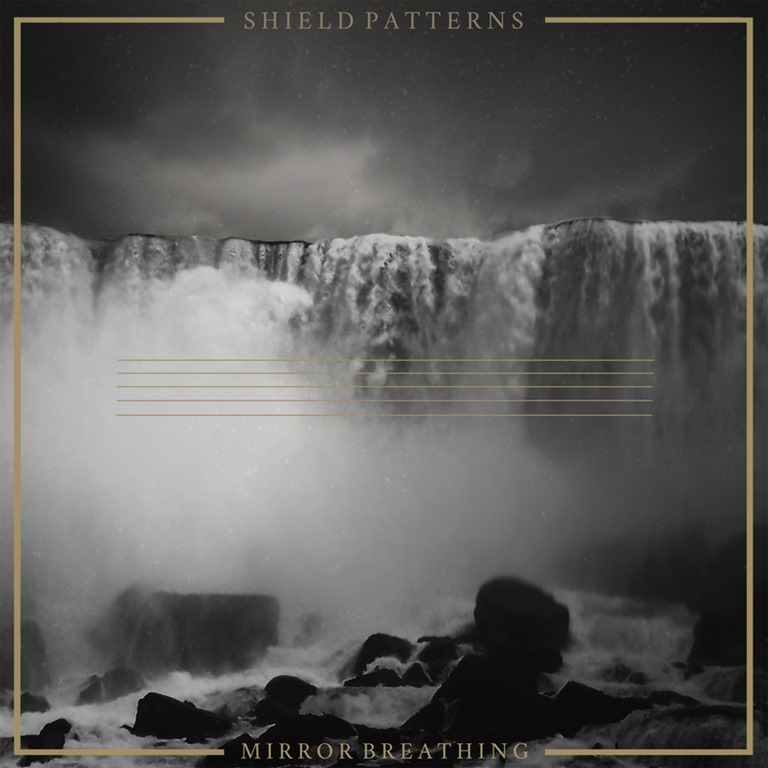
Richard Knox’s musical career is marked by works which are ponderous and atmospheric. Howeevr, his latest venture in colaboration with Claire Brentnall, is distinguished by a leaning toward material which feels more focused, compositionally, and more direct. It’s all relative, of course, and Mirror Breathing is, as the title implies, a work which is hazy, misty, the songs grasping, just for a second, at the ephemeral and reflecting the moments back, refracted and rarefied. Following on from debut album Contour Lines (2014) and 2015’s Violet EP, Mirror Breathing marks a step further into dark pop territory, although dark is indeed the operative word here, and it’s clear that in Brentnall he’s found the perfect collaborator: a person with not only an amazing voice, but an equal understanding of what it takes to forge ponderous, nuanced, atmospheric music. It’s not a matter of drawing out which each brings to each composition: Shield Patterns are built on collaboration and intuition, more of a case of a creative space emerging from a collective ‘third mind’ than the simple coming together to two musicians. 

The musical backing the pair create is atmospheric, and captures elements of light and shade which contrast magnificently; dark, rumbling low-end and industrial scrapes are tempered by ethereal ambient sounds of indeterminate origin. Claire Brentnall’s breathy vocal hangs, spine-shiveringly, over the drifting soundscape. The whole production is draped in a soft-focus feel, a mist which partially obscures the shapes and forms and renders them vague, unfamiliar and ambiguous. This ambiguity and unfamiliarity is an unsettling sensation, and while the graceful vocals superficially soothe, the emotional tension and overall sonic disquiet ultimately leave the listener pulled in different directions, peering into the shadows and wondering what lies just out of view. Arrhythmic percussion echoes in the dark, detonations which send shuddering vibrations through the ground. There’s a stark beauty to ‘This Temporary Place’ that calls to mind Zola Jesus, and elsewhere, dark industrial grumbling tremors contrast with the dreamy, otherworldly atmosphere of ‘Cerulean’.

Julia Kent is an artist who has a tendency to crop up in all sorts of places and with remarkable frequency: a respected solo artist in her own right, she is also a one-time member of Black Tape for a Blue Girl, as well as performing as a member of Rasputina and Anthony and the Johnson, he cello work on three of the tracks here adds further texture to the arrangements. Ultimately, though, it’s the balance of the instrumentation which really makes the album work: there’s a lot going on, with many incidental sounds blended in, but it’s seamless and no one aspect or sound dominates at any point.

Again returning to the connotations of the title, if the image of a steamed mirror can be read as a twist on the ‘smoke and mirrors’ metaphor, then there is an element of deception in the way the compositions seem sparse, but are in fact constructed from manifold layers which form strata of remarkable sonic depth and density. The drums may be distant-sounding and low in the mix, but they roll like thunder. In Claire’s vocals, you don’t hear every word, but you feel them. Sometimes she soars so high as to be barely audible to the human ear. Sometimes, it’s less about the actual lyrical content than the delivery, and her voice as of and in itself conveys more than mere words ever could. There’s a quality in Claire Brentnall’s voice which communicates on a subconscious, subliminal level. Her voice echoes in the recesses between the beats, drifts along, enveloped in the gauze-like textures, and occupies invisible spaces between the notes. Hers is a voice which is delicate, but by no means weak; yet the strength of her delivery lies in her ability to convey vulnerability.

From the alluring ‘Dusk’ to the dolorous chimes of ‘Blue Shutters’ and the sinister depths of ‘Balance & Scatter’ with its dark jazz intimations, via the tranquil and sedate(d)‘Sleepdrunk’, the songs conjure scenes of both anguish and ecstasy and often explore the pull of existing in both states simultaneously. Haunting, hypnotic and disquieting, Mirror Breathing is an impressive work that warrants time for thought and reflection.

Shield Patterns - Mirror Breathing

Front & Follow – F&F043 – 26th August 2016

Christopher Nosnibor

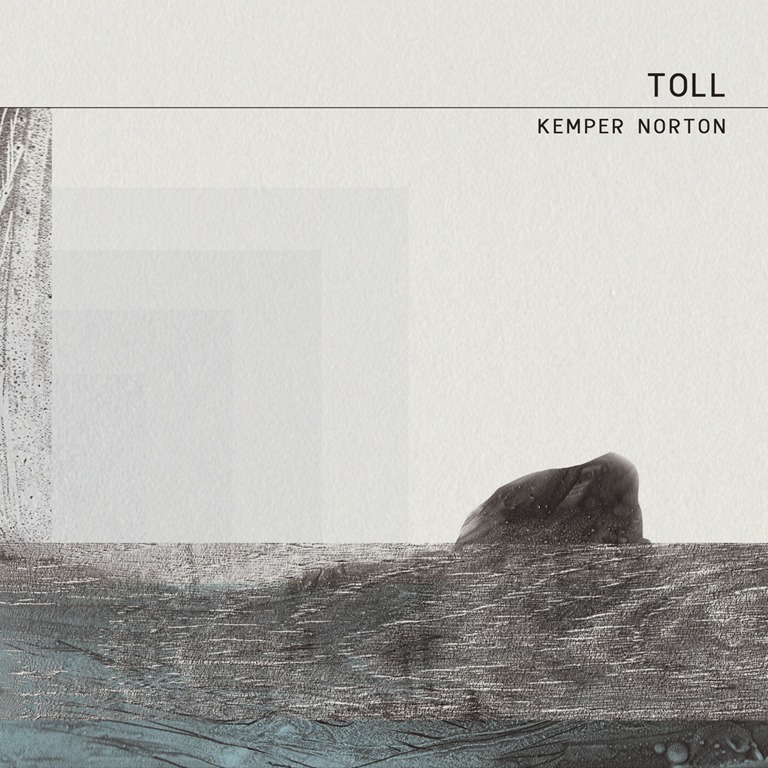
Kemper Norton’s previous releases, Carn and Loor were respectively located in specific rural locations and the city. In contrast, Toll heads off-shore, and it begins with a swell of sound as grand as the ocean, but very far from an attempt to recreate the sound of the tide, a vast, grating, rolling buzz. It soon becomes clear that this is neither an ambient album which strives to recreate and convey the kindness and cruelty of the sea, and nor is it an ocean-inspired drama (I would contend that The Christmas Tree Ship EP by I Like Trains is pretty much the ultimate in this field).

Toll is a complex work, which is inspired by – and interrogates – two very different pieces of history – specifically the lost Cornish kingdom of Lyonesse, and the 1967 sinking of the Torrey Canyon oil tanker. Both are stories set in the same geographical space, a stretch of ocean off the west coast of Cornwall. To bring together what could be considered a mythological disaster – and thus in the literary, classical sense, a tragedy – with a modern-day disaster, is a bold and ambitious project, and it’s the duality of ancient and modern which finds Toll pulling in different directions. And yet this is not an album built on conflict, but an attempt to reconcile very different histories, united by location.

Although a broadly ambient album for large segments, Toll deviates from this or any genre category frequently, and widely. Toll’s preoccupation is more with narrative and themes than with atmosphere alone, although this is not to say it isn’t a deeply atmospheric work. To this end, the album does not restrict its form to any one musical mode, and ‘The Town’ takes the form of a lyric folk song, but performed as a sonic wash that’s a cross between folktronica and ambientgaze. Meanwhile, the echo-blasted vocal of ‘Black Silk’, accompanied by a drone and distant percussion owes more to Suicide and Massive Attack than anything from the worlds of either ambient or folk. The instrumental passages hover and hum, sometimes intimating trepidation and others tranquillity, but oftentimes with darker undercurrent eddying beneath the surface.

Two-thirds of the way though the album, ‘Agnes and Louisa’ forges a deep, rumbling, rolling rhythm, a swell of sound which grates and wheezes, with electronic interventions, while the sparse, lilting electronic folk of ‘Coming Home’ is quietly menacing. The final track, ‘The Tide’ brings the album to a perfect conclusion: a magnificently balanced synergy of folk and electronica, traditional and contemporary, it builds a haunting surge of sound and emotion.

What Toll ultimately conveys, by oblique means, is a sense of the intrinsic nature the relationship between human geography and physical geography, community and place. History is every inch as integral to the shaping of a location and those who reside there as geography: past events etch themselves into the landscape and the collective conscious, however discreetly, and similarly legends are imprinted in the backdrop of local life. Toll is not an easy or immediate work, but it is one which is deeply evocative and highly thought-provoking.


Kemper Norton - Toll

Room40 – RM487 – 20th May 2016

Christopher Nosnibor

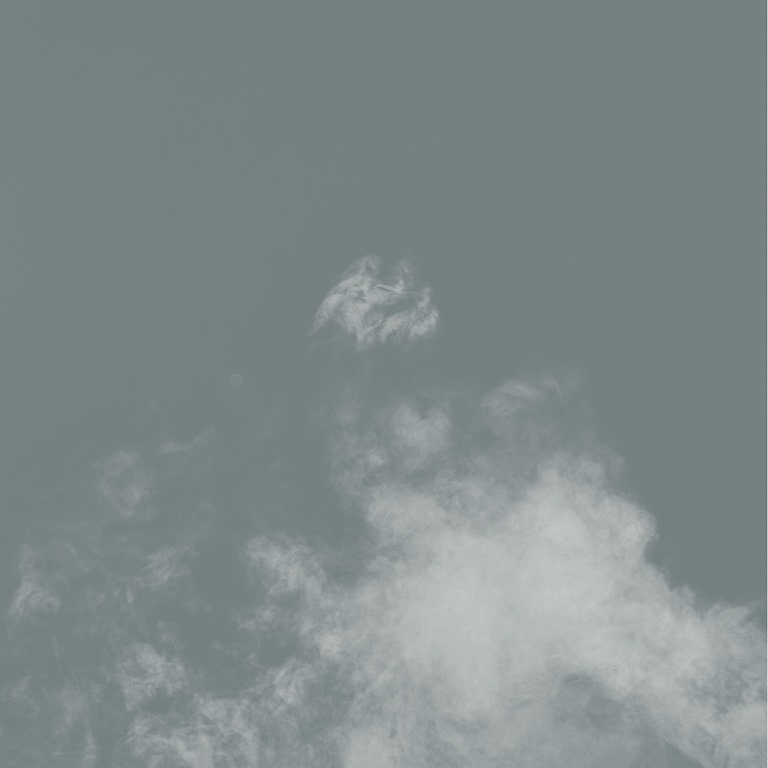
Location is a state of mind. The abstraction of the cover art – an image of clouds with the colour balance altered to give it a greenish hue – and a conspicuous absence of any text provides an indication of the contents it houses. In fact, it’s a nice-looking package overall: the back cover contains ink with only the words ‘New Rome’ and the simple but distinctive Room40 logo, both in small type. Embossed, white on white is the album’s title. It’s larger, but still easy to miss in the wrong / right light. And just as the attention to detail is what renders the initial engagement and the tactile experience special, so it is that the tactile elements of the music – the tone and texture and the significance of details all too easy to overlook while observing the bigger picture – make this album what it is.

To give some background: New Rome is the latest project from the Polish composer Tomasz Bednarczyk. He merged in the late 2000s with a succession of albums which proved somewhat groundbreaking, combining pastoral tonality with ‘grainy smears of pulse and rhythm’ and heavily imbued with a personal quality which was melancholic yet lilting in tone. Having explored other avenues with other projects, New Rome marks something of a return to this earlier territory.

The album’s ten tracks are comparatively brief, and in some respects have a certain sketch-like quality. But the fact they are brief and fade out where so many other artists would extend the pieces out for an eternity means that there’s a freshness about Nowhere: with each track presenting a different shade, texture and tone, there is a rare sense of movement about the album. Many of the soft and delicate, nebulous cloud-like drones which drift and turn are what one might call ‘conventional’ within the field of ambient and chillout music, but the undulating, interloping synth motifs and small but twitchy little rhythms give the pieces an underlying energy. ‘Venus’ hums, the note hanging for an age before flickering beats and extraneous sounds, like the wash of waves, disrupt the stillness. And yet, while the notes swell and sink, an air of tranquillity remains. ‘Dive’ is much dense, the deliberate, pulsating beats more pronounced, dominant even, but above all, Nowhere is defined by balance, with no one aspect of the sound taking primacy. And this is ultimately the most important detail of all. The bigger picture only exists because of its symbiotic relationship with the constituent parts, rendering Nowhere a magnificently realised work.


New_Rome_Nowhere