Archive for November, 2023

The Helen Scarsdale Agency – 8th December 2023

Christopher Nosnibor

It’s often difficult to keep up with artists’ outputs, especially the super-prolific ones. Jim Haynes not quite make the super-prolific category, but having first written on his work with a review of The Decline Effect back in 2011, I’ve covered three albums between 2017 and 2021 alone. I tend to take a particular interest in albums released through The Helen Scarsdale Agency, which despite sounding rather prim and literary, is a label which has a particular knack for platforming music of an experimental and often difficult and noisy nature.

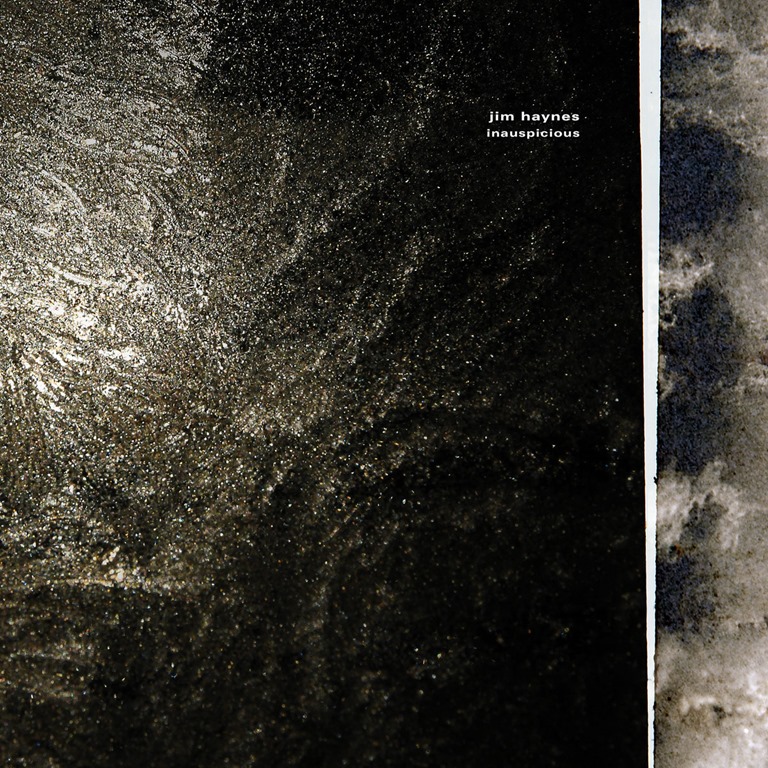
Haynes’ work has become progressively harsh over time, and the press release for Inauspicious notes that this has been particularly true post-pandemic, while acknowledging the cliché that the pandemic marked a pivotal point for many musicians. Crucially, it notes that ‘The tools for Haynes’ work remain limited: motors, electronics, shortwave radio, found objects, all applied with considerable pressure. Compositionally, Inauspicious is a very rough moire pattern from overlapping elliptical structures that can negate and obfuscate just as easily as they can compound and aggregate. The album surges and collapses upon the two twenty minute chunks of controlled noise that follow an internal logic that snakes from brooding power drones, spectral radio transmission, and an aktionist demolition cast upon metal, glass, and unfortunate wooden objects. Rupture and release. Purge and pulse.’

As such, while the output, and the dynamic may be different, Haynes’ fundamentals remain unchanged, and this matters, in that it demonstrates that more often than not, the end product is not so much dependent on the input and the raw materials, but their application and the process.

Inauspicious features just two compositions, ‘Variant, Number Fourteen’ and ‘Variant, Number Fifteen’, which each run to precisely twenty minutes apiece. It’s a work that’s seemingly designed for a vinyl release, with each piece occupying a side of the LP, and I daresay that the dank ambient rumblings have their greatest impact when rolling from the grooves of a thick chunk of vinyl. Still, it works digitally when played through some decent speakers which afford air to the album’s slow, granular churnings. It’s not that fat into ‘Variant, Number Fourteen’ that it’s built to a brain-shredding blast of drilling noise. Beneath the ear-destroying mesh of treble and shredding abrasion, there are swells and surges of lower-end noise. It’s easy to overlook the slight details in the face of such a wall of abrasion, but it matters. While Haynes is bringing a relentless assault, it’s important to pause by the details, and Inauspicious is abrim with them, although ‘Variant, Number Fourteen’ spins into a restless ancient howl in its final minutes and tapers into a dank rumbling that brings a heavy tension.

‘Variant, Number Fifteen’ brings more of the same: heavy drone, grainy texture, harsh noise, spluttering and droning,  a deep sense of ominous foreboding, only with lower, deeper, more resonant bass, the tone of which drags on the lower abdomen among the swishes and swirls. And then grating mid-range abrasion. It’s hard to know how to react to this truly painful grind. By turns, I feel as if I need to defecate and vomit, although in the end I do neither as I simply clench my stomach during passages of this dark mess.

This is an album that brings noise and it brings pain. It’s a relentless grind and growl, and not for the first time, Jim Haynes has tapped into a sense of awkwardness which really grates and grinds.

AA
a3232720135_10

‘Wanderer’ is Këkht Aräkh’s first new music since the release of the highly praised album Pale Swordsman.

Of late, Këkht Aräkh has been a music project on the move. Originally from Ukraine, Dmitry called many places home, finally taking up residency in Berlin. So unsurprisingly, the themes touch on very real and personal experiences pertaining to the complexity of identity and belonging. His inner sensitivity, in the absence of and longing for a sense of home, is a physical one.

Sonically, Këkht Aräkh took inspiration from second wave black metal, as well as neo-folk, hip-hop, and nu-metal. ‘Wanderer’ is an evolution of sound but his signature melancholic atmosphere and escapist nostalgia are fully present.

Watch the video here:

Mirroring the artist’s life, the writing and recording process of ‘Wanderer’ was a nomadic journey in itself. Recording took place in two different locations – Berlin, Germany, and Espoo, Finland. Every borrowed guitar and impromptu studio session became a vital thread in the song’s intricate tapestry. Invaluable contributors also brought their unique elements to ‘Wanderer.’ Wanja from Mrtva Vod lent his raw drumming, and Chase, the Galrög from Lore Liege, played a crucial role in shaping the song’s brooding sound. Nick from IC3PEAK also provided a creative haven for the visceral vocal work.

The eerie tranquility of the Finnish woods provided the necessary space for Këkht Aräkh to breathe life into the song. Here, the finishing touches were added – the delicate keys and haunting vocals. The accompanying music video was also crafted in this setting, amidst dense forests and derelict churches.

The title, ‘Wanderer,’ is a nod to the well-known hook from Pale Swordsman; "Wandering in the night, Pale Swordsman." However, it’s also a reflection of Këkht Aräkh’s personal journey as an immigrant, perfectly encapsulating the essence of the song’s inspiration.

ZtqhIaVb

Celebrating the release of his new album AFR AI D, Mariusz Duda unveils a spectacularly shot new video for ‘I Love To Chat With You’.

Directed by Oskar Szramka and produced by both Szramka and Mariusz Duda the video is a poignant cinematic look into an intimate and slightly ominous subject, that could well become a reality for many in ‘I Love To Chat With You’.

Multi-faceted in its approach ‘AFR AI D’ explores the many different aspects of AI. ‘I Love To Chat With You’ turns the gaze to the possibility of having a relationship with artificial intelligence and what that might look like. Using ChatGPT as it’s protagonist the track was inspired by the cult classic sci-fi romance story of Theodore Twombly as Mariusz elaborates on below:

The title ‘I Love to Chat with You’ is obviously a reference to ChatGPT which, in 2023, put artificial intelligence in mainstream. Musically, I wanted “AFR AI D” to have its own… electronic love song. The main inspiration for it was Spike Jonze’s 2013 film called “HER”. Perhaps you can call love by different names but it’s a little frightening when it is called “AI”.

Musically the track features cascading arpeggios with ethereal vocals and gentle piano that could reflect the bliss of falling in love or the eternal longing for a human relationship with a machine.

Mariusz Duda has always been fascinated by the telling of a story, idea or concept.

His new solo record looks at the growing commodification of AI and specifically with artificial intelligence entering the mainstream.

Using the notion of ChatGPT and Midjourney and the increasing use of deep fakes as a springboard, ‘AFR AI D’ explores these interesting and forward thinking theories musically just as much as it does conceptually.

AA

Duda

‘All the Bees’ are Kirsty McGee and Gitika Partington, two highly experienced writer-musicians who have created an exciting new album of gentle yet deep, pastoral alt-folk that brings together their distinctive styles into a crisp, fresh new collaboration that weaves its stunning, reflective songs like gossamer threads around the ear.

McGee is an award-winning wandering maverick and spellbinding live performer who has been releasing music and performing all over the world for over twenty years. Her fans include Emma Watson and Danny Boyle, for whose 2014 thriller ‘Trance’ the song ‘Sandman’ provided a cornerstone, both in its original version and covered by lead actress Rosario Dawson.

Partington, has had a similarly vibrant and varied career in music to date, releasing seven albums which have achieved critical acclaim and national airplay from likes of BBC 6 Music. She has created 4 books of multi-genre choral acapella arrangements published by OUP and Hal Leonard and multi layered vocal tracks for Warner Chappell and Peermusic. During the lockdown of Spring 2020, she directed nearly 100 community singers and produced 9 award winning, original, quirky virtual choir videos of her choral arrangements.

Introspective, heartfelt and unashamed of straying into poetry, the pair’s lyrics focus on nature themes and cycles including loss, death and rebirth. Following the ethereal ‘Wildflowers’, the second single from the album, ‘King Crow’ is a nostalgic banjo-flecked vocal epic which shows off Partington’s finely honed expertise in choral arranging and McGee’s meandering flute to create a striking evocative ode to the king of the birds, ‘King Crow’.

On the development of ‘King Crow’, Partington explains; "King Crow was one of the early songs on the album, I was still finding a way of highlighting parts of the lyric with vocal washes and bringing into being the ‘All the Bees’ sound. I had a lot of fun creating the end section of the song, so it felt like there was a whole Royal Hall of earthly singers with good solid work boots on who are singing their praises to the King Crow. I wish I had filmed me stomping and wailing whilst recording the track in different areas of my flat. I definitely woke the baby next-door, but they didn’t make it onto the album.”

McGee and Partington crossed paths by chance on a lockdown film and TV sync music zoom course and started working together remotely. Over the next 3 years, through major grief from close family deaths, illness, the crashing lack of usual musical ventures and the whole trauma of the pandemic, McGee and Partington immersed themselves in their new-found collaboration and created the debut, self-titled All the Bees album, which is due for release this winter.

The duo have only met three times in real life – most of that time was spent cooking and eating seriously healthy and beautiful plant-based food. ‘King Crow’ is the next exciting taster of the pair’s journey together as they limber up to launch their debut album.

AA

thumbnail_image0022

thumbnail_image0033

Photos by Emma Drabble

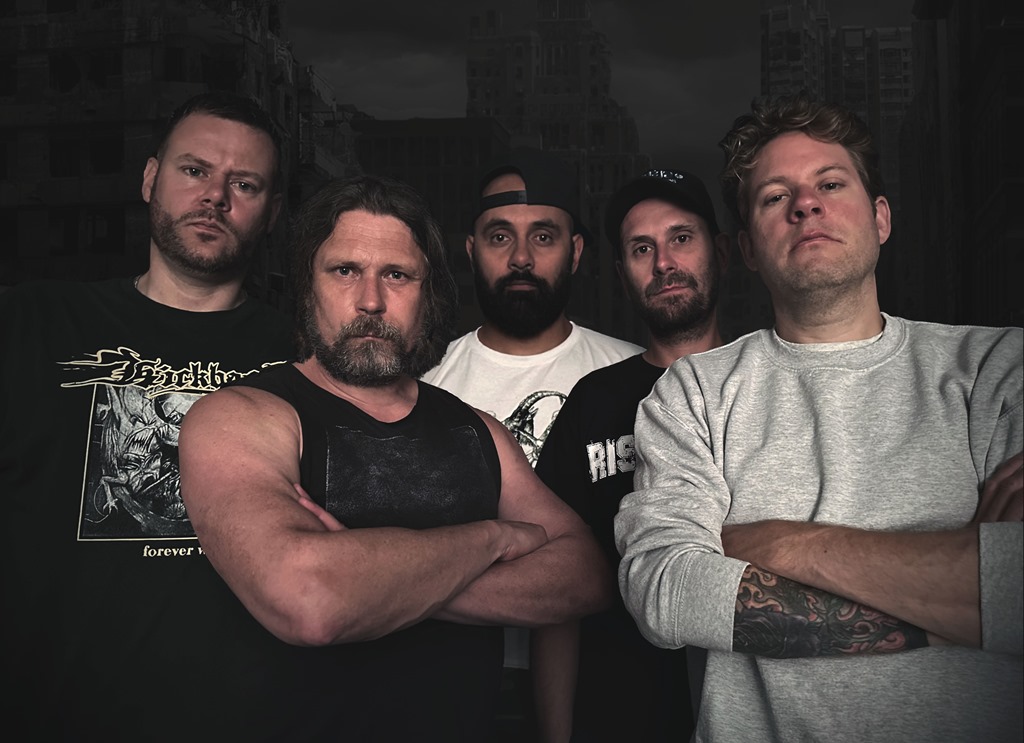
Dutch heavy hardcore gang LIES! dropped the video for ‘Propaganda,’ which serves as the second preview single from their upcoming album, Mind Pollution, set to be released on 8 December 2023.

Of the track, LIES! shares: “We’re thrilled to have Worst Doubt’s singer Hugo Zerrad on our latest single, ‘Propaganda.’ Our admiration for Worst Doubt’s music dates back quite a while since their debut. They combine Kickback with everything we like in metallic hardcore and metal. Hugo is a phenomenal creative artist. He also crafted the artwork for our album. So, this collaboration is a fusion of two artistic forces.

“The video for the song is a creation of Dark/Half Agency, Alfie, and our singer Rene. It reflects the turmoil described in the lyrics of the song — constantly inciting people, creating division, and addressing abuse of power. The world is in chaos, and this is particularly relevant. The song is short, powerful, and a tornado of aggression. An ideal anthem for moshing and headbanging, the song definitely sets the tone for the entire album, which leans towards heavy hardcore with a lot of metal influences.”

Watch the video here:

AA

band_photo_lies_01

PC: Rob van Sleen

Upcoming Shows – Dec/Jan:
Dec 18: Neushoorn, Leeuwarden (Netherlands)
Dec 28: TBA (Germany)
Dec 29: Holz, Niesky (Germany) /w Born From Pain 
Dec 30: TBA (Germany)
Jan 26: Fla Fla, Herford (Germany)
Jan 27: Available for booking

21st November 2023

Christopher Nosnibor

It’s now an established fact that many, if not most listeners make judgements on a song within seconds – to the extent that back in 2014, it was revealed a quarter of Spotify tracks get skipped within the first five seconds. And only thirty seconds or more counts as a stream. I suspect that figure may be even higher now, as attention spans have hardly increased in the last few years. I only speak for myself when I think of the jittery hours where scrolling and skipping has become more of a nervous twitch than social media engagement – although I still refuse to use Spotify, meaning any review request containing only a Spotify link is an instant rejection. It’s one way to filter the fifty-plus daily submissions.

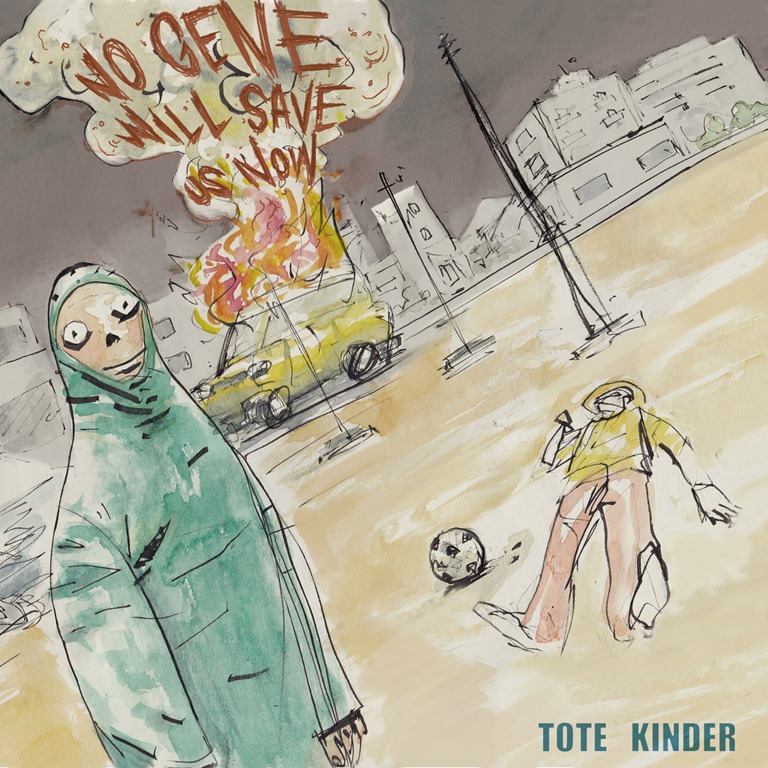
But while I’m likely to give a track more than five seconds, I am prone to making pretty snap decisions when it comes to new music. The chances are the squalling mess of noise that crashlands ‘Overfed’, the opening track on No Gene Will Save Us Now by Greek ‘machine-driven noise rick duo’ Tote Kinder will repel 95% of potential listeners in less then five seconds, because its skronking scrape of slanting, skewed guitar is an instant headache – and the very reason I love it immediately. It’s a shouty, angular mess of – well, everything, and probably the first time I’ve heard anything overtly mathy and a bit Truman’s Water using quite such a barrage of drums right up front. It’s like The Young Gods in collision with Daughters and slams hard between the eyes, and the crunchy bass-led ‘Permanent Damage’ is equally hard-hitting. Taking its guitar cues from Gang of Four, it’s noisy and difficult, despite its leaning towards a groove.

‘Hard to Swallow’ really is, arriving in a shrill blast of power electronics with overloading noise before plunging into darkness and with distorted bass and thudding relentless drums. It’s a hybrid of DAF and PIL, and it’s strong. It doesn’t stop. ‘Die Letzte Weste’ is all thumping beats and grinding bas, again reminiscent of DAF – at least until the blasting guitar noise crunches in, and thereafter, it’s Foetus and KMFDM who spring to mind, but there are others, too. This is some full-spectrum noise.

Tote Kinder are taut tight, poised, in their delivery of churning industrial noise. ‘The Falling Man’ is a sneering, snarling, industrial chug worthy of Filth Pig era ministry, a workout that froths with nihilism. The last couple of tracks don’t exactly offer a mellow finish – and nor should they.

No Gene Will Save Us Now may only contain seven tracks, but they’re all strong and incredibly hard-hitting. – and fittingly reminds us that we are all fucked. Why will people not accept or otherwise recognise this? They just continue as normal, booking their overseas holidays. We are so over. And this album will so break your head.

AA

a0565283797_10

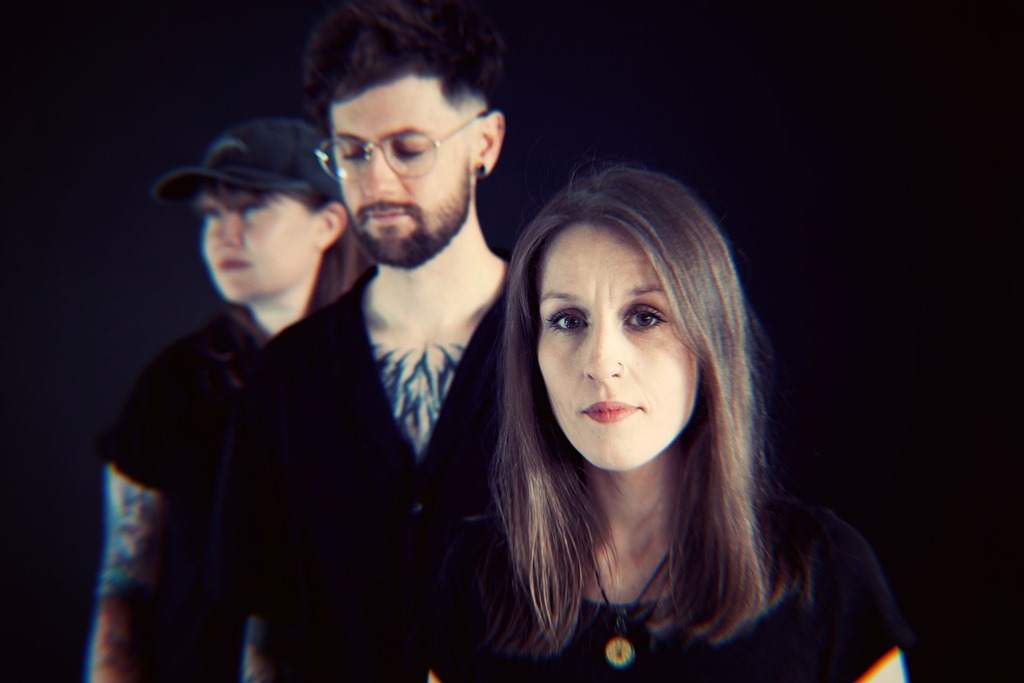
Scottish alt/post/progressive-rock outfit Midas Fall will release their fifth studio album, Cold Waves Divide Us on March 8th, 2024 worldwide on Monotreme Records.

Michael Hamilton joins founding members Elizabeth Heaton and Rowan Burn for the follow-up to their 2018 Prog Magazine Awards ‘Limelight Award’ winning album, Evaporate.

Cold Waves Divide Us sees Midas Fall at their most confidently visceral, each song moving beautifully between quiet and loud, gentle and crushing. “This album is a heavier and bigger experience than the last album”, says Heaton. “We kept the atmospheric strings and 80s synths of Evaporate but wanted to add heavier layered elements, to represent more what we sound like live.”

Today they also share the eponymous single from the album, with a dark sci-fi video from Sharon Ritossa and Gabriele Ottino of Riot Studio. The music builds slowly as Elizabeth Heaton’s voice floats gracefully above the growing force beneath it, against a racing visual landscape of "nature, but not-quite-as-we-know-it”.

According to Ottino, “We aimed to imbue this music video with the ambiance of a dystopian jungle. Nature is genetically altered by the virus of a hypercapitalist and hyperproductive civilization, where technology begins to gain consciousness. Instead of annihilating humans and plants, it opts to adapt and modify itself to exist within the bodies and limbs of those who have survived Earth’s catastrophes. No one perishes, no one lives as they did before; everything undergoes transformation.

The technique used is a mixed technique, combining footage, 3D, pure generative, and they were edited to create a narrative foundation. The next step involved passing various sections of the video through the AI Stable Diffusion tool to create surreal and unique environments, suggestions, forms, and textures.”

Watch the video here:

AA

HMqdvfBA

Criminal Records – 24th November 2023

Christopher Nosnibor

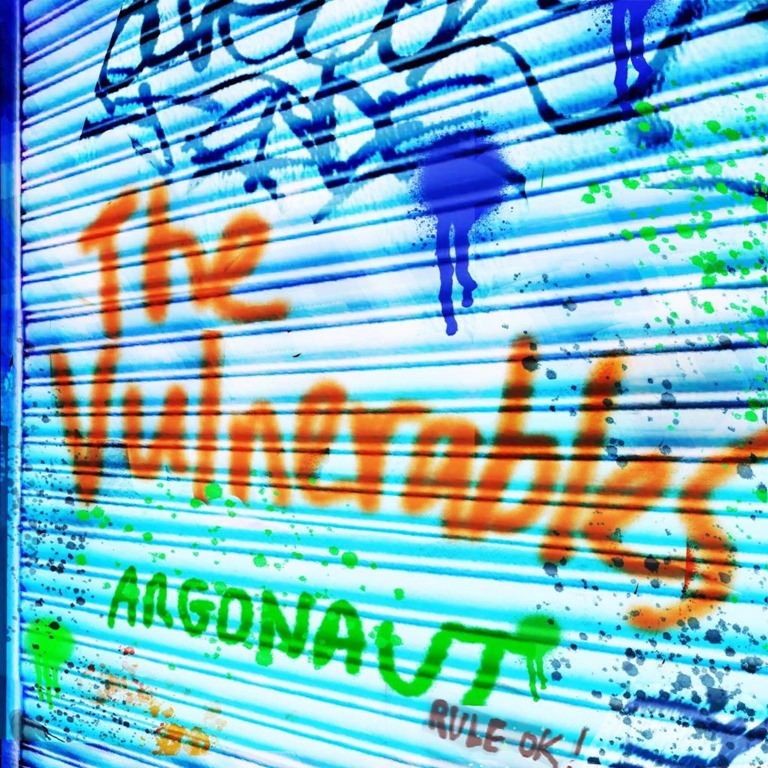
Regular readers – and fans of Argonaut – will have probably observed that we’ve been pretty consistent in plugging their open-ended album-in-progress Songs from the Black Hat, which has seen the li-fi DIY indie act self-release a song a month via BandCamp. But October’s tune is today getting an official release on a real label – namely Criminal Records, home of The Kut, with whom they’ve released two previous albums.

Nathan explains the band’s methodology for the album’s continual evolution this: “At band practices we each write song titles on slips of paper & put them in the hat. One is then picked at random. We jam around that title & see what alchemy occurs. Most times the magic flows & the combined band chemistry creates something we are really pleased with.”

With two previous albums on Criminal Records, Argonaut’s newest release is produced by Jack Ashley of Popes Of Chillitown, and mastered by The Kut who was drummer/producer on Argonaut’s self-titled debut.

I still can’t hear the world ‘vulnerable’ without thinking of Nathan Barley and an image of David Bowie pissing into a Dualit toaster, but perhaps, particularly since the pandemic and our government’s shameful treatment of the poor and the disabled, I’ve become significantly more sensitive to the way in which vulnerability can be life-shaping, and rarely in a positive way.

Whereas perhaps even in the not so distant past, vulnerability was perceived as being synonymous with weakness, a great many of us understand that it is a fundamental facet of the human condition, and recognise that almost everyone is vulnerable in some way at some time or another. This may not be true of the right-wing tossers who scoff at showing vulnerability – or sensitivity to it – as being ‘soft’ and ‘woke’, but anyone who is a reasonable human being can empathise with how circumstance and life events can place strain on an individual, and just as we’re getting to a place where we can talk about mental health without being stigmatised, so we appreciate that to show vulnerability in fact requires strength in a way we didn’t not so long ago.

The fact that ‘we’ are the vulnerables – all of us – is the crux of the song’s lyrics, along with the painful truth that others will exploit vulnerability for their own ends:.

We are the vulnerables

And we are being used

We are the vulnerables

Me and you and you and me and you

Because it’s Argonaut, it’s a natty tune in the classic indie / alternative style: Lorna’s vocals are sweet and ultra-poppy and there’s both jangle and bounce to the instrumentation – but Nathan can’t resist bringing blasts of fizzy, fuzzy distorted guitar. It all stacks up to a superbly catchy indie pop tune from a band who have quite a catalogue to catchy indie pop tunes to their credit, and no doubt plenty more to come.

AA

SUq2Y0pg

No words needed: just check it.