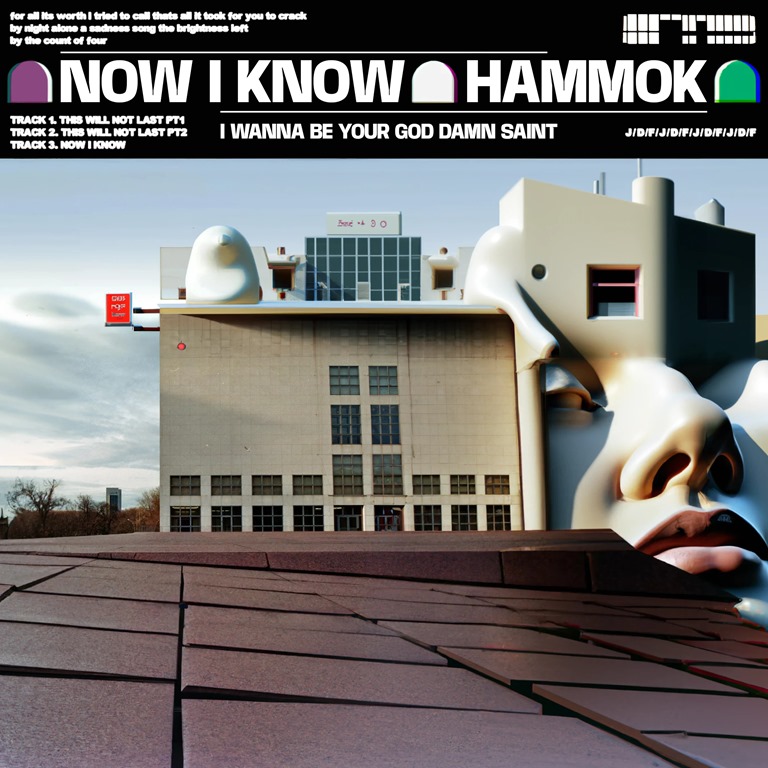
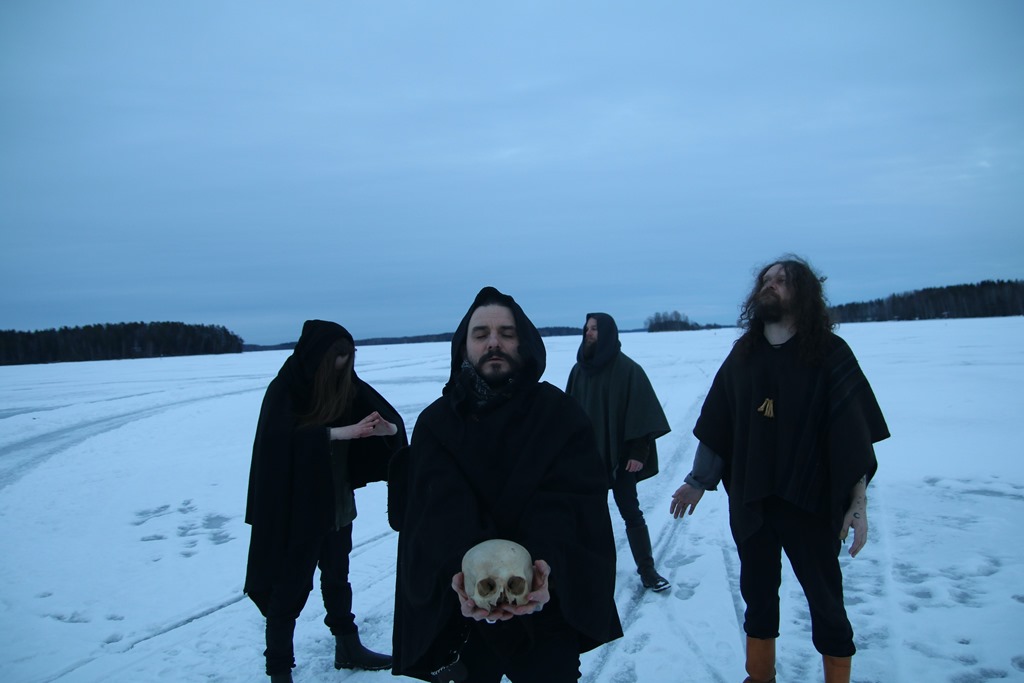
And so it goes that ‘In 2022, Norway’s Hammok released their first EP ‘Jumping/Dancing/Fighting’ and received very good reviews in publications such as Distorted Mag and Pitchfork – and we fucking loved it, too.
The press pitch for the Oslo-based trio’s follow-up, Now I Know, promises ‘a new chapter for the band [which] takes listeners on a vast and powerful journey, beginning on a more bright tone with the band exploring their more introspective and emotionally intense side and gradually drifting towards a more heavier and ferocious approach, reaching levels of fury and intensity never explored before.’
Predictably, perhaps, then, we fucking love this, too.
The EP comprises three tracks: ‘This Will Not Last’ parts one and two, and the title tune, and immediately, with ‘This Will Not Last PT 1’, the shift from the previous release is apparent. The vocals are still trained and straining, angry, aggressive, but they’re swamped in reverb as the instrumentation forges an almost shoegazey, dream pop curtain of sound. The thick, blooping, glooping bass and other key elements are still present but they’re all softer, meaning there’s no gut-punching blasts like ‘Contrapoint’ here. That isn’t to say it’s entirely mellow: it does break into a driving riff propelled by pounding drums and a blizzard of guitar around the mid-section, then takes a turn for the darker in the final minute. Perversely, as much as it’s a pristine slice of post-punk / noise rock crossover, it equally makes me think of a hardcore version of The Twilight Sad and I Like Trains.
‘This Will Not Last PT 2’, released as a preview, is the most accessible and melodic song on the EP, and is their most commercial cut to date by a mile, presenting a melodic, post-hardcore face. Melody is relative, mind you. It’s hardly The Coors. It sits strangely ahead of ‘Now I Know’ which is dense and dark and abrasive in its roaring rage and frantic pace. The guitars chop and churn, and by the close, Tobias Osland is practically spraying his flayed larynx in spatters on the floor as he purges his final howls of obliterative fury.
Hammok have expanded both their sound and range, but while there are softer moments, it would be a mistake to say that they’ve softened overall – and the softer moments only serve to give the hard blasts even greater impact, making for a second killer EP.
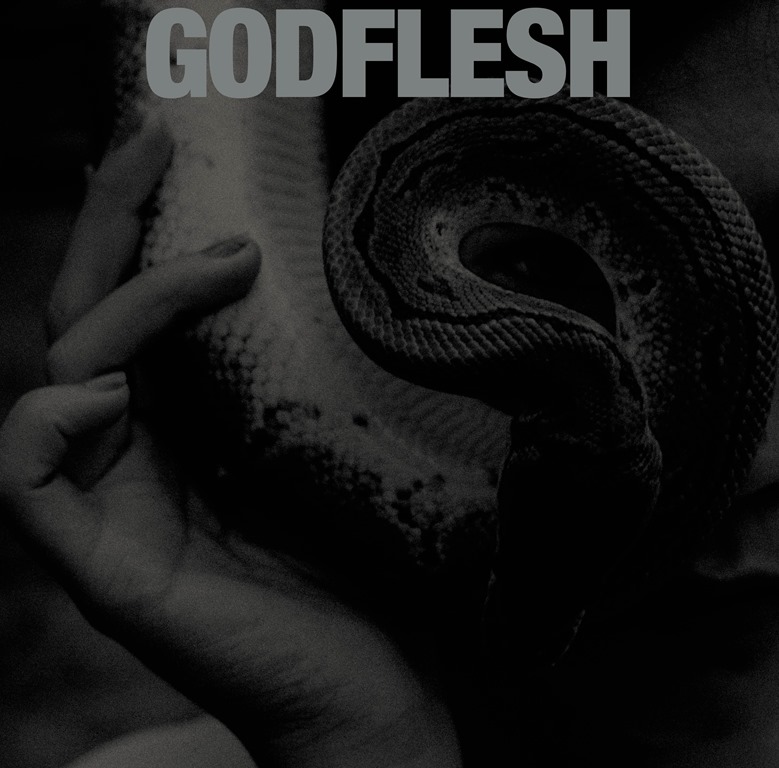
Godflesh share new track "LAND LORD" from their forthcoming album, PURGE. It’s a track which spirals out in pent-up rage from the first second, distorting and mutating 90’s drum and bass through the Godflesh filter.
About the track Justin comments, “’LAND LORD’ references ownership, entitlement and the objectification of human beings, as practised by almost anyone who wields power.”
Listen to ‘Land Lord’ here:
With the highly anticipated new album PURGE, Godflesh brings a whole host of new dirges and laments. Amongst the many layers of dirt, PURGE mangles 90s hip hop grooves and puts them through the Godflesh filter to create something futuristic in style – and utterly unique.
Both minimal and maximal, Godflesh deliver alien grooves that swing whilst also retaining the psychedelic, bad trip edge with layer upon layer of filth and heaviness – that Godflesh have always been known for. This is, and always has been, feel-bad music.
The title alone – PURGE – references directly how songwriter and creator Justin K. Broadrick utilises Godflesh’s music as a temporary relief from his diagnosed autism and PTSD. It’s the next stage in a journey he has been on since he began creating music, feeling alone and like an outsider in any scene or group, from childhood through to adulthood.
The music of Godflesh gives Broadrick the means to express a lifetime of feeling misunderstood and overwhelmed by hyper-sensitivity. The band is the vehicle to provide some sense of catharsis and transcendence; a way of communicating overload, as well as the constant disenchantment at the human condition, and man’s abuse of power and the systems that chain us.
PURGE references the cycle of horror that man always has and always will put us through; those in positions of power revel in the infliction of pain and horror upon individuals – in the name of their religion, their power, their money, their flags…
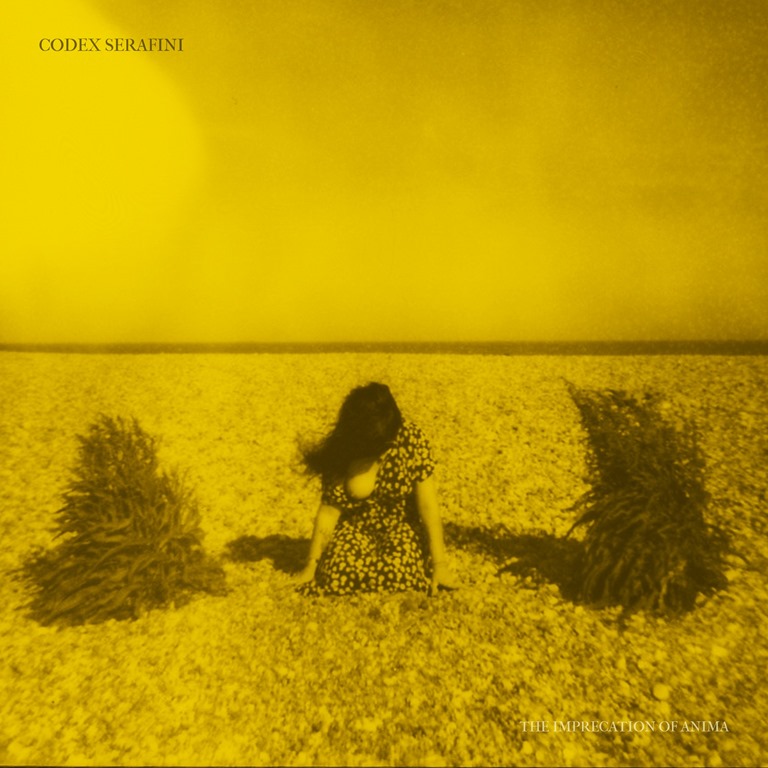
Having had something of a chuckle at Henge for their pseudo-space mythology and psychedelic psilliness, I find myself squaring up to purveyors of genre-straddling experimental doom, Codex Serafani. Their biography explains: ‘Their journey started a long time ago, some say on Saturn, some say in the subconscious of the human psyche, coming out in different manners through the ages, channeled by mystics, witch doctors, shamans, free thinkers, free spirits. But we do know that what has become Codex Serafini travelled here from their home world on Enceladus in 2019 and crash landed into the music scene of Sussex.’ Of course they did.
But what are the chances that a I’m writing this review, an article from The Guardian pops up in my news feed reporting on how astronomers have spotted a six-thousand mile plume of water vapour blasting from Enceladus – a small moon belonging to Saturn believed to be one of the most promising places in the solar system to find life beyond Earth? As coincidences go, this was an usual one, and one which befits this band.
With a name which references Luigi Serafini’s Codex Seraphinianus, an illustrated encyclopaedia of an imaginary world, written in an imaginary language, it’s clear these guys have a keen interest in the realms of fantasy and mythology, to state it lightly.
I suppose that the concept piece whereby the concept includes the artist as much as, if not more than, the album goes back to Bowie – but back in 1972, this was new and novel, and moreover, Bowie was unique and an artist whom you could almost believe was from another planet. But even then, however much the concept became all-encompassing, it was also clear that the concept was a persona. But to base an entire career on a persona – not a media or public persona, but a far-fetched one which requires the suspension of disbelief – can be somewhat limiting. Where do you go when you’ve explored the concept to its logical limits?
In creating such a vast and multi-faceted alternative universe, Codex Serafini have ensured an abundance of time and space in which to explore and expand their concept, and rather than it being self-limiting, the challenge will be to test the capacity of their imagination, not only conceptually, but also musically.
While the adage that you should never judge a book by its cover hold some merit, one can tell much about an album by the ratio of its duration to the number of tracks, and The Imprecation Of Anima has a running time in excess of forty-five minutes and contains just four tracks. We know we’re in ‘epic’ territory before hearing a note, and the first of the four compositions, ‘Manzarek’s Secret’ unfurls slowly with a long droning organ (which one suspects is no coincidental nod to The Doors) and chiming percussion. It’s not long before a thick, gritty bass and reverb-heavy vocal incantations are joined by some wild brass to burst into the first of numerous big, jazz-flavoured crescendos. At nine-and-a-half minutes long, it’s epic, but only an introduction ahead of the fifteen-minute swirling mystical monster that is ‘Mujer Espritu’, which brims with Eastern promise and sprawls in all directions at once.
Single release ‘I Am Sorrow, I Am Lust’ is perhaps the least representative song of the album as a whole: it’s snappy, exuberant, uptempo, jazzy, rocky, busy, climactic, and fairly structured – and clocking in at three minutes, it feels like a single when standing alone, but more like an aberrant interlude in context of the album ahead of the seventeen-and-a-quarter minute ‘Animus in Decay’. Now this is a wig-out! It’s heavily psychedelic and transitions through a succession of passages on the path to – what? Enlightenment? It’s certainly a journey, whichever angle you approach it from. It builds and grows in volume and tempo, then falls again and there are some expansive ponderous sections and shifts like sand dunes in a vast sonic expanse.
And so it may be that the concept is a little daft, but they deliver The Imprecation Of Anima – a work that’s as ambitious as it is immense – with absolute conviction, and the vast sound pulls you into Codex Serafini’s (other) world. Inventive and accomplished, it’s a truly mighty record.
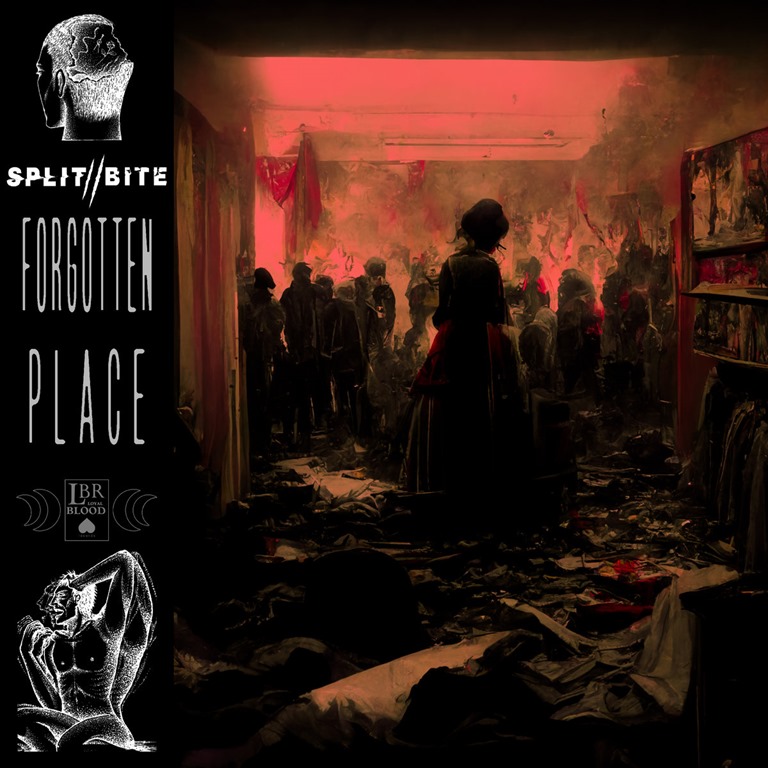
Norwegian metallic hardcore four-piece group SPLIT//BITE have recently shared a new song off the band’s debut EP, which is set to be released on June 9th via Loyal Blood Records.
SPLIT // BITE is a fresh new four-piece group from Bergen, Norway, yet all members have a vast experience in other projects from the local hardcore and metal scene. The band’s debut EP "404 ends" shows a highly-energized quartet playing a chaotic and pummeling metallic hardcore full of heavy riffs and caustic vocals.
Set for release on June 9th via Loyal Blood Records, this new EP is according to the band "about establishing a precedence in a society defined by cultural norms adapted to your average joe. With this we bring about subjects like existential anxiety, apathy, and also artistic freedom. We preach this through our intensive tempo, and a clear message from start to end."
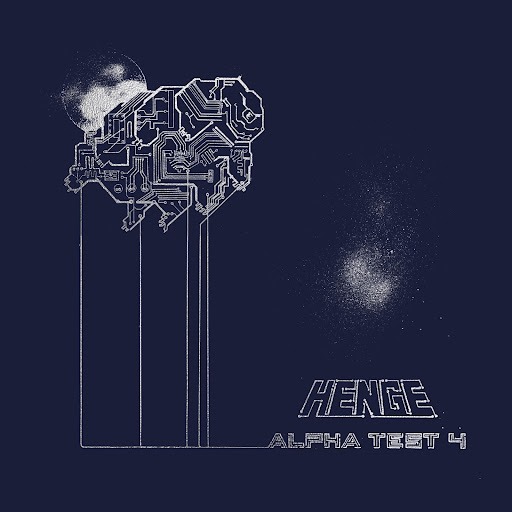
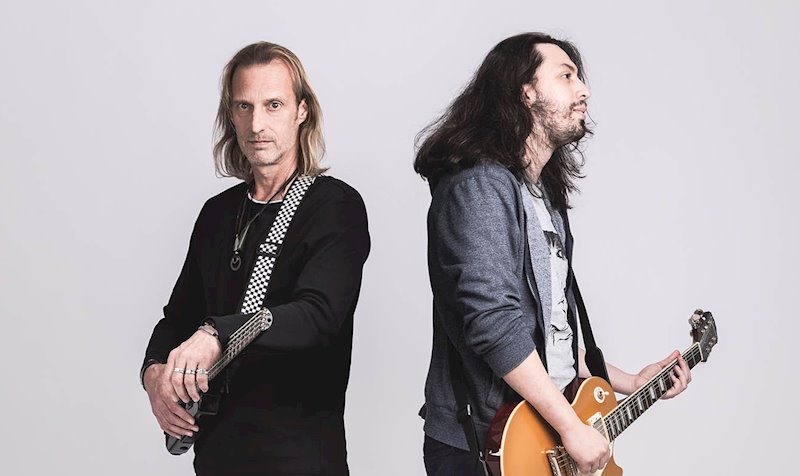
When it comes to spaced-out, trippy conceptual stuff, I can’t help but wonder if large quantities of drugs are involved, or of the creators are just a bit crackers. Their debut album Attention Earth! Featured a song called ‘Mushroom One’, which makes mee think drugs – or perhaps just the image they want to portray. The members of HENGE, Mancunian purveyors of self-styled ‘cosmic dross’ go by the names of Zpor, Goo, Grok and Nom, and Zpor, their ‘front-being’, explains of the new album: “Alpha Test 4 is our third Planet Earth LP release. With each record we have sought to fine tune our extraterrestrial sounds for human ears, optimising these alien frequencies in order to more effectively access the pleasure sensors in the Sapien brain…We believe that the wisest lifeforms are always open to new learning, and we have been conducting our own studies on the human beings that we’ve encountered on Earth so far. We have discovered that exposure to this alien music can have a profound effect on the human nervous system, and have recorded an average increase of 72% in the happiness levels of human specimens attending our experiments”.
If you’re going to do performance, you need to commit to it completely: there can be no half-measures, no stepping out of character off stage, and HENGE clearly live and breathe being HENGE, and one would like to think they’re entirely aware of the absurdity of it all, but happy with the trade of preserving the identities they enjoy at home and in their dayjobs or whatever. I’m going to at least hope that Zpor doesn’t insist that his wife and kids and colleagues address him as such.
Alpha Test 4 is noodly, doodly, silly fun that harks back to the 70s with its cheesy, wibbly synths and tinfoil futurism that was retro even at the time. It’s not so much prog in its primary inspirations, so much as ‘Where’s Captain Kirk?’
‘DNA’ brings stupid funk and daft robotix vocals and it’s probably fun if you’re into it, but mostly it’s annoying: their space-age daft Punk shtick just feels obvious, derivative, passé. And yes, everything is just recycling now: that was postmodernism, where we accepted that originality was dead and celebrated that the future was built on assimilations and permutations of the past. Progress lay in the innovations of new hybrids and how genres were intermingled, and we reached a point, I’m not quite sure when, where it all came down to the execution. It ain’t what you do, it’s the way that you do it… and HENGE do it, and with wild abandon and great enthusiasm.
But great energy does not make for a great record on its own. Alpha Test 4 is bursting with energy and brimming with bubby synths: ‘Ra’ is exemplary, an explosion of Lucozade and Red Bull-fuelled 8-bit twitchy pop that crosses XTC with D‘n’B, and spins in a dash of Eastern promise alongside a swirl of experimentation. The worst excesses of YES are tossed into the mix along with Jean Michele Jarre and Yello. It has its moments, but most of those moments are indulgent and rather corny. But HENGE likely know this and don’t care, because unless they are from another planet and spent their time hovering in space, they’re aware and self-aware, and grasp the absurdity of what they do with both hands before jettisoning the junk, and no doubts regardless of my views – and likely because of them since the chances are everything I dislike is everything fans love – Alpha Test4 will go stratospheric.
THE NOISE WHO RUNS presents the single ‘New York To L.A. In 2-And-A-Half Minutes’, underlining the urgency of frenetic and rhythmic energy. Here, the speed of travel is symbolic as the sign of progress that, like so many technologies, save us time at the expense of experience, possibilities and chance. Upon moving from northern England to Lille, France, IAN PICKERING (of SNEAKER PIMPS and FRONT LINE ASSEMBLY) formed this duo together with Brazilian-French guitarist FELIPE GOES. The duo’s newly-released Preteretrospective album has received critical acclaim, including from us here at Aural Aggravation.
Inspired by commentary about the space probe observing the sun, Pickering says of the new single, “That line – ‘New York to L.A. in 2-and-a-half minutes’ – instantly just starts painting pictures of an insane future, good or bad, at a certain cost, which is now too much, gone too far, that maybe what matters is not just everything that we take for granted, but more everything that we’re always complaining and bellyaching about. From that line, it pretty much all fell together.”
Pow! Sometimes an album will sit in your ‘to play’ pile – physical or virtual – and after a time you wonder if it’s perhaps too late, you’ve missed the moment. But time-panic is just another construct, and it’s never too late. The whole time-frame issue when it comes to music releases, books, anything, is just a question of commercialism. If an album’s not hit critical mass and peak streams on the week of release, it’s deemed a failure, sunk. PR campaigns are deemed failures and bands get ditched by labels, and it’s all symptomatic of our culture of instant gratification. So many of the most culturally significant bands didn’t find their stride until three or four albums in and likely wouldn’t have had the opportunity in the modern climate, which is all about the short term. Thankfully, outside of the mainstream, things are a little less pressured, and there’s an understanding, an acceptance, that things often have a slow diffusion, perhaps not least of all because there’s less scope for pre-release airplay and the like which lead to the release-week bang.
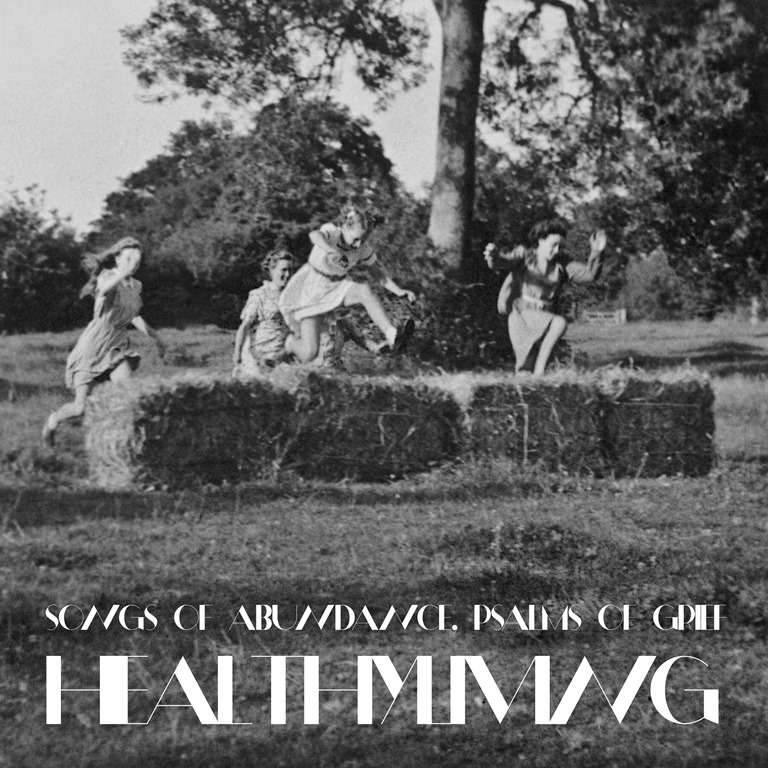
Songs of Abundance, Psalms of Grief came out in April, but then, in the scheme of things, it’s still very much a new release – and it’s a quite remarkable one, at that. It’s atmospheric and intense, combining elements of post-rock and post-metal with operatic vocals and it’s one of those albums that grips from the very start: opener ‘Until’ arrives in a flurry of energy and it’s bold and immense and so, so powerful. There are some big guitars and strong drumming and everything comes together with a density and power. But if the first impressions suggest another act in the vein of Chelsea Wolfe, the album as a whole showcases a quite different style.
As vocalist Amaya López-Carromero explains: “The magic of musical composition/songwriting for me lies in its capacity to create worlds outside of reality where both performers and listeners can explore and process things. A sort of microholiday from everyday life or an exciting meditative state, so I hope that we can share this experience with anyone who listens to the album.”
Songs of Abundance, Psalms of Grief very much conveys a sense of separation and detachment from the humdrum, and possesses an elemental quality that has the capacity to lift the listener elsewhere, in a world of its own. It’s also unexpectedly varied, and the chunky, rattling bass on ‘Dream Hive’ is only one factor – albeit a dominant one – in a layered, textured work. Galleries’ is a true epic: hypnotic, richly textured, it has simultaneously a soaring airiness and the earthy heft of Neurosis, and it’s a potent combination.
‘To the Fields’ reaches a blistering crescendo, during which Amaya’s vocals reach a new height of impact, sending shivers down the spine. Then, ‘To the Gallows’ rushes in on a wave of thunderous percussion before Amaya powers in with some high-impact vocals which border on the witchy. She’s an incredible vocalist, powerful and versatile, and her singing is imbued with a kind of pure spirituality.
‘Bloom’ is something of a contrast, manifesting as clean, wistful indie pop – at least to begin with, before it goes big and brooding, while ‘Ghost Limb’ is a glorious slow-burner which paves the way for ‘Obey’, which closes off the album in strong style, another emotionally-intense song with a gradual build and strong dynamics.
Songs of Abundance, Psalms of Grief is one of those albums that is an instant grab, but continues to yield more with each subsequent listen. And for its variety, there isn’t a song which sounds out of place, or weaker than its counterparts. It’s not solid, it’s stunning, from beginning to end.
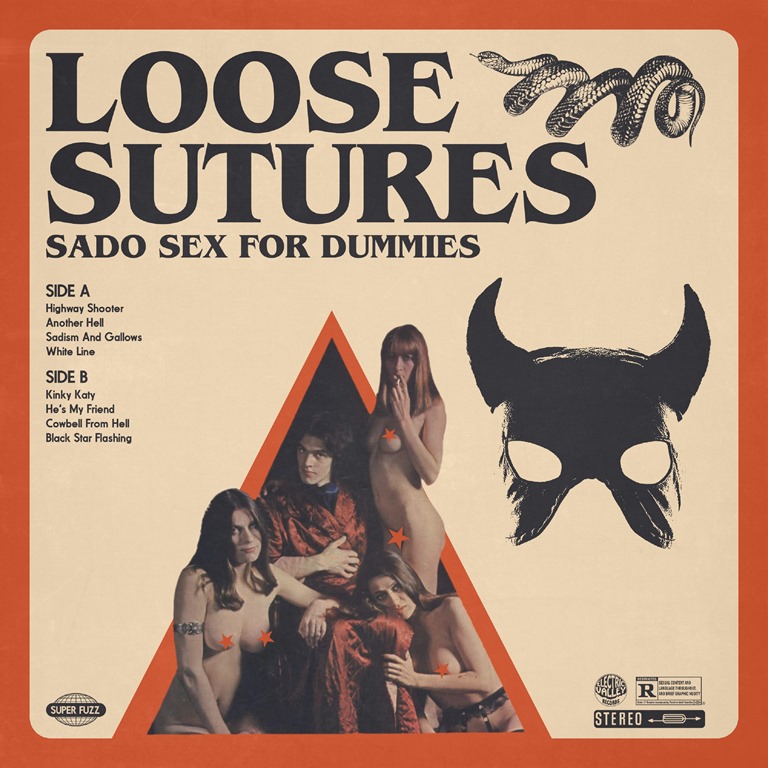
Fuzzy stoner/garage punk group Loose Sutures has released their third record, Sado Sex for Dummies, today (26 May) via Electric Valley Records. The Sardinian act’s first studio outing as a trio, the album features a couple of other guests, including the heavy rock royalties Nick Oliveri and Alain Johannes.
States Loose Sutures: “Sado Sex for Dummies is the ultimate guide for all the pervs across the globe! On this sticky tour, you’ll find all you need: how to escape from a party gone wrong and survive a spell to your bone, chronicles from a highway shooter, valentines from Lucifer, and so much more. So whip out the whips and let’s welcome violence!”
Listen here:
Assembled in 2019 by four roughnecks, Loose Sutures plays classic ’70s riffs with a pinch of modern punk attitude, conjuring a blend of stoner and garage energy and displaying an abundance of evil beats, venomous fuzzes, and raunchy lyrics. Loose Sutures’ music has been praised by fans and critics for evoking a dark and seductive atmosphere reminiscent of cult exploitation movies.
Depicting killer profiles and kinky love stories, the Sardinian group presented their self-titled debut LP in March 2020 via Electric Valley Records. They followed it up with the sophomore album, A Gash with Sharp Teeth and Other Tales, the following year via Electric Valley Records; it later saw a Japanese edition in the Spring of 2022. Introducing the newly recruited Giuseppe Hussain (who replaced Gianpaolo Cherchi, guitars/vocals), the album is “a journey delving into lust with filthy guitars, stoned rhythms, and creepy voices escorting you deep inside the sticky core of what you fear yet desire at the same time.”
Loose Sutures again encountered a lineup change in 2022 when Giuseppe Hussain left the band, leaving the band to operate as a trio. It was a setback, but they refused to let it hold them back. Longtime fellow Marco “Grey” Manca joined to take care of the role of Giuseppe on the “High Heeled Barbarians Tour” around Europe the same year. Sado Sex for Dummies, as the name hints, is a complete handbook to satisfy the needs of the pervs, sadists, and killers out there. An invitation to indulge in fuzz-drenched, punk-‘n-roll violence, this third record from Loose Sutures has no shortage of lurid stories. While there is a touch of evolution, the album has not strayed too far from the band’s established hard, fast, and crude sound. To add more spice to some songs, the album features some guest musicians, including the legendary Nick Oliveri and Alain Johannes.
Get ready to be taken on a frenzied ride into the depths of your darkest desires.
Finland’s Hexvessel return on 22nd September (Svart Records) with their sixth album, Polar Veil, a cold, metallic hymn to the Sub Arctic North. Haunted by primal forest spirits, Mat “Kvohst” McNerney summons the ghosts of his past in a jaw-dropping, unheard-of rebirth of style and sound. At once unmistakably Hexvessel, Polar Veil is also steeped in the nocturnal atmosphere of McNerney’s past, churned in the cauldron of Black Metal, Ritual Folk Psychedelia and Doom Rock, and echoing with shivering Gothic undertones.
From their inception in 2009, Hexvessel, created by Mat McNerney as what he described to Decibel Magazine as “a free spiritual journey and a musical odyssey with no boundaries”, have captivated audiences and listeners with their evolution.
Holed up in a home-made studio in his log cabin during the winter of 2022, McNerney drew on all the fundamental elements of his music career as a shamanic shapeshifter, with only the isolation of nature’s solitude as inspiration. Painting an aura with Polar Veil which resonates with solitary reflection and themes of personal spiritual transcendence, Hexvessel’s new album is a bold statement from an artist who continues to reinvent and explore nature mysticism through music.
“Nature represents freedom, darkness and the call of the wild. Black Metal has always been at the borders of my sound and playing, at the heart of everything I do. Tradition, nature, ritual, mythology, mysticism and philosophy, along with clashing and jarring chords have always been synonymous with Hexvessel. It was natural with Polar Veil, finally now as we reach the zenith of the journey, that these influences surface to the human ear, and with the freezing cold guitar sound that the climate here demands.”
A track such as ‘Crepuscular Creatures’, with unhinged, discordant guitar chords, as bassist Ville Hakonen’s hand snakes up and down the frets, is at the more avant-garde end of the album. Long term drummer Jukka Rämänen thundering the toms like never before, as McNerney croons Scott Walker-esque lyrics, somewhere between Edith Södergran and Ted Hughes.
Whereas ‘Listen To The River’ with its ominous M.R James/Folk Horror lyrics of perilous environmental warning, featuring Ben Chisholm main collaborator and multi-instrumentalist with Chelsea Wolfe on lush, haunting keys and strings, could have appeared on Hexvessel’s sophomore album No Holier Temple, albeit with a sound of that era, progressing out of Folk.
Polar Veil features Nameless Void from Negative Plane, performing the guitar solo on the song ‘Ring’ and on ‘Older Than The Gods’, Okoi from Bølzer provides guest vocals. At first an unlikely partnership but one that makes total sense as the album deepens, and threads can be drawn that reveal the place Polar Veil is coming from.
On the process of recording Polar Veil, McNerney explains:
“I built a studio at home in the log hut on our field, surrounded by large trees, called Pine Hill, to escape from everything and everyone. Polar Veil is what a spiritual home sounds like.”
When the components of the medicine are familiar but brewed in a completely novel concoction, the resulting side effects can be deliriously intoxicating. Peer behind this Polar Veil for a breath of fresh tundra air with the video for Hexvessel’s new single ‘Older Than The Gods’. Watch it here:
London ‘synth-punk passion project’ Kill, The Icon, fronted by NHS Dr Nishant Joshi have been building their presence nicely in recent with a series of strong singles, kicking off with ‘Buddhist Monk’ in late 2021, and the trio have been kicking ass with pissed-off, politically-charged sonic blasts ever since, and gaining significant airplay and critical acclaim in the process.
The bio and background, for those unfamiliar with the band, is worth visiting, as the context of the music is important. As much as Kill, The Icon are a part of a growing swell of artists who are using their music to not only channel their frustration and to voice their dissent – in a way which can’t get them arrested, at least not at the moment, no doubt to Suella Braverman’s irritation – Joshi is also very much an activist.
Joshi made national headlines during the pandemic, being the first frontline NHS doctor to go public with concerns that staff were not being protected. In true punk rock style Joshi and his wife then launched a legal challenge against the government. They won the case, making huge change and were recognised by The FA and England’s football team. Fueled with frustration, in the summer of 2020 KILL, THE ICON! was born as an extension of Joshi’s activism.
You certainly couldn’t accuse these guys of being all mouth and no action, but of course, the power of music as a unifying force should never be underestimated, particularly when our government’s modus operandi is to divide enfeeble the populace. It wasn’t just Brexit, which say the country not so much split and cleaved in twain: now there is a war being waged on benefit claimants (or scroungers and fraudsters, as they’re portrayed, dehumanising society’s most vulnerable in the process); a war on woke (anyone who is opposed to racism, misogyny, homophobia is the enemy); a war on migration… everything is cut between ‘us’ and ‘them’, and the smaller the splinters, the less the likelihood of meaningful, coherent opposition, especially when even so much as having a placard in your car boot is likely to lead to a pre-emptive arrest.
While the four tracks on Your Anger is Rational have been released as singles in the run-up to its release, with ‘Danny Is A Hate Preacher’ landing just ahead of the release date, packaging them together as an EP presents a precise statement of what they’re about.
It’s ‘Heavy Heart’ that’s up first, a no-messing ballsy banger that calls out the racism that’s not only rife but seemingly accepted post-Brexit, and the second track, the gothy ‘Deathwish’ (accompanied by the first AI promo video) steps up on this, with its refrain of ‘No blacks! No dogs! No Irish!’. ‘They used to whisper / And now they shout’, Joshi observes, and sadly it’s true. For a time, it felt like we had progressed from the casual racism of our grandparents – I remember feeling uncomfortable hearing my late grandmother talk – without malice – about ‘darkies’ and ‘coloureds’, and feeling a certain lightness of being at the sense we had moved on, stamping out the BNP and becoming more inclusive… but then the right has risen again with Farage and UKIP and Britain First and Stephen Yaxley-Lennon and in the blink of an eye there are flag-waving racist cunts everywhere and Christ it’s fucking ugly.
And as much as Your Anger is Rational is a unified work musically, it’s lyrically and thematically that it really comes together. With a hard, driving bass to the fore, ‘Danny Is A Hate Preacher’ explores how indoctrination from an early age spawns the next generation of wrongheadedness, how violence begets violence, and I’m reminded of Larkin’s ‘This Be the Verse’. Your parents really do fuck you up. And now it’s not just parents taking kids to racist rallies, kids are being moulded by ‘influencers’ like Andrew Tate, and again, adults are buying into and propagating this obnoxious shit too: I’ve had to defriend a number of people on Facebook for sharing his content. My anger is, indeed, rational: we’re surrounded by cunts.
The last track, ‘Protect the Band’ is slower, more measured, but again, it’s a bass-dominated grinder with a monster groove, and it’s all pinned tightly together with some sturdy drumming and it’s a magnificent dismantlement of corporate hierarchies and the way they oppress workers into subservience. Protect the brand! But will the brand protect its staff? Will it fuck.
As much as Kill, the Icon are punk in aesthetic and sentiment, they’re very much new wave in their sound and approach. And while they’re strong on the punchy slogans and lyrical repetitions, KTI are more articulate and more nuanced than your average rabble-rousing punkers.
There isn’t a weak track in here. Musically, sonically, lyrically, they’ve got everything nailed and it’s tight: there’s no waste, everything is measured and weighed for maximum impact, but it’s still delivered with a coolness and a real groove, which makes this absolutely killer work.

 Aural Aggravation