Posts Tagged ‘goth’

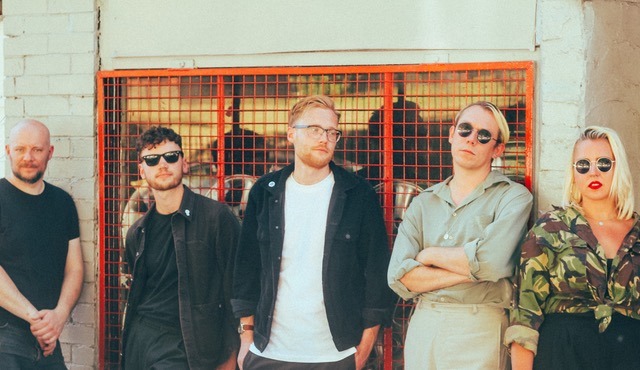
A Storm of Light return with a new record. Five years after their last studio album (Nation To Flames, Southern Lord), Josh Graham and his companions Chris Common, Dan Hawkins and Domenic Seita have completed their fifth full length Anthroscene, to be released via Consouling Sounds (EU and UK), Translation Loss (US) and Daymare (JP) on 5th October.

Josh Graham explains the different mood on this record: "Anthroscene ignores genre and freely combines a lot our our early influences. Christian Death, The Cure, Discharge, Lard, Fugazi, Big Black, Ministry, Pailhead, Melvins, Pink Floyd, Killing Joke, NIN, Tool, etc.  Where Nations to Flames was a very a focused sonic assault, this record has more time to breathe, yet still keeps the intensity intact. We allowed the songs to venture into new territory and push our personal boundaries. It’s heavy and intense, but always focuses on interwoven melodies, song structure and dynamic. Bringing Dan Hawkins (old friend and high school bandmate) on second guitar and keyboards, has further expanded the album’s palette".

Lyrically the songs are an honest, brutal and emotional response to what is happening all around us: the disaster of American politics, racism, greed, climate change, climate change denial, nationalism, war, refugees, and how technology is actively changing us as human beings. 

Josh continues… “The current events happening across the planet right now are very overwhelming. It’s difficult not to feel very hopeless at times. This record is a big cathartic release….not offering much in the way of fixes, but serving more as a surreal document of our current times.“

Ahead of the album, they’ve served up ‘Slow Motion Apocalypse’  as a taster. Get your lugs round it here:
Christopher Nosnibor

Leeds synth-led post-punk outfit FEHM have mellowed a fair bit since they first burst onto stages in and around their hometown three or four years ago. New single, ‘Scarborough Warning’ may lack the abrasive edges and wild, wide-eyed bass-driven gothy mania of early songs like ‘Sinking Sands’, but that isn’t to say this more commercial sound is without edge.

This means that while Paul Riddle’s frenzied holler has softened to a brooding croon, and the instrumentation sounds less like X-Mal Deutschland and more like early Human League with a hefty dash of The Cure in the mix, not to mention a lead guitar part that’s pure (early) New Order, there’s a dark, melancholy edge to this slice of disco-pop. It’s heavy on reverb and imbued with a nagging wistfulness, and it’s also still deeply rooted in the first half of the 1980s.

I dig.

AA

AA

FEHM will also be playing a handful of dates in August support of the release:

2nd: The New Adelphi, Hull

3rd: The Brudenell Social Club, Leeds (With full supporting line up including Drahla)

9th:The Underground, Newcastle

10th: The Castle, Manchester

11th, The Shacklewell Arms, London

FEHM

1st June 2018

Christopher Nosnibor

It all starts with an air-raid siren. A historical sound with connotations of WW2 for many, but still heard in places like South Korea and Japan, it’s a sound which provokes an almost biologically-wired shudder of unease. They may only be tests, but the sound of sirens in the last 12 months reminds us that stability is but precarious. And then the snaking, surfy bass strolls in, awash with reverb… and then the guitars… It’s all pinned to a locked-down groove, and Trond Fagernes’ voice rises up from amidst it all as if from the back of a cathedral. You saw it all coming, right? They obviously did and approach by stealth, before building to a whiling cacophony by way of a climax. But for all of its noise and tension, this feels more introspective than anything they’ve done before.

Norway’s Mayflower Madame draw heavily on post-punk influences – music born out of the dark days of the early 80s, corresponding with the period when cold war tensions escalated to warrant the labelling of ‘the second cold war’, and the economic boom years widened the chasm between the haves and have-nots was rendered more conspicuous by the rise of the yuppie. And so on.

What Mayflower Madame bring to the gothy party is a potent dose of Nordic noir psych and a dash of shoegaze, all doused in massive reverb, and the four tracks on Premonition continue the trajectory of their 2016 debut album, Observed in a Dream.

The claustrophobic focus continues on the swirling, shoegazy ‘Before I Fall’; the guitars twang through a gauze of drifting synths and echoey fx that create a certain distance between the listener and the actual song, an unusual sense of both space and an absence of space. ‘Alma’s Sermon’ is centred around a backed-off yet insistent motoric beat and has greater immediacy and – it’s all relative – upbeat vibe. But then closer ‘Siders Seek’ plunges deeper into darkness: a paranoid shiver runs down the spine of the track’s tremulous guitars, and everything about the song’s construction seems to be about concentrating the tension. And yes, this is tense.

AA

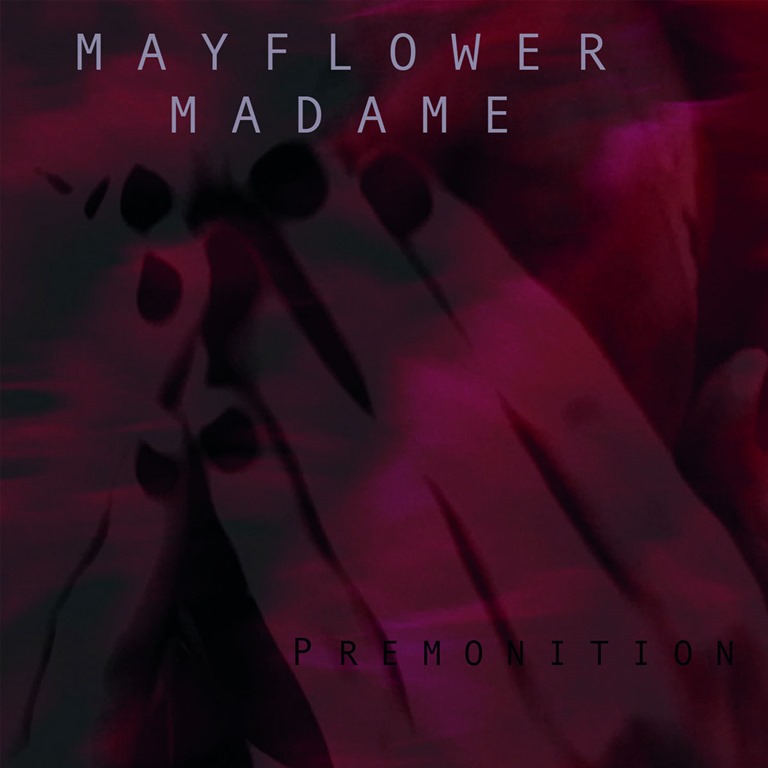
Mayflower Madame – Premonition EP

Having released one of our favourite albums of 2016 in the form of Observed in a Dream, Norwegian band Mayflower Madame return with their new Premonition EP on 18th May.

Through four tracks of psych-theatrical ingenuity, shady shoegaze and 1980s dark romanticism, the EP conveys the wintry feeling of their home country – icy and gloomy, haunting and majestic.

Title track ‘Premonition’ is an apocalyptic love song where dark psychedelic post-punk combine with haunting vocals to create a feeling of impending doom.

Stream ‘Premonition’ here:

AA

MayflowerMadamePremonitionEPcoverart650

Warren Records – 16th March 2018

Christopher Nosnibor

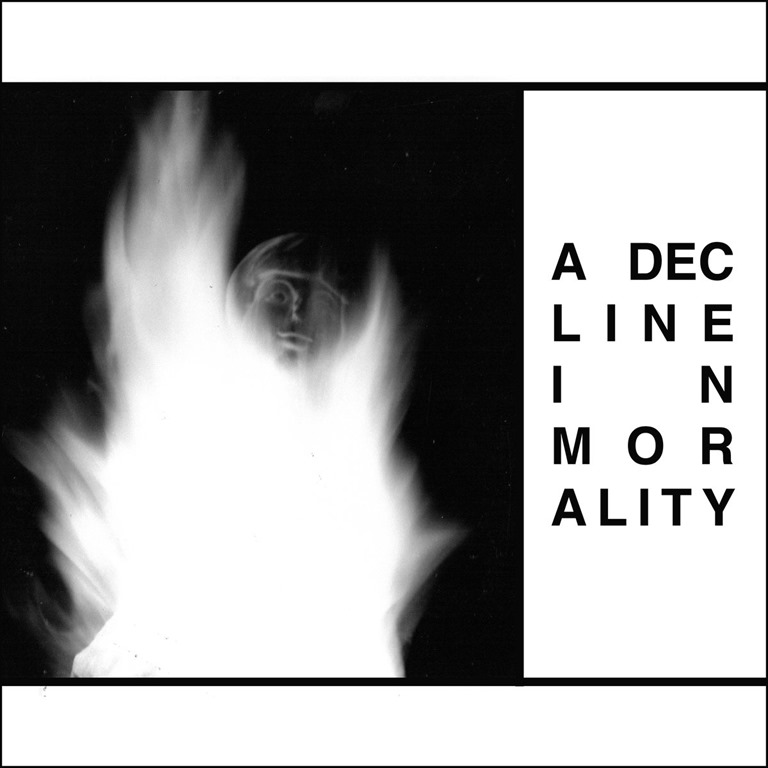
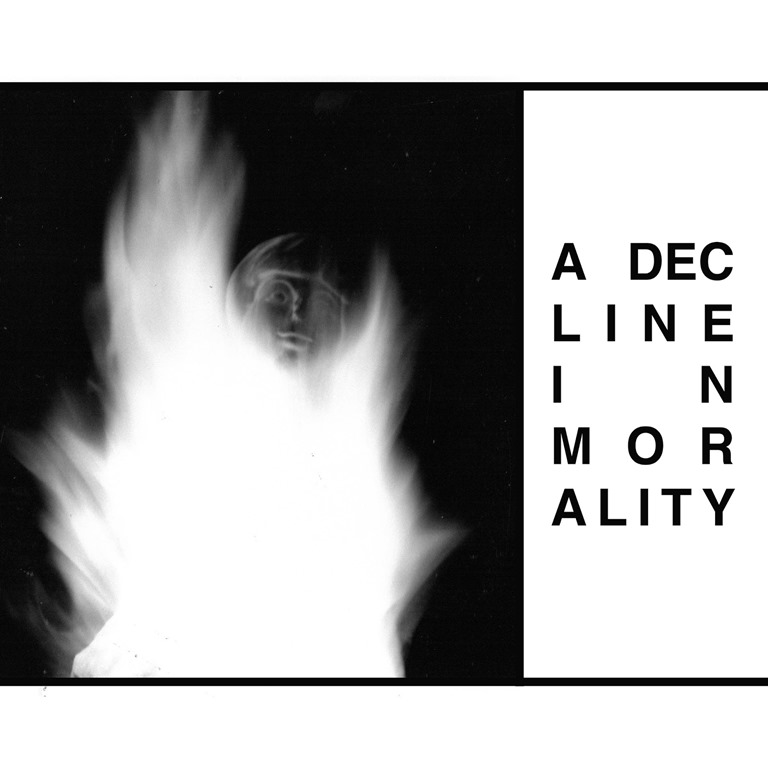
We think we may have mentioned Cannibal Animal once or twice before here on Aural Aggro – and there’s a very good reason for this: the Hull band make a dark, dense, swampy post-punk racket that owes as much to The Cramps and The Volcanoes as anyone else, on account of the serpentine lead guitars and reverb-soaked surf sound. With a thunderous rhythm section, it’s more like surfing a tsunami than coasting on the crest of a wave, mind. Throw in a dollop of early 90s underground noise – think in particular early Therapy? And you’ve got the measure. Their latest offering, ‘A Decline in Morality’ is a belter. As if lead single ‘Ellipsisism’ didn’t already demonstrate it already.

The band explain that ‘Lyrically these songs are about the moral compass of specific fictional characters’, with ‘Lack of Skin’ turning focus to ‘the candle burning nymphomaniac’. If ever a track distilled a potent blend of tripwire tension and a loose, near-tribal groove, it’s this one, with bone-rattling beats and a fat, fuzzy bass driving a fury of guitar bathed in cavernous echo. The effect is one of terrifying entrapment, but edged with a twist of sleaze.

The desperation and anxiety that drives the band’s work has hit critical mass here: it’s less about sonic density and thick, overdriven guitars, and more about scorching, wild-eyed mania. And I can’t recall the last time I heard a conventional fade-out…

https://open.spotify.com/embed/track/2gS3ogYcsSaW67jmKTcLAz

AA

Cannibal Animal -Decline

13th April 2018

Christopher Nosnibor

Being a Sister of Mercy is a long way from being a full-time job, an even Andrew Eldritch must have a lot of time on his hands these days. Ben Christo isn’t one to sit idle, though, fronting Night by Night between 2008 and 2015, before founding Diamond Black the following year, as well as working alongside Raymond Watts on Pig’s Prey &Obey.

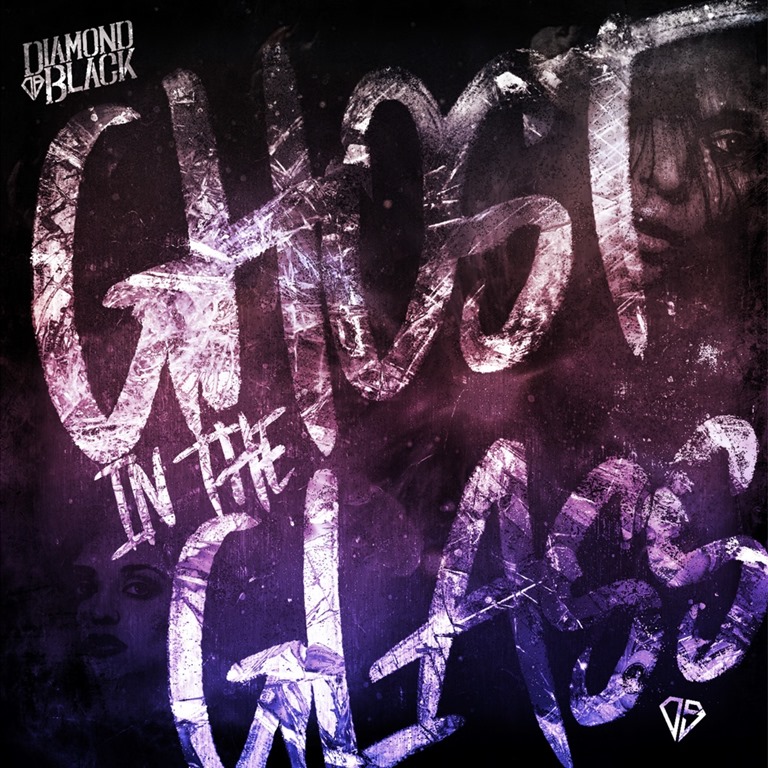
With their second single entitled ‘Ghost in the Glass’, it all hints at something that’s a bit, well, stereotypical goth, you might say – something The Sisters have always tended to avoid, despite being saddled with the somewhat ignominious tag of being the godfathers of the genre. But you’ll not find any bats or graveyards or introverted moping in the Sisters’ back catalogue, and thankfully, Diamond Black are more about the hard edges of polished steel than the soft feelings of doomed romanticism and despair.

‘Ghost in the Glass’ is built around a very contemporary Sisters-like guitar riff, a driving rhythm and spindly lead line creating a distinct dynamic tension. The guitars are up-front and pack some grit and heft, making this a more overtly ‘rock’ proposition, but the first point where Diamond Black clearly depart from The Sisters is in the live drumming, which, tight as it is, gives a freer feel.

The second and perhaps most obvious point of departure is in the vocal style: singer J.I.Turunen is Finnish and brings a quintessential mainland Europe rock delivery: strong, but clean and melodic. Proper singing, if you will. If it carries echoes of classic 80s rock, it equally suggests that their biggest audience lies cross-channel, rather than domestically. This isn’t a criticism, not least of all because I must confess to having a soft spot for Andreas Bruhn’s solo album – and this, with its punchy rock attributes, is way better.

The production’s expansive, but doesn’t detract from the forward thrust of the guitars and the result is a song that’s simultaneously widescreen and punchy. The bottom line is that Christo has a knack for a chunky riff and a decent tune, and it’s great to hear some of them being recorded and released. More, please!

AA

Diamond Black

Sett Records – 23rd March 2018

James Wells

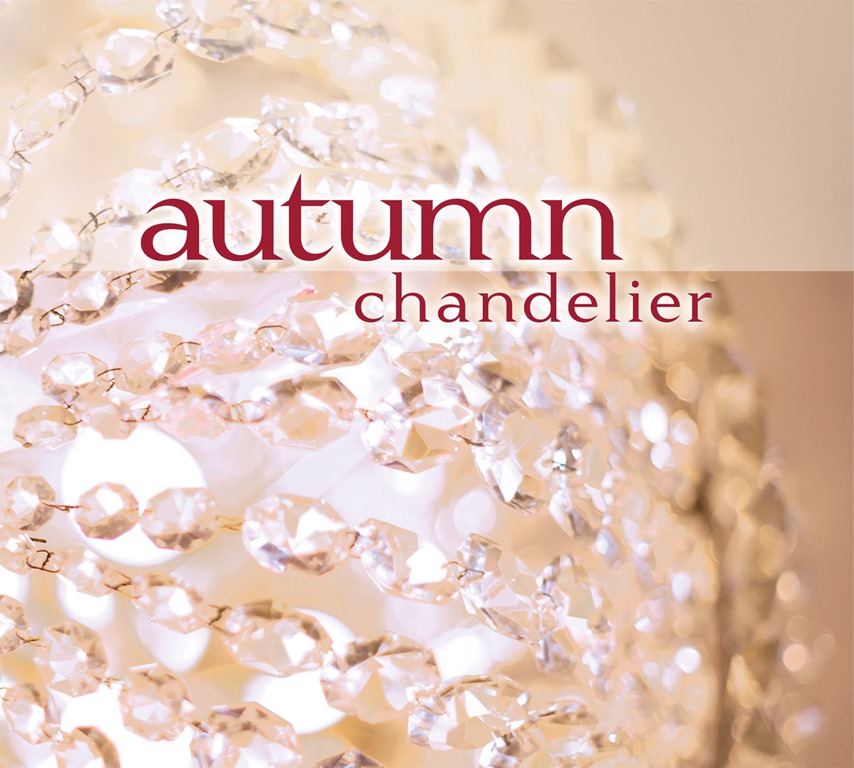
Acquainting myself with the band, it transpires that they were founded in the 90s, and that this is the ‘post-punk rock-noir’ outfit’s first album since Return to the Breath in 2000. 18 years? What the fuck have they been doing? I remember the music press making a deal of the five years it took for The Stone Roses to deliver The Second Coming, although that pales against the eternity My Bloody Valentine took to record the follow-up to Loveless. And as for The Sisters of Mercy… Well, they’ve been holding out 27 years now. Something about a contract for a million quid not being forthcoming, or something.

There are some clear Sisters influences to be found in the mix of Chandelier. They’ve got that echoey, chorus heavy guitar sound down and it’s an interloping weave or notes against a strolling bass which heralds the arrival of Chandelier, and its opening track and single cut ‘Beginnings’. Part ‘First and Last and Always,’, part God’s Own Medicine era Mission, part mid 80s Cult… it’s all there.

The one thing that’s clear is that the last 18 years haven’t been spent innovating or reinventing their sounds or bringing a dynamic, unexpected edge to the classic ‘goth’ template. There’s nothing wrong with the songs or their execution, other than the fact they sound painfully studied and generic. So, the press blurb references a lengthy roll-call of The Cure, Siouxsie and the Banshees, Cocteau Twins, Sisters of Mercy, The Joy Formidable and Republica (I’m really not hearing any Republica in the mix, although the shadows of Rose of Avalanche and Rosetta Stone before they went all NIN loom large).

While the sounds – the echoic, fuzzy valvey guitars, for example – are vintage, warm, organic, and the mechanised percussion sound is par for the course, the emotive edge of Chandelier feels excessively studied and lacking in personality. From the drum reverb to the controlled flange, everything about the album is familiar to the point of déjà-écoute. It’s very much rote and by-numbers. It’s got everything, apart from passion and energy. And originality.

AA

Autumn - Chandalier

16th March 2018

Christopher Nosnibor

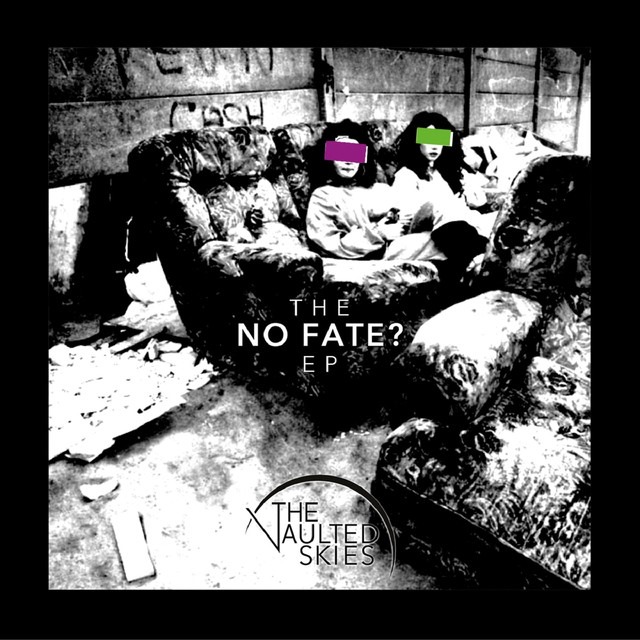
I have to eject and check the disc to make sure I’ve not bobbed in New Order’s debut after hitting ‘play’ on this CD. I haven’t, but The Vaulted Skies have that whole c.1980 sound down to a tee, with the clinical rhythms and steely synths shaping the landscape.

The Vaulted Skies – as if the band name wasn’t indication enough – plunder the seam of the dark post punk style that occupied the first half of the 80s, and – while a roll-off touchstones and reference points feels a shade reductive, it’s entirely relevant and appropriate to namecheck The Rose of Avalanche and Rosetta Stone.

The opener, ‘Does Anyone Else Feel(Strange)? culminates in an explosive kaleidoscope of retro synth and thunderous drums that calls to mind ‘Walk Away’ by The Sisters of Mercy and this overtly gothy groove carries through the other three songs on this EP. ‘The Night’ lurches and lunges and bucks over a thick, warping bass groove.

When they slow it down and do the sparse atmospheric thing, as on ‘The Falling Man’, The Cure’s Faith looms large as an influence, with heavy traces of Japan in the mix. Whoever described them as ‘the lovechild of Robert Smith and Boy George’ was at least half right.

And this is where, as a critic, the duel between objectivity and subjectivity sets its markers and gets to tussling. Objectively, it’s derivative and by-numbers. Subjectively, it’s got a gloomy emotional draw and a certain tension. Objectively, it’s well-executed. Subjectively, those nagging guitar parts and basslines hit the spot. So where you do go?

From a purely personal perspective – and if truth be told, and response to music has to be personal – the technicalities and matters of production count for nothing when a work hits and resonates on a personal, emotional level, which is never remotely objective or rational, but always instinctive, gut-driven. And when aspects of my personal life are difficult, I invariably find I’m prone, if not to regression per se, but to a certain tendency toward nostalgia. And all of the acts The Vaulted Skies draw on, intentionally or otherwise, pull me back to being 15-21. My formative years, my musical discovery years, my goth years – years I never fully left.

Do I get a sense of actual nostalgia from this? No. members of The Vaulted Skies probably weren’t born when any of the aforementioned bands were in existence, or even in the early 90s. It’s not their fault they were born too late. They cannot control time or style. But they cannot control their musical output, and it completely does it for me.

AAA

Vaulted Skies

Let’s skip the preamble: we fucking love Cannibal Animal. Their latest effort, ‘Ellipsisism’, released on 16th March through Warren Records is a snaking goth-tinged swamp-surf garage rattler that calls to mind the spirit of the late 70s and early 80s with haunting, echo-drenched guitars and frenzied vocals. But we don’t need to talk it up. Just listen to this:

http://a%20href=

AA

Cannibal Animal

Dependent /Amped – 26th January 2018

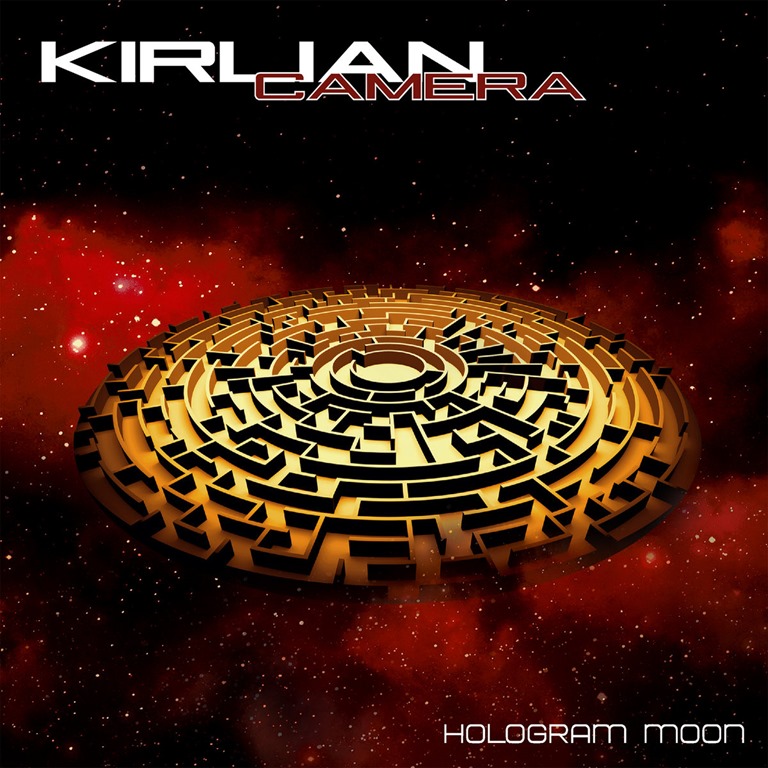
It would be easy to criticise Kirlian Camera’s new album for being a genre stereotype, entrenched in darkwave clichés of thumping disco beats propelling shuddering sequenced bass undulations and chilly, inhuman synth sweeps. But having formed in 1980, the Italian act, having mutated from pedalling synth-pop to progress into darker territories as the 8s progressed, are part of the first wave of bands to fore the style.

As maligned and misunderstood as it is, goth and its subcultures and musical substrains have endured, impervious to fashion, and any ebb and flow which has witnessed an upsurge in popularity has seemingly been coincidental.

I’ve no aversion to electronic music, but as a general rule, dark wave / cold wave music leaves me, well, cold. It’s not that synths and carefully produced vocals can’t convey emotional depth and that there is nothing to connect with, but as a style, it tends to lack humanity and consequently resonance. There’s music you hear, and music you feel. The electronic strains of goth all too often tend to be heavily stylised, entrenched in the well-established tropes.

As a listener and critic, I’m in no position to judge or undermine the actual emotional content of the lyrics or to question their sincerity. I am no-one to challenge how strongly any individual feels something, and I’m the last person to deride a so-called goth for being sensitive. It’s a matter of articulation: eternally drawing on a limited bank of metaphorical references and stock-phrase imagery, it feels more like the feelings are pulled tightly into a corset or genre conformity than a true release of pent-up, innermost pain. Moreover, the drama-focused delivery feels to careful, too meticulous in its presentation.

Despite a shifting line-up over the years, Elena Fossi has covered vocal duties since the turn of the millennium, and her melodies are excellent, strongly delivered with grace and nuance. So what’s the issue? It’s certainly not technical or compositional. It’s not about lack of range in terms of tone or tempo, either: ‘Helium 3’ goes all swampy, with whiplash snare and a stark, minimal synth chord sequence reminiscent of The Human Leagues ‘Being Boiled’ overlaid with creeping fear chords, atmospherics and samples. ‘Kryostar’ brings robotix vocals and a pounding technoindustrial beat, and a relentless juggernaut groove paired with soaring, choral operatics.

But whether it’s rolling piano and breathy vocals building the drama, as on ‘Traveller’s Dream’, or bombastic synth explosions, Hologram Moon feels very stylised, controlled. And thus we return full circle. It would be easy to criticise Kirlian Camera’s new album for being a genre stereotype, but however well-crafted, well-performed and well-produced, it would be difficult to compliment it for being anything more.

AA

Kirlian Camera - Moon