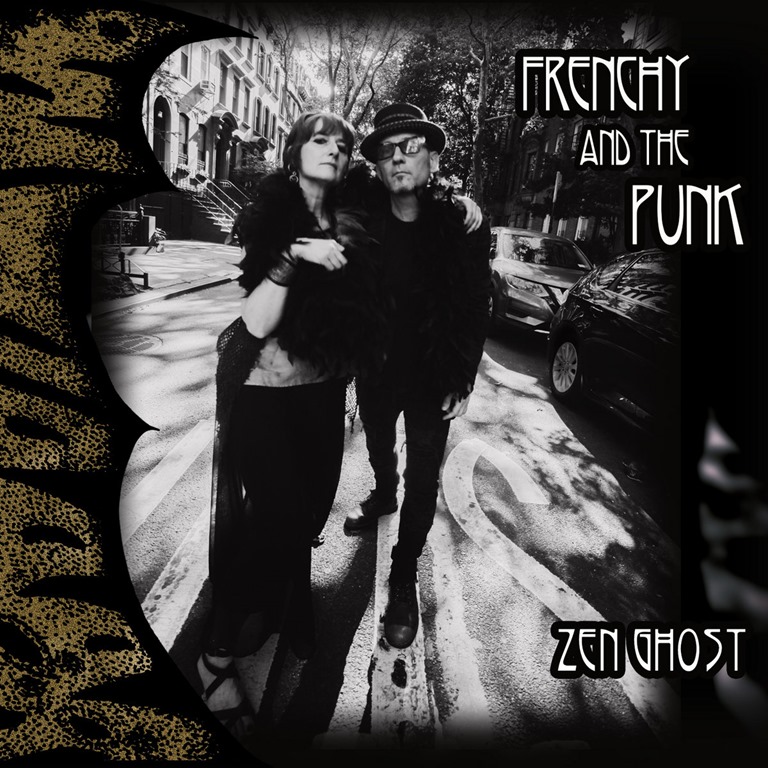
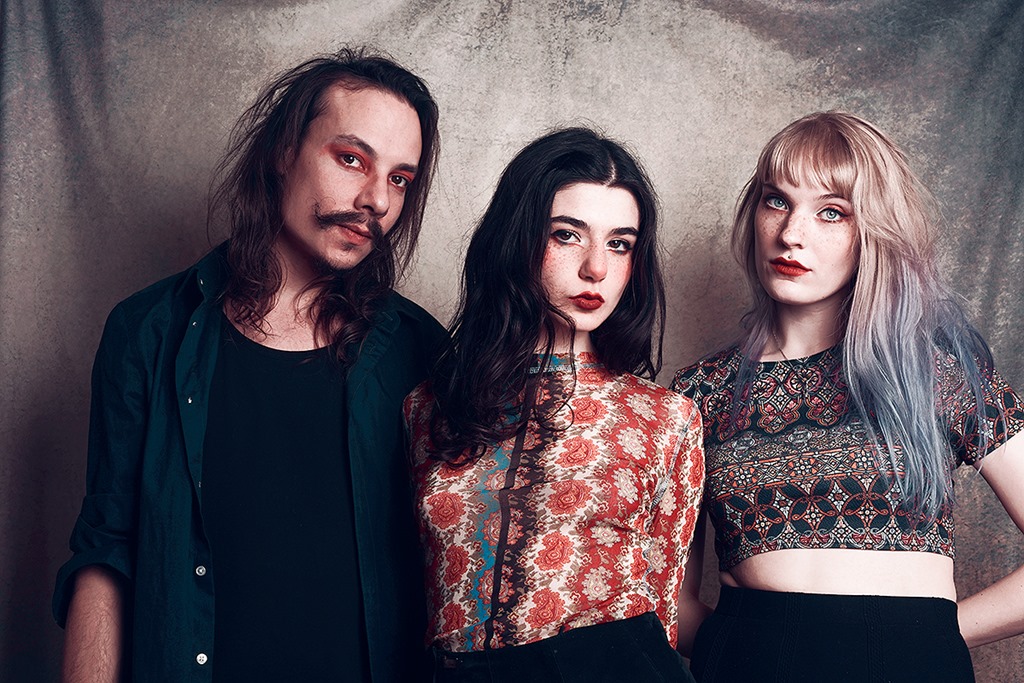
Most Dinosaur Jr fans are aware of the prehistory – the band’s primordial swamps, or whatever, which saw the band emerge from she ashes of hardcore punk act Deep Wound, although significantly less seems to have been made of the band’s reunions in 2004 and 2013. But no matter – perhaps more should be being made of the work of Deep Wound’s less celebrated co-founder Scott Helland, who is one half of Frenchy and the Punk, along with Samantha Stephenson.
There’s no getting around it: it’s an awful name. Kinda corny, with connotations off Grease, it’s one of those monikers that’s so cliché It’s probably fictitious. But no, they’re real, very real, and according to their bio, ‘the duo thrive in their trademark blend of post-punk and dark folk music’. And they’ve been going for a while: their upcoming album, Zen Ghost will be their seventh long-player.
And that they do. ‘Come In and Play’ is pitched as an upbeat Siouxsie-esque delight, is the second enchanting single from their forthcoming Zen Ghost album, following the lead track ‘Mon Souvenir’. Their seventh long-player record, this will be released via the EA Recordings label on October 28th.
‘Come in and Play’ is layered, elegant, haunting fashion that combines elements of trad goth with folk, landing somewhere between Siouxsie, Skeletal family, and All About Eve. With picked acoustic guitar providing texture and detail, it’s driven by a solid bass groove. The overall feel is quite the contradiction – it’s an alternative rock song with a paired-back arrangement and quite spartan, brittle production that solidly recreates the essence of 1984.
On the surface, it’s a simple, song, but scratch to the next layer, and there’s plenty going on and then some, sonically, musically, and emotively. Stephenson’s vocal is outstanding, and the real attention-stealer here as she swoops and soars and switches from angelic drifting to a full-lunged expellation, while swiping various shades and stylistic elements in between.
‘Come in and Play’ is both haunting and confident. It’s one of those songs where you absorb the atmosphere more than you absorb any instant hook, and that’s ok – more than ok.
Naff name, great tune, relatable content. I know precisely nothing about this band, and the scant info online suggests they haven’t really decided anything either. The Leicester-based post-millennial music-collective have been described as purveyors of ‘proletarian garage rock’.
Maybe that’s what it is. It’s definitely noisy, and it’s brief, the sound of the band in a hurry to say their piece and get the hell out of the way.
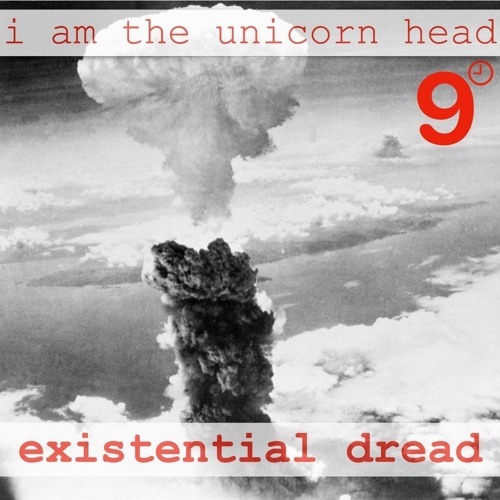
‘Existential Dread’ is an ominous, bass-driven, bowel-churning slab of hard psychedelia that’s driven by thunderous, propellant drums with choppy, echoed guitars and needling synths – or heavily processed lead guitar – over it. Initially, I’m thinking The Black Angels, but his is harder, darker, punkier, and it’s totally exhilarating and totally relevant.
We’re fucked. All of us. One way or another. If you’re not tense with existential dread, you’re either incredibly rich or incredibly stupid, or both. This is the soundtrack to the shit we’re living through. It’s real, it’s sharp. It’s not comfortable: just face it. Embrace the dread.
Ahead of the release of the debut album, Druids and Bards, out later this month on Yr Wyddfa Records, Welsh alt-rock/indie act have released a further single in the shape of ‘Away we Go’.
Championed by Gary Crowley on BBC Radio London and Playlisted on Amazing Radio’s A List, with BBC Radio Wales support from Huw Stephens and Adam Walton, North Wales Indie-Psych Band Holy Coves have had quite a year so far. They share a brand new single called ‘Away We Go’ before their highly anticipated new Druids And Bards album is released via Yr Wyddfa Records on the 14th of October.
Through long time friend and Producer David Wrench, Holy Coves were put in touch with Texan Producer Erik Wofford (The Black Angels / Explosions In The Sky) and have built quite a magical working relationship, one where Wofford found himself on Mixing and Mastering duties for the material and certainly contributes to their new sound.
The Fall’s ‘Fiery Jack’ is blasting from the PA as I line up behind a cluster of gothy / alternative types: promising signs, always, and Wire and Sleaford Mods feature on the playlist while we’re waiting for Balcony Plants.
York has suddenly begun sprouting a new crop of indie / alternative bands, and tonight’s event showcases three of them.
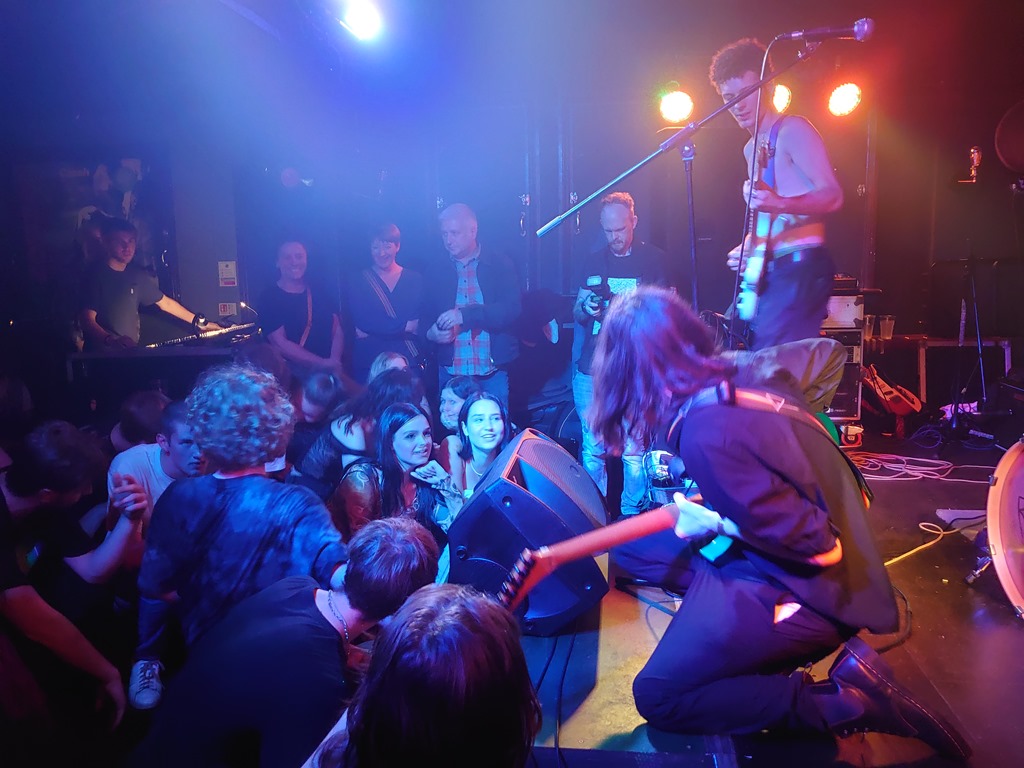
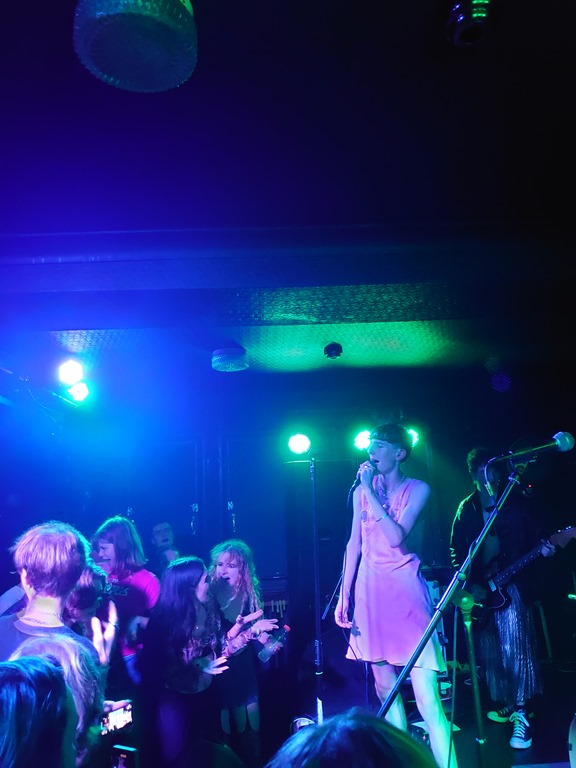
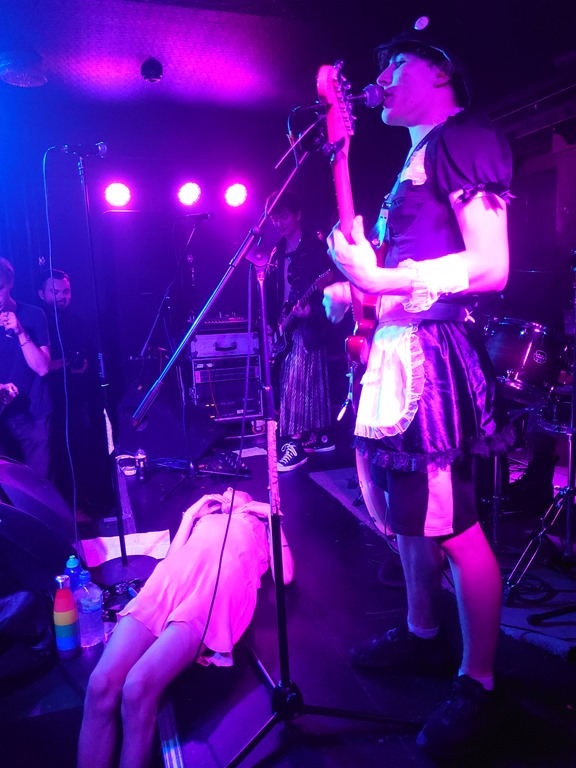
First impressions? They’re kids. Of course they are. And they’ve brought a lot of mates along. They all congregate and hug in the front rows as the band take the stage. Second impressions? Jesus. Balcony Plants are into introducing the band members and making and calls to make some fucking noise while they’re still tuning up, before launching into some lame-assed rap-rock with elements of early Beastie Boys, with songs about house parties and nightclubs. Then something happens mid-set. After tinkering with some pedestrian Kerrang! flavoured alt-rock that shows they’re as stylistically coherent in their music as their image, they lunge towards ever grittier punk as the set progresses, and improve exponentially as they do, and there’s lots of moshing, especially to their cover of Nirvana’s ‘Breed’, which, is undeniably storming. They do know how to build a set to a climactic finale, I’ll give them that, and by the time they’ve orchestrated some tidal waves of crowd action during their signature song, they’ve convinced me. They’ve work to do, but it’s early days and they’ve got clear potential.
Balcony Plants
So the guitarist in Balcony Plants is also the bassist in The Rosettas, a more visually and sonically coherent proposition. The singer makes an entrance….and it kinda takes a brief nosedive there. The riffs are meaty and the drumming is particularly tight, but the vocals merely so-so. I’d always question throwing in a cover as the second song of any set, but especially one of The Foo Fighters’ ‘Everlong’, however well played.
That tonight’s bands – all clearly made up of millennials (and I mean that factually rather than in any way disparagingly)– scatter their sets with choice 90s cuts is interesting; I suppose in context it’s the same as young bands of the 90’s dredging up songs of the 70s from their parents’ collections, or every band of the 80s covering ‘Sister ray’ and ‘Louie Louie’; there seems to be a two-decade loop which essentially corresponds with the emergent generation gap.
‘Save Your Time’ may be their idea of heavy, but… Still. They play with energy and are decent enough in a middling gruge-tinged alt-rock way. They probably need to work on the between-song chat, though, since “We’re about to play a song some of you might know. It’s on a thing called Spotify” is about as good as it gets. Blur’s ‘Song 2’ is the second cover of their set, and they seem to play the covers better than their own songs, but also manage to deliver a strong finale.
The Roosettas
The Rosemaries exude an air that they’re a cut above from the second they walk on. Tonight, they’re all wearing dresses, but still look the most rock ‘n’ roll of tonight’s acts. The 90s covers continue as they open with a passionate cover of ‘Killing in the Nam’, and it again seems an unusual choice. The squawking vocal uplifts are unexpected. But there’s a lot that’s unexpected about this bunch, and it’s all good. They’re political, they’re tight, and they’re solid. Sprechgesang verses bounce over buoyant baselines before breaking into mega choruses. ‘Pogo pogo pogo’, say my notes. Those squeaks are an interesting post-punky vocal quirk that seem to reference early Fall more than anything, but then also make a nod to Siouxsie.
Overall, The Rosemaries land between The Sex Pistols and Yard Act with a dash of Pulp, although ‘Easy Peas’ bludgeons away at two chords Fall style. The singer heckles the audience in classic northern style: “Are ya gonna do some proper moshin’ or what?”
The Rosemaries
They slip into a three-chord punky thrash with sneery, shouty vocals that call to mind Jilted John and hammer out as their second cover – the most contemporary of the night – Fontaines DC’s ‘Boys in the Better land’, which had been aired over the PA earlier. It’s a faithful rendition that’s delivered with zeal, and one can’t help but feel its relevance to bands knocking around in York. There are some decent pub venues to be grateful for, but there’s a world outside, starting just a few miles up the A64.
If this seems critical of the bands or local scene, it really isn’t: bands have to start somewhere, and with grassroots venues closing by the dozen, it’s a joy to witness nights like this – bands cutting their teeth in venues what are happy to give them a platform, and what’s also encouraging is the embracing of the ramshackle, rough and ready. I’m tired of a scene where bands strive to sound like arena acts in pub venues. It’s just not punk, and what we need is to hear live music that sounds and feels live. This is what tonight brings. It’s unpolished, unfinished, work in progress. But it’s great fun, and this is the next generation coming through. Just wait.
Italian post-punk band Leatherette have just released ‘Fiesta’, the title track from their debut album out on 14th October via Bronson Recordings.
One of the darkest, smokiest tunes of the record, ‘Fiesta’ is a minimalist, abstract love tune about absence and distance. The band explain: "We wrote the theme thinking of jazz standards, while the title and the atmosphere were inspired by Hemingway’s homonymous book. And there’s brushes and 7th chords and a sax solo in the end".
Listen to ‘Fiesta’ here:
The latest single from the album, Fiesta follows previously released tracks ‘So Long’, an extravagant and catchy slice of modern post-punk, full of rugged noise and crushing melodies and ‘Sunbathing’, an irresistible punk-shoegaze anthem.
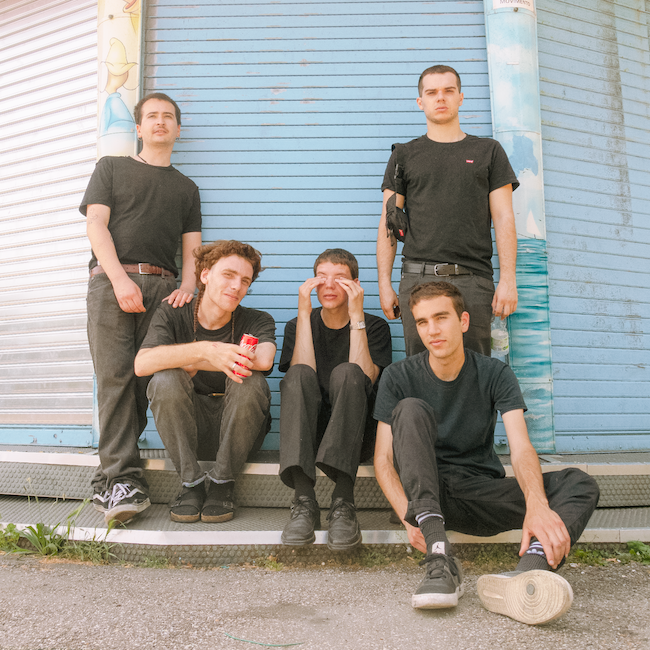
Leatherette are, by their own description, “five shy guys who sometimes get off the stage and punch people,” a quintet whose car-crash of jagged noise, twisted love and dark, anguished melody has delivered a remarkable – and eminently combustible – debut album.
The group are based in Bologna, but all hail from different towns in Italy. These five young men – singer/guitarist Michele, bassist Marco, drummer Francesco, guitarist Andrea and saxophonist Jacopo – are united by a profound need to make music, to express themselves naturally and honestly.
The group bonded over wildly differing influences – everything from midwestern emo gods American Football, to Berlin-era Bowie, to James Chance & The Contortions, to rap and electronic music – to create a dense, passionate, articulate sound of their own.
You can file them near fiery post-punk kindreds like Shame and Squid, or unhinged 90s noisers like Unwound or Hoover, or squalling No Wavers like James Chance, but the truth is there are few bands like Leatherette that walk this Earth.
Their first full-length, Fiesta follows an EP, Mixed Waste, recorded during lockdown. The songs on Fiesta precede the Covid era, though the group spent the pandemic rewriting and overhauling their maiden batch of songs at leisure.
The result is an astonishing and remarkable debut: poetic, caterwauling, broken and beautiful. The album title is “a reference to the bullfights in Pamplona,” the group say. It’s no empty metaphor. “Bullfight is a strange ritual,” they elaborate. “And we’re against bullfights, but they’re fascinating in an iconographic way. And also metaphorically, violence flows on both sides, but in a feastful way. It’s similar to a concert, really – you’re expressing violent things, in a physical way. And people react to that, which is wonderful, which is fantastic.”
It’s simply impossible to keep up with everything all the time. It feels like a recurrent theme, and even something of a mantra: so many bands, so little time.
Over the course of eighteen years, The Black Angels have cemented their position as, as their bio puts it, ‘standard-bearers for modern psych-rock’. And that’s not hyperbole: it’s a fair assessment.
2010’s Phosphene Dream was a major let-down, particularly in the wake of two such stunning predecessors, with Passover and Directions to See a Ghost. Consequently, feeling disillusioned, both Indigo Meadow and Death Song bypassed me, but Wilderness of Mirrors landed in my inbox with the promise of a return to early form after a five-year gap – or, as they put it, ‘marks a triumphant return with their foot on the pedal. Political tumult, the pandemic and the ongoing devastation of the environment have provided ample fodder for their signature sound and fierce lyrical commentary’.
For Wilderness of Mirrors, the band worked with Brett Orrison (co-producer) and Dinosaur Jr engineer John Agnello ‘to achieve something fresh and new while retaining their heavily influential classic sound’.
Wilderness of Mirrors is epic and feels like it needs to be a double album simply because it has such weight and important in a way that’s hard to really define. It’s not sprawling and awkwardly indulgent: yes, it does contain fifteen songs, but less than half extend beyond four minutes. But it’s an album of density.
Opener ‘Without a Trace’ starts out tentative-sounding distant before the bass crashes in like a landslide and in an instant, the listener is sucked into a dense sonic whirl. It’s the gritty bass that also dominates the pulverising ‘History of the Future’ that lands somewhere between Ther Jesus and Mary Chain and Ride, with some blistering guitar that’s a wall of fuzzing, fizzing treble against a busy beat and a bass that buzzes so hard it practically cuts the top off your head. And just like that, you’re back to remembering why this band mattered in the first place. Everything is a murky swamp of reverb, a deep 60s vibe radiating through the 80s and 90s filter.
I’ve long noted how the Jesus and Mary Chain essentially played surf pop with feedback and distortion, and ‘Empires Falling’ follows this approach magnificently, and with its relentless rhythm section and squalling guitars, it bears strong and obvious parallels with A Place to Bury Strangers.
It’s best played at high volume, of course: this is guitar music to melt the brain, and if songs like ‘El Jardn’ and the acoustic ‘Here & Now’ are more accessible, melodic and overtly indie, they offer some much-needed respite, while still boasting some howling guitars. There’s a vaguely gothic hue to the sneaking guitars and dubby grooves of ‘Make it Known’ and the slower ‘The River’, and it works well in contributing to the album’s rich and varied atmosphere and contrast with the jittery tension of the title track.
Ultimately, the best thing about Wilderness of Mirrors is that is sounds like The Black Angels – quintessentially, unmistakeably, with its motorik grooves, simple, repetitive riffs and song strictures that define the chorus not by a significant shift in key or chords, but by the explosion of sound, the simple structures executed with rare panache. They’re definitely on form here.
Manchester’s Dirty Laces have been away for a while, and not through choice. The pandemic skittled most bands and brought an abrupt halt not only to gigs, but working in general, since most bands don’t live together and when it comes to music-making, it’s simply not always feasible to work remotely, tossing audio files back and forth virtually. I shan’t labour this too hard, but what was The Great Pause for some was The Great Anxietor for many – whether it be because of having no work or being furloughed on reduced pay, or working and home schooling at the same time, or simply dealing with isolation, fear of the virus, or being cooped up with people who weren’t people to be cooped up with, so many of us had something to keep us awake at night and which probably hasn’t fully left us yet.
For many, emerging out of the other side of it all, we’ve found that we’re not the same as before, and there’s some re-evaluation has taken place, albeit not necessarily on a conscious level. Good, I say. Life’s too short to expend what little life you have on pintless crap and people who give nothing in exchange for taking everything.
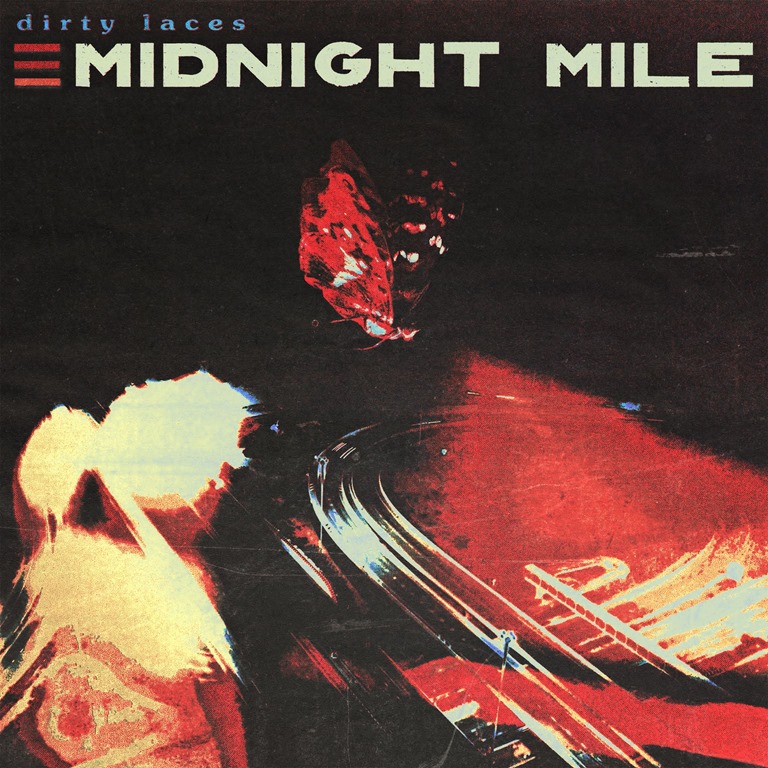
Recorded in the fallout of the pandemic in solitary rural Wales, ‘Midnight Mile’, essentially speaks of that re-evaluation and the realisation that it’s time to dump the fucking rubbish: the band say the song is about ‘Escaping toxic people, toxic habits, embracing happiness and learning how to ‘free your mind and bathe in love’. It might sound a bit hippie for a band born out of punky garage rock – but ultimately, when you boil it down, punks and hippes alike share the aesthetic of sticking it to the man and people who suck.
This outing is a hybrid of garage and grunge and brings a stadium rock swagger and a dash of industrial and calls to mind Headswim and Filter – it kicks in instantly with a nagging riff and chunky bass. It’s not just the drawling vocal that sounds more American than Mancunian: the production is pretty slick, rendering the gritty, emotionally dense, sincere performance radio-friendly and digestible for a more commercial market – and the big chorus absolutely seals its broad appeal. It’s better than Headswim, but not quite as good as Filter.
Fucking hell, we really are running out of names, aren’t we? To the point where even otherwise memorable bands are forgettable because of their ultra-generic name. And some acts sink without a trace because they’re simply impossible to even find through an Internet search. Actor is an obvious example for me, but then we’ve recently had Loungewear grace these virtual pages, and now bloody Tracksuit. How would The The or The Police have faired in the Internet age, I wonder? I mean, stepping aside from the fact their music is tedious and people would probably skip their songs faster than ever now. But it seems like bands aren’t even trying now: Sports Team? Two very different acts operating as Working Men’s Club? Are they trying to bury themselves before their careers have even begun, or do they simply have no imagination and no concept of how The Internet works? Or have we simply reached the apogee of postmodernism, the point at which truly everything has been done, there is no ‘new’, only regurgitations and rehashing, and culture has reached its inevitable dead-end?
It’s a shame Tracksuit have doubly done themselves a disservice with a moniker that’s not only super-generic but also a bit shite, especially as it really doesn’t reflect what they’re about at all. It’s a shame because ‘Ghost of Rome’ is decent. It’s not some lame rappy shite or laid-back bedroomy r ‘n’ b: it’s fundamentally a stripped-back psychedelic rock tune with a keen sense off dynamic and a palpable energy, meaning there’s a lot to like as they dig in with a lively and buoyant bass groove that’s got action and detail. It’s got a heavy 70s vibe about it and it kicks ass – but probably doesn’t need anymore cowbell, because everything is just right.
London-based Parisienne alt-noise-grunge threesome A Void have been kicking around for a bit now, although most of their kicking around seems to have been in London with few ventures beyond. During lockdown – a spell where they did a few online streams and the like – I found myself contemplating the strange geography of bands – specifically how in many places, ‘local’ is used disparagingly to denote an act who’ve failed – or declined – to venture beyond the vicinity of their region, and for any ‘regional’ act to ‘make it’ nationally, they need to venture to the capital, whereas in London a band can chug around the city’s venues forever and seem like they’re actually on tour without the word ‘local’ ever cropping up.
In politics, we complain about how just London-centric everything is, and back in the 80s and 90s, the same accusations were levelled by nine tenths of the country at the music press, as represented by Melody Maker, NME, and Sounds. It seems pretty trivial now we no longer have a music press, but back then it was frustrating to read endless reviews of London gigs by bands who never played outside London.
A Void don’t just hark back to that in their remaining firmly lodged in London, but in their ramshackle grunge-influenced stylings: for all of their time on stage, they’ve stubbornly shunned the common tendency to tighten up and get slick, with their shows being wild, chaotic, and clearly joyfully cathartic, which is completely in keeping with the music itself, which is pitched as being ‘FFO Hole / Silver Chair / Babes In Toyland’, and which got me wondering if there are any FO Silverchair, or if anyone even remembers them now.
This rough, raw immediacy carried through into their debut album, Awkward and Devastated, which featured some pretty wonky playing in places. It in now way detracted from the listening experience – quite the opposite, in fact, rendering it all the more real, all the more honest – but even now, I still find myself thinking ‘wow, they left that in?’
Penned by frontwoman Camille Alexander during lockdown, this second album was recorded between 2019 and 2021 in London, with producer Jason Wilson (Reuben, Dinosaur Pile-Up), the blurbage describes it as ‘a record delivered with a visceral, personal energy that touches on themes of heartbreak to womanhood to battles with mental health.’
The first taster we got of it was ‘Sad Events Reoccur’; presented here in two conjoined parts, a six-minute slow-burner of a single felt like a pretty daring way to mark a return after couple of years, but A Void really aren’t a band to be bothered by commercial considerations and it showcased an altogether meatier, chunkier sound that suited them well, and as such, makes for a strong start to the album.
‘Stepping on Snails’, also released as a single, has a certain swing to it, and is a winner with its explosive chorus and vocal harmonies, but it’s the thick, gritty bass that really holds everything together as the guitar wanders around hither and thither, ad I’m reminded of the squalling mess of Nirvana’s In Utero, where at times the guitar seems to serve to provide only texture and tone, while the rhythm section is what keeps the shape and prevents it from collapsing into incoherent noise.
There’s a reflective tone to ‘One of a Kind’, at least in the verses, before the distortion kicks in on the guitar and it’s a well-realised slice of tortured angst that runs the full gamut of churning emotions.
Dissociation is a giant leap forward from Awkward and Devastated, which was appropriately titled and we can see just how much everything about the band has evolved. The songwriting is more structured, but without losing any of its sense of dynamics, and the production really has optimized a much, much more solid performance in playing terms. It’s still raw and fiery, Camille still roars like she’s possessed and the force is strong, but this feels altogether more professional. That should by no means be equated to overpolished or selling out in any way: this newfound focus facilitates a more accurate articulation of the songs and the band’s intentions.
There’s not a dud track here, and the ones that aren’t instant grabs are strong growers, from the barren, bereft ‘2B Seen’ and ‘5102’ that revive the spirit of the criminally underrated Solar Race to the more accessible ‘In Vain’ that actually slips into a groove and bursts into an anthemic finale with a hook worthy of Alanis Morissette while at the same time bringing a touching emotional sincerity.
To describe an album as ‘mature’ feels like a vaguely damning praise that connotes a transition towards dullness and mediocrity: this is most certainly not the case with Dissociation. It’s just an altogether better realised set of songs: A Void have lost absolutely none of the fire, but have found the best method to get everything across, and it punches hard.
The last time we encountered Slow Cooked Bears here was back in December 2020, on the release of their single ‘The Grand Scheme’, the follow up to the stark, tense-sounding ‘Space Odyssey’.
They’ve been hard at it back on the live circuit since then, and these things change bands, harden them, shape them, give them focus, and a reforged sense of identity. Well it can, or it can crush them. The London trio have followed the former path, and rather than becoming crushed by the wheels of industry, have been building themselves nicely.
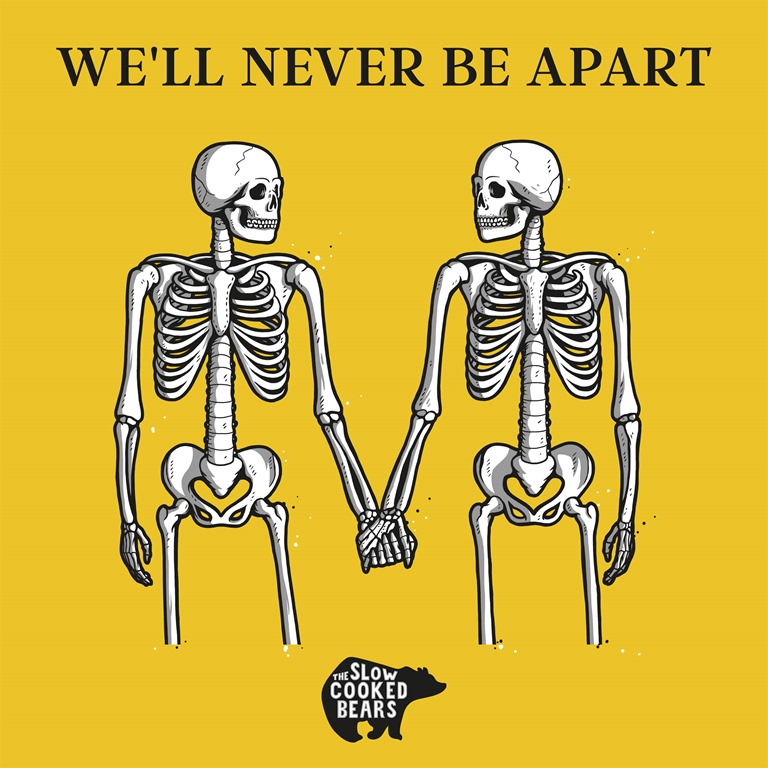
Pitched as being for fans of The Smashing Pumpkins, Queens of the Stone Age, Placebo and Pixies, ‘We’ll Never Be Apart’ was produced with Michael Smith whose former clients include Wolf Alice and Anteros, and promises ‘a giant leap’ – and yes, it delivers.
With a rolling bass and chiming guitar by way of an intro, it breaks into a big bridge that becomes a surging chorus. You don’t get many songs where the hook is the guitar section after the vocals, but with ‘We’ll Never Be Apart’, they bring it. And, while in places it hints at the kind of early 00s arena indie, the songs packs in drive and edge that’s emotionally rich and owes more to the likes of The Twilight Sad than it does to Keane or Coldplay back in the day.
On other words, it really is a huge evolution that sees the band straddling boundaries. It’s got enough heft to not be a complete sell-out, but it’s certainly not as dark or edgy as ‘Space Oddysey’, being a whole lot less Joy Division / Editors / Interpol / Cinematics, and less Placebo in collision with Royal Blood and Black Keys than ‘The Grand Scheme’, and hinting at ambitions of broader horizons.
Objectively, it’s a great tune, and could well mark a turning point for the band. Is it too early for me to say I preferred their earlier stuff without sounding like a hipster cockend? Guess that depends on the next single, right?