Posts Tagged ‘Metropolis Records’

Metropolis Records – 6th December 2024

Christopher Nosnibor

The pitch:

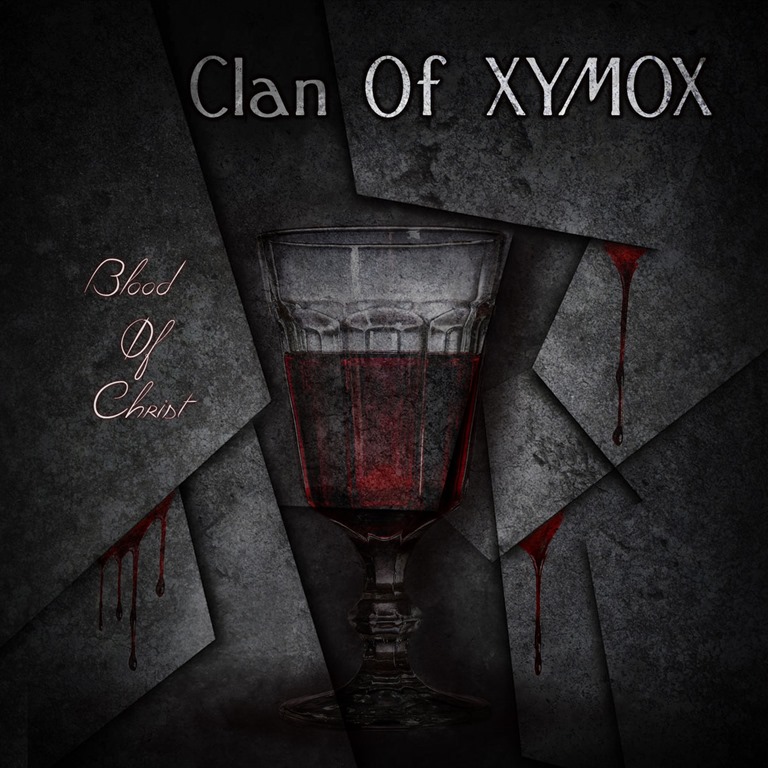
Clan Of Xymox will release a new EP entitled ‘Blood of Christ’ on 6th December. The title song is also included on ‘Exodus’, the current album by the dark wave wizards released in June 2024, with the EP also including the brand new ‘You’re The One’ plus six remixes of each track for a total running time of 64 minutes.

The reaction:

EP? EP??!! Well, yes, I suppose with fourteen tracks and a running time in excess of an hour, its play is certainly extended. What kind of duration would qualify for a long player, I wonder? On vinyl, this would be a double album at 33rpm. Available as a download only, Blood of Christ retails at the same price as the album which spawned it, Exodus, released in the summer.

Carping and pedantry aside, this is an ambitious project for a single, with the album track accompanied by a non-album B-side – something which is always welcome – and, as advertised, six remixes of each. Does anyone really need six remixes of any song, even the most diehard fan? It’s debatable, although not a debate I’m about to open to the floor.

I suppose electronic music does lend itself more readily to remix treatment than more rock-orientated stuff. The 80s and early 90s witnessed the rise of the remix via the extended 12” mix and then over time, we began to see 12” and CDs with different remixes, which were all about milking fans in order to boost sales and chart positions

As a choice of single, ‘The Blood of Christ’ is a strong one: pumping beat and pulsating bass underpin a solid tune with stacks of atmosphere and a huge, theatrical chorus, straddling the boundaries of both classic and contemporary goth. ‘You’re the One’ is a bit popper, but still driven by those all-essential dark undercurrents.

And so, onto the remixes: the album’s remaining twelve tracks alternate between the two songs, the obvious benefit being that you don’t get back-to-back takes of the same track for half an hour. However, by presenting the same two tracks alternately, it’s a little like the old days of flipping a 7” over and over, only hearing differences and new details with each play, and over the course of an hour and a bit it becomes quite mind-addling, and with both tracks employing similar stabby, undulating synths and tempos, the sameness starts to dull the senses after a while.

Too much of a good thing? Perhaps. And perhaps there’s a time commitment involved in distinguishing between the different versions and finding your favourites, preserved for the serious fan. Individually, the tracks are great, although I’m not convinced any of the remixes really improve on the originals, but presented together in such quantity, it feels like overkill.

AA

a1318500700_10

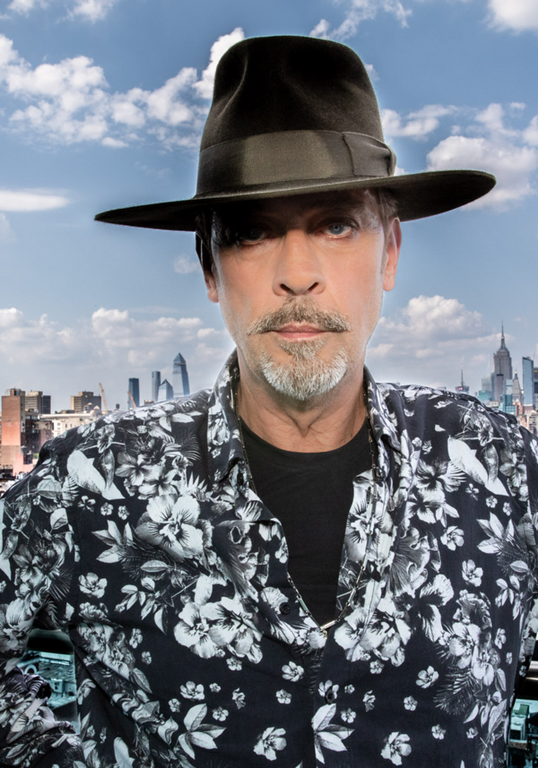
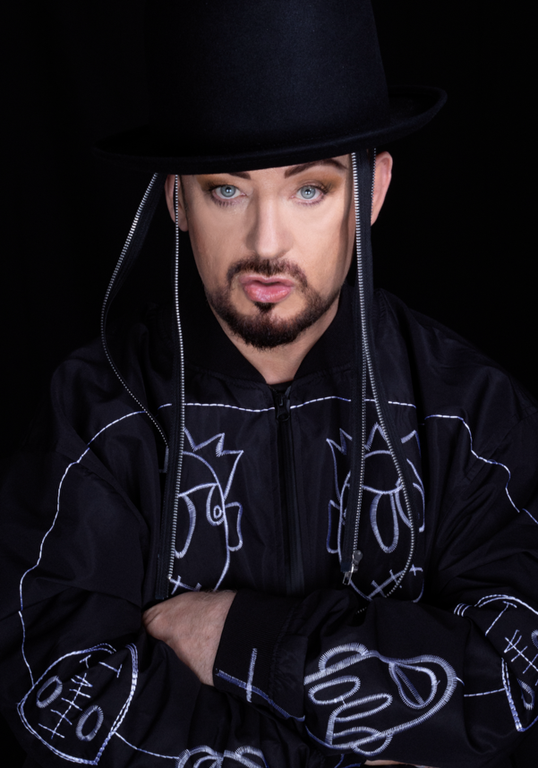
Legendary artists Peter Murphy and Boy George have combined forces for a gorgeously majestic new single entitled ‘Let The Flowers Grow’. Produced and co-written by Youth, their duet on what is a profoundly emotional orchestral masterpiece is available from today on Metropolis Records.
Murphy recalls: “I was recording my new album in Spain with Youth and, while listening to a playback of a song, I heard another piece of music coming from his mobile phone. It caught my ear for its melodic beauty as well as a Roy Orbison-like voice that was singing it.” Upon learning that it was an unfinished demo written by Boy George, he was intrigued and asked Youth if he could work on the partial song. “In a matter of twenty minutes, we had ‘Flowers…’ finished.”

“When I heard the mix, I was satiated in every way,” beams Boy George. “I have always loved Pete’s voice and his writing on this adds a beautiful darkness. The production feels very epic, like Scott Walker.”

Check it here:

AA

‘Let The Flowers Grow’ carries an air of elegance, the iconic voices of both singers delivering a message of hope and tolerance. Originally written by Boy George, its initial message was one of personal acceptance about being gay. As the song developed, it took on a more expansive and universal scope, its lyrics extending beyond sexuality and embracing race, gender, creed and religion. “With everything going on in the world about identity, it feels very powerful,” he explains.

The mutual adoration between the duo has spanned decades. “I first met Boy George when he asked to be allowed backstage to meet Howard Devoto when Bauhaus were supporting Magazine,” recalls Murphy. “He struck me as a super-original, self-styled 17th Century fop. The second time I met him was when we walked into the BBC to do ‘Ziggy Stardust’ on Top of the Pops where Culture Club were also making their debut on the show. George greeted me very warmly and I discovered he was a Bauhaus fan.”
With the single unveiled, Boy George adds:“It makes me dizzy and proud,” while Murphy concludes: “Boy George loves it and I’m so glad.”

ffef40caabb67931b45349413f908104c7dd3a0b20e548081ff71a0021808434db2a81f3e3fc8597

PETER MURPHY : photo by Jolene Siana  |  BOY GEORGE : photo by Dean Stockings

Founded in 1994 by the Vancouver, Canada-based duo John Morgan and Tod Law, Unit:187 spent less than a year in their studio and playing live at local clubs before landing a record deal with 21st Circuitry Records. A solid debut album entitled Stillborn followed in 1997, with the promotion for it taking in several west coast tours that gained the band a respectable fanbase throughout North America.

Loaded followed a year later, featuring new band members Jed Simon (guitar) and Byron Stroud (bass) of Strapping Young Lad and produced by that band’s leader (and future prog icon) Devin Townsend. The album yielded instant industrial classics that included the title track and a remix of the song ‘Stillborn’ by Rhys Fulber (a member of Front Line Assembly and the producer of Fear Factory at that time).

The third Unit:187 album, Capital Punishment (2002), utilised the electronic programming and production skills of Chris Peterson (also of Front Line Assembly) on several tracks. Its title song kicked off proceedings with a killer groove and mix by Anthony Valcic (a producer of both Skinny Puppy and Front Line Assembly), the group’s trademark synth riffs, movie samples and driving guitars blazing full-tilt from the start right through to the conclusion of the album.

2010’s Out For Blood saw adjustments to the group line-up, with Chris Peterson becoming a permanent member and guitarist Ross Redhead (Decree) also joining. The album marked a turning point, as they worked tirelessly in the studio to produce raw heavy music that punched fist-first through what they perceived as ‘goth euro-cheese’ by coming up trumps with a solid dose of old-school industrial that hadn’t been heard in years. Mixed by producer Kent ‘hiwatt’ Marshall (another Skinny Puppy cohort), Out For Blood pulled out all the stops to sonically pound eardrums into a memorable pulp, while simultaneously offering its listeners sweet melodies to sing along with long after their sound systems had failed from transistor overload.

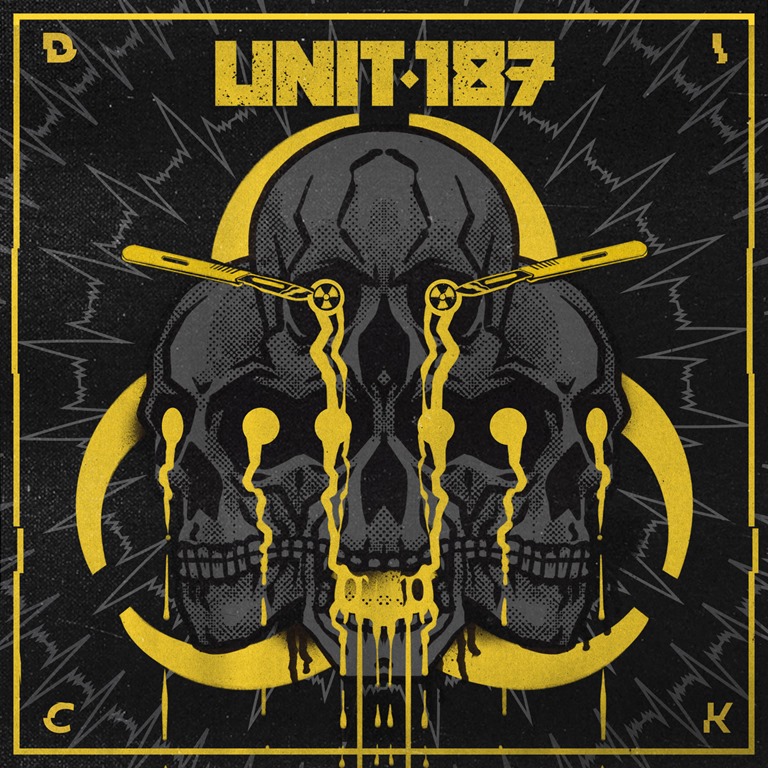
Unit:187 singer and frontman Tod Law sadly passed away in 2015, but left a legacy of music that has inspired the band to finally move forward. Now fronted by former backing singer Kerry Vink-Peterson, their upcoming KillCure album continues to pack attitude and punch, albeit with a dancefloor friendly edge. An opening salvo from the record, ‘Dick’, has been made available today as its first single.

Listen here:

AA

a3126642444_10

Metropolis Records – 27th September 2024

Christopher Nosnibor

Hot on the sweaty trotters of Red Room, released in May, the Lord of Lard, Raymond Watts has managed to mine fresh truffles for a whole new EP ahead of embarking on an extensive tour of the US, which so happens to take its name from the first track on said EP, ‘Heroin for the Damned’. The fact that this isn’t a set of remixes

The title alone is glorious, and you can almost feel the relish with which Watts conjured up the phrase, wicked, perverse, dark, and equally ostentatious and grand, evoking an image within the realms of The Last Supper but with an S&M slant as the participants dine on an orgy of gore… or something. When it comes to relishing the richness of language and delighting in deliciously devilish wordplay and alliteration, sifting through PIG’s catalogue for titles and lyrics (there’s a suitably extravagant book containing all of them just out) provides abundant evidence that Watts really gets kicks from it.

It’s also clear he is absolutely loving the whole self-styled industrial rock-god posturing, hamming it up in leather and mesh, and simply the whole music-making thing, perhaps more than at any point in his career. Instead of being awkward about self-promotion, he’s fully embracing its absurdity, and in a genre that’s largely dominated by serious, angry people, PIG stand out as being rather less po-faced, and altogether more fun than your average industrial act. I’m not sure I’ve seen Al Jourgensen or Trent Reznor posting pics on Facebook hugging their pooches.

That doesn’t mean that the music is any less serious. Watts and his various collaborators really know how to bring a crunching riff and a stonking beat, and, occasionally, having taken early cues from the legendary JG Thirlwell, spin in some bombastic strings and grand orchestral strikes. And Feast of Agony is dark, heavy, intense, and marks a strong return to the more experimental 90s work following a pursuit of an altogether glammier sound of late.

‘Heroin for the Damned’ – the opium of the people for the 21st Century, perhaps – starts low, slow, and sinister, Watts’ vocal a croak amidst a dank electronic swamp before a steady riff, laden with grit, grinds in, rubbing hard against a lowdown pulsating synth groove. It’s a bit NIN circa The Downward Spiral, but equally it’s quintessentially 90s PIG, and lands a monster chorus that combines the raging roar of Sinsation and the grainy grooves of Praise the Lard with gushing gospel grandeur – something that really dominates the final track, the Jim Davies remix of ‘Baptise, Bless, Bleed.’ Piano and bold orchestral sweeps meld with stark synths and crunching guitars on ‘Fallout’, before Watts comes on like Bowie on the slow-paced anthemic ‘Comedown’, while the verses of ‘Hand of Mercy’ owe more to Prince.

It’s a PIG release and therefore it’s a pure [serial killer] thriller, alright – but even within the now-expansive catalogue, Feast of Agony is a strong entry.

AA

a2658647365_10

Having founded the industrial-electro act genCAB in 2006, David Dutton put the group on hold following the release of their debut album II transMuter two years later. A forward thinking record in the genre, it had blended elements of EBM and synth-pop into song arrangements perfectly suited for aggressive rock.

genCAB eventually returned in 2022 with a long-awaited follow-up entitled ‘Thoughts Beyond Words’, as well as the genre-bending ‘Everything You See Is Mine’ EP. These were promoted on a US tour with Aesthetic Perfection, for whom both Dutton and genCAB drummer Tim Van Horn had spent the intervening years playing live.
2023 saw genCAB sign to Metropolis Records, with the album ‘Signature Flaws’ appearing in the autumn. A meditation on one’s own demise, it introduced elements of shoegaze and post-hardcore to an already dense melting pot of disparate sounds.

‘Let It Rip’ is a new EP that precedes the cryptically entitled album III I II (THIRD EYE GEMINI), due out in late September 2024. Half of the full-length record is a modern day update of the best material contained on their 2008 debut, with the remainder consisting of brand new songs inspired by the re-recordings.

An improvement in the genCAB sound was already apparent via a recent rework of the 2008 track ‘Perish The Thought’ released as a single in 2023, but everything else is also now amped up to 11. Although retaining a raw and fresh feel that is faithful to the original renditions, the songs have been completely restructured and are sung with more confidence and conviction than ever by Dutton.

Listen to the EP in full here:

AA

dc9e59041d5c5569664aa9d47e80df8ac7908c5b

Metropolis Records – 23rd August 2024

Christopher Nosnibor

Even at their commercial peak, PIG releases weren’t all that easy to come by, at least here in the UK, despite some of them being on big labels with big distribution. PIG – the project of London-born Raymond Watts – is an act which can legitimately claim to be big in Japan while largely unknown at home.

My own first encounter was seeing them support Nine Inch Nails on The Downward Spiral Tour in Wolverhampton in 1994. I was in the middle of my A-level exams, but no way was I going to miss NIN. I didn’t even know who the support were, but witnessing the heavy grind of PIG, with pigs’ heads on poles at the sides of the stage, as their lanky singer writhed his way through a gritty set was an absolute revelation. The set’s opening song stuck with me, but it was some years before I would actually source a copy of Red Raw and Sore, on this new site called eBay. The debut album, A Poke in the Eye…. With a Sharp Stick and the ‘Sick City’ 12” were fairly easy to find at record fairs around 1994, as Wax Trax! vinyl was available in abundance, and often cheaply, too, but anything else? Pretty much impossible to find. And so it was that PIG felt like a near-mythical act, and despite having played these big shows with NIN, still no-one was really aware of them.

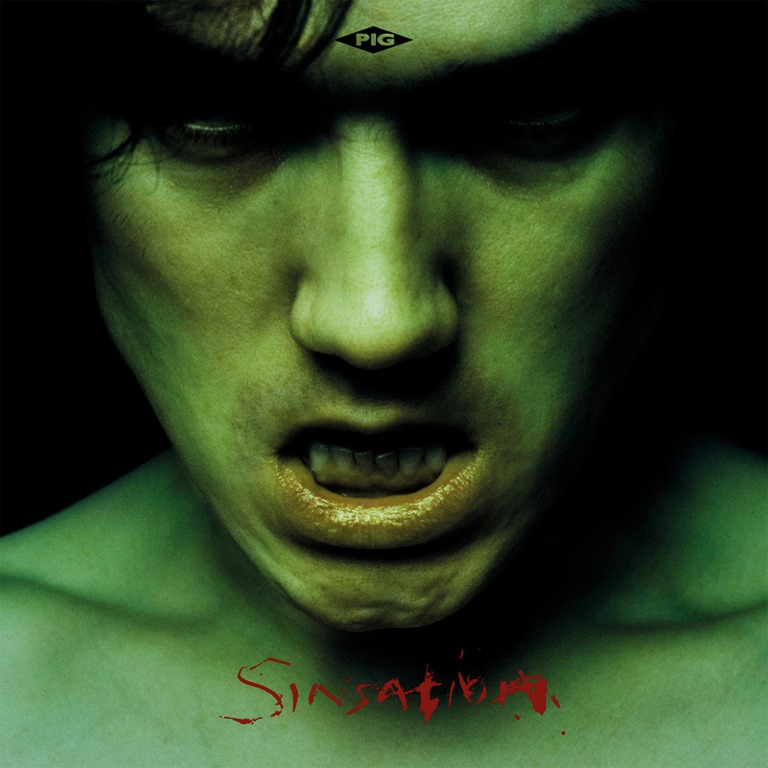
Sinsation was released first in Japan in 1995, and a year later in the US, and on learning of its existence, I got my local record shop to order it in, but had to wait literally months for it to arrive on import. Oh, but it was worth the wait. It delivered all of the theatrical pomp that defined A Stroll in the Pork, but cranked up the dirty industrial guitars and found Raymond Watts in top form with his extravagant wordplay. In short, it reset the bar, not just for PIG, but for what ‘industrial’ music could be. This wasn’t just hard and heavy, but also playful, witty, intelligent, and still dark, seething.

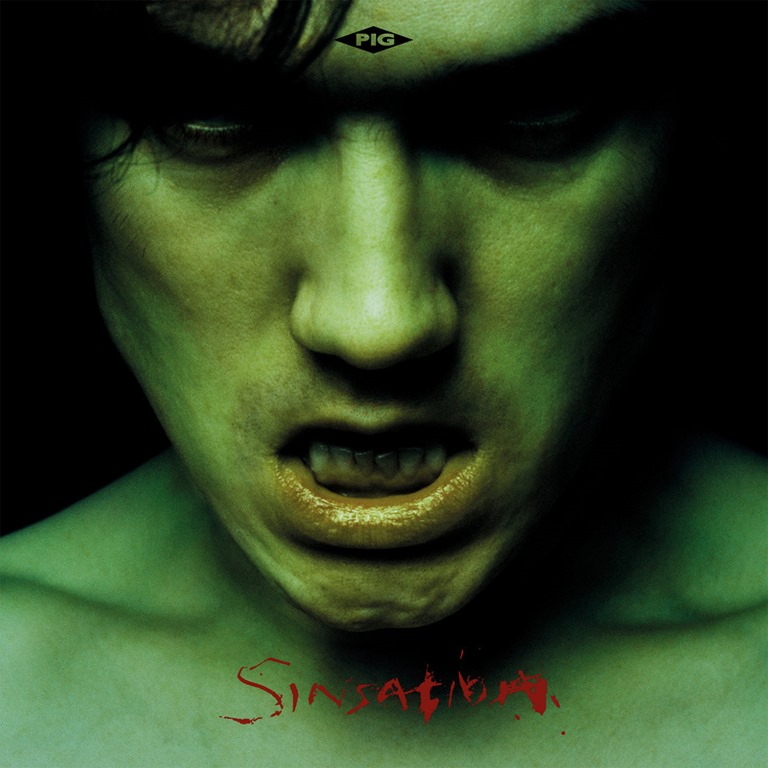
The cover alone is striking. Watts’ image is a standard feature on all PIG releases, but whereas more often than not he is depicted looking buff or brooding, the sickly green hue is unsettling – and slamming in with a series of orchestral strikes and a low, grumbling bass before hitting full-on industrial anthem mode on the first track, the six-minute ‘Serial Killer Thriller’ (the chorus of which provides the album’s title), it’s immediately apparent that Sinsation is something special (and not something sad…).

Admittedly, despite this being an album I’ve played to death over the last thirty years, apart from a few tracks being a few seconds different in their duration, I can’t discern any huge differences between this remastered version and the original: there are, perhaps, more details revealed in the mix, but then, the production on the original was impressive, and again, I’ll come back to that word, ‘detail’. There’s a lot happening; samples, snippets of bits and bobs, strings, multi-layered vocals… A touring member of Foetus early in his career, with JG Thirlwell involved in the early singles and debut album, Watts clearly learned much from Thirlwell, as well as his early involvement with KMFDM. Sinsation felt like the point at which he brought these two aspects together in perfect balance while simultaneously realising his own unique sonic vision. The result was a set of hefty, driving songs, exploding with ideas and noise, and so many layers, so much going off all over the place. It was bold, audacious, and while it’s easy enough to say that it’s a bit Foetus, a bit KMFDM, it goers so far beyond these points that comparisons are a diminishment of Watt’s achievements here.

Sinsation is certainly the first PIG album to showcase the full range of styles and compositional aspects Watts has in his locker, and as such, represents something of a creative peak.

While nominal single ‘Painiac’ (an early version of which was the lead track on a Japanese-only EP, and a video for which got a few spins on MTV on the album’s release) is a throbbing industrial beast of a tune, ‘Golgotha’ is a dark, semi-ambient interlude which sits between the driving snarl of ‘Hamstring on the Highway’ and the swaggering industrial-strength glam-tinged gospel-infused dark pop of ‘The Sick’, which would provide the blueprint for the PIG renaissance which started with The Gospel in 2016. ‘Analgesia’ is a magnificently atmospheric piano-led instrumental which incorporates elements of ambient and electronica and extraneous noise ‘Volcano’ is serpentine and sleazy, with some audacious orchestral work in the mid-section which take the bombast of Foetus’ Nail to another level, while ‘Hot Hole’ drives hard and heavy with pulsating electronics colliding with hefty chugging guitars and ferocious beats.

For the many who likely missed this the first time, this re-release provides the opportunity to make acquaintance with one of the definitive PIG albums, and for those already familiar, it’s a timely reminder of the incredible journey that has been PIG’s career to date, while offering the first chance to get it on vinyl. Almost thirty years on from its first release, Sinsation still sounds phenomenal – insanely ambitious, utterly deranged, and in a league of its own, quite unlike anything else before or since, even within the PIG catalogue.

AA

a2059987689_10

Following hot on the heels of his new album ‘Red Room’ (released in May 2024), industrial rock mainstay Raymond Watts aka PIG has today reissued a fully remastered version of his seminal mid-‘90s album ‘Sinsation’ via

Following hot on the heels of his new album ‘Red Room’ (released in May 2024), industrial rock mainstay Raymond Watts aka PIG has today reissued a fully remastered version of his seminal mid-‘90s album ‘Sinsation’ via Metropolis Records (CD, digital) and Armalyte Industries (deluxe 2xLP vinyl). Out of print for almost three decades, it makes a timely reappearance just ahead of a North American tour.

‘Sinsation’ was originally released in 1995 on Nothing Records, the label established by Nine Inch Nails kingpin Trent Reznor, and not long after PIG had opened for NIN at a number of shows. Nothing was an influential and commercially successful label with a cult underground following that also issued records by Marilyn Manson, Squarepusher, Autechre, Meat Beat Manifesto, Pop Will Eat Itself, Einstürzende Neubauten and Plaid, as well as NIN themselves.

(CD, digital) and Armalyte Industries (deluxe 2xLP vinyl). Out of print for almost three decades, it makes a timely reappearance just ahead of a North American tour.

‘Sinsation’ was originally released in 1995 on Nothing Records, the label established by Nine Inch Nails kingpin Trent Reznor, and not long after PIG had opened for NIN at a number of shows. Nothing was an influential and commercially successful label with a cult underground following that also issued records by Marilyn Manson, Squarepusher, Autechre, Meat Beat Manifesto, Pop Will Eat Itself, Einstürzende Neubauten and Plaid, as well as NIN themselves.

Check the video here…. Album review to follow….

AA

9af61b6130ce938e2fa6f1d2fbf2db35b6784588

Bill Leeb is the Vancouver-based musician and mastermind behind electro-industrial scene mainstays Front Line Assembly and ambient-pop duo Delerium, as well as a key member of recording projects that include Noise Unit, Intermix and Cyberaktif.

Model Kollapse marks the first solo venture by this sonic chameleon and creative trailblazer since the mid-80s days of Front Line Assembly, when Leeb began making recordings in his bedroom and released them on limited edition cassette format. Almost four decades on, his new album was recorded and produced in Vancouver, Toronto and Los Angeles with assistance from production duo Dream Bullet and long-term recording cohort Rhys Fulber, plus regular mixing engineer Greg Reely.

The song ‘Demons’ has been released today as the second single from the album, with Leeb stating that the EBM styled track is a comment on “how much darkness and evil exist in the world, some of it created via technology that is here to stay, and how we have to carefully navigate our way through it all on a day-to-day basis.”

‘Demons’ follows the introductory single ‘Terror Forms’, featuring Shannon Hemmett of the group ACTORS, who are also based in Leeb’s home city.

Watch the video here:

AA

a4b332826fb57004f015b07c9799a9237b0fe591

BILL LEEB | 2024 photo by Bobby Talamine

Metropolis Records – 7th June 2024

Christopher Nosnibor

Oi, Nosnibor? Call yourself a goff? Well, yes… and no. Y’see, much as many people scoff at Andrew Eldritch insisting The Sisters of Mercy aren’t goth despite displaying so many of the trappings of goth, he does have a point, and one I’m willing to defend when it comes to my own musical preferences.

The Sisters, The Cure, Siouxsie, Bauhaus, bands I came to quite early in the formation of my musical tastes in my teens, are all largely considered exponents of ‘goth’, but were well-established long before the label existed. Tony Wilson said in an interview that there was something ‘gothic’ about Joy Division, and while they were contemporaries, and similarly dark, and – like the aforementioned acts – emerged from the post-punk scene, along with the likes of Alien Sex Fiend, The March Violets, The Danse Society, but somehow manage to avoid the goth tag. Ultimately, the whole thing was a media construct based largely on a false perception of a bunch of disparate acts who shared a fanbase. Just how much bollocks this was is evidenced by the fact the likes of All About Eve, New Model Army, and Fields of the Nephilim – again, bands who shared nothing but a fanbase, in real terms – came to be lobbed into the ‘goth’ bracket.

But then bands started to identify as ‘goth’ themselves, most likely as a way of pitching themselves in press releases, and things started to head south rapidly thereafter.

Having formed in 1981 and being signed to 4AD, home of The Cocteau Twins, and releasing their debut album in 1985 – the same year The Sisters released their seminal debut First and Last and Always – Clan of Xymox belong to the initial wave of proto-goth, in the same way X-Mal Deutschland do. Yet for some reason, they’ve bypassed me. Seventeen albums in, I’m perhaps a bit late to the party, and while I can’t claim to be fashionably late, it’s better late than never, right?

This does mean that I’m approaching Exodus with no benchmark in terms of their previous albums, and with the weight of recently-jettisoned preconceptions and prejudices. Perhaps not a strong standpoint for objectivity, but it’s worth getting these issues out of the way first.

It’s amusing to read how retrospective reviews of their debut criticised the fact it sounded cliché and dated, not least of all because of the synth sounds which dominate. What goes around comes around and vintage synths and drum machines, however tinny, fuzzy, basic, are all the rage once more, with people willing to pay crackers prices for the precise purpose of recreating those sounds.

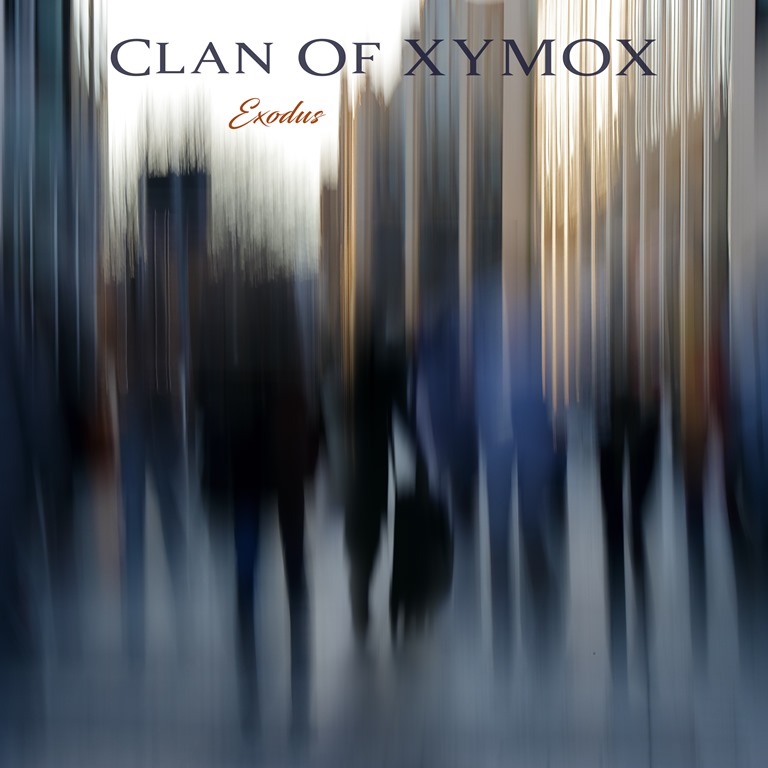
Exodus sounds like an early-to-mid-eighties dark electro album, showcasing all of the elements of goth before it solidified, before the cliches became cliches. The drum machine programming is quintessentially mid-80s, a relentless disco stomp with a crisp snare cracking hard and high in the mix.

They slow things swiftly, with the brooding, moody ‘Fear for a World at War’ – a timely reflection on the state of humanity – landing as the second track. It’s moving, haunting, but drags the pace and mood down fast, samples and twinkling synths hovering and scrapping over a hesitant beat and reflective vocals.

‘The Afterglow’ combines chilly synths and fractal guitar chimes to forge a cinematic song. It’s unquestionably anthemic, and has the big feel of an album closer. Where can they possibly go from here? Well, by pressing on with more of the same… Much of Exodus is reflective, darkly dreamy, vaguely shoegazy, very Cocteau Twins – at least sonically, being altogether less whimsical in content. It’s undeniably a solid album, and one steeped in the kind of sadness and melancholy that’s quintessential brooding gothness. ‘X-Odus’ hits a driving techno goth sound that borders on industrial, but equally owes as much to The Sisterhood’s Gift, which is really the point at which ‘goth’ intersected with dark disco.

Eighteen albums in Exodus sounds predominantly like the work of a contemporary dreamwave / goth act plundering the old-school with some heavy dashes of late eighties Cure, and while many fans will be hard into it, to my ears, it’s good – really good – but much of its appeal is nostalgia and familiarity, and objectively, it’s just a shade predictable and template.

AA

064556

Metropolis Records – 19th July 2024

Christopher Nosnibor

Metropolis Records – 19th July 2024

Cut back to not so long ago – in real terms – and the prospect of a new album from The March Violets was simply not something you’d imagine. 1987/88: The Sisters of Mercy had broken through in a major (label) way with ‘This Corrosion’ and Floodland; The Mission’s ‘Tower of Strength’ almost reached the UK Top 10 before Children scaled the heights of number two in the album charts, and this was the commercial heyday of goth… and one-time peers, The March Violets were a footnote in the genre’s history, having gone pop and signed to a major, only to go nowhere far and call it a day. They were fondly remembered by those who did, and compilation The Botanic Verses documented their body of work in the early 90s, but… Rosie was busy doing poetry and the like and Si was hiding behind smog as Nurse to Dr Avalanche as part of The Sisters of Mercy’s touring crew.

Then, in 2007, twenty years after they vanished, the band reconvened for a show in Leeds at what was then still the Met. It was a glorious celebration, not only of The Violets and their career, but also the heritage of the Leeds scene, with The Chris Reed Unit representing one of the city’s most singular and longstanding acts, and Merciful Release stalwart James Ray presenting thee magnificently eccentric ambient dance grooves of 25 Men.

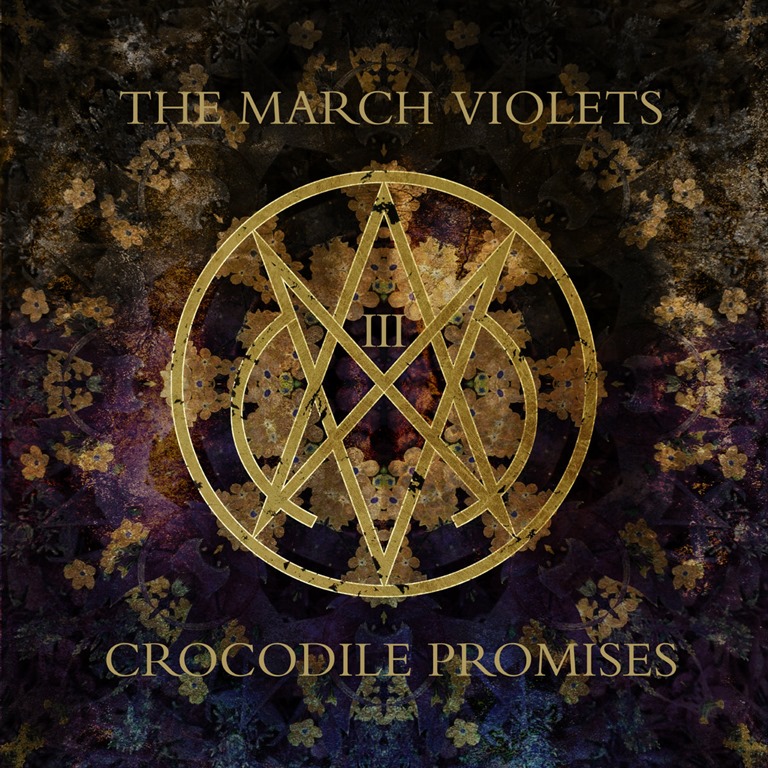
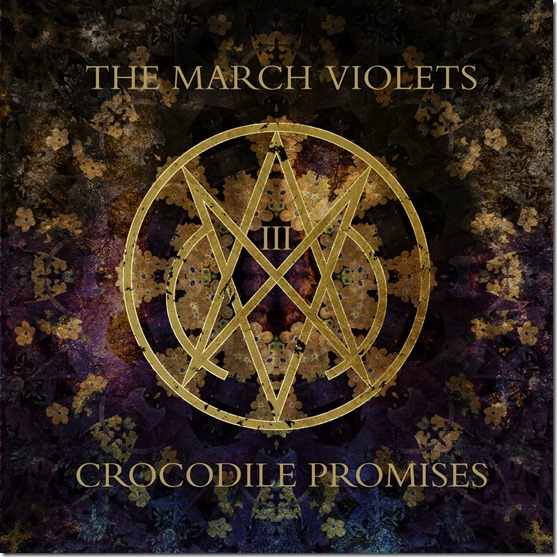
Health issues stalled things for a while, but miraculously, 2013 saw the eventual release of Made Glorious – which was in fact their debut album, since the three previous long-players had all been compilations (I’m including the US-only Electric Shades among these). And now, after further setbacks – notably Denbeigh’s departure from the band following a stroke, but also some not insignificant touring under their belts – they deliver album number two, Crocodile Promises a mere eleven years later.

No-one could, or should, expect a band who’ve been going for so long and undergone so many changes – both personnel and personal – to sound exactly the same as they did when they started out. And nor should anyone want a band to exist in a state of suspension or arrested development. Here’s where The March Violets are a rare thing: a band which has evolved, expanded, grown, but equally has never lost sight of their roots. As their Bandcamp bio summarises it neatly, ‘Original Post Punk Drum Machine Band From Leeds. Started at the Beginning, Imploded, Reborn for the 21st Century. Play Loud Play Purple.’ Yes, they’ve even retained their original slogan. And it still works, too.

Whereas Made Glorious was a sprawling beast of a release, comprising sixteen tracks – a double album, effectively, Crocodile Promises is a taut, succinct nine-song document.

Single release ‘Hammer the Last Nail’ kicks the album off in classic style with a snaking drum-machine groove and twangy gothy guitar interweaving behind Rosie’s sultry, vampy vocals.

Where Made Glorious felt a tad slick, Crocodile Promises returns to the pumping, gritty sound that made the band one of the greatest first-generation post-punk acts. ‘Bite the Hand’ is a tangle of metallic, trebly, chorus-hazed guitar against a thrumming bassline and pumping mechanised drum machine, and it’s got the hunger and edge they displayed back in ’83. It’s likely a coincidence that the title is a phrase which featured in a quote from Andrew Eldritch when commenting on the Violets’ departure from Merciful Release… right?

‘Virgin Sheep’ maintains the angular energy, and once again recaptures blistering force of their first iteration, calling to mind the frenzy of ‘Radiant Boys’. ‘Mortality’, the title track from the album-in-progress which was shelved on account of Denbeigh’s stroke is another classic Violets cut, and what becomes apparent while listening to Crocodile Promises is that feels natural, comfortable, not a struggling, forced effort to recreate the past. Of course, the timing is beneficial: the next generation of new music-makers are discovering grunge, post-punk, shoegaze, and goth, and suddenly, the bands who were the progenitors of these styles are finding new audiences, and instead of sounding dates, the styles feel fresh once more.

Of course, great songs are timeless, and great songs are a feature of Crocodile Promises. ‘Crocodile Teeth’ is perhaps more fractal dream pop than goth or post-punk, but it’s got that late-80s Siouxsie vibe that gives the dreaminess a serrated edge. Its inclusion brings balance and space to the album, too.

It would be wrong to say that The March Violets are quite the same band they were without Denbeigh’s snarling interjections, but it would equally be a mistake to criticise the current iteration on account of this. The March Violets are survivors – and a great band. Ever-present co-founder Tom Ashton continues to prove pivotal in defining their sound, and, equally, their attitude. As much as they were a part of that early 80s Leeds milieu, The Violets stood apart, and that slightly wonky, sharp-edged, skewed guitar was, and remains, integral. And moreover, Crocodile Promises is a great album. Its strength lies not only in its consistency, but also its energy and its atmosphere, both of which it brings in abundance. But best of all, this is a true return to form. There isn’t a dud cut here, and every song is up there with the singles up to ’86. It’s incredible that a band at this stage in their career could drop a definitive album – but that’s exactly what The March Violets have done.
a2052340793_10