Archive for the ‘Albums’ Category

Neurot Recordings – 7th August 2020

Christopher Nosnibor

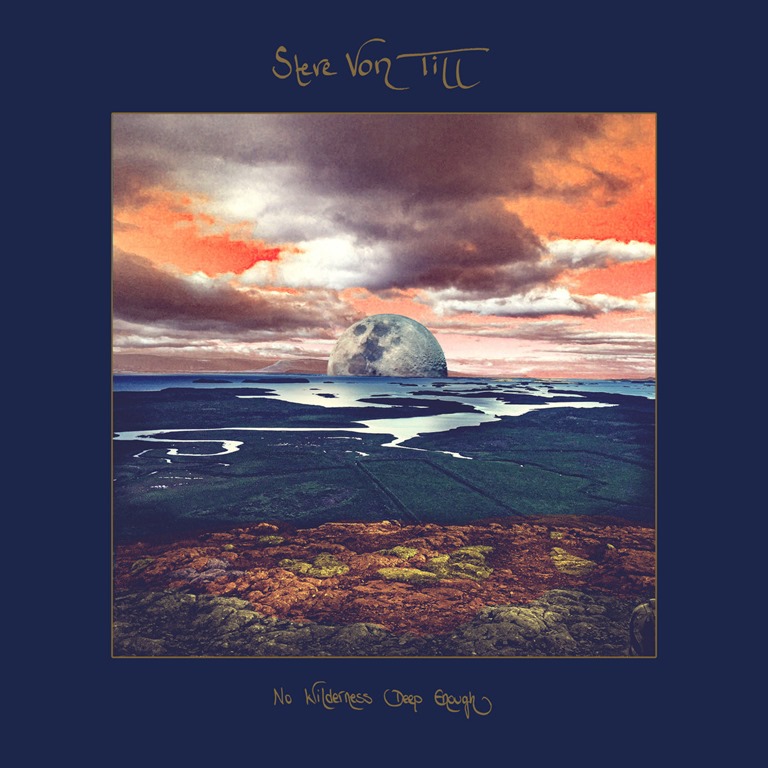
Stepping out from the Neurosis fold once more to deliver a fifth solo album since the turn of the millennium, Steve Von Till brings more grizzles bleakness across six lengthy songs. These are still very much songs in the conventional sense, structured, organised, focused, centred around melody and instrument and voice. And as the title suggests, No Wilderness Deep Enough finds Von Till wandering some dark, barren territories.

As is a defining feature of the Neurosis sound, there’s a richly organic feel to the music here. Brooding strings provide the core for the sparse but dark orchestral arrangements which dominate this bleak, acoustic-led album that places Von Till’s grizzled, growling vocals to the fore.

A sparse piano motif – which is almost a direct replication of Glissando’s ‘Floods’ plays out the outro on ‘Dreams of Trees’, the album’s first song, which is a low-key, percussion-free post-rock effort that tugs at emotional levels that have lain dormant for an eternity – or at least since we’ve all been clenched in the spasm of lockdown. It taps into a different and deeper psychological space.

It’s all remarkably low-key, so does actually require some attention to fully absorb, but some quiet time and contemplation soundtracked by No Wilderness Deep Enough makes for a quite moving experience.

Oddly, much of No Wilderness Deep Enough sounds more like I Like Trains fronted by Mark Lanegan, and the dark introspection of single release ‘Indifferent Eyes’ carries the same brooding, mood, and a sense of a cracked emotional state – ground down, world-weary, harrowed, and bereft, embattled, bloodied, but still standing. Von Till conveys all of this with a heavy-timbred creaking sigh, a ravaged, Leonard Cohen growl delivered with magnificent poise. You feel this: every note, every word.

AA

a3678735570_10

7th July 2020

Christopher Nosnibor

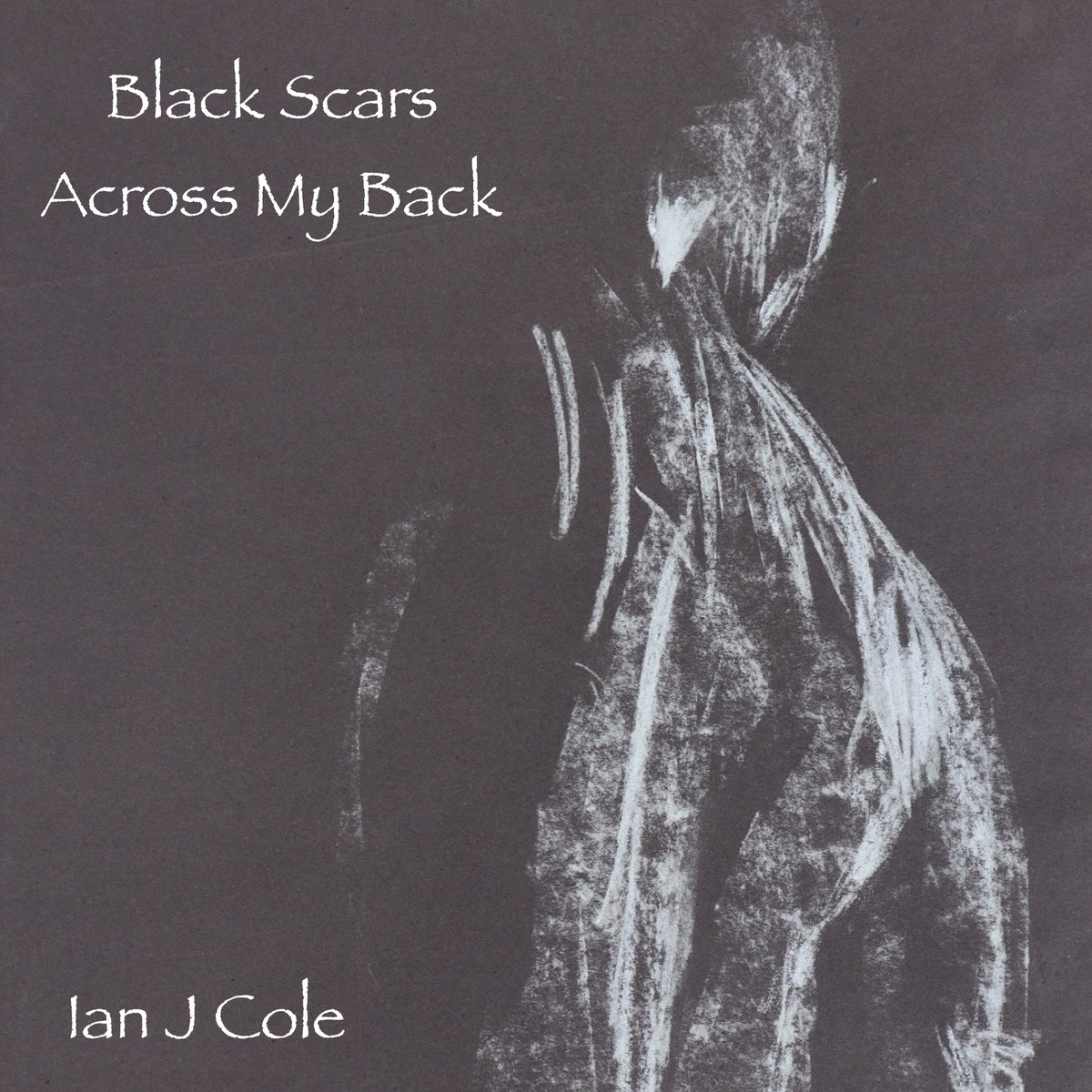
Another face on the Yorkshire electronic music scene, Ian J Cole is someone I’ve seen – and enjoyed – performing a few times. Obviously, not recently, nor probably any time soon, which makes the arrival of his new album, Black Scars Across My Back, most welcome.

Inspired by Bevin Boy John Copley, who died as a result of working down a Doncaster Mine in 1946, Black Scars Across My Back is a conceptual / narrative-based album in essence, although translating any concept or narrative to purely instrumental compositions means the scope for interpretation is vast. The expanse of the album is also pretty substantial, clocking in just shy of an hour and a half.

The details accompanying the album are minimal, but a spot of research show that Copley, who died aged 21, who is buried in York cemetery, was ‘one of the 48,000 ‘Bevin Boys’ (named after Ernest Bevin who was the Minister of Labour & National Service) who were conscripted to work in the UK coal mines between December 1943 and March 1948.

Then again, music alone can convey meaning and emotions in a way that resonate deeper and in ways that words simply cannot. And what’s particularly noteworthy about this album s that it focuses not on grand narratives, the political or even the personal, but a microcosmic sliver of local history, often neglected. Real history isn’t about wars and politicians, but the lives of the everyman, lived and forgotten about. Yet without these people, what would we have?

The album’s sixteen-and-a-half-minute opener balances elegiac piano with creeping swirls of ambience. It’s delicate, and softly transitions between spaces over the course of its duration, with richly layered washes of sound that interlace and interweave. What does it convey? Nothing… but everything. A certain air of simplicity, of airiness, unhurried and uncluttered breathes through the spacious arrangement, which subtly turns moods from optimism to shades of gloom via plain drifting.

There is only one Elvington Terrace in the whole UK, and located in the centre of York it measures a mere 90 metres: ‘2 Elvington Terrace’ is a haunting piece that drifts and wafts, ghostly and ethereal.

The shuffling groove of ‘Cook, Trowton and Simms’ is unexpected, and unexpectedly buoyant, introducing percussion to the album’s palette and upbeat, lively percussion at that – although there are thunderous rumbles and crashing waves in the distance, which twist the tome a little. Next up, the gloopy tension of ‘The Balloteer’ features looped samples amidst the electronic bubbling, calling to mind early Test Department and the like, and lines like ‘produce for victory’ bear remarkable parallels to the latest slogans like ‘eat out to help out’. Do we ever learn from history? It’s a rhetorical question, and I think you know.

‘Drift Sights’ is a conglomeration of clattering, industrial percussion and sparse notes, while the epic ‘The Bevin Boy’ is a constant flux of tempestuous ambience that’s far from tranquil. It provides a bleak backdrop to segments of spoken-word narrative.

The title track brings a chiming, glistening charm, as well as sprightly bright flashes of light, which bounce across the ripples and creaks of metal-cast shade, before the album’s last piece, ‘She Left Flowers on is Grave’ draws the curtain with a dolorous finality.

Black Scars Across My Back may not expressly articulate the life of its subject, but is highly evocative, and knowing the story, the context, imbues it with a sadness that’s affecting. It’s hard not to be touched by its quiet intensity.

AA

a0882284475_10

Room40 – DRM475 – 24th July 2020

Christopher Nosnibor

In one of a brace of releases on Lawrence English’s Room 40 label in July, Australian minimalist Todd Anderson-Kunert presents a selection of Moog synthesiser compositions, which we learn are ‘exercises in intimacy, restraint and unerring patience. Past Walls And Windows plays with how sound emerges and decays. It is an edition that celebrates the ephemeral nature of the medium and the way sound’s immateriality invites a constant sensing and seeking on behalf of those that encounter it’.

These are indeed minimal works, so sparse at times as to be barely audible, and they’re a long way from presenting any sounds conventionally associated with the vintage Moog. Instead of jangly, trilling tones, Anderson-Kunert teases hovering single notes that evoke a sombre, even funeral atmosphere for the most part. There are flittering oscillaations and low, diminishing drones, and they make up much of the fabric of this set, comprising six pieces, most of which sit over the five-minute mark.

It’s quiet and delicate: ‘Better Left’ begins with distant grumbles of thunder, before low ominous notes drone in and halt abruptly, while ‘An Echo’ brings slow pulsations and haunting drones like a trilling church organ ringing out dolorous notes in a sepulchral setting. It’s gloomy, and it’s ambient in the background sense, yet it has the capacity to send the listener inside themselves on a contemplative course.

It’s no criticism to remark that there isn’t a lot to say: this is an album that requires not commentary, but peace, and time: to be listened to without interruption or distraction, and ideally in semi-darkness. It isn’t an album that really raises questions, and it doesn’t offer answers: it simply is. An as a sonic vehicle for contemplation and tranquillity, it’s ideal.

DRM475_art

DL only – Self Released – 15th July 2020

Christopher Nosnibor

Four months on from the original Kressel Studies release, Mick Sussman delivers a second volume of ‘algorithmic studies’ which explore ‘new rhythmic and timbral techniques’ The accompanying text explains that ‘as with the previous volume of Kressel Studies, these pieces are brief and generated from compact nuggets of computer code. But they form a varied procession of musical thoughts, some severe and some almost merry.’

I wrote of the first back in March that Sussman took the listener ‘deep into skittery microtonal bleeping territory’, and this twenty-one track collection of snippety fragments of drones, hums, bleeps and yawning extraneous and quivering noises follows the same experimental trajectory. And as one may reasonably expect, Vol 2 is more of the same, only different – but not very.

‘kr40P1p5’ is a jittery, skittery melange of synths, and ‘kr40P1p5’ is similarly brain-bending, but even more fractured and dizzying, as stunted notes bounce and ricochet every which way in a kind of Brownian motion. ‘Kr42p2p5’ is a swampy soup of straining analogue, while ‘kr42p2p7’ is a fizzing morass of whupping phase and stunning static hiss that’s churned to a spacey foam.

R2D2 bleeps and whistles and retro-futurism clash with short blasts of power-electronics noise, and this is very much a work which is preoccupied with sound rather than sense, conjuring a wibbly-bibbly world of weirdness.

It’s very much a mixed bag of oddities, and if, like its predecessor, it sounds like so much dicking about in the studio, then that’s because it really is, although that’s no criticism. The blurb explains that across the album, ‘some [tracks] veer toward pure noise, like Kr. 42.2.3, while others have a lighter melodic flavor, like Kr. 42.3.1. And some split the difference, with rough-textured grooves, like 44.2.1.’ And perhaps, rather than view this as an album in the conventional sense, it should be held up against the sound effects alums of the 70s and 80s, the likes of which were recorded by the BBC Radiophonic workshop.

With each piece – compositions is a stretch, at least as a musical descriptor: any composition involved is digital coding as Sussman plays with the parameters of programming – so brief, the listener doesn’t get the opportunity to settle, and is instead slapped by a quickfire succession of sonic assaults presented as sketches that flit across the full range of textures and tones, and at a pace that’s sometimes bewildering.

It does work – again, not as an album, but a collection of random sounds and sonic experiments.

AA

a1746053039_10

Ideologic Organ – SOMA034

Digital release date: July 3/10 / Physical release date: mid August 2020

Christopher Nosnibor

Ideologic Organ label owner Stephen O’Malley effuses over Ai Aso’s ‘immaculately crafted form of minimalist pop music skirts the edges of tensity with the manner and with the skill of a tight rope walker, calmly balancing repeatedly at every step, with a combination of surety and the risk of a slip, a fall, and an unknown uncoiling of events’.

Pop may not be a genre commonly associated with he label or the Sunn O))) founder, but Ideologic Organ do have a track record for venturing beyond the expected and showcasing some unusual talents, and Ai Aso is definitely one of those, as the nine tracks on The Faintest Hint demonstrate. Legendary Japanese rock band Boris accompany Aso on two of the pieces, but if you’re expecting powerchords, keep moving on.

Picked acoustic guitar alone accompanies Aso’s voice for most of the first song, ‘Itsumo’, and indeed, much of the album, and even with the multi-tracked vocal, it’s a simple, spartan, and intimate recording. The guitar and voice are in the room with you. And they touch you accordingly.

‘Scene’ is more post-rock, a slow, quivering bass chord echoes out against chiming guitar notes and Ai’s soaring ethereal voice calls to mind Cranes at their most delicately haunting, but also at times is simply a shy humming that’s endearing in its understatement and apparent reticence.

Sometimes, quietness and sparseness simply seem to equate to sadness, and the low, mumbling low-note repetitions of ‘Gone’, despite the words being unintelligible, emanate an aching sadness, while in contrast, ‘I’ll do it My Way’ carries something of a playfulness, not to mention a certain Young marble Giants lo-fi bedroom indie vibe. The straining electric guitar discordance that disrupts the singsong easiness of the song toward the end is a nice touch. She trills, swoops and croons on ‘Floating Rhythms’ in a way that sounds like she’s singing to herself – and this intimacy provides a large part of the appeal.

If there’s anything about The Faintest Hint that may suggest ‘amateurish’ to some, that’s certainly not the reaction from my ears: Aso’s minimal approach to songwriting and performance gives a rare immediacy, and it’ss unhampered by conspicuous production. It’s touching, intimate, and special.

AA

a0454863500_10

Come Play With Me – 17th July 2020

Christopher Nosnibor

Since their inception and their first release, Leeds label Come Play With Me have done a remarkable job of showcasing local talent and giving an outlet to an array of acts from the area – and to be fair, they’ve always been spoiled for choice.

As has been increasingly apparent over social media in particular lately, with attention all on schools, pubs, hairdressers, the music industry is foundering. Which is why this release is important, as a compilation record ‘to support contributing artists as they deal with the delays, cancellations and loss of income caused by the coronavirus pandemic’.

I may have mentioned it before: I’d questioned the appropriateness of reviewing under the circumstances, but with so many acts releasing new music under lockdown either out of boredom or necessity, following a certain degree of public pressure, I elected to press on, and releases like this remind me why.

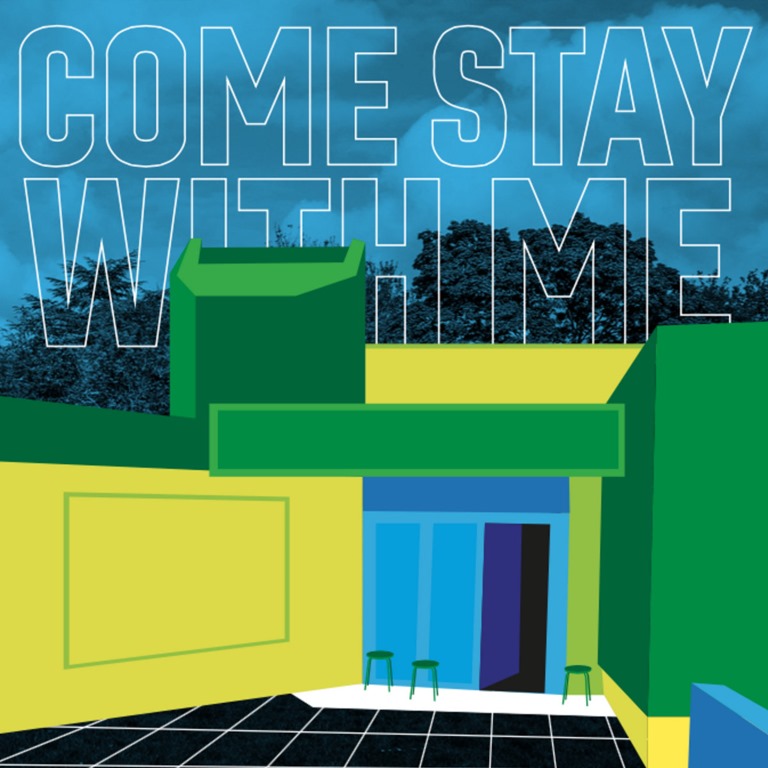
Come Stay With Me is ‘a collection of 13 new songs from bands and artists across Leeds ‘Come Stay With Me’ will feature Magick Mountain, Talkboy, Dialect, Team Picture, Van Houten, Dead Naked Hippies and more with artwork from ‘Life’ drummer Stewart Baxter. Set for release in July on eco-vinyl, all profits from Come Stay With Me will be shared between the contributing artists.

What isn’t to support here? For those in need of a reason, here are plenty:

Team Picture are a band who invariably surprise: perhaps it’s because of their incorporation of so many disparate stylistic elements that they never sound like the same band. On this outing, they’ve gone for some Hi-NRG disco which is more Donna Summer than the indie seem they’ve mined previously.

Mindstate are a new name to me, and while I’m not taken by their brand of mellow, lougey jazz, it’s hard to fault the musicianship or their capacity to conjure a mellow, late-night club vibe with their chilled brass and skipping percussion. As it happens, the majority of the bands are unfamiliar, and it’s heartening to discover so many emerging artists. The majority are of an overtly ‘indie’ persuasion, and collectively, there’s something of a C86 vibe to this compilation.

But then, what goes around comes around, and the label is names after a song by on of the definitive indie bands of all time, local legends The Wedding Present.

But then Dialect’s ‘Come Up’ represents a vastly underrepresented aspect of the Leeds scene, with some direct and no-messing old-school bassy, beaty hip-hop. It hits hard and packs some meaty bass, too. That it’s very much a lone example amidst the stereotypically white indie probably suggests less an act of tokenism as how the various scenes in the city meet, and hearing this says it’s a shame and reminds us of just how far we still have to go to realise

Tall Talker’s ‘River Hands’ may be contemporary, but their noodly instrumental math-rock belongs to a rich heritage of technical post-rock that goes back to the turn of the millennium and reminds me of countless bands I saw at the Brudenell and various other venues around the city circa 2004-2008. There was a time I found this stuff a bit samey, but listening to this now, it’s hard not to get dewy-eyed. I’d rather listen to a thousand identikit instrumental post-rock acts than see venues going under and not be able to mill around at the bar between acts and discover new bands several nights a week.

Jagged post-punkers Dead Naked Hippies offer something different with the stark, broody electropop of the ‘Night Time Version’ of ‘Eyes Wide’, which sounds like Siouxsie and the Banshees remixed by Depeche Mode. Which means it’s absolutely killer.

Local supergroup and Pulled Apart by Horses offshoot Magic Mountain bring all the grungy surfy racket with ‘The Shitty Beatles’, and DENSE do a storming job of primitive lo-fi punk din with a contemporary spin on the ball-busting ‘Electric Chair’.

Dead Poets bring a slice of DIY folktronica, that boasts a dense cinematic production that belies its simplicity, and Talkboy’s demo for ‘Over Under’ is another classic indie cut with a certain vintage feel

The last track, ‘One Last Look Around’ by Household Dogs is interesting, musically and in terms of its place on the album: it’s brooding, reverby, and semi-gothic, at the same time calling to mind Post war Glamour Girls and early Pulp. It’s no understatement to say that this is an absolute revelation, and I’m buzzing for more Household Dogs. It makes me yearn even more for the live scene and situations where I can stumble upon new acts with ease. But in the meantime, stay alert, keep on the hunt for new artists and support music any and every way you can.

AA

a0398853239_10

Cruel Nature Records – 3rd July 2020

Christopher Nosnibor

On the face of it, Newcastle has a conspicuously large and thriving scene devoted to all kinds of noisy / experimental metal shit, until you realise that about 75% of the bands feature James Watts and a number of his mates. Ultimately, that’s col, because Watts is a versatile vocalist – maybe not Mike Patton, but more than adept at affecting all kinds of low-throated metal, as well as anguished elongated notes and monastic incantations, and, as the last song evidences, human didgeridoo.

The band are described as ‘a unique weirdo blend of improvised doom with a drunken psychedelic vibe which is anywhere between THRONES to The Melvins to a very pissed off Butthole Surfers.’ The blurb also goes on to detail that ‘They normally play as a 3 piece, with bass, drums, a little sax and vocals which sound like they are coming out of someone’s mouth who has been trapped in a basement for 20 years and staying alive by licking the mould that grows on beer barrels.’

It’s a fair summary, although there’s more than a little sax here. But no violins. For all the sonic assault, they’re very much pacifists.

There’s nothing like easing the listener into an album gently, and the twenty-three minute opener, ‘Ioniser’ is absolutely nothing like easing the listener into an album gently. An overloading crackle and buzz churns and distorts like hell. It eventually settles into a Shellac-like groove, hectic Todd Trainer-esque drumming driving a grungy low-end grind that provides the backdrop for a display of vocal contortions that celebrate all things tortured and guttural.

Christ, that bass! It’s so low and grindy it could relieve constipation within a matter of bars, and against a jazz-influenced rhythm played with explosive force, ‘Shan patter’ is an absolute beast. The vocals are barely audible and as low, if not lower, than the bass, a chthonic gurgle

‘Shenanigans’ has the looping structure of a dance track crossed with the nagging circular motifs that defined Therapy’s sound on Nurse – only it’s a twisted jazz-funk odyssey, and it’s a complete contrast with the ultra-slow, ultra-minimalist drone-plod of ‘Wallow’ that crawls into a droning boom of repetition, a single chord ringing out for an eternity, the sustain twisting to feedback. Any Sunn O))) comparisons are entirely justified, although the percussion has a certain swing that lifts it from the domain of sludgy doomy drone and into that of something more jazz/low grunge in style.

And if the title of the final cut inspires references to Derek an Clive, the thirteen-minute ‘Horn’ is less to inspire a rush of blood to the penis than a crawling sensation over the skin as another lumbering bassline strolls, battered, bruised, dust and dirt-covered from amidst a fizz of noise before a heavy-hearted brass brays, wails, and honks all over.

While the freeform elements of the pieces give them a sense of looseness, or non-conformity, of spontaneity, of disarray, the way they come together so tightly and intuitively on the extended riffy segments is indicative of a real musical competence and a high level of intuition. It’s special and it’s rare. And it’s a defining feature of an album that’s properly heavy, and at the same time, way jazzy without sucking.

AA

a0908613782_10

limitedNOISE – 10th July 2020

Christopher Nosnibor

Eleven whole years on from Third One Rises, World Sanguine Report crawl bloodied and bruised from a dark, dingy back alley to stagger into the light and toss down onto the rain-soaked, blood-spattered concrete their new album, Skeleton Blush. It’s a haggard, battered beast, a collection of songs that wheeze and puff pain from every pore. Whether it’s whisky-soaked introspection of staggering, brawling bleariness, it’s grainy, gritty, and often bleak, dredging emotions from the pits of the city’s sewers.

The various members have been keeping busy in the meantime, with various projects, notably with vocalist / guitarist Andrew Plummer having detoured for a few years with the grizzled no-wave racket of Snack Family. The various projects are clearly different, but at the same time their creative roots are abundantly clear.

Across the spread of the album, the band swing psychotically, schizophrenically, between dirty jazz-tinged blues that draws together The Doors and Tom Waits in a deliriously drunken swagger of swinging rhythms (you could never call it an elevated or euphoric mood – more an upswing in a maniacally volatile moodset) and boozy, brawling horns, and seedy, low-down lugubriosity.

The title track is as close as thing get to flamboyant, with a flamboyant jazz cacophony delivered with a Beefheartian mania and taste for dissonance, and ‘Drip Driven’ is similarly crazed in his riot of jolting, discordant horns that spirt every whichway over a low-slung stop-start funk groove, while ‘Aou’ trudges through dark, soup waters of brass-tinged gloom, sounding like Gallon Drunk on Ketamine.

Skeleton Blush brings derangement to a big band setting: it’s absolutely wild, and also low-down and seedy – and absolutely fucking ace.

AA

a1615459512_10

Gizeh Records – 3rd July 2020

Christopher Nosnibor

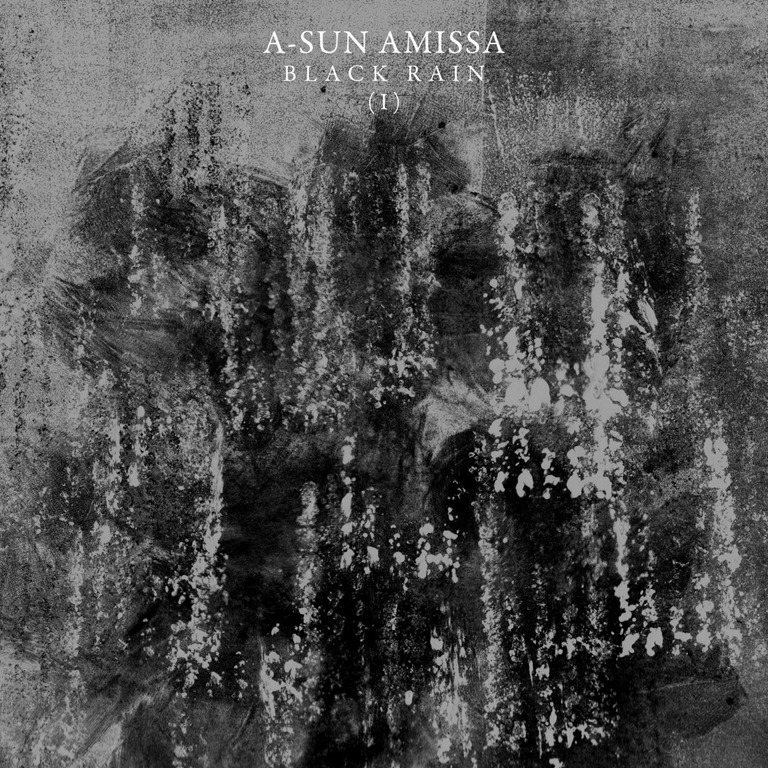
Presumably, Black Rain (I) is the first in a series, and contains three extended pieces – each of around a quarter of an hour – which were written and recorded by Richard Knox during the early months of 2020. Focusing on a more ambient and cinematic approach, Black Rain offers another texture to the A-Sun Amissa palette.

The blurb explains its relatively swift assembly, whereby ‘the record was written over a three month period where Knox had a self-imposed deadline of completing one piece of music per month to then be released digitally with immediate effect at the beginning of the following month. A deliberate move to be more impulsive and instinctive during the writing process and, for him, a new way of looking at releasing a record.’

For all that, nothing about the music here feels remotely rushed. The mood, meanwhile, is in some senses difficult to gauge: it’s not overtly melancholy, but there’s a wistful air to the delicately-arranged compositions.

The first of the three compositions, ‘The Sea’s Collapse’, isn’t a heavy, dramatic piece, but a deep, slow-turning ambient work that possesses a sense of grandeur in its gradual pulls back and forth, tapering down to a muted piano and the softest of washing drones that form a barely-present aural mist. It takes an eerier turn in the dying minutes, a combination of scrapes and extraneous wind-like howls whistling in the distance

The rhythmically-paced piano gives ‘Out Past the Dark’ a clearer sense of structure, as the trailing ambient notes hover in the background. While shifting and evolving over the course of the track, the cyclical chord motifs that surface and subsequently fade create a sense of movement.

‘Pulling Feathers from a Swan Song’ is sparser, and also darker in tone than the others. Long, brooding notes emerge from a slow-swirling murk, and while it’s graceful in its epically-proportioned brooding, there’s a sense of finality in the air that passes between the notes. And yet that finality does not intimate gloom or despair, but sad, weary acceptance of passing.

AA

a3372551981_10

5th June 2020

James Wells

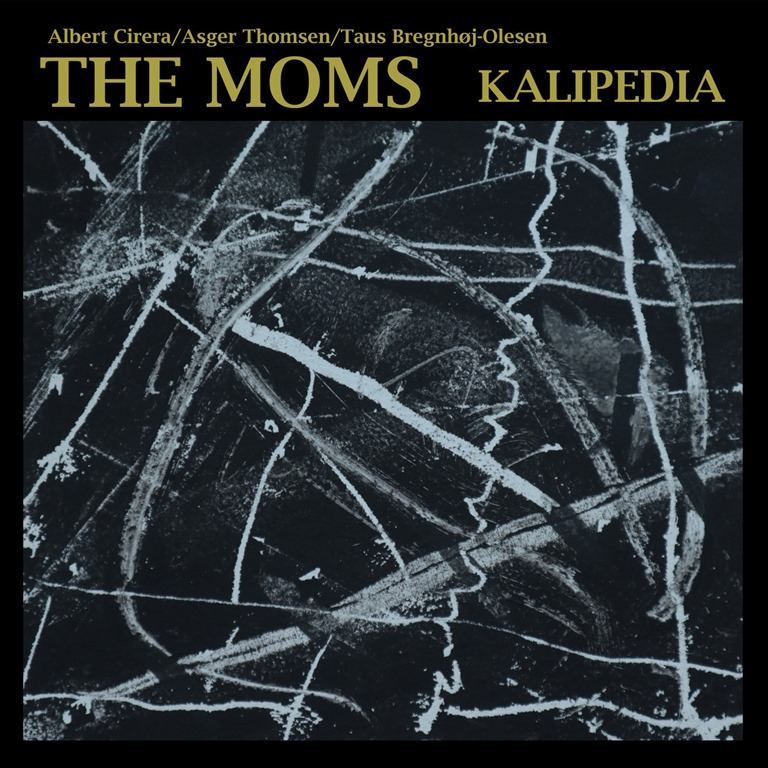
So The Moms is not a bunch of women who meet for coffee or a WhatsApp group about homework, but actually three dudes from Copenhagen who trade in textural noise/free improv, manipulating conventional instruments in self-invented unorthodox ways. On this, their self-released debut which contains a single track of 39 minutes and 34 seconds in duration, they promise ‘no soothing melodies or calming new-age harmonies, yet it can be a meditative experience if you accept the push and let your mind slip through the void.’

It sort of sounds like jazz in its origins, as some kind of brass struggles for breath, honking and parping in a strangled tone. Low-end grumbles and high-end fizzing duel for dominance as the jostle around mid-range drones. The ratio of droniness and rasping horniness and warped jazz dissonance vary as the elements interweave, shifting and mutating.

At times sparse, minimal, subdued and strained toots expectedly from within extended sections of restrained low-level noise, punctuated by thuds and thumps: strains of feedback and scraping are recurring sonic elements as the ever-shifting piece drips from swirling murk to squealing torture, with distortion and discord dominating.

The final minutes build to a climax of shrill, shrieking cacophonous noise before slowly dissipating to draw the curtain on an album that’s restless and difficult, an album that doesn’t allow the listener to settle into a single frame of mind for more than a couple of minutes, as it twists and turns, honks and churns.

It’s by no means commercial, but nor does it have any will to be, and in its field of jazz-orientated experimentalism, Kalipedia is a solid debut.

AA

a4074945653_10