Posts Tagged ‘The Sisters of Mercy’

Christopher Nosnibor

Goths are the most knit-picking pedants and harshest critics of their favourite bands of any genre’s fans I know. Actually, that’s not quite true: fans of The Sisters of Mercy are the worst knit-picking pedants and harshest critics of their favourite bands. I preface this review with this observation as a Sisters fan first and foremost, and contestably as a goth second.

Y’see, most of the bands which emerged after that initial post-punk crop which included The Sisters, Siouxsie, The Cure, Bauhaus – disparate bands who have little in common sonically and stylistically beyond reverb, dyed hair, and studded belts – and sure, The March Violets, The Danse Society, UK Decay, and a handful of others, were toss. By the time ‘goth’ was formalised as a ‘genre’ it had gone to shit, mostly with every other band ripping off the guitar and bass for ‘Walk Away’ and diluting it to a pissweak rehash, and all too often with ghastly theatrical booming vocals. And they all started wearing waistcoats and frilly cuffs and appropriating ‘gothic’ imagery to boot. That was circa 86, by which time – that’s which time, not witch time – The Sisters and The Cure and Siouxsie had very much evolved, so we can probably as much blame The Mission for the start of the rather more naff second wave. By the 90s, derivative cack like Every New Dead Ghost was crawling out of the woodwork, amplifying the cliches on top of simply being laughably bad.

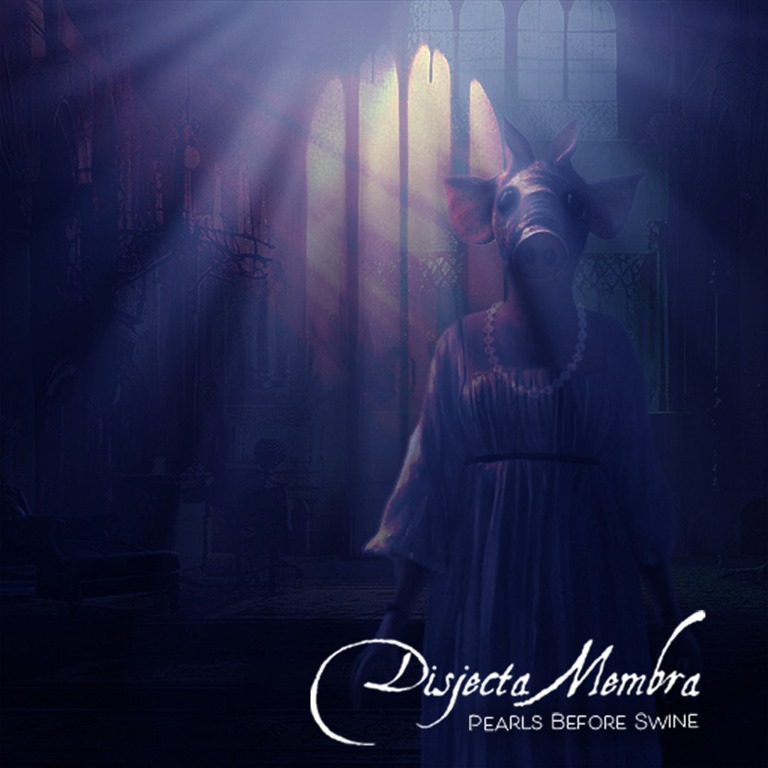
It so happens that Disjecta Membra have been going 30 years, emerging from that early 90s milieu of corny goth revivalism – presumably pining for 1985 and sobbing into their baggy sleeves when The Sisters went cock-rock with Vision Thing. This release is a career-spanning retrospective, which they’re giving away free on their Bandcamp. And this is the first I’ve heard of them.

I kinda wish it had stayed that way. It starts off with the single version of ‘Whakataurangi Ake’, which features Rob Thorne, and it’s a preposterous, pretentious semi-ambient new-age effort with over-the-top dramatic vocals. I mean, fair enough in that it draws on their New Zealand heritage, but it’s pretty obvious and cheesy as. And it’s all downhill from there.

‘Lilitu’ might actually be quite exciting if X-Mal Deutschland had never existed. But as it is, it might as well be a cover of ‘In Der Nacht.’ Talking of covers, there are a few here. And again, after The Sisters broke the ground of taking songs that didn’t obviously sit with the style – like ‘Jolene’, and disco faves ‘Gimme Gimme Gimme’, and Hot Chocolate’s ‘Emma’ and made it their schtick, every other goth band thereafter just had to toss in some quirky covers… and lo, we get a take on Boney M’s ‘Rasputin’ and covers of other goth bands, because they obviously add so much more. ‘Rasputin’ sounds like you’d imagine, of course: drum machine with a head-splitting snare and spindly guitars. It’s cack, but the worst thing is that it doesn’t really bring anything new and doesn’t even sound like it’s done vaguely ironically, meaning it’s neither cool nor funny.

And while we’re in the realms of cliche, what’s the obsession with marionettes in contemporary goth? ‘Antoinette Marionette’ is as obvious as it is lame as wordplay goes., and with its crashing snare and chilly synths and spindly guitars, the best that can be said for it is that it’s uptempo. I did kinda wish that ‘Skin Trade’ was a Duran Duran cover instead of the po-faced and predictable goth-by-numbers that it actually is.

Apparently, ‘Madeline! Madeline!’ and ‘Death by Discotheque’ are both good enough to warrant two versions on a thirteen-track compilation. They aren’t, and it suggests a lack of material of a quality to fill a single album over the course of thirty years. The latter, especially is a derivative disappointment, a stab at rambunctious goth-country in the vein of Fields of the Nephilim while attempting to create their own take on Suspiria’s ‘Allegedly, Dancefloor Tragedy’- one of the few decent songs to come out of the early 90s revival. This isn’t a patch on it, and just seems to think it’s amusing bashing cybergoths. I mean, they have a point, in that cybergoth was a ridiculous thing, but of all the audiences to alienate in their position.

The last track, ‘Walking in Light’ is quite interesting, marking a shift in tone towards droning guitar ambience, at least initially, but then it descends into a glam-infused rock stomp which turns out to be a cover anyway.

30 years, and this is the best they’ve got.

AA
a0980357481_10

22nd March 2024

Christopher Nosnibor

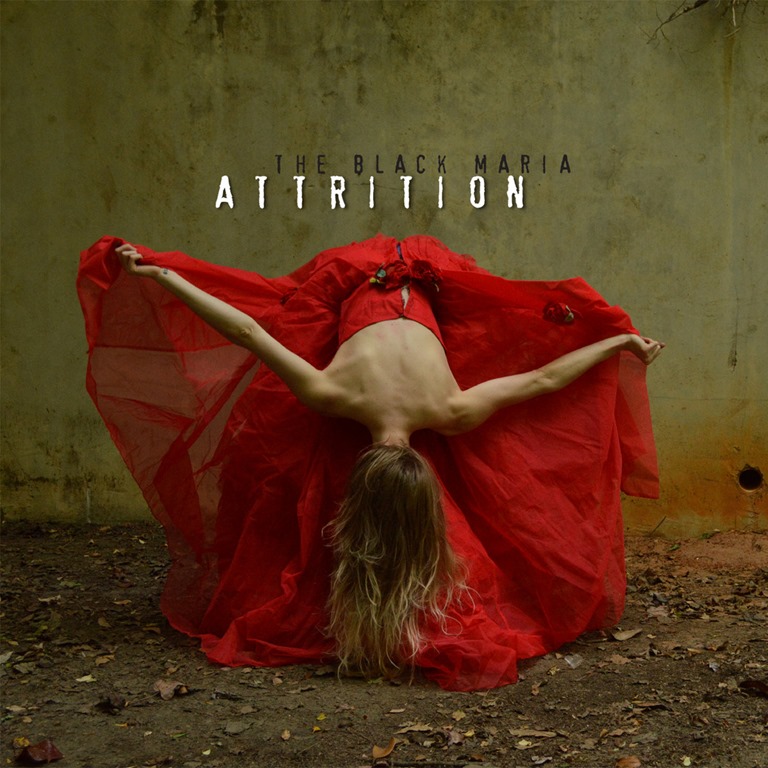
Everyone has a different way of processing, everyone’s cognition operates differently. It’s all a matter of experience and perception. The broader one’s experience, and also one’s exploration of art – in all media, be it books, music, visual art – the broader the network of intertext and references available. Formative experiences and interactions are also a significant factor in the way we come to shape and comprehend our world. And so it s that the moment I encounter the words ‘Black Maria’, my mind immediately leaps to ‘Afterhours’ by The Sisters of Mercy – my first encounter with the term, long before I would understand that it was a term for a police van. Attrition’s latest release certainly doesn’t elicit images of dark vehicles, but does hint at the seedy backstreet scenes that the Sisters song brings to mind, with its sense of disconnection, of being outside yourself, .the paranoid twitch of sleep deprivation

The album’s brief intro track, ‘The Promise’ is a murky ambient piece with hushed spoken-word vocals which is build a mood, a sense of dark atmosphere and foreboding. This intro track thins has really become a vogue in recent years, to the point that it’s becoming predictable and even frustrating to be presented with an atmospheric opening piece which probably isn’t particularly representative of the album it prefaces.

In the case of The Black Maria, it’s a fair primer for the wildly varied, even cacophonous blend of musicality which follows. ‘The Great Derailer’ brings operatic vocals and some bold technoindustrial grooves, before ‘The Switch’ gives us some techno-heavy goth with strong hints of Twitch-era Ministry woven into the mix. But once again, against the busy backdrop that alludes to the likes of PIG and KMFDM, there are ethereal moans and wails which drape themselves hauntingly. I’ve loosely reminded of some of the contributions Gitane DeMone made to Christian Death around the time of Ashes, or maybe Jarboe on Swans’ Children of God, but this is somehow different, and if anything, more difficult to assimilate.

Attrition bring a vast array of styles to the table for a start. ‘The Pillar II’ is exemplary: a low industrial throb brings a heavy tension, an unsettling uncertainty, which manifests as a discomfiture in the lower regions of the gut. But the wailing wordless vocals evoke tortured souls, wandering in purgatory. There are tense strings swelling and holding a tight grip, you find your chest tightening and it’s hard to swallow for this clench of tension. It evokes physical response: I feel my jaw clench and my breathing growing more laboured as the track builds layers of sound: there’s a hum that tortures the ears, and when it falls away, the sensation is strange, empty.

Music box melancholy prefaces more ultra-tense violins on ‘The Alibi’, which really takes a turn for the disturbing. The dual vocals grate against one another, dark sinister, deranged, almost schizophrenic in their whispers. The layers are busy and there are serpentine instrumental intrusions amidst the strolling piano and skittering strings and the wild cacophony of backing vocals: the effect is absolutely dizzying. The title track draws the album to a close with warping, time-bending synth dissonance and pulsating bass which contrasts with operatic quailing providing the backdrop to a growled, menacing spoken word vocal – and then it goes large near the end, with industrial-strength percussion cutting through the melee.

‘Spooky’ feels like such a weak, tame adjective in the main, but it’s the best I’ve got when it comes to summarising the otherworldly discomfit of the experience that is The Black Maria. But throughout The Black Maria, Attrition channel all of the dissociation and disconnection, and I’d challenge anyone to listen to this and keep their feet completely on the ground.

AA

a0847003042_10

25th January 2024

With Band of Susans, active between 1986 and 1996, Robert Poss curved an arc from the New York noise scene towards more of a shoegaze sound. With releases on Blast First and Mute, and featuring a pre-Helmet Page Hamilton on second album, Love Agenda, not to mention a reputation for eardrum-shatteringly loud live performances, the band unquestionably achieved more in terms of influence and cult cred than commercial success (something their final album, Here Comes Success (1995) seemed to acknowledge in its title). But what qualifies as success? Capitalist culture and media tell us that success is a career, promotion, cash, holidays, cruises, bug house big car. But that’s because these are the status symbols capitalism tells us we should aspire to. How about having enough to be ok, a home you like and feel comfortable in, having friends, knowing yourself and being comfortable in your own skin, and having the freedom to do things which give you pleasure? It’s a question of values: what do you value more, time, or money? Status, or the satisfaction of being true to yourself?

There seems to have been a fair bit made of fellow BoS alumni Karen Hagloff’s return to music making in recent years, but not so much about Robert Poss’ sustained output since the band called it a day. But then again, Poss has spent a career being somewhat overlooked and vastly underrated. Both his songwriting and style of playing is quite distinctive and unusual – quirky seems a reasonable adjective, and is certainly not a criticism. The notes on bandcamp note that ‘The release is dedicated to composer/filmmaker/photographer Phill Niblock, a long-time mentor, colleague and friend.’ The timing of this certainly renders this dedication particularly poignant, and also highlights the way in which exponents of avant-gardism feed off one another and evolve one another’s ideas in different directions.

The Niblock connection certainly sheds additional light on Poss’ approach to composition and sound, favouring drones and repetition over rigid verse/chorus structures and progression, and Drones, Songs and Fairy Dust does very much contain, as the title suggests, a miscellany of bits and pieces, ranging from exploratory wanderings to fully-formed songs using conventional ‘rock’ format of guitars, bass, and drums – and on some, there are even vocals, notably the punchy post-punk cut ‘Your Adversary’, which marks a change of style with its murky production and blustery drum machine backing.

The first of these, ‘Secrets, Chapter and Verse’ is a title which could easily be on a Band of Susans release and the song carries that Band of Susans vibe – jangly indie but played loud – and I mean LOUD, with strolling bass running back and forth and up and down beneath the layers of guitar, the vocals low in the mix and serving primarily functional capacity – sonic placeholders.

‘Out of the Fairy Dust’ combines jangling indie and ambient drone and in many respects does carry echoes of ‘Here Comes Success’ – but also Love of Life era Swans – at least until about halfway through where it takes a sudden turn into deeper folk territory. It’s quite a contrast with the deep, ultra-droney sonorous ambience of ‘Foghorn Lullaby’.

Like the epic solo workout that is ‘Hagstrom Fragment’, which comes on like some legs akimbo 90s rock, ‘Skibbereen Drive’ lunges into rock mode, and follows the chord sequence of ‘Flood II’ from The Sister’s of Mercy’s Floodland – and sounds very like it, with its cold synths and crisp drum machine, but without the acoustic guitar detail and lead guitar line. It’s a real contrast to the epic dronescape of ‘Into the Fairy Dust’, on which the drums are a million miles behind the drone as they clatter and roll away, onwards, ever onwards, but also almost entirely submerged in the mix. Elsewhere, with its snarling synth grind, ‘S Romp’ sounds like Suicide doing dirty disco, and ‘Trem 23’ – well, it takes us back to the 23 enigma.

Drones, Songs and Fairy Dust showcases a remarkable diversity of styles, and it’s neither as dry nor as dark as all that, with ‘Imaginary Music On Hold’ presenting a most whimsical feel. As a collection, it never fails to be interesting, or enjoyable, and showcases Poss’ eclecticism and range, and there’s pleasure to be had from listening to a collection of work by an artist who never feels constrained or compelled to confirm to a given genre or mode. It’s something that seems to trouble many people, not least of all labels and critics, that an artist’s creations are based on the pursuit of creative endeavour and interest rather than assigning themselves a category by which they must live. The flipside of this is that it may not feel particularly like an album it its own right, but more like a collection of demos and ideas – and just as the title summarises the contents as three separate elements – Drones, Songs and Fairy Dust – so it feels like it contains the seeds of three separate and distinct projects – a droney one, an indie one, and a dark rock-orientated one. It would be exciting to witness those three projects realised, but what we have here, regardless of future intent, is a document of forward-facing music-making and an artist whose sole priority is doing his own thing. This is, ultimately, the ambition for any artist: to create without concern for commercial matters. And Drones, Songs and Fairy Dust is an exemplary product of creative freedom.

AA

a2882047316_10

Christopher Nosnibor

It’s a common issue for artists, even those with labels, that a release simply fails to gain traction. There are myriad reasons and multiple factors, and it’s often a combination of them which contrive to leave a release sunk like a stone, dead in the water. It’s rarely a question of quality. Even A-Ha’s ‘Take On Me’ and ‘West End Girls’ by the pet Shop Boys took more than one attempt to break through, despite major label backing at a time when labels would plough absolutely hods of cash into new artists.

Sometimes it’s simply a question of timing: some weeks and months there’s a glut of major releases or releases that otherwise grab the attention that mean some great records slip through the cracks. This month is a classic example, and it seems there are at least half a dozen truly killer releases all landing on the 10th. I can’t even listen to them all, let alone write about them.

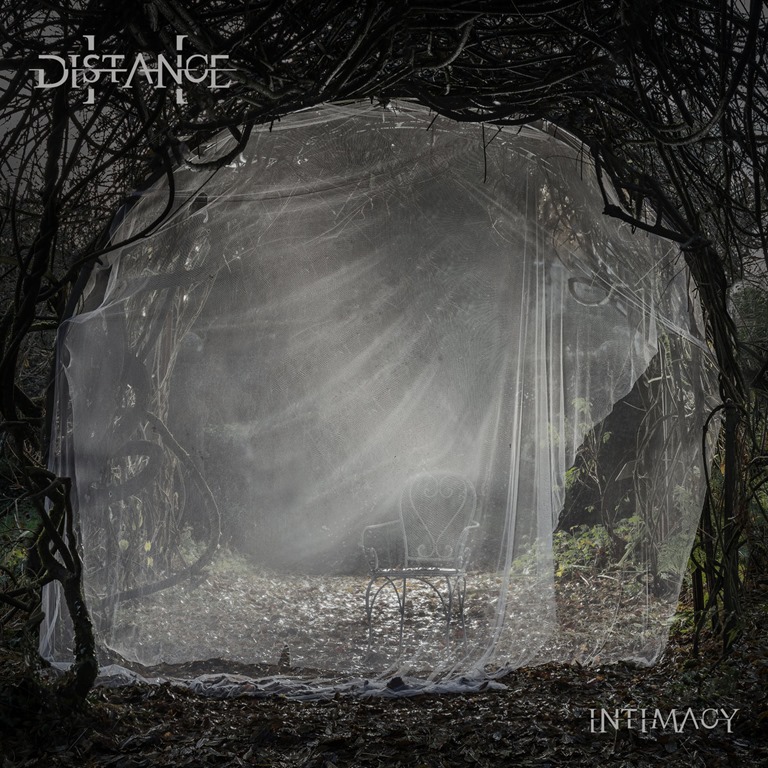
And so it seems to have been the case when Distance H dropped debut EP Intimacy a few months ago. The single cuts released in advance of this EP grabbed my attention, not least the first, Bitch 16’, featuring Ophelia from Saigon Blue Rain. In fact, there wasn’t a weak selection among the three singles: ‘Waters of Woe’ by Distance H feat. Marita Volodina was – and remains, as I described it at the time – ‘vintage goth with a contemporary spin’ and ‘a cracking tune’.

But having failed to make a splash, Intimacy is getting a PR reboot, and it’s a good thing, because the tracks which didn’t get single releases a year ago or whenever, are just as strong, and this makes for a full and founded EP. Casting an eye back to the 80s and 90s when big bucks were doing the rounds, it was often the case that albums would depend on a strong single or two, and that those singles would stand as beacons in set of mediocre slop, or, as was often the case, indulgent turd. It’s rather harder to get away with that ‘lead single’ marketing approach now people can stream the album or hear to by other means in advance without needing to go and check out a listening booth or blag it off your mate.

But Intimacy is truly all killer. ‘Twilight’ is a big, sweeping slab of majestic melancholy, balancing cool synths and chiming guitars that lean on Disintegration era Cure and sits nicely alongside The Twilight Sad circa Nobody Wants to Be Here and Nobody Wants to Leave. It’s a song with a sadness that aches, but at the same time, there’s an ethereal majesty about it, due in no small part to the sweeping, soaring vocals. The epically multi-faceted ‘Waters of Woe’ we’ve already raved about here, but hearing it afresh in the context of the EP, it seems to gain power. The same if true of ‘Reasons to Rush’ which features Liset Alea, combining heavy goth vibes with the electric rush of 90s alternative acts like Curve.

The final track, the epic six-minute ‘Leaden Sky’ now selected to lead the reboot, again features Ophelia on vocals. It’s another gothy epic, clocking in at over six minutes, with a bulbous bass and a wash of echo-soaked guitars weaving a richly textured backdrop cut through with programmed drums which punch out a rolling rhythm. In the context of the EP, it rounds off a big journey ending as it begins, while stepping through some memorable terrain. For these collaborative cuts, Manu H has made some truly immaculate selections. Each of the vocalists brings a subtle but essential twist to the sound, and while tied tightly to the templates of his stated influences (The Cure, Joy Division, Siouxsie And The Banshees, Cocteau Twins, The Sisters of Mercy or The Chameleons), Intimacy sees Distance H emerge victorious by capturing the atmospheric aspects of his forebears without falling to cliché, and the quality of the songs seals it.

AA

a1691727151_10

7th October 2023

Christopher Nosnibor

West Midlands post-punk trio , The Glass House Museum, comprising Joe and Jon Cummings (both vocals and guitar) and Lee Meadows (programming and bass), have been releasing music since 2017, but ‘The Committee’ is their first new material since the mini-album Artifacts in 2020.

It begins with some dark atmospheric grumbling, some gloomy bell chimes and squawks, presumably the menacing cries of the vultures mentioned in the song’s chorus, and also featured on the cover art. And, naturally, the collective noun for vultures is a committee. Despite this literal referencing and representation, it’s apparent that the song’s meaning is truly somewhat rather more figurative: ‘Tread careful, stranger,’ is the caution which starts the song’s lyrics.

With the sequenced rhythm section, they hold the solid core groove tight, giving it that quintessential goth vibe.

Over the years, I’ve witnessed many detractors – and even fans – ask why bands like The Sisters of Mercy don’t get a drummer. There are numerous reasons why they don’t, won’t, and never would, but the main one is that the drum machine is a defining feature of the sound of that particular strain of post punk which came out of Leeds in the early 80s. That hard, relentless beat, paired with a bass that followed it, bam-bam-bam-bam, overlayed with guitars, edged with a metallic clang and shrouded in chorus and reverb created a perfect tension that isn’t really like anything else – and this is why it’s provided the blueprint for so many bands over the last forty years.

But to dismiss it as being ‘derivative’ would be to miss the point: this is about heritage and lineage, and also there’s a certain degree of knowingness to making references that are, in some ways, I suppose, tribal in their function. If you know, you know, and you’re one of ‘us’. And so it is that the lettering on the cover is lifted from Siousxie and the Banshees’ A Kiss in the Dreamhouse, offers another referential insight into the band’s stylistic touchstones. The devil really is in the details.

The vocals aren’t of the spiky punkier aspect of post-punk, eschewing the edgy styles of Siouxsie and Skeletal Family’s Anne-Marie Hurst and if anything, are more in the vein of Julianne Reagan in her rockier moments.

But the most significant thing here is that the ingredients are well-blended and folded in together around a decent tune with some sharp energy and a solid chorus, and none of it feels formulaic or ripped off. In short, ‘The Committee’ is in the ‘classic’ style, but with a strong identity of its own.

AA

533356

6th October 2023

Christopher Nosnibor

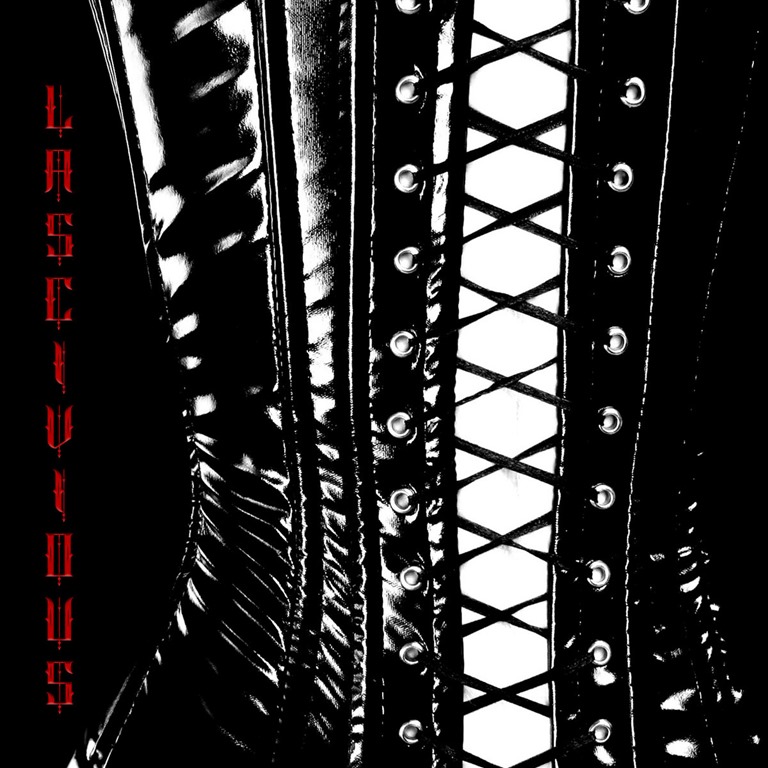
Lascivious is Black Angel’s fifth album, which promises the band’s ‘hybrid Gothic Rock sound and taking flavors from their 80’s predecessors while adding new tones… retaining the essential gothic elements that drive his inspiration as originally provided by the likes of Siouxsie and the Banshees, Bauhaus, The Cult & Sisters of Mercy.’

Certainly, Lascivious is steeped in the stylistic tropes of the 80s, not least of all the thick four-four bass grooves and smashing snare drum which both dominates and defines the sound. But the first thing that strikes me, as a longstanding fan of that golden era in the 80s (I was too young for the start of it all but when The Sisters and The Mission started breaking the Top 40 singles charts between 86 and 88, it was a revelation which set me on a lifelong journey) is that the ‘new tones’ very much involve contemporary production. That is to say, it’s just that much cleaner and fuller, more polished than the true ‘vintage’ sound.

Ah, but they know the features of yesteryear. It’s been a while since I’ve heard a fadeout, but that’s just what happens on the album’s first track, ‘Killer’ – and it’s not the last time on the album they employ it either.

The drum intro on ‘Black Velvet Amphetamine’ is an on-point lift of the snare sound of the Sisters’ cover of ‘Gimme Shelter’, and many of the sounds can be pinpointed as having a certain root or origin. In fact, five seconds into the title track, it’s clear that the drums are lifted from ‘Heartland’, although it also leans on the Sisters’ cover of ‘Emma’ by Hot Chocolate, and it’s clear they’ve been raiding the early Sisters back catalogue – and fair play. The Sisters achieved some incredible sounds with minimal means, with ‘Temple of Love’ marking their first step up from an eight-track ‘studio’ in the run-down northern seaside town of Bridlington.

But if the drums and guitar work make big nods to The Sisters, Corey Landis’ croon is closer to that of Wayne Hussey than the cavernous baritone of Andrew Eldritch. One of the divisions between fan-camps when Hussey and Adams went and formed The Mission – and a source of tension when Hussey began offering songs with lyrics. I write as a fan of the Mission when I say that while they work in the songs, Hussey’s lyrics are more cliché patchworks than literary masterpieces (Eldritch played with and perverted cliché and did so poetically), and one problem with bands who followed in the wake (excuse the pun) of both The Sisters and The Mission is that they’ve had a tendency to ape the lyrical substance without really adding anything creatively unique

‘She’s My Suicide’ slips into more generic rock with a gothy edge, and makes me think of the bands who emerged following the cult but had more of a hair rock leaning, reminding me why despite all my teen goth credentials, I was pretty picky but then, right at the end, they pull out a really gritty, spindly guitar break that’s magnificent, reminding me of The March Violets. And this is a fair summary of the album as a whole: some really good bits, some solid songs, but some rather weak and generic aspects which hold it back in the bracket of ‘decent’ rather than ‘awesome’.

‘Bite It’ bristles with spiky guitars and a low-slung groove, and is perhaps the first song that seems to really fit with the sleaze implied by the album’s title, and ‘Want’ also achieves this, but suffers from trying too hard to be ‘More’. It’s a fair stab at bombast, but it’s hard to compete with the Sisters, especially when they’ve got Jim Steinman on hand, plus a whole host of backing singers and a monster budget for state of the art studio time. I’m sorry I’m not more undemanding. Halfway through ‘Dirty Little Secret’, I realise its chords are based on Motörhead’s ‘Ace of Spades’, and afford myself a small chuckle.

The slower, ‘Ticking of the Clock’ is driven by a crunchy, flangy bass that’s pure early Cure, and is one of the album’s real standouts, by daring to deviate from any obvious formula, and in fairness, the title track is low-slung, sleazy, and grinds out a dark seduction with style.

Sonically, Lascivious is more than solid, and Black Angel clearly know what their doing: there’s no question they have their sound and style absolutely nailed – and consequently, with this set of solid songs, the album will go down well with existing fans and a huge chunk of the goth crowd, and deservedly so.

AA

a3733231510_10

Christopher Nosnibor

While the majority of their output belongs to the post-85, second wave of post-punk / indie-goth, both (timewise) and sonically, Salvation’s roots actually go back to the murkier days of when The Sisters of Mercy were a true Leeds band, living in a dingy terrace in LS6 and recording at Kenny Giles’ 8-track studio in Bridlington and running a label not so much on a shoestring, but on zero budget and Letraset.

Salvation’s first ingle, ‘Girlsoul’ was released on Merciful Release in ’83, and was produced by Eldritch, before a parting of the ways not dissimilar from that which befell The March Violets took place, and while their second single, ‘Jessica’s Crime’ was produced by Wayne Hussey in 1984, the mini-album Clash of Dreams which was scheduled for A Merciful Release in 1985 was shelved and only got to see the light of day in 2014.

By then, they had evolved into the more accessible indie-goth sound, which emerged circa 1985-6, and which perhaps not coincidentally corresponded with The Sisters of Mercy’s evolution towards a more commercial sound with the arrival of Wayne Hussey and their signing to WEA and the release of ‘Body and Soul’ and First and Last and Always, before the split that led to the emergence of The Mission.

But their coming together with Hussey early on marked the beginning of a longstanding partnership: in fact, it was in 1990, supporting The Mission at Sheffield City Hall I first encountered Salvation, which would have coincided with the release of their major label debut Sass, which marked something of a more commercially-orientated direction, and would also represent the band’s last new material as the band crashed under the pressures of relentless touring.

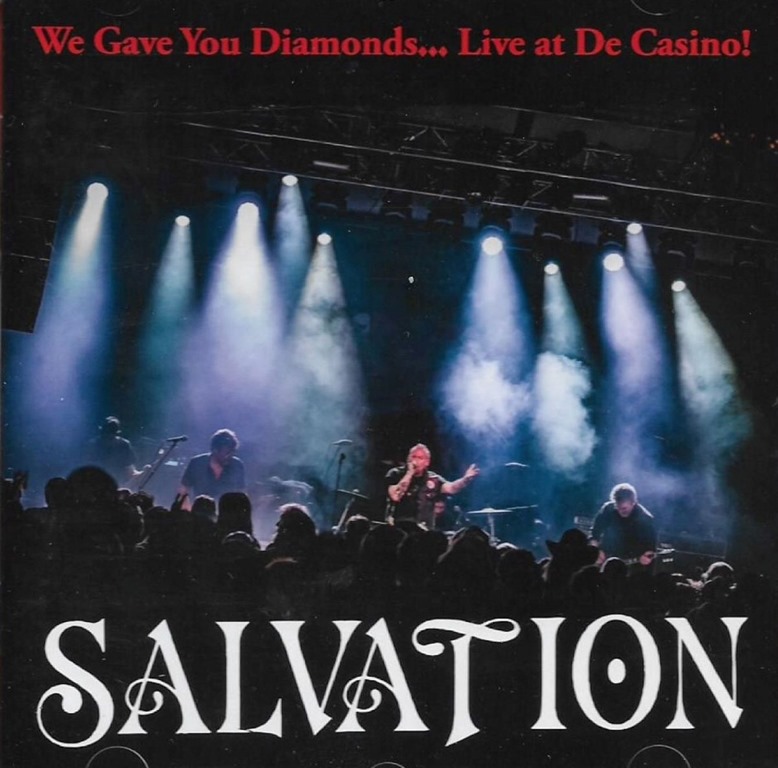
Fast-forward to 2020, and the band have emerged from their retirement to tour Europe with The Mission. We Gave You Diamonds… Live at De Casino was recorded Live at De Casino, Sint-Niklaas, Belgium on March 7th 2020 on the final night of a four-date tour supporting The Mission, and it’s a career-spanning showcase of a set that captures salvation on fine form, and Daniel Mass sounds relaxed with his chat between songs.

Only two of the eleven songs ‘(Clearing Out the) Debris’ and ‘Paint it Rose’ are from Sass, and the set is otherwise culled from their independent years, kicking off with ‘The Answer’ from 1986’s ‘Seek’ EP. It’s clearly of that mid-80s vintage, but still sounds fresh and is delivered with an energy that translated through the medium of the live recording, with its thumping bass and flowery guitar flourishes both crisp and clear. ‘Ladyfaithe’ from the same EP, which would subsequently their 1987 debut album Diamonds are Forever is also dropped early.

Mass probably doesn’t need to announce that they’re from Leeds at the start of the set: they sounds like a Leeds band, to the core. They also sound like a band who are having a blast, and the songs are played with precision and power, and they’ve held up well despite the passage of all the years: ‘All and More’ still kicks ass with twisty guitars and a solid bass groove, and reminds us just how strong they were at penning sharp hooks and nagging guitar lines.

They delve right back as far as ‘The Shining’ (a standout and a personal favourite that always gets lodged as an earworm whenever I play it) from their second single as well as the unreleased ‘The October Hour’ from the debut that never was. ‘Payola’ and ‘Pearl Necklace’, the B-sides from their single release of Donovan’s ‘Sunshine Superman’ from 1988. Yes, it’s a blast from the past, but this doesn’t have the vibe of a nostalgia trip: Salvation sound like a band reinvigorated and energised and feeling the songs.

And now, as we finally crawl out of the seemingly-eternal suspension of life that was the Covid pandemic, Salvation are once again set to play as support to The Mission – although the handful of dates isn’t quite the crippling schedule of thirty years ago. On the strength of We Gave You Diamonds, it’ll be worth making it down early doors, and with any luck they’ll be booking a few headline shows of their own before long.

AA

a0378534001_10

21st January 2022

Christopher Nosnibor

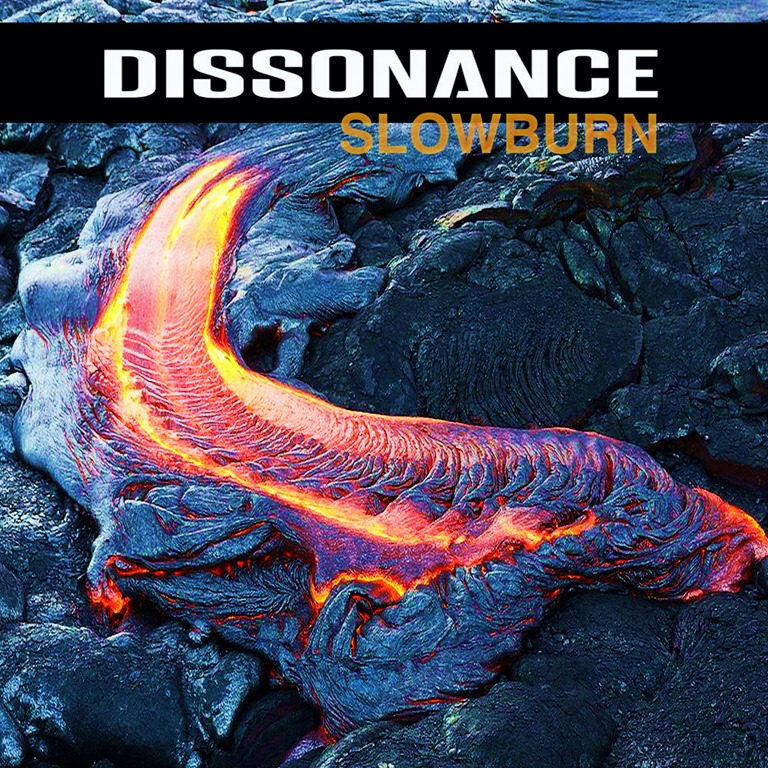
‘Slowburn’ is, true to the title’s promise, a slow-burner, and as a single, it’s solid – not immediate, but appreciation evolves with repeat plays. The track itself is, in many respects, very much in the darkwave tradition, with cold synths and equally cold, almost monotone vocals that also carry an ethereal quality.

There’s a mesmerising, hypnotic quality to the original song, which, we learn is ‘a song about passion; passion- a deep love/emotion that consumes body and soul. It is about depth of feeling for a person, place, process or thing.’ Against brooding piano and backed-off beat, it calls to mind Jarboe-era Swans and some of her solo work, in no small part due to Cat Hall’s powerful but understated vocal.

Cat explains the origins of the song as follows: “I wrote this as I was considering the many all-consuming passions of my life. Passion to write. Passion for art. Passion for nature, for the planet. Passion for science. Passion for humanity. Passion for the individuals I love. Also, the painful realization that despite my intense feeling, actions and orchestrations, these things, places, people, and processes come to an end. I come to an end. My passions die with me.”

Our passions drive us and keep us alive, and without passions, what have we and what is life? And what passion is there in a set of remixes?

My standard complaints around remix EPs are that they’re essentially lazy and eke out the smallest amount of material for the most physical space, and that they’re something of a short-change for fans; then there’s the fact they’re often really, really tedious, with the same track or tracks piled back to back and mostly sounding not very different apart from either being more dancy or dubby. This set is a rare success, in that the remixes are so eclectic and diverse half of them don’t sound like the same song, but without doing that whole thing of deconstructing it so hard with ambient / techno / dub versions that there’s nothing left of the original in the versions – another bugbear.

The Von Herman Lava Lamp Mix piles on the soul and sounds like Depeche Mode circa Ultra, while the Kirchner Charred Mix is a straight-ahead, thumping electrogoth dancefloor-ready banger. The Haze Void Mix cranks up the grind, with oscillating electronics more akin to Suicide than any contemporary act. This is the biggest, densest, and most transformative reworking of the lot, venturing into space rock territory as it thuds an d rattles, twisting the vocals against an urgent, throbbing sonic backdrop and throwing in some hints of Eastern mysticism for good measure. It’s an intense experience. The Hiereth Lonely to a Cinder mix brings some brooding piano and even harder hammering beats, landing it somewhere between the Floodland-era sound of The Sisters of Mercy and that quintessential Wax Trax! technoindustrial sound.

It’s a corking single, and as remix sets go, this is a good one.

AA

a3299441169_10

Unbound – 11th November 2021

Christopher Nosnibor

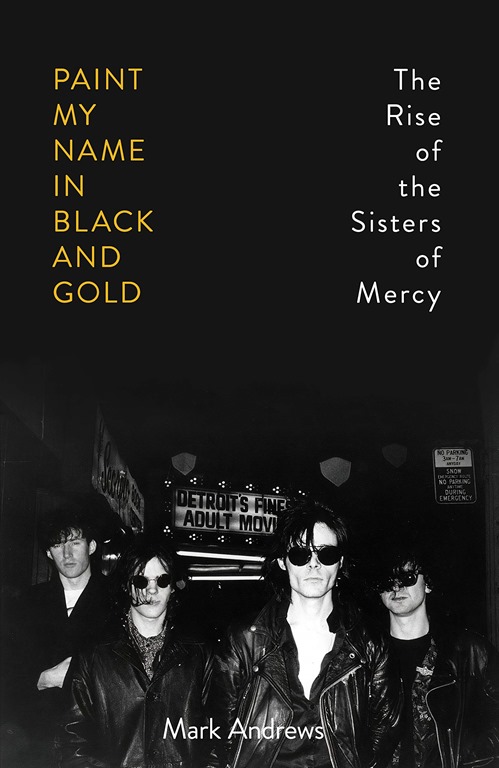
I may not have discovered The Sisters of Mercy until 1987 (being born in ‘75, I was simply too young to have been around in their first phase), like many, I have long been fascinated by those early years and their ascent from vaguely ramshackle indie act to the band who released the album which would essentially define the sound of ‘goth’ for decades to come. By ‘fascinated’, I really mean ‘obsessed’, particularly in my teens, but my love of The Sisters has endured. While the story of those first five years has been told, retold, fetishized and transformed into lore with elements of legend and myth blended in along the way (much of which having been perpetuated by Andrew Eldritch himself), it’s never been given truly detailed coverage, and for this reason, I joined many in pitching in for the crowdfunding of Mark Andrews’ biography. The wait felt like forever, and in the meantime, Trevor Ristow dropped Waiting for Another War (which I’m yet to pick up) on the same period. And so it is that Sisters bios are like proverbial busses, although that’s certainly no complaint: it simply indicates the impact and significance of a band who, despite having been in existence for over forty years and who haven’t released a record in the last thirty.

The book looks and feels like quality (although some have griped about the lack of capitalisation on the definite article both on the cover and throughout the text), but it’s on the contents that Andrews’ work should be judged. There is no two ways about it that Paint My Name in Black and Gold was worth the wait.

Two things immediately stand out: the quality and depth of the research, and the quality of the prose. The latter is particularly appreciated, and important: all the research in the world counts for little if not conveyed in a way that’s appealing. Put simply, Andrews writes nicely, and he writes well, accessibly but not pitched at those with a reading level of The Sun. Nor does he become so involved in trainspotting details of catalogue numbers or numbers of copies pressed or sold or takes in the studio. This is a very human biography, and the input from pretty much everyone involved with the band during the time (with the notable exception of Eldritch) not only brings it to life, but also gives it a real weight of credibility. Mark Pearman (Gary Marx) comes across particularly well, his reflections honest and considered, his position remarkably philosophical and even-handed.

The way in which Andrews places the development of the band in context makes for very interesting reading, with extensive coverage of the Leeds scene of the late 70s and early 80s, as well as the band’s strong links with York at the beginning (the Priestley’s signage remains at the top of Bootham, although it’s now a rather bourgeois homeware retailer). This alone makes for essential reading for anyone with an interest in the emerging post-punk scene, where writing about Leeds has been largely overshadowed by that on Manchester, and of course, London.

He moves things on at a steady but swift pace, but at the same time doesn’t skimp on detail, and pack the book with anecdotes and information about standout nights on particular tours and recording sessions, as well as various wild antics that seem so at odds with the seriousness of the music. Above all, Andrews captures the essence of the experience of existing in and around The Sisters during this time – the camaraderie and sense of community and even family, the buzz, the connection between the band, collectively and individually, with their fans. He also traces how the dynamic would shift and some of that proximity would diminish over time as the band got bigger. It’s also apparent that even in the early stages, the band dynamic and friendships thrived on the differences as much as the similarities of the members, and how much Eldritch was the driving force.

Andrews also presents an impressively balanced and objective perspective: while clearly a fan, there’s no idolisation of the band or any individual here, and his admiration for Eldritch – something that most of the interview subjects also express – is tempered by a realistic appraisal of his shortcomings and at times wilful stubbornness and perversity. That Eldritch is a stickler and prone to obsessive behaviour is widely known among fans, but Andrew really brings things to life when he writes of how Eldritch would literally spend long nights fiddling with EQ levels just to hear how they sound, and it requires no imagination whatsoever to comprehend the frustrations of band members and producers alike working alongside him. But more than even this, in Paint My Name, Andrews goes a long way to excavate the contradictions and complexities of the man who became Andrew Eldritch, how the nerdy, glam-obsessed Andrew Taylor would transmogrify into the beast that is Eldritch, and details the damage done to both himself – mentally and physically – and those around him along the way. The poverty and degradation are at times harrowing, and the long tours of ‘84 and ‘85 may have been among the band’s most memorable and seen them play to the largest numbers of fans of their career, but the way in which Andrews relays just how strung-out, fucked-up and fractured the band were behind the scenes renders their achievements all the more remarkable.

The epilogue provides a condensed overview of the years which would follow, but it’s clear that none of The Sisters’ subsequent history could come close to being quite as gripping as the first five years, whereby the rise of The Sisters would reverberate indefinitely.

The hardback is sold out, but the e-book edition is still available via Unbound.

81MD-vGPuqL

Christopher Nosnibor

Last week, there was a brief buzz around the Internet observing that on 1st September 2021, 1980 was as far away as the start of World War 2 was in 1980. It’s one of those startling perspective moments that takes some computing. Being five in 1980, WW2 felt like ancient history, despite the fact my father was born before the end of the war. To me, the music of the 1980s still feels comparatively recent, and I can recall events from the 80s – The Falklands War, for example – with remarkable clarity. And yet I have colleagues who are adults who weren’t even born until the late 90s, who feel the music of the 80s is as relevant to them as I find most music of the 50s and 60s.

It seems crazy to think, then, that The Sisters of Mercy’s last studio album was released a few months before their tenth anniversary shows in Leeds in February 1991, and now, here we are, belatedly marking their fortieth year in existence. Not that no new album means no new material: they may still play a lot of old favourites, but The Sisters are by no means a heritage band (seemingly to the annoyance of some of their older fans who lament the fact they don’t still sound like it’s 1985).

This trio of dates sees a different support act each night, and if the return of previous recent supports AA Williams and I Like Trains makes perfect sense, Jesus Jones being tonight’s openers seemed like an odd choice.

The last time I saw Jesus Jones was supporting The Cure as part of Radio 1’s Great British Music Weekend in December 91. I’d never really been a fan, and the highlight of their set for me was the dreadlocked guitarist falling off the stage. Still, they were fun enough, and the same is true thirty years later. As they kick off with the indie rave bleepfest of ‘Zeros and Ones’ I’m immediately reminded that while the guitar sound was alright, they were just too melodic and lacking in nuts for my taste. ‘Right Here, Right Now’, with its baggy beat sounds both dated and a bit thin. Bassist Al Doughty throws Peter Hook shapes, while Ian baker nominally plays keyboards, spending most of the set charging around the stage and lurching his keyboard around on its stand. It was annoying back in the 90s, and it’s perhaps even more annoying now. Interestingly, for a band with a lot of hits, they tend to focus more on material from the rather edgier first album, with ‘Info Freako’ being a clear set highlight.

DSC_0261

Jesus Jones

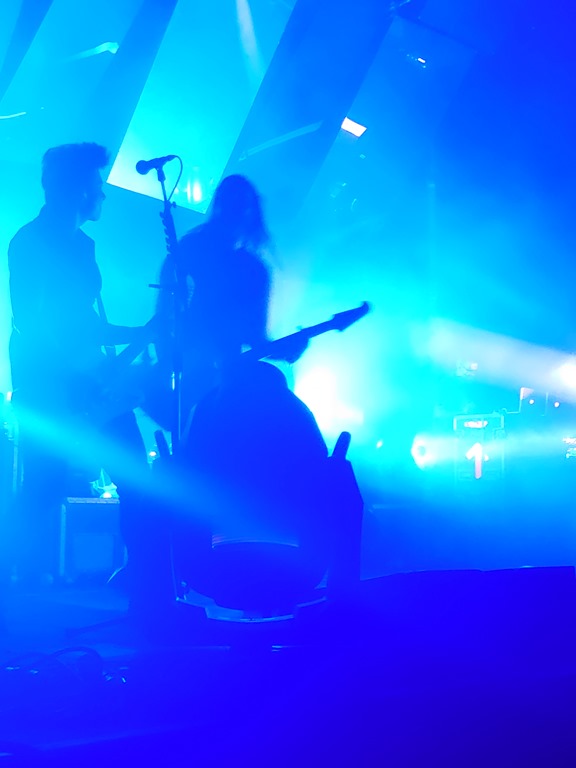
There’s some grand JG Thirlwell-style style dramatic orchestral ambient cross played over the PA between bands, and with lights moving a curtain suspended from the incredibly high ceiling, the sense of theatre, and of occasion, are considerable, not least of all the nod to the band’s legendary ‘Wake’ performance at the Royal Albert Hall in 1985. Tonight, the curtain comes down rather than up to reveal the band in positions, from which they step forward and positively burst into ‘But Genevieve’. It’s immediately apparent that the three of them have been itching to get out to do this, and the rare level of energy Eldritch had shown on the last tour, just days before lockdown in March 2020 is exceeded here. Effusing welcomes and greetings with unbridled enthusiasm. It’s uncharacteristic to say the least, but it’s a joyous reunion that’s massively appreciated by the gathered crowd, which spans a notable demographic, including a lot of people, both male and female, who were probably barely born around the time of the twentieth anniversary show, let alone the tenth. And why not? For all the ‘goth’ copyists who’ve emerged through the years, there is only one Sisters.

They’re straight into ‘Ribbons’, and it’s stonking, delivered with real zeal, before steaming into a full-throttle ‘Crash and Burn’, which has long been a standout among the post-studio year. If tonight’s set list is remarkably similar to that of the Leeds show last year, it’s hard to find fault in the song selection: there will always be songs that would have bene nice to hear – ‘Better Reptile’, for example, or, indeed anything from the Reptile House EP, but you have to hand it to The Sisters for remaining true to their lack of compromise. Any other band with their catalogue would have dug up ‘Body Electric’ and more earlier songs for a truly career-spanning set to mark the occasion. But that simply isn’t how they work. Deal with it, or don’t.

DSC_0278DSC_0288

The Sisters of Mercy

Being the first night, a few minor slips were probably to be expected – there were missed cues for both guitarists, wrong chords and wrong lyrics, but these were all part of the buzz: for so many years, The Sisters have been accused of going through the motions or otherwise playing safe. Tonight, they’re giving it everything and more. That it’s not always pitch-perfect is part of the appeal, and reminds of the Sisters of old, with a particularly interesting / old style vocal performance on ‘No Time to Cry’, a song Eldritch has always seemed to struggle with by writing lyrical lines too long without a pause for breath. He does, however, manage occasional sups from a bottle of something that most certainly isn’t water between songs and sometimes verses, and this seems to keep him buoyant and energised.

After blasting through strong renditions of ‘Alice, ‘Dominion / Mother Russia’ and a brooding ‘Show Me’, Andrew gets to take a break – and no doubt have a quick fag – while the guitarists get to play rock gods and race about the stage as they showcase a new instrumental.

‘Marian’ and ‘First and Last and Always’ are dispatched at pace, before Dylan switches to acoustic guitar for ‘Black Sail’. ‘When I’m ready, motherfucker!’ Eldritch admonishes him as he strikes the first chords prematurely, but it’s good-natured banter, and it’s a strong rendition. I’m vaguely amused by the prospect that this was written while Eldritch was loafing around watching Netflix’s airing of the raunchy pirate series prequel to Treasure Island. Heave away, indeed. It’s followed by a personal favourite of mine, ‘I Was Wrong’. Eldritch was always a deft lyricist, and ‘I can love my fellow man / but I’m damned if I’ll love yours’ is a classic.

DSC_0275

The Sisters of Mercy

It paves the way for a truly searing rendition of ‘Flood II’, with ben Christo’s guitar blistering and burning from the very first howls of feedback, and Eldritch again finds his full voice. He may not hit all the right notes on a technical level, but is unquestionably at his best when he just fucking goes for it and sings up instead of mumbling and growling. So, to be clear to the detractors: missed notes and off-key but performed with passion beats grumbling low in the mix while trying to hold the tune. That said, his voice sounds stronger now than at any point on the last decade or more, and it seems fair to say the Sisters aren’t done yet.

After the first encore of a mesmerising ‘Neverland (A Fragment)’ and the throwaway, truncated ‘Lucretia’, I’m forced to skip for a train back to York, missing the second encore – but I’ve left happy. We can’t realistically expect as fiftieth anniversary show, but for the time being, it’s a joy to see The Sisters of Mercy emerging from lockdown energised and sounding solid.