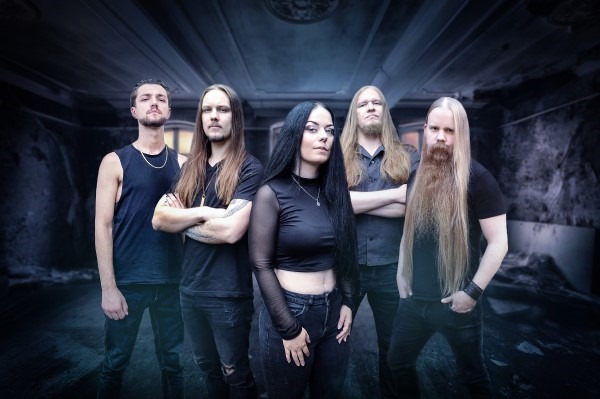
Greek-Finnish doom metal collective Aeonian Sorrow has unveiled the official video for ‘Harbinger of Ruin’, taken from their brand-new EP From The Shadows, out now on all platforms.
‘Harbinger of Ruin’ puts the band’s signature blend of sorrowful doom and enchanting melodies on full display, a slow-burning, emotionally devastating track that channels themes of isolation and grief.
AA
Released in late March, ‘From The Shadows’ marks Aeonian Sorrow’s latest chapter, following their acclaimed debut album Into The Eternity A Moment We Are (2018) and the A Life Without EP (2020). After touring with Swallow the Sun and Oceans of Slumber, and navigating lineup changes, the band returned with renewed purpose, delivering one of their most intimate and emotionally raw works to date.
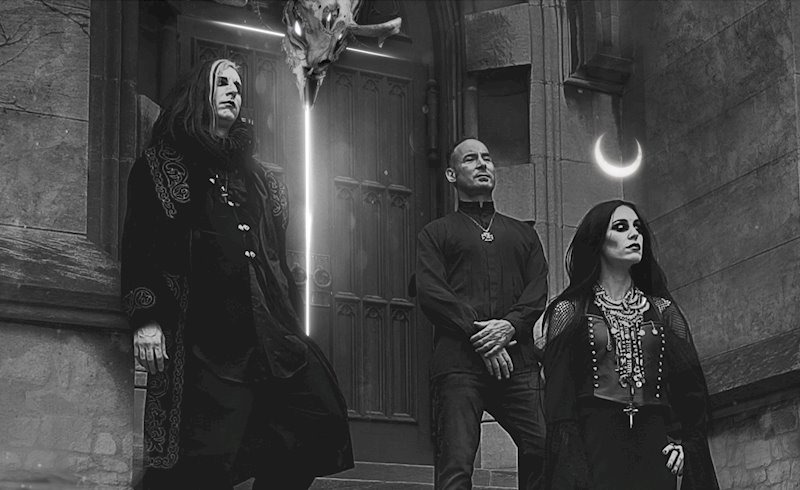
Well, if you’re going to do goth, it’s best if you go all-out on it. Cleveland-based electro-goth rock collective Dispel certainly don’t toy with half-measures.
‘Flames of Greed’ is the lead single from their second album, Inferno (out on October 12th).
As the title may suggest, the album is based on Dante’s seminal text, and the premise is that ‘Dispel follows Dante and his guide Virgil down each layer of the Nine Hells, dedicating a song to each level of mortal sin. Sprinkled with diabolical personalities from ancient mythology and fantasy literature, this undertaking took two years to complete.’
‘The Flames of Greed’ is an interesting hybrid of pulsating electro pop and dark disco, spiky post-punk and high theatre, with Ravensea’s semi-operatic vocal dominating the insistent drum-machine driven electro grind that pulsates away relentlessly and it’s compelling, multisensory, especially when accompanied by the video…
Ah, the video, directed and edited by filmmaker Rafeeq Roberts, which ‘sees vocalist Ravensea play the part of the diabolic and tormenting empress of greed Fierna, her powerful voice serenading the fallen souls who succumbed to greed in the material world, delivering their eternal fate in Hell’.
It’s epic, and no mistake. And given the inspiration and subject matter, it’s entirely fitting.
This isn’t simply goth or a cliché rendering of any goth template: Dispel fully embrace presenting high art and literature, and when so much is dumbed down to nothing, it’s welcome, and the presentation is impressive.
And while content is king and image only counts for so much, presentation definitely matters. Dispel have got it all going for them here.
When charged with the task of covering a new release by a ‘big’ name act, or an act which has been around a long time and developed a significant global following, but that you’re not an ardent fan of, the pressure is on. As a reviewer, you’re supposed to know everything about every aspect of every band ever, and the kind of act who has an established fanbase is also the kind of act who has a fanbase who expect critics to really know their shit before passing comment on ‘their band. At least, that’s my perception based on hard experience from sitting on both sides of the fence.
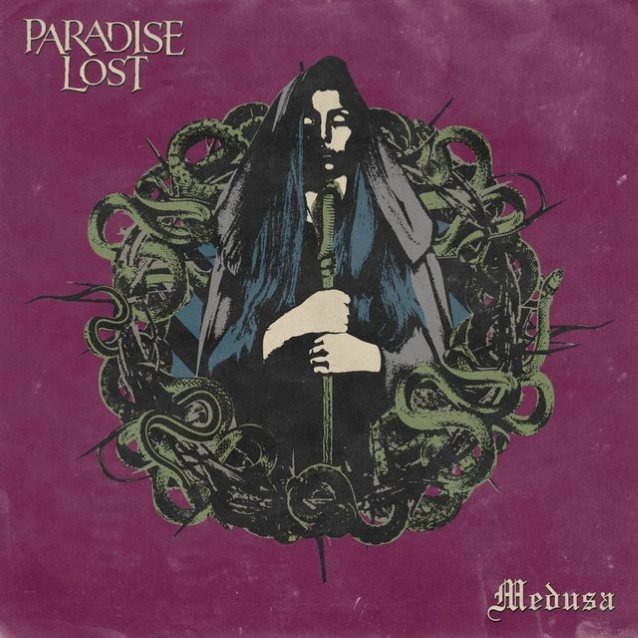
That progenitors of gothic metal Paradise Lost are still here to launch the fifteenth album of their career is impressive by any standards. And while I’ve been aware of them for an eternity – as a Sisters of Mercy fan for an even longer eternity, it was their cover of ‘Walk Away which provided an introduction – I’ve never really spent any time getting acquainted with their back catalogue. Nevertheless, and despite their death / doom roots, the fact Medusa is strong and proper heavy is even more impressive, especially given their forays into Depeche Mode-style synthpop and electronica and a stint on EMI which saw them move further into more commercial territories.
As the press release notes, ‘most people will know Medusa as the Gorgon from Greek mythology; she is the infamous beast with venomous snakes for hair who will turn anyone that dares to look into her eyes to stone. It is this hideous creature who Paradise Lost have chosen to be the figureheard for their 15th studio album, as, from a philosophical perspective, she is more than simply a monster.’
It’s the epic, doomy trudge of ‘Fearless Sky’ which grinds out for over eight and a half minutes which gets the album off to a dark and suitably intense start and demonstrates they’ve still got the high-art bombast which defines their sound, and of the poem which gave them their name in the first place. It was hearing segments of Milton’s immensely epic poem read aloud by one of my university’s more eccentric but enthusiastic professors which turned me on to his work, and in context, it all fits together. Medusa is an immense and ambitious album, and it’s also as heavy as hell.
The thunderous tribal drumming which propels the low-end focused sludge riffery of ‘Gods of Ancient’ leads the album deeper into darkness before the snarling desolation of ‘From the Gallows.’ ‘The Longest Winter’ is perhaps more accessible with its processed, dry and altogether more melodic vocals, but the guitars are still are thick and overdriven as you like. As for the title track, it brings the sense of immense portent with its groaningly heavy guitars and noodling lead, paired with a sense of gothic theatricality which lends it a kind of poeticism.
This is an album that trudges, dark and heavy, for the duration, and any comparisons to other bands from either the goth or metal sides of the equation are essentially redundant because it was this band who effectively spawned the hybrid which Medusa so perfectly epitomises anyway.
What makes Medusa a great album is that while it is heavy, it’s heavily gothy and it’s ultra metally in the snarling, guttural sense, and it’s also got immense range. As such, it doesn’t ever feel formulaic or dull, and ultimately, Medusa is a strong album which stands up in the Paradise Lost catalogue.
 Aural Aggravation