Christopher Nosnibor
Michael Jackson’s ‘Thriller’ is playing just before Kid Kid Squid start, and I find myself on a rare reflective trip on how times have changed. I was in primary school – aged eight – when it was released, my school reopened on the evening that the full-length video was aired on the BBC so we could all watch it on a TV on a trolley in reception. Even at that young age, it felt like a moment in musical history. No musical release is such a global event now. Not even half-time at the Superbowl has a sense of occasion which comes close. Culturally – in no small part on account of the advent of streaming, but also the absence of music on television now, which means that the promotional video has far less reach and impact – music has come to be treated like sonic wallpaper. Do people really listen to Ed Sheeran and Taylor Swift, or is their bland fare simply amiable background? Come 2015, a headteacher is forced to apologise after showing the ‘Thriller’ video to some primary-age pupils (age seven and eight) because, according to their complaining parents, they suffered ‘night terrors’ afterwards.
I expect the members of Kid Kid Squid, David and Katy – who emerged from the rocked-up dance covers act The DDK – will remember the release of ‘Thriller’ well. How well they remember the 90s is probably another matter. It’s evident from their penchant for banging beats that they spent some time having it large during the rave years. Having tried out their brand of driving techno with live guitar at an Electronic Music Open Mic (EMOM) night a few months ago, this is the duo’s first gig proper, and they’ve got things pretty tight. The first track is a bit Utah Saints, but with more of drum ‘n’ bass leaning – and the drums and bass are both thunderous. Are they rock with rave beats, or rave with rock guitars? However you slant it, the sound is outstanding. Crisp and clear, the beats are pounding and the heavily processed guitar is like a tweaking Roland TR303. Midway through, they drop their eponymous track and it simply explodes both in energy and volume – and while the chorus of ‘We ain’t no kid and we ain’t no squid!’ might not be the pinnacle of poeticism, it’s good fun – and factually accurate. These things matter. The set culminates in a frenzy of flange. That’s good fun, too, and that’s a fair summary of what KKS are about: not so serious, hi-NRG, fun times.
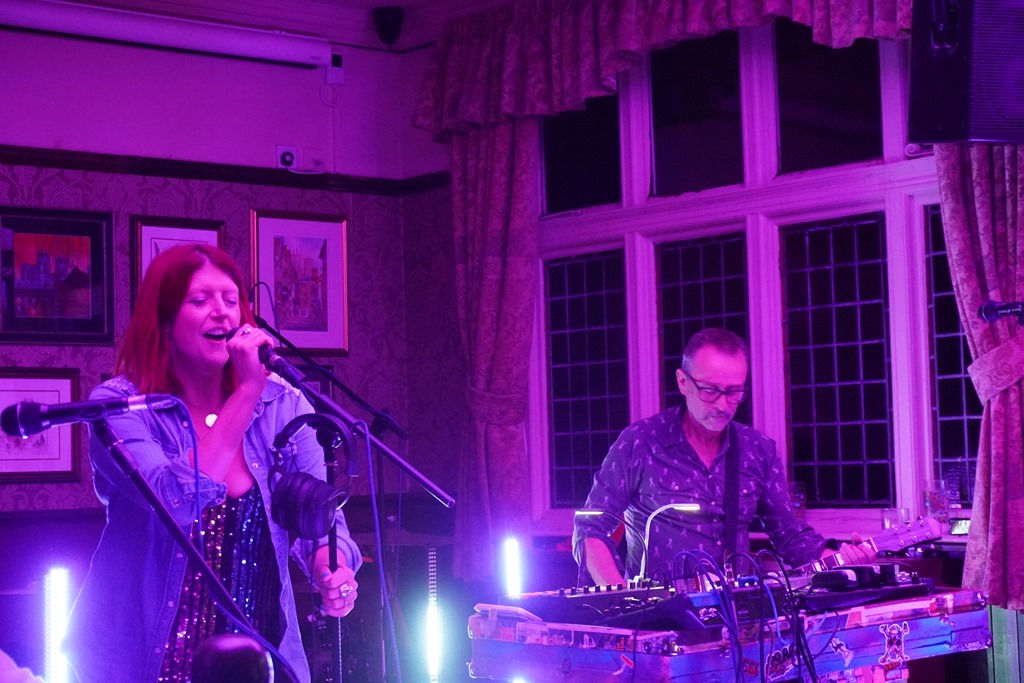
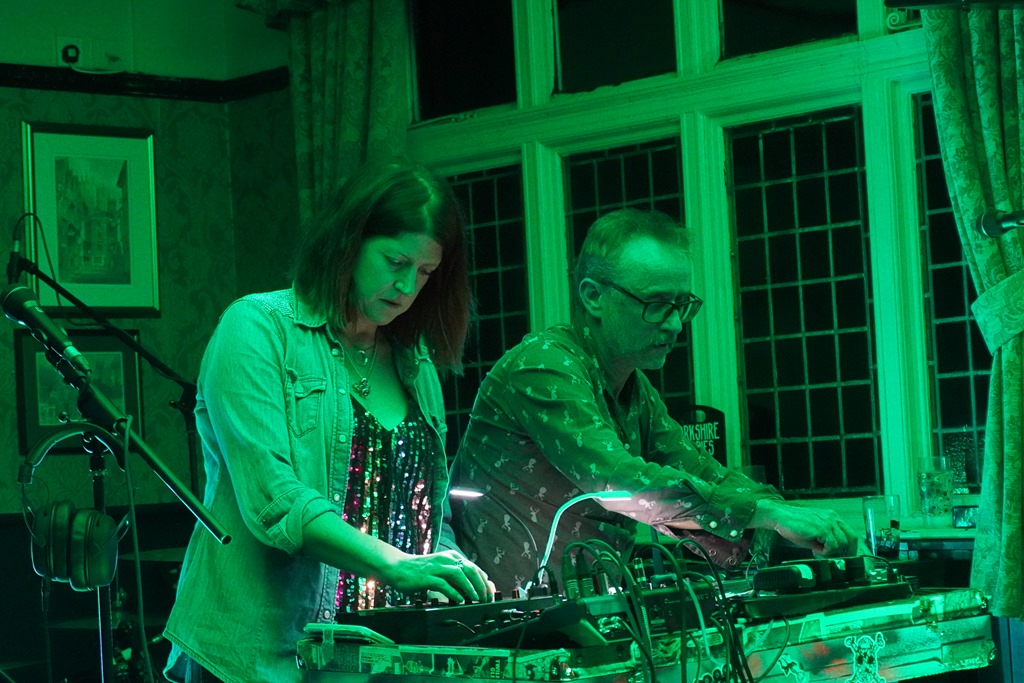
Kid Kid Squid
I’m not sure what happened to the Old Concordia – apart from the Polish-built sailing training vessel which capsized and sank off the coast of Brazil in 2010. Sturdy drumming and soaring guitar definite their alt-rock sound. They’re solid and then some, and it’s a remarkably confident debut (they’ve both played before, and together, but this is their first outing as a two-piece). Atmospheric passages fill the space between songs, thus avoiding awkward silence or – worse – awkward chat and banter. They must have poured some hours into rehearsing to come out this fully formed. I’ve no idea where the bass was coming from. The drummer isn’t wearing headphones, so there’s nothing to indicate a click track or sequencing, but there must be something happening behind the scenes. Maybe it’s simply the power of the mind and some kind of magic. But what’s behind the scenes is immaterial, really. Out front, we get blistering guitars, chunky riffs and some of the most incredible drumming. Verdict in short: amazing. Horsemusic have done it again in introducing us to another act worthy of national attention.
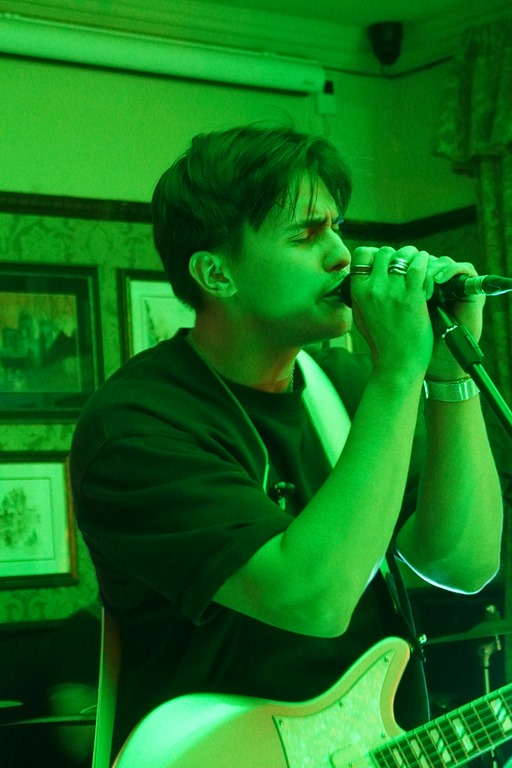
New Concordia
Megafragma are a relatively new act, but comprising some old faces, including, on guitars, Alexander King, of Glass / The Sound of Glass – quite possibly one of the most preposterously pretentious bands I’ve ever witnessed. But hey, he’s only the guitarist and backing vocalist, right? Right.
They rock up in red jumpsuits: that’s ok. The Wharf Street Galaxy Band, one of the finest acts to evert emerge from York / Leeds wore red boiler suits. And these guys are tight. Polished. Slick… They’re an amalgamation of post-rock, post metal, post post… which is actually pretty cool. But they do go a bit punk-pop and demonstrate some emo leanings, which is less so. Still, I could let that go… There’s a niggle here, and I need to chew on it while I dissect.
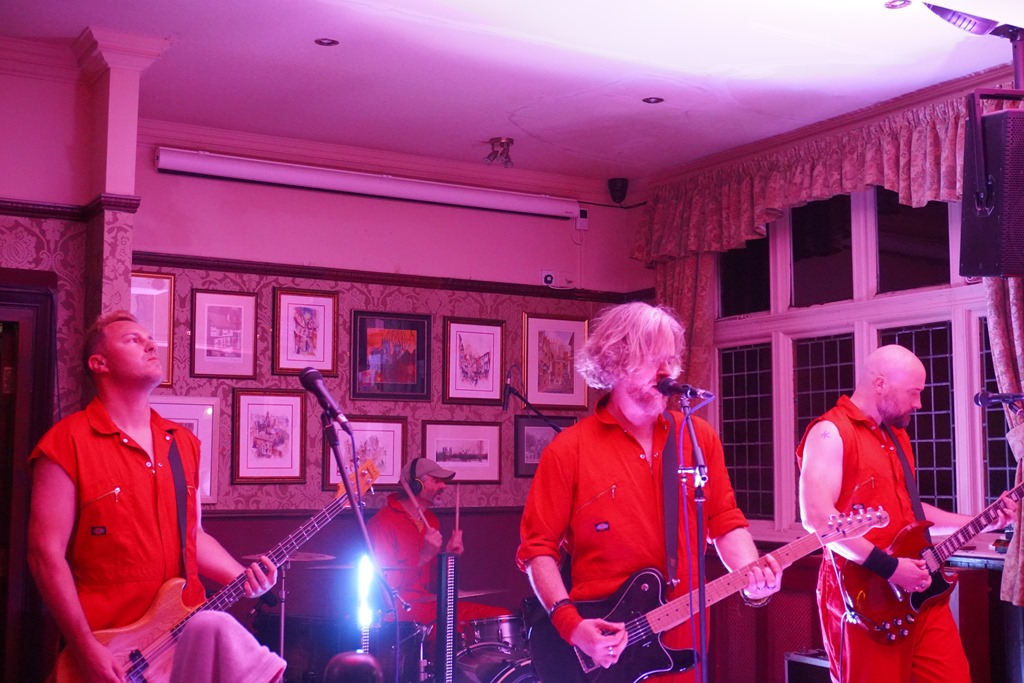
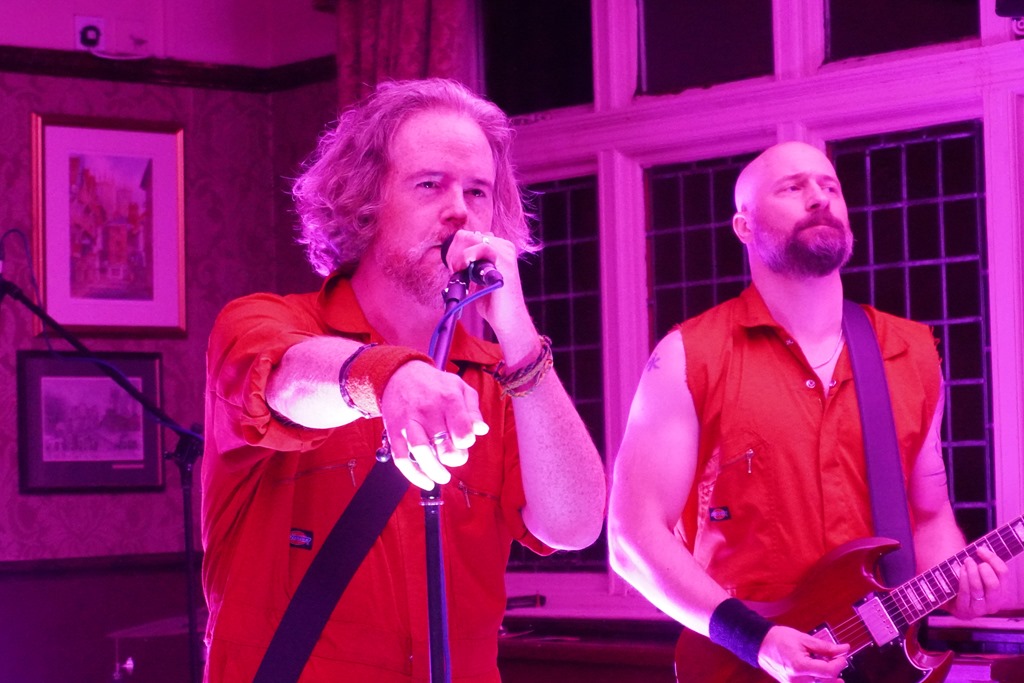
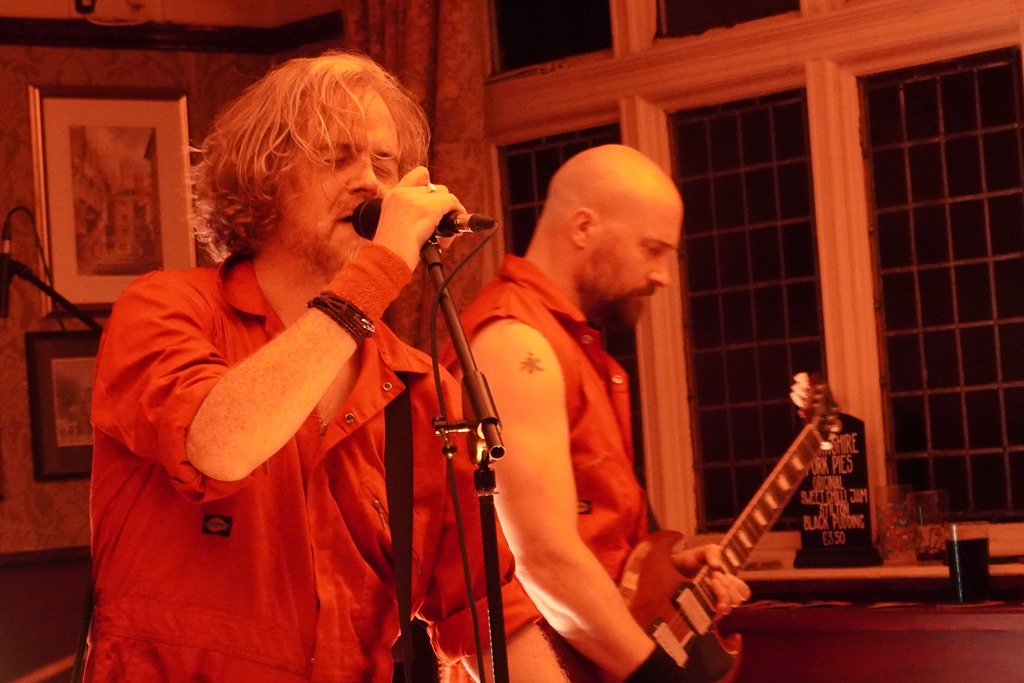
Megafragma
More than just a click track, they have electronic drums augmenting the live kit. The bass is a bit buried in the mix, but still, they sound super-slick, anthemic, arena-standard and the drums – which are technically faultless – are well up in the mix and propel the songs along with a dynamic force. This is not your average pub-gig band, and the set is loaded with the wow factor. But the songs… pause and exhale… are quite forgettable. As the set progresses, it becomes increasingly apparent that this is very much a case of kit over content. More like Middlingfragma. They sound immense, but hollow. Technically superlative, but missing some essential ingredients, namely soul, and passion.
I can’t grumble too hard: three high-quality bands for £0, and pints in proper glasses for £5.20. This is where it’s at.