Posts Tagged ‘Room40’

ROOM40 – RM475

Christopher Nosnibor

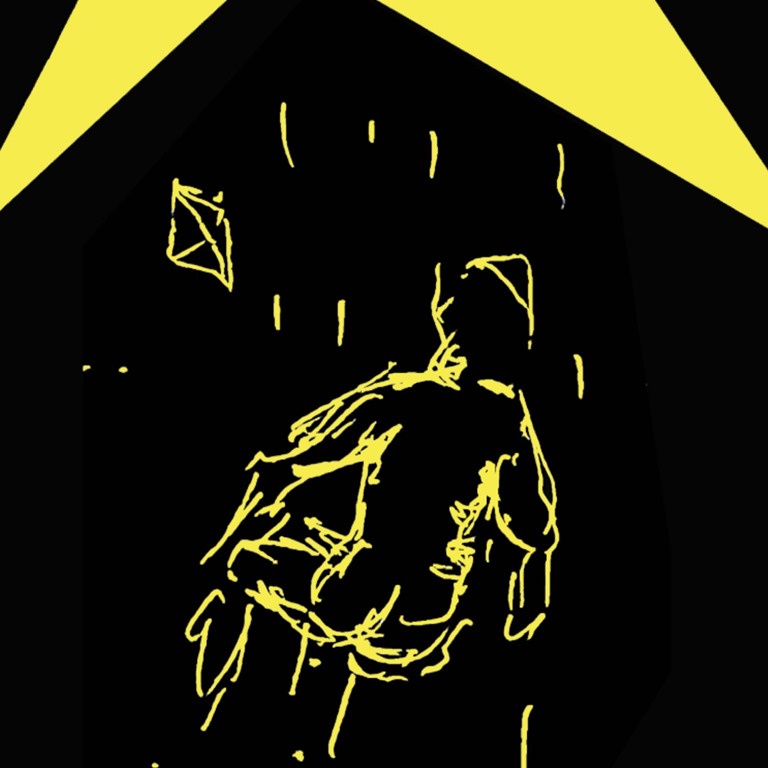
If the album’s cumbersome title sounds like a collection of abstractions thrown together by the same random title generator that The Fall use, then the enormously protracted song titles take the form of semi-abstract narratives which evoke mysterious, shadowy scenes.

Many of the tracks are shorter than their titles, and while the soundworks consist largely of rumbles, scrapes, thuds and electrostatic crackles which are essentially abstract, they do develop some kind of implicit meaning when played in context of the titles. The extent to which this is intentional is unclear: Toop explains the album’s development as being born out of ‘three periods of solitude’ and a conversation with composer and ROOM40 label owner Lawrence English which spurred him to reassess his perspective on releasing music in the 21st century.

Gathering sounds drawn from myriad and disparate sources which lay as ‘spores or maybe dormant clusters of digital files’, Toop has created a work which captures and conveys a sense of the ephemerality of all things. Sights, sounds, experiences, spaces, are each experienced by an individual in but a momentary way. Collectively, all the fragments of experience, however minor and seemingly insignificant, form the life lived; in short, life is one vast intertext, and it’s from this array of ‘things’ Entities Inertias Faint Beings is formed. And so one is pushed to contemplate not simply the sounds or words themselves, but their relationships to those in which they coexist, and to consider their contexts.

‘Dry keys echo in the dark and humid early hours’ is in fact a phrase lifted from Clarice Lispector’s Aqua Viva, and Toop references various other texts (Timothy Morton’s Hyperobjects and Stephen Mansfield’s book on Japanese stone gardens). Toop also makes mention of a ‘hypnagogic image of ‘a transparent swimming pool suspended over the mouth of a volcano.’

As such, Entities represents a gathering of sources, a cut-up collage of sorts, gathering sound, image, memory, thoughts and ideas together in a melange of drones, thuds, whistles, hums and a miscellany of abstract sounds. There are moments of melody and rhythm, some of which are charming and delicate, but thy fade out and vanish as quickly as they emerge. When a scratchy picked guitar and conventional instrumentation emerges on ‘Compelled to approach’, it sounds almost alien in context. The mournful strings on ‘Ancestral beings, sightless by their own dust’ are draped over soft chimes and the sampled speech on ‘Human skin and stone steps’, overlaid with a solitary woodwind and low gong, takes on a hypnotic tone.

The album ultimately tapers to silence, leaving the listener to ponder and reflect.


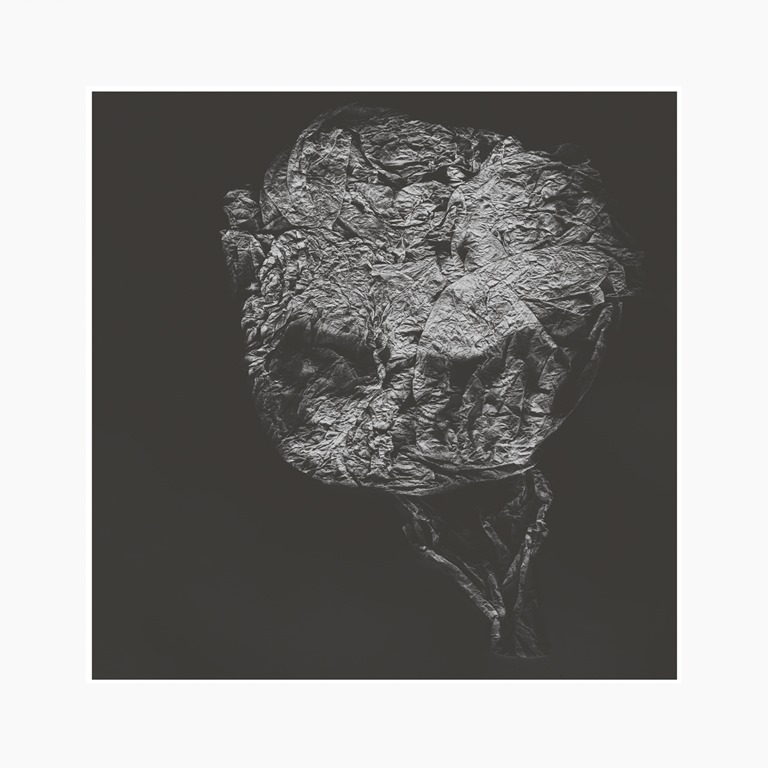
David_Toop_Entities_Inertias_Faint_Beings

Room40 – RM463 – 26th August 2016

Christopher Nosnibor

‘The self-reflexive sequencing that tracks the sub-harmonic series in the opening blast of ‘Falling Forward’ positions the record as Chantler’s most explicitly melodic. These melodies however do not exist in a mono-dimensional vacuum, rather they co-exist in a meshed framework of dynamic timbral layers… The record’s abrupt cuts, deft variations of density and unexpected diversions are happily explored with headlong dives into ravishing texture and extended stretches of surface stasis. The music draws on a domestic reimagining of the traditions of studio based electronic music/musique concrete and 20th century minimalism and delivers this with brash revitalized energy.’ So explains the blurb which accompanies the release. Not being acquainted with Chantler’s extensive back-catalogue, I must assume that when it comes to being ‘explicitly melodic’, these things are indeed relative.

That isn’t to say that the material on Which Way to Leave? is a mess of atonal, non-melodic noise: far from it. However, this is not an album of dainty tunes, but a work which explores sound in terms of texture and tonality and the relationships between the two.

‘Falling Forward’ does indeed commence the album with a veritable sonic assault. The volume of the piece is a necessary element, in that the tonal richness comes from the relationship between sounds as they resonate against one another. But this is an album of contrasts. The minuscule bleeps of ‘Clearing’ and the ringing hum and dank atmospherics of ‘Fixation Pulse’ rise and fall and chop and change in volume and pitch unexpectedly. At times almost silent, low downtuned tones growl and bark monstrously, contrasting with delicate chimes and sparkling flickers of light like crystals. While the majority of the pieces are short, almost fragmentary, the ten-minute ‘First December’ builds a cumulative effect by sustaining a steady multitonal drone which envelops the listener. This rippling wall is heavy with texture and rent with extraneous incidental sounds.

It may not be explicitly melodic in conventional terms, but it is an album which is sonically engaging and eminently listenable.


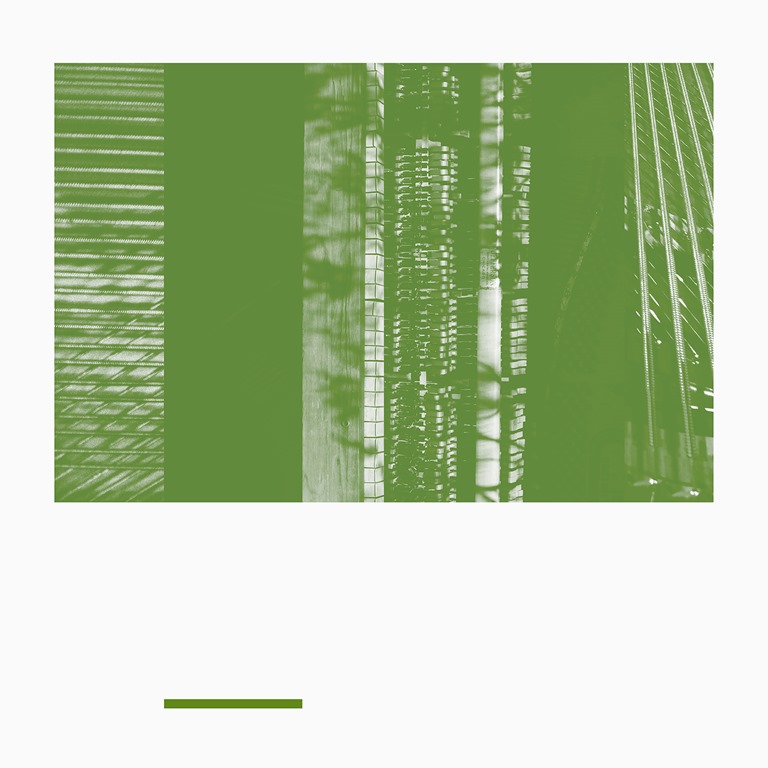
John Chantler - Which Way to Leave

Room40 – RM487 – 20th May 2016

Christopher Nosnibor

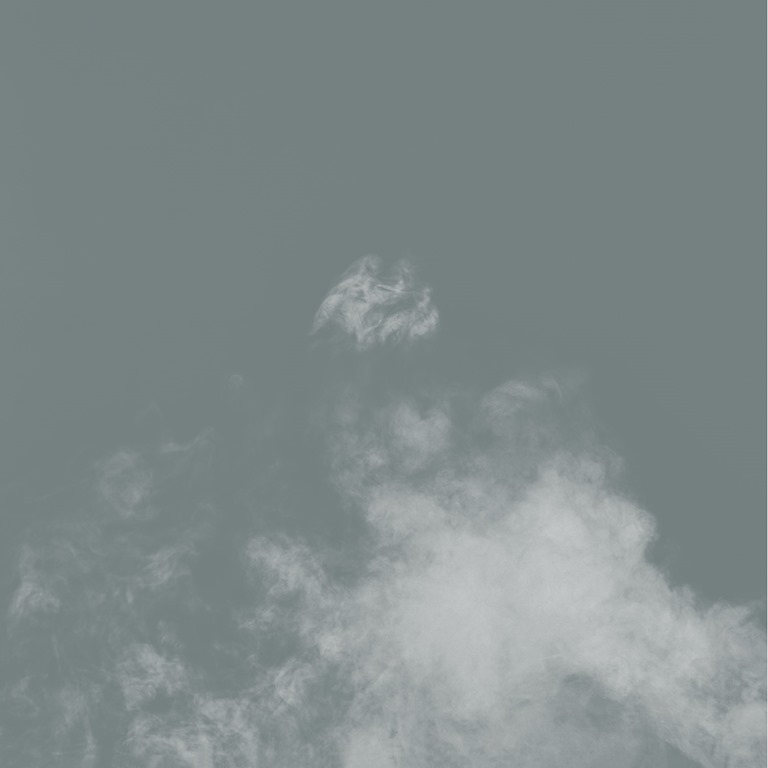
Location is a state of mind. The abstraction of the cover art – an image of clouds with the colour balance altered to give it a greenish hue – and a conspicuous absence of any text provides an indication of the contents it houses. In fact, it’s a nice-looking package overall: the back cover contains ink with only the words ‘New Rome’ and the simple but distinctive Room40 logo, both in small type. Embossed, white on white is the album’s title. It’s larger, but still easy to miss in the wrong / right light. And just as the attention to detail is what renders the initial engagement and the tactile experience special, so it is that the tactile elements of the music – the tone and texture and the significance of details all too easy to overlook while observing the bigger picture – make this album what it is.

To give some background: New Rome is the latest project from the Polish composer Tomasz Bednarczyk. He merged in the late 2000s with a succession of albums which proved somewhat groundbreaking, combining pastoral tonality with ‘grainy smears of pulse and rhythm’ and heavily imbued with a personal quality which was melancholic yet lilting in tone. Having explored other avenues with other projects, New Rome marks something of a return to this earlier territory.

The album’s ten tracks are comparatively brief, and in some respects have a certain sketch-like quality. But the fact they are brief and fade out where so many other artists would extend the pieces out for an eternity means that there’s a freshness about Nowhere: with each track presenting a different shade, texture and tone, there is a rare sense of movement about the album. Many of the soft and delicate, nebulous cloud-like drones which drift and turn are what one might call ‘conventional’ within the field of ambient and chillout music, but the undulating, interloping synth motifs and small but twitchy little rhythms give the pieces an underlying energy. ‘Venus’ hums, the note hanging for an age before flickering beats and extraneous sounds, like the wash of waves, disrupt the stillness. And yet, while the notes swell and sink, an air of tranquillity remains. ‘Dive’ is much dense, the deliberate, pulsating beats more pronounced, dominant even, but above all, Nowhere is defined by balance, with no one aspect of the sound taking primacy. And this is ultimately the most important detail of all. The bigger picture only exists because of its symbiotic relationship with the constituent parts, rendering Nowhere a magnificently realised work.


New_Rome_Nowhere