Posts Tagged ‘Post-Punk’

1st July 2019

Christopher Nosnibor

Dog on a Stick is the second musical project featuring Rick Senley to have come my way this year – and we’re only halfway through June.

Dog on a Stick came about ‘thrashing out Cramps and Pixies noise while squeezing melodies from the din under a west London railway arch’, but there’s a post-punk edge to debut single ‘Dead Driver’. Selney’s guitar intro is a chorus-heavy Curesque effort before the overdrive kicks in and the song takes off on a tense trajectory. The propulsive rhythm hits a taut groove, over which Liam’s vocals become increasingly wild and desperate.

Singer/bassist Liam starts out coming on with something of a Bowie-like croon, but by the end, he’s emitting a rabid howl of anguish, rendered even more potent by the motoric nature of the backing and the dirty, squalling distortion that screams through a mess of treble beneath that bulbous bass.

Clocking in at almost five minutes, it’s a sustained scream of raw emotion that hits hard and cuts deep. It’s blistering and it’s intense. Bring us more!

AA

Dog on a Stick

Cherry Red Records – 7th June 2019

Christopher Nosnibor

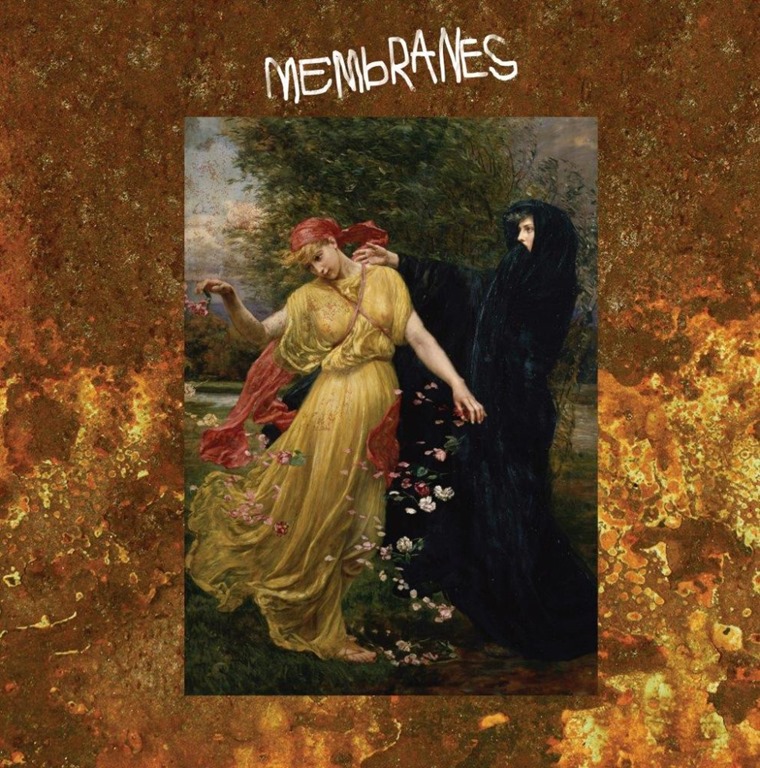
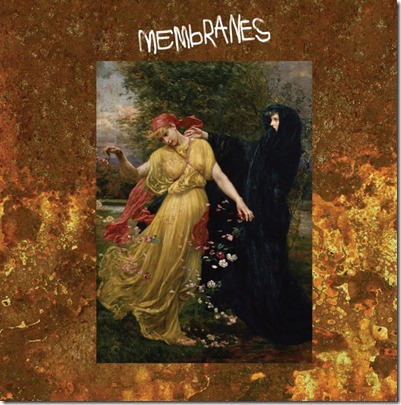
The Membranes’ very long and even more unusual career reaches a new landmark with the release of What Nature Gives… Nature Takes Away marks the release of their ninth album. Forming in 1977 and releasing their debut long-player in ’1980, it would be 26 years between To Slay The Rock Pig (1989) and Dark Matter/Dark Energy following the band’s return in 2009.

John Robb’s career fronting Goldblade from 1995 onwards, as well as a music journalist and Louder than War’s head honcho, with occasional TV ‘talking head’ appearances kept him occupied for much of the intervening time. The fact he’s sustained most of these activities since resuming activity with The Membranes is beyond staggering. How does he do it? The level of energy the man puts into a single gig would leave me crippled for a week (and I’m hardly a layabout).

Anyway. The new album. 16 new songs. While Dark Matter/Dark Energy was concerned with the enormity of cosmic existence, What Nature Gives… Nature Takes Away places its focus more closely on existence closer to home, exploring ‘the beauty and violence of nature’. Inevitably, there’s a human perspective on this: most creatures simply adapt or die in the face of nature’s force: only mankind marvels at nature, while at the same time believing it can harness, defy or otherwise conquer its unstoppable force. Yes, as a species, we’re smart, we’re highly evolved, but we’re completely deluded.

The press blurb pitches it as being ‘a game changer in the tradition of Manchester bands like Joy Division’ (can an album that forms a lengthy tradition be a gamechanger? Surely it must cut free from tradition in order to do this), and it features appearances from Kirk Brandon (Theatre of Hate, Spear of Destiny), and 84-year-old folk singer Shirley Collins, one of England’s premier folk singers of the ’60s revival. Chris Packham also contributes, as does the ‘legendary’ Jordan, who practically invented the punk look in 1975.

What Nature Gives… probably is justifiably a game-changer in that it reaches far beyond the parameters of post-punk and expands massively on The Membranes’ output since their return. Sonically, it’s an immensely expansive piece, featuring as it does the 20-pieceBIMM Choir, pitched against dark drones and heavy atmosphere – and of course, driving bass and choppy guitars. What were you expecting, some ambient/prog crossover effort?

It gets off to a strong start as ‘A Strange Perfume’ weaves a tripwire lead guitar over tribal drumming and a driving bass while choral vocal soar in and out before exploding into a grainy blast of distorted guitar. It’s a hell of a rush, and the production while full, is up-front and punchy.

Robb’s bass on the expansive title track is pure Peter Hook, while his vocal is stark, flat, metallic, calling to mind Ian Curtis. But the soaring lead guitar, strings, and layered backing vocals take it to another dimension. ‘A Murder of Crows’ offers something different again, a furious blues/funk attack that kicks like The Screaming Blue Messiahs at their most manic.

Steve Albini once said something about putting your best songs at the start of an album, and it may be the case that the initial force dissipates after this on What Nature Gives… as the band explore deeper, darker, more expansive territories. But this is considered, paced, and musically articulate. ‘Deep in the Forest Where the Memories Linger’ is evocative and forceful in equal measure, with ethereal choral sweeps swooping over thrusting guitars, before ‘Black is the Colour’ – a song about ‘the dark heart of winter’ and ‘the time when nature’s cycle in at its lowest ebb’ – is delivered in a style reminiscent of The Fall, sneering and spitting over a stocky, cyclical bassline. That this song features on the ‘Summer’ side of the vinyl’s seasonally-themed four sides is telling in terms of the mood: Winter is a recurrent theme here, and maybe I’m projecting my own feelings into the songs, but the urge to hibernate or hang myself are strongest during the bleak months of long, dark nights spent indoors brooding and reflecting on all shades of melancholy. ‘The Ghosts of Winter Stalk this Land’ and Winter (The Beauty and Violence of Nature) pursue the same theme, with the latter exploring synthy territory as a backdrop to Chris Packham’s spoken-word narrative.

‘A Murmuration of Starlings on Blackpool Pier’ continues the theme of ‘A Murder of Crows’. And builds the drama, with samples crackling in over brooding strings and tense, hushed vocals, while ‘The Magical and Mystical Properties of Flowers’ mines a classic loud/quiet grunge dynamic, blasting out with a storming three-chord riff.

It’s all there on ‘Nocturnal’ with a crackling synth-driven verse, thumping bass groove, choppy Gang of Four guitars, and a hook that references Joy Division’s ‘Transmission,’ and in context the press release makes more sense: this is an album which actually harks back to and connects with the touchstones which lie at its roots. It’s not derivative, but intertextual in construction. But the most important point of note is that it’s incredibly well-conceived, and the execution of an album that’s so ambitious in scope is outstanding, and What Nature Gives… sees The Membranes hit a new creative peak.
Membranes-Frt

Metropolis Records – 22 March 2019

So often, less is more. All we know if muet is that ‘muet is the sound of American noir. Sonically defiant art rock sung under the shadow of a long brim hat. Deliberate dissonance and heartbreaking melody are stitched together beneath sodium light with tales of the tragic, the romantic, and the bizarre. The band features Steven Seibold, Daniel Evans and Vince Mcaley, who have all enjoyed moderate success in various post-industrial and punk bands. based out of Chicago’.

I may have mentioned before that I broke free of mainstream music by route of 80s goth, so I have something of an appreciation of hats. Actually, that’s something of an understatement, as I’ve been an avid hat-wearer for large portions of the last 27 years. Muet is the sound of doomed romanticism and hat-wearing, a meshing of the gothier end of the post-punk spectrum with more contemporary takes on the same: because for all of the referencing and influence, the likes of Interpol and She Wants Revenge very much filter the past through a post-millennial lens.

The album’s first chord is a single, echoing strike that could almost be a sample of the opening note on ‘Marian’ by The Sisters of Mercy, and then a mechanoid drum and solid , square bass groove rumbles in, holding down that c.85 Sisters vibe… but the nagging, trebly guitar that chops in is more Gang of 4 via Radio 4 ‘Leather Jacket Perfume.’

There’s a heavy sleaze vibe that permeates every aspect of the album, with song titles like the aforementioned ‘Leather Jacket Perfume’, ‘Weirdest Sex’, ‘Her Dad’s Car’, and ‘Muscle’, but there’s equally a considerable amount of brooding and melancholy, conveyed by atmospheric, echo-drenched, minor-key guitars picked and spun.

‘Reach out and Murder’ features some wild, bending post-punk guitar and a thunderous rhythm section and kicks out a riff reminiscent of Department S’ ‘Is Vic There?’, whole the chorus has something of a Cooper Temple Clause feel. ‘on2u’ combines swagger and groove with a dash of early 90s Mission wrapped in a haze of psychedelia

One thing that comes across strongly is the emotional depth ploughed into each of the songs. Yes, there’s an element of stylisation which is part and parcel of the genre form, but there’s a conviction that resonates and it’s unmistakeably genuine. Moreover, muet has range, and doesn’t focus excessively on any one theme or mood, while maintaining a stylistic cohesion. It’s a proper album, and a damn fine one at that.

AA

muet

Christopher Nosnibor

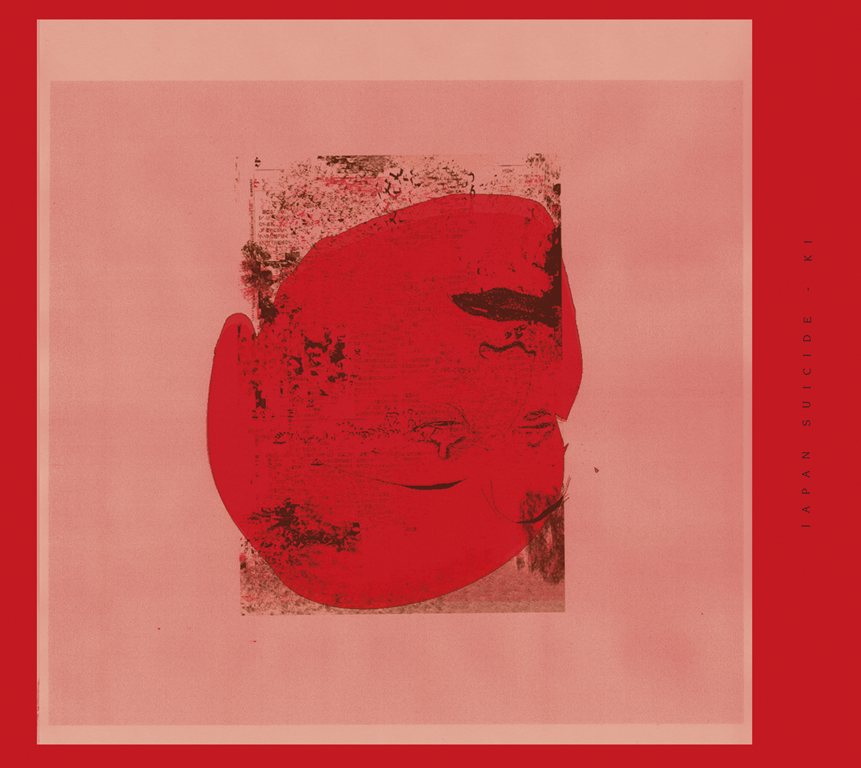
No bones: Santa Sangre was one of the standout albums to land with me last year. The perfect amalgamation of dark-edged 80s synth-pop which took its cues from Depeche Mode and A-Ha, and gritty guitar-driven post-punk, it felt contemporary while also joyously retro. Having found myself in the late 80s (circa ‘87/’88), when the goth of the early/mid 80s was finally cracking the top 40, and could be heard on R1 on a Sunday night and even on Top of the Pops. At a time when pop was altogether darker anyway (I recall, aged 8, seeing Killing Joke perform Love Like Blood’ on TOTP and being rapt), I find myself right at home with this.

For the recording of their third album, the Italian quartet made the journey to Leeds, the heartland of the 80s post-punk / goth scene and equally a hotbed for its postmillennial revival, to work with Matt Peel, perhaps best known for producing Kaiser Chiefs and Eagulls, at The Nave Studios. And all of this shows, and the band have very much continued to embrace their influences to deliver an album that’s both taut and atmospheric.

KI perhaps lacks the immediacy of its predecessor, but that’s no bad thing. This means that instead of kicking in with lasers set to stun at the opening, ‘Dance for You’ makes for a fairly low-key entrance, a thrumming sequenced synth bass and Curesque sweeps overlaid in misty layers, the vocals low in the mix and twisting together wistfulness and melancholic desperation.

It isn’t until the second song, ‘Empire’, that Ki really hits its stride and immediately expands the band’s sonic palette: a yawning shoegaze blur that’s part Ride, part Curve, but filtered through a Jesus and Mary Chain mess of treble noise and driven by a thudding four-square bass, it’s a mid-pace squall of density – and it’s this that really kicks through the driving ‘Fury’, which combines drifting, fractal guitars with a pulsating bass, driving drum track and darkly desperate vocal. It’s the Sister’s circa 84, it’s early Mission, it’s brilliantly crafted, capturing the spirit of the retro zeitgeist.

‘Kanagawa-oki Nai-ura’ broods like all the brooding over droning organs and glacial synths underpinned by a murky funeral rhythm section, replete with dolorous bass before a crunching guitar glides in and

‘Mishima’ slips into dream-pop territory, again taking obvious cues from The Cure – which is no criticism. Is it wrong to chuck in references to early Interpol and Editors? I’ll say no: this is music cut from the same post-millennial post-punk cloth. It’s no longer about uniqueness, but how well influences are assimilated, and here, Japan Suicide show enough capacity for crafting a tune that their stylistic appropriations are more than acceptable.

‘One Day the Black Will Swallow the Red’, which lifts its lyrics from a piece of writing by artist Mark Rothko , with its thumping beat and chunky bass underpinning a wash of hazy guitars, and moody but driving ‘The Devil They Know’ make for a strong finale to a solid album that has ‘grower’ written all over it.

AA

Japan Suicidie - KI - copertina WEB

Modern Technology’s eponymous debut EP got us foaming with excitement the other week, and they’ve now unveiled a video for the song ‘Project Fear’, which pairs the full-throttle guitar abrasion and politically-charged anger with stark, grainy black and white images that seer the retinas. It’s fucking mint, and you can watch it here:

Hangman Ho Records – 14th March 2019

Christopher Nosnibor

Every 18 months or so, I get contact from Rick Senley. This has been happening for a good few years now. I like him, and I like his work. There’s a pattern of sorts. He seemingly hibernates for a while, then emerges with a brace of albums, one each from his main projects, Music for Voyeurs and I Am A Man With A St Tropez Tan. Both different sides of the same coin, they tend to be contrasting but complimentary.

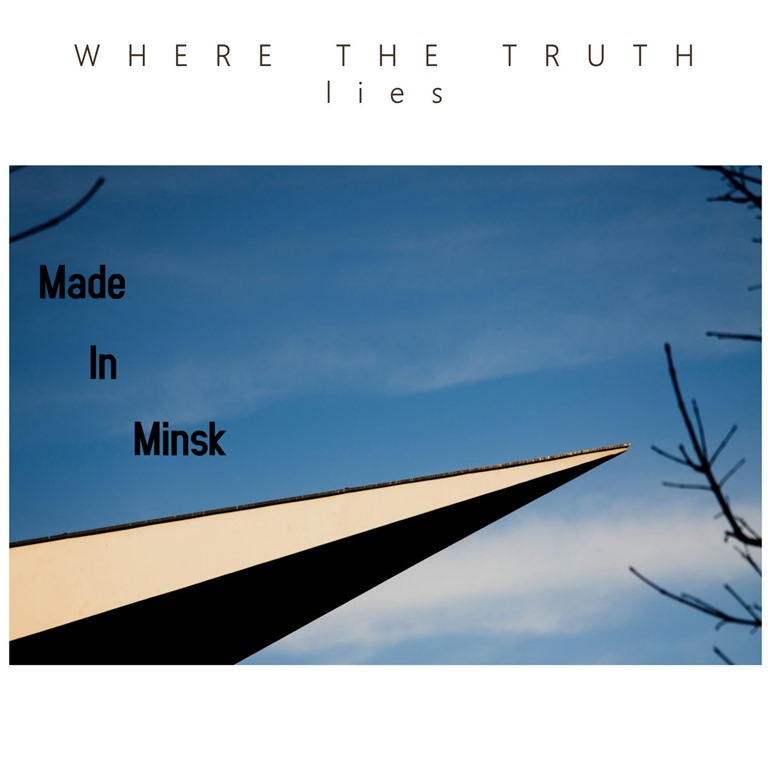
So this latest arrives came as something of a surprise: not an album but a single, and representing a new project. Made in Minks sees Senley return to the fold of a band-orientated project after many years operating in a solo capacity, and the international quintet, which initially coalesced in 2014, they’ve been honing their sound before declaring that ‘now is the time’.

Citing influences from Pixies to The Cure, Kate Bush, Black Sabbath and Aztec Camera, Made in Minsk claim to ‘sculpt a unique sound of psychedelic indie thrash folk’. If that sounds deranged, well, yes, it is.

‘Where the Truth Lies’ starts with darkly atmospheric muttering that calls to mind the Cure’s ‘Pornography’, before breaking out into a muscular riff that builds on a thunking bass throb and insistent rhythm that contains elements of The Fall but combines it with the snaking reverby bleakness of The Cure circa Faith and the fiery goth favours of Skeletal Family. It’s retro as, and it’s all the better for it: whereas so many contemporary acts play post-punk through a post-millennial filter of Interpol and Editors, MIM return to source to deliver something that feels authentic in every way, from the sentiment to the production.

Dark, stark, and angular, it’s also hypnotic and catchy, and a really strong song.

AA

Made in Minsk

Come Play With Me – 8th February 2019

With some luscious chiming, chorus-soaked guitar, jittery drumming, wandering bass and vocals reminiscent of Mark E Smith circa 1978, Treeboy & Arc’s latest – released through Leeds label Come Play With Me’s singles club, sharing a 7” with Japan’s Jebiotto in a joint effort with Japanese Label Call & Response – is a belter.

As has become CPWM’s signature, this split single showcases a brace of contrasting but complimentary acts, each contributing a classically single-length single – if that makes sense. The medium is the message: 7” singles were, and remain, an artform. Brevity is the key. Giving enough, while leaving the listener wanting more.

And in three and a half minutes, Treeboy & Arc do exactly that, combining hooks with edge, packed into a hell-for-leather song about a car crash.

Jebiotto’s contribution is a shade further off-kilter and a little more difficult, but that’s the benefit and joy of a split 7”. It’s a taster, there’s no commitment, and if one side’s stellar, you’re made. If the other side’s got grower potential, then it’s a double win. And this is very much a double win.

AA

AA

Treeboy & Arc

7th January 2019

Christopher Nosnibor

I like Modern Technology before I’ve even heard a note. Drummer Owen approached me through Facebook having clocked Aural Aggravation with a link to the East London duo’s debut EP. Most bands starting out want to get on the radar, and get some cash back for the hard graft they’ve put in trying to get to the point of putting music out into the public domain, especially as a physical release – and this comes in limited-to-200 clear vinyl in addition to the digital version – but they’re donating all profits between Mind and Shelter, perhaps two of the most vital charities in the age of austerity.

I may not have written much about the plight of the homeless, although the fact we have a massive problem here in Britain right now requires no qualification, but I have touched on mental health on more than one occasion here in the past. The oft-shared statistics are just statistics, but in my day-job (yes, I work for a multinational who deal in insurance and investments, because, incredibly reviewing bands no-one’s heard of and writing books no-one reads doesn’t pay the bills) I’m often required to step out of my role to help people and to listen to people. They all have trouble. They’re all stressed. They’re all anxietised. Some are depressed. I know how they feel, and they know it. It really is good to talk. No, not just good: vital. This is my daily reality. So the fact that the bulk of CD I get sent for review which I don’t choose to keep end up at my local Mind charity shop is just something I do. Because it’s important to do what you can, right?

According to their bio, Modern Technology formed through ‘a shared frustration of the post-truth society and political unrest that is currently suffocating our global conscious’. The one positive of political turbulence is the spur to creativity: it’s no coincidence that that post-punk emerged during the Thatcher era, and it’s fair to say that the parallels between then and now are strong. One major difference now, however, is that it’s practically impossible to sign on and form a band: zero-hours contracts and the benefits system mean that even looking for work is a full-time job, and the economics of making music simply don’t stack favourably. But regardless of economics, all that shit has to go somewhere. You need to process. You need to vent. Modern Technology sound like a band who are doing this not for fun, but because they need to.

The EP’s opener provides a theme tune of sorts: entitled ‘Modern Technology’, it launches with an ear-shredding blast of splintering noise, before pulverizing drums, grating bass and squalling feedback hammer out a sonic landslide of a backdrop to a hollering vocal, half-lost in an avalanche of reverb. Christ! They’ve got the savagery of early Head of David coupled with the goth-noise mania of The Birthday Party.

It certainly sets the tone and tempo: ‘Project Fear’ is two minutes of overloading, distorted fury that makes optimal use of lo-fi production values for maximum impact. It hits like a punch in the guts. Deciphering the lyrics isn’t easy and at times is pretty much impossible, but the sentiment is more than adequately conveyed by the medium. Besides, the titles speak for themselves in many respects, as they take the most mundane aspects of contemporary capitalist living and attack them with shuddering sonic barrages. Shades of psych filter through the scuzzed-up tumult of no-wave noise. And deep from within that sonic cyclone screams the painful truth: everything is fucked.

When they do slow it down, as on the grinding ‘Select Retail’, they bring out the brooding theatricality and highlight the depthlessness and superficiality of consumerism with the blank slogan / refrain ‘Select retail / reject detail’. But then they also do choppy, bass-led Shellac-tinged angularity on ‘Queue Jumper’. Closer ‘Modern Detritus’ distils every last ounce of frustration and compresses it into a dense roar of thunder.

Modern Technology are the real deal: this isn’t music being made with one eye on a commercial ticket, but music that’s born out of compulsion, the urge to purge. It’s art. It’s raw, it’s visceral, it’s painful. And in expressing the agony of frustration, it’s perfect.

AA

cover

Christopher Nosnibor

Casting an eye back to my reviews from last year, I discovered that it took me until 14th January to lug my carcass to see any live bands, and that was just up the road to see some friends play. Well, it’s friends playing that has forced me out of my hole for my first gig of 2019, too. For this, I’m grateful to the Wharf Street Galaxy guys: I don’t fare so well at this time of year, and the urge to hibernate all too often overwhelms the will to socialise.

After the hike from the station to Hyde Park Book Club, I’m pleased to find them near the bar sipping soft drinks and coffee, although I’m ready for beer and the Northern Monk Heathen IPA (purchased before realising it registers an ABV of 4.2%) does the job nicely as we riffed about various methods of making coffee and matters of male grooming – rock ‘n’ roll over 40s style.

Tonight’s show is the 50th birthday celebration of Neil Gumbley, guitarist in the first band on the bill: apparently, he’s not keen on birthday celebrations, but is keen on gigs, so decided to put one on with bands he likes.

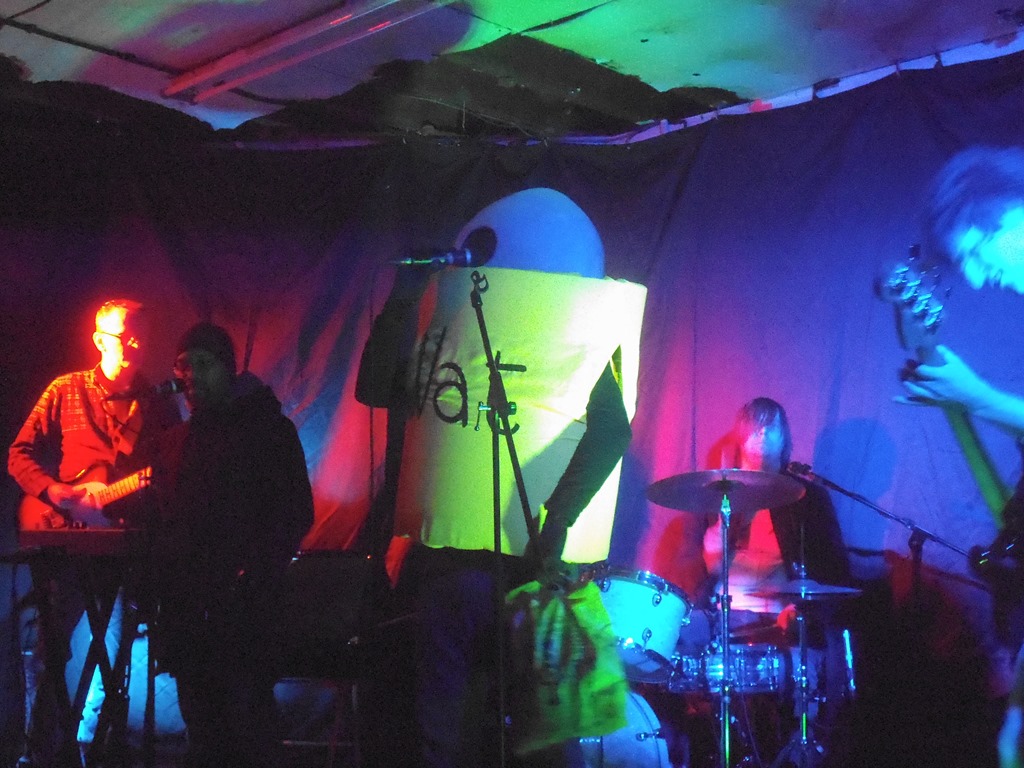
The scrappy, scant nature of my notes is less as a result of the beer, but more as a result of being too busy enjoying the bands and conversations in between acts, although Vat-Egg Imposition make enough of an impact to not really require any notes to jog the memory. Musically, they’re all about the Fall-like repetitions, which is cool, but nowhere near as striking as seeing a bloke dressed as an egg and lofting a yellow carrier bag. It transpires the bag contains packets of crisps, which are distributed to the audience before they perform ‘I Bought You Crisps’, a tale of everyday heartbreak that’s both sad and funny. For entertainment, they’re top-notch, and I might even say egg-shellent.

DSCF7118

The Vat-Egg Imposition

Wind-Up Birds aren’t bad either. I’m understating here. Choppy post-punk guitars and a stonking rhythm section propelled by some tight, crisp drumming define the sound. Somewhere between The Fall and The Wedding Present, they do ranty, political, etc. You get the idea. They’re bloody good at it, too. And the theme for the evening is pretty much set solid.

DSCF7131

The Wind-Up Birds

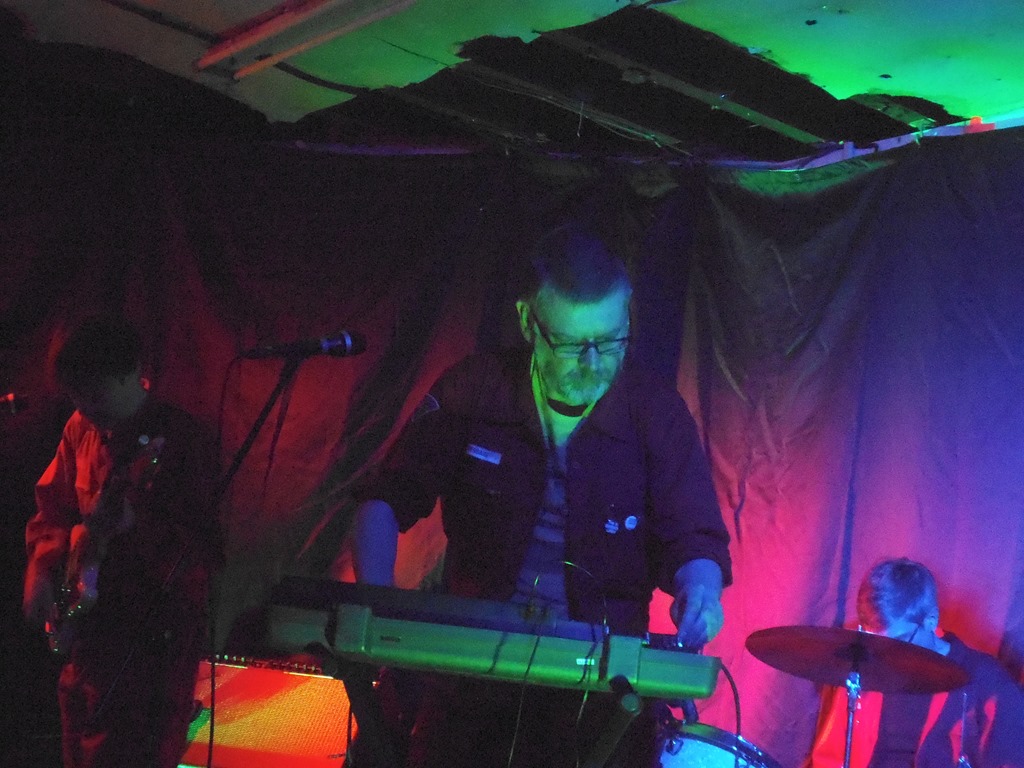
‘Fuck me,’ my spidery scribble says. ‘There are people here in WSGB T-shirts!’ And they’re not members of the band! This is likely to be the band’s last show for a while, given that D. Procter (Message) is heading off to Scandinavia for PhD-related pursuits for 8 months very soon, although with more related projects than even they can count, the other members won’t exactly be twiddling their thumbs in his absence. And as a final show before their hiatus, it’s a stormer: yes, they’re on fine form. ‘Freedom to Comply’ (which pursues the theme of totalitarian conformity under the auspices of free capitalism and as such stands as a complimentary counterpart to ‘Organised Freedom is Compulsory’ from the first EP) is hammered out over a single chord augmented with strains of sculpted feedback, and the low-down, sleaze-funk of ‘Sex Master’ is delivered with audacious panache. I struggle to contain my mirth, and I’m laughing with rather than at them: this is a band that gets the ironic juxtaposition of middle-aged men in red boiler-suits doing pseudo-slinky.

Yes, ‘Hector and Harangue’ always gives me cause to smirk a little, the title and lyric lifted from an early review of mine, and it provides a well-placed change of tempo and tone with its faster pace and shouty, hooky chorus. No, they’re not so big on choruses.

DSCF7173

The Wharf Street Galaxy Band

There may be something of a dearth of puffins in tonight’s set, but ‘Ritual something-or-other’ (I can’t decipher my own handwriting or trust my own ears – it turns out to have been ‘Transgalaxial Time Travel (Slight Puffin Return’) boasts thumping tribal beats and a scratchy guitar reminiscent of The Fall on ‘Muzorewi’s Daughter’, and Procter finally melts into hollering harassment against Ash’s (Throb) slow-drip bass groove. And they play their slinky cover of ‘Warm Leatherette’, too.

On the journey back to York, WSGB’s John (Visual Balance) gives me a proper introduction to early OMD, whose work I’d never explored based on my lack of enthusiasm for ‘Enola Gay’. I offer some pointers for 90s Depeche Mode albums and probably talk a lot of bllocks because I’ve had three 440ml cans of Heathen, but it’s all good and I’ve never been more pleased to have forced myself out of the house instead of wallowing in the winter blues. Winter motorik grooves is definitely the way to go.