Posts Tagged ‘Noise’

Christopher Nosnibor

Having established the FEAST nights as a coming-together of noise and experimental artists during lockdown, burgeoning label NIM BRUT has expanded its remit for this fifth event, with a live show in front of a live audience in Derby on August 1st, and streaming the performances alongside contributions from those who were unable to make it to play live for tonight’s online stream – making this something of a hybrid gig, especially as the event also doubles as a listening party for the release of Zero Gap’s eponymous debut. A collaboration between Ryosuke Kiyasu (the ‘Japanese snare drum guy’) and (James) Watts, growler for Lump Hammer, Lovely Wife, and most of the other gnarly acts circulating the Newcastle scene, it’s out at the end of the month, and segments from the album got spun between acts.

Walking in (virtually), I’m assailed by a whole load of messy noise that bleeds into some disorientating ambience. This, of course, is very much designed to set the mood, and in no time, Lost Music Library are pumping out spurts of mustard gas ambience, accompanied by oddly animated and eerie images shot in a children’s playpark. With no children (for probably obvious reasons) the scenes take on an uncanny aspect, with empty swings swinging, while randomly struck xylophone notes plink and plonk in a childlike fashion. It’s inexplicably moving as slow-drawn strings taper down through the emptiness. It feels like something is wrong, something has been lost. It feels apocalyptic, but also rather close to home and the scenes of the last year or so. At the end, everything blurs and fades.

The collaborative set between Thurmond Grey and Aged is an interesting dark hip-hop effort that harks back to the turn of the millennium, but with the steady beats and keyed-up rapping duelling with some grating electronic noise. The vibe is very much ‘in the moment’, and first take – which works well, as it adds to the ‘live’ feel. Grey’s vocals at times sound like mark E Smith, and not everything is completely finished, and that’s ok: like the BBC radio sessions in the 80s, this is an ideal platform to test material out to a select audience.
Thurmond Grey

Thurmond Grey

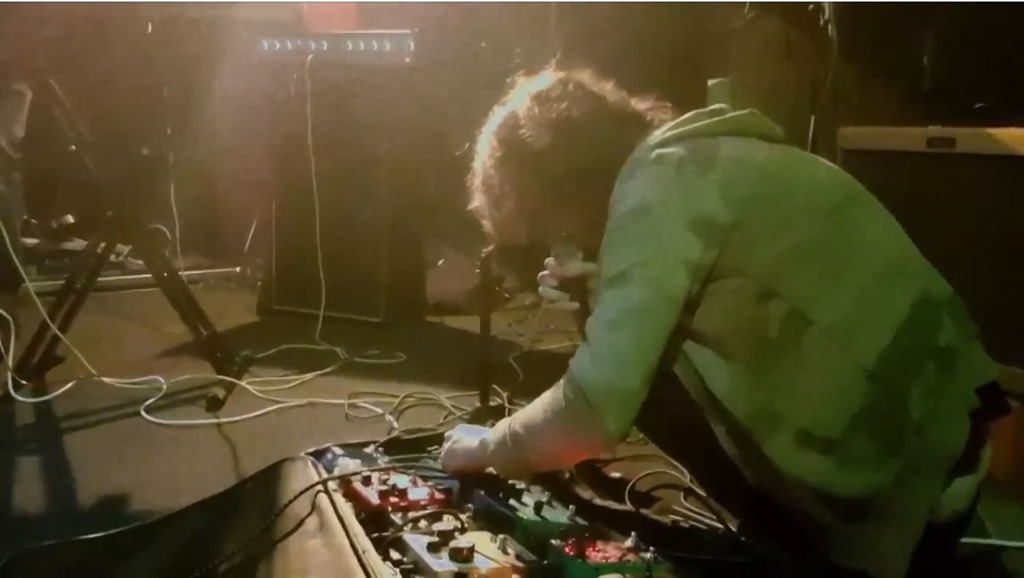
OMNIBAEL have been using these sessions to evolve their sound. Tonight’s effort is a gnarly whorl of abrasion: Kester’s vocals are mangled by a rack of effects against a grinding tumult of nasty synth abrasion, and it hurts – so much anguish, so much pain – so much noise, so much Throbbing Gristle. When the guitar enters the mix, things reach a whole new level of punishing overload, and the volume is absolutely fucking brutal.
OMNIBAEL 3

OMNIBAEL

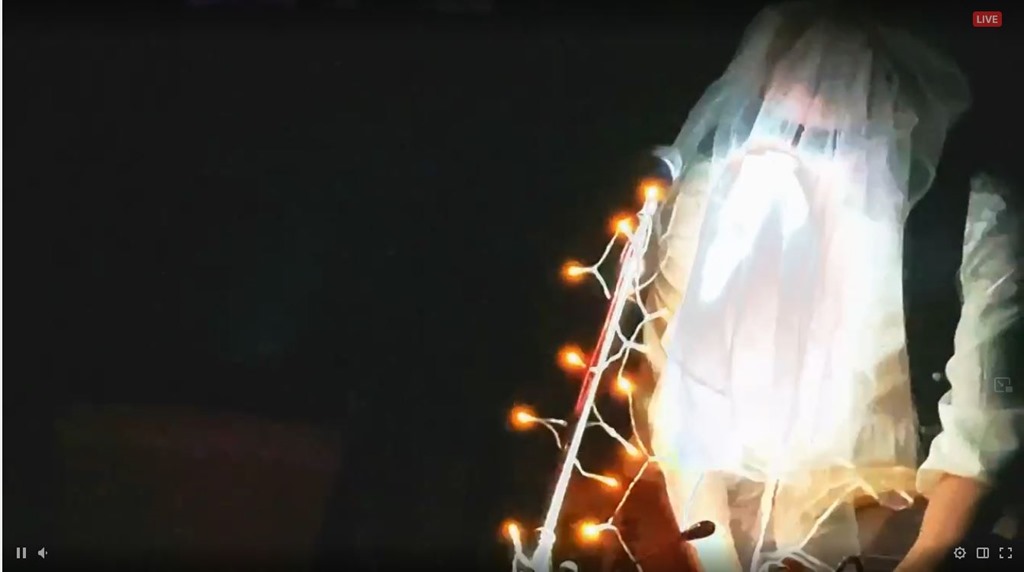
Leeds-based noisecore duo Rejection Ops, who’ve recently (lathe) cut a 10” with Territorial Gobbings were there on the night a week ago. With guitarist / synth player / shouter Colin Sutton wearing a wedding dress and veil – and finished off with a head torch, they’re quite a sight, and the duo’s frenetic grindy noise is simply explosive from the first bar. It’s a relentless barrage from beginning to end, and with the addition of electronics, this set is all about the noise. It hurts: there’s no form, no obvious structure, but a relentless assault driven by a nonstop drum attack. It’s free noise in full effect, and it’s not for wimps. And it builds to a sustained crescendo that’s pure tinnitus.
Rejection Ops 5

Rejection Ops

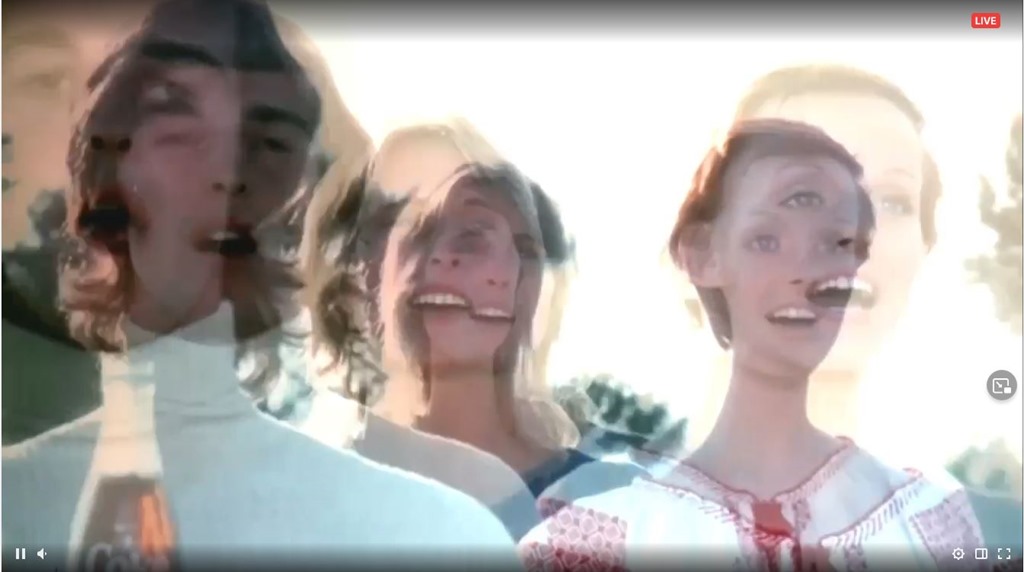
So where do you from there? To some harsh noise dialled in by a couple of clowns operating as …(something) ruined, of course. It’s impossible for me to review this objectively, but suffice it to say we were pretty happy with the latest instalment of anti-corporate power electronics that looks like featuring on an EP pretty soon, and those present seemed to dig it.
SR2

…(something) ruined

Neuro… No Neuro present a short, shifting wave of glitchronic ambience, before six-piece This Sun No More packed onto the tiny venue stage and slugged their guts out with a set of riff-slinging post-metal: expansive, textured, they really flex some muscle. The structures are tight, well-arranged, and well-executed. When they hit a crescendo, they really kick, and there are – occasionally – some howling vocals half-buried beneath the tempest. They may be very much school of 2004-2006 in nature, but they hold up in comparison to masters of the genre like Pelican. Live, they’re tight and super-solid, and they look like a band to see in the flesh.
Neuro

Neuro… No Neuro

Aged’s solo set in unnerving because it’s is so literally in your face: Nate Holdren’s bearded visage looms and while the drones and hums trickle and trail. He can be seen talking to himself, stroking his beard, immersed in either making of the sound… but as a work of droning ambience, it’s a solid one.

It’s a truly packed bill, and Error Control, – performing live from the venue – wearing a blindfold, delivers a set that, predictably, hurts. It’s a lot of mangled noise. And more than being ‘just’ noise, it’s bursts of noise. This somehow accentuates the impact, the harshness, and man, it’s fucking ugly. But it’s also ace. Blackcloudsummoner makes some dark noise accompanied by some eye-bleeding, brain popping visuals,
Gobbing

Blackcloudummoner

Headlining, Territorial Gobbing is mental as ever, as you’d expect from a guy who’s performed sets from bouncing a basketball and playing a cabinet he’d liberated from a skip on the way to the venue one time. Theo Gowans is truly the king of noise improv: he will render sound from quite literally any object, and will select that object on a whim. Clatters and clumps, bumps and wails, his is a world of off the wall mental shit, and the only thing you can predict it that it’ll be unpredictable and bewildering.

It all adds up to another great night of ultra-niche obscure noise: the amalgamation of life and dialled-in works well, and could well be a format that will be the shape of things for a good few months yet. It’s good to see things evolving in keeping with shifting rules and attitudes, and this is certainly an event that continues to accommodate all. Here’s looking forward to the next one.
Dret Skivor – DRET008 – 6th August 2021

Christopher Nosnibor

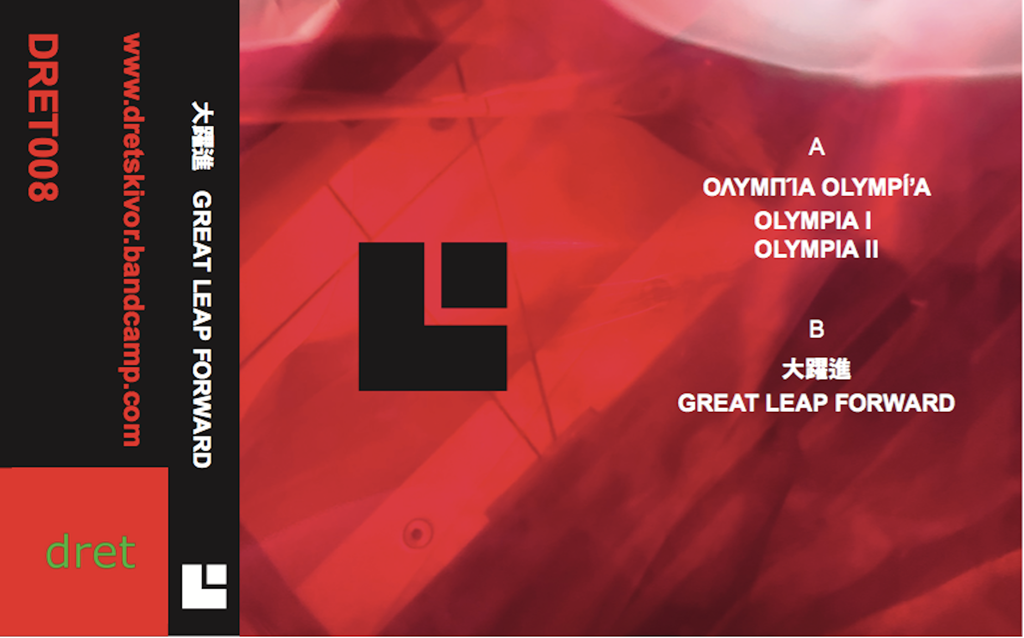
The latest offering from Dret Skivor, a Swedish tape label specialising in drone and various shades of experimental noise, is the new album from Danish maker of electronic noise Thomas Li, who, as Li, has self-released almost a dozen works digitally. Biographical details are less than minimal, and that’s cool. Why do we need to know about the artist, their background or their back catalogue? Do we really need to know the context or the intent, the theory behind a work? Sometimes, when it’s an experimental work informed by theory or a certain concept, it helps, because the concept and theory are integral to both the process and the end product. Then again, there’s a danger that sometimes said theory or concept can impinge on one’s appreciation of the work. Sometimes, it’s best to just be able to listen, and allow oneself to be immersed in the sound, without pouring over lengthy liner notes, researching myriad avenues presented by the references, and straining one’s brain over concepts. This is particularly true of many works of a more ambient persuasion. I’m not remotely anti-academic or anti-intellectual – quite the opposite. But sometimes, you just need a break, and music can be the perfect conduit to vital headspace. An overemphasis on context can detract from the often underrated pleasure of simply listening, and enjoying.

Admittedly, enjoyment of an album like this is the preserve of a small minority: it doesn’t contain any ‘tunes’, it’s beatless, and it’s not always entirely mellow either. But it does have a great deal of texture, and this is something you can really lose yourself in.

Great Leap Forward contains three tracks, with side one occupied with the two-part ‘Olympia’ and the second side containing the eighteen-minute monster title track.

‘Olympia I’ is nine minutes of dense, churning drones, billowing sonic clouds that choke and smother, while counterpart ‘Olympia II’ gurgles and churns a dark whirling cyclone of sound. The latter is more interesting, sonically, with a lot more going on – meaning it’s also more challenging and more tense, as crackles and hums fizz and spin from the dank depths of bubbling noise.

The title track is altogether less tumultuous and more background ambient by comparison. Being eighteen minutes in duration, on the face of it, not a lot happens: there are no climactic blasts of noise, there’s nothing explosive or even overtly disruptive. And yet for all its subtlety, it is engaging, and there is movement, there are shifts and distract and divert. Howling winds blast over barren landscapes of drifting sand and strains of treble and whines of feedback emerge from the eternal mid-range rumble that drones on, and on, and on.

In the context of his output to date, this may not really be quite such a great leap forward, but it does clearly mark an evolution and an expansion on the soundscapes sculpted on previous works. And, played with the accompaniment of a candle and some CBD-infused beer, Great Leap Forward is a well-executed soundtrack to mental recuperation.

AA

tape label grab for bandcamp

Utopia, the technical metal group centred around guitarist John Bailey and Corrupt Moral Altar vocalist Chris Reese have shared the 2nd video from their upcoming debut album Stalker set for release on 27th August (APF Records).

New single ‘It’s Not The End’ sees John and Chris joined by drummer Lee Fisher (Psyopus / Fawn Limbs) and bassist Arran MacSporran (De Profundis). Watch the video now:

AAA

Utopia pic

Khatacomb – 7th July 2021

Christopheer Nosnibor

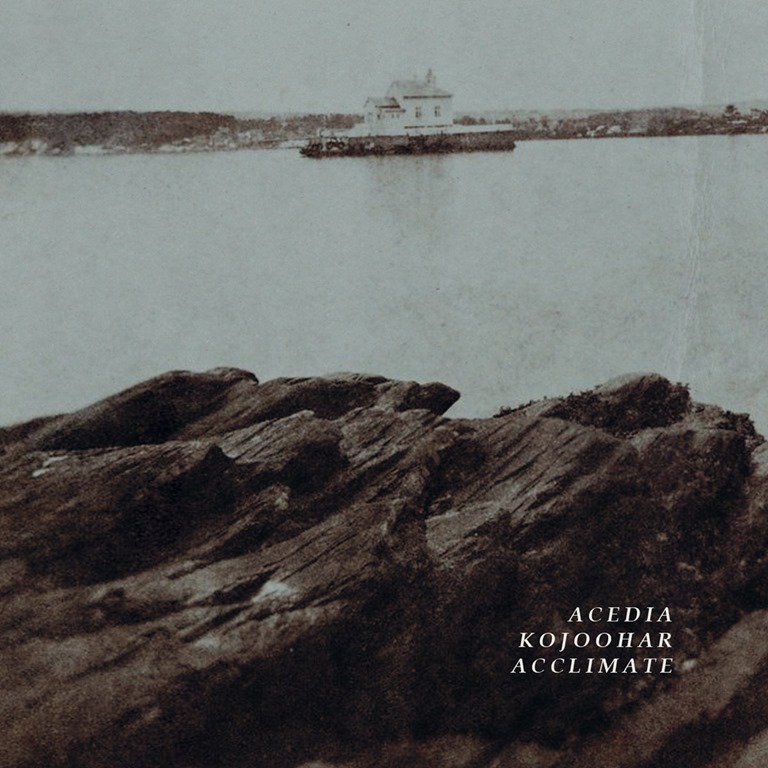
Some artists clearly thrive on collaboration, throwing themselves fully into the possibilities and potentials ideas from other quarters offer. Ukrainian experimentalist Kojoohar, aka Andrii Kozhukhar, is clearly one such artist, with the self-explanatory Split– a collaboration with fellow Ukrainian Acedia and New Zealander Acclimate – is his second release of the year so far.

Split is something of a celebration of darkness, and a coming together of artists with fundamentally divergent styles, and its finding a home on Ukrainian label / webzine Khatacomb is no coincidence, given its commitment to ‘covering various manifestations of Ukrainian post-industrial music, from dark folk to experimental electronics, and art in general’. It’s an immense departure from anything Kojoohar has done before, with his 2019 and 2021 collaborations with ködzid goo exploring the realms of industrial and avant-garde hip-hop.

The way Split is split is interesting in itself, with four solo Acedia pieces, one Acedia and Kojoohar composition, and a brace from Kojoohar and Acclimate, making it very much an album of three segments – and as such, split.

In context, the vocal element of Acedia’s contributions come as something of a surprise: against minimal, stark electronic backing, with snaking percussion and strong snare sounds that cut through, Acedia delivers a vocal that’s glacial yet warm in its human vulnerability. Ugh, comparisons feels like lazy journalism, but serve their purpose: Depeche Mode, Ladytron, and New Order’s Movement coalesce in the tone and style on these chilly tunes.

‘You’re already dead’ she intimates in a blank monotone on the cold as ice ‘Cocoon’, and the insularity closes in as each song progresses: ‘Slaughterous Game’ is as dark and dangerous as it gets, so cold that it strikes chill to the very marrow. It’s bleak but bold, and the four Acedia cuts feel like an EP in their own right.

I can’t help but feel that this release would work best in physical format, either as n album with the Acedia tracks on one side and the rest on the other, or as a pair of 12” to give each segment clear separation.

Acedia with Kojoohar conjure some darkly dreamy drone with ‘Forget my Name’, with its rolling, woozy bass and whipcracking snare that slashes away at a slow pace, and dark gets darker with ‘Enwomb’, the first of the pieces jointly forged by Kojoohar and Acclimate. It’s nearly ten minutes of ambient drone that billows and rumbles while treble bubbles and bounces eddy this way and that amidst the grumbling mid-range fog. Sparks fly and stutter incidentally but without effect, and the horizon grows broader in the face of this vast vista despite the grumbling discomfiture and whispering in tongues. It’s unsettling, a squirming, churning, twisting and turning with no breaks in which to find a position that’s comfortable. The same is true of the final track, the second Kojoohar and Acclimate cut, and it’s a cut that cuts deep: serrated edges burr and saw away, and tribal percussion thuds away insistently against subdued but wince-inducing trails of feedback.

None of this is comfortable; none of this is easy. But it’s a contrasting set that strains the edges of convention to create something quite, quite different.

AA

a4099095908_10

Dedstrange Records – 16th July 2021

Christopher Nosnibor

It’s been a while since we last heard from New York’s purveyors of treble-blasting psychedelic post-punk noise – they slipped album number five, Pinned out back in the spring of 2018, since when they’ve been relatively quiet. Not that one of the contenders for the ‘loudest band in the world’ tag ever do quiet, in terms of volume of output, with an EP and self-released single in 2019.

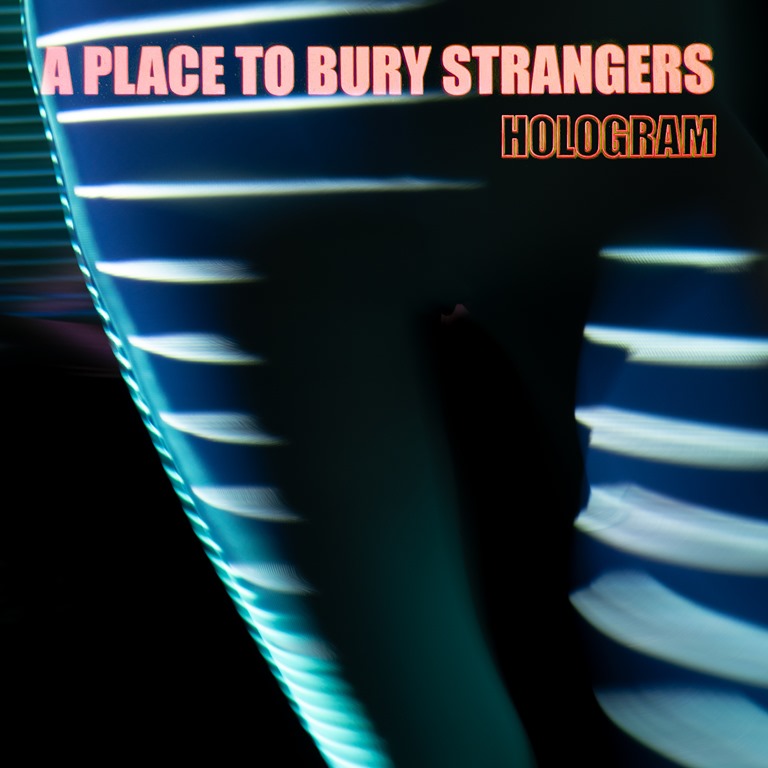
The Hologram EP is the first release with a new lineup, whereby core member Oliver Ackermann is joined by John Fedowitz (bass) and Sandra Fedowitz (drums) of Ceremony East Coast, and comes from a difficult place at a difficult time, ‘with songs addressing the decay of connections, friendships lost, and the trials and tribulations of these troubled times, Hologram serves as an abstract mirror to the moment we live in’, details the press release. The tone is pretty apocalyptic: ‘Written and recorded during the on-going global pandemic and in the midst of the decline of civilization, Hologram is a sonic vaccine to the horrors of modern life.’

And if Pinned was perhaps their most overtly 80s-sounding release, Hologram pushes the experimentalism that began to become pronounced from Transfixiation while amalgamating all of the elements that have featured across their career to date.

Previous singles ‘End of the Night’ and ‘I Might Have’ provide the opening salvoes: the former’s murky percussion-driven blast of noise is a bassy, booming, raw slice of fucked up psychedelia. Everything is warped, melting, overloading, like MBV covering The Monkees, and the latter being pretty much classic APTBS, a blur of three-chord rock ‘n’ roll riffing – the Jesus and Mary Chain as filtered through Black Rebel Motorcycle Club – minus any desire for even the slightest hint of polish.

‘Playing the Part’ is short, a melodic indie jangle with a light, easy melody and a melancholy that belies the breeziness as it emanates from the frayed edges. ‘In My Hive’ revisits the form of ‘Now It’s Over’ from Transfixiation, only it goes somewhere else – and if Transfixiation pushed the boundaries of songs that felt incomplete, fragmentary, as if the structures are only partial and prone to cracking and splintering apart as they go, then the Hive is being used as a piñata by some crazed maniacs, and all the while the insistent beat hammers away like a palpating heart in the midst of a panic attack.  

Things gets slower and dreamier with the slow-unfurling shoegaze wisps of closer ‘I Need You’. With a Cure-like wistfulness, it’s again familiar territory, particularly in context of Pinned, but also songs like ‘Dissolved’ from Worship. Where this differs, again, is in the production: the brutal shards of feedback still swirl and soak the bass and vocals and at times almost bury the sparse drums, but whereas before the EQ was geared toward the top-end and walls of ear-splitting treble, there’s a lot of mid- and lower-range present here, which creates a more subdued and less attacking sound.

As with everything APTBS do, it sounds distinctively like ABPTBS, but once again, sounds and feels different, and the mood on Hologram is as much the departure as any aspect of the songwriting or sound itself. Whereas there has historically been a sense of obliterative catharsis about the shattering noise that defines their catalogue, Hologram feels darker and more introspective, and it feels fitting.

AA

820398

16th July 2021

Christopher Nosnibor

One of my mates enjoys expounding on the opinion that all band names are inherently and fundamentally crap, at least when taken on face value and interrogated for their meanings and connotations. He invariably takes it back to The Beatles – a shockingly bad pun if ever there was one, and I would have to say that point is hard to argue. It’s not even especially clever.

Any band with a one-word name prefixed with ‘the’ is, unquestionably terrible (even allowing for the fact that The Melvins is purposefully bad), and existing and acts who’ve added a definite article have gone rapidly downhill on doing so – take The Offspring, for example. But maybe not so much The Verve, because they were gash to begin with, with their overblown, flappy indie shoegaze flailings.

Recently, we discussed Death by Unga Bunga and Ender Bender, and unanimously agreed that they were both terrible names. But then, objectively, pretty much every band name – even your favourite – is poor and difficult to defend.

But we were divided over Weston Super Maim, which he deemed a bit shit, and which, objectively, is based on a terrible half pun that only UK residents and only then a percentage will grasp. But, despite knowing this, I can’t help but find amusement and a certain admiration for it and the audacity.

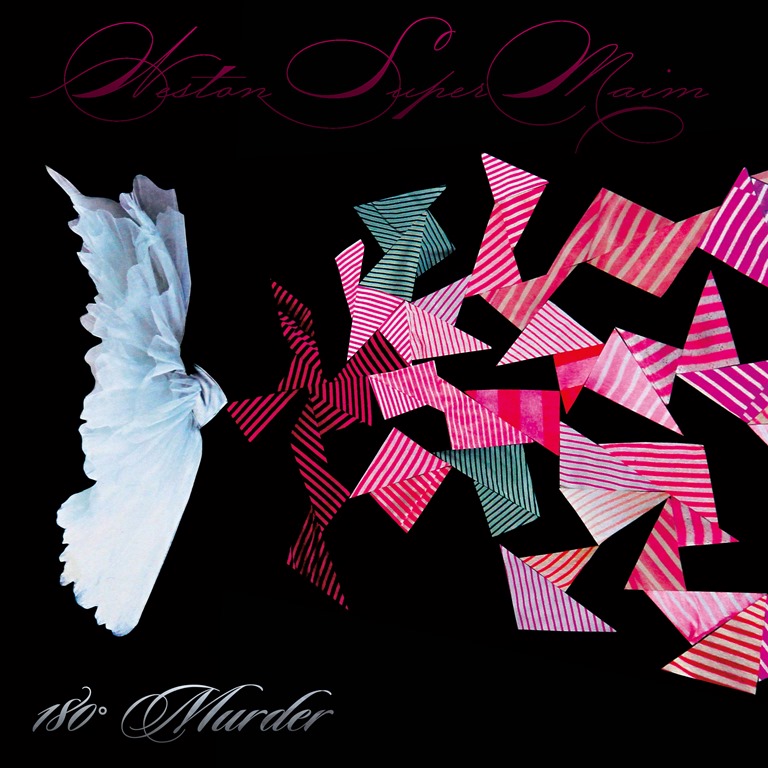
Their latest offering, the 180-Degree Murder EP isn’t so much a source of amusement, but more of a brutal industrial battering. Tom Stevens (All Of Space, Brown Stratos) teams up with US-based Seth Detrick of Los Angeles thrash outfit PDP to handle vocal duties. It’s an EP in the 80s tradition, where two tracks too long for a 7” would make up a 12” release. The two tracks on offer here both extend beyond the six-minute mark and pack all the punch.

It’s been a long time in the making, as the press release details: ‘Written as a single track, 180-Degree Murder traverses caveman heaviness, tech-driven grooves and shifting melodic patterns to create an immersive experience that rewards multiple listens. The writing process for the EP began in 2019. By the time the pandemic hit, an early instrumental draft had already been recorded, but it wasn’t until Detrick joined the project in June 2020 that things really began to take shape. Making use of extra time at home in London during the first UK lockdown, Stevens retracked instruments for the EP at his home studio while Detrick developed lyrical ideas and vocal patterns from his home in Eugene, Oregon. Vocal tracking was completed in early 2021, and the mix not long thereafter.’

‘180 Degree Murder’ is a cacophony of hard slabs plus squalling bleeping fretwork, roaring, ground-razing vocals and an air of explosive violence as guttural roars set against the most pulverising of riffs. Strapping Young Lad is the comparison that comes to mind, but then there’s also the relentless mechanised industrial blast of Wiseblood and Swans that’s also hard to ignore. Oh yes, this is hard and heavy, alright.

‘We Need to Talk About Heaven’ offers a graceful intro and the breaks are remarkably light and melodic in context, but the chug never stops, and cuts loose into violent distortion-driven fury at precisely those crucial points, and it’s not for wimps. In fact, it may only be some fifteen-and-a-bit minutes in duration, but 180 Degree Murder is a savage and brutal affair.

AA

236758

Panurus Productions – 4th August 2021

Christopher Nosnibor

Fading Tapes: a moniker that casts allusions to degradation, the wear and fade through the passage of time, the notion of impermanence and the significance of medium – because the medium isn’t only the message, it’s the determining factor in the lifespan of a record, whereby digital is supposedly forever, but analogue corrodes, deteriorates, and ultimately becomes unusable.

A Cartographer is one who draws or makes maps, and Fading Tapes’ latest work is, ins ways, both map and territory. The titles of the four tracks sketch out the features of the locations in the most minimal of forms – and these aren’t necessarily natural geographical landforms or biomes, but remains of human activity left marking the landscape.

The sequencing of the four compositions, each of which span around fifteen minutes apiece, very much create the sensation that the listener is being guided on a journey, and there is a clear linearity to Cartographer.

Opener ‘East Valley’ calls us to the ritual with an insistent tribal drumming and wailing pipe before… actually, before what the fuck? It’s not so much a building of layers of sound as it is a jet plane flying overhead, devastating the image of a hidden tribe enacting an ancient, esoteric ritual. And this is the dynamic of the piece – ancient collides with modern, and as immense gongs and cymbals crash, ringing out into an expansive desert, unchanged for centuries, hidden from the march of technology and evoking a deep-seated spirituality, the disruptions are deep incisions that disrupt without care for the existing habitat. But over time it’s the soft, supple droning ambience and wordless vocal tones that ring out into a spacious echo that come to dominate. For once, nature, and the old world, wins out as so-called progress falls by the wayside: the valley remains unconquered.

‘Bones’ is a more contemporary-sounding drone work, with conventional western percussion propelling a deep, dark surge of slow-burning desert rock that’s slowed to a the pace of drifting dunes, and the sound is dense. The snare rings out into a cavern of reverb – it’s almost dubby, but it’s accompanied by wailing feedback, that does on, and on, and endless mid-range drones. We learn little, if anything, of the bones themselves, or their origins, but there is a sense that there is little interest in the real detail of the past, and that a sketched narrative is all that there is an appetite for. Instead, to the present, and the future.

The cymbals grow in dominance on the tempestuous ‘Boats’, but again, echoes and shadows dominate, and this very much feels like a window on an historical event, the soundtrack to a battle or other catastrophe at sea where boats were lost beneath the waves. To all intents and purposes, this is a spacious post-rock piece, but it possesses a richness, a level of detail, and a degree of ambience, that is so much more.

The final track, ‘Red Dry Land’ is a hypnotic piece that drifts without real movement, a nagging motif backed by a thrum that simply thumps on unchanging for what feels like an eternity. There’s a scratchy guitar that’s reminiscent of Andy Moor, and mines a more avant-jazz seam, but retains that expansive post-rock vibe, too.

The map charts a route, and as it progresses, it leads the listener back to themselves. This all feels highly evocative, and conjures images in the mind’s eye – but every perception is different. Perhaps that difference ultimately does come down to the map, and one’s experience of the territory – for while the former is fixed, factual, the latter is not, and will always be coloured by individual realities, the eye of the explorer. You may know exactly where you are, and still be lost. With Cartographer, Fading Tapes point the way but provide no real answers. But perhaps that’s ok: the enjoyment is in the journey rather than the destination.

AA

cover

Prank Monkey Records – 11th June 2021

Christopher Nosnibor

The story goes that London four-piece Muscle Vest reportedly ‘formed in 2018 over a mutual appreciation for ugly rock music’, and that’s what they serve up on their debut EP – a sweaty, guitar-driven dirty rock workout that’s brimming with churning riffs, grease and grime. They come out all guns blazing and firing wildly in all directions with the manic racket of ‘Creepy Crawlie’, a juddering, angular rager that melts the best of 90s noise into a mangled metal nugget in the vein of later acts like Blacklisters and Hawk Eyes, and it very much sets the fast and furious tone for the rest of the EP: ‘Stray’ bears fair comparison to Blacklisters’ ‘Shirts’, with a throbbing riff blasting out against a low-slung bassline. If Shellac and Big Black are in the mix, so are The Jesus Lizard and early Pulled Apart by Horses.

Muscle Vest pack in a boatload of adrenaline and bring ALL the noise: it’s fucking ugly and monstrously brutal, and those are its positive points. It ain’t polished or pretty, and if you’re on the market for something gnarly, look no further.

‘We’ll all be dead / we’ll all be dead one day’ vocalist Dave Rogers howls nihilistically into a tempest of abrasive guitar noise that churns and grinds on ‘A Slow Death’. He’s right, of course: the question is whether we will die a quiet, peaceful death, or a horrible, painful one, shrieking in agony for the duration of those final hours. This is very much the soundtrack to the latter, and it’s almost enough to make death sound appealing. Because, well, better to go out screaming than to flicker out. The last track, ‘Blissbucket’ is a minute and three-quarters of blazing napalm, taking its cues from hardcore punk and tossing in all the jarring, jolting guitars that scratch and scrape at all angles across the relentlessly churning rhythm section. It’s fast and furious and brings the EP to a blistering close and then some. It positively burns with an intense fury, and it’s beautifully brutal. Gets my vote, and then some.

Cover art

AA

Biomechanimal and Sentinel Complex join forces to bring you ‘Crown of Glass’, an intense mashup of sounds and styles, leaving a trail of destroyed genres in their wake. Both acts deliver huge vocal performances and brutal production, pulling from symphonic metal, midtempo, harsh industrial, dubstep, and more. Liberation in Domination!

‘Crown of Glass’ refers to the ego that we see in ourselves; this fragile symbol of our own strength. The song deals with the negative side of this ego, how it can lead us to view others and ourselves in a distorted way.

Watch the video here:

AA

a3551925102_16

SIGE Records – SIGE103 – 25th June 2021

Christopher Nosnibor

It was The Decline Effect, a full decade ago, which provided my introduction to the work of Jim Haynes. It was an album I described as ‘bleak’, commenting on the way it reminded me of ‘Robert Burton’s 17th Century text The Anatomy of Melancholy, which detailed in the richest language the terrible physical symptoms of melancholy and its effects on the humours of the body. It still stands as a fitting description of a work by an artist whose career is devoted to ‘compositions of corrosion, shortwave radio, and tactile noise’.

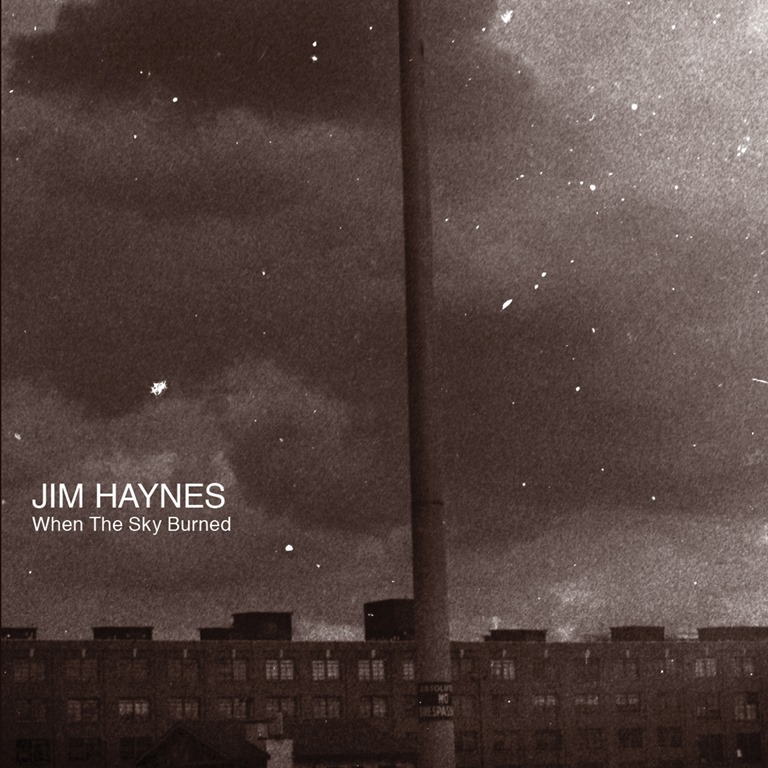
Haynes’ inspiration for this latest offering was environmental, circumstantial, situational, as he recounts: “I completed this record in the fall of 2020. Much of the western states of the US was ablaze for months. The anxiety of the collective American psyche was ubiquitous, also due to the Presidential elections in November of that year. And When The Sky Burned became an appropriate title given the environmental and political climate of that particular time.”

But what’s also fascinating is the more subtle use of reference, of intertext: Haynes explains that When The Sky Burned When The Sky Burned is ‘also a reference to Zbigniew Karkowski’ – before going on to explain his ‘complicated, if distant relationship’ and subsequent hostility from both Karkowski and Andrew McKenzie, aka The Hafler Trio, for what appear to be the most disproportionate of reasons.

Haynes dedicates the album to both McKenzie and Karkowski ‘whether they like it or not’, writing on the latter, ‘After his death, I most certainly felt a sorrow that the world has lost this artist, but I was also very conflicted as I wish there could have been a conversation about what happened. I don’t think he was capable of remorse or reconciliation, but I wonder if I was wrong in that analysis. So this album is a tenuous homage to Karkowki’s early works – with the chest, cavity rattling lows and the shrill sustained high frequencies. The title in fact is a direct translation of the opening piece to that aforementioned Silent CD – "Als der Himmel brannte." But of course, I can never leave anything so static alone, and the heaps of noise, junk, and dissonance were required."

Haynes is an absolute master when it comes to noise, junk, and dissonance, and When The Sky Burned is abrim with all three.

As album openings go, the first few seconds of ‘Multiple Gunshots’, are striking, shocking, even, as blasts of percussion – which slam like gunshots – hit the listener without warning. They arrive a succession of hard blasts – some warping backwards, and Haynes manipulates them to forge an erratic but devastatingly heavy beat. I’m reminded of how Swans sampled a nailgun and pitched it up and down for the punishing rhythm on ‘Time is Money (Bastard)’, and this builds a grind of rapidly oscillating drones that flicker and shudder. Seven minutes in, the drones rise to a shriek, before obliterative distortion decimates any semblance of musicality. Everything combines to forge an intense and oppressive eleven minutes where little happens other than the listener suffering a brutal sonic punishment.

Between this, and the ten-minute ‘Appropriate to a Sad, Frightened Time’, Haynes presents a series of compositions that really test the listener’s capacity for noise and overall endurance. ‘Abruptly Scattered’ sounds like an enormous generator’s throb, occasionally rent with blasts of explosive treble noise as if said generator is bursting into flames. The tonal separation is well-defined: the bass sends the most uncomfortable vibrations through the pit of your gut, while the shrill, harsh treble smash makes you clench your teeth and fear for your hearing. You swallow hard, feeling uncomfortable, wondering if you’re going to suffer tinnitus or diarrhoea first, and pray it’s not both simultaneously.

Haynes’ explorations are brutal and harsh, and the set as a whole is truly relentless. Heavy crunches and grinding, gut-churning growls are suddenly ruptured by unexpected thacks and cracks, detonations, and the kind of heavy impact that makes the car-door slams used for punches in films sound like friendly pats on the shoulder. Swirling vortices of noise on noise howl and shriek, violent sonic tornadoes that inflict devastating levels of damage tear from the speakers, and even the moments of calm are unsettling, uneasy.

When The Sky Burned is not a nice album, but it’s a remarkable one, one that quite literally crackles with intensity, and genuinely hurts in places. But while it is relentlessly abrasive and often excruciating, Haynes’ attention to tone and texture, and the way the utilises these elements to forge a work of immense range isn’t only admirable on the technical, sonic, and compositional levels, but also results in an album that has massive impact, and is an outstanding example of well-crafted and intuitive electronic noise.

AA

BSBT_j-cardfront_double