Posts Tagged ‘Album Review’

Weeping Prophet Records – 31st July 2020

Christopher Nosnibor

The facts and the pitch are that Fuse Box City is a new London based band. They combine indie and electronic with noise and melody; the intricate layering of which produces a rich sound that provides a platform for Rachel Kenedy’s fragile yet mellifluous vocals to sit on top. Talking about the stuff that matters all in the same breath.

I like hybridity and eclecticism, and have developed an increasing appreciation of some of the 80s samplist / looping acts that broke through in the late 80s. It wasn’t immediately apparent at the time, but this wasn’t about simply making dance music and turntable scratching and drum machines: this was utilising emerging technology to create a soundtrack to our ever-faster, ever more fragmented experience of life.

Revisiting the spirit of then makes sense to an extent: we’re witnessing even less comprehensible times, even faster, more fragmentary lives, and even niftier tech while in a position to cast an eye back over recent history.

But sometimes blending lo-fi indie and experimental electronica and throwing in bits of prog and 80s hip-hop means the elements don’t always gel especially well, and ‘Shine On’ makes for a shaky, somewhat chaotic and disjointed start.

Maybe it’s a matter of adjustment, or maybe the band really do find their groove better as the album progresses, and it’s when they slow things down a bit as they do first on ‘Pub Licker’ and then on ‘Crossing Swords’ that things begin to feel rather more cohesive, and find FBC explore a territory that sounds like a trip-hop reimagining of Young Marble Giants.

The album’s closer marks another departure: the thirteen-minute ‘Bendy One’ starts out a low, slow semi-ambient work with a murky beat stuttering away like a fibrillating heart, and low in the mix before slowly taking form: the beat becomes ore solid, regular, insistent, and comes to dominate a vague wash of a droning backdrop which stretches and yawns and swells behind Kenedy’s soaring choral vocal. Somewhere along the way it emerges as a new ag stomper with a thumping tribal beat and some squirming electronics that bubble away in the background of some approximation of a celebratory sunset incantation.

The end product seems to be that of a band who are ideas-rich and unafraid to experiment, while still finding their feet and sense of direction. Despite its messier moments, which often boil down to execution as much as concept, it’s a bold debut, and never uninteresting or uninspired.

AA

FBC001_2020WPR_front

24th July 2020

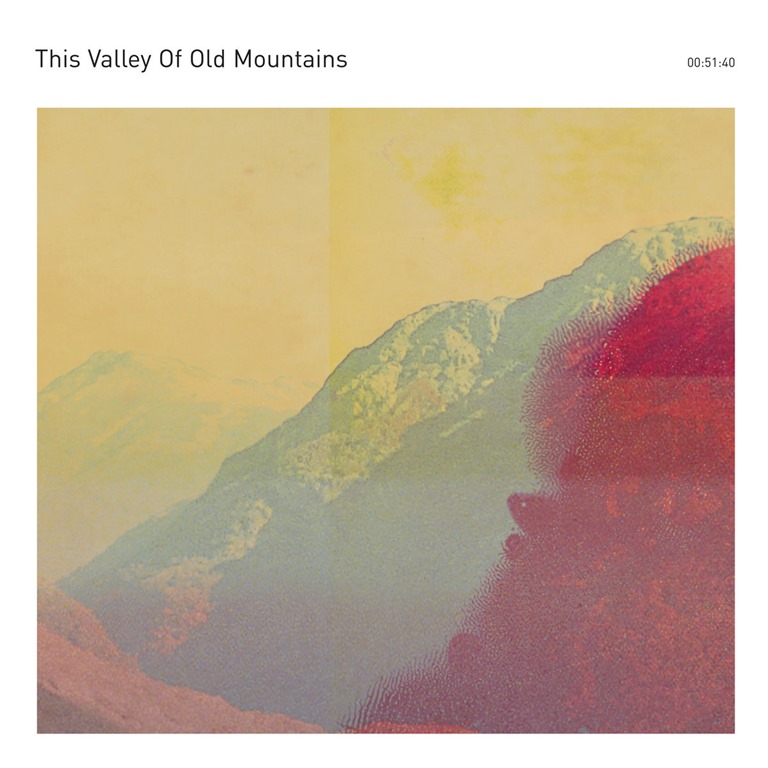
This Valley Of Old Mountains is a collaboration between Taylor Deupree and Federico Durand, which the press release informs us, ‘quietly creates the folklore of an imaginary land. From a hemisphere apart, share simple sounds with complex stories. Their music balances an edge between translucency and exploration, focusing on obscurity, repetition and a shared

fascination of the mountains between them’.

The album’s thirteen tracks are sparse and lilting, and oftentimes intimate a certain oriental influence as the notes – picked and struck – ring out into a confined-sounding space. For the remainder, they simply hover and hum, an easy, effortless wash of sound. You don’t you just sit as the glitches play out, twisting your psyche fleetingly, and wonder where it’s actually going as you venture into your own head.

Not a lot happens here, but then again, this isn’t about events, and more about atmosphere. Listening to This Valley of Old Mountains, there are moments where I can’t tell if I’m listening to the album or just the throb of the extractor fan in the bathroom next to my office. In a way, it doesn’t really matter either way.

‘Honii’ brings trilling twitters of birdsong to join the slow, echoing chimes of dulcimer and similar, while ‘Wintir’ is minimal, atmospheric, and exemplary of sparsely-arranged warps and wefts. ‘Polei’ is a slow, soporific tinkling piece, and fits with most of This Valley of Old Mountains’ mellow mellifluousness.

This Valley of Old Mountains is background, is barely-present, is vague in structure. It’s a perfectly ambient work of ambience, and works perfectly.

AA

a3671003152_10

Inside Out Music – 28th August 2020

Christopher Nosnibor

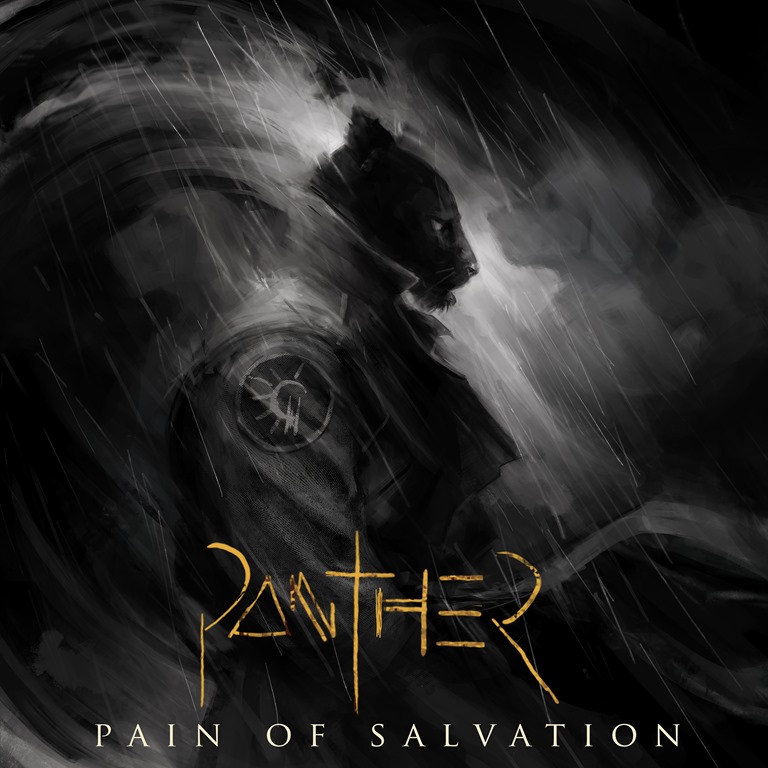
Almost 30 years into their career, Sweden’s Pain of Salvation, led by multi-instrumentalist Daniel Gildenlöw land a new album with the ambition of demonstrating that ‘Ultimately, progress will not be stopped’. They go on to unravel the details that ‘Pain of Salvation have been firmly at the forefront of the progressive rock and metal scenes for nearly three decades now’, and that ‘the Swedish band have consistently demonstrated a sincere passion for moving their own extraordinary music forward, while always remaining lyrically enlightened and ferociously intelligent. As a result, the band’s return in 2020 could hardly be better timed’.

The press release makes a gargantuan leap from the band’s formation and crash-lands us with a ‘Fast forward to 2020 [when] the world is in a state of disarray’. It makes sense in a way: we’ve all landed where with absolutely no fucking clue how 2020 actually relates to or connects with anything: the past has dissolved in a haze of time eroded to desert and a future that seems impossible. Chronology is utterly screwed. I can barely remember last week, or even what I had for dinner last night.

This is one of those multi-layered, multi-textured, multi-genred and highly detailed albums that is simply impossible to digest on the first few cycles. I sat, a shade bewildered, a tad giddy, and not just on account of a couple of strong, hoppy American IPAs down on an evening after three hours sleep the night before. The album’s first track, ‘Accelerator’ collides myriad elements, twisting together contemporary prog with an electronic twist, some dancy synths and some chugging industrial guitar riffage that slams in and it all coalesces to a bewildering sonic whiplash that works well and hits hard.

Next up, ‘Unfuture’ steps up the weight, slugging hard some industrial country with menace that’s a melange of Alice in Chains and Nine Inch Nails and it’s both brooding and heavy. And it’s clear that on Panther, PoS have hit their stride with optimum, riffage and a weight that achieves critical mass when it matters.

It’s not all good: the title track is a cringeworthy and incredibly dated-sounding stab at a hip-hop nu-metal crossover that doesn’t sit comfortably anywhere in 2020, let alone with the rest of the album, and when placed alongside contemporary grunge-tinged prog efforts like ‘Species’ – which comes on like Pearl Jam crossed with Amplifier – it just sounds odd.

Then again, songs like ‘Species’ bring full-blooded riffs and some solid overdrive, and the thirteen-minute finale, ‘Icon’, is the album’s ultimate pinnacle, as a snaking, picked lead guitar line rattles against its cage to twist around a gritty, thick-chorded riff. It yields to moments of folksy levity, but they’re gloriously crushed by the weight of big, grinding chuggery, not to mention a pyrotechnical guitar solo around the eight-minute mark. Miraculously, it actually works without sounding like indulgent wank, and that’s no small feat.

AA

Press_Cover_01

InsideOut Music – 24th July 2020

Christopher Nosnibor

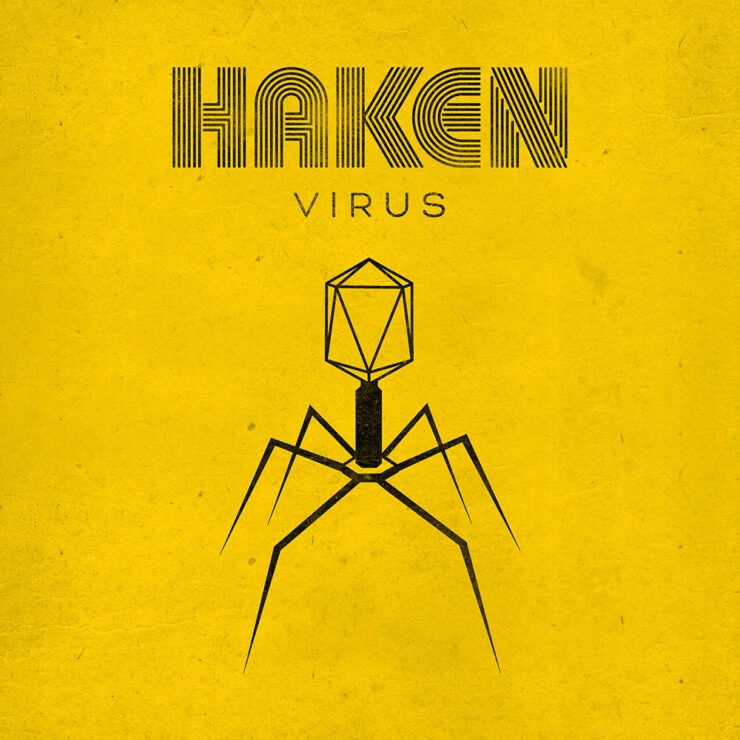
It’s almost as if they planned it, or saw it coming (although not sufficiently to prevent the release date being put back three times). And you could almost believe it, too: there’s a potently portentous aspect to Haken’s brand of progressive rock, and Virus is very much timely as much for its ruminations on the psychology of contemporary culture, as the press release explains:

‘If ‘Vector’ was an origin story, ‘Virus’ portrays an ascent to power, tyranny and subsequent endgame. The opening track, ‘Prosthetic’, bridges the two albums where scars of institutional abuse are brought into focus. This 6-minute onslaught of brutal riffing starts the spread of a virus that affects all aspects of our lives, be they biological, psychological, technological, environmental or political.’

They’ve been working on the album since the release of Vector in October 2018, and it shows: the level of detail in the interweaving guitars and the spacious melodies are remarkable, but then, so are the thunderous riffs.

The ten-and-a-half-minute ‘Carousel’ is a clear standout, and packs the experience of an entire album into a single song. The rest of the songs are much more concise, at least if you take the five-part ‘Messiah Complex’ suite as separate chapters. As you’d perhaps expect, this is a grand and grandiose sequence, with everything elevated and amplified, and with the addition of some bombastic orchestral strikes, while the final part, subtitled ‘Ectobius Rex’ goes full-on industrial metal riffage.

Elsewhere. ‘Canary Yellow’ is a condensed epic, soaring shoegaze anthem, while the final song, ‘Only Stars’ is a magnificently sparse affair which finds Ross Jennings emoting an almost choral elegy. It feels like a moment of calm reflection in the wake of a wave of devastation.

For all of the heavy power chords that crash like slabs of granite in a most contemporary metal way, I’m in some way reminded of Jeff Wayne’s musical version of The War of the Worlds and Mansun’s Six, although Jennings’ vocals often carry that rich but troubled soulfulness of Dave Gahan. If this all sounds like an unlikely and improbable cocktail, it’s testament to Haken’s abilities that they make it all work not only cohesively, but deliver some great songs along the way.

AA

Haken_Virus_1000px-740x740

Gizeh Records – August 28th 2020 – GZH98

Christopher Nosnibor

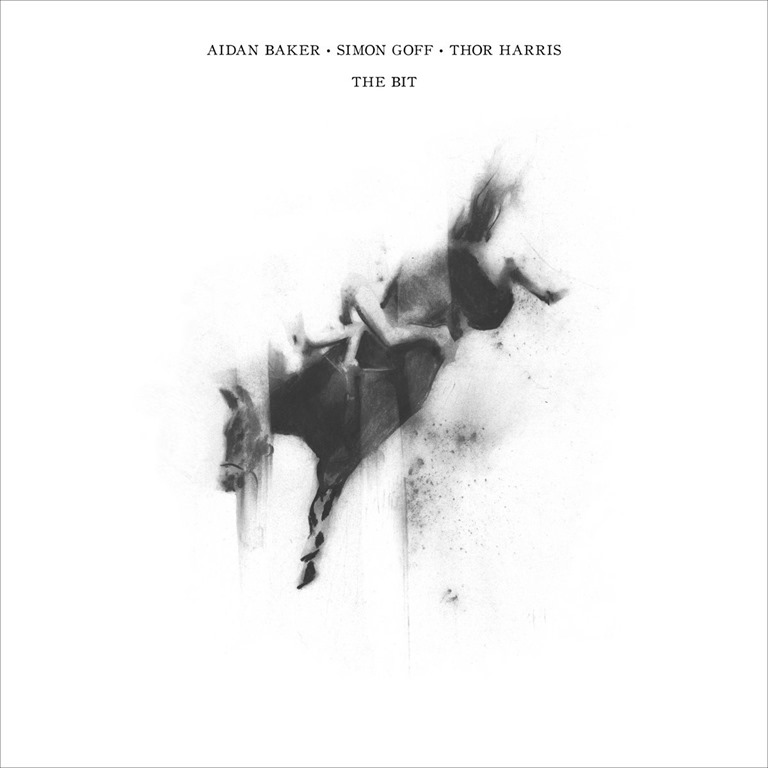
Three years on from Noplace, the unassuming supergroup known only by their actual names, comprising Aidan Baker (Nadja / Hypnodrone Ensemble), Simon Goff (Jóhann Johannsson / Hildur Gudnadottir) and Thor Harris (Swans, Shearwater, Thor & Friends) reconvene for a second instalment of improvisational work created in just a single day. On this occasion, they took advantage of a day off while on tour to record at Voxton Studios in Berlin

The Bit is an edited rendition of that session.

According to the press release, ‘The Bit finds the trio painting with a lighter touch than on its predecessor. Thor Harris’ motorik beats still underpin the music but the atmospherics take a more prominent role and there is a pure and cohesive path to be found throughout the record. Much like on Noplace, Baker’s guitar and Goff’s violin weave together beautifully, forming a deep bed of melody, ambience and reverb.’

There’s an equine theme to many of the titles, specifically ‘The Bit’, ‘Canter’ and ‘Gait’, but the loping drums and slow-moving ambient drone that defines the sound isn’t particularly evocative of the theme.

Of the six real-time compositions, the first five are quite succinct, around the three or four-minute mark, with only ‘Gait’ – a sparse, minimal piece that slowly throbs and pulsates while feathery notes drift down gently in a wide space – drawing out past seven minutes.

‘Springenden’ is a beautifully detailed piece, ostensibly a modern classical work consisting of rippling piano, quavering strings and a soft background wash of synth, which prefaces the twenty-two-minute finale, ‘Wild At Heart’. It’s essentially an expansive ambient work, which whispers, wisps and turns with an understated grace, twisting and turning as a slow beat booms into the rarefied atmosphere. It’s an expansive, exploratory piece that’s murky, ominous, and suspenseful. And the thing about suspense is that you never know what’s around the corner. There is no revelation in the rumbling low tones and wailing, dawning drones that emerge and taper down during this longform piece which descends to distortion and dissonance as the sound thickens and grows grainier. It’s a gradual dilapidation and makes for an intriguing and subtle listening experience.

AA

a2947139286_10

gk rec.

Christopher Nosnibor

This makes for quite a refreshing change: it feels like about two-thirds of my reviews in recent months have been marked by a compulsion to comment on artists going into creative overdrive during lockdown and whacking out releases of new material because they’re not currently touring or working their day-jobs. But for Lithuanian electronic experimentalist Gintas Kraptavičius, it’s business as usual, with a steady flow of output over recent years, and with Amnesia being his second release of 2020.

One of the things I personally admire about Gintas as an artist is how broadly he explores the field of electronic music, with works ranging from minimal ambience to deep dives into microtonal territory, and a whole lot in between. Amnesia conforms to no genre or form, and instead spreads its myriad suggestions from across a host of conceptual spaces to create something wonderfully vague, and also vaguely wonderful.

The release comes with no information whatsoever about its concept or purpose or recording, beyond the fact that it uses drum samples by Travis D. Johnson. Those samples aren’t neatly assembled to form looped rhythm tracks and solid structural foundations for a work with an overt linear trajectory or other sense of solid form.

Amnesia contains a single track which spans a massive forty-four minutes, and begins with crackling, interweaving synths waves which crackle and fizz with distortion, while thumping clatters that sound more like shuffling, clumping footfalls than drums crash sporadically and arrhythmically.

There are some crescendos or swirling noise and shrill, trilling feedback notes that whistle and screech over churning blasts of bilious noise, violent sonic storms. There are segments of laser bleeps and skittering short, sharp toppy notes fire into a swirling morass of mid-range extranea.

A delicate piano tinkles in a nuclear storm and a stammering clanking rattles and clangs behind and alongside. This is a dominant feature of Amnesia: there is always a background and a foreground and a significant degree of contrast between the two, which is both textural and tonal. Harsh top and midrange are laced against softer, more gloopy lower spectrum sounds.

Time slips, drips, dribbles and cascades through a shifting sonic multiverse that’s often uncomfortable, at times undemanding, as the track transitions between ambience and abrasion, and towards the end it takes a turn towards synapse-collapsing early 80s power electronics.

What do you do with this? Where do you take it? What is it all about? There is no clear message, no distinct or decisive form, resulting in a longform composition that meanders and swerves in all directions but ultimately leads nowhere and articulates little – and that’s more than ok: Amnesia is not about sequence and making a bar, but about capturing a sense of vagueness and a certain lack of purpose, of point, and it does so magnificently.

AA

a2114610098_10

Buzzhowl Records – 28th August 2020

Christopher Nosnibor

Anyone who was around Leeds’ live scene about ten years ago will have likely experienced the bludgeoning racket of Blacklisters. When it came to jarring, psychotic noise-rock a la The Jesus Lizard, they were beyond awesome in both volume and intensity, and they had songs, too. Most bands aspire to producing a body of work, but the reality is, any band that can craft one truly definitive song, then they’ve achieved more than more than 99.99% of bands. With ‘Trick Fuck’, Blacklisters nailed it, and in doing so assured their immortality. While for my money the rough and ready EP version was actually better than the one that appeared on their 2012 debut album, that riff… oh, that riff. Fuck, man. That riff. Anyway, the rest of the debut was absolutely belting.

They went a but quiet on the live scene, but second album Adult, which benefited from a beefier production found them on killer form, and with lead single ‘Shirts’ they actually matched ‘Trick Fuck’.

Geography and life kept them quiet thereafter, with just an EP and compilation of EP cuts and radio sessions keeping things simmering over the last five tears. Yes, five whole years.

But in the bleakest, most barren of times, after an eternity of lockdown, Blacklisters unexpectedly deliver album number three. Its arrival was heralded by the dropping of single cut ‘Sports Drinks’, which opens the album and is an instant classic. It starts with a sinewy guitar then the rhythm section hammers in at a hundred miles an hour and it’s the most driving, energised, manic things they’ve recorded to date. It’s tense, crazed, Billy’s indecipherable yelling half-buried under a punishing squall of guitar.

‘Strange Face’ is another explosion of noise that makes ‘Club Foot by Kasabian’ sound like loungecore, and is so lurching jarring and warped it makes The Jesus Lizard sound soft. The title track, up next, provides no respite, pinning down the kind of cyclical riff that marks all of their best songs, and once more evoking the best of early 90s Touch and Go, particularly Tar.

There is absolutely no let-up here: ‘White Piano’ is furious and it’s back-to-back with the brutal bass-driven feedback fest that is ‘Le Basement’. And that’s what differentiates Fantastic Man from its predecessors: it’s tighter, tauter, than anything they’ve done. If before their tightness was in some way disguised by a squalling sloppiness, the playing on Fantastic Man is rigid muscular, gym-pumped and vascular.

‘I can Read my Own Mind’ is the album’s one moment of levity, with hints of Bleach era Nirvana in the messy mix, but the soupy morass of guitars all layered up in a knot of noodly treble is knotty and takes some wading through, especially with the fuzzy-edged vocals – and then it goes a bit Dead Kennedys, only like a DK 45 played at 33 and the effect is cranium-splitting.

The final track, the six-and-a-half minute Shellac-like rhythm driven mess of nastiness that is ‘Mambo No. 5’ isn’t a cover, just as ‘Club Foot by Kasabian’ wasn’t a cover, which is Blacklisters all over – irreverent to the last, its comedic value is twisted by its sonic brutality. And fuck me, it is brutal: they’ve certainly saved the most violently noisy for last, and it clanks and squalls in a thunder of rums and snarling bass.

It didn’t seem possible, but with Fantastic Man, Blacklisters have taken things up another level. The hooks may be sparse, but the slanted, angular riffs are harsh and heavy, and from out of nowhere, this could well be their best work yet. Fantastic and then some.

AA

a3392725730_10

Neurot Recordings – 7th August 2020

Christopher Nosnibor

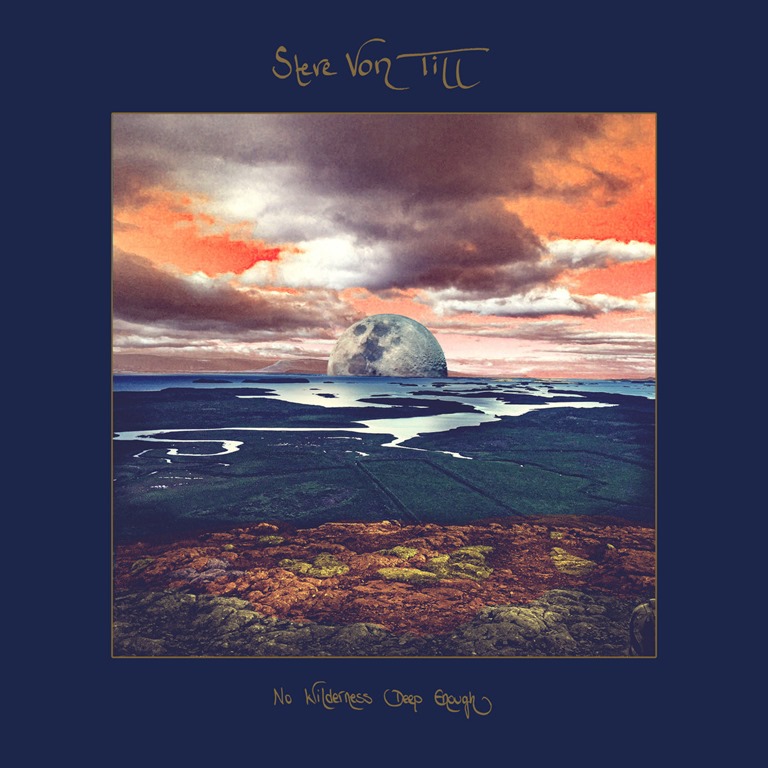
Stepping out from the Neurosis fold once more to deliver a fifth solo album since the turn of the millennium, Steve Von Till brings more grizzles bleakness across six lengthy songs. These are still very much songs in the conventional sense, structured, organised, focused, centred around melody and instrument and voice. And as the title suggests, No Wilderness Deep Enough finds Von Till wandering some dark, barren territories.

As is a defining feature of the Neurosis sound, there’s a richly organic feel to the music here. Brooding strings provide the core for the sparse but dark orchestral arrangements which dominate this bleak, acoustic-led album that places Von Till’s grizzled, growling vocals to the fore.

A sparse piano motif – which is almost a direct replication of Glissando’s ‘Floods’ plays out the outro on ‘Dreams of Trees’, the album’s first song, which is a low-key, percussion-free post-rock effort that tugs at emotional levels that have lain dormant for an eternity – or at least since we’ve all been clenched in the spasm of lockdown. It taps into a different and deeper psychological space.

It’s all remarkably low-key, so does actually require some attention to fully absorb, but some quiet time and contemplation soundtracked by No Wilderness Deep Enough makes for a quite moving experience.

Oddly, much of No Wilderness Deep Enough sounds more like I Like Trains fronted by Mark Lanegan, and the dark introspection of single release ‘Indifferent Eyes’ carries the same brooding, mood, and a sense of a cracked emotional state – ground down, world-weary, harrowed, and bereft, embattled, bloodied, but still standing. Von Till conveys all of this with a heavy-timbred creaking sigh, a ravaged, Leonard Cohen growl delivered with magnificent poise. You feel this: every note, every word.

AA

a3678735570_10

7th July 2020

Christopher Nosnibor

Another face on the Yorkshire electronic music scene, Ian J Cole is someone I’ve seen – and enjoyed – performing a few times. Obviously, not recently, nor probably any time soon, which makes the arrival of his new album, Black Scars Across My Back, most welcome.

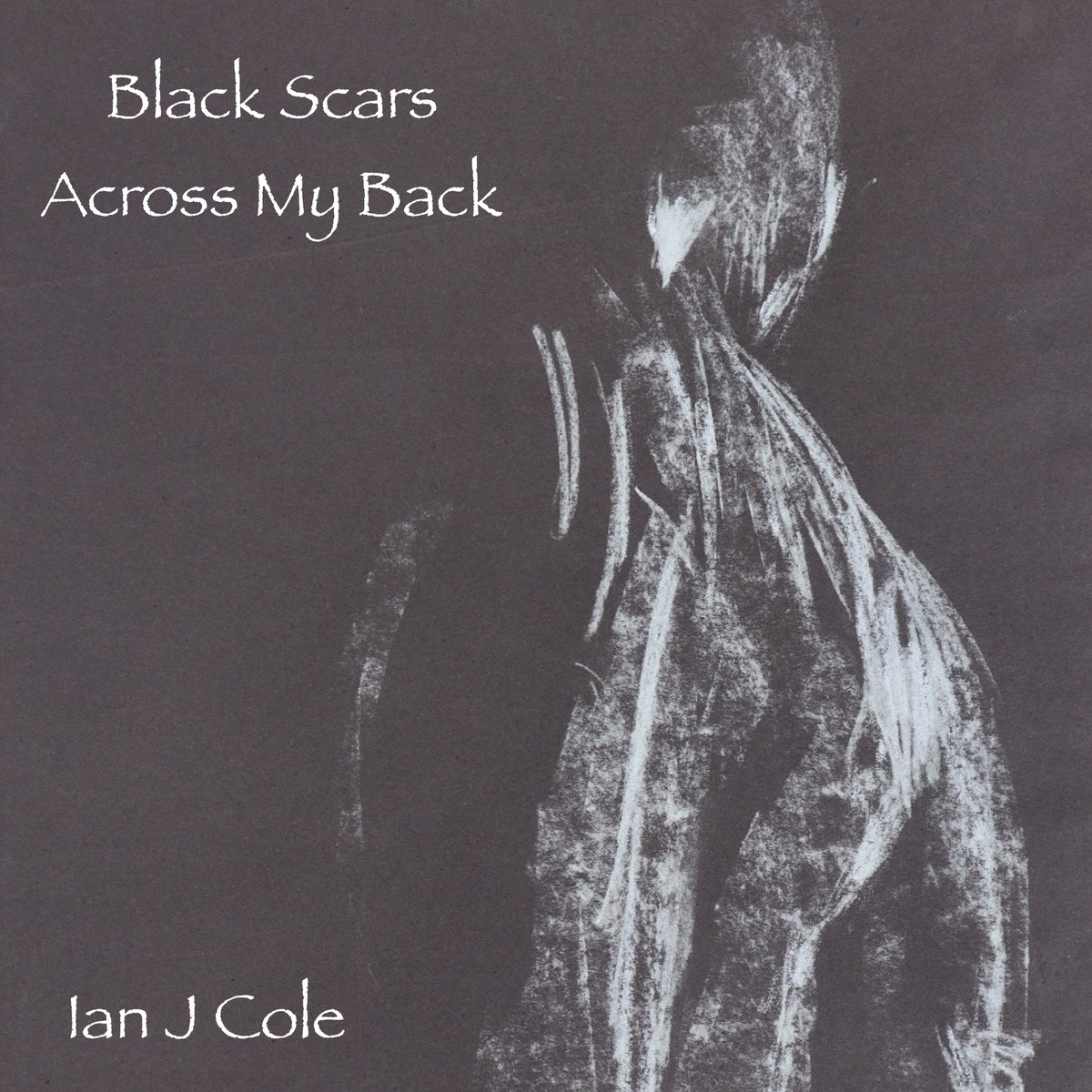
Inspired by Bevin Boy John Copley, who died as a result of working down a Doncaster Mine in 1946, Black Scars Across My Back is a conceptual / narrative-based album in essence, although translating any concept or narrative to purely instrumental compositions means the scope for interpretation is vast. The expanse of the album is also pretty substantial, clocking in just shy of an hour and a half.

The details accompanying the album are minimal, but a spot of research show that Copley, who died aged 21, who is buried in York cemetery, was ‘one of the 48,000 ‘Bevin Boys’ (named after Ernest Bevin who was the Minister of Labour & National Service) who were conscripted to work in the UK coal mines between December 1943 and March 1948.

Then again, music alone can convey meaning and emotions in a way that resonate deeper and in ways that words simply cannot. And what’s particularly noteworthy about this album s that it focuses not on grand narratives, the political or even the personal, but a microcosmic sliver of local history, often neglected. Real history isn’t about wars and politicians, but the lives of the everyman, lived and forgotten about. Yet without these people, what would we have?

The album’s sixteen-and-a-half-minute opener balances elegiac piano with creeping swirls of ambience. It’s delicate, and softly transitions between spaces over the course of its duration, with richly layered washes of sound that interlace and interweave. What does it convey? Nothing… but everything. A certain air of simplicity, of airiness, unhurried and uncluttered breathes through the spacious arrangement, which subtly turns moods from optimism to shades of gloom via plain drifting.

There is only one Elvington Terrace in the whole UK, and located in the centre of York it measures a mere 90 metres: ‘2 Elvington Terrace’ is a haunting piece that drifts and wafts, ghostly and ethereal.

The shuffling groove of ‘Cook, Trowton and Simms’ is unexpected, and unexpectedly buoyant, introducing percussion to the album’s palette and upbeat, lively percussion at that – although there are thunderous rumbles and crashing waves in the distance, which twist the tome a little. Next up, the gloopy tension of ‘The Balloteer’ features looped samples amidst the electronic bubbling, calling to mind early Test Department and the like, and lines like ‘produce for victory’ bear remarkable parallels to the latest slogans like ‘eat out to help out’. Do we ever learn from history? It’s a rhetorical question, and I think you know.

‘Drift Sights’ is a conglomeration of clattering, industrial percussion and sparse notes, while the epic ‘The Bevin Boy’ is a constant flux of tempestuous ambience that’s far from tranquil. It provides a bleak backdrop to segments of spoken-word narrative.

The title track brings a chiming, glistening charm, as well as sprightly bright flashes of light, which bounce across the ripples and creaks of metal-cast shade, before the album’s last piece, ‘She Left Flowers on is Grave’ draws the curtain with a dolorous finality.

Black Scars Across My Back may not expressly articulate the life of its subject, but is highly evocative, and knowing the story, the context, imbues it with a sadness that’s affecting. It’s hard not to be touched by its quiet intensity.

AA

a0882284475_10

Room40 – DRM475 – 24th July 2020

Christopher Nosnibor

In one of a brace of releases on Lawrence English’s Room 40 label in July, Australian minimalist Todd Anderson-Kunert presents a selection of Moog synthesiser compositions, which we learn are ‘exercises in intimacy, restraint and unerring patience. Past Walls And Windows plays with how sound emerges and decays. It is an edition that celebrates the ephemeral nature of the medium and the way sound’s immateriality invites a constant sensing and seeking on behalf of those that encounter it’.

These are indeed minimal works, so sparse at times as to be barely audible, and they’re a long way from presenting any sounds conventionally associated with the vintage Moog. Instead of jangly, trilling tones, Anderson-Kunert teases hovering single notes that evoke a sombre, even funeral atmosphere for the most part. There are flittering oscillaations and low, diminishing drones, and they make up much of the fabric of this set, comprising six pieces, most of which sit over the five-minute mark.

It’s quiet and delicate: ‘Better Left’ begins with distant grumbles of thunder, before low ominous notes drone in and halt abruptly, while ‘An Echo’ brings slow pulsations and haunting drones like a trilling church organ ringing out dolorous notes in a sepulchral setting. It’s gloomy, and it’s ambient in the background sense, yet it has the capacity to send the listener inside themselves on a contemplative course.

It’s no criticism to remark that there isn’t a lot to say: this is an album that requires not commentary, but peace, and time: to be listened to without interruption or distraction, and ideally in semi-darkness. It isn’t an album that really raises questions, and it doesn’t offer answers: it simply is. An as a sonic vehicle for contemplation and tranquillity, it’s ideal.

DRM475_art