Archive for September, 2021

Christopher Nosnibor

The return of live music remains on a balance beam of managing finances and staff / punter safety, especially in terms of what people are comfortable with. Every gig, therefore, is a gamble, and tonight’s is no exception: for while The Fulford Arms had spent lockdown not only working on making nots own space as safe and accommodating as possible, as well as campaigning hard for other local venues and live music in general, they’ve used the time to make improvements that had been longer-term plans, they still face the challenge of bringing punters in.

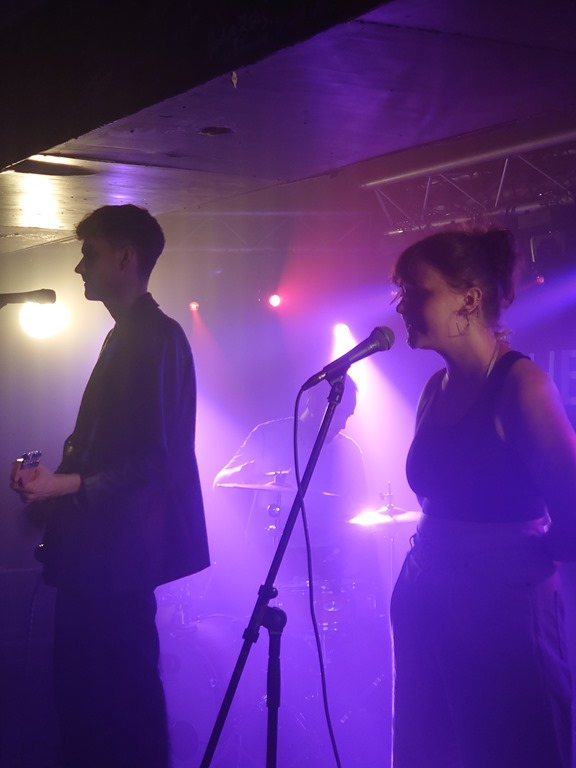
Tonight’s event benefits from a Lottery-funded two for one offer on tickets, which has encouraged a respectable showing for a wet Thursday night. It’s all good, but PINS have been struck by (non-Covid) illness and are two members down, and so are playing a stripped-back set as a foursome without a drummer. But they’re troopers, and so the show goes on, and Tides walk on to crashing waves and crystalline ambience, before launching into a set of jangly, melodic indie with a distinctly late 80s / early 90s vibe. The foursome are young, and while not especially outgoing in their performance, play with an assurance that comes across well, and they’re tight and solid, but still with much to learn.

They land the slowie early, with the emotive ‘You’ being third in an eight-song set. Revelling in their poppier leanings is a cover of Lizzo’s ‘Juice’, and it’s well-played, but bland, although well-received by their friends down the front. But two covers in such a short set isn’t best form: either they’re yet to accumulate enough original material or lack the confidence in what they have, but the less said about their competent but characterless rendition of Shania Twain’s ‘Man, I Feel Like a Woman’ the better, as well as the sixth-form handbag dancing it inspired. They feel like a band who haven’t fully decided their identity yet, swinging between a slick contemporary pop and more of a female-fronted Smiths or Wedding Present. Given time, they’ll hopefully figure out how to combine the two, but in the meantime, they prove to be a fun and competent support act.
DSC_0219

Tides

PINS are one of those bands I feel I should know but simply haven’t got to for various reasons, and so I won’t claim in any sense to know the tracks from their three albums – but the strength of any band is to deliver a set than has the capacity to not only please established fans, but to convert new ones from among an impartial crowd.

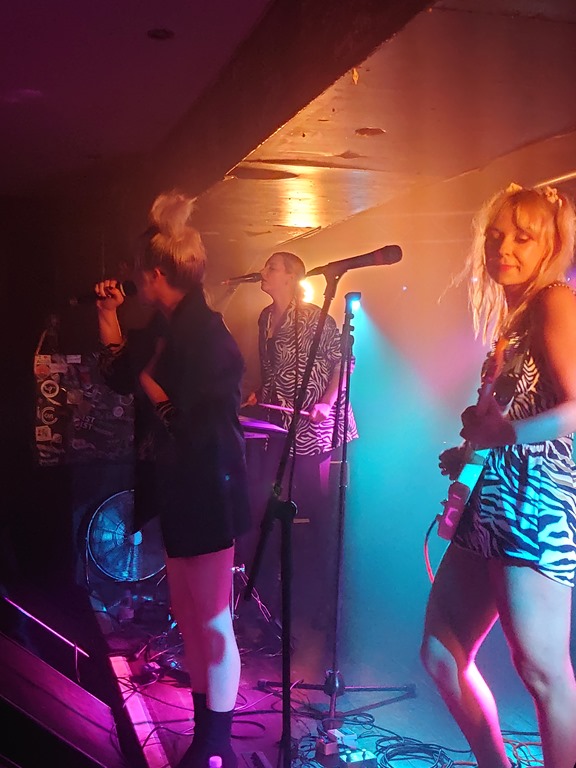
Admittedly, I took little convincing: the first song of the set lifts a 3-note motorik looping bass groove from Suicide’s ‘Ghostrider’, and they hold that insistent repetition into the second. It’s an instant grab. It actually sounds a bit like 90s indie / shoegaze / goth act Sunshot, who I revisited just the other week. It’s certainly no criticism, so much as an indicator of their post-punk/ shoegaze / crossover sound, propelled by sparse percussion with a vintage drum-machine sound. Landing in at the third track in the set ‘Bad Girls Forever’ brings a country / gospel vibe to the thumping new wave sound that’s counterbalanced by an abundance of electropop sass, while ‘Ponytail’ sashays and swishes through an easy pop that carries a sentiment of girl power 2020s style. They do political, too, with the stomping ‘serve the Rich’ snapping and sneering over a thumping bass groove.
DSC_0229

PINS

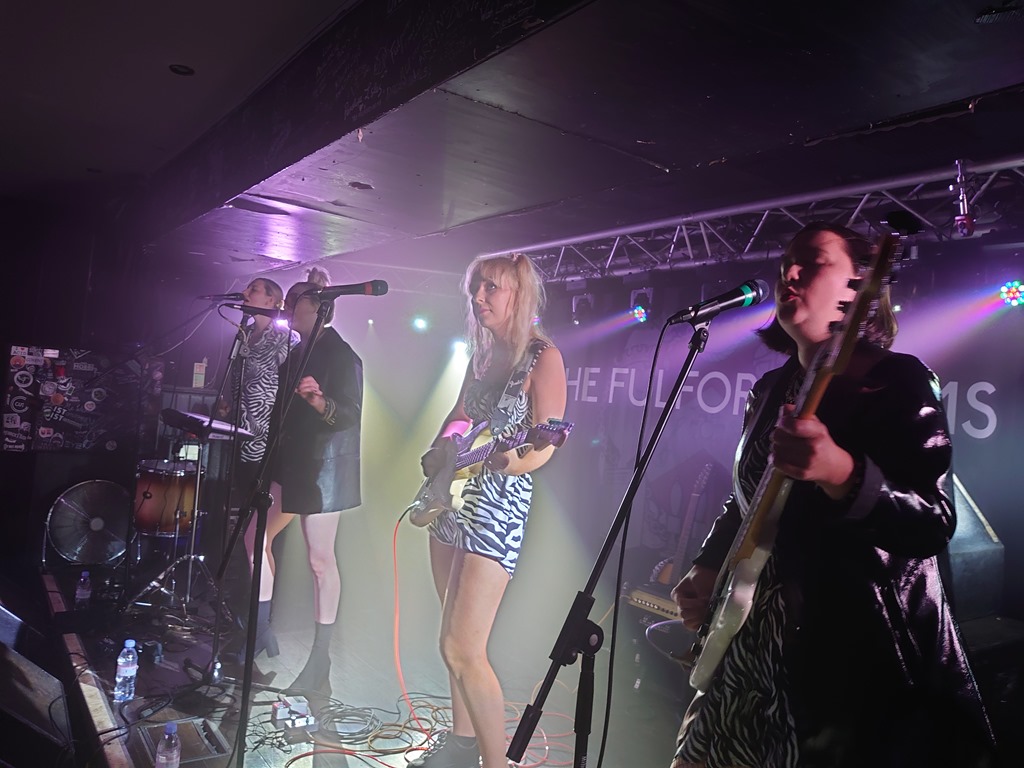
In terms of performance, PINS are the epitome of cool, with Faith Verne’s oversized shades positively screaming ‘pop icon’ and Lois MacDonald guitarist affecting the best bored face as she treads on the spot throughout the set.
DSC_0222

PINS

If the sound itself is a well-realised take on preexisting forms, it’s the multi layered vocals that really make PINS stand out here, and it all makes for an engaging show. The women who’d spent the set dancing down the front were up on stage for the final song, and there sense of togetherness was palpable. If any reminder was needed that there really is nothing like live music to nourish the soul, then PINS provided it here tonight.

Emma Ruth Rundle’s forthcoming Engine of Hell is stark, intimate, and unflinching. For anyone that’s endured trauma and grief, there’s a beautiful solace in hearing Rundle articulate and humanise that particular type of pain not only with her words, but with her particular mysterious language of melody and timbre. The album captures a moment where a masterful songwriter strips away all flourishes and embellishments in order to make every note and word hit with maximum impact, leaving little to hide behind.

A gentle melancholy piano line introduces album opener and lead single “Return,” and when Rundle finally sings, every syllable guided with the utmost intention, she unleashes the ominously cryptic opening lines “A rich belief that no one sees you / Your ribbon cut from all the fates and / Some hound of Hell looking for handouts / The breath between things no one says.” The ambiguity may obscure the muse, but it doesn’t diminish its heaviness.

“Return” is available today via Sargent House and comes accompanied with a striking and introspective video directed by Rundle herself. The visual was heavily inspired by Jean Cocteau’s ‘Orpheus’ and Wim Wenders’ ‘Wings of Desire’, and gives nods to other films and images. Of “Return”, Rundle unfolds, “An examination of the existential. A fractured poem. Trying to quantify what something is definitely about or pontificating on its concrete meaning defeats the purpose of art making. I’m not a writer. I make music and images to express things that my words cannot convey or emote. I’ve been studying ballet and the practice of expression through movement, which I incorporated into the video. I choreographed a dance to the song – some of which you see. Pieces show through. Since completing ‘Engine of Hell’, I’ve stepped away from music more and more and into things like dance, painting and working on ideas for videos or little films. ‘Return’ is the result of the efforts.”

Watch the video here:

AA

ERR

Album artwork. Photo by George Clarke

Oakland-based heavy music savants Kowloon Walled City have announced Piecework, the quartet’s first album in six years, confirmed for an October 8th release via Neurot Recordings and Gilead Media. Since forming 15 years ago, the band has increasingly refined its deconstructed approach to noise rock, math rock, and post-hardcore, embracing dynamics and negative space to a degree that few others in the world of heavy music match. With Piecework Kowloon Walled City has managed even greater levels of restraint: songs are bleak and slow, but also shorter and more concise; counterpointing moments of austere beauty with stretches of near silence. While the band has always operated under the MO that less is more, it has doubled down on that ethos for Piecework. Singer/guitarist Scott Evans and guitarist Jon Howell, the main songwriters, self-imposed restrictions to push themselves creatively—“restraining ourselves into oblivion,” as Howell puts it.

The negative space amplifies the ruptures of heady aggressiveness that anchor Piecework. Angular guitar notes from Howell skew off the neck, dissolving into space. Ian Miller’s bass lines churn in the muck. Drums and cymbal smashing by Dan Sneddon punctuate dead air. (Sneddon, formerly of Early Graves, makes his recording debut with the band five years after joining.) There’s sadness and anger in Evans’ shouted vocals, but also a desire for something better; hints of perseverance and hope pushing through the resignation and regret. Piecework feels not only like an artistic accomplishment, but a triumph of resolve and vision.

Evans was dealing with the loss of his father during the writing of the album. He found strength in the women in his life, especially his maternal grandmother, who worked at a shirt factory in Kentucky for 40 years while raising five kids. The album name (and title track) is a nod to her line of work—and her quiet resilience. The themes of absence and death, surrendering to aging, and familial strength and love are all encapsulated in album artwork by photographer Melyssa Anishnabie—the tattered beauty of an abandoned home reveals the faint edges of where life used to be. Evans likens it to watching a grandparents’ house fall into disrepair. As with all previous KWC releases, Evans recorded and mixed Piecework (his impressive recording CV includes Thrice, Yautja, Great Falls, Ghoul, Town Portal, and many others) and like previous albums Container Ships (2012) and Grievances (2015) the tracks were recorded live at Oakland’s Sharkbite Studios, with minimal overdubs.

Watch ‘Piecework’ here:

AA

KWS

Photo Credit: Scott Evans

Anticipating Nowhere Records – 24th September 2021

Christopher Nosnibor

With the colossal five-volume ‘Isolation and Rejection’ lockdown compilation series and the one-off final final FINAL Front&Follow project, the compilation You Can Never Leave released in June, the eternally restless Justin Watson can put his label to bed and resume work with his current musical vehicle, the collective who operate as The Incidental Crack to deliver album number two. After all, it has been more than three months since second album Municipal Music.

The three – Justin Watson, Rob Spencer and Simon Proffitt – are still yet to meet, and their third album, like its predecessors, took form with ‘them exchanging field recordings, samples and random noise between Manchester, Wigan and North Wales’.

As the liner notes recount, ‘Detail contains within three new long-form pieces and a couple of shorter ones filling in the gaps. The adage goes that the devil is in the detail, and Detail brings exactly what the title promises, with the first composition, ‘We Might Bump Into each Other’ beginning with some muffled dialogue and an ominous hum, then hums, bubbles and slurps against a backdrop of echoic reverberations, before ‘Fish Dance Tank Track’ marks a shift in style, with more defined beats – an insistent bass bump occupies a different space from the glitchy fluttering woodpecker-type stammers and stuttering hi-hats which all make for something quite complex beneath the drifting drones and quavering hums. It’s an interesting and complex composition that brings together elements of ambient and minimal techno, and as birdsong flutters in toward the end, the piece takes on new aspects that juxtapose nature and artifice.

That the grating looping throb of the six-and-a-half minute ‘Waterfalls Per Capita’ should be considered a gap-filler is a matter of context, and it comes after the harrowing dark ambient collage of ‘I Lost It’, that is by no means a comfortable or easy listen.

The seventeen-minute ‘Morning Tram’ combines field recordings where the original source remains clear, but with subtle but insistent beats, and it’s perhaps there – the finale – that everything comes together. Fragmented samples and snippets of dialogue collide with tumbling trees and slow-turning washes of ambience to create remarkable depth. Passengers pass on and off, engines rumble past, there is endless chatter and a wall of extraneous sound. Assimilating it all may be difficult, but it’s rewarding. The beat is almost subliminal, but it’s relentlessly insistent and registers almost subliminally as the sound swells and voiced clamour and congeal among a rising tide of horns and other momentous sounds. And then it stops, abruptly.

It may be short in terms of tracks, but Detail has substantial depth – and much detail, all of which is very much worth exploring.

The Incidental Crack - Detail (cover)

‘Phaedra’ is the second single from Amon Tobin’s forthcoming album How Do You Live, which will be fully released on September 24th via Nomark. The track is an experiment, an exploration with harmonics, “a physical model of a saxophone” as Amon describes it.

How Do You Live is Amon Tobin’s first new album since he launched his Nomark Records label with the #1 Fear in A Handful of Dust and its sister album, Long Stories, in 2019.

In the 25 years since Amon Tobin released his first album under the pseudonym Cujo, he has made music that has not only tested the boundaries of sound but has also challenged our emotional response to the music that electronics can make.

A zoomed out macro view, like an astronaut looking at the world from Space. Amon expands on this further when comparing the record to other recent albums, "If Fear In a Handful of Dust and Long Stories were intimate and close, like a microscope. This one is like a telescope."

From the ominous opening of title track "How Do You Live", the album dances carousel-like through a delicious cacophony. “Sweet Inertia (featuring Figueroa)” embraces us with the warming notion of procrastination as an infallible temptress. The aforementioned new single, “Phaedra” has the air of a darkened, ethereal waltz danced along the street in the half-light. Throughout the album rhythms are teased and tossed, beats explode and turn like a twister hurtling through Tornado Alley. As the record crescendos to the final track, the sublime “All Things Burn”, we are bathed in the glorious glow of all that remains possible.

Tobin has released pioneering bass music as Two Fingers, psyche-folk as Figueroa, rock electronica as Only Child Tyrant and his most recent outing as Stone Giants showed another side as he explored love songs through his own unique lens.

When considering the influence of his Nomark label mates on this new album, Amon comments, "Everything feeds in. After spending time in the micro of personal experiences with Stone Giants and Figueroa this record explores bigger scenery from a distance, for the most part."

In a quarter century of music making Tobin is one of those artists who has never sat still; restless to always try one more thing, one more avenue, a different fork in the road.

Tobin’s records are musical anomalies. They’ve been this way since the beginning, and in 2021 his musical curiosity remains as sharp as ever.

Listen to ‘Phaedra’ here:

a1986916551_10

‘Kalahari’ is the opening track on All Becomes Desert, an album of improvised analogue soundscapes by London based musician and composer Ian Williams that evokes the hostile beauty of the most spectacularly empty places on earth. The velvety warm, undulating tones of his Roland Juno 106 provide a perfect setting for the meditative sonic backdrop of the piece.

In regard to its video, Williams explains that “it was originally planned to be shot with a nine strong crew during a two week safari to the hostile climes of the actual Kalahari desert, honest, but due to circumstances beyond our control – scuppered by the pandemic, would you believe it – we had to improvise a Plan B, sticking a sand art picture in front of an iPad, which, we’re pretty sure, will be convincing to the vast majority of viewers. And it still looks really cool, so who’s complaining?”

Listen here:

AA

6e1a744efb1cddf29d2fbe8c84eeac4f401653ff

Dret Skivor – DRET 009 – 3rd September, 2021

Christopher Nosnibor

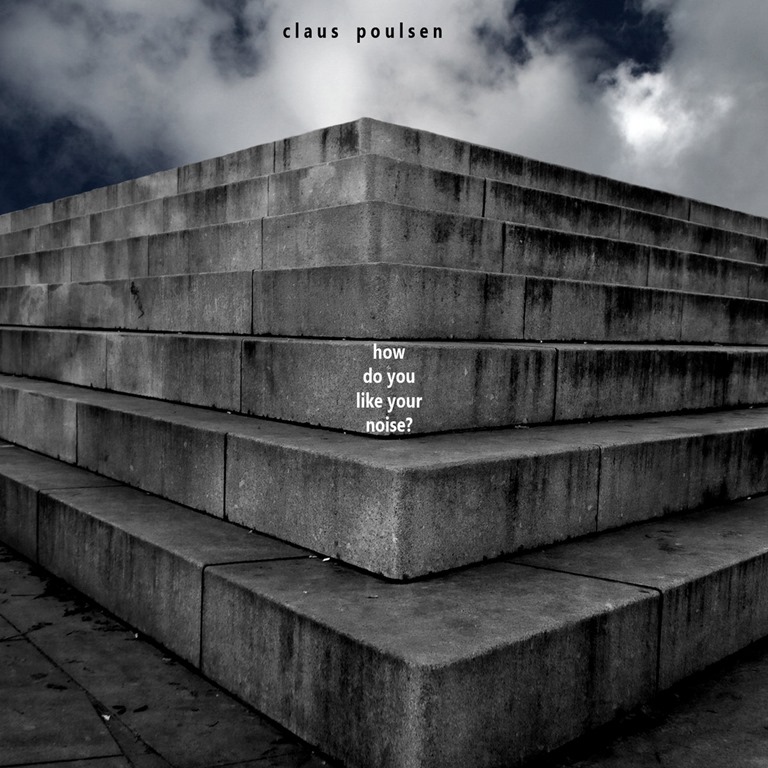
On the face of it, it’s a straightforward question. But chewing on it a little longer than is probably advisable, like a lump of gristle you can’t quite find an opportune moment to spit out discreetly at a family meal, it presents a range of different potential inflections, from the casual ‘how do you like your noise?’ delivered with the same intonation as ‘how do you like your steak / coffee / eggs?’ through to the rather more personal but interrogative ‘how do you like your noise?’

So while listening to the ten pieces on this short release, available digitally and as a C20 cassette, I gave this some consideration. It wasn’t necessary, but then, not a lot is, beyond the basic functions of eating, drinking, breathing, and sleeping. Then again, art has existed longer than civilisation, and perhaps it’s not so wild to think that giving an outlet to one’s thoughts and feelings which transcend verbalisation is also necessary in the most fundamental sense. Perhaps we need art to live. This act of consideration in itself made me realise that a lot of noise is something that’s possible to think alongside listening to. It isn’t that it’s necessarily undemanding: it’s often far from it. It’s just that noise has the capacity to free the mind in ways that more structured genres, and modes of music more geared towards beats and lyrics can often pull the brain waves into their structures instead of encouraging that certain mental drift. Of course, ‘noise’ can be subject to a host of interpretations, sometimes with an interchangeability with ‘sound’. Specifically, here, though, I’m talking about noise.

And ultimately, I can only conclude that I do like my noise harsh. For some reason, noise that makes me grit my teeth and chew the inside of my mouth while I’m listening is the noise that meets the needs of my inner workings. It excites me and sets me on edge. I suppose it’s because ultimately, when it comes to this shade of noise, all you can do is submit to it, and it’s a cathartic release to allow the sound to draw the stress from the mind and body.

How do you like your noise? is pitched as ‘a bunch of noises recorded live 2020 and gems from the archives’, and while it’s not always clear which represents which, there’s no shortage of nasty abrasion on offer here, and it’s clear that Pulsen ‘get’s noise – by which I mean, he has a handle on the effects of varying textures and frequencies, and how shifts between different ranges can trigger both physical and cerebral responses. The grating ‘metal massage’ and squalling electronic blitzkrieg of ‘urbanoise’ are exemplary of the kind of circuit-melting experimentation that many will find painful and torturous, and be grateful for their merciful brevity.

There’s range here: ‘dead man’ is a sparse and spacious guitar piece that borders on post rock, while ‘ringu’ does some glitchy warpy bendy note electronics tricks and teeters on the brink of some kind of electrojazz odyssey. There’s also some whimsical faffery, clattering and clanking around that’s more throwaway interlude than composition, with sub-minute snippets like ‘still haven’t found what i was looking for’.

And so, I changed my mind: I like my noise varied. On this release, Poulsen shows the full spectrum of his versatility, and the range of his noise. I like my noise, and I like this a lot.

AA

a3069066462_10

Cruel Nature Records – 27th August 2021

Christopher Nosnibor

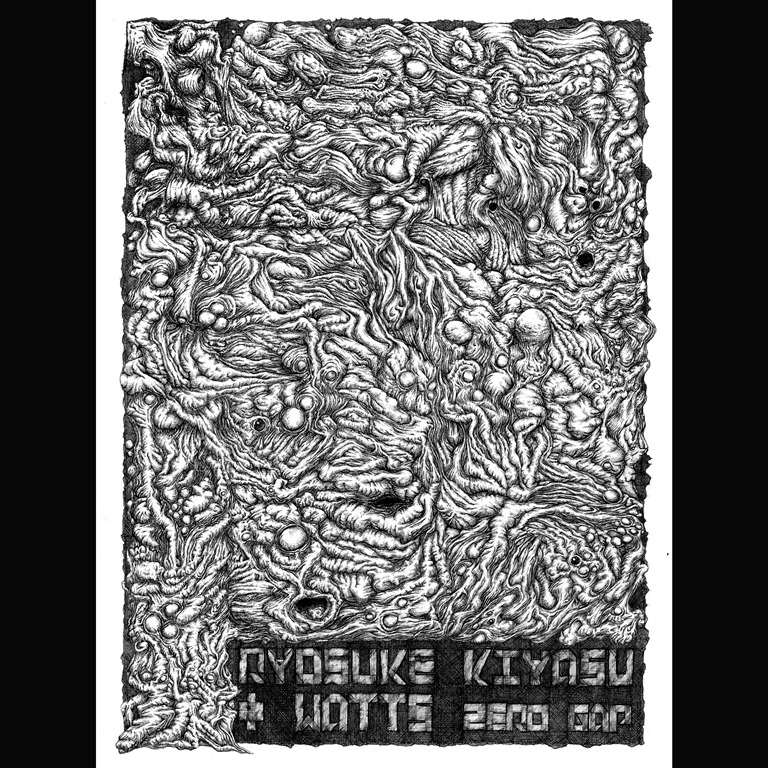
Zero Gap is a truly international collaboration between Ryosuke Kiyasu (SETE STAR SEPT, Fushitsusha, Shrimp, etc, aka ‘the Japanese guy with a snare drum’ and WATTS (Lump Hammer, Plague Rider, Lovely Wife, aka that beardy growly bloke) that proves that location is a state of mind. Recorded oceans and continents apart, there is zero gap between the two artists as they hammer out half an hour of sonic abrasion, created, as the accompanying notes explain, ‘entirely from one snare and one delay drenched throat’.

If on the surface the snare drum seems to have only limited potential, then Kiyasu doesn’t exactly disprove that, in that it sounds like snare drum throughout. But the guy finds every conceivable way of rendering that snare sound, from rapidfire hits and rolls and crashes through clattering blasts and builds, and the still finds ways beyond conception to conjure yet more dynamic range from the simplest of instruments.

Against this clattering, clanking, thunderous barrage of percussion, Watts delivers a vocal performance that quite simply doesn’t sound like a vocal performance for the majority of the time. From a whispering moan like a distant solar wind, to a gurgling drain to a chthonic babble, he’s got immense range. It might not quite be Mike Patton’s Adult Themes for Voice, but it’s still impressive – and I mean eye-poppingly wide-ranging and weird. Best of all, Watts grasps when less is more, at times uttering little more than barely audible grunts and burps at long intervals. Snarling and snapping like a zombie in The Walking Dead, one moment, to barking like a rabid dog the next, Watts is wildly unpredictable, and often quite simply doesn’t sound human. Perhaps he isn’t. At times unsettling, unnerving, others plein scary, he snarls, growl and gargles his way through the creation of some quite strange soundscapes.

Everything works well in context, too: at times, Kiyasu pulls back on the battery of beats to taper down to some barely-there hints of sound, and the two not only are incredibly egalitarian in the distribution of the prominence of their contributions, but they seems to intuitively grasp the need for ebbs and flows, crescendos and decrescendos, making Zero Gap a work that feels like a journey, and even if it’s a journey without a clear end point, it’s a journey punctuated by events and variations.

Zero Gap isn’t abstract as such, but it does, most definitely stretch the boundaries of music. It is ultra-niche, but in the global village it’s the kind of thing that has the potential for significant cult reach. The pair deserve it: Zero Gap is far out in the best way. Crazy, inventive, innovative, not giving a fuck for convention, it’s an album that carves its own niche.

Captured as a single track spanning thirty-two minutes, it’s unusually a release that works best digitally (and dare I even say it, it, could make a nice CD), but then this is an unusual release. My advice? Dive into the dark stuff.

AA

cover

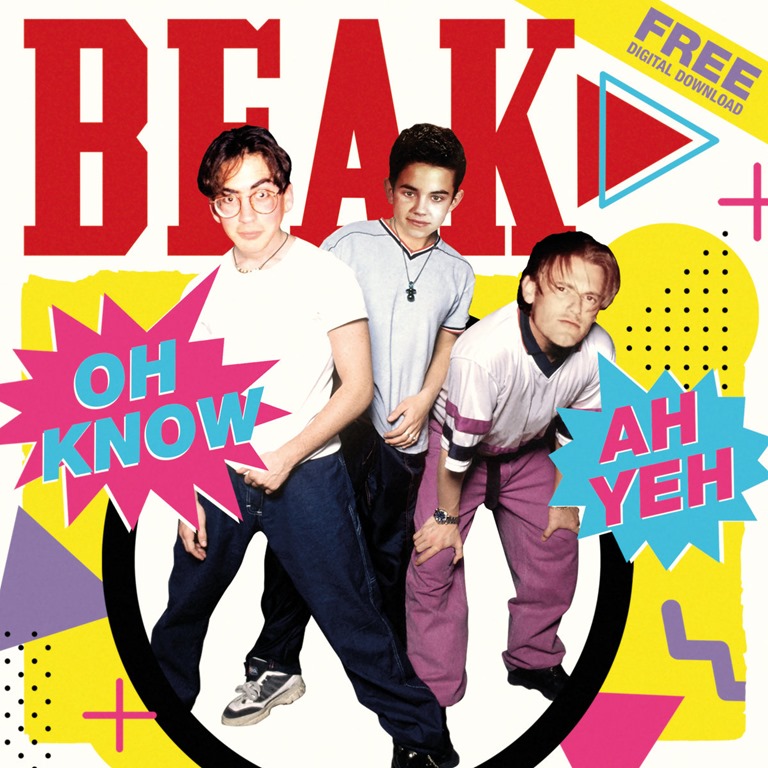
‘Oh Know’ was recorded on the only day the band could physically get together during the winter lockdown.

Continuing the ethos of the band playing in the same room to record (since 2009), ‘Oh Know’ is the sound of Beak> releasing their pent up energy from being away for a year and the song is a testament to that, exploded in a single take.

‘Oh Know’ is available now across all digital platforms also featuring the unreleased/previously unheard b-side ‘Ah Yeah’ here:

The 7” will be available in record shops from October 1st.

Beak> on Tour

4th Sept – Manchester Psych Fest

Sept 17  – Leffinge Belgium

Sept 18 – Wide Eyed Festival, Leicester

Nov 4th – Mutations Festival, Brighton

Nov 14th – Roundhouse, London

Nov 19th – Synästhesie Festival, Berlin

Nov 27th – The Great Eastern, Edinburgh

a1919153106_10

12th June 2021

Christopher Nosnibor

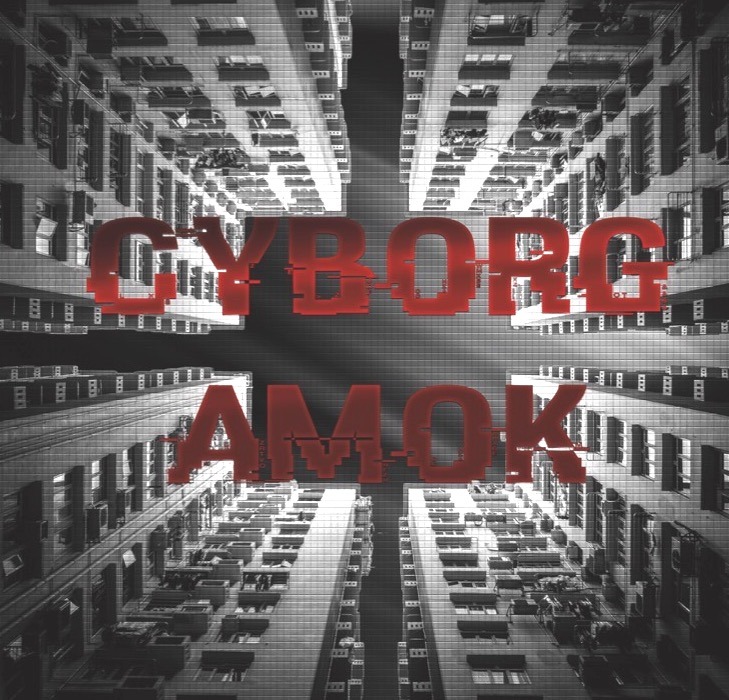
I wasn’t entirely sure what to expect from Cyborg Amok’s eponymous debut. Sure, there’s the press release, and no, it’s not lazy journalism to take cribs and pointers from press releases. This one forewarns that Cyborg Amok ‘resides somewhere between the brilliance of twilight and the apocalyptic darkness. Their gothic infused synth-rock sound delivers the listener to a panorama of synthetic waves, twisted organic tones and a slightly pop crust … the language angels speak in the darkness.’

I don’t entirely compute the implications of this, can’t even really unravel them, not least of all because I can’t always grasp what passes for ‘gothic’ these days having lost the thread some time in the mid to late 90s with the emergence of cybergoth, which sounded just like so much bad techno to me, and a million miles from the post-punk origins of the genre, and the subsequent ‘waves’ of goth which coincided with myriad hybrid mutant strains. Perhaps I am something of a pursuit in my personal tastes, but as a critic, I try to be more accommodating. But sometimes, you just have to accept that music is music and it’s either good or bad, because your audience are unlikely to share your prejudicial quirks.

Cyborg Amok is Greg Bullock (formerly the keyboardist with RealEyes and Shamen) and drummer Brydon Bullock (no relation as far as is obvious), and their debut album is in fact bringing together their first two (now deleted) EPs, so, if I’m being picky it’s not really a debut album but a compilation (which is also true of The March Violets’ Natural History among others. Not that it detracts from the force of these seven songs pulled together in one place. Oh no. Cyborg Amok kicks.

‘Burden Away’ brings bulldozing bass and stuttering mechanised drums. The rhythm guitar trudges and grinds, while Greg’s brooding baritone vocals registers in the ribcage – but while it’s so much industrial grind, the lead guitars are warped country, and there’s a twangy inflection in the vocals to match. It’s solid, but if you’re looking for a pigeonhole, you’re going to struggle. Things get even more complicated with ‘Still Too Far Out’, which straddles Nightbreed-flavoured second/third wave goth with its organ synth sounds evoking sepulchral gloom against guitars that fizz in a swathe of chorus and flange… and then there’s a fuck-off keyboard solo that’s B-Movie and Ultravox and it may be incongruous by 2020s standards, but perfectly in place in context of those precursors.

With its space-themed title and snarling, bulbous, electronics, ‘Dancing on the Floor of the Sea of Tranquillity’ provides more of the vibes the moniker and title perhaps evoke, and if it suggests extravagant prog enormity, it’s no criticism to say that after its dark, stark intro, it slips towards 80s electropop in the vein of A-Ha.

There are some Cure-esque moments scattered about the album, too, but then this is an album, that assimilated huge swathes of 80s that’s not exactly band-specific, but the zeitgeist.

There’s some overblown prog guitar that’s Yngwie Malmsteen overdone, but once they’re done with the moments of indulgence (‘Choice Not Taken’ is perhaps the greatest showcase of guilt), they deliver some impressive musical moments, where the ambition is equalled by the ability.

They’re at their best when they keep it minimal, sparse, nailed down: last track ‘Another Turn’ bears solid – and favourable – comparisons to Red Lorry Yellow Lorry, with its steely beats and grey, steely guitars backing a gruff, ragged vocal delivery. It’s a style that works well, and while this compilation must provide a point at which to assess the trajectory of their career, the evidence here is that they’re doing everything right and need to forge ahead and capitalise on their work so far, because this is a strong dark album.

AA

240381