Posts Tagged ‘Folk’

skoghall rekordings – 19th June 2023

Christopher Nosnibor

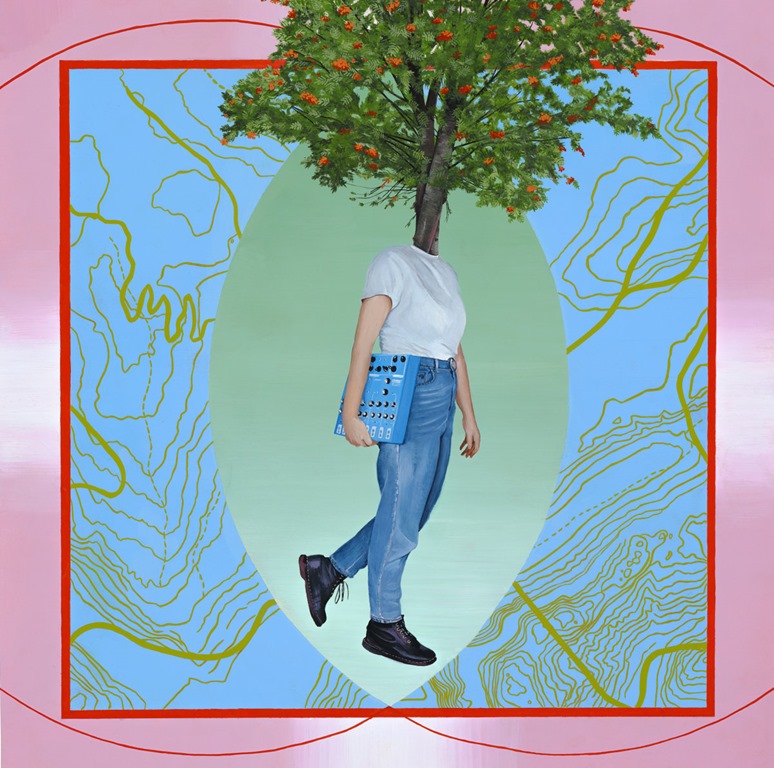
This was originally released some time ago, and now it’s getting a digital release and a CD reprint once the last of the old stock is gone, and it’s the first release on Dave Procter’s new label, skoghall rekordings, which he’s set up to home non-noise material which doesn’t sit comfortably with the remit of his Dret Skivor label. If I didn’t know better, I’d think this guy had mastered cloning, given the release and touring schedule of his myriad musical projects, the range of which is vast – although it’s fair to say that anything involving words will be a politically-charged vehicle for reminding us how shit governments, right-wingers and tabloid media are, and how capitalism shafts the workers without whom there would be no wealth for the elite. And so it is with Sounds from Underground.

‘Justice for the 95’ say the notes accompanying this release, some of the proceeds of which are being donated to the Orgreave Truth and Justice Campaign.

Memories are short, even among those who live through momentous events in recent history, and the miner’s strike of 1984-85 was one of those. It wasn’t simply a strike like we’re seeing with… most sectors right now, in what feels almost like a replay off the early 80s… the handling of the strikes was tantamount to civil war, the (Tory) government against the workers and the unions. The 95 then, refers to the 95 arrested at the so-called ‘Battle of Orgreave’ in South Yorkshire in June 1984, but all charges were dropped. As the BBC reports, ‘Police confronted pickets outside a coking plant in Orgreave, South Yorkshire, in what the miners said was a military-style operation to attack them… Former miner Kevin Horne said: “We were only striking for the right to work.”’

This is by no means the first musical work which focuses on the miner’s strikes: Test Department’s 1985 LP Shoulder to Shoulder, with South Wales Striking Miners’ Choir was released as a fundraiser, while ‘Statement’ from 1986’s The Unacceptable Face of Freedom is centred around a recorded statement detailing the brutality of the policing of the picket lines: ‘25 pickets… 150 policemen… I was dragged off to this van… another one had me in a headlock… I thought I was going to black out…’ It’s a harrowing account, and one which seems as relevant now as ever given the current government’s expansion of police powers, promoting greater use of stop and search, and the police’s ‘management’ of events like Sarah Everard’s vigil. It’s all too reminiscent of A Clockwork Orange.

As the accompanying notes outline, ‘This LP documents coal mining in all its forms – the pride of the job, the struggles of the job and the occasional deaths because of the job. A lot of my family were coal miners and most of them died from lung disease before their time.’

Yes, the miners got fucked every which way, and while the twelve acoustic-based songs on Sounds from Underground may not be as visceral or hard-hitting as some of Test Department’s works, they’re truly heartfelt. And that registers, emotionally.

While ‘Fiddler’s Ferry’ is a simple and wistful song that would perhaps class a s a sad protest song, the super-sparse ‘Macgregor th’ butcher’ is heartaching in its mood and the simple narrative. Similarly, ‘At the Face’ is simple and tells of the everyday realities of mining life – and the physical toll on those men who grafted and grafted, until death. It would be easy to romanticise the northern accent and barely-held melodies, but the fact is, it works because it’s real, and ultimately sounds like The Wedding Present covering Billy Bragg, if you need a comparison.

‘Me, A Picket Line’ and ‘Horse’s Arse’ are straight-up spoken word pieces, and perhaps the album’s most affecting tracks, because they’re so direct, the latter in particular, echoing as it does the narrative of Test Department’s ‘Statement’. But ‘Horse’s Arse’ references 2016, and you realise, nothing changes, and while sometimes things are reported and there is outcry and uproar, so often, events are ignored out of existence, and the narrative becomes skewed, rigged. But mention that and you’re a conspiracy nut, of course – more often than not dismissed by the conspiracy nuts. ‘Tory Twat’ is self-explanatory, and getting straight to the point.

And this is perhaps where we can see how Guerrilla Miner and Test Department share common ground, beyond subject matter: as much as they’re both political – because this is political, and it’s impossible to avoid or deny that this has a heavily political aspect – they’re both ultimately concerned with the human aspects of the miners’ strikes, and this in turn reminds us that the current strikes, too, are about people and their livelihoods. You will see reported, time and again, the government vilifying the striking workers for the disruptive impact of their industrial action. But any a striking worker will tell you that striking is a last resort, the only way to be heard when all avenues have failed, and if strikes are disruptive to consumers, they’re even more so to those striking. And it’s rarely simply over pay, but also conditions: and at the heart of it all lies capitalist exploitation, and such exploitation shortens and destroys lives, placing profit before people. And this is what really hurts.

Sounds from Underground is direct, real, human, affecting and ultimately sad. Listen, learn, and do everything within our power to stop history from repeating again, and again.

AA

kents lane 2 - LP art for bandcamp

Criminal Records – 9th June 2023

Christopher Nosnibor

It may just be something I muse over, but there’s a question of what level is a band’s ceiling – at what point the potential they seem to offer meets with the reality of the fanbase they actually manage to build. Weekend Recover are one of those bands who have long seemed to have hovered on the cusp of breaking through without ever quite going over the line. These things are 10% songs and quality, and 90% luck. So many great bands never reach the audience they deserve. Graft will get you do far, but it’s more about being in the right place at the right time than anything else. Weekend Recovery graft life fuck, and seem determined to make their luck.

The thing with Weekend Recovery is that, while they do have a relatively small but seriously hardcore faithful fanbase, they’ve been prone to change their sound and lineup as often as Lori changes her hair. The stylistic changes are likely consequence of the band’s inner turbulence as much as anything else, but artistically, this is a positive thing: they never stay still, never settle into a comfortable rut, and are always challenging themselves. But the downside to this is that a lot of music listeners are averse to change and like bands to give them something familiar, more of the same. Yes, they like to pigeonhole. Since female-fronted is not a genre, what are they, exactly, apart from a guitar band?

It seemed like they’d already been around forever by the time of the release of their debut album in 2018, having evolved from Katy Perry meets Paramour poppy alt-rock into an altogether grittier, rawer, trashy punk act in the process. Their signing to Criminal Records marked the next step in their reaching a wider audience, garnering more airplay and a busy live schedule found them not only playing to fuller venues, but also scoring support slots with the likes of Starcrawler. The fact they’ve already sold nine of the ten test press vinyl copies at a hundred quid a pop a week before release speaks for itself, at least in terms of their fans’ dedication. But what about building a broader base?

Stepping up venue size to headline The Corporation in their (current) hometown of Sheffield just before Christmas, followed by a sold out show at The Leadmill probably answers the question, at least in part, and having landed themselves on global playlists on Apple, Deezer and YouTube has no doubt been a factor.

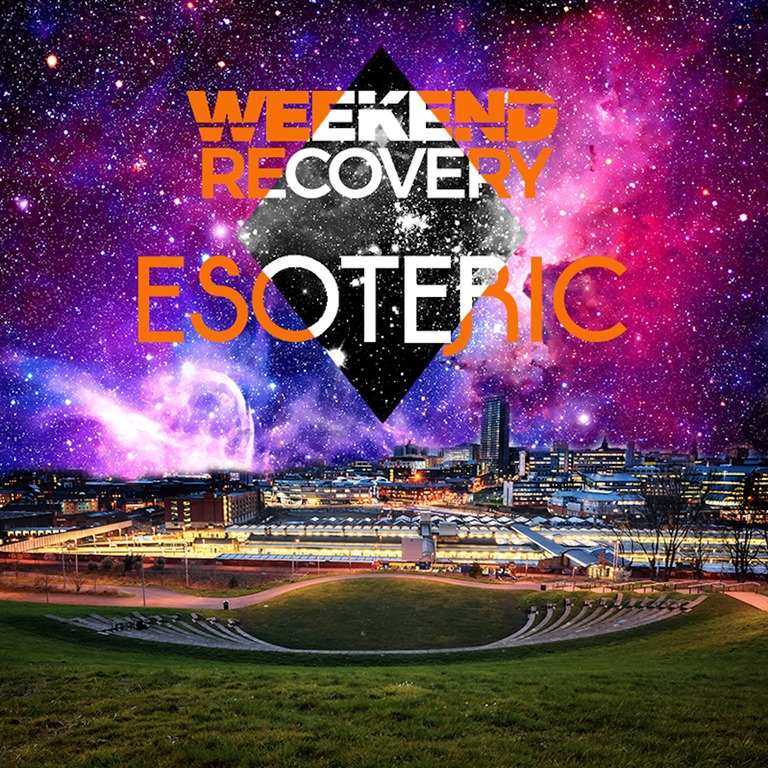
Esoteric answers the question in full. It is not more of the same, not least of all with Lori’s greater use of spoken / sprechgesang passages, but does feel like less of a leap from its predecessor, at least in musical terms. That’s probably attributable largely to the fact that this has been their longest-standing lineup in memory, and the fact Dan and Callum make for an outstandingly solid rhythm section. Having a secure home on Criminal Records no doubt also helps. That doesn’t mean that Esoteric is a ‘safe’ record, a blanket and slippers affair, but it’s the sound of a band who have finally found some stability and have been able to concentrate on the job of writing and recording songs instead of juggling a load of distracting peripheral shit like ‘crap, we need to find a bassist’.

There are things I’m unsure of here: the album’s title being a leading one. Meaning ‘obscure’, and commonly referring to specialist, even secret, knowledge only understood by a few, what are they saying here? It’s a title I’d likely associate with some mystical drone or doom band rather than an uptempo rock trio. Is there something subliminal hidden in the lyrics or in the album’s very grooves? I don’t get any great sense of any of this from songs like ‘In the Crowd’, with lines like ‘We’re going in the crowd / it’s getting very loud’. It’s one of those songs that while it may – does – work live with some crowd buzz and energy to drive it along, recorded and out of context, it just sounds rather lame, not to mention pretty daft. It’s an affliction that troubles any bands when they reach a certain status, namely the point at which band life detaches them from real life, and so band life becomes the subject of the songs, with the effect being that in an instant, they stop speaking to and for us, and instead for themselves only. And when a band who articulated what you felt stop doing that, you’re left bereft. And then there all of the woo-hoo choruses and line-fillers. It’s something I see and hear increasingly, so perhaps that’s an aspect of contemporary songwriting I’m not down with, and an indication that Weekend Recovery are bang on the zeitgeist. Perhaps that’s why they’re getting more radio play.

Esoteric balances the grungy, guitar-driven style with the slick, radio-friendly alt-rock of their early years, and kicks off with lead single cut ‘Chemtrails’. Again, there are questions. Growing up, I knew them as vapour trails, before learning the term ‘contrails’. And then they became a source of anxiety as a popular theme on ‘the Internets’ before Lana Del Rey solidified things with her seventh album, Chemtrails over the Country Club. But this is a song about confusion and overload: ‘the waves are slowly sending me insane’ Lori hollers over a choppy instrumental backing that straddles punk and new wave. What to believe in? Who to believe? The world in which we find ourselves is enough to drive anyone insane, and insanity is the only sane response to an insane world.

The production is definitely their smoothest yet, and it’s very clear: the guitar is dense, but it’s backed off and is very much mid-rangey and there’s a lot less bitey distortion, and this is evidenced in the rerecorded version of ‘No Guts All the Glory’. This is, without doubt, the song that will likely be their anthem: it’s catchy, it’s ballsy, it’s tight, you can sing along and mosh to it, and it’s got broad relatability. But then there’s no shortage of meaty tunes along the way: ‘Dangerous’ brings urgent post-punk of an early 80s vintage with hints of Siouxsie and the Banshees to the party, while ‘I Don’t Like You Anyway’ pairs a low-slung bass and pummelling drum with some sinewy guitars and a stomping chorus, and there’s an offhand sneer to the verse that’s next-level nonchalance. Then there’s ‘The Knife’ which is one of those anthems of hurt that people can relate to and invest in, and if ‘Her’ is, on the face of it, a folksy ballad, it’s a fair bit more than that if you tune into the lyrics.

And perhaps this, this is the secret wisdom: the secret to unlocking the potential that’s been there all along. The songs on Esoteric feel more evolved, more fully formed, and the switches between melodic hooks and bursts of anger and energy give them an exciting dynamic. For all of the poppiness, there’s some real darkness, and some weight, too. The songwriting across the set is more consistent, too, and when bolstered by the production, it all seems to have really come together here.

AA

WR Esoteric Cover

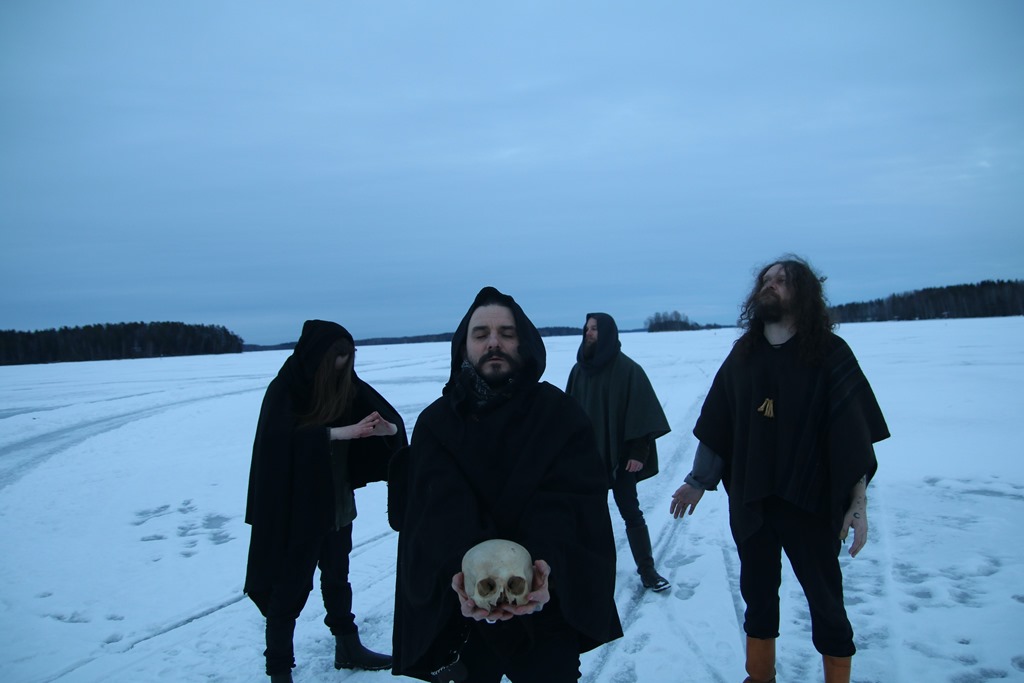
Finland’s Hexvessel return on 22nd September (Svart Records) with their sixth album, Polar Veil, a cold, metallic hymn to the Sub Arctic North. Haunted by primal forest spirits, Mat “Kvohst” McNerney summons the ghosts of his past in a jaw-dropping, unheard-of rebirth of style and sound. At once unmistakably Hexvessel, Polar Veil is also steeped in the nocturnal atmosphere of McNerney’s past, churned in the cauldron of Black Metal, Ritual Folk Psychedelia and Doom Rock, and echoing with shivering Gothic undertones.

From their inception in 2009, Hexvessel, created by Mat McNerney as what he described to Decibel Magazine as “a free spiritual journey and a musical odyssey with no boundaries”, have captivated audiences and listeners with their evolution.

Holed up in a home-made studio in his log cabin during the winter of 2022, McNerney drew on all the fundamental elements of his music career as a shamanic shapeshifter, with only the isolation of nature’s solitude as inspiration. Painting an aura with Polar Veil which resonates with solitary reflection and themes of personal spiritual transcendence, Hexvessel’s new album is a bold statement from an artist who continues to reinvent and explore nature mysticism through music.

“Nature represents freedom, darkness and the call of the wild. Black Metal has always been at the borders of my sound and playing, at the heart of everything I do. Tradition, nature, ritual, mythology, mysticism and philosophy, along with clashing and jarring chords have always been synonymous with Hexvessel. It was natural with Polar Veil, finally now as we reach the zenith of the journey, that these influences surface to the human ear, and with the freezing cold guitar sound that the climate here demands.”

A track such as ‘Crepuscular Creatures’, with unhinged, discordant guitar chords, as bassist Ville Hakonen’s hand snakes up and down the frets, is at the more avant-garde end of the album. Long term drummer Jukka Rämänen thundering the toms like never before, as McNerney croons Scott Walker-esque lyrics, somewhere between Edith Södergran and Ted Hughes.

Whereas ‘Listen To The River’ with its ominous M.R James/Folk Horror lyrics of perilous environmental warning, featuring Ben Chisholm main collaborator and multi-instrumentalist with Chelsea Wolfe on lush, haunting keys and strings, could have appeared on Hexvessel’s sophomore album No Holier Temple, albeit with a sound of that era, progressing out of Folk.

Polar Veil features Nameless Void from Negative Plane, performing the guitar solo on the song ‘Ring’ and on ‘Older Than The Gods’, Okoi from Bølzer provides guest vocals. At first an unlikely partnership but one that makes total sense as the album deepens, and threads can be drawn that reveal the place Polar Veil is coming from.

On the process of recording Polar Veil, McNerney explains:

“I built a studio at home in the log hut on our field, surrounded by large trees, called Pine Hill, to escape from everything and everyone. Polar Veil is what a spiritual home sounds like.”

When the components of the medicine are familiar but brewed in a completely novel concoction, the resulting side effects can be deliriously intoxicating. Peer behind this Polar Veil for a breath of fresh tundra air with the video for Hexvessel’s new single ‘Older Than The Gods’. Watch it here:

AA

S01opoxs

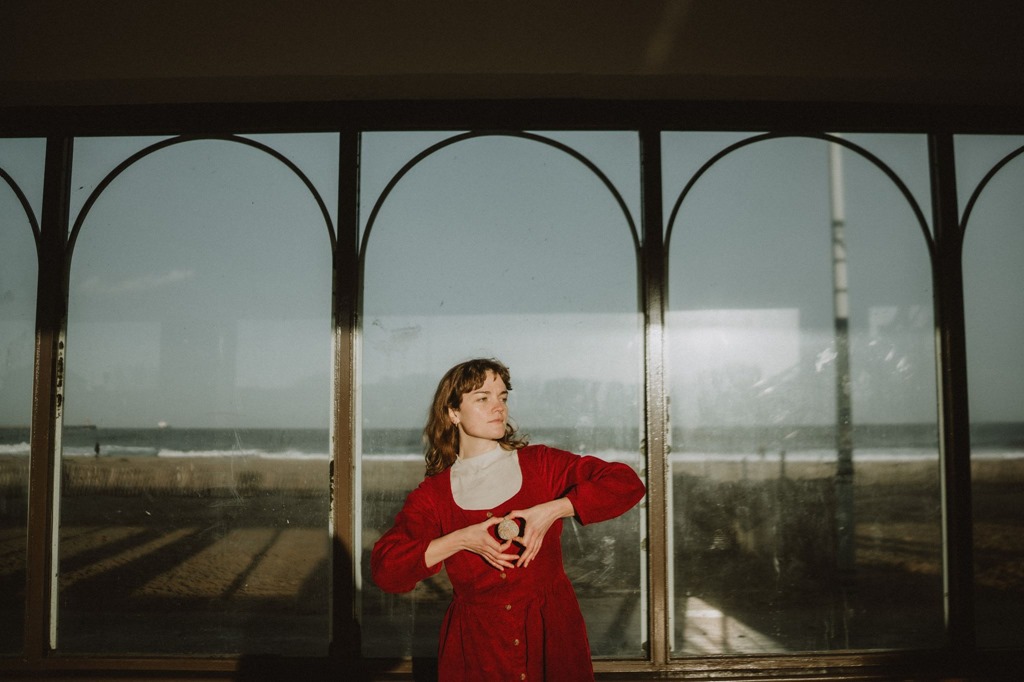
ME LOST ME shares the video for ‘Festive Day’, from her upcoming album, RPG (due 7th July via Upset The Rhythm). A selection of dates in support of Richard Dawson throughout May have also been announced, more details below.

Songwriter Jayne Dent comments on the track;

“’Festive Day’ is a song about being overcome by intense sensory experiences, of nature, the elements and desire. It’s inspired by spending a midsummer festival in Denmark, when the huge bonfires lit along the coast stayed alight through torrential rain and dense sea fog, which left a massive sensory impression on me. It’s about the coming together of all these elemental forces, feeling connected to this seasonal ritual, and connecting it to the English folk traditions around the same time of year, explored in May carols and similar songs, which often celebrate desire, lust and love alongside celebrations of nature and the land. The music video is an overload of artefacts, it’s fast paced and intense in terms of the editing but I wanted to contrast the emotional intensity of the song by framing it almost as an archive or museum of the future, that is documenting folk traditions and trying to reconstruct them and understand them, but missing that vital emotional component. I worked with folk musician and dancer Mark Insley, who choreographed a dance in the Cotswold Morris tradition, to be featured as part of the music video, and made handkerchiefs in the Morris style featuring elemental symbols.”

Watch the video here:

AA

A prolific writer, ME LOST ME has released two crowdfunded albums: Arcana (2018) and The Good Noise (2020), which was included in Electronic Sound Magazine’s Album of the Year list. These in addition to her latest EP The Circle Dance (2021), which was described as “her most textural and sonically adventurous music to date” by NARC Magazine, and an extensive touring schedule around the UK DIY scene, has won her unique sound much support across the musical spectrum. Dent has notably performed live for BBC Radio 3’s After Dark Festival and as part of the 2022 BBC Proms alongside Spell Songs, Royal Northern Sinfonia and the Voices of the Rivers Edge Choir. She recently received the prestigious Paul Hamlyn Foundation Award for Composers and was 2020-2021 Artist in Residence at Sage Gateshead.

ME LOST ME LIVE DATES:
03/05 – The Gate Arts Centre, Cardiff, UK w/ Richard Dawson – tickets

04/05 – St George’s Bristol, Bristol, UK w/ Richard Dawson – tickets

05/05 – Barbican, London, UK w/ Richard Dawson – tickets

06/05 – The Bradshaw Hall, Birmingham Conservatoire, UK w/ Richard Dawson – tickets

07/06 – London – EartH Theatre w/ Xiu Xiu

30/06 – Hyper Inverter Festival, Ulverston, UK

15/07 – The Lubber Fiend, Newcastle, UK (ALBUM LAUNCH)

YEi1gOlg

Photo credit: Amelia Read Photography

Ici d’ailleurs – 31st March 2023

Christopher Nosnibor

Matt Elliott, since breaking out from the Third Eye Blind moniker, has maintained a fairly steady flow of output, with an album every three years or so, with this being his ninth.

Farewell To All We Know (2020) and The Calm Before (2016) were just the most recent, with the former bring a dark, lugubrious affair: the title carried connotations of facing finality, something that doesn’t really sit comfortably in Western culture outside of the realms of art – and it seems that death has become an even greater taboo in recent years, with anything which references death, and particularly suicide – requiring a trigger warning.

Given that suicide is the single most common cause of death in males under the age of forty-five in the UK and a high on the tables in the US and many other countries, and that death is the sole inevitability in life, I feel it’s something to be faced up to, not shied away from. It may be a contentious view, but we don’t get to choose whether to leave the room in real life, so why in art? Perhaps bringing these subjects out into the open – in the same way as mental health has finally become accepted as being something we can discuss – would render them less triggering. Herein lies something of a contradiction, in that we now discuss mental health, but not the effects or consequences. And have we really broken the barrier on mental heath? I often hear or see people saying they’re not having a good day or week because ‘mental health’. It’s progress, in that historically people would have rather said they had the shits than were struggling – but there’s further to go, especially if we’re to be sure that ‘mental health’ doesn’t become the new ‘upset stomach’ that gets a pass from disclosing what’s really wrong. Not because prying is to be encouraged, but there’s talking and there’s talking, and if we’re really going to talk about mental health, then shutting a conversation down by using the phrase isn’t going to make that happen.

The press release suggests that Farewell To All We Know was ‘a harbinger of the collapsological crisis that was COVID 19. What can be built when everything is down, when everything has crumbled, ideals and beliefs, a sense of commonality and community?’ Of the new album, it poses further questions: ‘What is left when you are without words? What is left? Death, perhaps, but also life… What is left? A form of awe that dulls? An enthusiasm that dries up? A curiosity that no longer makes sense?’

As the title suggests, with The End Of Days, Elliott once again has his focus placed firmly on finality. And just fifteen minutes surveying the news suggests that we really are living at the end of days: plague, natural disasters… it’s not a question of if, but when, and how? Will climate change bring about the end of days for humanity, or will we wipe ourselves out with nuclear apocalypse before we reach that point?

‘All life’s wasted time’, he intimates on the title track which opens this delicate six-song suite – a sparse acoustic folk tune that has a lilting quality that’s easy on the ear. It sounds like he could be singing this sitting in a rocking chair by the fire, but brings a tear to the eye as he articulates the parental worries many of us – myself most acutely – feel.

And even all the smiles on children’s faces bring you pain

When you think of what they’ll face

And if they’ll even come of age

A world resigned to flame

Because we’ve burned it all away

You – I – feel so helpless. Turning down the heating, turning off the lights – you tell yourself you’re saving the environment, but you’re only making your life more difficult while industrial complexes around the globe churn out more pollution in a minute than any household will in a lifetime.

‘We need to wind time back to the eighteenth century before the industrial revolution and show them now’, my daughter told me over dinner this evening. She’s eleven, and she’s right, and I feel the anguish flow through me as the horns swell in a rising tide of warped brass atop the flamenco guitar in the closing minutes of this ten-minute epic.

It’s not the last, either. ‘Healing A Wound Will Often Begin with a Bruise’ is over eight minutes in length, and ‘Flowers for Bea’ is an immense twelve and a half. ‘Song of Consolation’ sits between folk and neoclassical and is achingly beautiful, but offers little consolation. Because what consolation is there?

Incorporating jazz and baroque, The End Of Days feels less darkly oppressive than its predecessor, sliding perhaps into bleak resignation to provide the soundtrack to the drinks in the basement bar on the last night on earth. Yes, tonight we’re going to party like it’s goodbye forever. This is the album to which to clink glasses and hug and cry and share final gratitude for those who have been there for us, made our lives worth living as we swallow hard and brace ourselves for the inevitable.

AA

IDA158_front

28th February 2023

Christopher Nosnibor

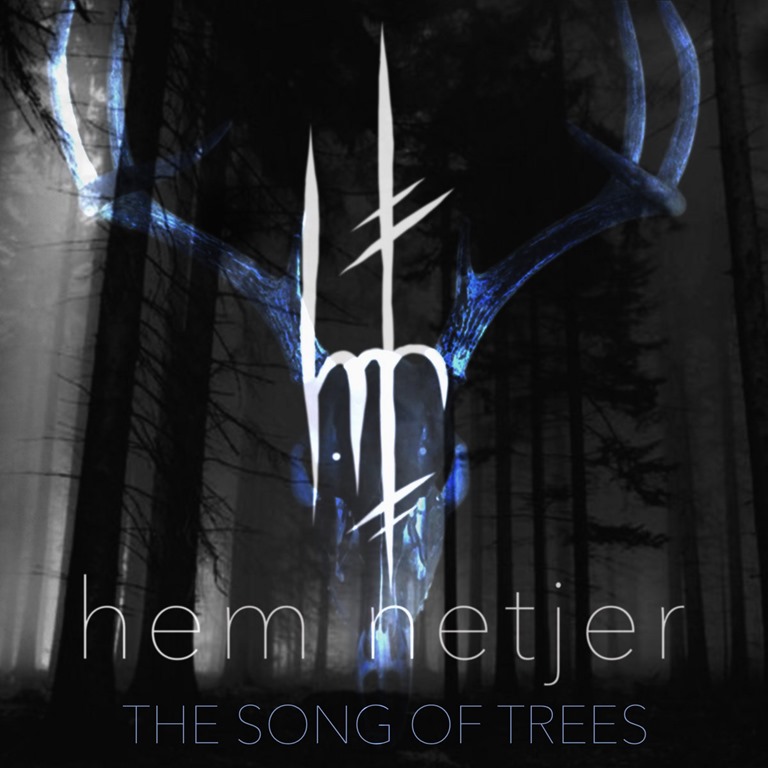
Something about ‘Elemental Cry’, the lead single from Song of the Trees struck a chord and resonated on a subliminal level. It landed with me at a difficult time, personally. Admittedly, most times are difficult, but some are more difficult than others. More often than not, music helps me through those times, and it’s not always the music I’m expecting. Sometimes, old favourites provide the least comfort and are simply too painful. Perhaps I was clawing for something spiritual, music that provided an escape to another realm. Truth is, I’m eternally seeking something. This sweeping, soaring epic channels something that goes beyond notions of derivative Nordic cosplay cal to forge something powerful beyond words.

This is a quite particular and specific thing about music: sometimes it’s not the music itself, but your state on receiving it. I was, and am, in a state, and words aren’t easy. They are a slog. I don’t want to be here, but must power on. And so that transportation, that being lifted to another place, is perfect in terms of needs. Combining heavy synth drone, spacious piano and metallic twangs, The Song Of Trees is tense and atmospheric. It twists at muscles and nerves as drones undulate, hover and hang in the dense air. As the title suggests, it’s rich and earthy, intertwined with nature and the elements, an album that evokes a sense of the vastness of the great outdoors, the space and freedom that instils life into our bodies, and has for as long as we’ve walked the earth. Only now, contemporary living has separated us from nature to the extent that to walk in woods, or to find a place unsullied by human impact feels like some sort of a special treat. This means that while it’s perhaps harder to feel an attunement to the natural world in daily living, experiencing it is something to be cherished all the more dearly. This, then, transports me from the dingy confines of my poky rectangular office space and to somewhere I can feel free.

Given the taster, and the album’s opener, the expansive ‘Void’, ‘Salt and Tears’ lands as an early surprise, being quite beat-driven and overtly electronic with something of a glitchy leaning that’s far from natural or organic. It’s powerful, and it’s all about the dominant percussion, which works well, although it’s not nearly as powerful as third track, ‘Eldur’: the beats are again dance-orientated, but the vocals are positively operatic. It’s a song that registers on a number of levels. In combining the natural, the earthly, the spiritual, and the ultra-modern, with technology-orientated sounds, this could be a clash if not handled with due care and sensitivity, but Hem Netjer create with a sense of balance and equilibrium, which in some way conveys our conflicting, divided existences.

I suppose there are elements of more mainstream artists as well as the likes of Zola Jesus and the wave of Nordic metal acts which seems to be emerging all blended together here, and these imbue The Song Of Trees with a power that’s greater than the sum of the often quite minimal parts. If ‘Freedom’ characterises the album’s more commercial moments, there are plenty more that carve a different space. ‘Elemental Cry’ arrives as the penultimate track with it thunderous drums and steely strings and its power remains undiminished, and it’s the clear highlight of the album.

And elemental is the word: The Song Of Trees has, despite electronic sounds being so integral, a purity that is rare indeed – and that’s both powerful and moving.

The six-minute closer, ‘Otherworld’ is epic in every sense: sparse in instrumentation yet ultimately vast and immersive, it makes for a strong finish to a strong album.

AA

a1911371475_10

14th October 2022

Christopher Nosnibor

I’ve likely mentioned it before, but on the one hand, Leeds has quite a distinctive sound, albeit one that’s evolved over the last decade, bit on the other, its scene is characterised by its diversity and eclecticism. It’s too be expected, of course: it’s a big city with two massive universities and a lot of small venues where artists can try out and develop their style and draw influence and inspiration from others. Time was when everyone was either doing instrumental post-rock or making a massive fucking racket.

Leeds based musician and recording engineer Rob Slater AKA Carpet belongs to the eternal production line of acoustic-based artists that’s not so much a Leeds thing but a music thing – but he himself is an integral part f the Leeds scene, having played in a number of standout bands, including Thank, Mi Mye, Post War Glamour Girls, and The Spills, as well as ‘working as a recording-engineer/producer from his own Greenmount Studios in Armley where, this year alone, his credits include Yard Act’s debut ‘The Overload’, as well as debut albums from Leeds peers Thank and Crake (with whom Slater plays drums, and who I reviewed just the other day for Whisperin’ and Hollerin’.

The press release promises ‘four tracks of thoughtful and introspective beauty, offering a compelling and unhurried insight into Slater’s musical world’. And it does that.

There’s nothing remarkable about the songs or their execution: Slater’s songwriting and execution is simply exactly as it should be: tight, emotive, melodic. It’s not exciting or dramatic by any means: it’s overtly introspective and thoroughly accessible, with easy-going songs. It’s clear that Slater simply has no interest in going massive. This may not be his choice, so much as a limitation of the medium. That’s certainly not a criticism: Carpet has a wide, if low-level appeal, and while it is, in many ways, a functional indie folk work, it’s also musically entertaining and easy on the ear, and does the job.

What is the job? Of being music. Yes, sometimes, that’s enough.

AA

a0636781393_10

Edinburgh born Kendall based artist Celestial North has shared ‘Yarrow’, a haunting atmospheric ‘botanical’ soundtrack.  For fans of Nils Frahm, Olafur Arnalds or Sigur Ros, this reflective and meditative piece gently sways with a wash of pianos and sighing melodies. It’s a tantalizing other side of Celestial North’s artistry and a teaser for her album released later this year. 

Watch the video for ‘Yarrow’ here:

AA

She says of the song:  “I often think in ‘music’. My thoughts are usually awash with colours and sounds. I was sitting trying to meditate, or contemplate, beside the yarrow patch in my garden. I was finding it difficult to articulate how I was feeling and started to feel a bit frustrated. I decided to sit quietly and start again. I realised that I didn’t really have any words to write down as such but I did have a tune playing in my head. I decided to record this tune on my piano and added some other elements that I felt benefitted the song — a bodhran drum, a choir, the rustling of the yarrow patch and the roses recorded from my garden and some simple electronic sounds.  This botanical soundscape is representative of how I felt whilst I was sitting with the yarrow and the tune played on the piano is the tune that was playing in my head whilst sitting with the plant."

473734

Curation Records

Christopher Nosnibor

Elkyn is very much about the slow burn, the gradual diffusion, both musically and in terms of career trajectory. Joey Donnelly unveiled elkyn in 2020, having made the subtle shift from performing as elk and releasing the magnificently understated beech EP in 2019. Since then, he’s continued to release a steady stream off beautifully-crafted singles as teasers for the album, the most recent of which, ‘if you’re still leaving’ emerged in March of this year. Interestingly, the melody bears certain parallels with U2’s ‘Where the Streets Have No Name’, but nothing could be further from the bombast of the stadium-fillers’ epic: this is introspective bedroom indie, quiet and contemplative; there’s no ego, no pomp, no big production. ‘So this is it,’ he sings with a weak resignation.

So while progress certainly hasn’t been slow, it’s not exactly been swift, either, and listening to holy spirit social club seemingly explains why. To begin with, there’s the level of detail in the arrangements: on the surface, they’re fairly sparse, simple, acoustic works, but listen closely and there is so much more to hear, from delicate bass and washes of synth, rolling drums and incidental interludes with rippling piano and more. Reverb and layering are applied subtly and judiciously, too, and these things don’t happen by accident, but through a close and careful ear on every bar. The absence of capitalisation may niggle a pedant like me, but it’s clearly another conscious decision and rather than coming across like an irritating affectation, feels more like another aspect of elkyn’s self-opinion, the small ‘i’ indicative of a kind of abasement, while in no way seeking sympathy or validation. It’s a cliché to the point of a running joke when musicians say they write songs for themselves and aren’t bothered if anyone likes them, but with elkyn, it seems genuinely plausible: these songs are so intimate, it’s as if he’s playing them under the assumption no-one else will ever hear them.

If ‘found the back of the tv remote’ (another single cut) sounds like dreamy, winsome indie, it’s equally reminiscent of Dinosaur Jr’s more stripped back moments, and Donnelly shares that sense of almost being embarrassed to be audible as he sings comes through in J Mascis’ delivery. But then, this leads us to the second reason why elkyn isn’t banging stuff out every few weeks – these songs are intensely intimate, and filled with vulnerability and self-criticism, and one suspects that tendency to self-critique extends to his recordings in the same was as social situations, relationships, and life in general.

But while the tone is plaintive, mournful, regretful, sad, that isn’t the vibe of the songs in themselves, because elkyn manages to infuse every song with a certain optimism, the melancholy flavoured with hope. There’s a breeziness, a brightness, I might even say a ‘summeriness’ about many of the songs on holy spirit social club that renders them uplifting. But even at its saddest, most disconsolate and dejected, holy spirit social club brings joy simply by virtue of being so achingly wonderful in every way.

AA

a2130838683_10

5th May 2022

Christopher Nosnibor

The pandemic may be over – or not, depending on your viewpoint or your government – but there’s no question that the pandemic affected us all in some way, shape, or form, and that as much as people are getting on with their so-called ‘normal’ lives, we’re not all fully over it. Some of us may never be.

‘The Day the Drum Stopped’ was penned during the height – or depths, depending on your perspective – of the UK pandemic lockdown, and captures the instantaneous psychological spasm of the moment everything halts abruptly. ‘The Day the Drum Stopped’ is perhaps another way of phrasing ‘the great pause’, and it was a strange time to say the least.

For many – not least of all musicians, those in hospitality and retail – everything stopped. For others, who continued to work from home, while also trying to manage home-schooling, the pause was less pronounced, marked more by the absence of people and traffic in the street when venturing out for the prescribed daily exercise or trip to the local supermarket in the hope of scoring both loo roll and pasta. But no question, it was strange, a plunge into the unknown, the unpredictable, and this was a cause of major anxiety for so, so many.

Kristina Stazaker has articulated this succinctly and in a most accessible fashion on her new single, propelled by some sturdy percussion and ‘builds up to a powerful ending where the drums restart and the electricity of life flicks into action again’. It starts with a solid march, before loping away like a galloping horse, and there’s optimism there, as Stazaker remains positive that ‘the drums will come back again’, and it’s a rush and then… it stops, and you’re left, vaguely nonplussed, wishing there was more. Which seems like life, really. Cracking single, though.

AA

 Artwork - Kristina Stazaker