Posts Tagged ‘Cocteau Twins’

Metropolis Records – 7th June 2024

Christopher Nosnibor

Oi, Nosnibor? Call yourself a goff? Well, yes… and no. Y’see, much as many people scoff at Andrew Eldritch insisting The Sisters of Mercy aren’t goth despite displaying so many of the trappings of goth, he does have a point, and one I’m willing to defend when it comes to my own musical preferences.

The Sisters, The Cure, Siouxsie, Bauhaus, bands I came to quite early in the formation of my musical tastes in my teens, are all largely considered exponents of ‘goth’, but were well-established long before the label existed. Tony Wilson said in an interview that there was something ‘gothic’ about Joy Division, and while they were contemporaries, and similarly dark, and – like the aforementioned acts – emerged from the post-punk scene, along with the likes of Alien Sex Fiend, The March Violets, The Danse Society, but somehow manage to avoid the goth tag. Ultimately, the whole thing was a media construct based largely on a false perception of a bunch of disparate acts who shared a fanbase. Just how much bollocks this was is evidenced by the fact the likes of All About Eve, New Model Army, and Fields of the Nephilim – again, bands who shared nothing but a fanbase, in real terms – came to be lobbed into the ‘goth’ bracket.

But then bands started to identify as ‘goth’ themselves, most likely as a way of pitching themselves in press releases, and things started to head south rapidly thereafter.

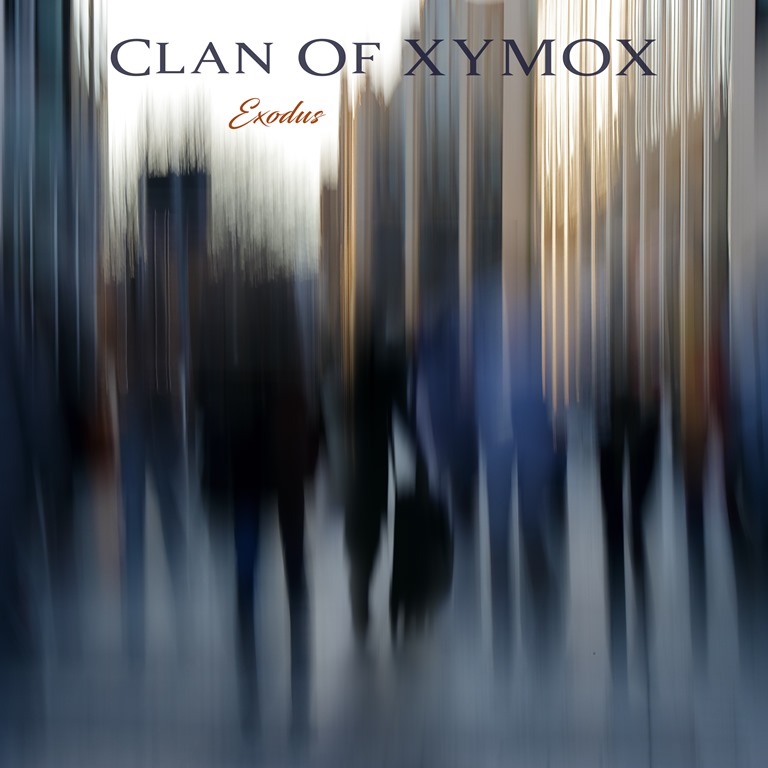
Having formed in 1981 and being signed to 4AD, home of The Cocteau Twins, and releasing their debut album in 1985 – the same year The Sisters released their seminal debut First and Last and Always – Clan of Xymox belong to the initial wave of proto-goth, in the same way X-Mal Deutschland do. Yet for some reason, they’ve bypassed me. Seventeen albums in, I’m perhaps a bit late to the party, and while I can’t claim to be fashionably late, it’s better late than never, right?

This does mean that I’m approaching Exodus with no benchmark in terms of their previous albums, and with the weight of recently-jettisoned preconceptions and prejudices. Perhaps not a strong standpoint for objectivity, but it’s worth getting these issues out of the way first.

It’s amusing to read how retrospective reviews of their debut criticised the fact it sounded cliché and dated, not least of all because of the synth sounds which dominate. What goes around comes around and vintage synths and drum machines, however tinny, fuzzy, basic, are all the rage once more, with people willing to pay crackers prices for the precise purpose of recreating those sounds.

Exodus sounds like an early-to-mid-eighties dark electro album, showcasing all of the elements of goth before it solidified, before the cliches became cliches. The drum machine programming is quintessentially mid-80s, a relentless disco stomp with a crisp snare cracking hard and high in the mix.

They slow things swiftly, with the brooding, moody ‘Fear for a World at War’ – a timely reflection on the state of humanity – landing as the second track. It’s moving, haunting, but drags the pace and mood down fast, samples and twinkling synths hovering and scrapping over a hesitant beat and reflective vocals.

‘The Afterglow’ combines chilly synths and fractal guitar chimes to forge a cinematic song. It’s unquestionably anthemic, and has the big feel of an album closer. Where can they possibly go from here? Well, by pressing on with more of the same… Much of Exodus is reflective, darkly dreamy, vaguely shoegazy, very Cocteau Twins – at least sonically, being altogether less whimsical in content. It’s undeniably a solid album, and one steeped in the kind of sadness and melancholy that’s quintessential brooding gothness. ‘X-Odus’ hits a driving techno goth sound that borders on industrial, but equally owes as much to The Sisterhood’s Gift, which is really the point at which ‘goth’ intersected with dark disco.

Eighteen albums in Exodus sounds predominantly like the work of a contemporary dreamwave / goth act plundering the old-school with some heavy dashes of late eighties Cure, and while many fans will be hard into it, to my ears, it’s good – really good – but much of its appeal is nostalgia and familiarity, and objectively, it’s just a shade predictable and template.

AA
064556

12th December 2022

Christopher Nosnibor

The eponymous debut EP by South Carolina indie pop-rock duo The Yets is steeped in the tropes of quintessential vintage alternative pop, absorbing a range of influences, while keeping a clear eye on classic and ultimately accessible forms – embracing Fleetwood Mac and Cocteau Twins in equal measure, as the press release suggests with remarkable accuracy.

Robin Wilson has a superb voice, delicate, emotive, easy on the ear, and at the same time rich and gutsy. It’s key to the sound of The Yets, and the six songs on this debut EP really showcase both her versatility and that of their songwriting.

There’s a weird booming sound – not quite a beat, not quite a bass note – that cuts through the mellow drift of ‘Waterline’, and it’s one of those things that once you’re attuned to it, you can’t detune, like the duck in Whigfield’s ‘Saturday Night’ or the cowbell on ‘Don’t Fear the Reaper’, but if you can ignore it, it’s a superbly-executed song with a clean guitar chug that keep it moving along nicely while the lead guitar chimes and washes melodically.

‘Remember’ is perfection, a layered, easy alt-rock tune that’s Fleetwood Mac’s ‘Dreams’ and it floats along in a dreamy drift that closes out with a delicate guitar solo.

They strip things right back for ‘Lesser Evil’, which swings between brooding indie and moody post-punk with hints of Siouxsie, before spinning into ethereal shoegaze territory on the dreamy ‘Letter to a Boy’, which really does find the band revelling in the misty ethereal shadows of Cocteau Twins.

‘Fades to Grey’ makes an obvious reference to Visage, and the band’s 80s leanings are on clear display, but that’s where the connection severs: this is a smooth, atmospheric rippling piece with chiming, echo-heavy guitar that owes much to Disintegration-era Cure, and ‘Happy Now’ builds on that thickly atmospheric sound with a loping rhythm and layers of vocals that really fill out the sound as the guitars and it’s the most overtly goth song of the set.

With a broad pallet of tuneful wistfulness and textured, layered instrumentation, coupled with some smart and sensitive production, The Yets have landed with a seriously accomplished debut: there’s a lot happening here, and there’s a significant range but at the same time a cohesive feel to it.

AA

The Yets 4 - photo by Gordon Backman

Photo: Gordon Backman

Evi Vine previews ‘My Only Son’ single ahead of the Black Light White Dark album. The new LP features The Cure’s Simon Gallup, Fields of The Nephilim’s Peter Yates and Martyn Barker (Shriekback, Goldfrapp).

Evi formed this band while living in LA, quickly getting a support show opening for Slash at the Whiskey-agogo. She has collaborated with Graham Revell (SPK, The Crow Soundtrack), The Eden House, Tony Pettit (Fields of the Nephilim), and Peter Yates (Fields of the Nephilim).  In 2016, Evi sang on Phillip Clemo’s DreamMaps album, together with Talk Talk’s Simon Edwards and Martin Ditcham, subsequently making appearances on BBC6, BBC3 Late Junction and Jazz FM.

In recent years, Evi Vine has toured with The Mission, Chameleons Vox, Wayne Hussey, And Also The Trees, Phillip Boa and The Voodoo Club, and Her Name is Calla. After hearing Evi Vine’s debut album and including it among his top five albums, Wayne Hussey invited them to tour with him in 2016 and subsequently with The Mission in 2017. Invited on stage to sing three songs by The Mission, the seed was sown and Vine joined The Mission as featured vocalist for their 30th Anniversary Tour.

Watch ‘My Only Son’ here:

AA

Evi

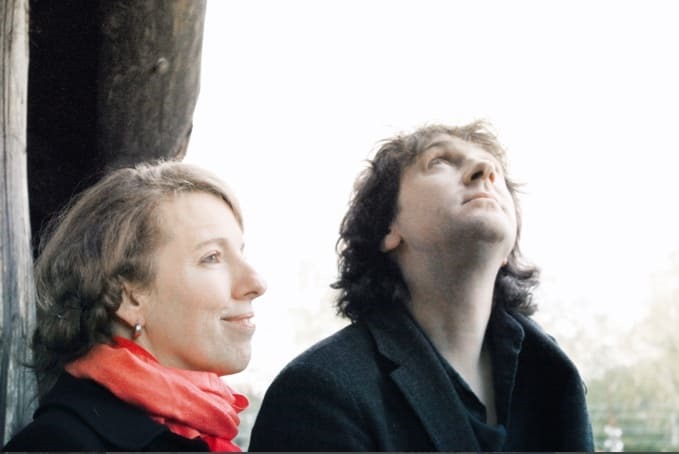
Alex Kretov and Shauna McLarnon are Ummagma. We like their dreamy brand of shoegazey pop here at Aural Aggro.

Since their inception in 2003, the duo have given birth to 3 albums (2 from Ummagma and 1 collaboration with Sounds of Sputnik), 4 EPs, many videos and remixes, as well as one awesome daughter (now 11 years old). ‘Music continues to be the glue that keeps us together, providing us symmetry and fuelling our dream machine’, they write.

In the past few years, they’ve worked with some really amazing producers and musicians – genuine icons in the field of dream pop and shoegaze – including Dean Garcia (CURVE and SPC ECO), Robin Guthrie (Cocteau Twins), Rudy Tambala (A.R.Kane, M/A/R/R/S), Malcolm Holmes (Orchestral Manoeuvres in the Dark), and Graham Bonnar (Swervedriver, BJM).

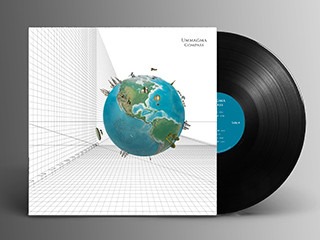
Compass finds them back out on their own: ‘Once again, we return to this fine place of equilibrium for this album, which will feature 12 original tracks’.

Compass has been five years in the making,  and their Indiegogo campaign has stacks of packages – which start from a credit for just a dollar. You can chip in here.

AA

Ummagma

AA

Ummagma Band

22nd September 2017

Christopher Nosnibor

Ummagma really do have some impressive friends and fans. The Canadian dreampop duo’s lush, textured shoegaze has garnered them not only and admirable fanbase and favourable critical reception, but has placed them into direct contact and collaboration with a number of their heroes.

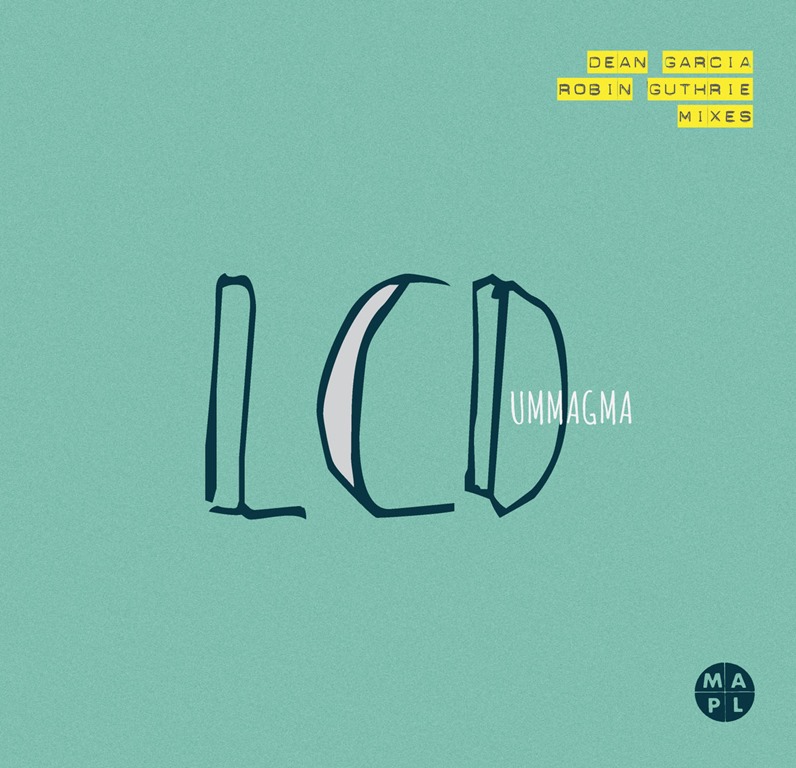
The ‘LCD’ EP, which follows up their ‘Winter Tale’ maxi-single with 4AD dream pop pioneer A.R.Kane earlier this year, features four tracks, including the new original title track ‘LCD’, and reworkings of Ummagma songs two legendary British musical figures in the form of Cocteau Twin Robin Guthrie, and Dean Garcia of Curve and, latterly, SPC ECO.

The lead track is a classic slice of 90s-tinged dreampop with tangents ago-go: a slippery funk-infused groove envelops what sounds like two independent drum tracks which interlace and intertwine, while synths bubble and grind. It all comes together to create something strangely nebulous and at the same time compellingly propulsive despite its lack of obvious form.

Dean Garcia’s SPC ECO mix really accentuates the spaciness of the track, stripping it back to a sparse frame around which echoed notes and voices drift. Gloopy beats reverberate around dripping synths and elongated drones to conjure a rich atmosphere. Garcia takes a similar approach to the minimal drift of ‘Back to You’, which takes a turn for the darker as its resonant bass tones hang in a rarefied air, cloud-like and barely tangible yet present.

What Robin Guthrie brings to ‘Lama’, which originally featured on their debut album, is a real sense of appreciation of the original, and an accentuation of the nuance. He also provides not only a new arrangement and mix, but additional guitar work, which renders it more of a collaborative piece than a straight remix. There’s something magically organic about it, and as Shauna McLarnon’s soaring vocal tops off the sonic soufflé perfectly.

AA

Ummagma – LCD EP


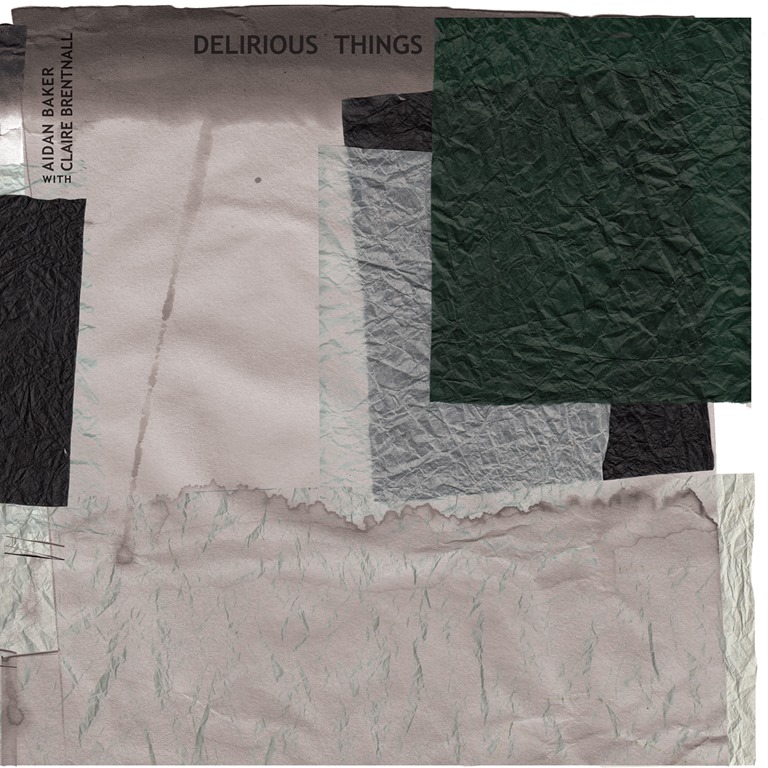
The premise of this collaboration between Aidan Baker and Claire Brentnall of Manchester-based purveyors of ethereal dark pop, Shield Patterns, is neatly summed up in the press release. It’s not an indication of lethargy to quote directly and at length but a recognition of the fact that a label or PR has the best handle on what it’s doing, and is every bit as capable of articulation as a journo. So much so, that there are those who also have a handle on the possessive apostrophe, for which respect is due. So, ‘Delirious Things is an exploration of Aidan Baker’s interest in 80s-influenced cold-wave, shoegaze, and synth-pop from such recording artists as Factory Records’ Durutti Column, Joy Division, and Section 25 and 4AD’s Cocteau Twins and This Mortal Coil’.

‘Combining song-oriented tracks with abstract interludes, the primary instrument on Delirious Things is a 1980s Casio synthesizer, rather than Baker’s usual guitar, though the synth is processed through his usual guitar effect pedals, creating heavy, layered washes of droning synth sounds overlaying electronic rhythms and pulsing bass lines. Baker is joined by guest vocalist Claire Brentnall, whose voice is reminiscent of Liz Fraser and Kate Bush but still distinctly her own.’

It’s a curiously hushed, tempered work and it’s the overall sense of quietness which is its most striking feature. We live in a loud world. As I noted when reviewing Jeffrey Roden’s Threads of a Prayer – Volume 1, I find it increasingly difficult to find the time and space to listen to quieter, more contemplative music: the ‘noise’ of the fast-paced society in which we now live is no longer a metaphor, and it’s evermore difficult to find a moment’s peace, metaphorically or literally. I’m not in a position to offer empirical evidence to substantiate the correlation between the pace and volume of life with the increasing prevalence of mental health issues because I’m a) a lazy journalist b) too busy to invest time on such detours while researching album c) struggling with my own anxieties (aren’t we all in our various ways, whether we admit it or not?). All that said, it’s perhaps also worth noting that despite the bewildering quantity of releases I receive to review, either physically or digitally, the number of works which dare to explore such low volume registers are few and far between. This means that while often being barely audible in some settings, such releases stand out alone by virtue of their difference. But, significantly, Delirious Things also stands out on merit.

Delirious Things is an album which is rich in atmosphere, but there’s something about it which feels uncomfortable and radiates a subtle but inescapable sense of discomfort. It takes a while to ascertain precisely what it is that’s awkward and vaguely discombobulating about it. Superficially, the songs are spacious, atmospheric dreamworks, th tructures loosely defined, the sounds partially abstract, the emotions they convey as fleeting and ephemeral as the recollection of the sensations and images of a dream on waking.

There’s an icy fragility about the songs, and Brentnall’s breathy vocals – as much reminiscent of Cranes’ Alison Shaw and Toni Halliday of Curve as the common touchstones of PJ Harvey and Kate Bush – are captivating yet, at the same time, also subliminal in their power. Laid down in layer upon harmonising layer, her voice is everywhere, and drifts from every corner of the music and even the silence between the sounds. This is nowhere more true than on the album’s vaporous final track, ‘Shivering’, which delicately glides beneath the skin and brushes at the bones and the soft matter beneath. The funereal ‘Dead Languages’ has echoes of late Joy Division or Movement era New Order, and distils its sonic elements to a stark minimalism that’s spine-tinglingly powerful.


Aidan & Claire


Beneath the surface, ripples of tension radiate and currents of darkness surge, silently but powerfully. Baker utilises stereo panning to optimal effect and subtle details like a fractional lag between beats across the left and right channels are incredibly effective, particularly when listening through headphones (which is strongly advised, because it facilitates optimal appreciation of the detail, while also reducing the bled of noise from the outside world, be it the babble of work colleagues, the hum of the boiler or the whirr of the laptop fan: reducing extraneous interference is essential in order to absorb the meticulous detail of this album). There are fractional delays between some of the beats between the channels. The effect is barely perceptible, but nevertheless a tiny bit disorientating. Of course, once you’ve noticed this, you can’t unnoticed. It’s impossible to tune out. But tuning in and embracing the It’s when one begins to look closer into the album’s detail that its true magic discloses itself.

On the surface, it’s a collection of quiet, calm, opiate-slow songs with a misty, hazy quality. How does this, and the referencing of the Cocteau Twins reconcile with 80s-influenced cold-wave, shoegaze, and synth-pop? Again, it’s in the detail: Delirious Things incorporates stylistic elements of all of the above, but reconfigures them, so, so carefully. The album’s success lies in the way it draws together recognisable genre trappings and familiar stylistic tropes and renders them in a fashion which is similar enough to be still familiar and yet different enough so as to be unfamiliar. What is different about this? you will likely ask yourself. In the mixing – the pitching of the beats way down in the mix, the way in which the sound is scaled down and paired back and stripped out of made for radio / iPod compression and exists with a very different set of production values. This gives Delirious Things a feeling of freshness, and ultimately renders it a triumph of artistic vision over commercial conformity.


PL055-LPjacket

Wrong Way Records – 16th September 2016

Christopher Nosnibor

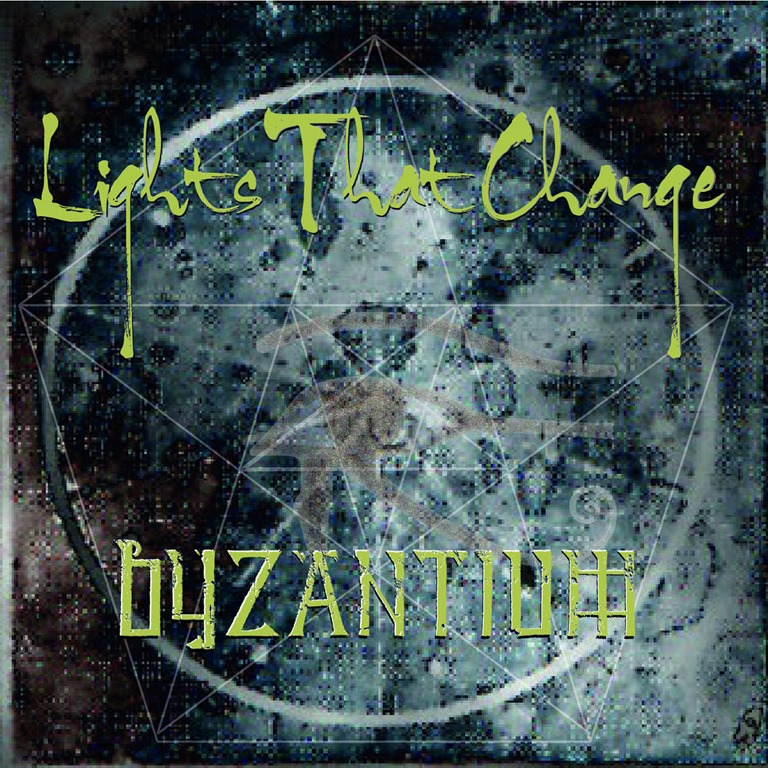
Described as ‘full to the brim with blood, sweat and tears and intertwined intricacies of the history of the known world’, Byzantium is the debut album from Welsh trio Lights That Change. The title itself brings with it immediate suggestions of ancient history and classical antiquary, while the band’s name is a fair representation of their shimmering, lustrous sound. These are not songs concerned with the everyday or the contemporary, but with timeless themes. Laced with an abundance references and invocations of classical deities and elements and intangibles woven into the lyrical fabric, the songs transcend the lives of mere mortals, conjuring ancient mysticism and long-lost myths and legends. 

It’s an album that doesn’t readily fit into any direct lineage: it’s certainly not in the folk style, traditional or contemporary, and nor is it strictly shoegaze or dreampop, but draws on aspects of them all. The execution is exquisite. The delicate arrangements and washes of reverb which surround Mandy Clare’s magical vocals imbue the album’s opening song, ‘Again’ with an air of mysticism. The guitars remain at a respectful distance, interweaving detailed latticeworks of texture.

‘Dea’ (on which OMD’s Mal Homes, who lends his drum programming skills to the album receives a co-writing credit) is fragile and sparse, with the layers of vocal harmony hinting not only at Slowdive but also Ultraviolet-era All About Eve. There are very few acts which could pen a song which calls to Greek goddess Athena and also quotes from the Latin hymn ‘Dies Irae’ without sounding affected or pretentious: this is intelligent, artful songwriting, evocative and contemplative.

If ‘Voices’ offers a more robust sound, driven by a strolling bass and rolling rhythm, it’s still characterised by fractal guitars that flicker and turn. Elsewhere ‘Golden City’ tells of fallen empires and builds drama and majesty over a Curesque bassline, while ‘Union (For Louise)’ is a perfect dreamy pop song which radiates a sense of joy.

Balancing delicacy and depth, Byzantium is an album not shackled by earth or time, floating in the stratosphere.


Lights That Change - Byzantium