Posts Tagged ‘Post Rock’

Trace Recordings – 8th July 2016

Christopher Nosnibor

It’s virtually impossible to hear or read the word ‘Rothko’ without thinking of the abstract expressionist artist Mark Rothko – at least if you have any kind of cultural awareness. And if you didn’t immediately consider Mark Rothko on arriving here, then either kindly leave, or settle in for an education of sorts. I’d hate to be accused of elitism here, but equally, I anguish on a daily basis over the mass cultural ignorance of our supposedly educated society. Having not been taught something in school or the fact something predates one’s existence is no excuse since the advent of the Internet. ‘I don’t know any Beatles songs – they’re before my time,’ is something I hear depressingly often. They’re before my time, too, and growing up in the 80s and 90s there was no Google. Perversely, the same people who are clueless of their artistic cultural heritage know all about Star Wars and Scooby Doo and Marvel heroes created well before their time. These people are buying into nostalgia kitsch of years which predate their existence. But the chances are that while they’ll happily buy into marketed nostalgia, they won’ grasp real nostalgia or real history.

This, of course, is where the latest offering from guitar / bass duo consisting of Mark Beazley and Michael Donnelley comes in. Discover the Lost is an album out of time, and in many ways bereft of context. And yet, it’s important to orientate oneself in time and space before engaging with this album.

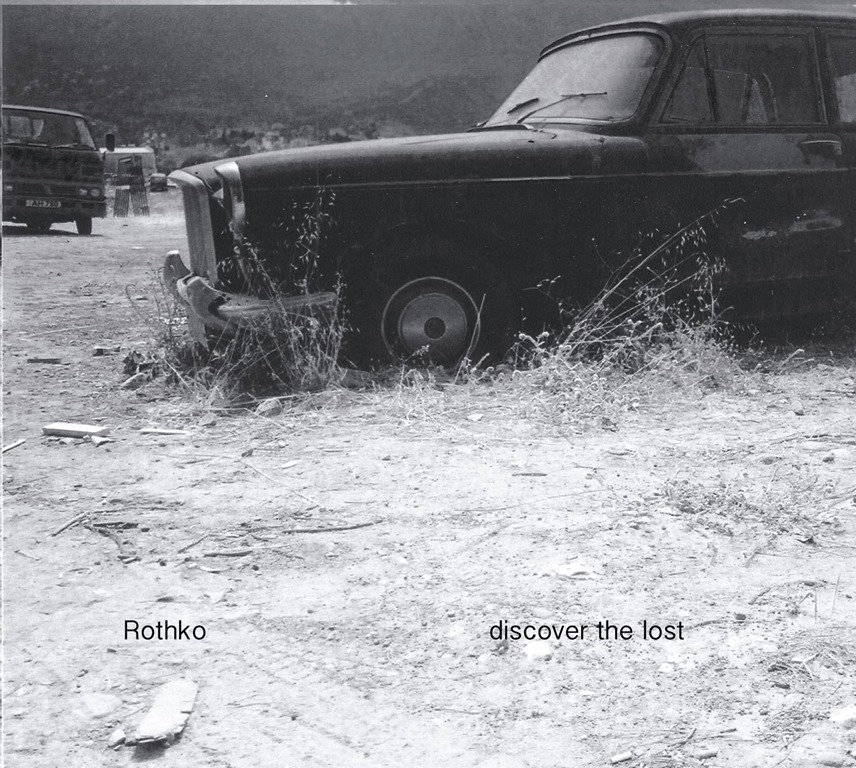
The black and white cover art is the very definition of nostalgia. It intimates the passage of time, the gradual decline of things made. The grass growing tall around the abandoned, rusted car is a representation of abandonment. Time moves on. The man-made world slowly degrades and is taken back by nature, But, during the process, the natural world is sullied by these once valued but now ugly, unwanted items, stains haunting the landscape with echoes of the past. But it’s important to distinguish between the kind of ersatz nostalgia of the mass-market, whereby the Rubik’s Cube and bigger Monster Munch are the focus of a widespread collective reminiscent sigh, and the kind of personal nostalgia which is altogether more difficult to communicate let alone package. Discover the Lost sees Rothko look beyond the consensus market-led strand of nostalgia and tap the vein of the latter in a work that’s evocative and intensely personal to the listener.

There is a grainy warmth to the instrumentation on the album’s ten tracks. The album’s intent may be upbeat, but the reflective atmospherics style of Rothkos’s music is thick with reflection, regret and missing. The analogue tonality of the guitar evokes through sound the sense of something old, worn to a deep patina by people long gone and forgotten. The music is slow, deliberate, haunting, the notes drifting into the air, carried on the echoes of empty rooms, as still as a tomb.

‘Thoughts for Tomorrow’ calls to mind the epic instrumental introduction to Her Name Is Calla’s ‘Condor and River’, but it would be erroneous to describe it as post-rock. It is, however, an evocative and subtly moving piece that resonates, and while the title suggests a forward-facing perspective, it’s nevertheless laced with melancholic retrospection. Strings sigh forlornly over ’Photographs of Then’. Of course, a photograph can only ever show the past, however recent, and often, the image only gains its full meaning or sense of place over time. Context reconfigures with hindsight. Nothing is fully fixed

The dark ambient drone of ‘Time that You Took’ marks a shift in tone. Upbeat it is not. A sinister bass prowls around ‘Truths and Signs’, before the closing couplet of ‘Way to Home’ and ‘You’ offer the light of hope.

The sequencing of Discover the Lost is integral to the listening experience: the tracks stand alone individually, but it’s only listening to them each in sequence that the full effect of the album really emerge. This is the beauty of Discover the Lost: it’s not about immediacy but a slow unfolding and realisation, the emerging discovery.


Rothko

Long Branch Records and Mystic – 6th May 2016

Christopher Nosnibor

Instrumental four-piece Tides From Nebula are an instrumental 4-piece fail from Poland. Some of you may already know that, especially if you’re reading this in Poland, given that I’m reliably informed that they’re Poland’s most popular post-rock band. But then, how big is post-rock in Poland? Big enough, I guess: it’s something that seems more popular in mainland Europe and beyond than domestically here in the UK, and home-grown post-rock acts like Her Name is Calla seem to have a bigger fanbase beyond the British Isles than at home. It’s not just about catchment or population: the UK seems, in the main, to be depressingly mainstream and conservative in its tastes. Anything remotely alternative is niche, and there’s little to no crossover between mainstream and alternative markets. Elsewhere, music fans seem altogether more accommodating and diverse, and the levels of enthusiasm shown to bands is significantly greater beyond the confines of our island shores too. I daresay that Tides of Nebula have felt the cultural differences during their extensive touring: since their inception, they’ve played over 500 shows globally, and Safehaven is their fourth album.

It is, without doubt, a quintessential post-rock album. The guitars chime and build their way, inexorably, to surging, euphoric crescendos that soar and sustain. Yet there’s an understated power evident here: there are some big chords, and the heavy strikes hang in the air with a long afterburn.

But then, ‘The Lifter’ marks a change of instrumentation and a change of style, the throbbing synths and more mechanised sound beneath the interweaving guitars presenting a sound more electronically focused, hinting more at Depeche Mode than the well-trodden post-rock conventions. And gradually, the album finds Tides from Nebula incorporate an increasing range of electronic instrumentation, and while as I say, it’ a quintessential post-rock album, it’s also an album that does a whole lot more and does so in a way that’s interesting and holds the attention instead of becoming bogged down in indulgent-wankery.

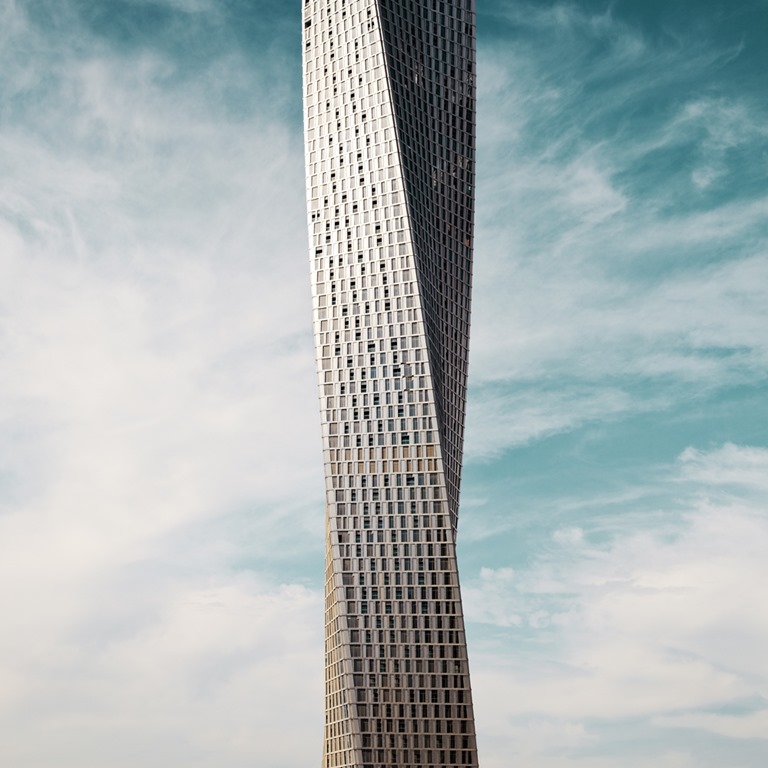
As the album’s cover art – a shot of the Cayan tower in Dubai or a manipuation thereof? – suggests, the album’s architecture is daring, and comes with a big twist. And as Safehaven demonstrates, it’s their ability to move beyond the conventions of straight, guitar-based post-rock – and to do so without it sounding forced or like a desperate push to step out of a well-worn post-rock rut – that really goes in the band’s favour. In fact, while the latest album by Explosions in the Sky sees them trying and failing to achieve precisely the same, Tides of Nebula succeed, striding confidently into expansive new territories. And in that context, it’s reasonable to call Safehaven a triumph.

Tides - Safe


Tides From Nebula Online

Bella Union – 1st April 2016

Christopher Nosnibor

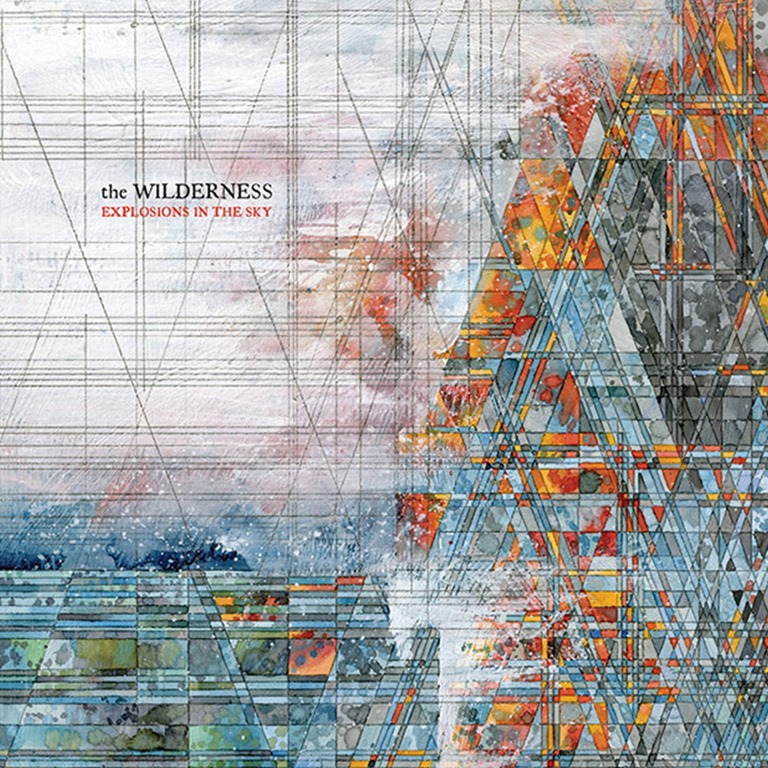
Explosions in the Sky have long been more than merely synonymous with post-millennium post-rock: their early albums effectively set the template for virtually every other band in the field with their delicate guitar work and epic crescendos. It’s been five years since their last album, and ‘The Wilderness’ finds Explosions in exploratory form.

It’s epic, for sure, and it’s also brooding, nuanced, detailed. The title track has all of the standard ingredients and gets the album off to a gentle start. So far, so much business as usual.

But the album as a while feels far from formulaic, and it would be a stretch to align many of the tracks here to any genre other than progressive. There are bold, rumbling pianos and drums that roll like thunder as vast sonic vistas unfurl. But instead of the storm of crescendos, there are expansive near-ambient passages, flickers and bubbles of electronica

Urgent drumming underpins the moody ‘Infinite Orbit’, which actually feels like an intro passage to a latter—day Swans track and is one of a number of shorter tracks that point to a relatively concise album – in fact, only three of the nine pieces here extend past six minutes, with the dark and sombre ‘Logic of a Dream’ proving to be one of the most expansive tracks both in terms of duration and sonic reach.

Perhaps ironically, then, while it does feel like Explosions are striving to tread new ground, in abandoning the trademark dynamics that defined the post-rock genre, they’ve produced an album that lacks any sense of action. It’s pleasant, mellow, even. It doesn’t make you feel anything (yes, when I write ‘you’ I’m projecting my own experience as a listener onto you, the reader, both individually and collectively), and ultimately it’s bland and inessential. It’s a proggy post-rock album in an endless desert of proggy post-rock albums. A wilderness indeed.

Explosions in the Sky - Wilderness


Explosions in the Sky Online

Gizeh Records – GZH67 – 1st April 2016

Christopher Nosnibor

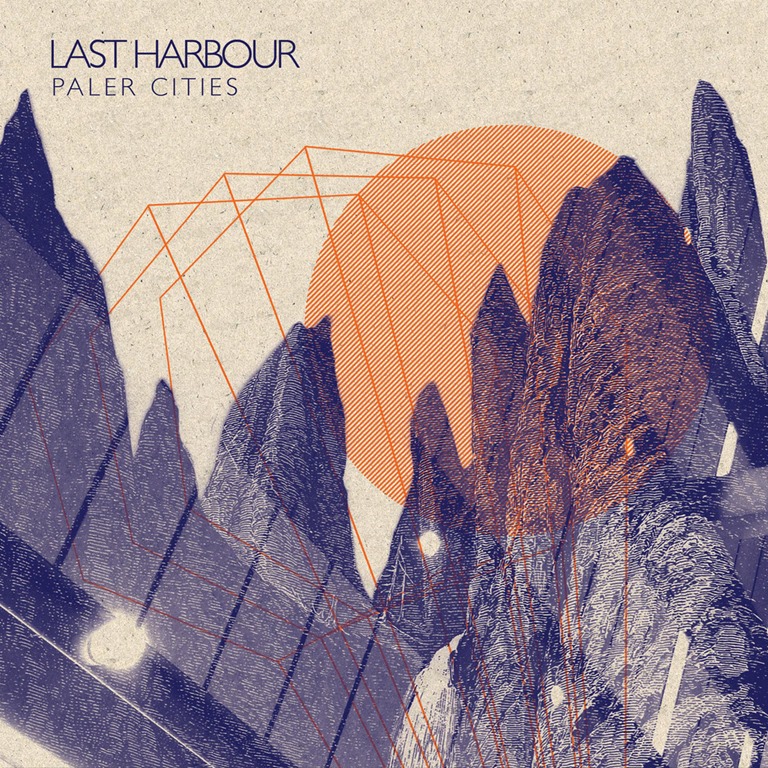
Last Harbour aren’t exactly renowned for their prolific output. They may have released six albums, but it’s taken the best part of 17 years, and the gap between the last two albums was a full four years. So, for Paler Cities to follow less than a year after their last long player, the immense Caul, feels like a real step-up in terms of momentum. The 7” single is accompanied by a brace of digital-only tracks, and the quality of the material is both consistent and superlative.

They’ve struck a rich seam of gloomy post-punk folk music, and ‘Paler Cities’ indicates a further evolution, showcasing a new-found stripped back approach to the compositions. A tense, chorus-heavy guitar provides a suitably stark backdrop to K Craig’s intonations of mournful longing delivered in his signature cavernous baritone.

Flipside ‘The Curved Road’ is a brooding, introspective effort which goes deep inside while evoking dark late-night imagery and conjuring psychological drama. The stealthy, almost subterranean, wandering bassline really makes it.

The digital tracks are of an equal calibre: ‘A Better Man’ is beautifully lugubrious and understated, dripping with minor-key violin, and with its chiming guitars and sad-sounding string arrangements, the darkly dreamy ‘Witness’, with its sweeping vistas, displays post-rock tendencies (or, more specifically, it echoes I Like Trains at their most melancholy).

There’s an overarching theatricality to the four tracks on offer here, and while they’re downtempo and downbeat, the aching beauty that lies in their shadowy depths is utterly compelling.


Last Harbour - Paler

https://w.soundcloud.com/player/?url=https%3A//api.soundcloud.com/tracks/244857832&auto_play=false&hide_related=false&show_comments=true&show_user=true&show_reposts=false&visual=true

Last Harbour Online