Prophecy Productions – 17th May 2024
Christopher Nosnibor
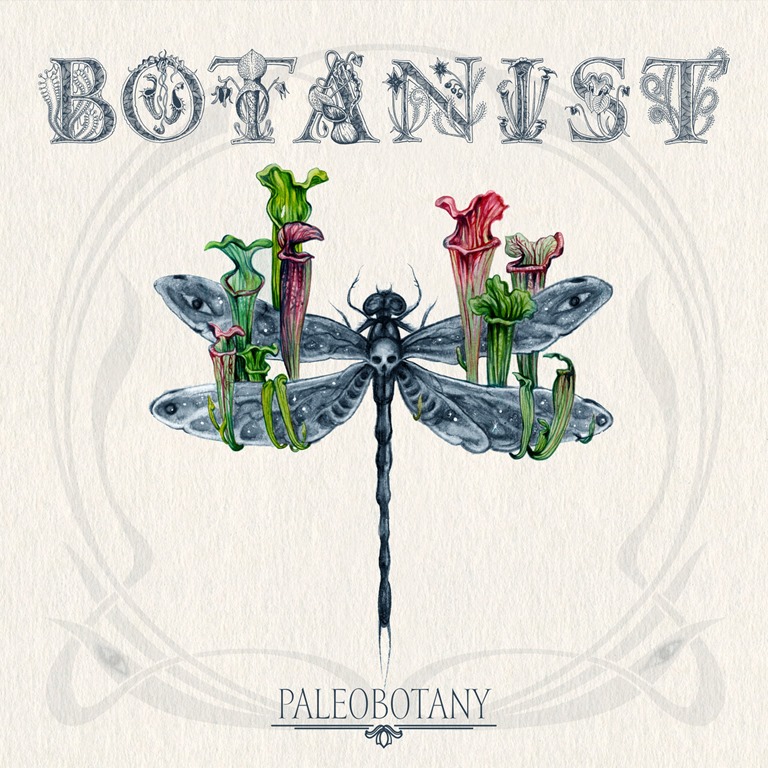
While many progressive metal bands are preoccupied with space or fantasy realms or mythology in some form, with San Francisco’s Botanist, the clue’s in the same, and it’s an obsession with species of plant-life which have provided the lyrical focus over the course of eleven previous albums before Paleobotany, which, they say, ‘take[s] us back more than 70 million years to a time when dinosaurs ruled the planet and early forests began to turn to coal. Before the age of giants ended in flames with the apocalyptic impact of the Chicxulub asteroid, some families of plants that still have descendants today also grew much larger.’ Bet you didn’t know that, did you? But then, the title tells is, really: an album about the botany of the Palaeolithic era.
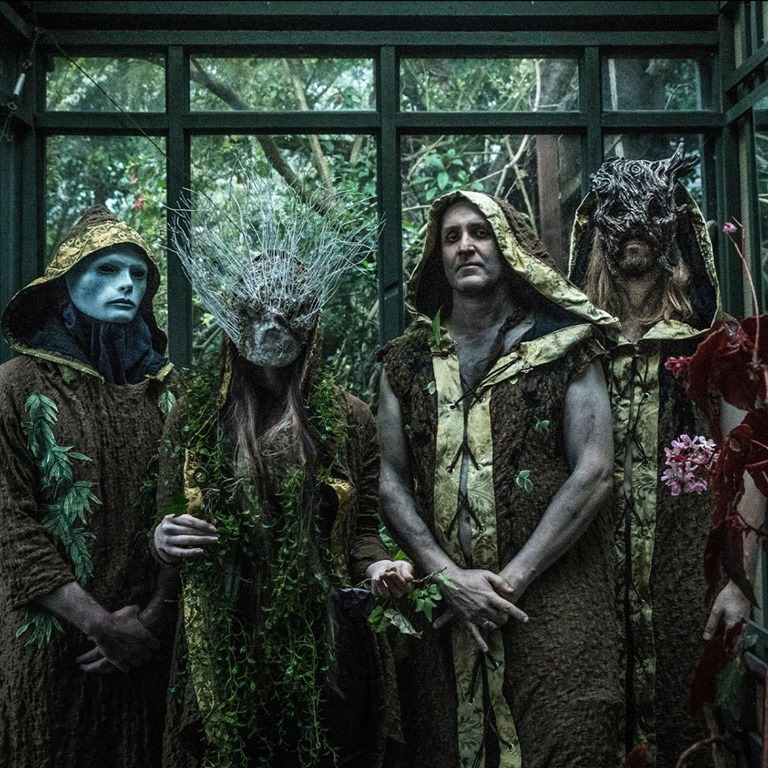
Sonically, Paleobotany is interesting, and is more progressive than it is overtly metal for the most part, perhaps on account of the less conventional instrumentation used by the band, as outlined in their bio, which details how ‘Their music clearly has its foundation anchored in ‘metal’, but instead of 6-string guitars the Americans use 110-string hammered dulcimers. To the confused horror of traditionalists, BOTANIST fit these percussion-stringed folk instruments with magnetic pickups and distort them through various perverse means that range from amplifiers via analogue tape to digital manipulation.’
Perverse seems to be the operative word here. It’s fair to say that this is a band unswayed by trends or popularity. The overall sound is an amalgam of folk and progressive, and it’s highly melodic, too – and not just in the instrumentation. For the most part, the vocals are clean, soaring, tuneful, apart from the occasional foray into growliness, and they sit comfortably atop sweeping layers of cinematic sound, of which ‘Sigillaria; is perfectly exemplary. The bass runs in the closing bars of ‘Archaeamphora’ are more jazz-influenced than anything, and there are some truly black moments, such as ‘Strychnos Electri’, the verses of which are propelled by double-pedal bass beats and a deep growling vocal – but then they’re off on a tuneful trip about ferns with a tuneful piano rolling along in balladic fashion. When they’re heavy, they hit hard in the guts, but much of the album is given to expansive fields of tunefulness.
Their eschewing of all the conventional tropes is admirable and offers and exciting prospect, and while the concept is novel it is quite remarkable that they’ve managed to eke it out this long. At times, it does feel a shade pretentious – it’s certainly a little serious and lofty, with some of the lyrics sounding more like excerpts from essays in journals. This is by no means to denigrate intellectualism in music or anywhere else for that matter. Musically it’s an incredibly complex and accomplished work. It’s just… maybe it’s just a niche I can’t quite connect with.
AA
 Aural Aggravation