Posts Tagged ‘old-school’

Christopher Nosnibor

Apart from a couple of dates earlier in the year, it’s been a fair while since OFF! toured the UK. This visit consists of half a dozen dates, taking in Dublin, Glasgow, Bristol, Brighton, and Pitchfork Music Festival in London – which makes York a real outlier. Leeds, you’d probably expect – having previously brought the noise to The Brudenell and Belgrave – but York? The Crescent has been going front strength to strength in recent years, and with some bold booking (notably, tonight’s show is hosted as a ‘Brudenell Presents…’ event), the 350-capacity venue has been bringing some impressive names to a city that for many years languished as a musical backwater.

OFF! certainly qualify as an impressive name. As a founding member of both Black Flag and the Circle Jerks, Keith Morris is indisputably one of the key figures of the original hardcore scene. Since hooking up guitarist-producer Dimitri Coats (Burning Brides), they’ve built a supergroup that’s been tearing up venues since 2009. And the reason they’ve such a strong following isn’t because of who’s in the band, but because they deliver pure, back-to-basics hardcore punk: hardly any effects pedals, no gimmicks or banter, just song after song, most under two minutes long, played as hard and as fast as is humanly possible.

This current iteration finds them boating a powerhouse rhythm section comprising bassist Autry Fulbright II (…And You Will Know Us by the Trail of Dead) and drummer Justin Brown (Thundercat, Herbie Hancock).

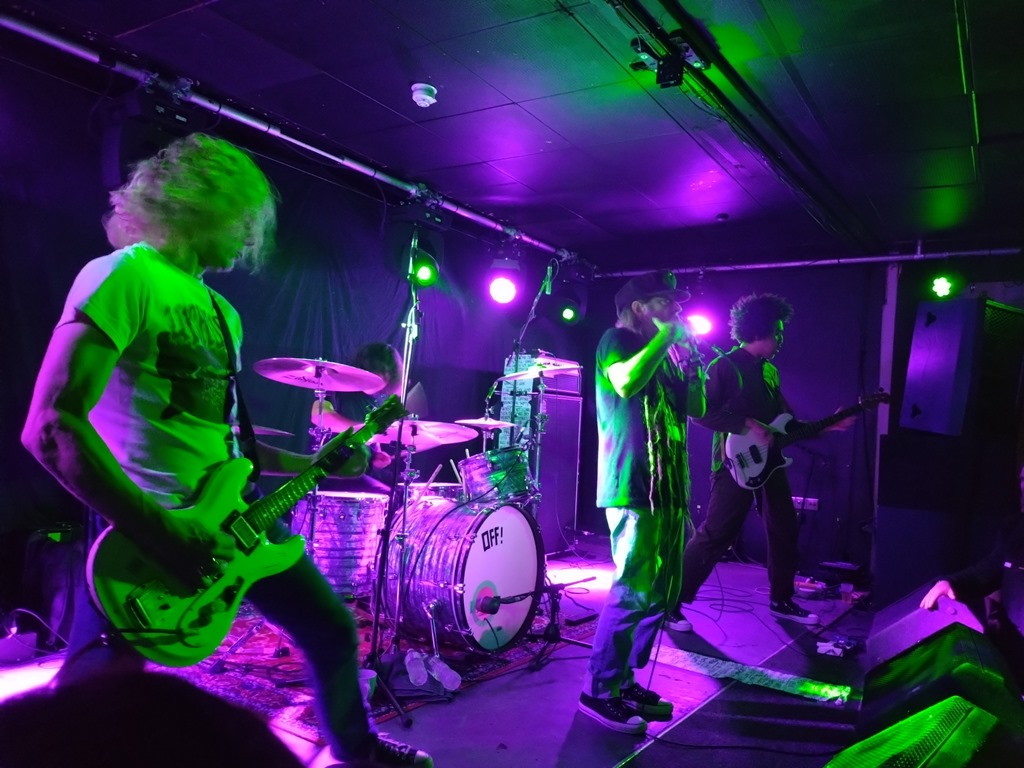
In tow, they have Washington DC punk duo Teen Mortgage. They shuffle into the stage crowded with kit (it’s not a tiny stage, but two big drum kits plus some beefy backline don’t leave much room. The singer / guitarist is wearing a Motorhead T and has patches of Misfits and the like on his jeans. He greets the crowd with a drawling “Whassuuup?” and then they’re straight down to business. The duo sound cheap, trashy and in places slightly thin by design: they’re not into the new trend of heaps of effects and splitting the guitar through two cabs or whatever. They’re doing it the old school way, fast and frantic, and with the drums dominating. The result is rather like DZ Deathrays with the addition of twirling drumsticks. Nothing technical or complex, just two guys making a racket and at fast pace. And it’s ace, because it’s so immediate. The crowd – and it’s a decent turnout – recognise this and the moshing gets going early on.

OFF! don’t piss about either. Again, there’s absolutely nothing fancy about their or their setup. Brown has the band’s name in strips of electrical tape on the bass drum. The kit looks battered, and there are just a few bottles of water and mugs of herbal tea on stage – and again, barely any effects pedals.
20231110_21425320231110_215629

OFF!

Keith Morris may have started his careers as an angry young man, and now he’s an angry old man who still performs with the passion of an angry young man. This guy really puts so many bands a fraction of his age to shame. He’s now into his late 60s, but doesn’t stop for breathers, there are no instrumental breaks while he recovers himself: instead, he rants away as feedback streams from the stage between songs. The bald spot is now covered by a hat, and the dreadlocks are down past knees. But other than this, little is different from the times I saw them in 2012 and 2014: the hand-written setlist is still several feet long, consisting of half a ream of sheets taped together and they power through almost thirty songs in less than eighty minutes. Bam! Bam! Bam! Song after song, each one blasting in, bamalamalamalam and stop! The moshpit grows and grows, and the energy in the room is fantastic. And then they’re done: quick, clean, and efficient, this is hardcore at its best.
6th October 2023

Christopher Nosnibor

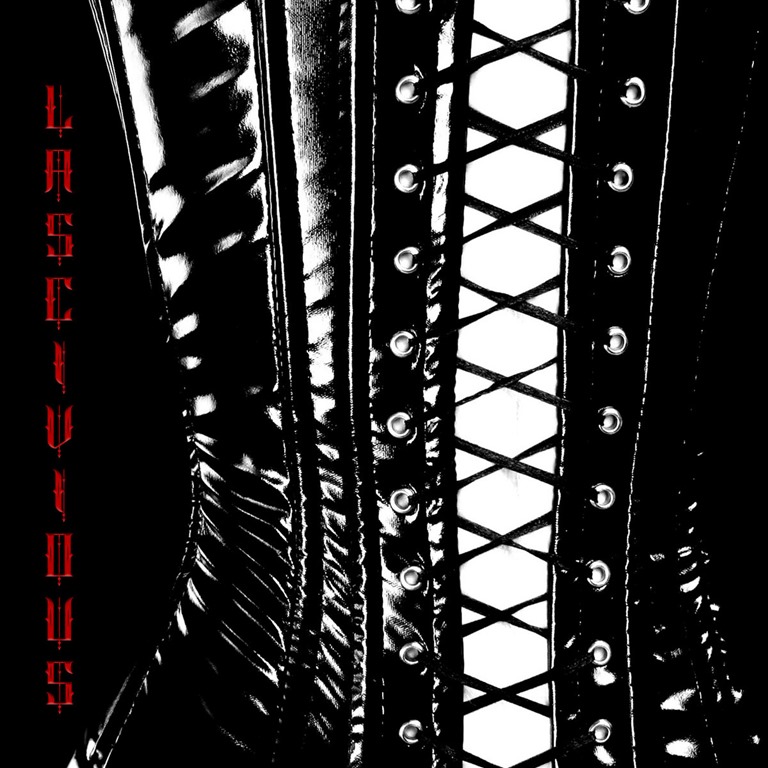
Lascivious is Black Angel’s fifth album, which promises the band’s ‘hybrid Gothic Rock sound and taking flavors from their 80’s predecessors while adding new tones… retaining the essential gothic elements that drive his inspiration as originally provided by the likes of Siouxsie and the Banshees, Bauhaus, The Cult & Sisters of Mercy.’

Certainly, Lascivious is steeped in the stylistic tropes of the 80s, not least of all the thick four-four bass grooves and smashing snare drum which both dominates and defines the sound. But the first thing that strikes me, as a longstanding fan of that golden era in the 80s (I was too young for the start of it all but when The Sisters and The Mission started breaking the Top 40 singles charts between 86 and 88, it was a revelation which set me on a lifelong journey) is that the ‘new tones’ very much involve contemporary production. That is to say, it’s just that much cleaner and fuller, more polished than the true ‘vintage’ sound.

Ah, but they know the features of yesteryear. It’s been a while since I’ve heard a fadeout, but that’s just what happens on the album’s first track, ‘Killer’ – and it’s not the last time on the album they employ it either.

The drum intro on ‘Black Velvet Amphetamine’ is an on-point lift of the snare sound of the Sisters’ cover of ‘Gimme Shelter’, and many of the sounds can be pinpointed as having a certain root or origin. In fact, five seconds into the title track, it’s clear that the drums are lifted from ‘Heartland’, although it also leans on the Sisters’ cover of ‘Emma’ by Hot Chocolate, and it’s clear they’ve been raiding the early Sisters back catalogue – and fair play. The Sisters achieved some incredible sounds with minimal means, with ‘Temple of Love’ marking their first step up from an eight-track ‘studio’ in the run-down northern seaside town of Bridlington.

But if the drums and guitar work make big nods to The Sisters, Corey Landis’ croon is closer to that of Wayne Hussey than the cavernous baritone of Andrew Eldritch. One of the divisions between fan-camps when Hussey and Adams went and formed The Mission – and a source of tension when Hussey began offering songs with lyrics. I write as a fan of the Mission when I say that while they work in the songs, Hussey’s lyrics are more cliché patchworks than literary masterpieces (Eldritch played with and perverted cliché and did so poetically), and one problem with bands who followed in the wake (excuse the pun) of both The Sisters and The Mission is that they’ve had a tendency to ape the lyrical substance without really adding anything creatively unique

‘She’s My Suicide’ slips into more generic rock with a gothy edge, and makes me think of the bands who emerged following the cult but had more of a hair rock leaning, reminding me why despite all my teen goth credentials, I was pretty picky but then, right at the end, they pull out a really gritty, spindly guitar break that’s magnificent, reminding me of The March Violets. And this is a fair summary of the album as a whole: some really good bits, some solid songs, but some rather weak and generic aspects which hold it back in the bracket of ‘decent’ rather than ‘awesome’.

‘Bite It’ bristles with spiky guitars and a low-slung groove, and is perhaps the first song that seems to really fit with the sleaze implied by the album’s title, and ‘Want’ also achieves this, but suffers from trying too hard to be ‘More’. It’s a fair stab at bombast, but it’s hard to compete with the Sisters, especially when they’ve got Jim Steinman on hand, plus a whole host of backing singers and a monster budget for state of the art studio time. I’m sorry I’m not more undemanding. Halfway through ‘Dirty Little Secret’, I realise its chords are based on Motörhead’s ‘Ace of Spades’, and afford myself a small chuckle.

The slower, ‘Ticking of the Clock’ is driven by a crunchy, flangy bass that’s pure early Cure, and is one of the album’s real standouts, by daring to deviate from any obvious formula, and in fairness, the title track is low-slung, sleazy, and grinds out a dark seduction with style.

Sonically, Lascivious is more than solid, and Black Angel clearly know what their doing: there’s no question they have their sound and style absolutely nailed – and consequently, with this set of solid songs, the album will go down well with existing fans and a huge chunk of the goth crowd, and deservedly so.

AA

a3733231510_10

Spartan Records – 7th September 2023

Christopher Nosnibor

Milliseconds featuring Joe Easley (drums) and Eric Axelson (vocals / bass / synth) of The Dismemberment Plan, and Leigh Thompson (guitar / noises / pedal board) of The Vehicle Birth will release their J Robbins-produced debut LP So This Is How It Happens on October 13 via Spartan Records.

After recently premiering the first single ‘Time and Distance’ on Stereogum, the band is now unveiling the second single ‘Fallingwater.’

I have to confess that with so many submissions, I, like many in the ‘industry’ and also the majority of the public in this era of low-attention and time-constrained living, make instant judgements about not only music, but pretty much anything and everything. I’ll read a headline and not bother with the article, or if I do, may only make it through the first paragraph before my opinion is set and I move on. It’s a habit I annoy even myself with, and it’s a relatively recent habit I’ve developed, which I can pretty much pin to the start of the pandemic, in the days before lockdown when I would be checking the same news sites every couple of minutes to see if there were any new developments, for updates on numbers of cases and deaths.

So about ten seconds into ‘Fallingwater’, I’ve already reached the conclusion it’s limp toss, a slightly emo take on pop-punk, with its cleanish guitar sound and sing-song, slightly nasal vocals. But in the time it takes me to process why I don’t like it, I realise that actually, it has qualities I do like. It’s one of those songs that finds its stride as it progresses, and ultimately reveals itself to have more in common with proper 70s punk than the sanitised fully-adult-guys-bouncing-around-and-making-like-they’re-still fifteen-and-represent-the-youth’ punk-pop shit that’s still being released faster than babies are being born around the globe.

Sure, it’s melodic, but it’s got an edge to it, as well as some nifty unexpected changes which indicate some pretty smart songwriting skills, especially as said changes aren’t awkward or jarring. Having revised my position, I decide that maybe this is a song that warrants some coverage, which I might feel like devoting some time to some discourse, even if some of that discourse is around the process of creating that discourse (or deciding against doing so).

Only then, then, do I consider the accompanying notes – because as much as I can find myself drawn by the pitch, I think that what matters ultimately is the music. Great PR won’t make a shit song amazing – although it does seem that some may be blinded by great PR to the extent that some real crap can go massive, even if briefly by generating some kind of mass delusion, but that’s perhaps for another time.

In explaining the song’s inspiration and style, Axelson says, “Musically we felt like we were tapping into Hüsker Dü and The Kinks when writing this. Those chorus chords especially with the high strings ringing out as a drone definitely owes something to Bob Mould, and the riff in seven that separates sections of the song, feels like some early / mid Kinks, or maybe ‘Alex Chilton’ by the Replacements, but in seven. The weird twist comes in the bridge: initially it was just one voice, but in the studio we layered harmonies and it came out a bit Beach Boys, just maybe not as pretty.”

It isn’t, but then, The Beach Boys were just too clean and pretty, too lightweight and sanitised, whereas with ‘Fallingwater’, Milliseconds still bring some bite – more the spirit of ’77 than anything combining the punchy panache of Buzzcocks with the savvy of Wire to make for three and a half minutes of old-school enjoyment.

AA

Milliseconds_01_Col_edit

Photo Credit: Evan Bowles

22nd of April 2022

Christopher Nosnibor

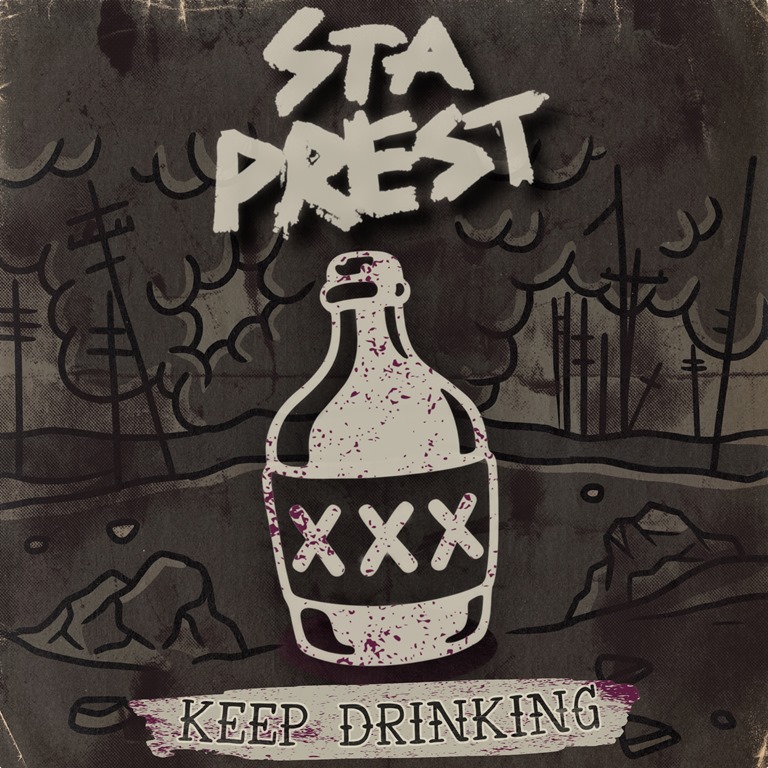
I can’t help but think of Stewart Home’s riotous 90s novels with wild tales of skinhead antics around London penned in parody of Richard Allen’s seminal pulp youthsploitation ‘Skinhead’ series of novels from the 1970s when I see ‘Sta Prest’. In Home’s early novels, there’s a skinhead dropping his Sta-Press trews to receive a blowjob every ten pages, and it’s high comedy and the pages are infused with the sounds of punk rock and ska.

Essex snappy-dressers Sta Prest can genuinely claim to have been there, having started life in the 1970’s. Their return after a LONG time out follows the retrieval off their demos from ‘78 from the vault at Abbey Road Studios.

Back in the day, they only released a brace of singles, with a retrospective compilation emerging in 2010, and it’s only now that they’re finally getting to release their debut album proper, Shadow Boy, with ‘Keep Drinking’ being the first cut released to the world.

They describe it as ‘a modern drinking shanty’ and it’s a rough and ready, choppy, jaunty slice of punk that sounds like the school of 78, only with references to conference calls at lunchtime;’ and various other contemporary markers. Ultimately, as much as it’s a shanty or a punk rock tune, it’s an anti-capitalist, anti-organisational song that’s delivered with a fist-pumping energy. And the sentiment – the desire to ditch it all and fuck off down the pub – is timeless. It’s energetic, it’s fun, it’s relatable, and I’ve got time for one more.

AA

Sta Prest - Artwork

21st June 2021

Black Angel emerged four years ago, and released Kiss of Death in July of last year – an album that brought together Matt Vowles’ years of experience from being in and around the goth scene to recreate the spirit of 1985.

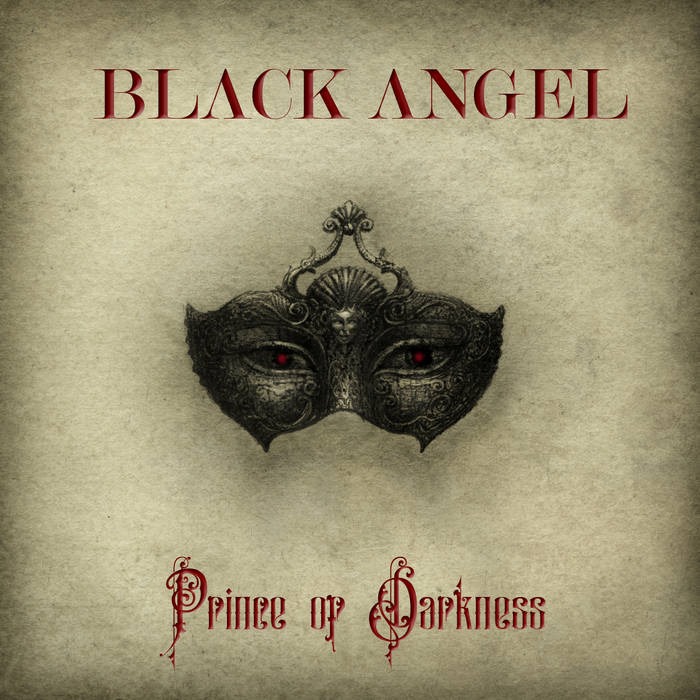
This time, Vowles and co have come out with a concept album for their third outing, which is ‘inspired by cinematic classics such as ‘Dracula’ (Gary Oldman-1992) and ‘Interview with a Vampire’ with contemporary inspiration on tracks like "Alive" and "Give It To Me’" from the modern aristocratic sophisticated vampires in ‘Underworld’.

The album’s concept, the blurbage explains, is ‘to take you on a journey. The record starts out with an introduction to set the tone and to put you in 10th century England. As our protagonist embarks on his pillage through the town, we hear screams from the villagers as they run for their lives. He’s the Prince Of Darkness and causes chaos and mischief wherever he goes’.

There’s a fine line between artistry and pretence, theatre and corn, and despite the concept that veers towards an amalgamation of all the clichés of goth distilled into a dozen tracks, Prince of Darkness once again nails that vintage goth sound, with ‘Alive’ melding the energy of early Mission with the mechanised drumming of The Sisters to create a swirling cyclone of tripwire guitars and gloom with a glint of joy.

The energy is sustained across the bulk of the album, and the vibe is very much a muscle-flexing dominance, delivered with a big, ballsy swagger: there’s a hefty whiff of testosterone and a barrel load of rock god posturing going down here, but it’s delivered with a knowing nod ‘Live to Love’ is a proper old-school rock ‘n’ roll stomper with a smoky vocal growling and grizzled over a piston-pumping beat and a wonderfully insistent bassline that nags away at a repetitive motif. It’s got that level of grab that immediately makes you want to stick the whole album on repeat, especially after ‘Turn Around’, which pushes the quiet / loud dynamic with a searing guitar line that’s right in the vein of The March Violets – it’s that flangey reverby chorus thing.

Vowles has some depth, and range, too – on some tracks, like ’Call the Night Part II’ he showcases a grainy croon reminiscent of Mark Lanegan, and it’s heavy timbre is well-suited to such expansive epics, and then again, on ‘Secretly’ we see a more soulful, even tender side, and ‘My Love’ goes all out for the heart on sleeve grand gesture. It’s theatrical, but at the same times feels emotionally sincere, and while the melody bears similarities to ‘The Scientist’ by Coldplay, it sounds like it’s being sung by James Ray, and it’s quite moving in a brooding, gothy way.

Throughout, the songwriting is solid, with guitar hooks galore and a taut rhythm section that forges that classic goth groove. There’s a clear lineage from its predecessor in that Prince of Darkness is very much old-school goth delivered with a subtly contemporary twist, but it sounds and feels more confident, more ambitious, and not just on account of its embracing an overarching concept. Prince of Darkness is the sound of a band really hitting their stride, and achieves the perfect marriage of concept and execution.

AA

368330