skoghall rekordings – 18th March 2026
Christopher Nosnibor
Patience is supposedly a virtue… but then apparently, there’s no time like the present. And you’re supposed to strike while the iron’s hot. Clearly, Trump and his negotiators and so-called ‘Minister of War’ figured there was no time like the present even while negotiations with Iran were progressing nicely, with Iran offering substantial concessions around their nuclear programme.
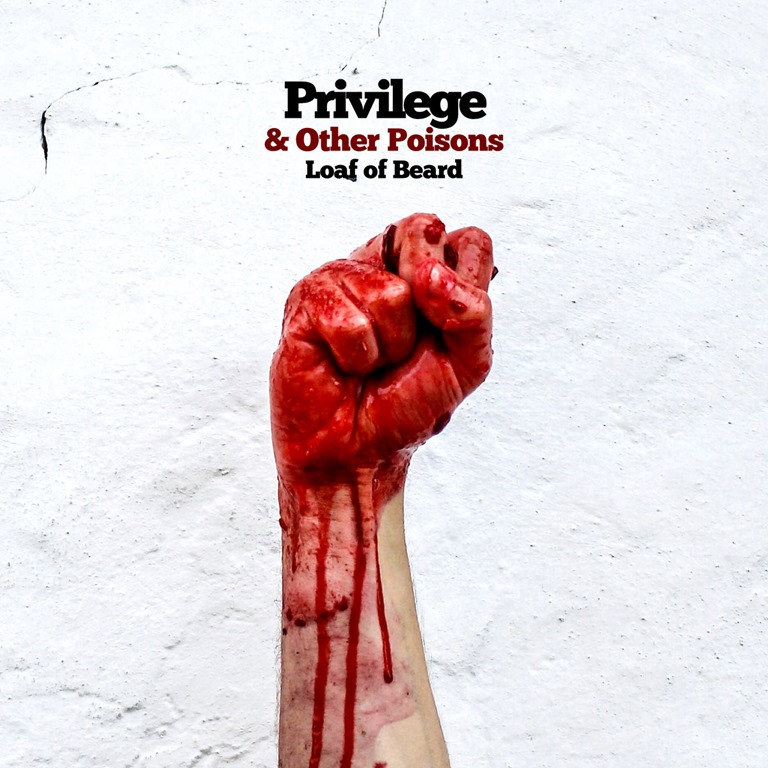
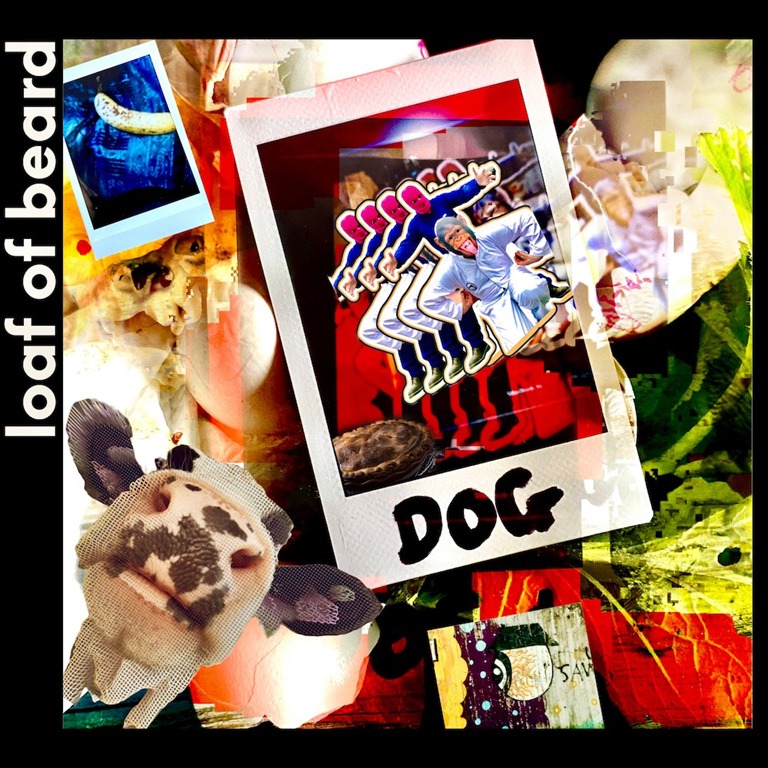
Loaf of Beard’s follow-up to 2023’s Dog had been scheduled for a couple of months’ time, but from nowhere, it’s been brought forward and landed yesterday. It’s not even a Friday, let alone a Bandcamp Friday! Still, after LoB material got an airing on a jaunt of the UK late last year, this might be considered an example of striking while the iron’s still a bit warm, and moreover, given the way things are going, there really is no time like the present inasmuch as we can’t guarantee there will even be a future. There is an urgency to making art right now, and putting it out there FAST isn’t so much about keeping it relevant – although that is a factor, since events are happening at such pace it’s nigh on impossible to keep up – but about processing all of this shit and conveying the intense and myriad mixed emotions these insane times engender.
As they write in the accompanying notes, ‘In these constantly changing and worrying times it is somewhat of a relief that certain artists go out of their way to document humanity’s descent into fucking stupidity and greed’.
Loaf of Beard – a duo consisting of Chisel and Rabies Beefburger tackle these serious matters with an element of humour, Chisel ranting and chanting in a distinctly north of England sprechgesang over uptempo lo-fi drum machines and scratchy electronica. There’s something uplifting about both the musical and lyrical simplicity. On ‘All Of This Lot Can Get Fucked’, Chisel reels off a list of politicians and other public figures, with a chanting refrain of ‘get fucked’. It’s simple but effective, and in a just world, they’d be playing to hundreds of people all singing the words back at them in a display of unity. But that’s not the world we live in, as they point out on ‘Shit Mic, No Fans’:
Some might say I’m the laziest rapper
I have to admit, that there’s none crapper
All the fucker MCs come along and diss me
I spit out rhymes, they just dismiss me
The irony is that this isn’t a million miles away from Sleaford Mods in many respects., and I suspect they’re aware of this fact. When you boil it down, it’s sweary sociopolitical rants with repetitive hooks delivered over minimal electronic backing. But while there is humour here, at times, Privilege and Other Poisons is unafraid to venture into dark territory, and this is nowhere more apparent than on ‘B.A.E’, where they call out the manufacturer of arms and ‘informational security’, whose share price has absolutely skyrocketed in recent years, since Russia invaded Ukraine and war has essentially spread around the globe, with the lugubrious refrain of ‘B.A.E and their profits of death’. And this is how the world works under capitalism. A small – very small – minority coin it in while everyone else’s lives crumble and tens of thousands of people – innocent civilians – are slaughtered because some cunts in suits who wield power beyond imagination are petulant pieces of shit who want global domination like in a stupid movie and think it’s a game.
Elsewhere, ‘Claptrap Fåntratt’ sounds like The Fall circa Light User Syndrome (which is severely underrated in the scheme of their oeuvre). ‘Freeze Peach’ goes full-throttle raging electro/punk thrashabout, with Chisel foaming at the mouth with the chorus of ‘take your fucking flags down dickhead’ before going all-out Beavis and Butthead. ‘I Feel Like a Twat’ serves up a slice of cheesy jazz-infused disco funk, and knowing its awfulness is conscious and intentional only raises the level of awkwardness. This is Loaf of Beard all over. They exist to make you feel uncomfortable – and they succeed. And I for one respect that.
Semi-ambient pastoral contemplations about wildlife and sightings of elk make for some welcome respite: it’s not healthy to be raging all the time, and however fucked the planet may be, nature is resilient. It’s us who need to become extinct.
AA
AA
 Aural Aggravation