Posts Tagged ‘Eclectic’

Christopher Nosnibor

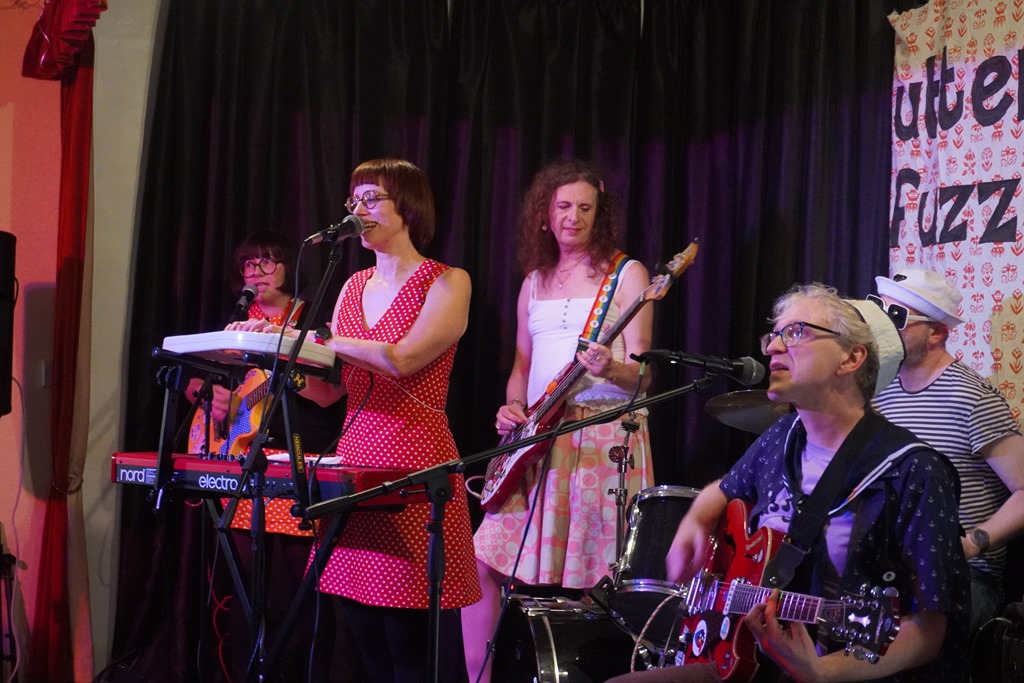
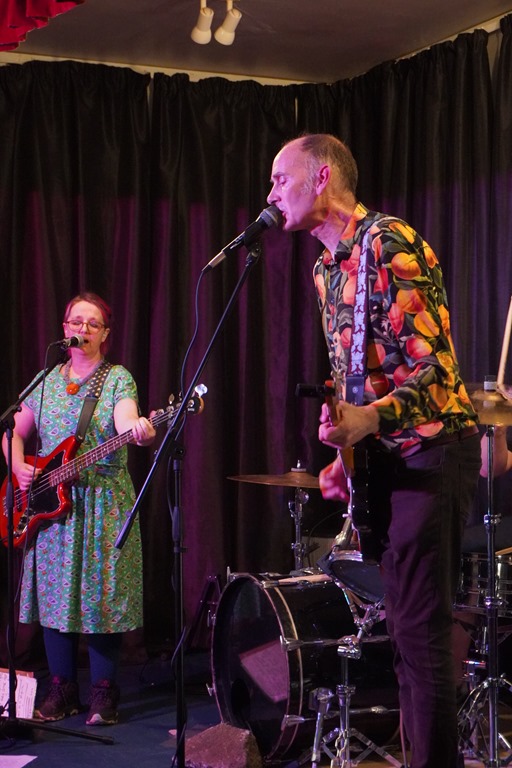
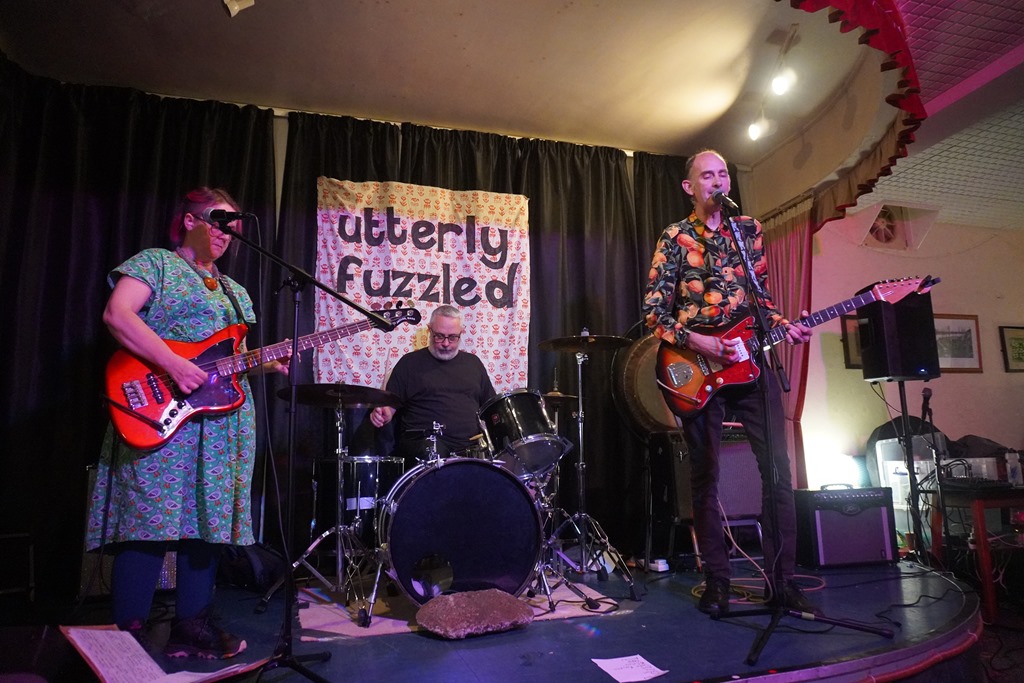
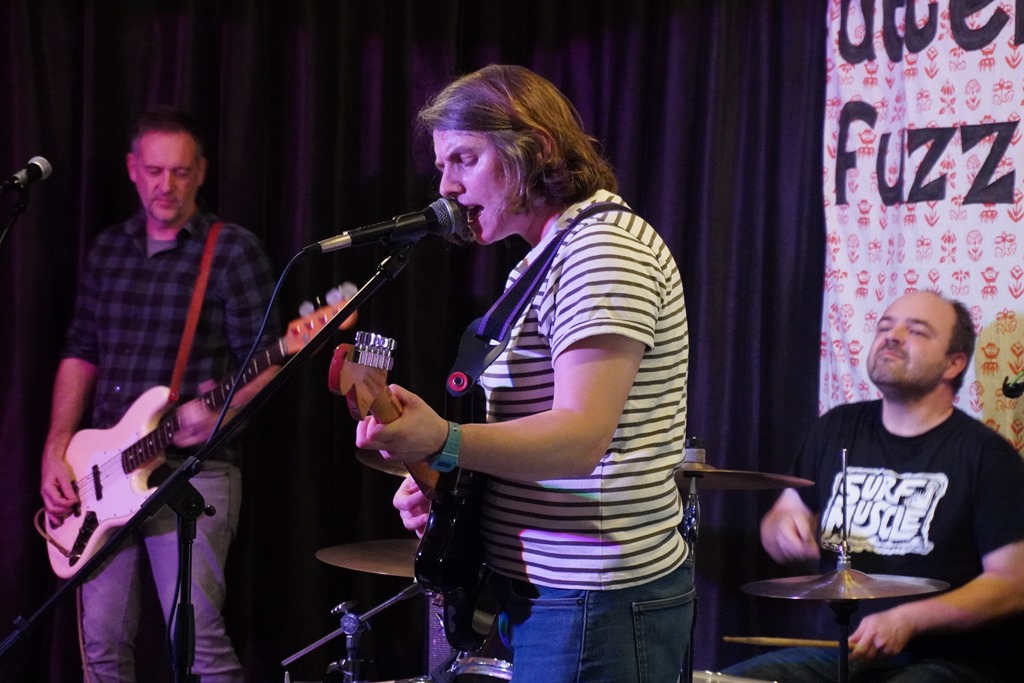
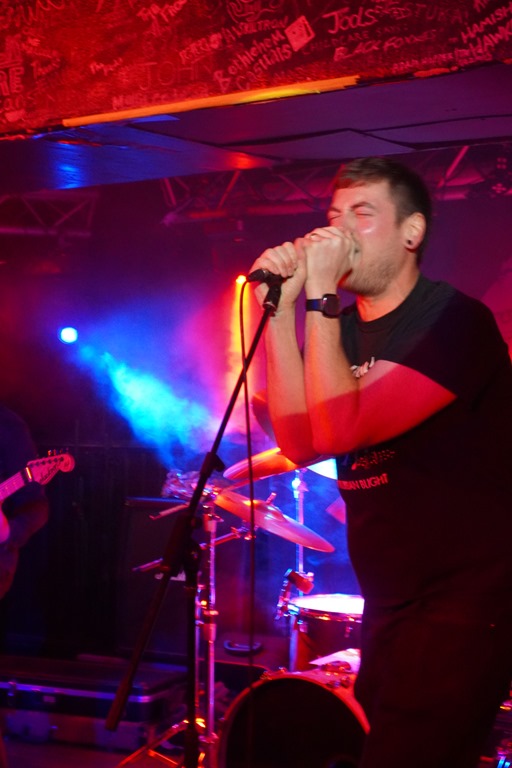
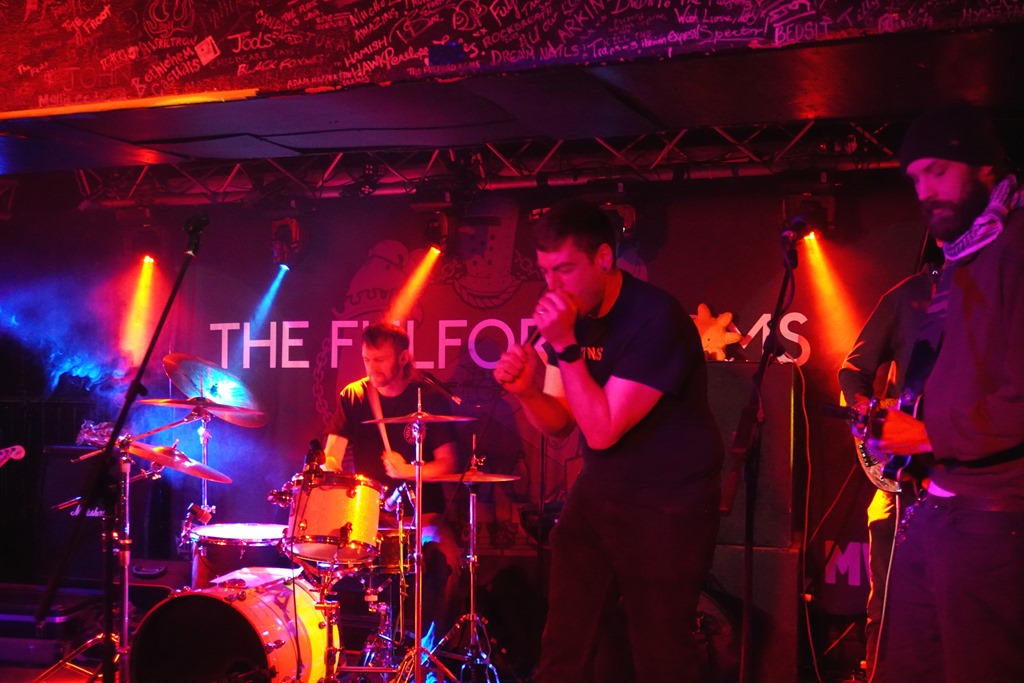
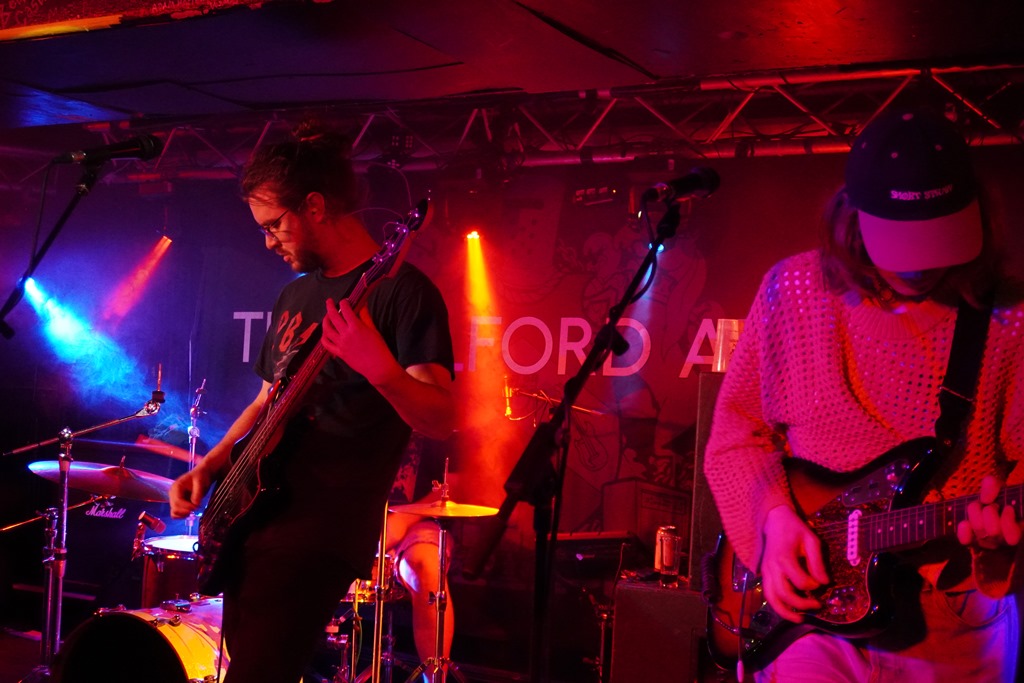
It says something about the organisers when you book a ticket for an all-day event having only heard of two of the bands on the bill, and don’t even feel the need to research the others. The previous three Utterly Fuzzled events have rapidly built Jo and Pete Dale a reputation for curating lineups of remarkable quality from the region and further afield – such a reputation that today was down to its last nine tickets the day before – impressive considering that it’s running alongside a storming sold-out three-day event up the road at The Fulford Arms. It’s worth noting that this is all happening a couple of miles or so out of the city centre, where there is only really The Crescent and The Barbican within close proximity of the city walls. What can we take from this? There is still a strong demand for live music that isn’t mainstream, isn’t tribute acts, and that the scene in York – thanks to a number of hardworking people – is thriving right now, with a rare abundance of homegrown talent and a strong sense of community at its heart. And the Utterly Fuzzled events encapsulate all of that and more, being almost a mini-scene of their own – not in a snobbish, self-serving way, but quite the opposite, offering ‘no questions asked’ discounted tickets, and espousing an ethos of inclusivity.

With these events, there will always be something new to stimulate the ears, and in keeping with the DIY ethos that’s perfectly summarised by the stage backdrop, they always find ways of opening proceedings with some homespun flash of warped inspiration. Today, it’s Iris the Gong. Said gong is a feature of their events, and on this occasion, she becomes the star, where initially, Jo Dale serves up some dramatic crescendos and crashes. Pete then steps up to forge altogether sparser atmospheric sounds, utilising all parts of the gong and using a large beater to creates low hums. Then it’s open to the floor for some audience improvs, culminating in a few face-wobbling smashes.

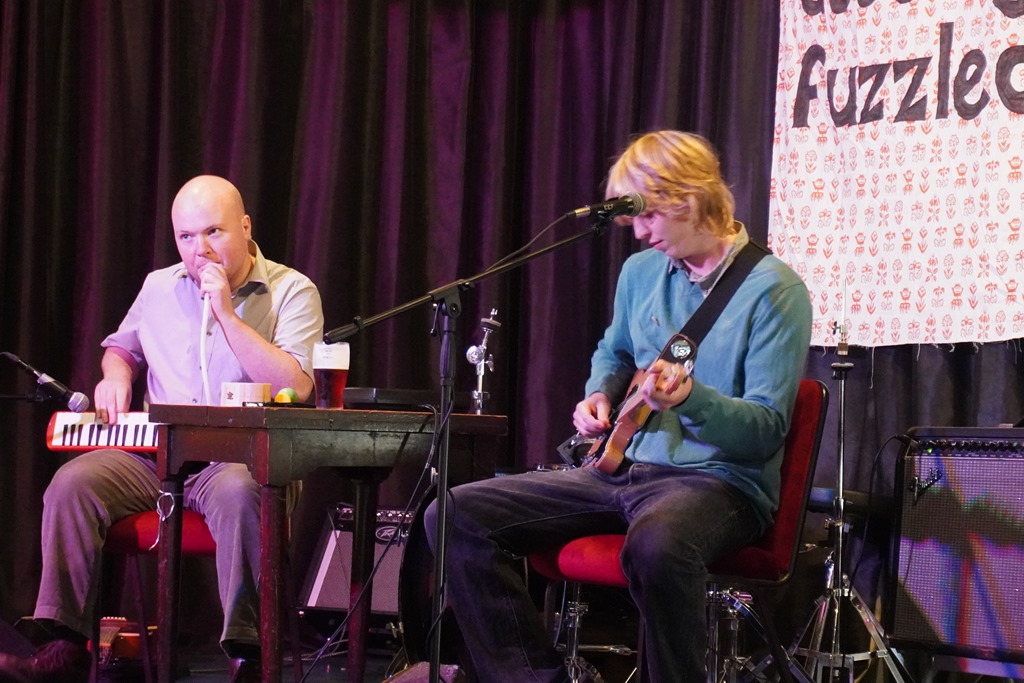
It makes for quite the intro for Troutflies – one of the two acts I was aware of in advance, and who have featured on here recently. They’re loose and li-fi, with melodica drones, various bits and pieces clop clopping and scraping, samples and guitar that’s by turns laid back and scratchy wavering through some half-songs – sort of low key, a bit slowcore, quite Silver Jews, a bit Pavement before Slanted and Enchanted, and at times gloriously atonal and off-key, and as far as time signatures go, they’re out the window. Reuben Pugh drawls rather than sings, and it all works, in the sense that yes, it’s supposed to sound like that. It’s not for everyone, and it takes a certain amount of guts – or madness – to get up and make such a spectacular cacophony.

DSC04223

Troutflies

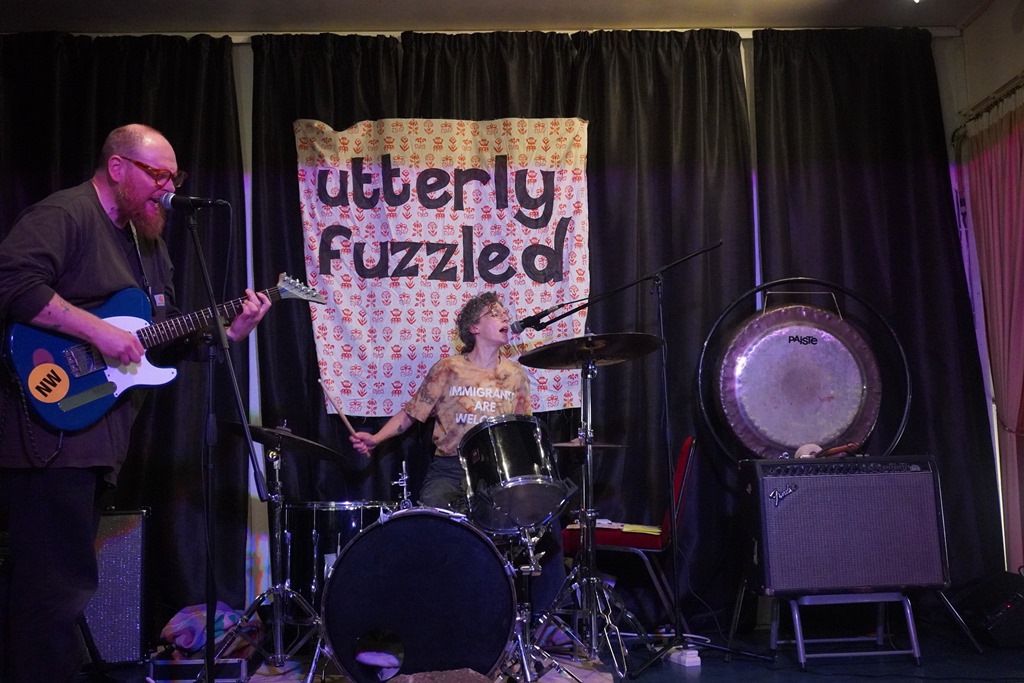
Late substitutes Orchard, from Scarborough, are loud and fast and abrasive. Angular punk noise with guitar and drums, shared vocal duties. The guitarist could save himself some work by buying a tuner, but kudos for his ability to tune by ear. What matters is that they really do attack the songs – songs in favour of immigration, about depression, about the country’s lurch to the right, and play with passion The guitars are gritty, the drumming hard and expressive, the vocals shouty. On the strength of this outing, which concluded with guitarist Joel clarifying that his previous comment about making a onesie from Nigel Farage’s skin did mean skinning him alive and wearing it, leaving some nonplussed expressions, their album, released at the end of the month will be killer.

DSC04240DSC04236

Orchard

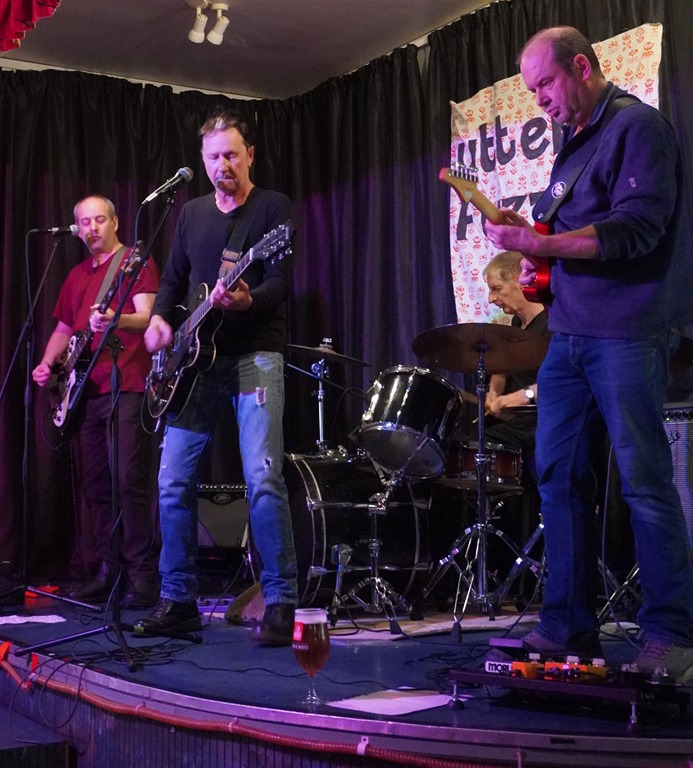
St Christopher are perhaps one of the city’s best kept secrets, not least of all because of the infrequency of their live outings. This is their only one of 2025. They’ve been going since 1984 and have had releases on legendary labels including Sarah Records. They play solid indie / alternative rock with close harmonies. Their 80s background is evident, and that’s a positive. They’re incredibly tight and assured, with a really full sound. They may not have released anything in a while, and may not have attained quite cult status… yet, but as also rans who are still running, there’s time yet.

DSC04250.crop

St Christopher

All Ashore pack five bodies onto the little stage and bring some uptempo, vaguely twee late 80s / early 90s indie vibes. They’ve obviously put some co-ordination and consideration into their outfits, and they’ve got some very bouncy friends along who make for a lively front row.

DSC04273

All Ashore

Not that Knitting Circle struggle to land gigs, but if you want to play more, one simple solution is to put them on yourself. Knitting Circle are dependably good. Since the departure of vocalist and multi-instrumentalist Jamie, who penned a number of their songs, things are inevitable different, but reconfiguring as a purely guitar-based trio has forced them to really home in on their focus. Guitarist Pete plays with no pedals, serving up a clean, crisp, choppy sound. ‘Fox’ is a standout in a set that’s consistent and tight, sounding more than ever like Gang of Four crossed with Shellac. As ever, ‘Safe Routes’ is powerful and moving. We need peace. We need humanity. If only this room was a microcosm of the world.

DSC04321DSC04303

Knitting Circle

Mammoth Penguins serve up a set of tight indie with hints of US influence, alt rock with a dash of country. Another power trio, they serve up a chunky sound which provides the bed for some narrative lyrics. Said lyrics aren’t always slick or poetic, but they’re real life, and they’re a ban which grow on you as the set progresses. By the end of the set, they’d won over the entire room by virtue of their sheer quality.

DSC04345

Mammoth Penguins

Tonight’s lineup was perhaps the most diverse and unpredictable of the Utterly Fuzzled series to date, but the mixed bag nature, when coupled with the warm atmosphere – and cheap beer – really made it something special, something akin to listening to an episode of John Peel. You might not love all it, but the quality is undeniable, and you know you’ll discover at least one new act you dig. It’s everything that’s missing from music lately. And it’s so, so much fun, restoring faith in humanity, and uplifting in every way.

House of Halifax – 3rd October 2025

Christopher Nosnibor

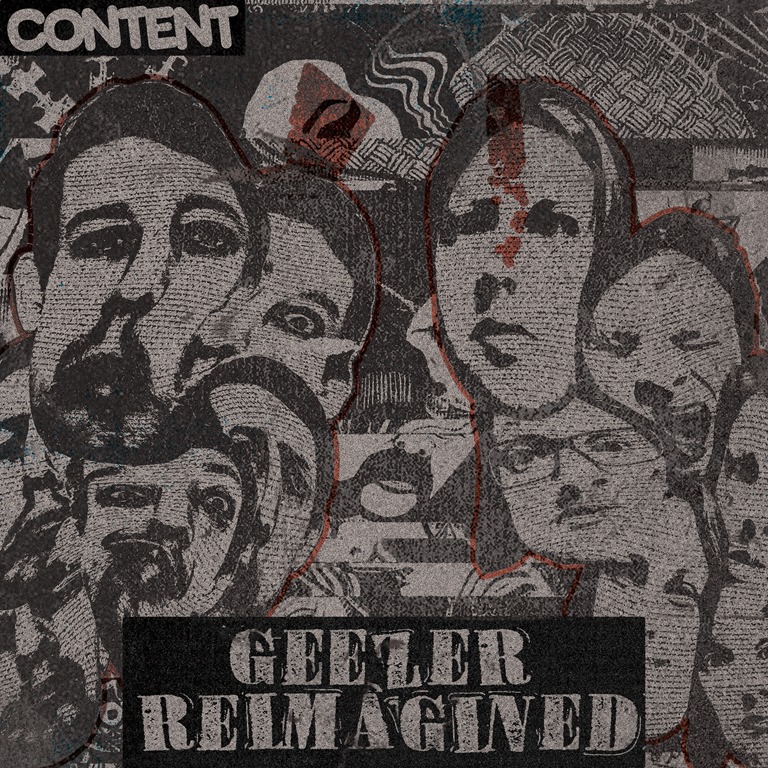
Content’s career to date – such as it is – has certainly not followed a conventional trajectory, or even one designed to gain a following. It’s not the shifting lineups (that’s hardly unusual) but the fact the direction of their output is completely unpredictable. Their debut EP, We Keep Improving, released five years ago, was a riotous DIY racket, which I described as ‘a gnarly mess of electronics, popping beats and a disorientating sonic swirl’. Released in an edition of seventeen physical copies, it has all the ingredients required to become a near-mythical underground work.

So of course, with a different lineup, they followed this with an album which recreated the entirety of Yes Please! by Happy Mondays – an album which was roundly pilloried, and saw one of the weekly music papers review lead with the headline ‘No Thanks!’. It was the Mondays’ Shark Sandwich moment.

Amazingly, their second album is another cover of an album in its entirely, this time the 2018 Geezer by Leeds grindcore legends Ona Snop, who recently called it a day. I can’t think of anything further removed from, the slack, bloated funk of Yes Please! But this is Content, the vehicle of Benbow and – currently – Richard Knight. And this is absolutely guaranteed not to bring them world domination, or even more than a handful of fans. I don’t think they’re fussed about that, though.

Given that Ona Snop’s approach to powerviolence / grind was never entirely straightforward, or serious, Content’s irreverent approach to ‘reimagining’ the album, which blends industrial, techno, ambient, electropop, ‘retains some of the humour included in Ona Snop’s original work’, they say. Indeed it does. It certainly doesn’t contain much else, although that shouldn’t be construed as a criticism. The ‘reimagined’ tag gives them licence to pretty much do whatever the hell they please, and that’s precisely what they do.

And so it is that the first track, ‘In Pieces’, is transformed from forty-nine seconds of thrashing, splashing aural vomit, into a three-and-a-half-minute technoindustrial workout with a funk groove, coming on with the strut and snarl of Revolting Cocks circa Linger Fickin’ Good. It’s grimy and sleazy and fuck – and it’s as ace as it is audacious. It sets the tone for a wild ride: ‘Total Both’ brings bump and grind and flamboyance in spades, like Rammstein covering The Rocky Horror Show – or perhaps the other way around. Either way, it’s camp and crazy.

It’s all going on here: ‘More Important Than Christ’ starts out with wibbly 80s wizardry before going hyper electropop, landing somewhere between The Associates and The Teardrop Explodes in the process. There’s wonky electronica, spoken word, bleeps and horns… ‘Mustard Farm’ seemingly draws from Depeche Mode, Devo, and Man 2 Man in equal measure, while ‘Respect’ goes lounge, and there’s a hint of early Foetus in the warped disco blast of ‘Rotisserie Geezer’, before ‘Cement Head’ goes a bit Tom Waits.

How all this actually works, it’s hard to pinpoint. That each track is well executed – in that it’s apparent what they’re aiming for, and they achieve – helps, but the hectic, drum machine-propelled arrangements are dizzying, and so far removed from the source material at times it feels beyond tenuous. While the original ‘CD / DVD’ opens with a sample, Content rework it as a cut-up collage of glitched-up, mangled samples, harking back to the old-school Industrial roots demonstrated on the EP, with a debt to Throbbing Gristle and Cabaret Voltaire, and in turn, William Burrroughs. ‘Ona Snop F.C.’ is a super-slick autotuned workout that’s equal parts Prince, Har Mar Superstar, and overprocessed R’n’B. Horrible as it is, the knowing levels of cringiness are something to respect. Then, seemingly from nowhere, ‘Hot Soup’ goes all Mike Oldfield and ambient.

While the original album has a running time of less than twenty-five minutes, pulling the songs out and stretching things apart in every direction means that this reimagining runs for closer to an hour, and it never ceases to confound with its weirdness, or its willingness to embrace the cheesy. It’s almost impossible to judge Geezer Reimagined by conventional benchmarks or assess its merits by the standards one would ordinarily apply, because it simply doesn’t conform, and exists in its own sphere of strangeness. And whether or not you dig it – and I do – it’s impossible to deny that it’s imaginative in its interpretations.

AA

Content - Geezer Reimagined (House Of Halifax, 2025) (Front Cover)

Christopher Nosnibor

One might feel that naming an event after yourself is a bit of an egofest, but when the event in question is, essentially, the organiser’s birthday party, well, fair enough. And Mr Pasky has been putting on decent gigs for a while now, boasting eclectic lineups, and if live music is your thing, is there a better way of celebrating a birthday than putting on a bunch of bands you like and opening the venue doors to see them free of charge?

With doors being at 3pm, I missed the first couple of acts, and arrived in time for Pat Butcher, who I’ve not seen in an age, and all I can remember about them is carrots. They deliver a confident set of aggressive punk rock, with angry-sounding songs about- kidney stones, IBS, and raceday wankers – relatable to anyone who resides in York. And late on, they land the comical, gimmicky ‘Carrot in a Minute’, whereby they distribute raw carrots among the audience and challenge them to eat them within the song’s minute-long duration… just for shits an’ giggles. There’s something quite uplifting and entertaining witnessing a bunch of guys getting worked up about mundane stuff like neighbours who vacuum clean at all hours.

DSC01116PB1

Pat Butcher

Fat Spatula are up next, and I find I like them more each time I see them. Did I write that about them last time, too? Quite possibly, but then it’s true. They really seems to be hitting new peaks and seem more confident, too. ‘Benefits Tourist’ goes uptempo and shoutier amidst energetic but affable US indie style. There are hints of Pixies and Pavement, and some country leanings, too. A lot of the verses are delivered rapidfire like REM It’s the End of the World as We Know It’, but later on, experimental spoken word gives way to kinetic space rock with blasting motorik drums on the penultimate song. I’’s only three or four minutes long, but with that locked-in groove, they could do a half-hour long version and it still wouldn’t be long enough.

DSC01122

Fat Spatula

As I mentioned, eclectic lineups are Pasky’s thing, and OG3 are a power trio who start out like Beastie Boys circa ‘83, but the rest of the set is a melding of punk and emo and some weird hybrid efforts that are like Eminem fronting a grunge act. And then they cover ‘Fight for Your Right’… and do a top job of it. There’s a bit of nu-metal going on, too, and the overall vibe is kinda Judgement Night soundtrack. It shouldn’t work, but it actually does.

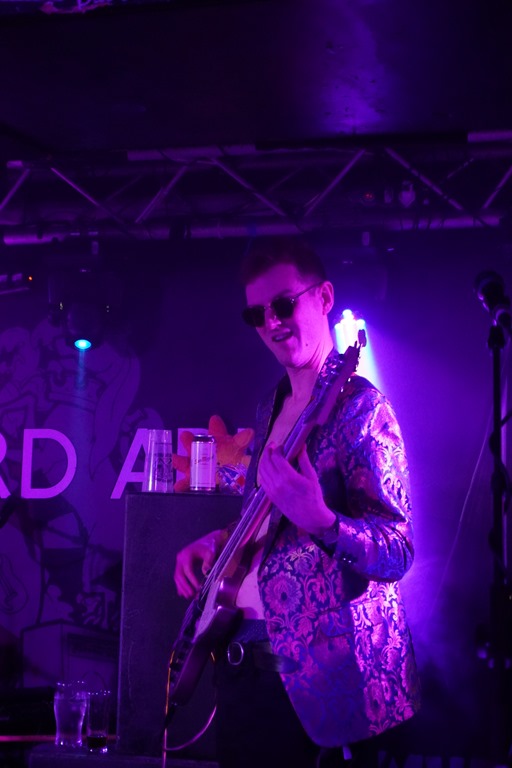
Illegal Fireworks take to the stage sporting quite spectacular gold brocade jackets… Yes, plural: the bassist, guitarist, and drummer are all decked out in these quite remarkable garments, while the singer is all the sequins. It’s a bold look, and no mistake. The trouble is, it’s not an ironic gesture, and in the first minute I find myself absolutely detesting their smug, smooth, funky jazz. Not that I’m judgemental or anything… I just detest smug, smooth, funky jazz. But then they get a bit prog, a bit post rock, and show some potential. But thereafter they stick to smug, soul-infused smooth, funky jazz. Technically, they’re faultless, objectively they’re outstanding, and they go down a storm. But subjectively, I absolutely fucking hate it all, but especially the gurning bassist. It’s the kind of thing that would have been massive in the 80s, they’d have been all over Top of the Pops with glitterballs and dry ice and balloons bobbing about, and I’d have fucking hated it then, too. I know, I know, it’s a question of taste, but seriously, they should be illegal.

DSC01158.2DSC01145

Illegal Fireworks

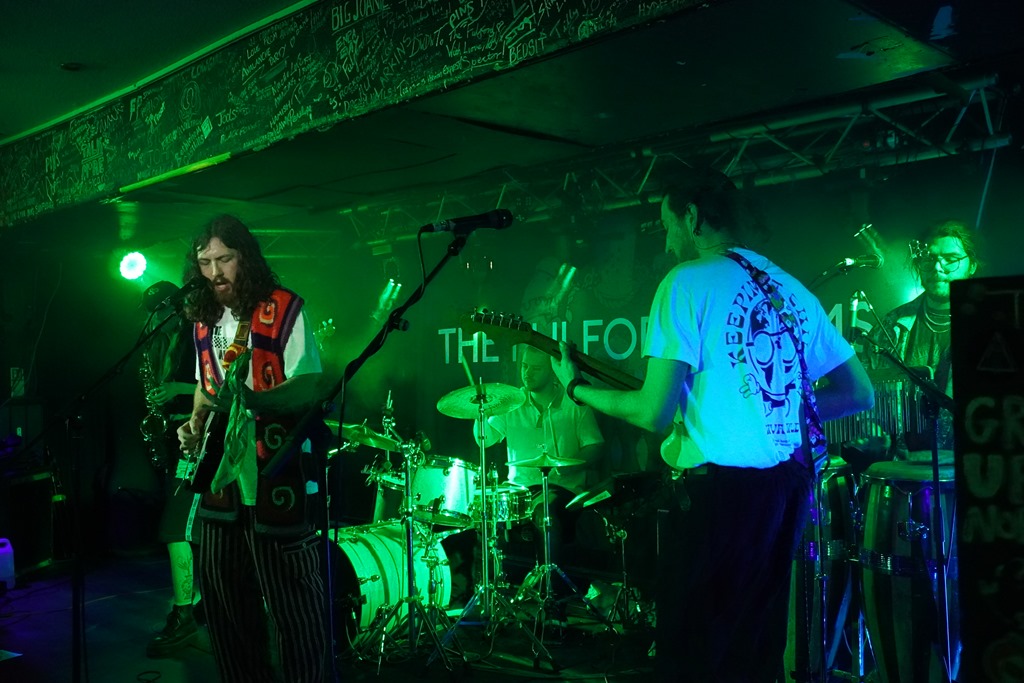
I have reservations about Flat Moon at first, coming on like Glasto-loving middle-class hippies with their brand of parping sax-heavy jazz space rock. But there’s something compelling about their style and the delivery. I’m reminded in some way of Gong, and that trippy, whimsical strain of psychedelia, and they’ve got some riffs, and shit. are they tight. It’s no small feat considering there are six of them. They work seriously hard and bring entertainment to the max – and ultimately this is what tonight is all about.

DSC01188DSC01183

Flat Moon

There will be very few who loved every band on the bill, but that’s kind of the point of a lineup like this: you’ll get to see bands you might not have otherwise gone to see, you might like some and not others, and that’s fine. For a long, long time, the best thing about York was its proximity to Leeds, but now, even while there’s a dearth of venues, the city is throwing up a remarkable number of quality acts – for all tastes. And that is something to celebrate.

Institute For Alien Research – 15th January 2025

Christopher Nosnibor

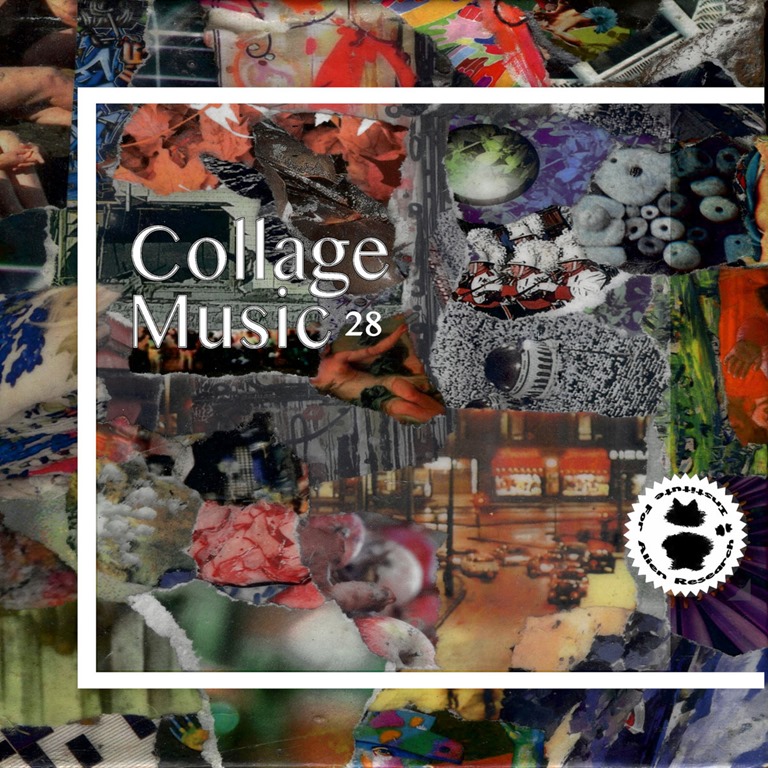
Bath-based microlabel Institute For Alien Research tends to focus on compilation releases, with open submissions, on various themes. One long-running series is Collage Music, each of which features fifteen works, the only stipulation being that their duration is 4:33. Not a second more, and not a second less. They’re not looking for interpretations of John Cage’s seminal work, and as such, the duration is in many ways arbitrary beyond the idea that artists respond to limitations and set parameters in different ways, and as this – the twenty-eighth in the series (as the title indicates) – illustrates the point unequivocally.

With ‘Circumstances’, Support Group ease us in gently with some slightly woozy, echo-soaked, ambience, before Lezet stammer and glitch through a multi-layered slice of abstraction with ‘Colonnades of Fear,’, which may also be ambient, but it far from relaxing, although it’s Robert & Lamy who are the first to venture into much darker territory, with the kind of doomy, drony warped tape and noise experiments that are reminiscent of Throbbing Gristle in places.

The arrival of ‘bruits de la vie’ by samelectronics feels like something of a watershed moment, being the first piece to present big, bold sounds – feedback and immense powerchords, which, instead of feeling heavy or oppressive, open an expanded horizon, to surprisingly uplifting effect. The rough, lo-fi punkiness of ‘Johnny got no respect’ by This is The Utter vs Chelsea comes as a surprise bang in the middle, being the album’s first straight-up guitar-based cut, and it’s a savage semi-cover to boot.

Along the way, there’s a superabundance of weird shit, with collages and field recordings and ethereal haunting soundtrack-like compositions, dark electronica, spaced-out BBC Radiophonic Workshop type soundscapes, and banging dance, courtesy of Sbilts, with ‘Acid Dog’, who mine a vintage techno sound propelled by old-school drum machine sounds. That snare! Samples! It’s a sonic time-machine!

Just as grassroots venues are essential on so many levels, so are labels who put out releases like this. Most of the contents of such compilations is ultra-niche, and will never expand beyond being so – and that’s ok. There is a huge audience with niche tastes who simply aren’t catered for by bigger labels, bigger venues. Most of the acts here are unlikely to ever play to more than twenty-five people, assuming anyone will put them on, and they’re never going to be snapped up by a label which has aspirations of making money. Self-releasing is find, but it’s hard to reach the tiny, fragmented target audience. But a label like Institute For Alien Research, having established a reputation for providing a platform for the full spectrum of experimental electronica and beyond, creates its own niche. It may seem hard to believe when there are maybe a few hundred or so people who are into it, but this really is what the world needs. Capitalism is killing cultural diversity, and it’s killing art.

The fact that Collage Music (28) is a mixed bag is a good thing. It would be all too tempting for the label to be picky, sniffy, selective, and offer up a compilation which is more homogeneous, unified, that presents, ultimately, a curated collection determined by personal taste. And that would have been fine, and entirely their prerogative. But Collage Music (28) is all the better for its wild eclecticism. You might not like all of it – and it would be probably be a bit strange if you did – but in listening to it, there’s a chance you’ll find your eyes are opened to something you didn’t know you would like, and it’s absolutely guaranteed you’ll hear artists you would never have otherwise encountered. So dive in!

AA

a3223356046_10

Mortality Tables – 29th November 2024

Christopher Nosnibor

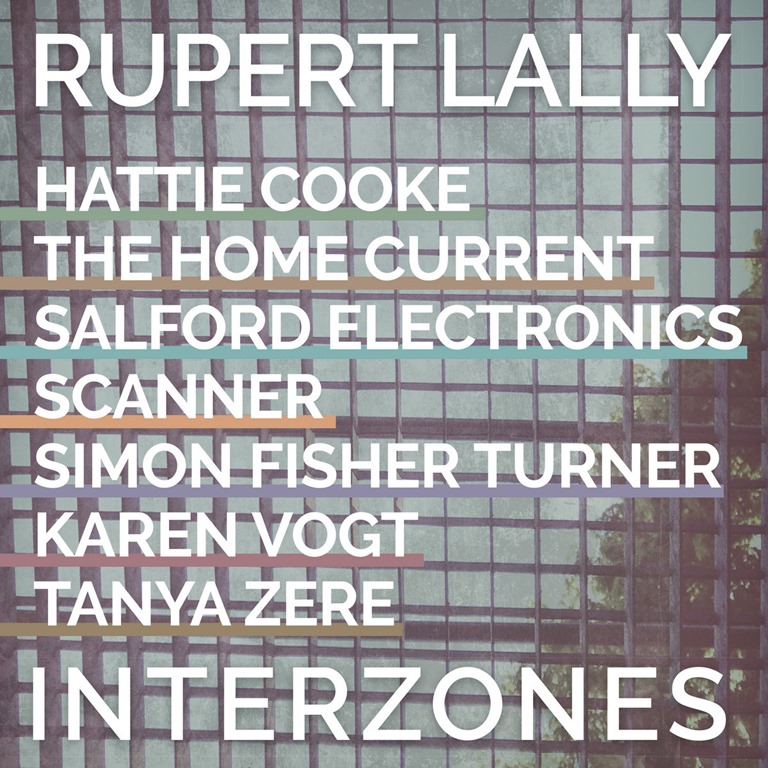
Because life experience creates linguistic associations, for me, it’s impossible to see or hear the word ‘interzone’ without immediately thinking of William S. Burroughs. The title of a collection of short stories and ‘routines’ penned in the mid-1950s, Interzone was the working title of the seminal breakthrough novel Naked Lunch (1959), and the collection, published in 1990 consists of segments which failed to make the final cut. The pieces were written while Burroughs was living in Tangier, something of a haven for expat writers, including, perhaps most notably, Paul Bowles, but also polyartist and true inventor of the cut-up method, Brion Gyson. Burroughs described the city as an ‘interzone’, and it was indeed both an ‘international zone’, as the portmanteau implies, and a space between zones, outside of any single culture or jurisdiction, its administration divided between the US, French, Spanish, and English sectors, where ‘nothing is true, everything is permitted’. Of course, there are numerous other connotations, but this is what I’m bringing in terms of prececeptional baggage to this.

The accompanying notes certainly indicate that the album’s content holds up to these parallel positions: ‘Like its name implies, these are place of transiency. Intermediate places. In-between locations. Melting pots of different people and different ideas, constantly evolving as one thing collides with another, and another, and another.’

The album was initially recorded in 2022 as a solo work, but subsequently scrapped and rerecorded with a different collaborator on each composition. Collaborations do tend to bring out different aspects of an artist, and it should therefore be of no surprise that this suite of nine pieces, recorded between 2022 and 2024 in Switzerland, England, Luxembourg, France and Zimbabwe, is eclectic in its take on electronica.

As the bookending pieces, ‘Entry Visa’ and ‘Exit Visa’ indicate, travel, movement, and transition, are the key themes here. But this is not some pan-cultural pick ‘n’ mix grab-bag, and instead creates an experience which replicates the disorientation of travel. It’s difficult to articulate just how this sonic patchwork works, or quite how the experience feels. It’s not as if it lurches from techno to grunge, to opera, to thrash, and in this respect Lally’s works represent his ‘two inches of ivory’, so to speak. But within the realm of electronica, Interzones covers substantial ground.

‘Play Position’, featuring Salford Electronics, is a sample-packed exploratory work with a prominent beat, which contrasts considerably with the near-ambience of ‘A Stealth Approach’, featuring Scanner; contrasting further, Simon Fisher Turner brings a sort of drawling space-age country aspect to ‘Calmer’, before things take a spin toward out-and-out trance on the title track, and Karen Vogt’s airy, soft vocals on ‘Running Circles’ pull the album gently into hypnotic shoegaze territory. The album continues on this trajectory, sliding deeper into dark, gothy electropop with ‘Ripples’.

The insistent beat and overtly dance style of ‘Exit Visa’ makes for an unexpected change in direction – despite the fact that, by this point, nothing should be truly unexpected. The effect, however, is disorientating, and you find yourself wondering how you came from A to B over the duration of the album. It’s testament to both Lally’s compositional skills and his selection of contributors – as well as the album’s sequencing – that somehow, it flows and the transitions themselves are seamless, which only heightens the sense of moving between spaces with no real sense of how it came to pass. Vitally, Interzones is a subtly detailed work, with hidden depths and moments of genuine beauty.

AA

a2037434320_10

Invada Records – 28th May 2024

Christopher Nosnibor

Well, this one landed out of the blue. A boon for fans, a shock to everyone, necessitating a reshuffle of review diaries for the likes of me.

It’s been six years since the last Beak> album. There are good reasons for this, as they explain: “After playing hundreds of gigs and festivals over the years we felt that touring had started to influence our writing to the point we weren’t sure who we were anymore. So we decided to go back to the origins of where we were at on our first album. With zero expectations and just playing together in a room.”

This is a remarkable slice of honesty about the effects of touring on the creative process, and band relationships. Most bands start at home – in some sense – with writing songs and the aspiration of touring those songs. But the dynamics change with success, and when touring relentlessly, time to write new material is squeezed. Over time, particularly with a pandemic interfering with, well, everything, many bands evolve their methods to operate over distance, and there’s always a risk that some of the dynamic is lost and stuff gets dialled in. It’s true that it’s now possible for bands to operate at distance, intercontinentally, even, but that’s not the Beak> way. They thrive on that instant interplay, the interaction, and without it, there’s simply no Beak>.

When they do come together they work fast. Single ‘Oh Know’ was ‘recorded on the only day the band could physically get together during the winter lockdown’ and released in October 2021. They really do make the most of their time, and their music – particularly this latest effort – froths with the urgency of pressured time. The urgency which has always permeated their music is banged up a couple of gears here, and as a result, >>>> is a frenzied explosion, with perhaps a desperate edge.

This being a Beak> album, it’s brimming with experimentalism, oddness, woozy psychedelia and persistent Krautrock pulsations, relentless beats. This being a Beak> album, it’s bloody great, and a lot of fun.

But that said, much of >>>> actually feels pretty bleak. Yes, Beak> turn bleak. It’s like a band having a blast while staring into the abyss, conscious that the end is near, but carrying on because at some point…

Of the album’s sudden and unexpected release, the band say in their statement, “At its core we always wanted it to be head music (music for the ‘heads’, not headphone music), listened to as an album, not as individual songs. This is why we are releasing this album with no singles or promo tracks.”

‘Oh Know’ isn’t included here, but the album does, however, include flipside ‘Ah Yeh’, and it does slot in nicely with its downtempo, lo-fi Pavement on sedatives vibe. It’s kinda loose, with rattling drums and drags out with a quivering organ drifting over a tense bassline, and it works something of a trance-inducing spell over the course of six minutes. You get the sense that however long and far part these guys are, they share a magical intuition, and whenever they do manage to get into a room together, creative sparks fly.

The band continues, “the recording and writing initially began in a house called Pen Y Bryn in Talsarnau, Wales in the fall out from the weirdness of the Covid days. Remote and with only ourselves and the view of Portmeirion in the distance we got to work.”

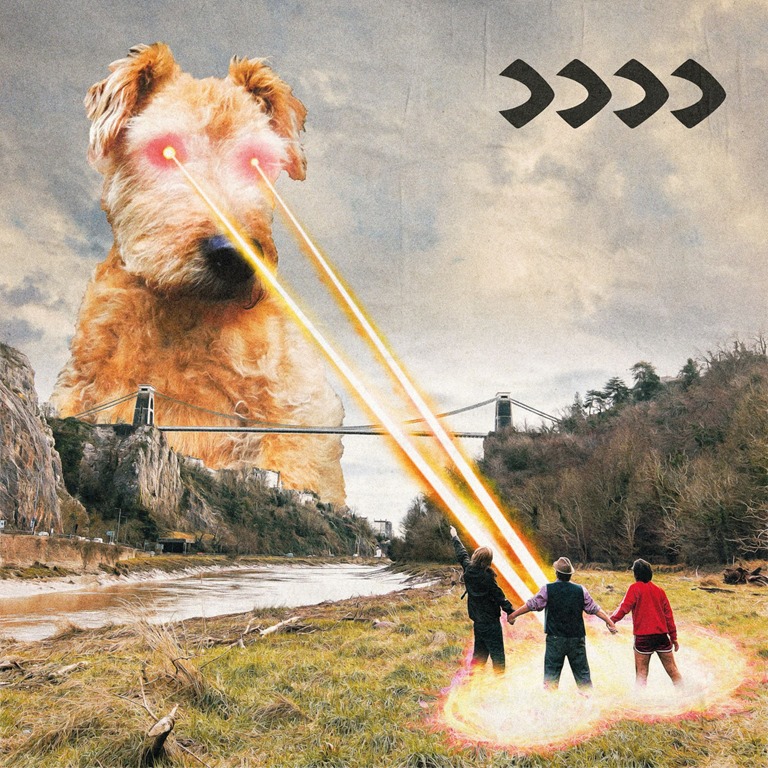
“With the opening track, ‘Strawberry Line’ (our tribute to our dear furry friend Alfie Barrow, who appears on the album’s cover) as the metronomic guide for the album, we then resumed recording, as before, at Invada studios in Bristol, whilst still touring around Europe and North/South America.”

‘Strawberry line’ makes for fairly a low-key opener, with a trilling organ and psychedelic reverby-drenched vocals rippling atop a bubbling bass before a shuffling beat enters the scene. But it stands as an eight-minute statement of intent, with that statement being that >>>> packs density to equal its melody. ‘The Seal’ delves into Krautrock, with a relentless groove centred around the rhythm section dominating. It grows dark. It grows tense. It’s sparse, minimal, but it persists, and four and a half minutes in, there’s a taut, jangling Joy Division guitar part.

Chilly synths and a robotic, rolling, repetitive bassline dominate the slow-melting ‘Denim’, a hazy psychedelic downer which delivers delayed gratification with the bursting of a monster riff. ‘Hungry Are We’ is delicate, reflective, post-rocky, with vocal harmonies which again allude to 60s pop and perhaps a bit of prog.

‘Bloody Miles’ marks a stylistic shift towards groovier territory, with a nagging bassline that borders on funk, but the tone remains doggedly downbeat, without getting depressing. With one foot firmly in the early 80s new wave sound, there’s no shortage of weirdness and warpy, brain-bending discord here, not least of all in the shadowy vintage-sounding electropop of ‘Secrets’, that brings together elements of Soft Cell and The Associates with the atmosphere and production of New Order’s Movement.

>>>> is often stark and claustrophobic (and nowhere more so on the eight-minute closer), and it’s always intense and brilliant. Beak> have surpassed themselves – again.

AA

a3178303801_10

Human Worth – 8th December 2023

Christopher Nosnibor

It’s only a bit of a brag – and a collateral one, at that – to say I’ve followed the Human Worth label since its inception. There’s a contextual reason to mention it, namely that while I’ve long raved about their being consistent in their selection of all things noisy, Human Worth isn’t a label with a ‘house’ style devoted to any one strain of music of an overdriven guitar nature. One need look no further than then recently-released angular indie noise-rock hybrid of Beige palace’s Making Sounds for Andy for evidence of that. It’s most definitely an ‘alternative’ record, in that it’s a million miles from the mainstream, but it’s not particularly noisy.

A. L. Lacey’s mid-bill placing on the label’s recent eight-act extravaganza in Leeds was an inspired one, as her graceful tunes provided the perfect respite from predominantly noisy guitar-based acts, and her performance set my level of anticipation for her album, Lesson.

It’s a landmark release for both Alice and Human Worth: having long established herself as a contributor to numerous acts in her locale of Bristol, Alice explains how “there was a frustrating sense of unfinished business. In that, my piano parts and ideas were being restricted to someone else’s’ vision – a vision which was often ‘less is more’ – a tasteful afterthought… A huge part of this project therefore became the need to challenge myself and to see what I could achieve or lessons I could learn, if I did things my own way – a bit of a journey towards autonomy – a predominant theme in most of my songs, along with finding purpose from confusion, and strength in your weaknesses.”

Lesson, then, is Lacey’s statement of identity, as she steps out from the shadows of other people’s work to present herself and her own musical ideas. And what’s striking is just how eclectic the album’s nine songs are.

‘Sewn’ opens up with rolling piano propelled by a vintage drum machine sound that’s pure late 70s/early 80s. But if this evokes the lo-fi sparseness and simplicity of Young Marble Giants, her vocals, swathed in reverb and strong yet delicate, are equal parts folk and shoegaze. And yet for all these elements, Lacey creates a maximal expansiveness with minimal instrumentalism. With swells of energy, it’s a soaring, uplifting piece, which hooks the listener immediately into the unique world she conjures with her magical fingers and tuneful voice.

It paves the way for eight further slices of creatively crafted musicality that combines elements of neoclassical, folk, and experimentalism. ‘Complaint’ is exemplary: the instrumentation is sparse, subtle, a soft wash of thrumming, droning synths underpinned by an insistent but understated beat. Incidental sounds weave in and out, creating depth, while Lacey’s multi-tracked voice is simultaneously trad folky and otherworldly.

There’s an energy and pace to many of the songs on Lesson which are far from the kind of bland, plodding fare common to many singer-songwriter types: ‘Memo’ may be but a brief note, but has the vintage pop vibes of Stereolab as it breezes on through and makes its mark. Elsewhere, the title track is wistful, swooning, without being remotely twee, and ‘Home’ brings post-rock dramatics to the proceedings. Bold yet understated, ‘Paper’ is worthy of all the airplay, and would sit comfortably on soundtracks and being performed at arena shows alike, being accessible, easy on the ear, hooky, emotive, and –

AA

Perhaps because she’s been doing this for a lot longer than the arrival of a debut would imply, Alice’s accomplishment as both a musician and a composer shine through every moment of this spellbinding collection of songs: the attention to detail the nuances of the playing and the production only accentuate the multi-faceted qualities of her songwriting and performance. It all adds up to a uniquely special album.

AA

HW026_ALLacey_Lesson_CoverArtwork

Lost Map Records – 14th July 2023

Christopher Nosnibor

The release of ‘Stillness’ as a single last week by Firestations was a simple but neat bit of promotion. Backed with a remix version, its lustrous dreamy waves alerted me to the existence of Thick Terrain, the album from which it’s lifted. The album was released back in July, but, because there is simply so much music out there, it’s simply impossible to keep up, however dedicated you are in your exploration of new music.

I know a lot of people listen to Spotify while they’re working or on the bus or whatever, and stuff pops up and they like it, and many friends say they like how it recommends them stuff they wouldn’t have sought out but have found they’re pleasantly surprised by and it’s as if it knows… well, yeah, it does, to an extent, but not in a good way. Algorithms, selections by ‘influencers’, or sponsorship – none of these are as organic as people seem to believe. It’s not about choice anymore, but the illusion of choice. Before the advent of the Internet, I would spend my evenings listening to John Peel, and later, as a weak substitute, Zane Lowe, before I could tolerate his effusive sycophancy no more, and later still, but less often, 6Music. These were my Spotify, I suppose, but oftentimes, music in the background while I’m doing other stuff simply doesn’t engage me so much, and if music is to be background, it works better for me if it’s familiar.

I still listen to albums while I work, and have found since the pandemic that I can no longer wear earphones and listen to music in public places. Given what I do when I’m not doing my dayjob – namely review music – I prefer to sift through my myriad submissions, pour a drink and light some candles and fully immerse myself in something that takes my interest and suits my mood based on the press release or, sometimes, just arbitrarily.

Anyway. Back when I used to listen to the Top 40 – mid- to late-80s and early 90s – I would hear singles which piqued my interest, and would discover that often, they were the second, third, or even fourth single from an album that had been out some months, even the year before, and, alerted to the album’s existence, I would go to town the next weekend and buy it on tape in WH Smith or OurPrice or Andy’s Records.

The model has changed significantly since then: EPs are released a track at a time until the entire EP has been released as singles by the release date, and you’ll likely get four ahead of an album’s release and then within a fortnight of the album’s release, that’s the promo done. And so Firestations’ rather more old-school release schedule proves to be more than welcome, because it so happens that their first album in five years is rather special.

Released on Lost Map Records, which is run by Pictish Trail, from his caravan on the Isle of Eigg, it’s a set of psychedelic dreamgaze tunes reminiscent of early Ride, and takes me back to the early 90s listening to JP. Straight out of the traps, ‘God & The Ghosts’ places the melodic vocals to the fore with the chiming guitars melting together to create a glistening backdrop, shimmering, kaleidoscopic. The lyrics are pure triptastic abstractions for the most part, and in this context, the curious cover art makes sense – or at least, as much sense as it’s likely to.

While boasting a chunky intro and finalé, ‘Hitting a New Low’ is janglesome, a shoegaze/country which evokes dappled shade and wan contemplation than plunging depression, before ‘Travel Trouble’ comes on with the urgency of early Interpol, at least musically: the vocals are a dreamy drift and couldn’t be more contrasting.

Thick Terrain has energy, range, dynamics, and stands out from so many other releases that aim to revisit that 90s shoegaze style because the songs are clearly defined, and while displaying a stylistic unity, they’re clearly different from one another: Firestations don’t simply retread the same template, or stick to the same tempo. There is joy to be found in the variety, and Thick Terrain is the work of a band working within their parameters while pushing at them all the time. From the mellow wash of the instrumental interlude of ‘Tunnel’ to lead single ‘Undercover’ – an obvious choice with its breezy melody and easy strum and blossoming choruses – via the psych/county vibes of ‘Also Rans’, Thick Terrain is imaginative.

And ultimately, we arrive at ‘Stillness’, which, clocking in at six-and-three-quarter minutes is anything but an obvious single choice, at least in terms of radio play. It’s the perfect album closer: low, key, slow-burning, it evolves to break into some ripping riff-driven segments before ultimately fading out to space.

Thick Terrain treads lightly through a range of ranging textures and soundscapes, and does so deftly.

AA

a3885607160_10

343 Collective / Broken Soundtracks / Jam Recordings –15th October 2023

The arrived of this album piqued my curiosity for a number of reasons, and one of the first things I felt compelled to do was unravel, or at least understand, the context of the title, since it seems to connote being the music which accompanies a movies. On my journey, I discovered that in film, a score is, at least according to Masterclass.com, ‘the specific musical piece or incidental music that accompanies a scene or moment in the film, and a soundtrack is the compilation of songs and sounds that comprise all of the film’s music. Scores are usually created by one or more composers, while soundtracks typically feature songs by different bands, artists, or musicians.’

But equally, a score is notation, usually in manuscript or printed form, of a musical work, believed to derived from the vertical scoring lines that connect successive related staves.

This album is neither notation nor featured as part of any movie – at least, not one that’s been produced yet.

The ensemble founded by Jon Dawson, and John Bundrick as a side project to Third of Never has expanded considerably, now standing as a six-piece, with this outing features additional contributions from Rabbit (The Who), Steve Kilbey (The Church) and Doug McMillan (The Connells), and was recorded alongside the forthcoming Third of Never album.

They describe the album as ‘a lysergic mood journey of epic proportions’, and advise that it be listened to ‘all at once, in the dark, accompanied by someone you trust, and a lava lamp.’ Well, it being a wet night at the end of September, it’s been dark since before 8pm. I’m alone in my office, and in the absence of a lava lamp, I have a couple of candles lit, and as such, my listening experience and ultimately my review are in the spirit of the album and its intentions – penned in a single sitting, straight through, no pauses, no rewinds, no munching popcorn. Just the quiet sipping of an Islay single malt.

To describe it as ‘epic’ isn’t hyperbole, but a statement of fact: the scope and impact of Original Score is vast. There’s no delicate, slow-building introduction: ‘Attention’ says a voice urgently but dryly, before a sound-collage begins to layer up before our very ears, and that rapidly evolves into a space-age jazz workout with rolling piano and hectic drums driving through fluttering cut-ins and cut-outs, and everything’s happening at once, for a time pinned together by a crunking, choppy bass before ethereal voices float in a chorus of reverb to carry it all away. Done differently, it could be a chaotic disaster, but it’s more Burroughs than Beefheart, and in filmic terms feels like the accompaniment to a three-way-split screen with rapid intersections and scene changes across all three.

Perhaps it’s the power of suggestion, or the potency of the whisky, but Original Score does feels like a very visual audio.

Because of the fact the eleven pieces are segued to form one continuous work, if you’re not actually looking at the CD display, there’s no way of really knowing when one ends and the next begins: because the individual tracks aren’t linear or overtly structured, the transitions between them are seamless.

There are some uplifting, light-hearted passages, and some incredibly dark, almost spooky ones, as haunting voices float hither and thither over wailing guitar feedback, undulating organ notes, and ponderous bass, fractured, treated vocals adding to the unsettling disorientation.

There’s a strongly proggy space-rock vibe, and the quavering keys and strolling bass segments lean heavily towards that seventies sound. I’m not well enough versed to differentiate Yes from King Crimson, but these are the touchstones that spring to mind, melted into Hawkwind wigouts. At times, the images it conjures are of spinning through space, hurtling headlong into the void; others, simply of a band on a massive stage with a drummer and three percussionists, multiple keyboardists with tassled sleeves delivering fifteen-minute solos to a Woodstock-sized crowd, with bearded guys in flares utterly losing their shit. It may be all of this and more, or none of these things when it comes to your own experience.

And this is, undoubtedly, the beauty – and artistic success – of Original Score. It’s the real-time unravelling soundtrack to the movie that you picture in your mind’s eye.

AA

a1597649542_10

Ex-Isles Records – 29th September 2023

Christopher Nosnibor

The other day, a band commented on a post linking to a review of their album saying that they usually share links to reviews, but felt unable to share mine because they weren’t sure if I liked the album or not. The fact of the matter is, I wasn’t sure either.

This is not what’s expected of a review, and I understand that. When I started out reviewing music back in the 90s, having been raised on some of the most scathing reviews in Melody Maker and NME, used to delight in demolishing an album or a gig that I thought was shit. In fact, my first published review, in The Lincolnshire Echo, was my submission piece which the editor loved and decided to run with, albeit brutally edited and ending mid-sentence after three-hundred of four-hundred-and-fifty words. It was a full-on smash-up, the likes of which had never appeared in the local press, which resulted in weeks of letters of complaint and debate.

Over time, I’ve come to take a more nuanced approach to criticism. Don’t get me wrong, I still derive great pleasure from the occasional wrecking-ball review, and will still froth at the mouth with excitement about stuff that really enthuses me. And I’m by no means alone in buying an album precisely because it’s had a slating when all of the criticisms are of things I actually like. But lately, unless I’ve a particularly good angle, I’d rather ignore something that’s annoying because it’s so banal than expend time and energy winding myself up over something underserving.

There’s also a specific reason I don’t use a star-rating system. I’ve found myself dolling out ‘safe’ sevens to releases I’m indifferent to in order to avoid upsetting anyone, because I’ve had whinges over crappy six stars, despite the fact that the role of the critic is to critique. We may be part of the promo process, but we don’t operate to proactively plug – or at least, I don’t believe we should.

We can’t always be objective, because aappreciation of music isn’t objective. Does anyone really listen to a song and think ‘yeah, I love this song because it’s technically excellent’?

So sometimes, I will find myself on the fence, particularly as I will often not have the time to digest an album for review as I would when listening for pleasure, because posting a review three months after the release isn’t really beneficial to anyone.

And so I find myself presented with Domestic Sacraments by Ex Isles. What to make of this? It’s rare I’m truly perplexed by an album, but this is one that takes some real reflection and contemplation. Conceptually, content-wise, it has considerable appeal. In terms of execution, I’m less certain.

As the accompanying notes explain, ‘Domestic Sacraments eloquently explores the mental cruelties imposed by 21st century life, the souls of humans under late Capitalism. Through exquisitely handled avant-pop compositions and a strident agenda, Domestic Sacraments emerges as a beautiful and poignant testament to resilience and introspection.’

There’s a lot going on here that I like and which feels familiar. There are equally challenging elements of which I’m less sure. But this isn’t really about me.

The rippling, listing piano and gentle, melodic vocals sit, unexpectedly, in the domain of soft rock and easy listening. It’s grandiose, even slightly pompous, not least of all on account of the crooning baritone of Pete Devlin, and with prepared piano and field recording in the mix, Domestic Sacraments has much happening.

But the sax that swerves in on ‘The Smallest Plot of Land’ has the kind of edge that’s reminiscent of the first couple of albums by The Psychedelic Furs, and it’s definitely more pop than jazz, although it’s not really pop either and we’re in uncertain, genre-straddling territory now.

I’ve oft said – or written – that there are two kinds of music; good and bad, although this does again risk returning to the short-cuts that many readers and bands alike expect from reviews, the kind of pub discussion where people will argue for hours over whether a band is awesome or shit, it’s black or white, with no room for grey space in between. Technically, this is good: there is no questioning the musicianship or compositional skills on display here. But this is the quandary: am I bound by matters of taste? Well, yes, of course I am. But… this is bigger than that.

‘A Mechanism of Release’ spans more than ten minutes, and ambles genteelly between The Divine Comedy and early Pulp, while bearing a considerable debt to Scott Walker’s later works. ‘The Gnashing Ends’ is similarly reminiscent of Tilt, with swooping, semi-operatic vocals swooping and soaring.

The ambition and scope of Domestic Sacraments is staggering. It’s like a musical in an album. And artistically, as well as musically, it’s an immense accomplishment. Lyrically, too, it’s sharp, astute, and wide-ranging. It all stacks up for an impressive release. Ask me again in a few months and I might have decided if I like it or not.

AA

Ex-Isles Domestic Sacraments cover 3000px