1st November 2024
Christopher Nosnibor
Imagine having your album release scheduled many months in advance only to find the release date crashed by The Cure’s first album in sixteen years. Imagine you’re not only an act likely to appeal to Cure fans, but your act features a former long-serving member of The Cure. This is the true story of Vamberator, the duo consisting of Jem Tayle, formerly of Shelleyan Orphan, and Boris Williams, Cure drummer from 1984 to 1994, and sometime contributor also to Shelleyan Orphan.
The album’s title is telling and possesses a certain resonance. Much has already been written on the contradictory impact of social media, and the idea that while we’ve never been more connected, we’ve never felt more isolated. Scrolling through endless snaps of people’s holidays, parties, nights out is a hollowing experience, and one that’s anything but inclusive. Of course, you want to be pleased and happy for these people sharing their experiences as they live their best lives, as is the parlance, but inside, you’re being eaten away as you’re confronted with your own mundane, grey existence.
If anything, the pandemic heightened the agony for many: half the population was basking in being work-free, spending days baking bread and discovering new hobbies and bingeing on Netflix, while the other half was battling their way into work, or juggling work and home schooling, or simply trapped indoors on their own – or worse. Virtual drinks via webcam and group WhatsApps and streaming gigs were poor substitutes for the real thing.
And now we’re supposedly back to normal, but it feels as if something has been lost, and possibly lost forever. Our lives have become more distant, more disparate. In my own experience, it simply seems harder to co-ordinate meeting with people, and while some people seem to be so busy with their social lives it’s a wonder they can remember what the interiors of their own homes look like, their busyness leaves some off us at home, disconnected for weeks at a time. I am not alone in being alone: for many, the creeping sense if isolation and loneliness weighs heavier than ever before. This is truly The Age of Loneliness.
I’ve begin with the digression in order to contextualise the point at which I arrive at this album, having spent the last few days – like a lot of people – immersed in the melancholia of the new Cure album, having not seen proper daylight for the best part of a week and struggling against the urge to hibernate.
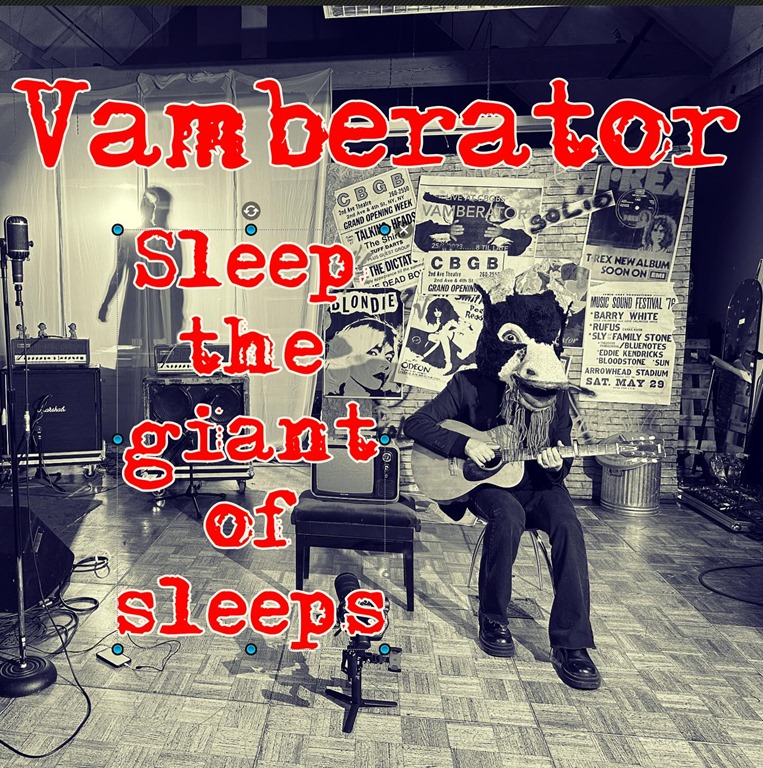
The single release ‘Sleep the Giant of Sleeps’, which came out in the summer, showcased an energetic embracing of myriad firms, and I myself described it as ‘a mega-hybrid of alt-rock, post-punk, and psyche.’ It set a level of expectation for the album and despite being born from a place of comparative darkness, the spark of experimentation and joy of creating illuminates the recesses of Age of Loneliness.
‘I Used to be Lou Reed’ kicks the album off in a flurry of strings and takes flight with a quite poppy flavour. It’s got horns and string and synths bursting all over, and there’s a slick funk groove which emerges after a minute or so… but despite being there, there, and everywhere, from James Bond to crooning 90s indie all in the space of five minutes, nothing feels forced or corny. Wish-era Cure meets Pulp might not sound like the ultimate pitch, but prepare to be pleasantly surprised.
Shades of negativity colour songs with titles like ‘I Need Contact’ and the title track, as well as ‘I Don’t Want to Cut the Grass’, a paean to lethargy which drifts and lilts like a Kraftwerk piece, but with the drollness of late Sparks. ‘Pilgrim’ brings tints of Beatles-esque twanging and some Eastern shades alongside elements of psychedelia. With loping rhythms and layered instrumentation, the title track slips into a groove worthy of late 80s Wax Trax releases then swerves unexpectedly. ‘I Need Contact’ is a sparse piano-led ballad, and its simplicity in itself is affecting. ‘Creature in My House’ begins haunting and ominous, before swinging into an electropop glam stomp which shouldn’t work, but does. This is true of much of Age of Loneliness.
Being predictable is not an accusation one could level at Vamberator: Age of Loneliness is ambitious, and bold. Sometimes it goes over the top, but it’s forgivable, because instead of playing it safe, as musicians of their experience often do, Tayle and Williams have tested their limits here, and they’ve emerged victorious.
AA
AA

 Aural Aggravation