Maud the moth, the solo project of Spanish-born and Scotland-based pianist, singer and songwriter Amaya Lopez-Carromero shares ‘Exuviae’, a final preview from her forthcoming album, The Distaff, to be released via The Larvarium (digital +CD) and La Rubia Producciones (vinyl), with Woodford Halse/Fenny Compton contributing a tape release on 21st February 2025.
Amaya has long used the mantle of Maud the moth as an alter-ego, a séance-like conduit to explore themes of rootlessness, identity and trauma. The Distaff in particular refers to the stick or spindle onto which wool or flax is wound for spinning, and an object which has historically been used across multiple cultures as a symbol wielded by the “virtuous woman”, an authoritarian ideal around which much of the trauma surrounding the feminine coalesces. The album takes the form of a sort of self reflective and surreal autobiography. It was in part inspired by the poem of the same name written by the Greek poet Erinna, as she mourns her friend’s loss of individuality and agency in exchange for marriage – and therefore safety and acceptance in the eyes of society.
About the track ‘Exuviae’, Maud the moth says;
“’Exuviae’ was written at dawn, after a sleepless night where defeat felt raw and hyperreal. The summer in Scotland is strange and the sun barely sets; A soft blue glow substituting night and weighing your chest down. Through the window, I could see the sky being torn and felt myself split.
Pow! Sometimes an album will sit in your ‘to play’ pile – physical or virtual – and after a time you wonder if it’s perhaps too late, you’ve missed the moment. But time-panic is just another construct, and it’s never too late. The whole time-frame issue when it comes to music releases, books, anything, is just a question of commercialism. If an album’s not hit critical mass and peak streams on the week of release, it’s deemed a failure, sunk. PR campaigns are deemed failures and bands get ditched by labels, and it’s all symptomatic of our culture of instant gratification. So many of the most culturally significant bands didn’t find their stride until three or four albums in and likely wouldn’t have had the opportunity in the modern climate, which is all about the short term. Thankfully, outside of the mainstream, things are a little less pressured, and there’s an understanding, an acceptance, that things often have a slow diffusion, perhaps not least of all because there’s less scope for pre-release airplay and the like which lead to the release-week bang.
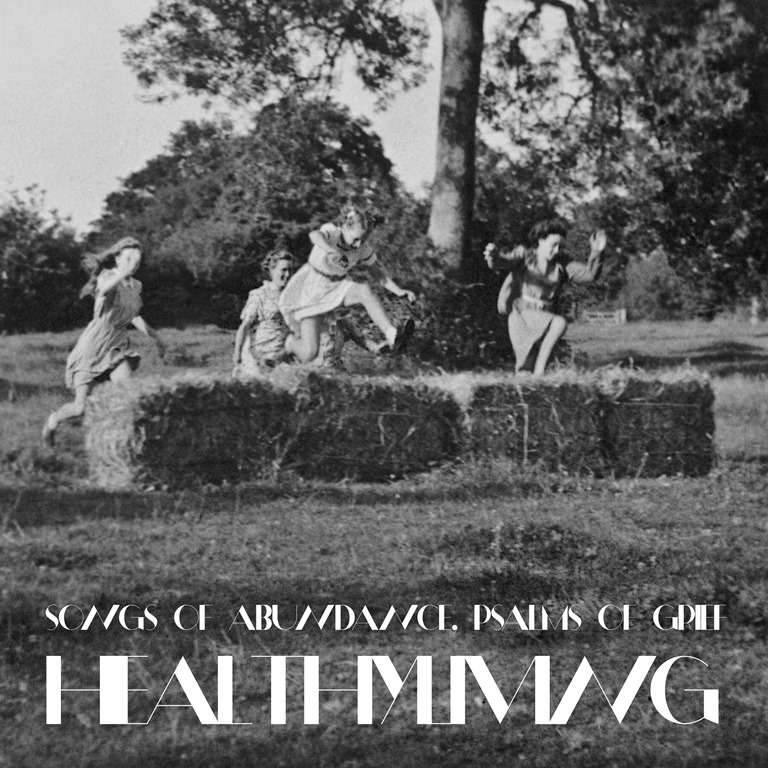
Songs of Abundance, Psalms of Grief came out in April, but then, in the scheme of things, it’s still very much a new release – and it’s a quite remarkable one, at that. It’s atmospheric and intense, combining elements of post-rock and post-metal with operatic vocals and it’s one of those albums that grips from the very start: opener ‘Until’ arrives in a flurry of energy and it’s bold and immense and so, so powerful. There are some big guitars and strong drumming and everything comes together with a density and power. But if the first impressions suggest another act in the vein of Chelsea Wolfe, the album as a whole showcases a quite different style.
As vocalist Amaya López-Carromero explains: “The magic of musical composition/songwriting for me lies in its capacity to create worlds outside of reality where both performers and listeners can explore and process things. A sort of microholiday from everyday life or an exciting meditative state, so I hope that we can share this experience with anyone who listens to the album.”
Songs of Abundance, Psalms of Grief very much conveys a sense of separation and detachment from the humdrum, and possesses an elemental quality that has the capacity to lift the listener elsewhere, in a world of its own. It’s also unexpectedly varied, and the chunky, rattling bass on ‘Dream Hive’ is only one factor – albeit a dominant one – in a layered, textured work. Galleries’ is a true epic: hypnotic, richly textured, it has simultaneously a soaring airiness and the earthy heft of Neurosis, and it’s a potent combination.
‘To the Fields’ reaches a blistering crescendo, during which Amaya’s vocals reach a new height of impact, sending shivers down the spine. Then, ‘To the Gallows’ rushes in on a wave of thunderous percussion before Amaya powers in with some high-impact vocals which border on the witchy. She’s an incredible vocalist, powerful and versatile, and her singing is imbued with a kind of pure spirituality.
‘Bloom’ is something of a contrast, manifesting as clean, wistful indie pop – at least to begin with, before it goes big and brooding, while ‘Ghost Limb’ is a glorious slow-burner which paves the way for ‘Obey’, which closes off the album in strong style, another emotionally-intense song with a gradual build and strong dynamics.
Songs of Abundance, Psalms of Grief is one of those albums that is an instant grab, but continues to yield more with each subsequent listen. And for its variety, there isn’t a song which sounds out of place, or weaker than its counterparts. It’s not solid, it’s stunning, from beginning to end.

 Aural Aggravation