Neurot Recordings – 29th September 2023
Christopher Nosnibor
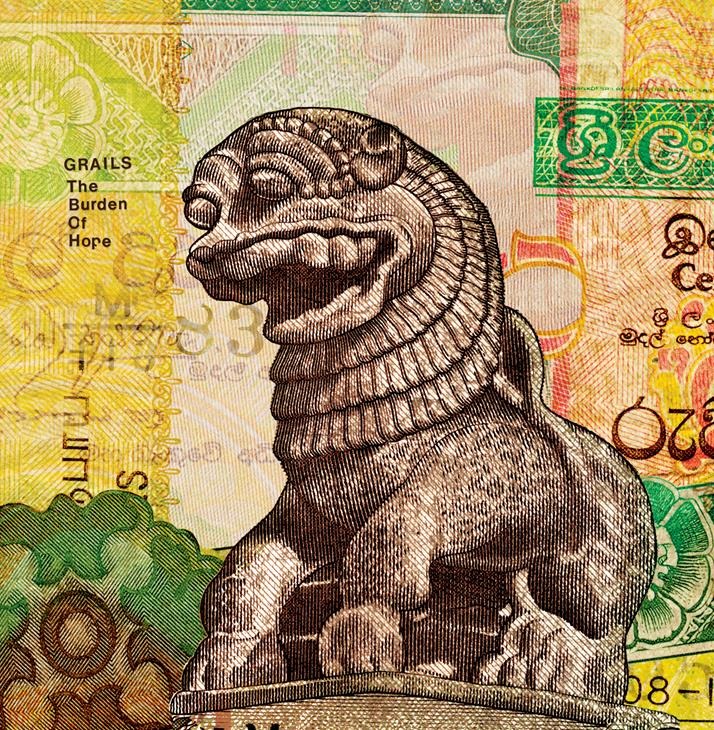
I’m finding myself on something of a Neurot trip this week, following my fervent frothing over the mighty new album by Great Falls. As if to prove that the label has been putting out outstanding records for a very long time (and with unstinting singularity, presenting a broad stylistic range, too: this is anything but heavy), twenty years on from its original release, Grails’ debut is getting a reissue. While the nice coloured vinyl pressings (in ‘Coke bottle clear’ and ‘beer’ hues) aren’t necessarily for everyone, the release does afford a timely opportunity to reflect on the debut release of a band who have gone on to forge a significant and varied career, with their latest album – number eight – being released next month.
Steve Von Till’s comments about hearing the demo for the album, on which the offer of’ the release was made, reminds us of the musical landscape of the time in 2002: ‘Most instrumental music at the time was trying to emulate Godspeed You! Black Emperor or Mogwai, but this was different. This seemed to have elements from more diverse sources that I loved such as Dirty Three, Comus, Richard Thompson, and Neil Young, not to mention, who in hell would dare to cover Sun City Girls?’
There was a lot of instrumental post rock around, and while there was a wealth of great bands around, locally as well as nationally and internationally, it’s fair to say that a large proportion of it was much of a muchness, with myriad explorations of chiming guitars and slow-building crescendos.
The prominence of acoustic guitars, softly picked and strummed, and rather unconventional use of violin creates an unusual dynamic on these compositions, which tend to be sparse in arrangement and with considerable space between both the instruments and the individual notes, and the crescendos are few and far between – the first doesn’t arrive until over halfway through the third track, the slow, meandering ‘The Deed’, when the swell of guitar pushes upward through yawning strings and finally the full drum kit crashes in. But the impact is less from whacking on the gain on the instruments, but the musicians utilising the dynamics of playing, and the simple equation that playing harder is louder. Against the prevailing tide of pedal boards as big as drum risers packed with effects, this stands out as being not only very different, but bold, the emphasis on the tones and timbres of the instruments in unadulterated form, the sounds the result of technique.
The soft piano of ‘In the Beginning’, when paired with picked guitar has an almost pastoral feel; the heavy smack of a drum feels incongruous before a soft yet almost clumsy waltz emerges briefly, and structurally, the pieces seem to belong more to jazz than anything else, although ‘Space Prophet Dogon’ (the Sun City Girls cover) draws together elements of Celtic-influenced folk and psychedelia, and goes for a long toe-tapping groove over a crescendo by way of an extended climax. It takes a certain courage to fly in the face of fashion in such an obtuse fashion, as well as to play in such an intimate way that you can hear the sweep of a finger across a fret, where natural reverberations become as integral to the sound as the notes themselves. This is nowhere more apparent than on the hyperpsarce intro of ‘Broken Ballad’, a sedate almost country-tinged tune and one of the album’s more conventionally-shaped pieces. The slowly-unfurling ‘White Flag’ shares a certain common ground with later releases by Earth: slow, spacious, revolving around a simple, picked guitar motif, but it does swing into an exhilarating full band finale that’s different again.
Closer ‘Canyon Hymn,’ presumably a reference to Laurel Canyon, the name of the and when they recorded the demos which would become The Burden of Hope, is by no means an anthem or a theme, but encapsulates all aspects of the album’s range within a soothing five minutes. If the title, The Burden of Hope, implies a certain weight of responsibility, the music it contains sees that hope take wings. Twenty years on, The Burden of Hope sounds uplifting, and still fresh.
AA
 Aural Aggravation